
Cheap flights to Livingstone
Set your departure airport and maximum budget: SniperAir tracks prices to Livingstone and alerts you the moment a deal matching your criteria appears.
Quick summary
Country
Zambia
Continent
Africa
Airport
LVI
Currency
Zambian kwacha (ZMW)
Time zone
UTC+2 (CAT)
Deals already spotted to Livingstone
Real flight examples detected by SniperAir, with their reference price.
Loading examples…
Why track Livingstone with SniperAir
You do not need to compare prices every day
Choose your departure
Enter your departure airport and your maximum budget for a flight to Livingstone (LVI).
SniperAir keeps watch
Our systems continuously compare new prices with the real price history of the route. SniperAir monitors prices and alerts you: it does not sell or book tickets.
You receive an alert
As soon as a price matches your criteria, you are notified, without having searched for anything yourself.
Livingstone is the Zambian town of the Victoria Falls, in Southern Province, a few kilometres from the Zambezi: 10 km according to Wikipedia (EN) and 8 km according to Wikipedia (DE). It has about 178,000 inhabitants at the 2022 census, per Wikipedia (EN, DE). Wikivoyage (EN) presents it as Zambia's tourist capital and recalls that it was the capital of Northern Rhodesia until 1935, which Wikipedia (EN, DE) confirm. It is named after David Livingstone, the Scottish missionary who saw the falls in 1855, and is also known as Maramba. Unlike the small Zimbabwean town of Victoria Falls, which stretches along the edge of the falls, Livingstone is a real town, with a colonial-era centre, museums, a big market and a national park next door. Because the town has its own airport (LVI), tracking this destination with SniperAir often beats checking by hand, especially as Wikivoyage (EN) notes that flights to Livingstone are often cheaper than to the Zimbabwean bank.
Airport and getting into town
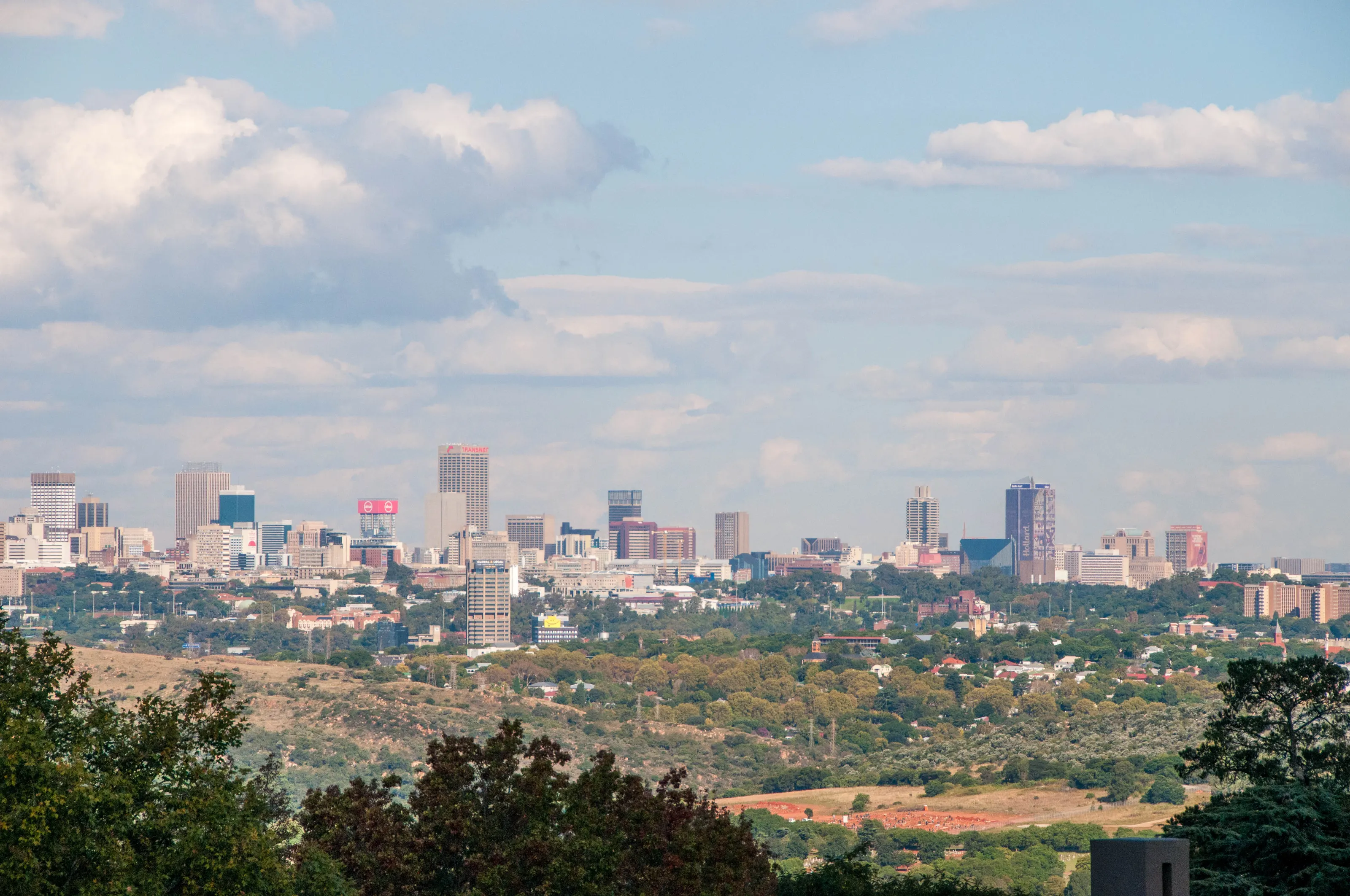
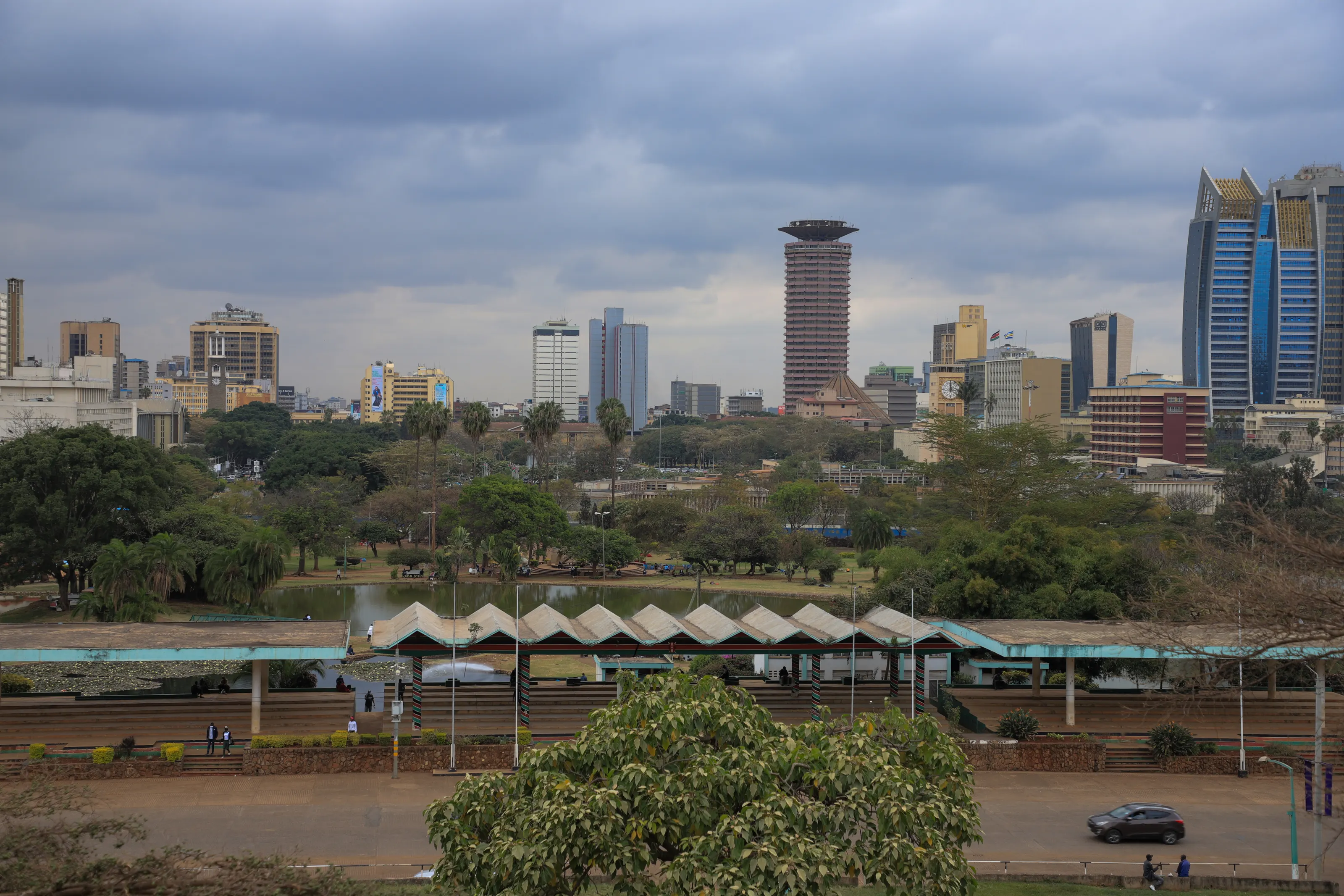
An international airport 5 km from the centre, linked with Johannesburg, Cape Town and Nairobi
Livingstone – Harry Mwanga Nkumbula International Airport (LVI)
Harry Mwanga Nkumbula International Airport (LVI), formerly Livingstone Airport, lies north-west of the town, about 5 km by road from the centre according to Wikipedia (EN). The same source puts it roughly 15 km by road from the falls. It was renovated between 2011 and 2017, with a new terminal and a new runway. Wikipedia (EN) lists flights to Johannesburg, Cape Town, Mbombela (Nelspruit) and Nairobi, and domestic links to Lusaka; Wikivoyage (DE) adds Addis Ababa. Wikivoyage (EN) says the taxi ride from the airport into town is short, with a fare that can be negotiated, but we do not publish amounts.
Distances from Wikipedia (EN): about 5 km from the airport to the town centre and about 15 km to the falls by road; the other sources do not give these figures. Journey times depend on traffic and are not given. We do not publish fares.
The falls are about ten kilometres from the centre: Wikivoyage (EN) advises against walking there, because of reported crime and elephants, and recommends a taxi. From Lusaka, Wikivoyage (EN) cites buses taking 6 to 9 hours and a weekly train; the Botswana border at Kazungula is about 60 km away according to Wikivoyage (DE). If you come from Zimbabwe, you can cross the border on foot over the Victoria Falls Bridge and then take a taxi.
Landmarks
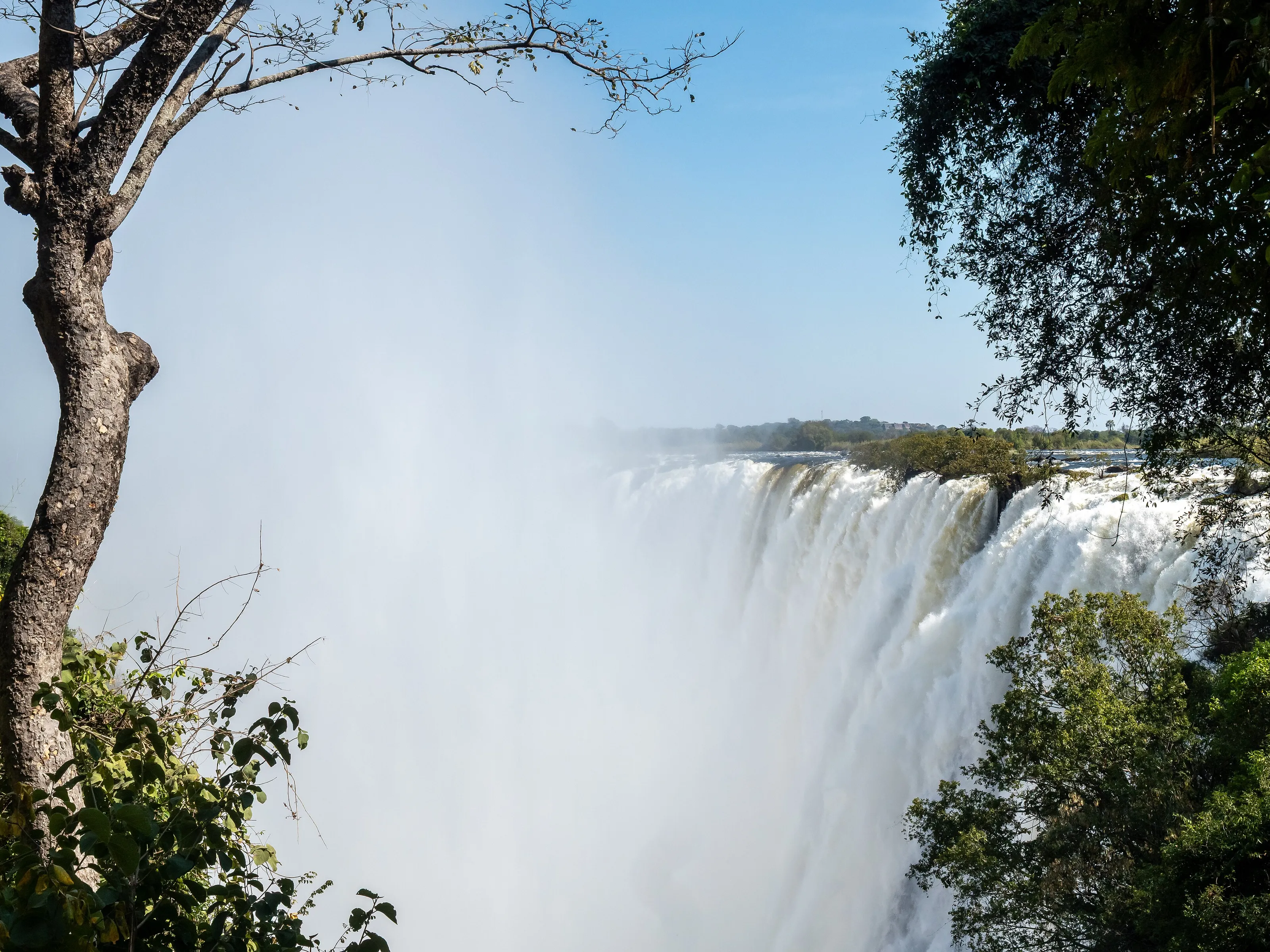
Mosi-oa-Tunya, the Zambezi and the bridge: the falls from the Zambian side
In Livingstone everything revolves around Mosi-oa-Tunya, "the smoke that thunders", and the river. The six places below come with photos; the rest are described in text only. The photographs show the river, the falls and the bridge; in several cases they were taken from the Zambian bank.
The falls from Mosi-oa-Tunya park
Wikivoyage (EN) describes a well-designed park where you can touch the Zambezi's water a few metres from the drop and cross the gorge on a narrow bridge. Wikipedia (EN) lists the streams from west to east as the Devil's Cataract, Main Falls, Rainbow Falls and Eastern Cataract, the last ones lying closest to Zambia. Bring waterproofs, because the spray soaks you in the rainy season.
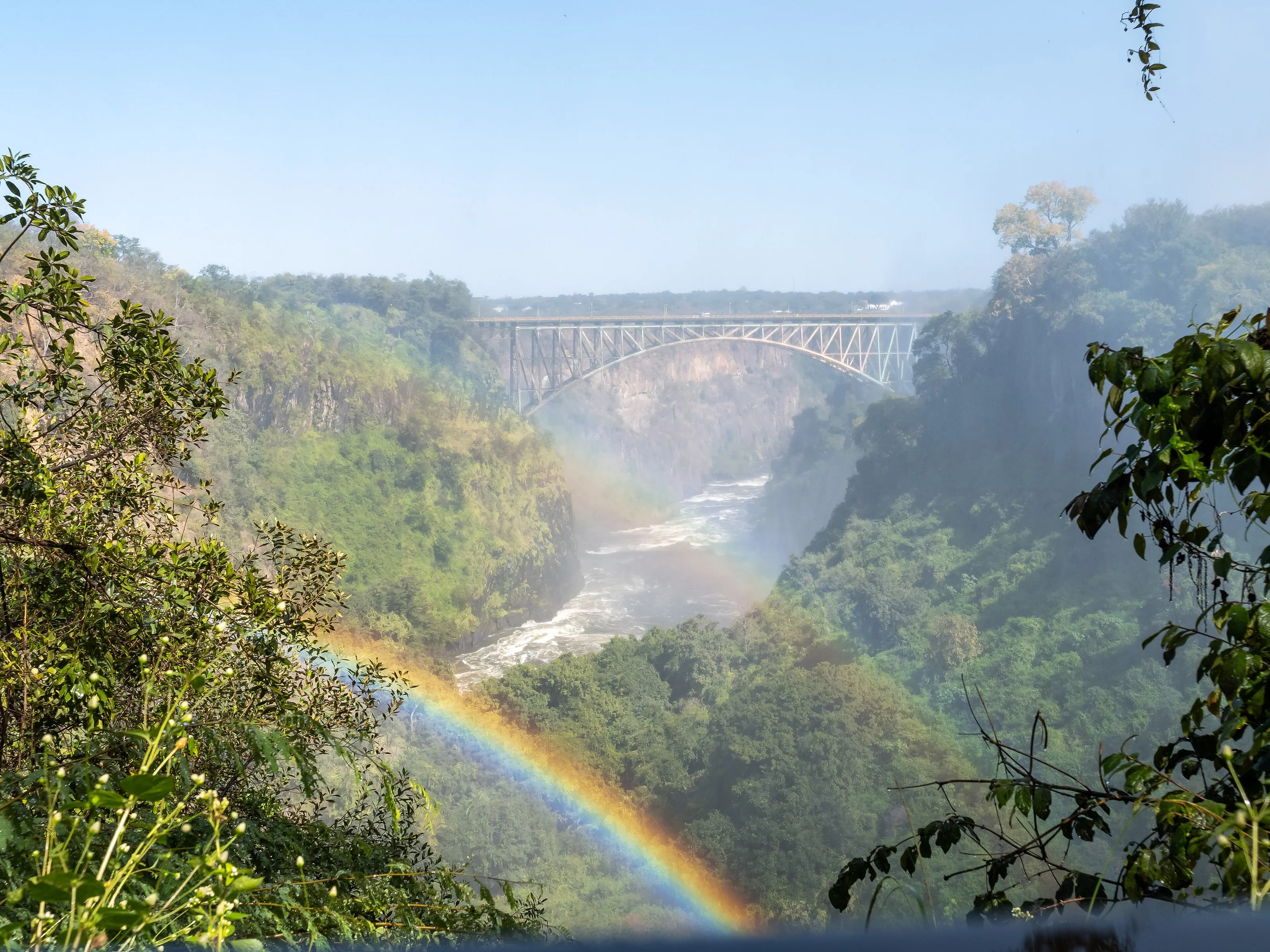
The bridge and the rainbow
The Victoria Falls Bridge, opened in 1905 according to Wikipedia (EN), spans the gorge east of the falls. From here you see it from the side, beneath the spray: rainbows are frequent when the sun is low. Wikivoyage (EN) mentions bungee jumping and bridge swinging from the bridge as popular activities.
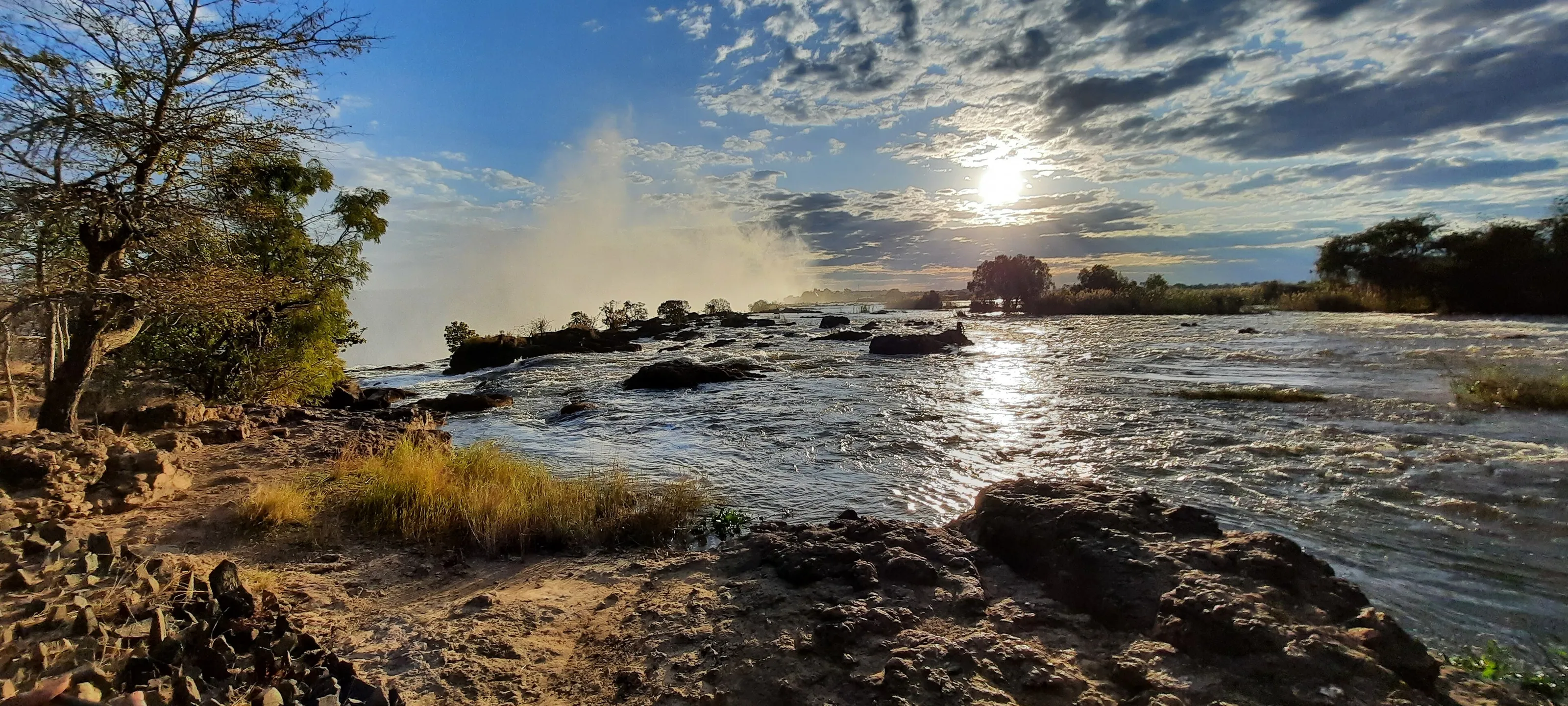
Sunset on the river
In the evening, the low light on the Zambezi and the mist from the falls make famous photographs. Wikivoyage (DE) mentions sunset over the Zambezi, and several operators run sunset cruises above the falls, with a little game viewing, according to Wikivoyage (EN). Night walks are not recommended, says the same source.
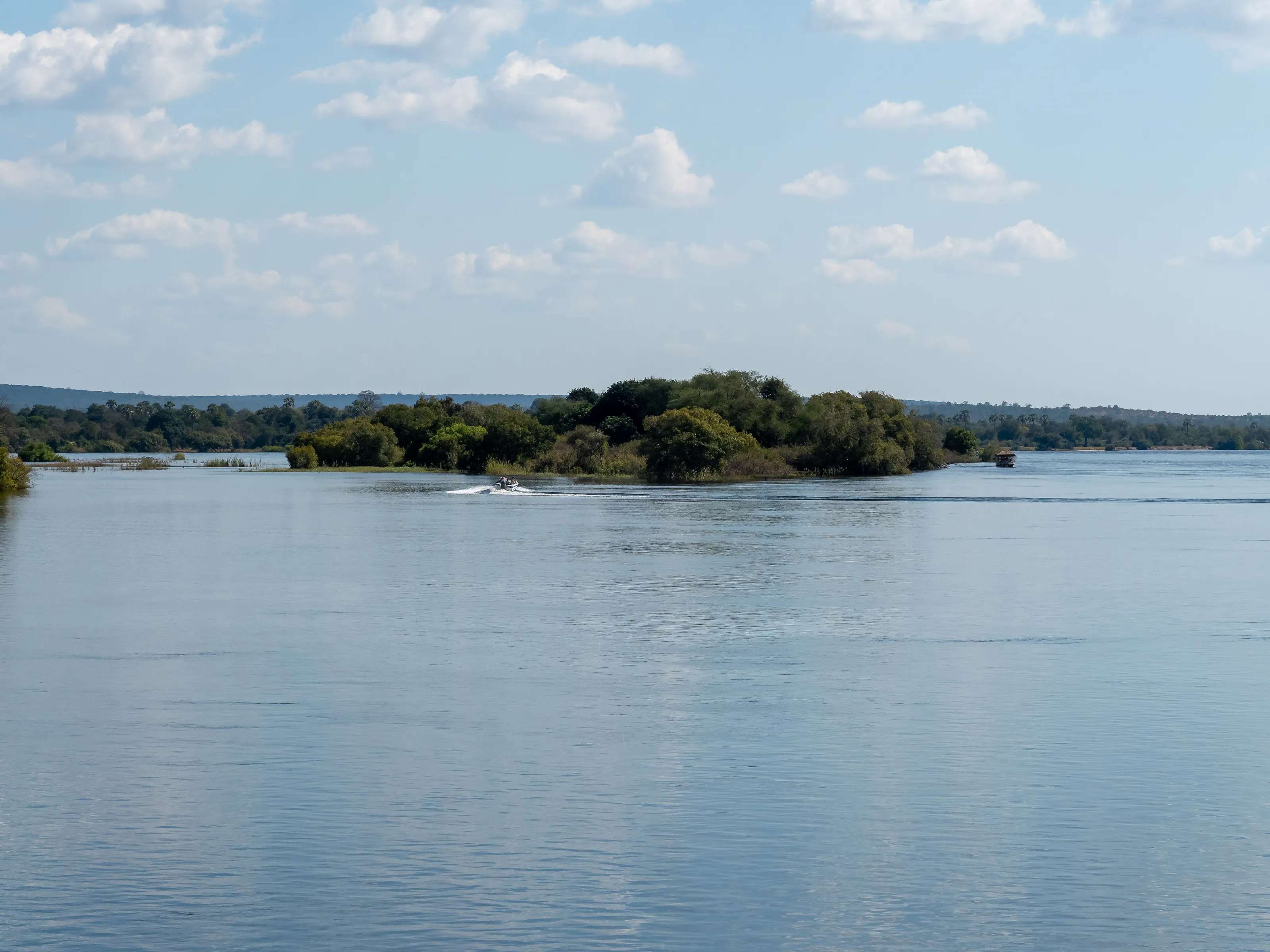
The Zambezi upstream
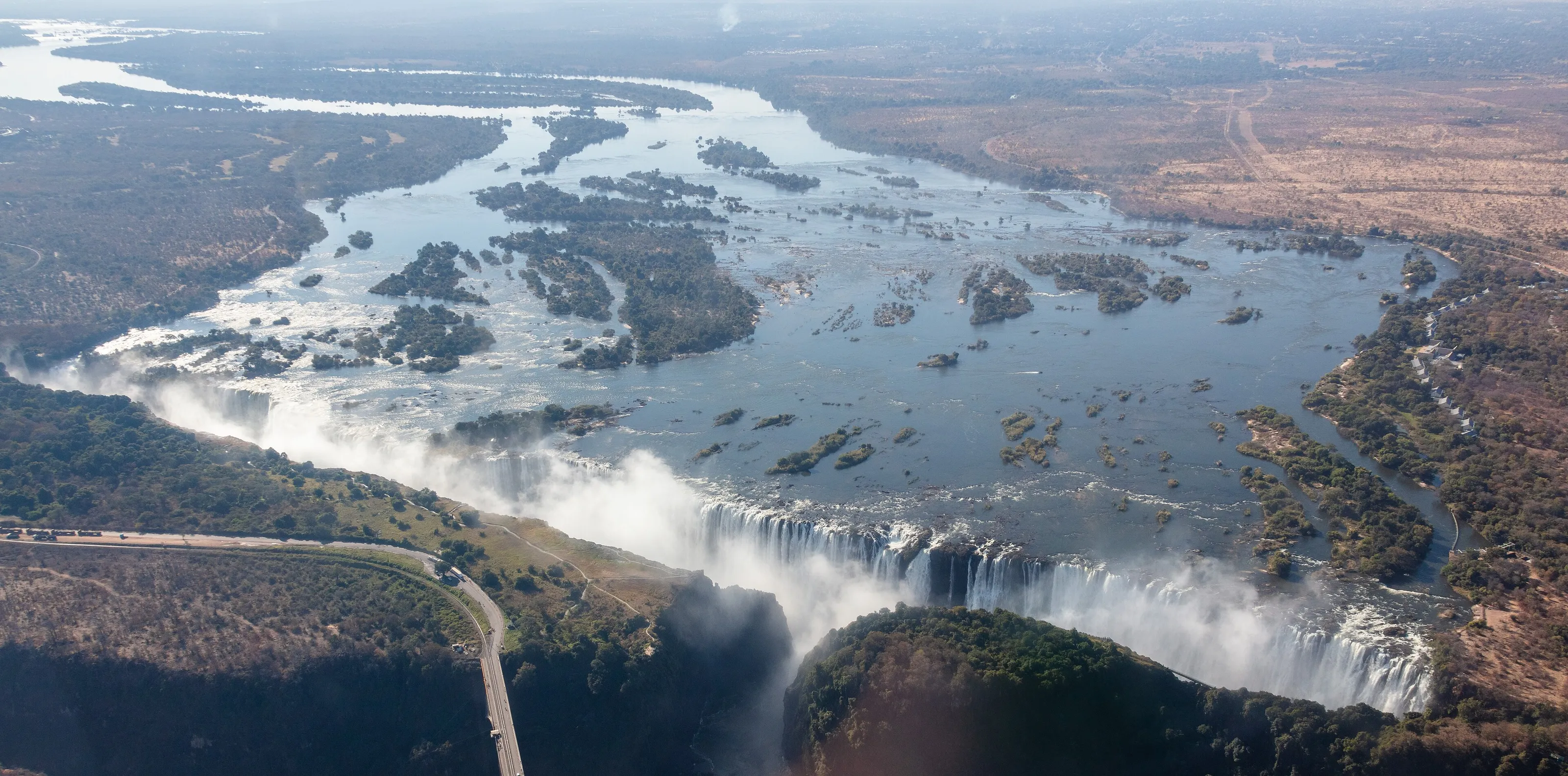
Upstream, the river is wide, calm and dotted with wooded islands before it drops into the gorge. Wikipedia (EN) notes that it flows over a level sheet of basalt, bounded by low and distant hills. Cruises on the water are the usual way to take it in, according to Wikivoyage (EN).
Hippos and wildlife
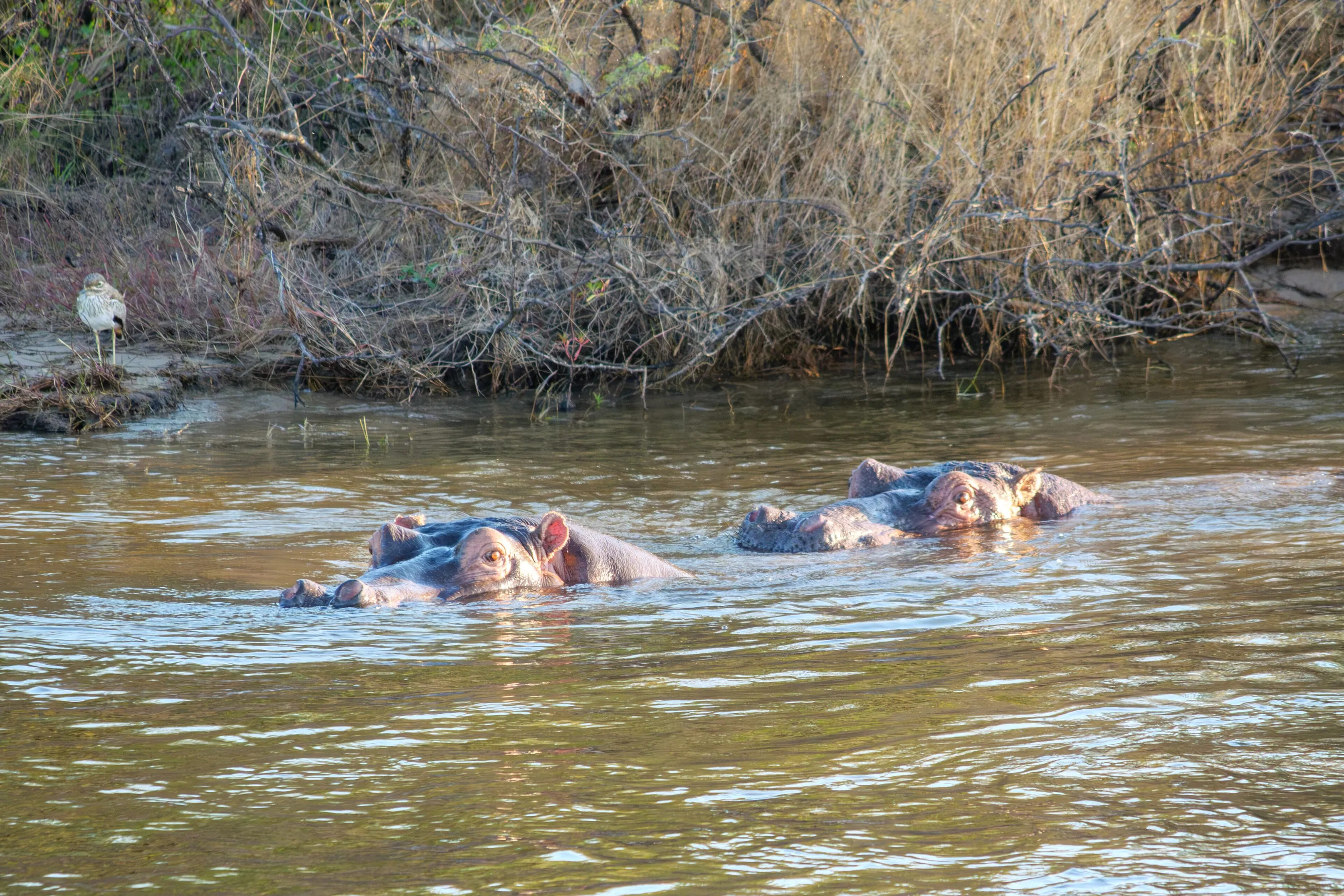
Hippos show up in the calm waters of the river. Wikipedia (EN) mentions populations of elephants, buffalo and giraffe in the nearby parks, and white rhinoceroses in Mosi-oa-Tunya National Park; lions and leopards are rarely seen. Wikivoyage (EN) warns that bull elephants in musth are irritable, and that you should not walk in the bush.
The falls from above
From the sky, the falls and the island-strewn river read like a map: the calm water of the upper Zambezi, then the basalt fissure where it plunges. Wikivoyage (EN) lists helicopter and microlight flights on the Zambian side; check licensed operators.
Other places named by Wikivoyage (EN): Livingstone Island, from where you can stand at the edge of the drop in low water, and the Devil's Pool, a natural pool at the lip of the falls, on the Zambian side according to Wikipedia (EN); the island opens in July and the pool a few weeks later, per Wikivoyage (EN), once the water level drops. The Knife-Edge Bridge, a narrow footbridge facing the Main Falls, and the Boiling Pot, the whirlpool basin at the foot of the bridge, which can be reached by a footpath on the Zambian side. At full moon the park opens in the evening to see the lunar rainbow, according to Wikivoyage (EN).
Museums and culture
The country's oldest museum, Zambian culture and the railway
The Livingstone Museum
Wikipedia (DE) calls it the oldest and largest museum in Zambia, founded in 1930, with a large archaeological collection. Wikipedia (EN) and Wikivoyage (EN) also name ethnography, history and memorabilia of David Livingstone, plus a section on Zambian independence told from a Zambian angle.
The Maramba Cultural Museum
Wikipedia (EN) and Wikivoyage (EN) mention this museum devoted to traditional Zambian culture and art, with dancing, singing and costumes. It is a valuable complement to the falls for understanding the region's peoples.
Railway and historic buildings
The railway museum recalls Zambia's railway heritage, including the Mulobezi line. Wikipedia (DE) also names buildings from before 1924, such as St Andrew's Church, the Old European Library and Mukuni Park. We do not publish prices.
Food and drink
Nshima, river fish and world cuisine
Nshima and Zambian dishes
The Zambian staple is nshima, a maize porridge served with a relish, vegetables or meat; kapenta, small dried or fried fish, often goes with it. Wikivoyage (EN) names a locally run place in Kutaway Street offering the most "Zambian" dining experience in town.
International cuisine
Because the town is so touristy, Wikivoyage (EN) says Western-style meals, from pizza to burgers, and Oriental dishes are easy to find, often in the lodges and hotels. Many restaurants cluster around Mosi-oa-Tunya Road.
Cafes and market
Wikivoyage (EN) mentions the City Market beside the taxi depot, supermarkets and two main craft markets, one near the centre and one near the park entrance. Cafes serve pastries and light meals all day.
Getting around
Blue taxis, minibuses and a border on foot
In town
Livingstone is small enough to walk around the centre, according to Wikivoyage (EN). Official taxis are blue with a red number plate; you can pay for a single seat or book the whole ride, says the same source.
To the falls and the border
The falls are about ten kilometres from the centre: take a taxi rather than walk. Shared minibuses connect the town to the Zimbabwe border, with a depot near the town market. Wikivoyage (EN) says the border is crossed on foot, after which you pick up a taxi on the other side.
Formalities and the border
Entry conditions for Zambia and Zimbabwe depend on your nationality and country of departure: check the official sites for the visas required by each of the two countries, including for a simple same-day crossing. A joint visa for the two countries was offered on a trial basis, according to Wikivoyage (DE); check whether it still exists. Bring a valid passport and, depending on where you are coming from, a yellow fever vaccination certificate.
Budget and precautions
Budget, health and safety
Price level
Livingstone is a tourist destination: accommodation, adventure activities and flights over the falls weigh on the budget, but simple meals, markets and taxis stay affordable. The currency is the Zambian kwacha (ZMW), and tourist businesses accept the US dollar. We do not publish amounts because we could not cross-check them on two current sources.
By air
SniperAir tracks prices to LVI and compares them with the route's history, but it does not sell or book tickets. Also follow Victoria Falls (VFA) on the Zimbabwean side, as well as Johannesburg or Nairobi, common gateways.
Health
Ask a doctor or a travel clinic before you go. Malaria occurs across much of Zambia, with a risk that varies by season and region; also protect yourself from mosquitoes, sun and heat.
Safety
Official advice varies by country of departure: check your own government's before booking. Wikivoyage (EN) rates Livingstone as fairly safe but advises against walking downtown at night, where lighting is poor, and against walking to the falls. Beware of money changers offering better rates, and choose reputable operators for rafting or flying activities.
When to go
A semi-arid climate, with falls that change character
November to March
The rainy season: the flow rises, and according to Wikivoyage (EN) the show is more dramatic but spray hides the rock.
February to May
Wikipedia (EN) places the Zambezi's flood season between February and May, with a peak in April: the time when you get wettest in the park.
June to August
The dry season, with clear days and cooler nights. Livingstone Island opens in July according to Wikivoyage (EN), when currents drop.
September to January
The flow falls: up to half the cliff can run dry, and the Devil's Pool is generally accessible between September and December according to Wikipedia (EN).
Wikipedia (EN) describes a hot semi-arid climate (Köppen BSh), with a hot, rainy wet season and a mild dry season marked by large day-to-night temperature differences. We do not give exact temperatures because we could not cross-check them; look at the forecast before you leave.
By length of stay
What to do in Livingstone by length of stay
Mosi-oa-Tunya and the bridge
The falls park, the bridge, the Knife-Edge Bridge, then a sunset on the river or a cruise.
Museums and the Zambezi
Add the Livingstone Museum, the Maramba Cultural Museum, the market, and if the season allows, Livingstone Island and the Devil's Pool with a licensed operator.
Chobe and around
Wikivoyage (EN) names Kasane and Chobe National Park in Botswana, about an hour and a half by road, or Katima Mulilo in Namibia; check the formalities at each border.
In pictures
Livingstone in pictures
You might also like
Similar destinations
FAQ
Frequently asked questions about flights to Livingstone
How far is the centre of Livingstone from the airport?
Harry Mwanga Nkumbula International Airport (LVI) is about 5 km from the town centre by road according to Wikipedia (EN), and about fifteen kilometres from the falls. A taxi is enough to reach town.
What is the difference between Livingstone and Victoria Falls?
They are two towns on either side of the Zambezi and the same falls: Livingstone in Zambia, Victoria Falls in Zimbabwe. Livingstone is larger and more urban, with museums and a market; the Zimbabwean town is smaller and closer to the edge. Each has its own airport (LVI and VFA) and formalities; the bridge links them.
Do I need a visa to cross into Zimbabwe?
It depends on your nationality and country of departure. Check the official sites for entry conditions in both countries, including for a simple same-day crossing.
Is Livingstone safe?
Wikivoyage (EN) rates it fairly safe, with precautions at night and for walking to the falls. Official advice varies by country of departure: check your own government's before booking.
When is the best time to go to Livingstone?
The February to May flood gives the biggest flow; from September to January the cliff is more visible and the Devil's Pool opens. The choice depends on what you want to see.
What health precautions should I take?
Ask a doctor or a travel clinic before you go: malaria depending on season and region, and possibly yellow fever depending on where you are coming from.
How much does a flight to Livingstone usually cost?
The price depends mainly on your departure city, the time of year and how far ahead you book. The "opportunities" section above shows real examples of prices SniperAir has already detected to this destination.
How do I get alerted when a flight to Livingstone drops below my budget?
Create an alert profile with your departure airport, Livingstone (LVI) as the destination and your maximum budget. You are notified automatically as soon as a matching price is detected. SniperAir monitors and alerts, it does not sell or book tickets.
Ready to head to Livingstone?
Set your budget and let SniperAir monitor fares for you.
Create my alert