
Cheap flights to Ishigaki
Set your departure airport and maximum budget: SniperAir tracks prices to Ishigaki and alerts you the moment a deal matching your criteria appears.
Quick summary
Country
Japan
Continent
Asia
Airport
ISG
Currency
Japanese yen
Time zone
UTC+9
Deals already spotted to Ishigaki
Real flight examples detected by SniperAir, with their reference price.
Loading examples…
Another Japan
Ishigaki Island, tropical Japan
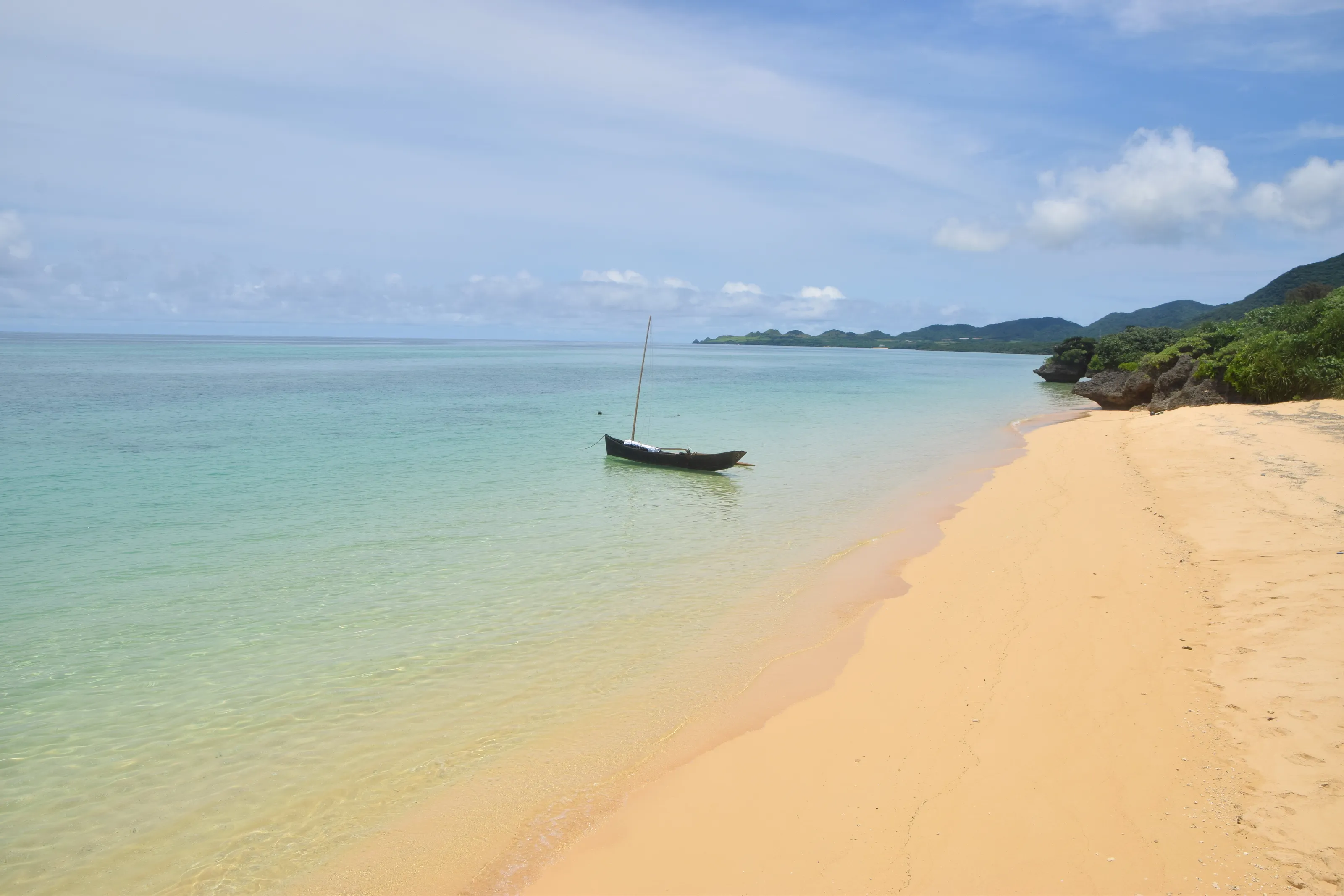
Forget temples and neon for a moment: Ishigaki island, about 400 km south-west of the main island of Okinawa, offers a Japan few travellers imagine. Coral reefs, white sand beaches, turquoise water and a mountainous, vegetation-covered interior make up a tropical identity far from mainland Japan.
The main island and economic centre of the Yaeyama Islands, Ishigaki is also their gateway: ferries to Taketomi and Iriomote leave from here. It holds about 45,000 of the archipelago's 50,000 inhabitants, and the small, very walkable port town gathers restaurants, markets and rental shops.
An island to live slowly
Here you rent a car or a bike, spend the morning on the water, lunch on soba and end the day on a beach: the rhythm is that of Japan's southern islands.
Kabira Bay
One of Japan's 100 most beautiful landscapes
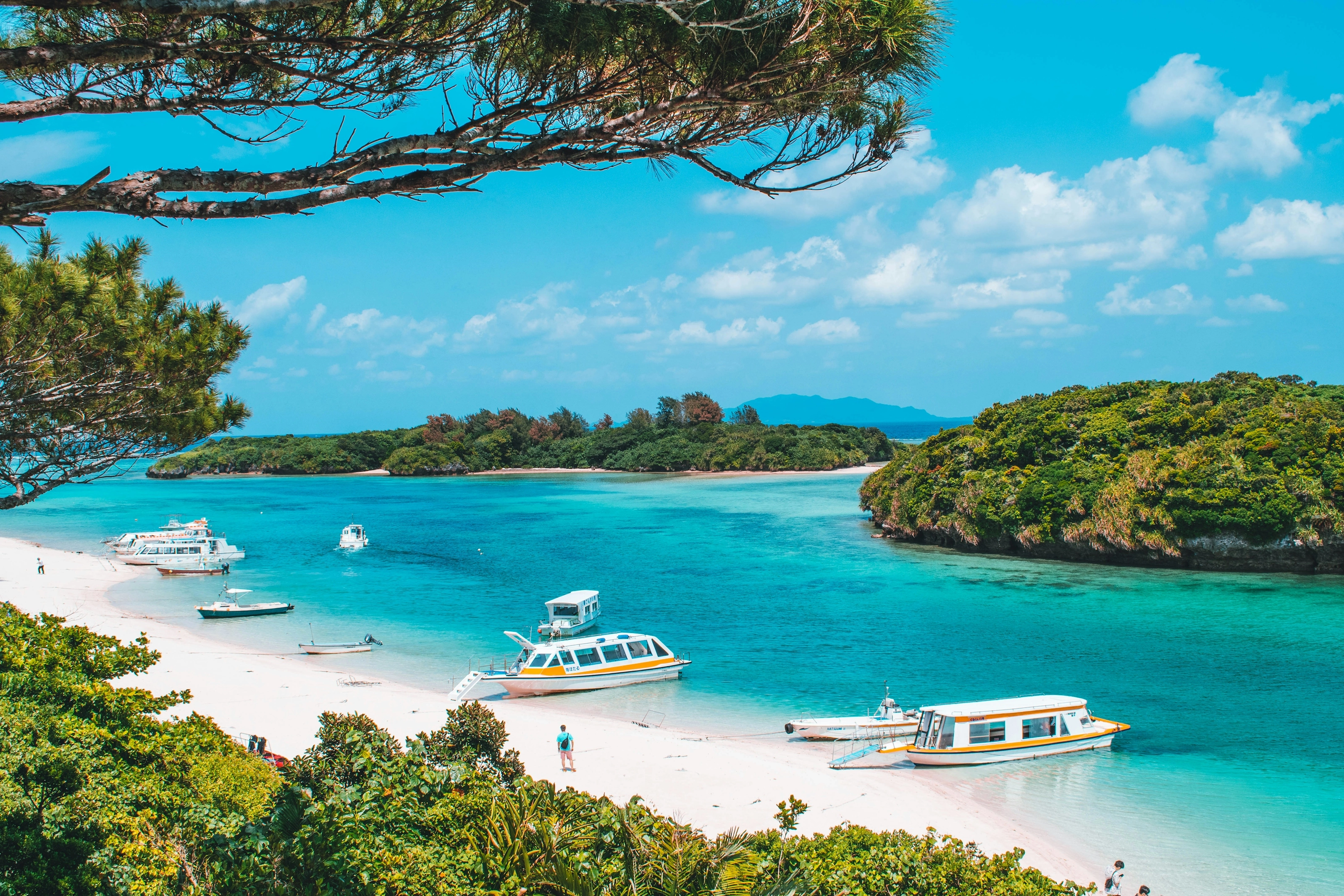
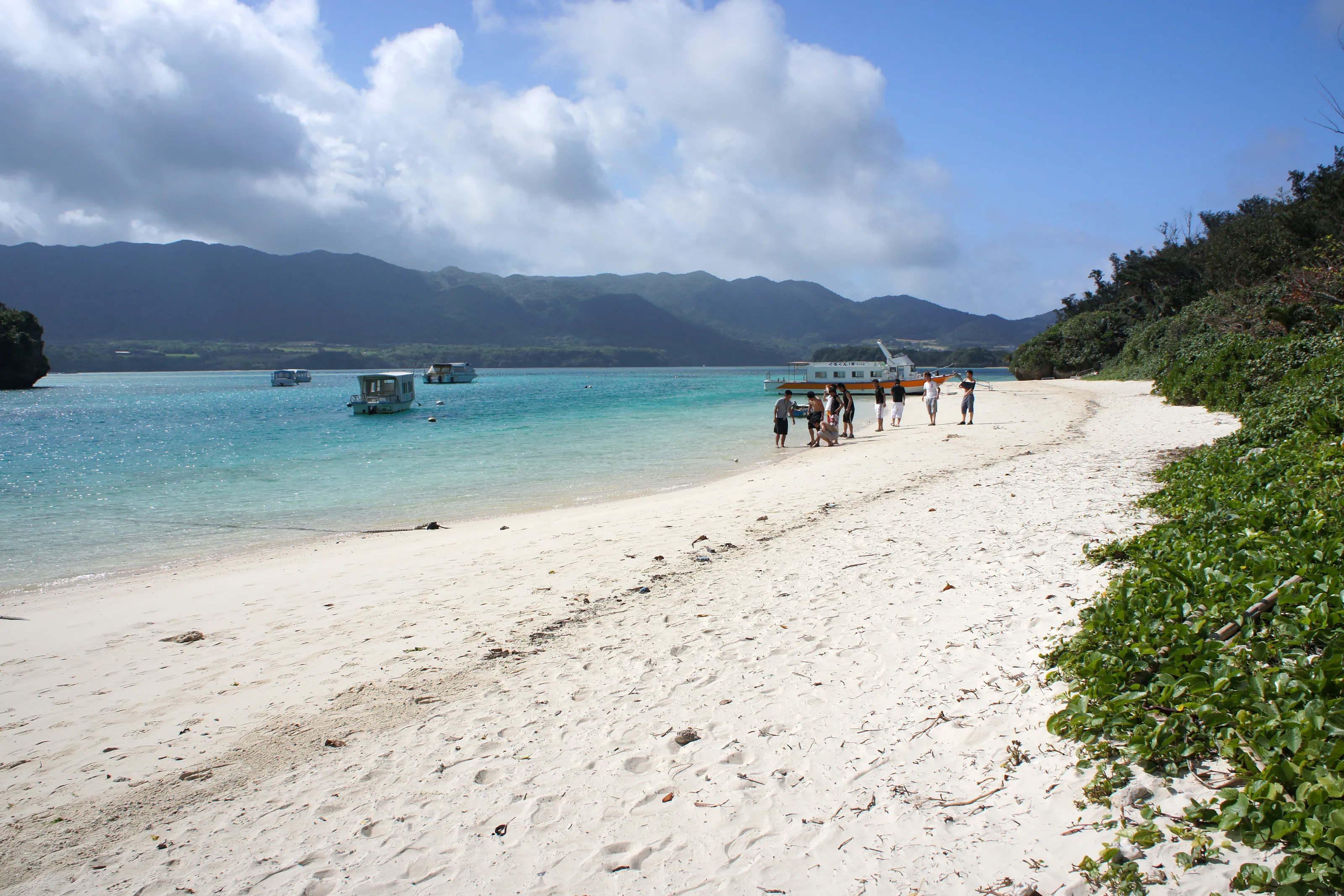
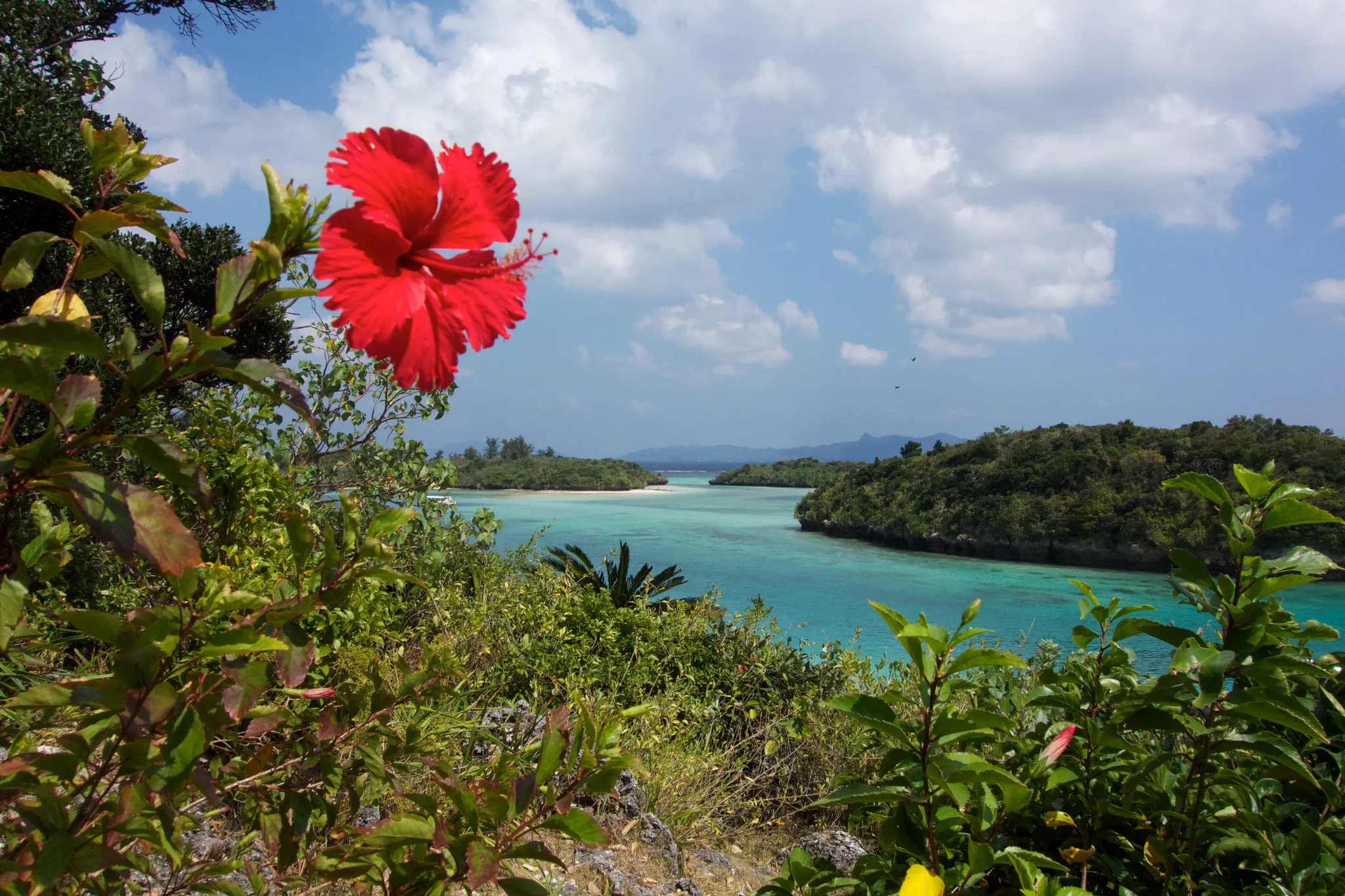
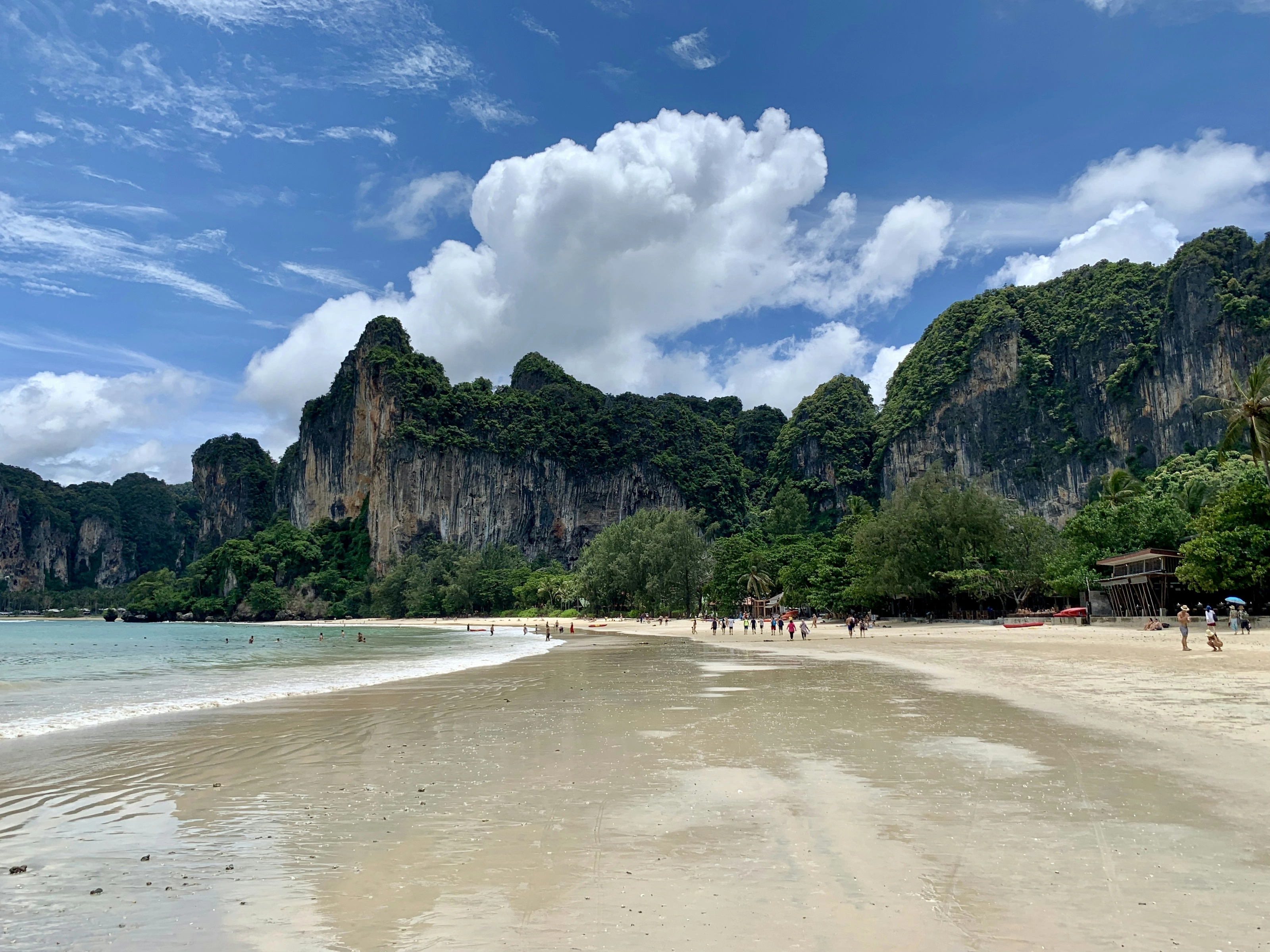
Listed among Japan's 100 most beautiful landscapes, Kabira Bay lines up white sand beaches and crystal-clear turquoise water between green islets.
Kabira Bay
Glass-bottom boats make half-hour trips there over the coral. Swimming is not allowed: you admire the site from the beach, the viewpoint or through the boat's glass.
Beaches of the island
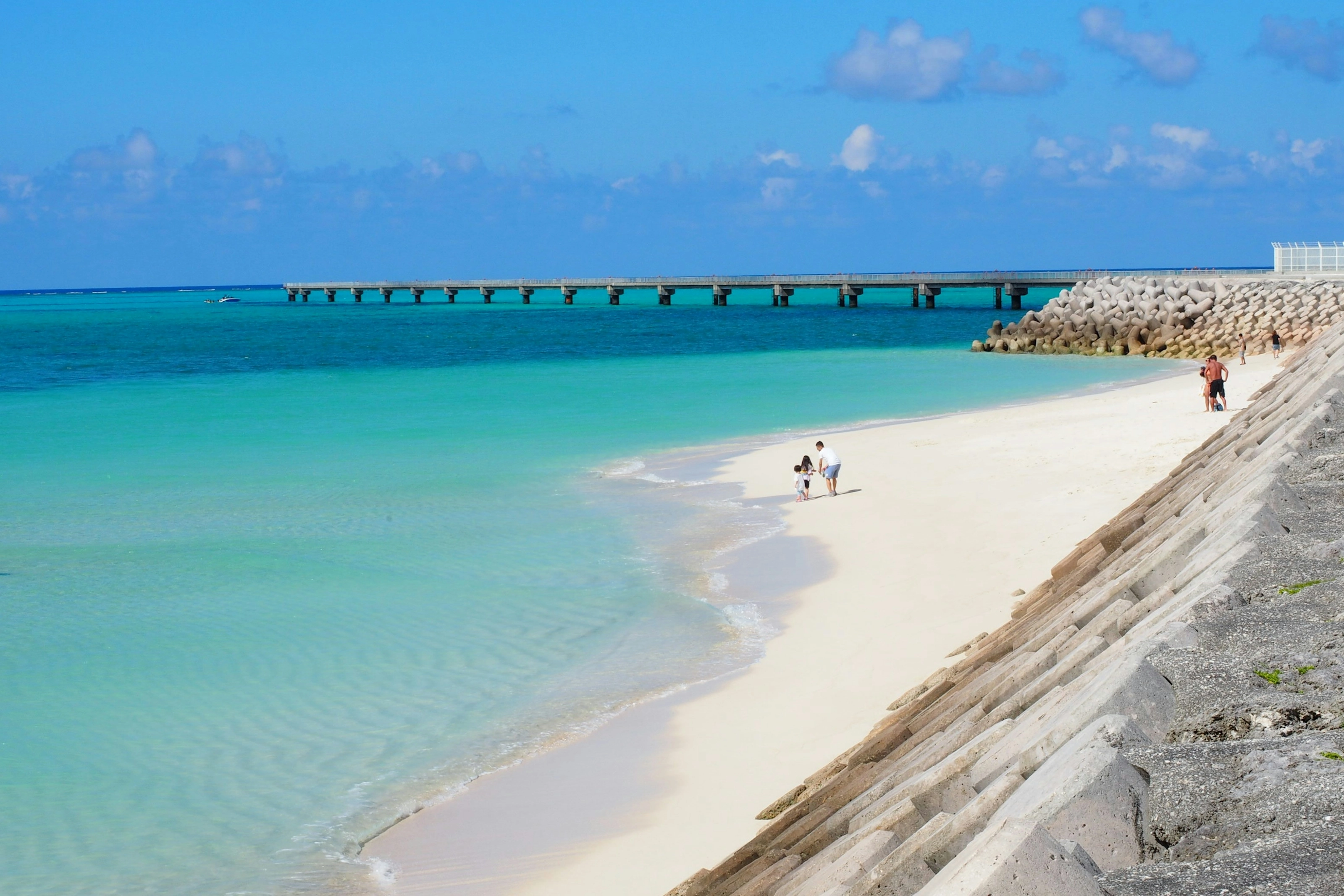
Close to the bay, shallow Sukuji beach is among the island's finest sand beaches; to the north, Yonehara unrolls a gradient of blues, from green to deep blue, and is a snorkelling spot, with strong currents to watch.
Coral coves
Beside the sand beaches, some coves are carpeted with bleached coral pebbles.
Swimming safely
Ask local businesses about supervised swimming areas and currents, respect the signs and wear water shoes on coral.
Below the surface
Coral reefs, blue coral and manta rays
Japan's largest reef
Ishigaki is ringed by the largest coral reef in Japan. Snorkelling and diving are possible from almost every beach.
Shiraho Reef
On the south-east coast, Shiraho reef shelters the largest colony of blue coral in the northern hemisphere.
Manta Scramble
Near Kabira Bay, this dive site is known for the many manta rays that gather there, with a period considered especially good in autumn.
Diving and safety
Diving is the headline activity: boat trips are booked in advance with dive clubs, and everyone must keep their distance from animals and not touch the corals.
Why watch Ishigaki with SniperAir
You don't need to compare prices every day
Pick your departure
Enter your departure airport and your maximum budget for a flight to Ishigaki (ISG).
SniperAir watches
Our systems continuously compare new prices with the real price history of the route. SniperAir watches prices and alerts you: it does not sell or book tickets.
You get an alert
As soon as a price matches your criteria you are notified, without having searched anything yourself.
Land and sky
Rivers, mountains and Japan's first Dark Sky Place
The mountainous interior of the island holds the highest peak in Okinawa Prefecture. You can hike there, and paddle up jungle-like rivers by kayak.
At night Ishigaki reveals another asset: it was certified Japan's first "Dark Sky Place" and its starry sky is among the finest in the world.
A park for orientation
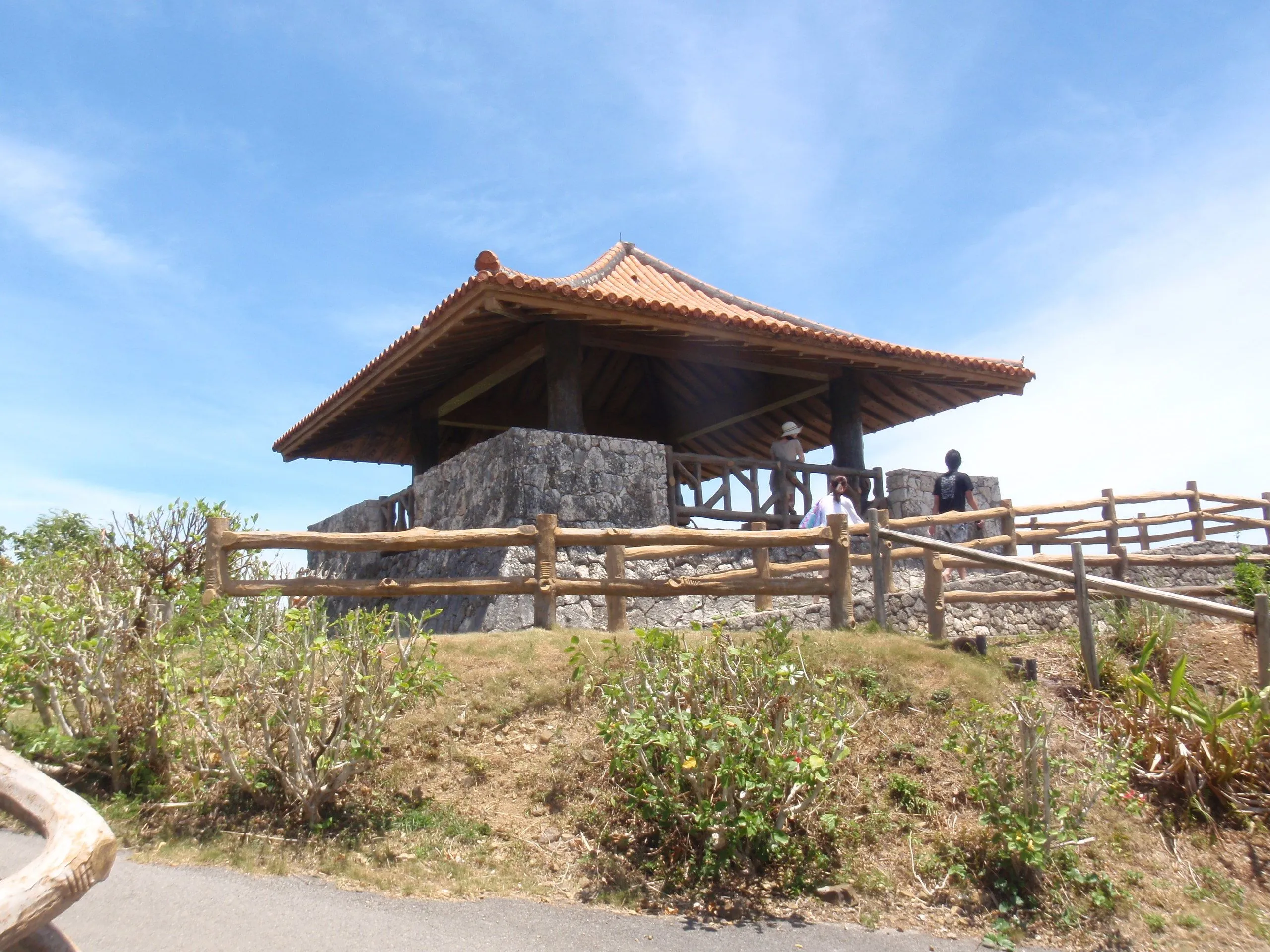
Banna Park, free to enter, offers viewpoints over the island and the sea. The local astronomical observatory and its planetarium round out the evening.
Island by island
Taketomi, Iriomote and the other islands
| Island | Access from Ishigaki | What to expect |
|---|---|---|
| Taketomi | About 15 minutes by ferry | Traditional stone houses and buffalo-drawn carts |
| Kohama | About 25 minutes by ferry | A calm, less visited island for a quiet day |
| Iriomote | 35 to 50 minutes by ferry depending on the port | The largest of the Yaeyama islands, dense mountainous forest, one of Japan's wildest places |
| Hateruma | About 70 minutes by fast ferry | Japan's southernmost inhabited island |
| Yonaguni | Daily flight or slow ferry of 4 to 5 hours, a few crossings a week | Another island of the archipelago, linked to Ishigaki by sea and by air |
Ferries leave from Ishigaki port in the centre; schedules and links change with the season and the weather, so check the day before.
Getting to Ishigaki
The air hub of the Yaeyama Islands
New Ishigaki Airport
The new airport is the air hub of the Yaeyama Islands, the starting point for inter-island ferries. It has frequent flights from Naha and Miyako, direct flights from Tokyo, daily flights to Yonaguni, low-cost flights from Osaka and seasonal links with Taiwan, of about forty minutes.
Approximate times based on Wikivoyage and Wikipedia; check schedules before you travel. We do not quote fares.
From the airport to the centre
A scheduled bus links the airport to the centre about every twenty minutes, in around forty minutes; a taxi takes about half an hour. Car rental companies are numerous on site.
From mainland Japan
No regular ferry service links Ishigaki to mainland Japan: you arrive by air, generally in under four hours from Tokyo, or in about an hour from Naha.
From Taiwan
Seasonal flights of under an hour, and a weekly overnight ferry from Keelung, also link the island to Taiwan.
Useful distances
Ishigaki in numbers
| Destination | Distance from the centre | Approximate time |
|---|---|---|
| New Airport (ISG) | about a dozen km east | about 30 minutes by taxi, 40 by bus |
| Kabira Bay | about 20 km north-west | about 30 to 40 minutes by car or bus |
| Yonehara beach | about 25 km north-west | about 40 minutes by car |
| Shiraho reef | south-east coast, about fifteen km | about 30 minutes by car |
| Taketomi | a crossing of a few km | about 15 minutes by ferry |
| Iriomote | a crossing of about 20 km | 35 to 50 minutes by ferry |
| Okinawa (Naha) | about 400 km north-east | about 1 hour by plane |
These distances are rounded. The northern tip of the island takes about an hour and a half by car from town, depending on traffic and stops.
Museums and monuments
Yaeyama history, tsunami and astronomy
Ishigaki has small museums that can be visited quickly: allow an hour for each, to combine with a beach day or a rainy one.
Ishigaki City Yaeyama Museum
The city's history and culture museum presents the archaeology, crafts and traditions of the archipelago.
Yaeyama Peace Memorial Museum
It looks back at the great tsunami of 1771 and the history of the Yaeyama, with a memorial approach.
Yōkō Gushiken Memorial Hall
Devoted to a world boxing champion from the island, a place that helps explain local pride.
Stalactite cave and Chinese tomb
Ishigaki Stalactite Cave offers about 660 m of developed route; the Tojinbaka, a monumental Chinese-style tomb, lies on the road to Kabira.
Food and drink
Ishigaki beef, soba and awamori
Local cooking is meatier than that of mainland Japan. Ishigaki beef, a renowned Japanese black beef, is the star, alongside Yaeyama soba, the archipelago's noodles, local fish and tofu. Markets offer traditional Okinawan dishes and crafts.
Dishes to try
Taco rice, an Okinawan dish of rice topped taco-style, is a popular lunch; Yaeyama soba comes plain or topped with pork. An Ishigaki beef steak is a pricier meal, often offered as a lunchtime set.
Drinks
Awamori, the region's distilled rice spirit, and Ishigakijima beer are the local drinks; nightlife is concentrated around Misakicho Center-Dori.
Market and groceries
Markets in the centre offer fresh produce, prepared dishes and crafts; Japanese convenience stores stay open late and help out with takeaway meals.
Getting around
Getting around the island
The centre of Ishigaki is very walkable, but the island is big: a rental car is the freest way to reach Kabira, Yonehara and the beaches, with about an hour and a half from the centre to the farthest point.
Buses
Island buses serve the main sights; the Kabira line is infrequent, with no midday service and a last departure in the late afternoon. A multi-day pass exists for visitors.
Taxis and two-wheelers
Taxis are reliable but get expensive over long distances; bikes can be rented by the hour or the day, handy in the centre.
By boat
For the neighbouring islands, ferries leave from the port in the centre; book the day before in high season and keep a margin, as weather can cancel services.
Budget and safety
A mid-range budget, higher in peak season
Ishigaki sits in Japan's mid-range: accommodation runs from economy dorms to large beach resorts, and meals are affordable (soba, taco rice) or pricier (beef). Diving and snorkelling are a significant expense, along with the flight; prices rise in summer and during Japanese holidays.
Traveller advisories
The archipelago is safe day to day, but the sea calls for caution: strong currents, jellyfish in season, typhoons in summer and autumn. Check your government's advice before travelling; this is a general note.
Money and connectivity
ATMs that accept foreign cards are mostly at the ferry terminal, in convenience stores and in post offices; outside town only post offices are reliable, so carry cash.
When to go to Ishigaki
Climate by season and best time
Spring
March to May: mild to warm temperatures, the sea warming up, first swims late in the season.
Summer
June to August: hot and humid, highs around 31 to 33 °C, peak beach season but the start of typhoon season.
Autumn
September to November: still strong heat early on, typhoons possible until October, a period known for manta rays.
Winter
December to February: mild but cooler, with highs around 20 °C; cool water, wind and often overcast skies.
The best time
The climate is subtropical: swimming is pleasant from about April-May to October, and typhoon season runs mostly from July to October. May-June (rainy season) and summer are more humid. Temperature figures are rounded; check forecasts before booking.
By length of stay
What to do in Ishigaki depending on how long you stay
The essentials
Kabira Bay, a beach, a meal of soba or beef and a first snorkel.
Going deeper
Add Shiraho reef, diving or river kayaking, a museum and an evening of stargazing.
The Yaeyama islands
Spend a day on Taketomi, another on Iriomote or Kohama, then continue to Hateruma or Yonaguni.
In pictures
Ishigaki in pictures
You might also like
Similar destinations
FAQ
Frequently asked questions about flights to Ishigaki
Where is Ishigaki Island?
In the Yaeyama archipelago, south-west of Okinawa Prefecture, about 400 km from the main island of Okinawa.
How do I get from Ishigaki airport to the centre?
By scheduled bus (about 40 minutes, every twenty minutes) or by taxi (about half an hour).
When is the best time to visit Ishigaki?
From late spring to early autumn for swimming, with typhoon risk from July to October; autumn is known for manta rays.
Is Ishigaki expensive?
It sits in Japan's mid-range: affordable meals, pricier diving and flights, higher prices in summer.
What is the best beach on Ishigaki?
Kabira Bay, listed among Japan's 100 most beautiful landscapes, is the most famous, but swimming is not allowed. Nearby Sukuji and Yonehara to the north are also well regarded.
Can you swim with manta rays on Ishigaki?
Yes, the Manta Scramble dive site near Kabira Bay is known for the many manta rays that gather there.
How do you get to Taketomi and Iriomote?
By ferry from Ishigaki port: about 15 minutes to Taketomi, 35 to 50 minutes to Iriomote depending on the arrival port.
How do you get around Ishigaki?
By rental car for the beaches, by island bus (infrequent towards Kabira), by taxi or by bike in the centre.
What should I eat on Ishigaki?
Ishigaki beef, Yaeyama soba, taco rice, tofu and local fish; to drink, awamori and local beer.
How do I get alerted when a flight to Ishigaki drops below my budget?
Create an alert profile with your departure airport, Ishigaki as destination and your maximum budget. You are notified automatically as soon as a matching price is detected; SniperAir does not sell or book tickets.
Ready to head to Ishigaki?
Set your budget and let SniperAir monitor fares for you.
Create my alert