
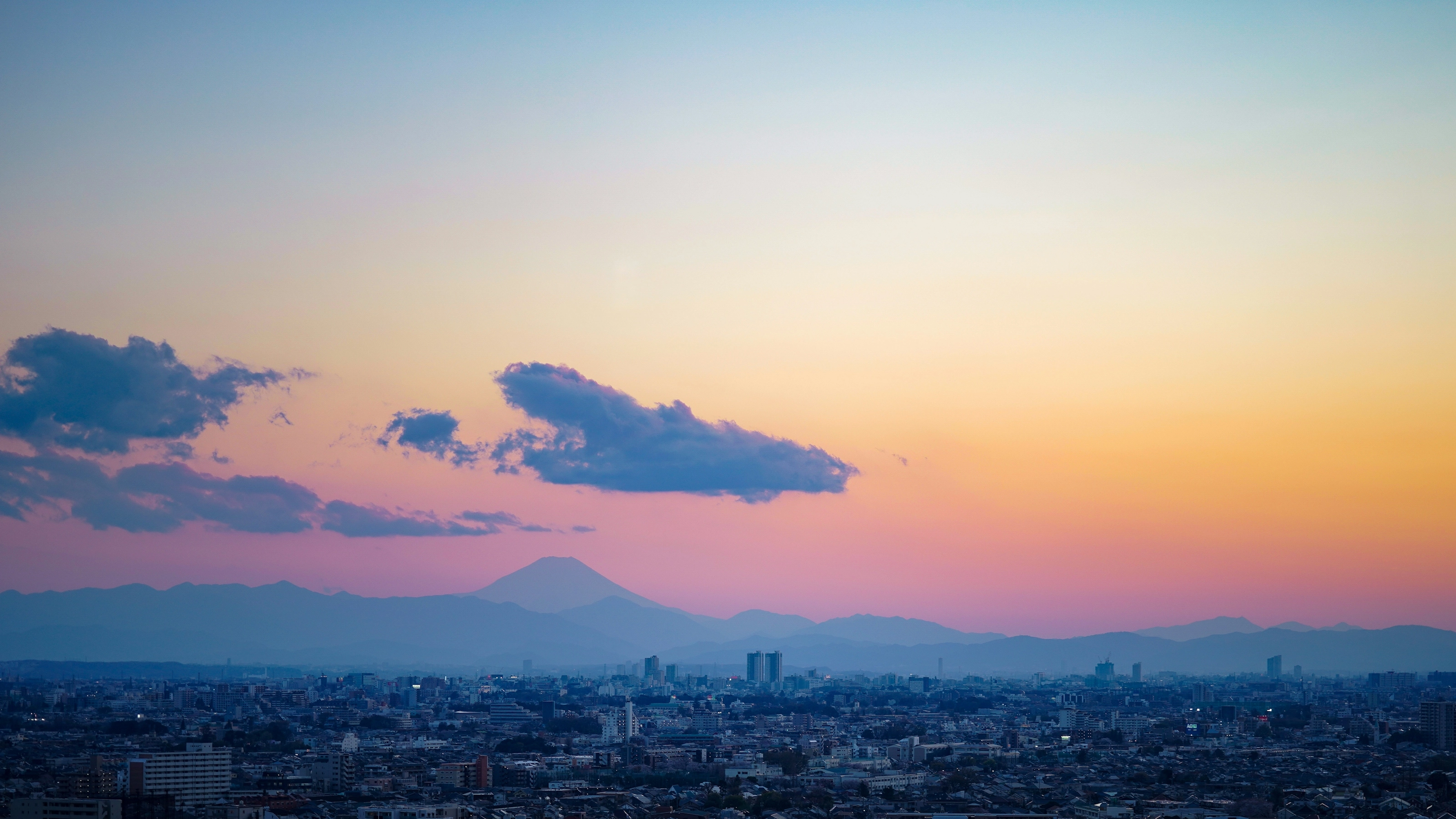
Cheap flights to Tokyo
Set your departure airport and your maximum budget: SniperAir watches prices to Tokyo and alerts you as soon as an opportunity matching your criteria appears.
Long-haul: opportunities to Tokyo appear less often than on European routes, but they are watched around the clock.
Quick summary
Country
Japan
Continent
Asia
Airports
HND · NRT
Currency
Yen (¥)
Time zone
UTC+9
Opportunities already spotted to Tokyo
Real flight examples spotted by SniperAir, with their reference price.
Loading examples…
Identity
A giant made of villages
Tokyo is the world's largest metropolitan area by most counts. The metropolis itself is home to more than 14 million people, of whom about 9.8 million live in the 23 special wards that visitors think of as the city. It is also the most Michelin-starred city on Earth, yet a bowl of ramen or a beef bowl costs very little.
The numbers suggest something overwhelming, and the first hour in Shinjuku, the world's busiest railway station, can feel that way. In practice Tokyo behaves like a collection of villages, each with its own character: neon in one, shrines in the next, pop culture or food a few stops further on. It is huge, but it is safe and orderly, and that combination is what makes it so easy to enjoy.
History
From Edo Castle to an Olympic capital
The city began as Edo. Edo Castle was built in 1457, and in 1603 Edo became the seat of the Tokugawa shogunate. In 1868 it was renamed Tokyo and became the imperial capital.
The twentieth century rebuilt it twice: after the Great Kanto Earthquake of 1923, and after the air raids of 1945, which destroyed roughly a third of the city. Tokyo went on to become the first Asian city to host the Summer Olympics, in 1964, and hosted them again in 2021. The Ginza Line of the Tokyo Metro, opened in 1927, is the oldest subway line in Asia.
West side
Shibuya and Shinjuku
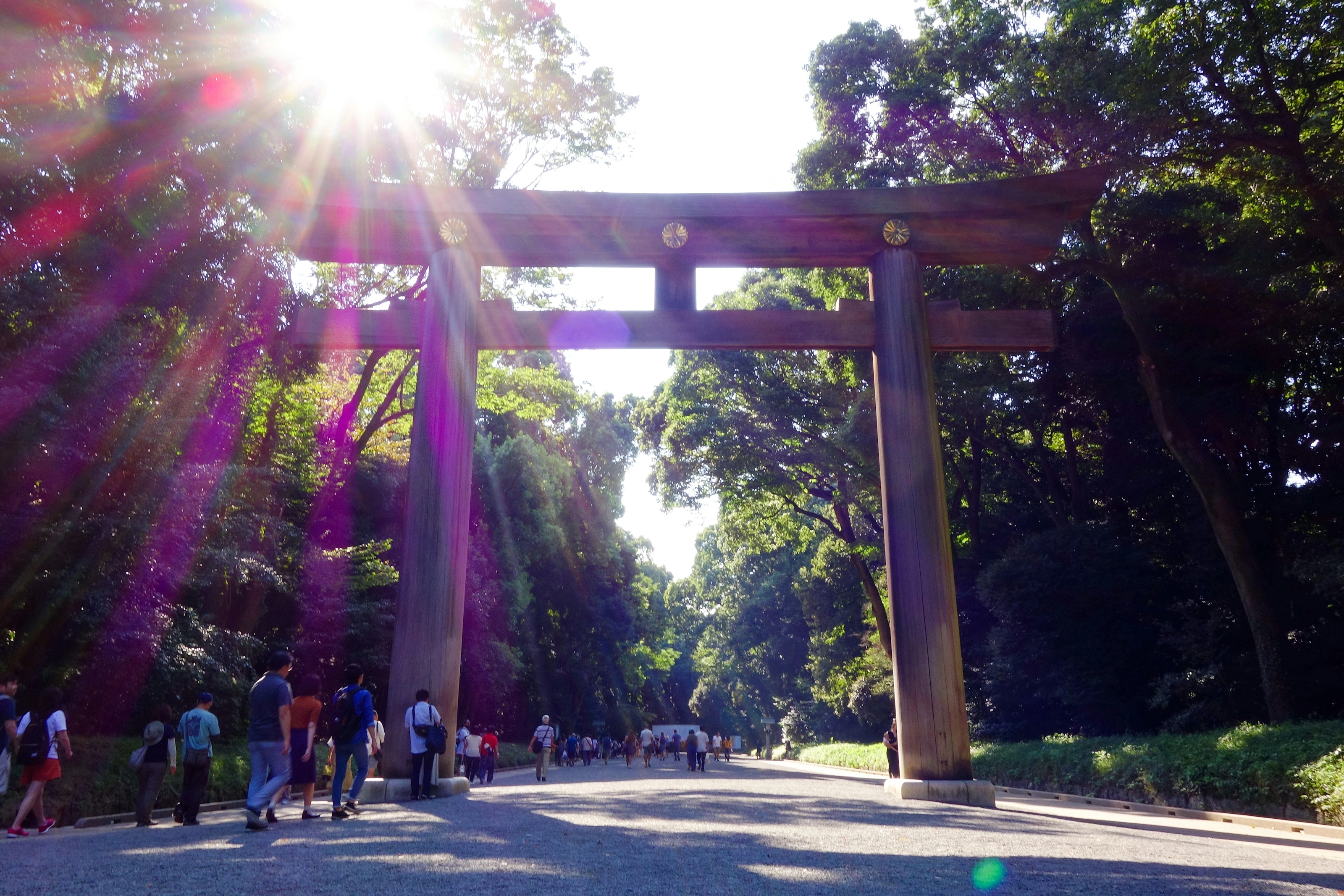
Shibuya is where most first visits start: the Scramble Crossing at street level, and the Shibuya Sky viewpoint above it. Harajuku is next door, with the teenage fashion of Takeshita Street on one side and the calm of Meiji Shrine on the other.
Shinjuku packs several moods into one district. Golden Gai and Omoide Yokocho are lanes of tiny bars and eateries, Kabukicho is the entertainment quarter, and Shinjuku Gyoen is the garden to retreat to afterwards. The observation decks of the city hall are free, a useful alternative to the paid viewpoints.
East side
Asakusa, Ueno, Akihabara and Yanaka
Asakusa is home to Senso-ji temple, which is free to enter. You approach through the Kaminarimon gate and along Nakamise shopping street, and the visit is best early in the morning or after 8 pm, when the crowds have thinned.
Ueno brings together a large park, the Tokyo National Museum and the Ameyoko market. Akihabara is the district of electronics, anime and manga. For a quieter walk, head to Yanaka, one of the few districts spared in the Second World War.
Bay and skyline
Ginza, Odaiba and the Skytree
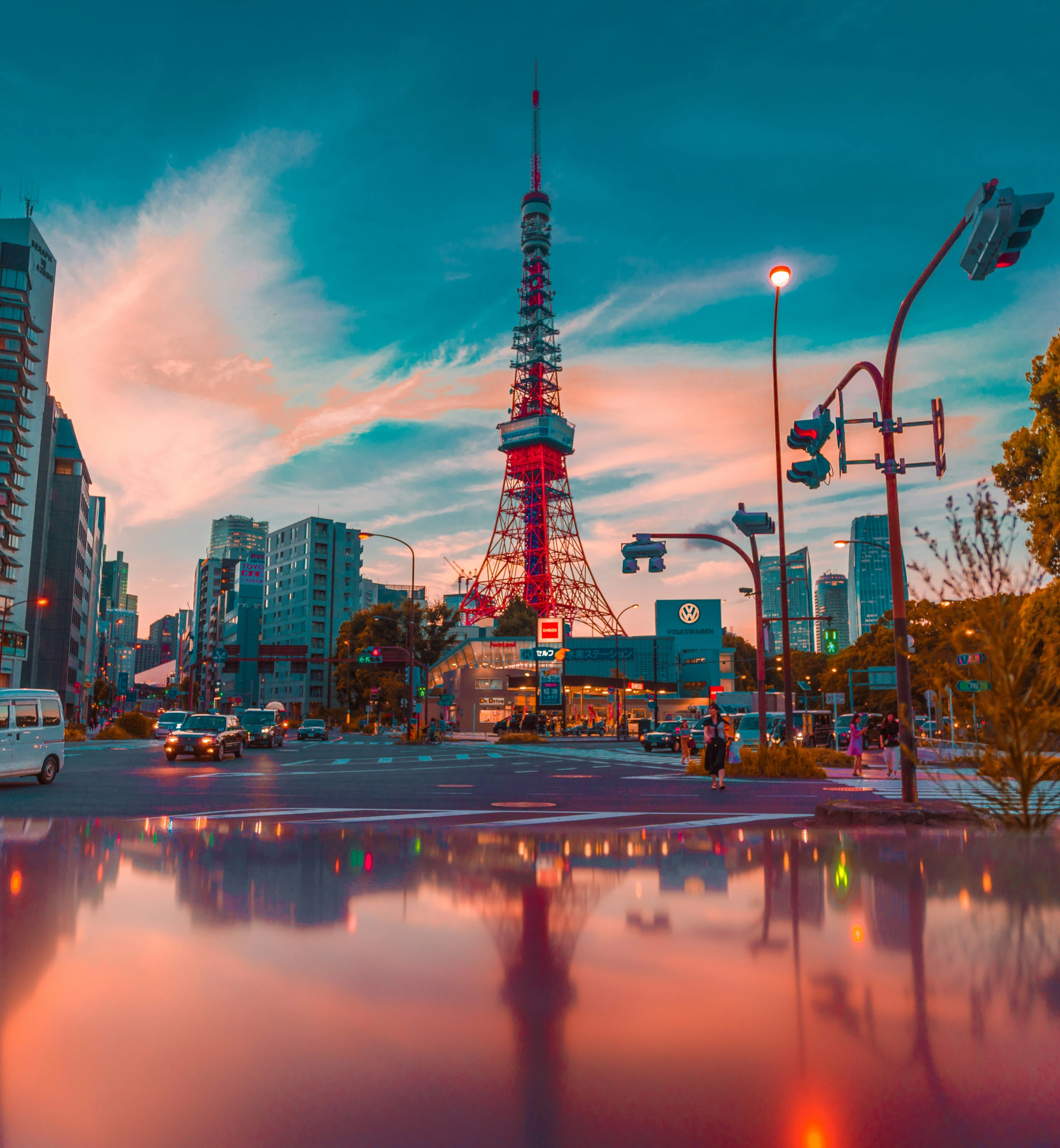
Ginza is the address for luxury boutiques and for the Mitsukoshi Ginza department store, opened in 1930. Out on the bay, the artificial island of Odaiba is associated with teamLab and its immersive digital art.
Tokyo Skytree is the tallest tower in the world, with two observation decks at 350 m and 450 m. Tickets for both the Skytree and teamLab are sold at dynamic prices that rise at peak times, and combined tickets exist. Book teamLab ahead, and do the same for the Ghibli Museum.
Food
Starred counters, monjayaki and the tuna auction
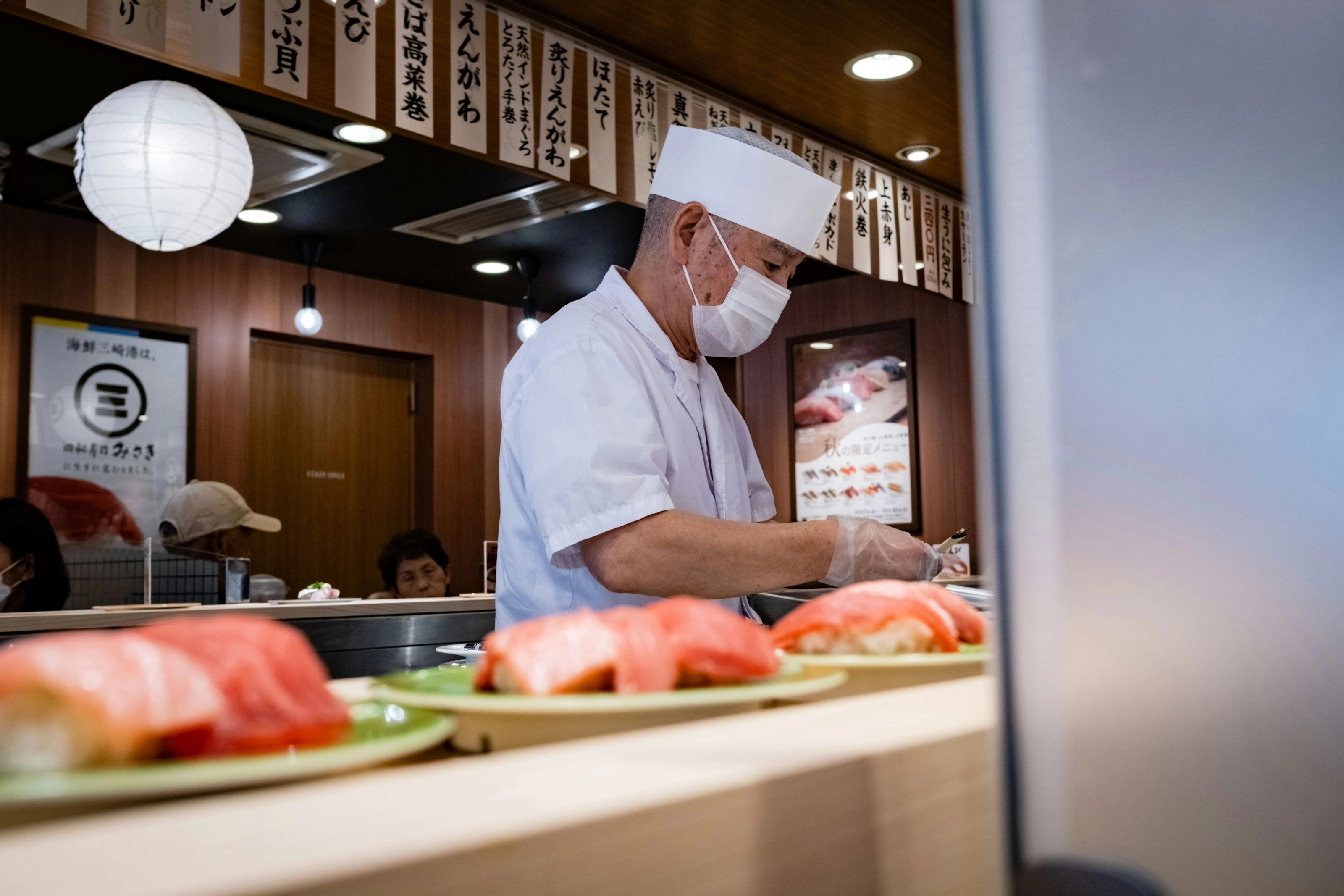
Michelin stars in Tokyo cover every style: kaiseki, sushi, tempura, French cooking and even ramen, since Tsuta became the first starred ramen shop in 2015. At the other end of the scale, there is an izakaya near every station, and cheap meals are easy to find in department-store basement food halls, convenience stores and gyudon chains.
Two addresses are worth a detour. Monja Street on Tsukishima has more than 60 restaurants serving monjayaki. At Toyosu market, the tuna auction can be watched for free from the upper-floor windows, or from the lower deck if you win a place in the lottery. The Tsukiji outer market remains the spot for street food. There is no tipping in Japan.
Getting around
IC cards, subway passes and airport links
A Suica or PASMO card covers almost everything, and both are also accepted in convenience stores and vending machines. The standard cards carry a deposit. The visitor versions, Welcome Suica and Tourist PASMO, have no deposit and are valid for 28 days, and Welcome Suica also exists as a mobile app.
If you plan a lot of rides, compare the day passes: a Tokyo Metro 24-hour ticket, a Toei one-day pass, a combined one-day ticket, or the Tokyo Subway Ticket sold for 24, 48 or 72 hours. For a stay limited to Tokyo, a Suica is enough and a JR Pass is not needed.
From Narita, the Skyliner is the express train into the city. From Haneda, which is close to downtown, a limousine bus combined with a subway ticket is one of the options. Tokyo is the most expensive part of Japan, so transport is a good place to keep the budget under control.
Day trips
Kamakura, Nikko, Hakone and Mount Fuji
Four classic excursions fit in a day. Kamakura is about one hour from Shinjuku. Nikko takes about 1 h 50 min from Asakusa on the Tobu line, or about two hours from Shinjuku by limited express, and a two-day Nikko pass is available.
Hakone is about 1 h 40 min from Shinjuku. The Odakyu Romancecar does it in about 85 minutes for a surcharge, and it sells out on weekends; the Hakone Free Pass bundles transport from Shinjuku. For views of Mount Fuji, Kawaguchiko is about two hours away, or 1 h 38 min on the Fuji Excursion limited express.
Why watch Tokyo with SniperAir
You don't need to compare prices every day
Choose your departure
Tell us your departure airport and your maximum budget for a flight to Tokyo.
SniperAir watches
Our systems continuously compare new prices against the route's real price history.
You get an alert
As soon as a price matches your criteria, you're notified — without having searched anything yourself.
Tokyo's airports
Two airports for your flight to Tokyo
Tokyo Haneda
Closest to the city centre — convenient for cutting down travel time on arrival.
Tokyo Narita
The historic international hub, often favoured by long-haul airlines flying from Europe.
When to go
When's the best time to visit Tokyo?
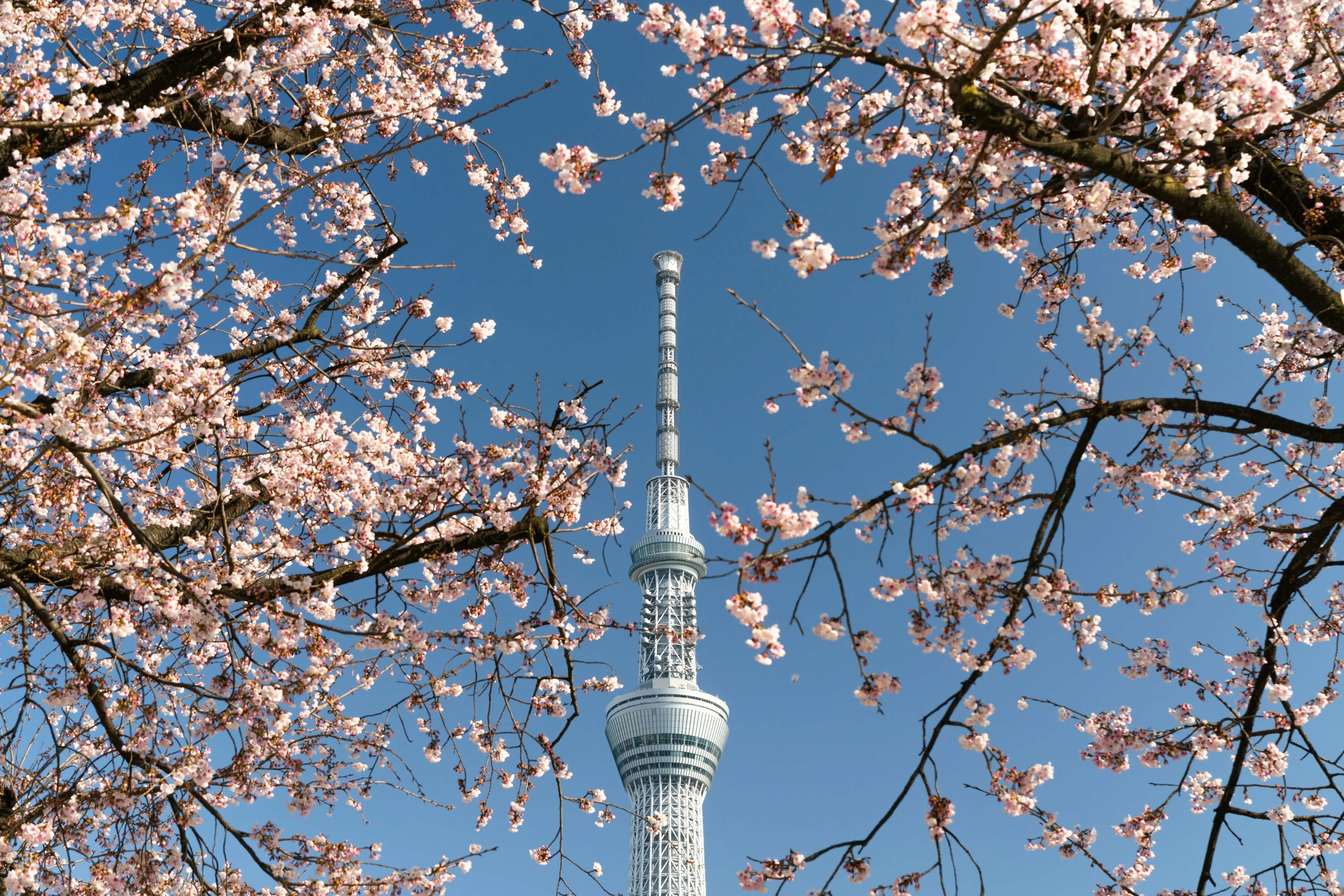
Spring
Cherry blossom season (sakura) — the most popular and often the most expensive period.
Summer
Hot and humid, with traditional festivals (matsuri) held throughout the city.
Autumn
Fall foliage (koyo), milder temperatures, a good alternative to spring.
Winter
Dry air, often clear skies, generally the most affordable time to book.
Climate
Rainy season, typhoons and the weeks to avoid
Tokyo has a humid subtropical climate. January is cold and dry, with highs around 10 °C and lows around 2 °C, and it is the month with the least rain. August is hot, with highs around 31 °C and lows around 23 °C, and August and September are among the wettest months.
The rainy season, tsuyu, usually runs from early June to around mid-July, and typhoon season lasts from July to October with a peak in August and September. Neither has fixed dates. The best times to come are late March to early April, for the cherry blossom, and November. Autumn colour is at its best from late November to early December in gardens such as Rikugien, Koishikawa Korakuen and Shinjuku Gyoen, and on Mount Takao.
One period is best avoided: Golden Week, from late April to early May. Whatever the season, allow four to five days at a minimum.
Distances
From the airports to central Tokyo
Narita (NRT) lies nearly 70 km east of Tokyo and Haneda (HND) 14 km south of the centre (Wikivoyage EN and FR). The difference in journey is considerable: weigh it against the ticket price.
| Journey | Worth knowing |
|---|---|
| Narita, express train | The Narita Express takes about 1 hour to Tokyo Station; the Keisei Skyliner about 35 to 40 minutes to Nippori (Wikivoyage FR and ES) |
| Narita, bus and taxi | Buses take 1 hour 30 to 2 hours depending on traffic; a taxi costs around 20,000 to 25,000 yen, the most expensive option |
| Haneda, monorail and train | About 15 minutes by monorail to Hamamatsuchō or by Keikyū train to Shinagawa (Wikivoyage FR) |
| In the city | The metro costs roughly 160 to 330 yen depending on distance and year; Suica and PASMO cards top up with cash |
| Day trips from Shinjuku | Kamakura: about 1 hour; Hakone: about 1 hour 40; Nikko: about 2 hours; Lake Kawaguchiko, for views of Fuji: about 2 hours (Wikivoyage EN) |
Museums
From the national museums in Ueno to the Ghibli Museum
| Museum | Worth knowing |
|---|---|
| National museums in Ueno | The Tokyo National Museum and other museums in Ueno Park; museum fees generally run 500 to 1,000 yen or more (Wikivoyage EN) |
| Edo-Tokyo Museum | In Ryōgoku, on the city's history; check whether it is open before planning it |
| Ghibli Museum | Tickets must be bought in advance, notably at Lawson convenience stores (Wikivoyage EN); book well before the trip |
| Mori Art Museum | Contemporary art; entry is included in the Tokyo City View ticket (Wikivoyage EN) |
| teamLab | Digital installations; book tickets in advance (Wikivoyage DE) |
Several things cost nothing: Shibuya Crossing, the Tsukiji outer market, Takeshita Street and, according to Wikivoyage DE, the guided tours of the Imperial Palace. Fees and closing days change, so check the official websites.
Specialities and markets
Sushi, monjayaki, tempura and beer
Sushi originated in Tokyo, where it is called Edo-mae zushi; the city is also known for tempura, tonkatsu and grilled eel (Wikivoyage EN). Monjayaki, a gooey take on okonomiyaki, comes from Tsukishima, whose Monja Street has more than 60 restaurants. Noodle bars serve bowls from a few hundred yen up to about 1,000 yen (Wikivoyage EN and DE), often ordered from a ticket machine.
| To try | What it is |
|---|---|
| Sushi and sashimi | Conveyor-belt counters for a few thousand yen, starred tables far beyond |
| Monjayaki | A gooey pancake cooked on a griddle, a Tsukishima speciality |
| Ramen, soba, tempura | Noodle bowls and light fried dishes, everywhere in stations and arcades |
| Konbini and depachika | Ready meals and bento from convenience stores; department-store basements with food stalls |
At Toyosu market the tuna auction can be watched for free from the upper-floor windows; the Tsukiji outer market remains the spot for snacks, with shops opening around 8 or 9 a.m. (Wikivoyage EN). As for drinks, beer is served everywhere, hoppy is mixed with shōchū, and Denki Bran, a herbal brandy, is drunk at the Kamiya bar in Asakusa. Tipping is not customary, and it is wise to carry cash: many restaurants do not take cards.
Budget
An expensive but manageable city
Tokyo is the most expensive part of Japan, yet Wikivoyage rates its cost of living as comparable to big Western cities. Hotel prices have risen sharply since the country reopened in 2022. The currency is the yen, and payment is often in cash.
To keep the budget in check: take the metro with a Suica or PASMO card, lunch at noodle bars and convenience stores, enjoy the free sights and set an alert to watch your flight price.
How long to stay
How many days in Tokyo?
The essentials
Asakusa, Shibuya, Shinjuku, Meiji Jingu and a city tour.
Neighbourhoods and museums
Add Akihabara, Ginza, Ueno, a museum and Toyosu market.
Day trips
Add Kamakura, Nikko, Hakone or Fuji, each possible in a day.
You might also like
Similar destinations
FAQ
Frequently asked questions about flights to Tokyo
What's the best airport to fly into Tokyo?
Haneda (HND) is closest to the city centre. Narita (NRT) remains the main international hub for many long-haul airlines flying from Europe.
How much does a flight to Tokyo usually cost?
The price mainly depends on your departure city, the season and how far ahead you book. The "opportunities" section above shows real price examples already spotted by SniperAir for this destination.
How long is a flight to Tokyo from Europe?
Generally between 11 and 13 hours on a direct flight from major European capitals.
What's the best time to book a flight to Tokyo?
There's no universal rule — the best price depends on your exact route. That's precisely why SniperAir watches prices on your behalf instead of giving you generic advice.
How do I get alerted when a flight to Tokyo drops below my budget?
Create an alert profile with your departure airport, Tokyo as your destination and your maximum budget. You'll be notified automatically as soon as a matching price is detected.
How do I get from Narita or Haneda airport to central Tokyo?
Narita is nearly 70 km away: allow about 35 to 40 minutes by Skyliner and 1 hour by Narita Express. Haneda is 14 km away, about 15 minutes by monorail or Keikyū train.
When is the best time to visit Tokyo?
Late March to early April for the cherry blossom and late November for autumn colour; summer is hot and humid, around 31 degrees C in August, and typhoons strike from July to October.
What budget should I plan for Tokyo?
Tokyo is the most expensive part of Japan, but noodle bars, convenience stores and free sights keep spending in check. Carry cash, as many restaurants do not take cards.
Do I need to book the Ghibli Museum or teamLab in advance?
Yes: Ghibli Museum tickets are bought in advance, notably at Lawson convenience stores, and teamLab tickets should be booked before your visit.
Ready to head to Tokyo?
Set your budget and let SniperAir watch the fares.
Create my alert