
Cheap flights to Alghero
Set your departure airport and maximum budget: SniperAir tracks prices to Alghero and alerts you the moment a deal matching your criteria appears.
Quick summary
Country
Italy
Continent
Europe
Airport
AHO
Currency
Euro (EUR)
Time zone
UTC+1 (UTC+2 during daylight saving time)
Deals already spotted to Alghero
Real flight examples detected by SniperAir, with their reference price.
Loading examples…
Why track Alghero with SniperAir
A little Sardinian Barcelona on the sea
Choose your departure
Enter your departure airport and your maximum budget for a flight to Alghero (AHO).
SniperAir keeps watch
Our systems continuously compare new prices with the real price history of the route. SniperAir monitors prices and alerts you: it does not sell or book tickets.
You receive an alert
As soon as a price matches your criteria, you are notified, without having searched for anything yourself.
Alghero is a beautiful town on the north-western shore of Sardinia, best known, in the words of Wikivoyage (EN), for its beaches, its unique food and its Catalan heritage. It has roughly 42,000 residents: 41,765 at the end of 2025 according to Wikipedia (DE) and 42,282 in March 2023 according to Wikipedia (ES). What sets it apart from other Sardinian towns is the language: after the Aragonese takeover of 1354 the town was resettled by Catalans, and it still preserves a linguistic island, Algherese Catalan, which is why locals call it Barceloneta, little Barcelona (Wikipedia EN, FR, DE, ES). Wikipedia (FR) says about 30 percent of residents still speak it, while Wikipedia (DE) notes that few families pass it on today. The old town sits on a rocky promontory behind thick walls, with narrow lanes of bars, cafes and seafood restaurants (Wikivoyage EN; Wikipedia DE). This guide describes Alghero as open sources present it; SniperAir tracks flight prices to AHO, compares them with the route's real price history and alerts you when one drops below your budget.
Airport and getting into town
An airport about ten kilometres away, near Fertilia
Alghero - Alghero-Fertilia Riviera del Corallo Airport (AHO)
Alghero-Fertilia airport, also called Riviera del Corallo, is about 10 km from the centre near Fertilia according to Wikipedia (EN) and Wikivoyage (EN); the airport's own English article gives 8 km north-north-west. Wikivoyage (EN) ranks it the third busiest in Sardinia and says almost all routes are seasonal. It opened as a military airfield in March 1938 and has a 3,000 m runway (Wikipedia EN). Regional ARST buses run to Alghero about hourly, taking roughly 20 minutes (Wikivoyage EN), and Wikipedia (EN) also mentions an hourly bus to Fertilia and the centre. Routes change from one season to the next, so we publish no route list or timetable.
Airport-to-centre distance: about 8 to 10 km depending on the source (Wikipedia EN; Wikivoyage EN). Main passenger port, Porto Torres: about 30 km (Wikipedia EN), 45 minutes by road according to Wikivoyage (DE). No transport fares published.
Roads from Alghero lead to Sassari, to Porto Torres and, along the coast, to Bosa (Wikipedia EN). The ports of Olbia and Golfo Aranci, further east, are about two hours away by road according to Wikivoyage (DE). If a fare to AHO is not low enough, Olbia (OLB) and Cagliari (CAG) are the Sardinian alternatives to compare; Cagliari is about two and a half hours away by road according to the same source. Entry conditions, travel advice and flight links can change depending on your country of departure: check your own government's official guidance before you book.
Landmarks
Sea walls, bell tower, beaches and sunsets
Alghero is best explored on foot along its ramparts and then from the water. Four views are illustrated below; other sights are covered at the end of the section.
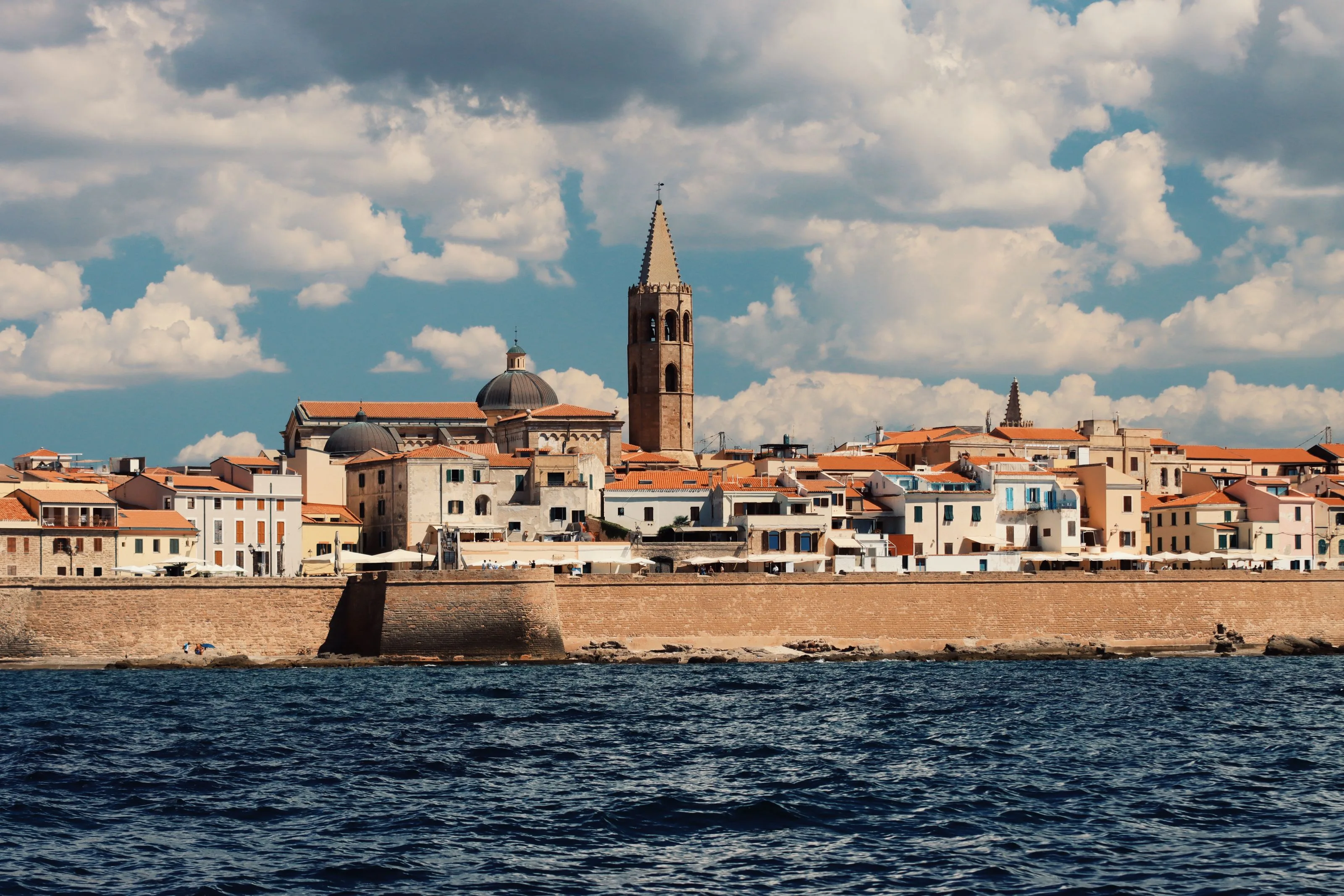
The old town seen from the sea
Seen from the water, the old town rises behind its stone walls: tiled roofs, a tall spired bell tower and domes. Wikipedia (DE) says thick walls enclose the old town on a rocky spur, with narrow lanes and stone steps leading to squares and churches. It was founded by the Genoese Doria family: in the 11th century according to Wikipedia (FR, DE), or between 1102 and 1112 according to Wikipedia (ES, EN); sources disagree.
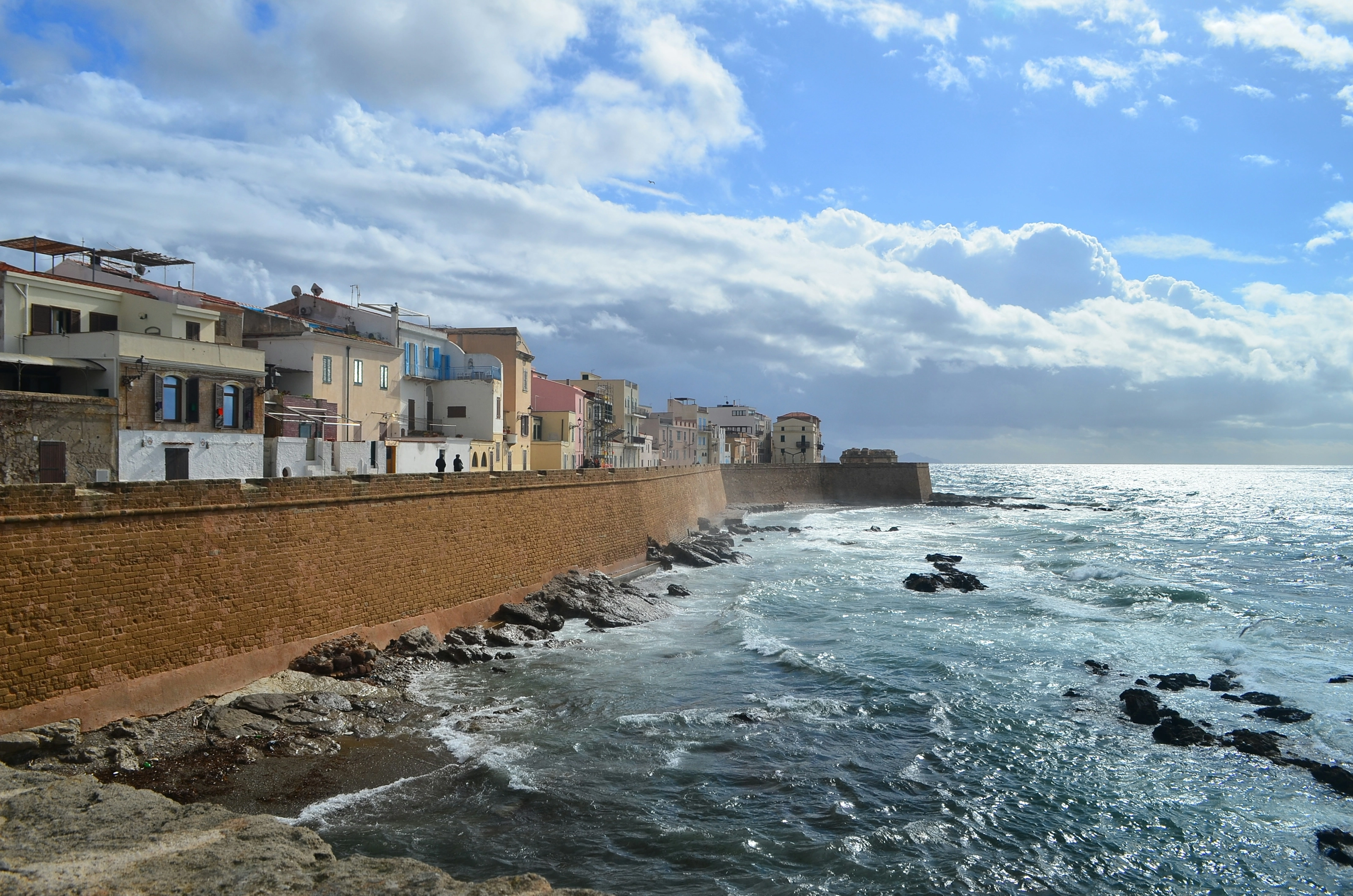
The ramparts and the shoreline
The present fortifications date mostly from the 16th century: Wikipedia (ES) reports that Ferdinand the Catholic ordered the defences rebuilt, with seven towers and three forts along the walls. Wikivoyage (EN) lists the 16th-century Forte della Maddalena and the massive Torre di San Giovanni. Along the bastions, the walkways bring you face to face with the sea, which can be rough.
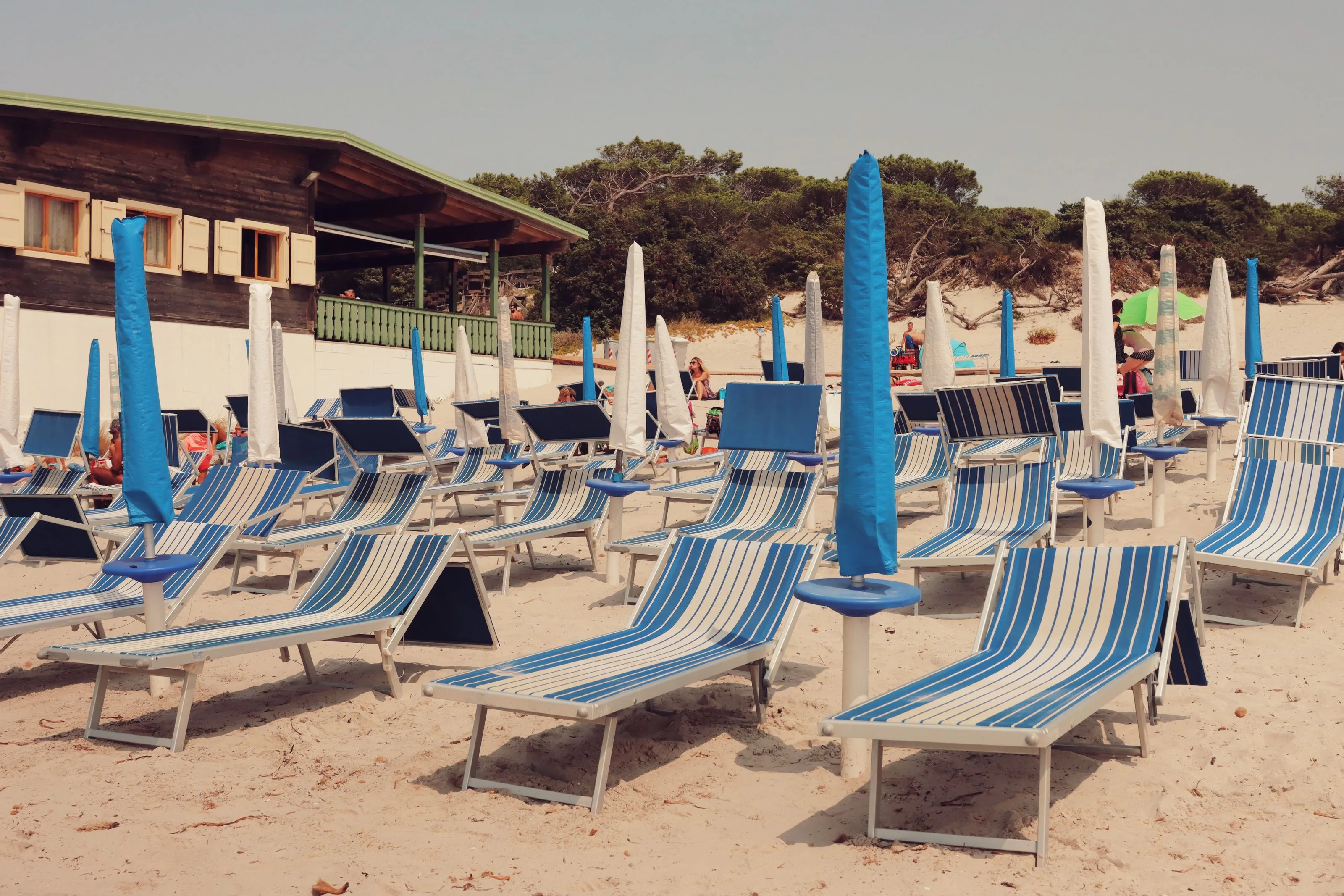
Beaches and sunbeds around Alghero
The municipality has beaches such as San Giovanni, Maria Pia, Le Bombarde, Lido and Poglina (Wikipedia FR, ES), and Cala Burantino about 5 km away (Wikipedia DE). Wikivoyage (EN) introduces the town as best known for its beautiful beaches. In summer, rows of striped sunbeds fill the sand; out of season the shore is much quieter.
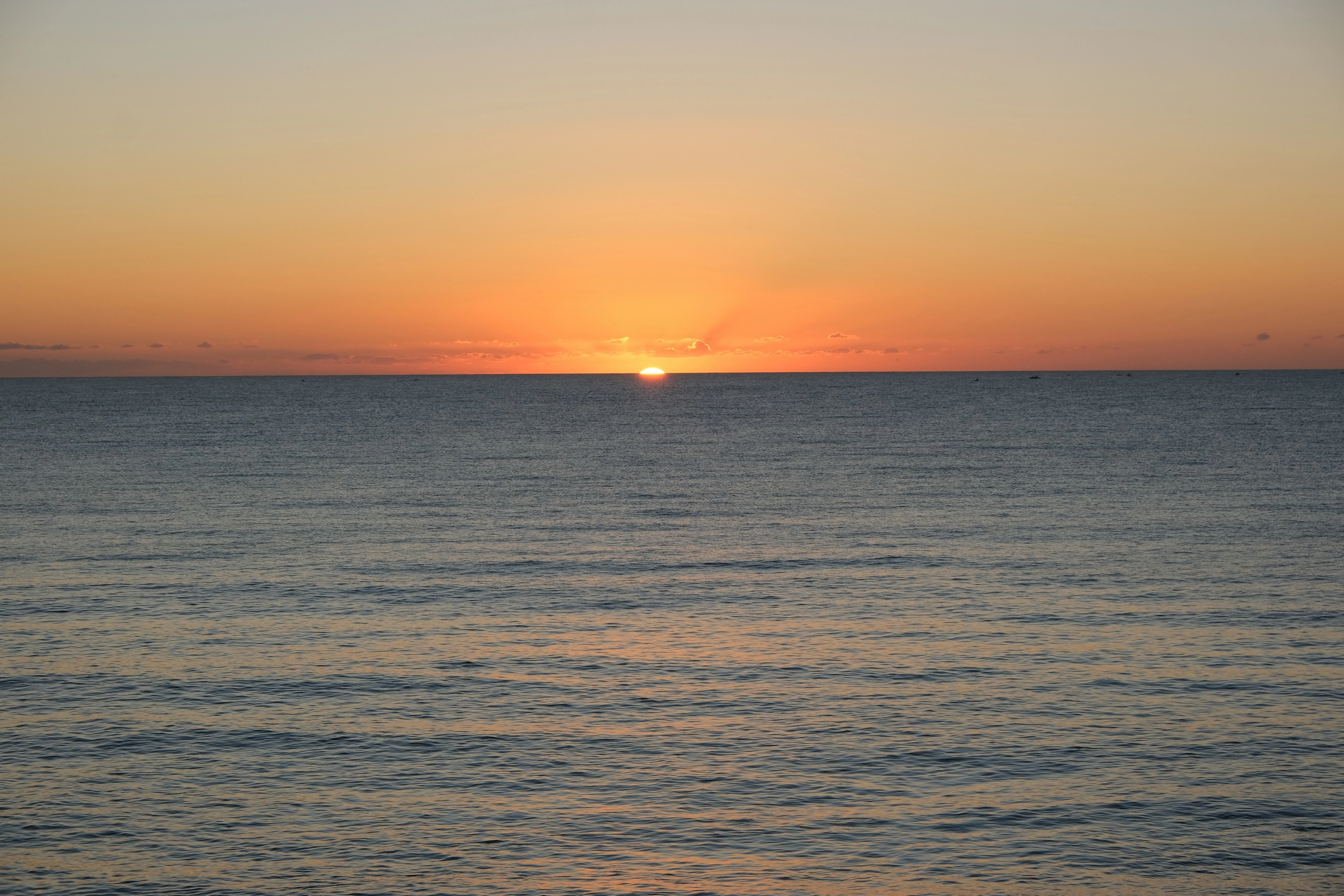
Sunset over the sea
Sardinia's west coast suits sunsets. Wikivoyage (DE) recommends walking the Lungomare Dante promenade south of Piazza Sulis for a romantic sea view and wonderful sunsets, and Wikivoyage (EN) mentions late-night bars along the Lungomare Valencia.
In the centre: the Cathedral of Santa Maria Immacolata, begun in 1570 and consecrated in 1730, is Catalan-Gothic with a neo-classical facade added in the 19th century (Wikipedia EN; Wikivoyage DE). San Michele church has a polychrome tiled dome decorated in 1950 (Wikivoyage EN; Wikipedia DE). San Francesco church, from the 14th to 15th century, is Gothic-Catalan (Wikivoyage EN, DE). The Teatro Civico, opened in 1862, is unusual for its wooden supporting structure (Wikivoyage EN). Palazzo d'Albis, a 16th-century Gothic building, hosted Emperor Charles V in 1541 (Wikivoyage EN; Wikipedia FR). Outside town, the Palmavera nuraghe complex and the prehistoric Anghelu Ruju necropolis lie about ten kilometres away (Wikipedia DE).
Museums and culture
Museums and culture: coral, archaeology and Catalan festivals
Coral Museum
The Museo del Corallo is housed in a Liberty-style villa (Wikivoyage EN, DE). Alghero is the capital of the Riviera del Corallo, and the coral is an emblematic product that gave the coast its name (Wikipedia EN). Wikivoyage (EN) nevertheless asks ethical travellers to avoid coral jewellery, which it says comes from unsustainable harvesting, and Wikivoyage (DE) notes that coral now has to be imported. No opening hours or prices given.
Archaeological and diocesan museums
The Museo Archeologico della Città and the Museo Diocesano are listed by Wikivoyage (EN). The area is rich in prehistoric sites: the Anghelu Ruju necropolis with its chamber tombs, the Palmavera nuraghe and many other nuraghi (Wikipedia ES, DE; Wikivoyage DE). We publish no prices.
Festivals and traditions
In Holy Week, the Good Friday procession known as the Processione del Discendimento carries the wooden Christ from the cathedral to the church of the Misericordia; on Christmas night the song of the Sibyl is sung, as in Mallorca (Wikipedia DE). Dates and programmes change: check before you book.
The Catalan language
Catalan has been legally recognised since 1997 according to Wikipedia (FR), and place-name signs in town are bilingual. Wikipedia (FR) gives about 30 percent of residents as current speakers, a figure that changes over time.
Food and drink
Catalan lobster, sea urchins and Sardinian wines
From the sea
Wikivoyage (EN) says the fishing port provides seafood fresh from the sea. It recommends Catalan lobster, a lobster salad with raw tomatoes and onion, and mentions sea urchins, very popular, with a festival in their honour around February, the Sagra del Bogamarì. We do not name restaurants.
Avoiding tourist traps
According to Wikivoyage (EN), almost anywhere in town is good for a meal as long as you avoid tourist restaurants with a menu turistico.
Local drinks
Wikivoyage (EN) mentions limoncello, mirto and local wines served in all restaurants. No brands or prices.
Getting around
On foot, regional buses and the Sardinian railway
A walkable old town
The old town is easy to explore on foot and most of its lanes are closed to traffic (Wikivoyage DE). The centre is a limited traffic zone: Wikivoyage (EN) warns that cameras are in operation and fines apply even to rental cars.
Buses and trains
A city bus network reaches the beaches as far as Fertilia, Porto Conte bay and Neptune's Grotto (Wikivoyage DE). The Sant'Agostino railway station is about fifteen minutes' walk from the centre; ARST trains reach Sassari in about 35 minutes, where you must change to Trenitalia to go further (Wikivoyage EN). No fares given.
Road and sea
The panoramic Alghero-Bosa road runs along the coast; Wikivoyage (EN) calls it narrow and winding but with incredible views. Boats leave the harbour for Neptune's Grotto (Wikivoyage DE).
Budget and precautions
Budget, season and precautions
Price level
The open sources we consulted give no recent, cross-checked price ranges for Alghero, so we publish no amounts. Accommodation prices vary a lot between peak and low season.
Popular beaches
Wikipedia (FR) reports that La Pelosa beach, about an hour away by road, is paid, limited in capacity and accessed by online reservation. Check the rules in force before going, as for Neptune's Grotto.
Flights, formalities and safety
SniperAir tracks prices and alerts you; it does not sell or book tickets. Italy is in the Schengen area; entry rules and health cover depend on your country of departure and may change, so check your government's official guidance before booking. Be careful at sea and on cliffs, and protect yourself from the sun in summer.
When to go
A mild climate, cooled by the sea breeze
Winter (December to February)
Wikipedia (FR) says the humidity of the sea makes winters less cold; the sea-urchin festival is held around February (Wikivoyage EN).
Spring (March to May)
A pleasant time for the walls, the old town and the archaeological sites; Holy Week is marked by processions (Wikipedia DE).
Summer (June to August)
Hot, pleasant summers according to Wikipedia (FR); the breeze tempers temperatures (Wikipedia ES). This is the season for beaches and boat trips, and the busiest.
Autumn (September to November)
Early autumn suits swimming and walking; almost all flights are seasonal according to Wikivoyage (EN), so check routes for your dates.
Wikipedia (FR) describes a humid climate because of the sea, with hot, pleasant summers as in most of the Mediterranean; Wikipedia (ES) adds that the sea breeze softens summer heat. We give no monthly averages, which vary with the reference period. For a mix of beach time, sea trips and old-town sightseeing, the start and end of summer are often the best balance.
By length of stay
What to do in Alghero by length of stay
The essentials
The old town, the ramparts, the cathedral, the Lungomare Dante and a sunset over the sea.
Coast and caves
Neptune's Grotto by boat, Capo Caccia and its surroundings, beaches and diving in the marine protected area.
The north-west
The coastal road to Bosa, the nuragic sites and, about an hour away by road, La Pelosa near Stintino (Wikipedia FR).
In pictures
Alghero in pictures
You might also like
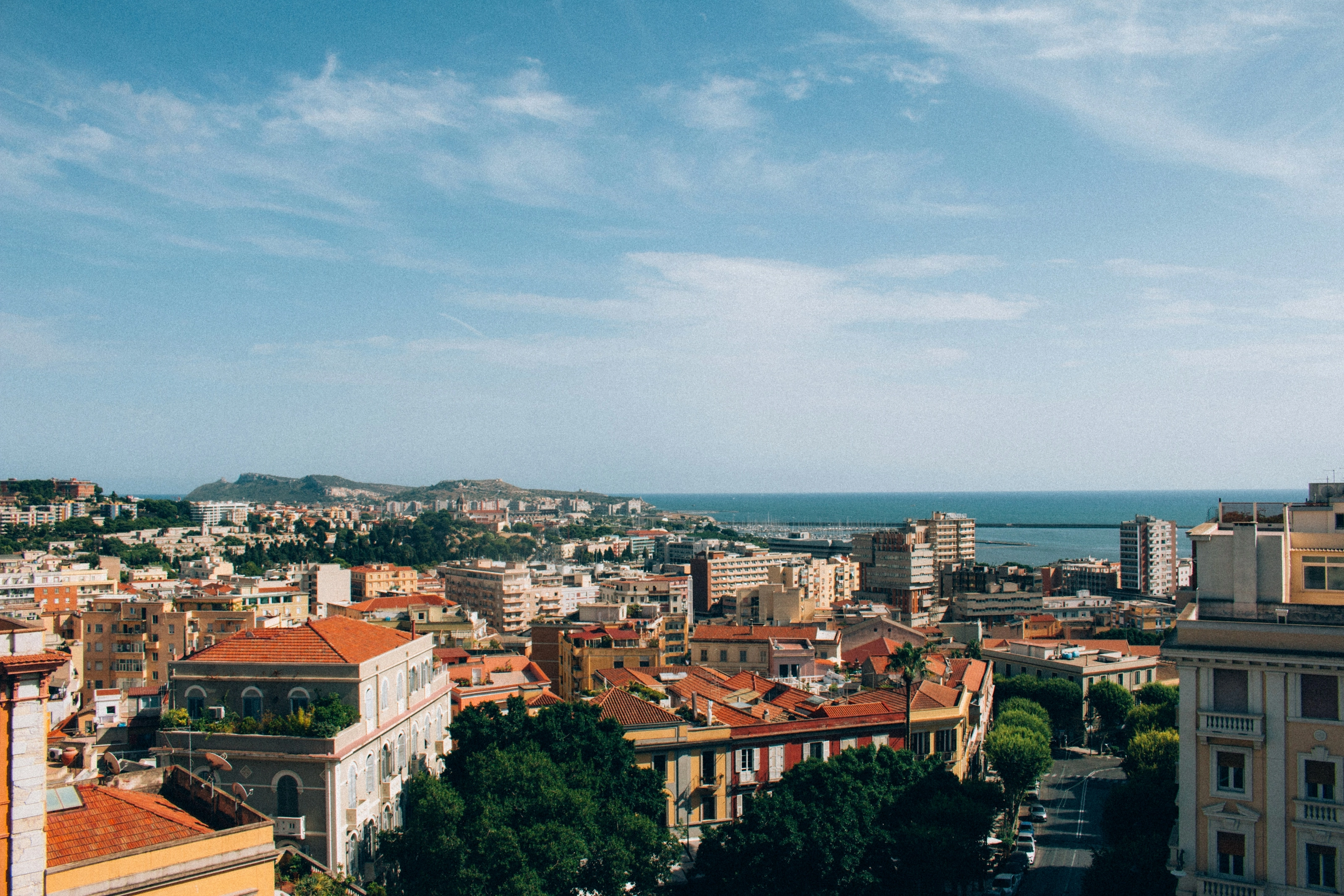
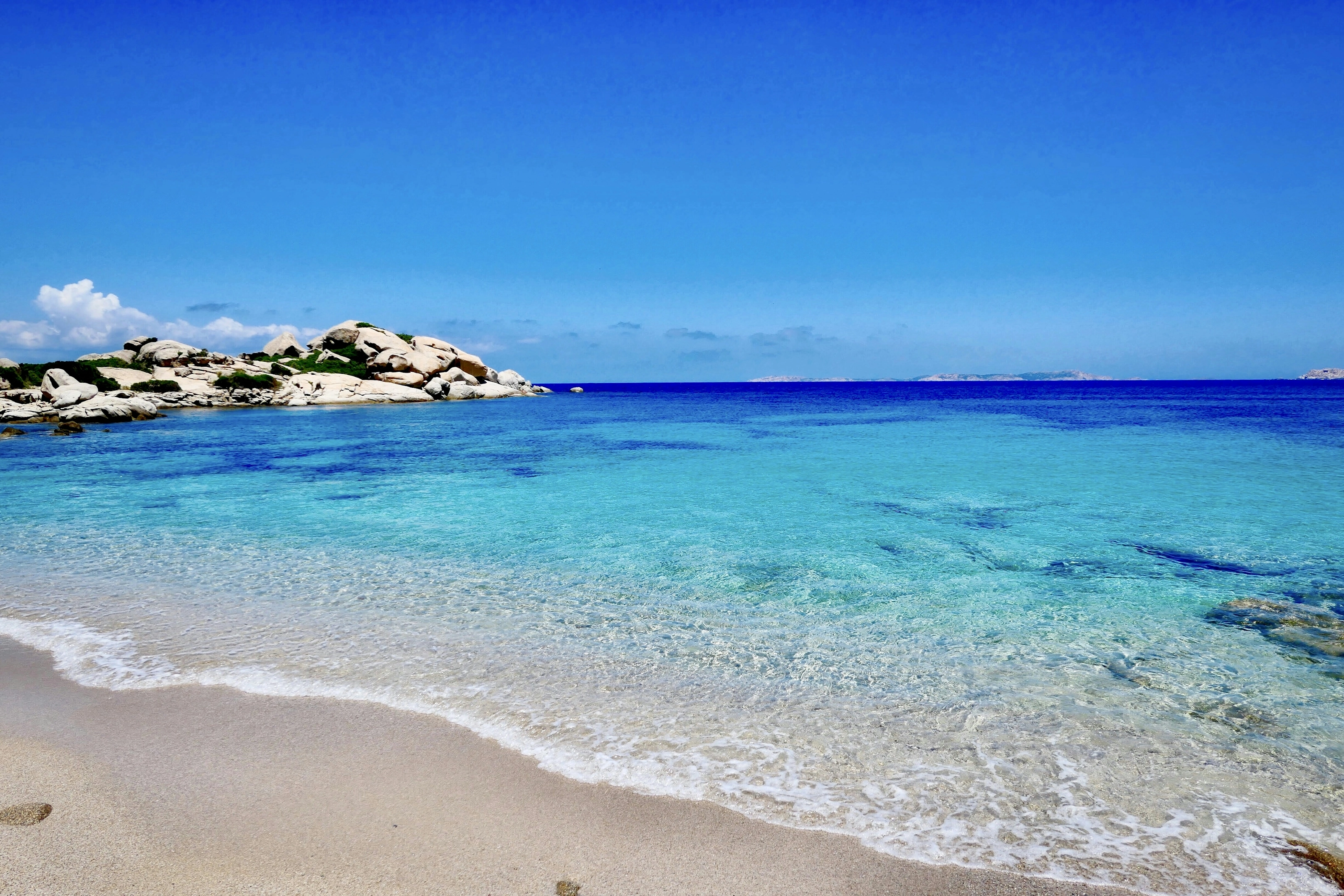
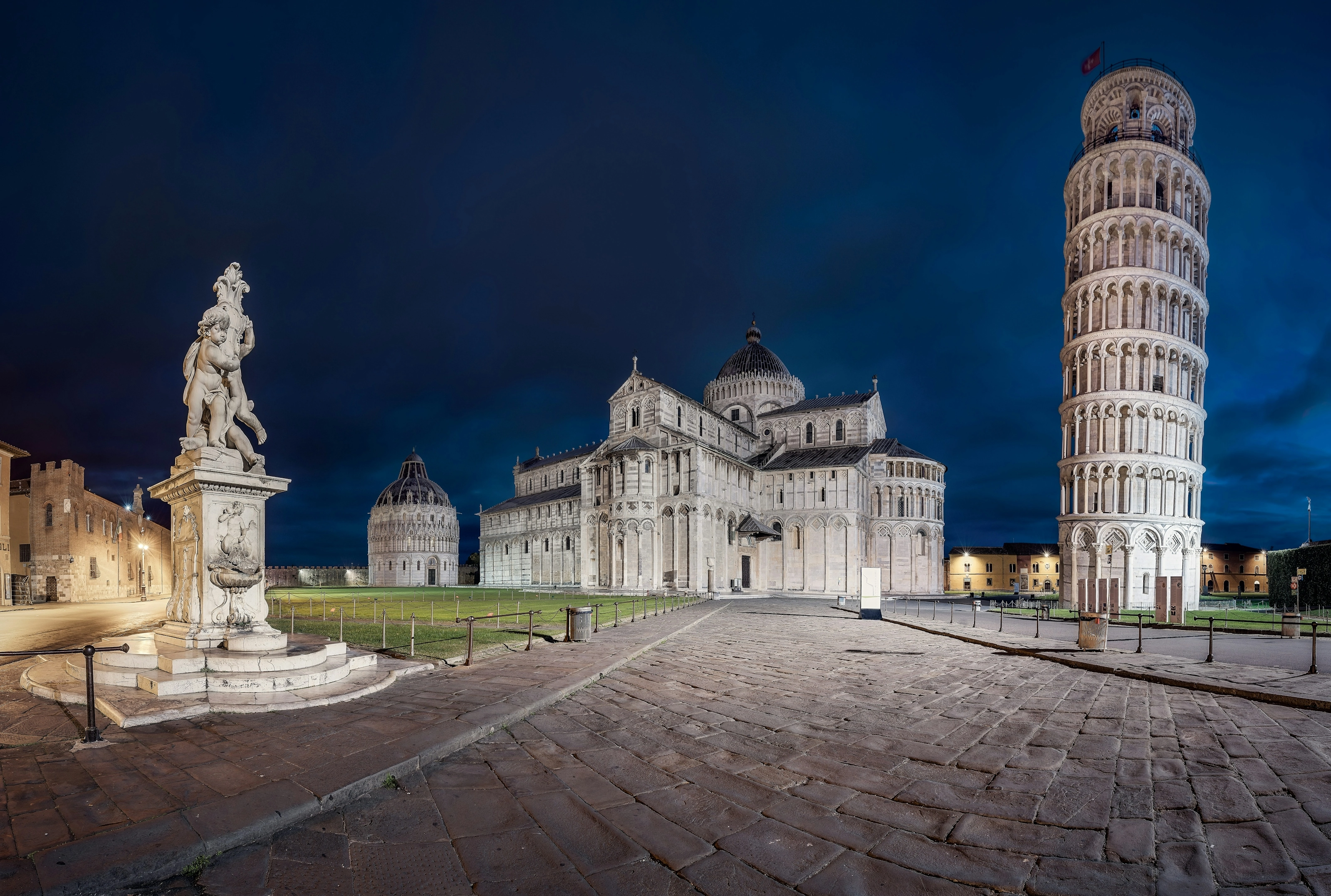
Similar destinations
FAQ
Frequently asked questions about flights to Alghero
How far is Alghero airport from the centre?
Alghero-Fertilia airport (AHO) is about 8 to 10 km from the centre depending on the source (Wikipedia EN; Wikivoyage EN). Regional ARST buses serve the town; check timetables before you travel.
Why is Catalan spoken in Alghero?
After the Aragonese conquest of 1354, the town was resettled by Catalans; Algherese Catalan is still spoken and has been recognised since 1997 (Wikipedia FR, ES).
Can you visit Neptune's Grotto?
Wikivoyage (DE) says boats run regularly from the harbour to Neptune's Grotto, which is reached from the sea. Check conditions and times, which depend on the weather.
What should I eat in Alghero?
Catalan lobster, sea urchins and fresh local seafood, with mirto or limoncello (Wikivoyage EN).
Can I drive into the centre?
The centre is a limited traffic zone with cameras and fines even for rental cars (Wikivoyage EN): check the rules before driving.
How long should I stay?
Two to three days cover the old town and walls; four to five let you add the caves, Capo Caccia and the beaches.
How much does a flight to Alghero usually cost?
The price depends mainly on your departure city, the time of year and how far ahead you book. The "opportunities" section above shows real examples of prices SniperAir has already detected to this destination.
How do I get alerted when a flight to Alghero drops below my budget?
Create an alert profile with your departure airport, Alghero (AHO) as the destination and your maximum budget. You are notified automatically as soon as a matching price is detected. SniperAir monitors and alerts, it does not sell or book tickets.
Ready to head to Alghero?
Set your budget and let SniperAir monitor fares for you.
Create my alert