
Cheap flights to Moscow
Set your departure airport and maximum budget: SniperAir tracks prices to Moscow and alerts you the moment a matching opportunity appears.
Quick summary
Country
Russia
Continent
Europe
Airport
SVO
Currency
Russian ruble (₽)
Time zone
UTC+3
Opportunities already detected to Moscow
Real flight examples spotted by SniperAir, with their reference price.
Loading examples…
Things to do in Moscow
Activities and tickets to book on the spot
A real selection, with up-to-date prices and reviews, from our partners.
Why monitor Moscow with SniperAir
You do not need to compare flight prices every day
Choose your departure
Select your departure airport and set the maximum amount you are willing to pay for a flight to Moscow.
SniperAir monitors the route
SniperAir continuously compares newly detected fares with the actual price history of the route.
Get notified
When a fare matches your criteria, you receive an alert without having to repeat the same flight search yourself.
Once your trip starts taking shape, SniperAir can also help you discover things to do in Moscow, including guided tours, attractions, museum visits, excursions and bookable experiences.
Moscow airports
Three major airports serve the Russian capital
Sheremetyevo
One of Moscow's main international airports, northwest of the city centre. Rail connections and airport transfers link the terminals with central Moscow, including services towards the Belorussky railway station area.
Domodedovo
Located southeast of central Moscow, traditionally one of the capital's major international gateways, connected by rail and road services.
Vnukovo
Southwest of central Moscow, generally the closest of the three major airports to many central districts.
Because terminals and schedules can vary, travellers should check the latest transport information before departure. When looking for flights to Moscow, comparing all available airports can sometimes give more options depending on the route.
Discover
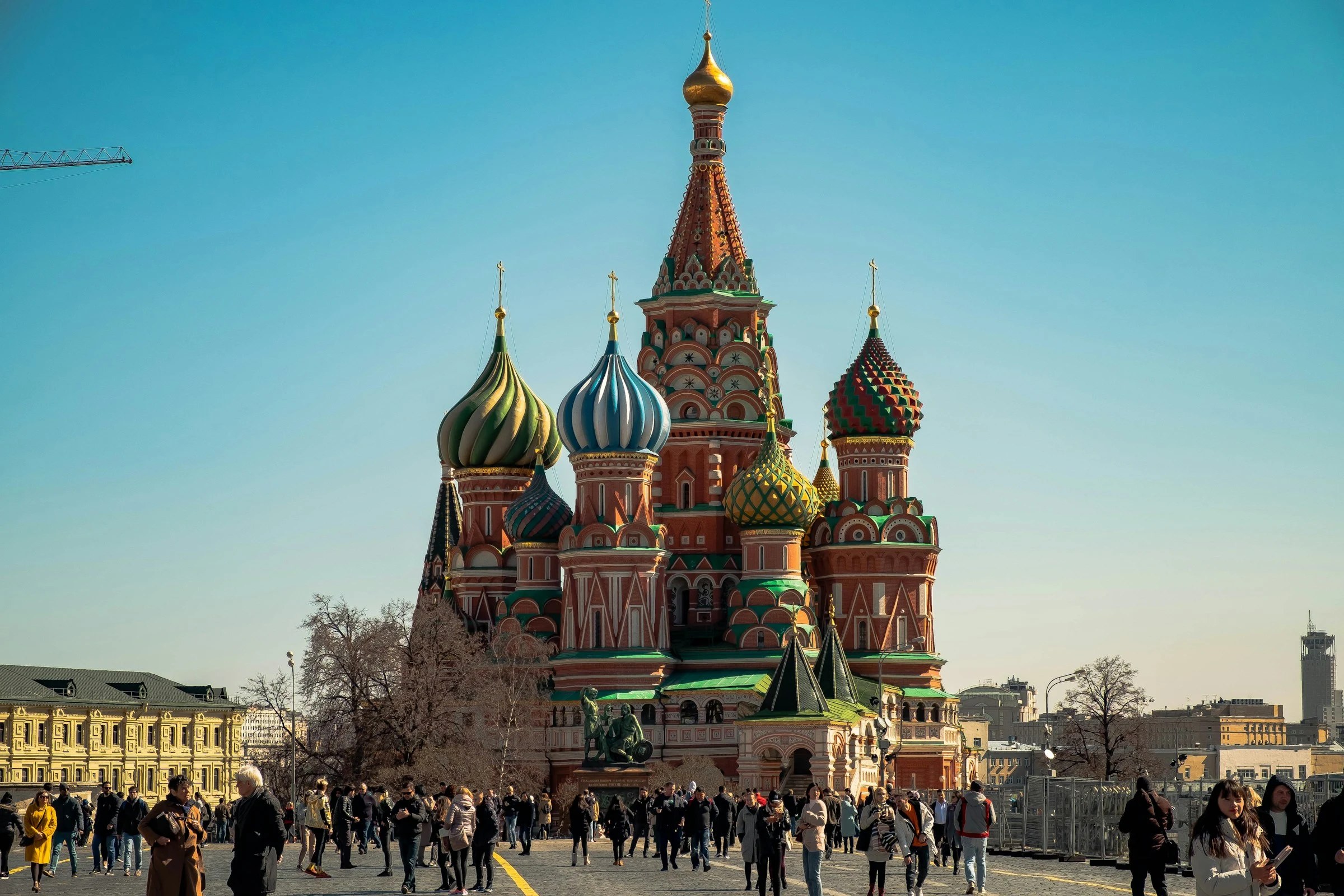
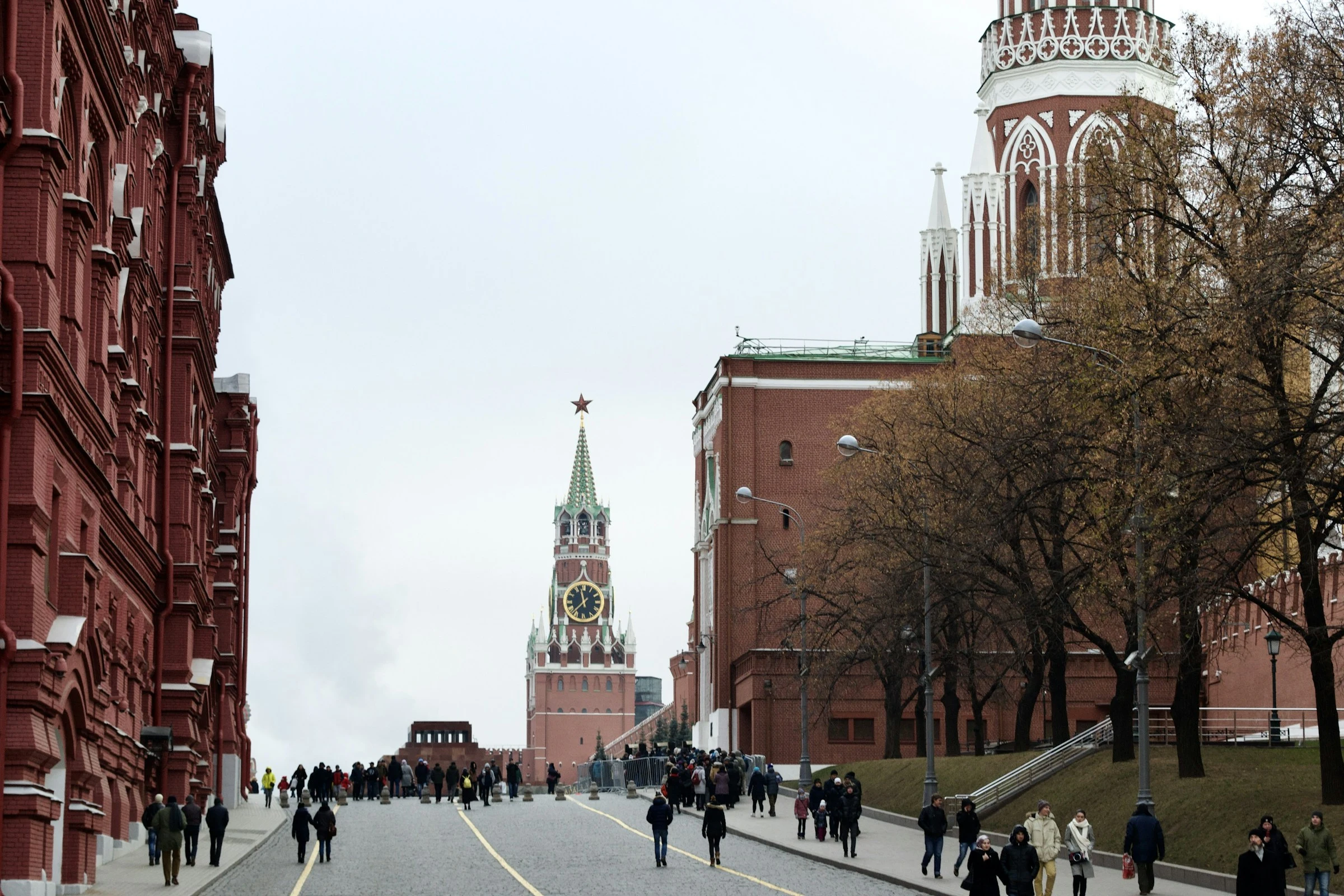
The Kremlin and Red Square, at the heart of Russian history
The Moscow Kremlin and Red Square form one of the most important historic ensembles in Russia and have been listed as a UNESCO World Heritage Site since 1990. The Kremlin developed over several centuries and became the political and ceremonial centre of the Russian state. Its fortified walls and towers surround cathedrals, palaces and historic government buildings. Among the most important religious buildings inside the complex is the Cathedral of the Dormition, closely associated with the coronation of Russian rulers. For travellers interested in Russian history, a guided Kremlin tour can make the visit much easier to understand, especially when combining the cathedrals, armoury collections and surrounding monuments.
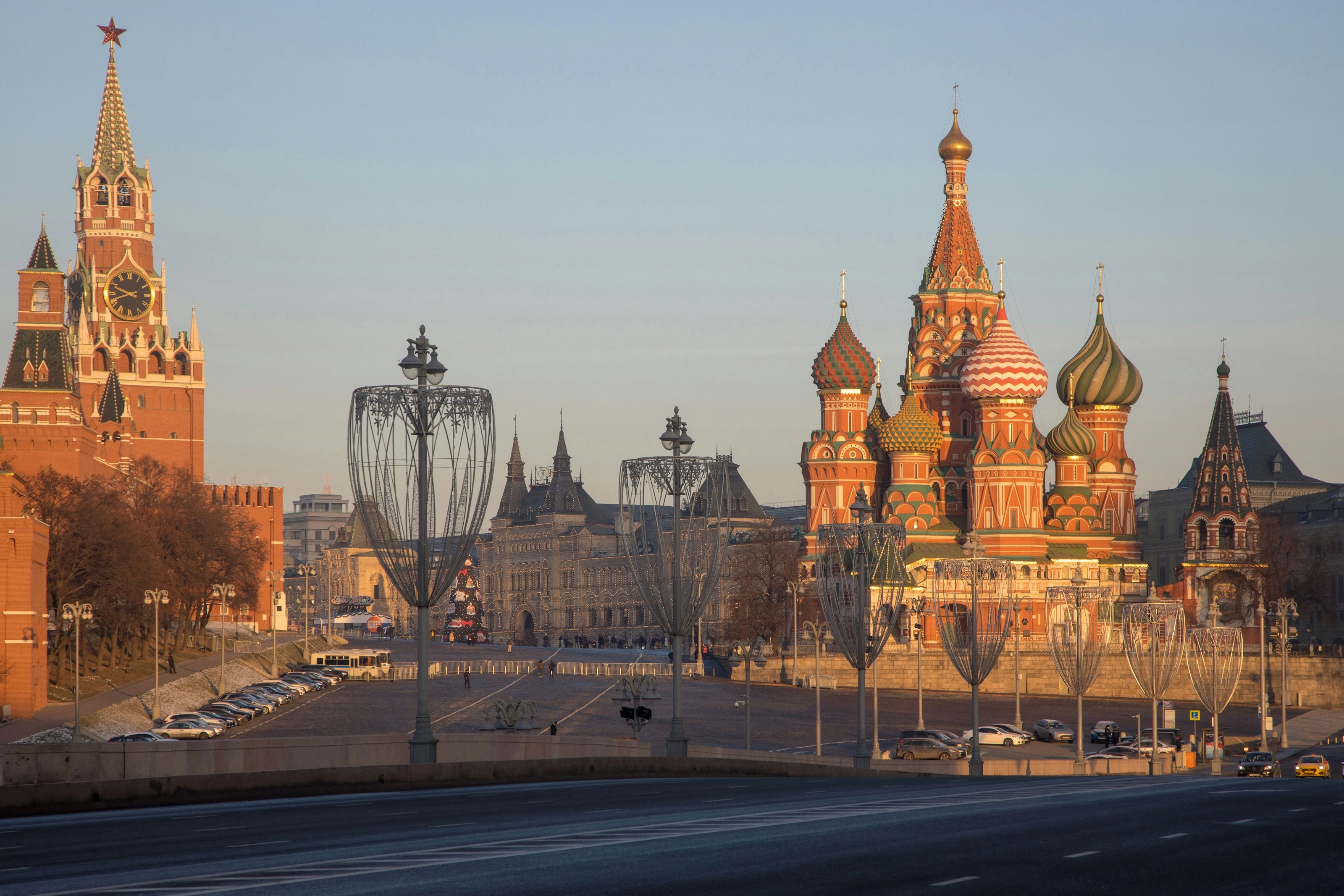
Red Square and St Basil's Cathedral
Red Square lies directly beside the Kremlin and is one of Moscow's most recognisable public spaces. At its southern end stands St Basil's Cathedral, famous for its colourful onion domes and unusual silhouette. On the eastern side, the historic GUM department store adds another layer to the square, with its late-19th-century architecture and covered galleries. Red Square, St Basil's Cathedral and the Kremlin can all be combined within the same central walking itinerary.
Moscow highlight
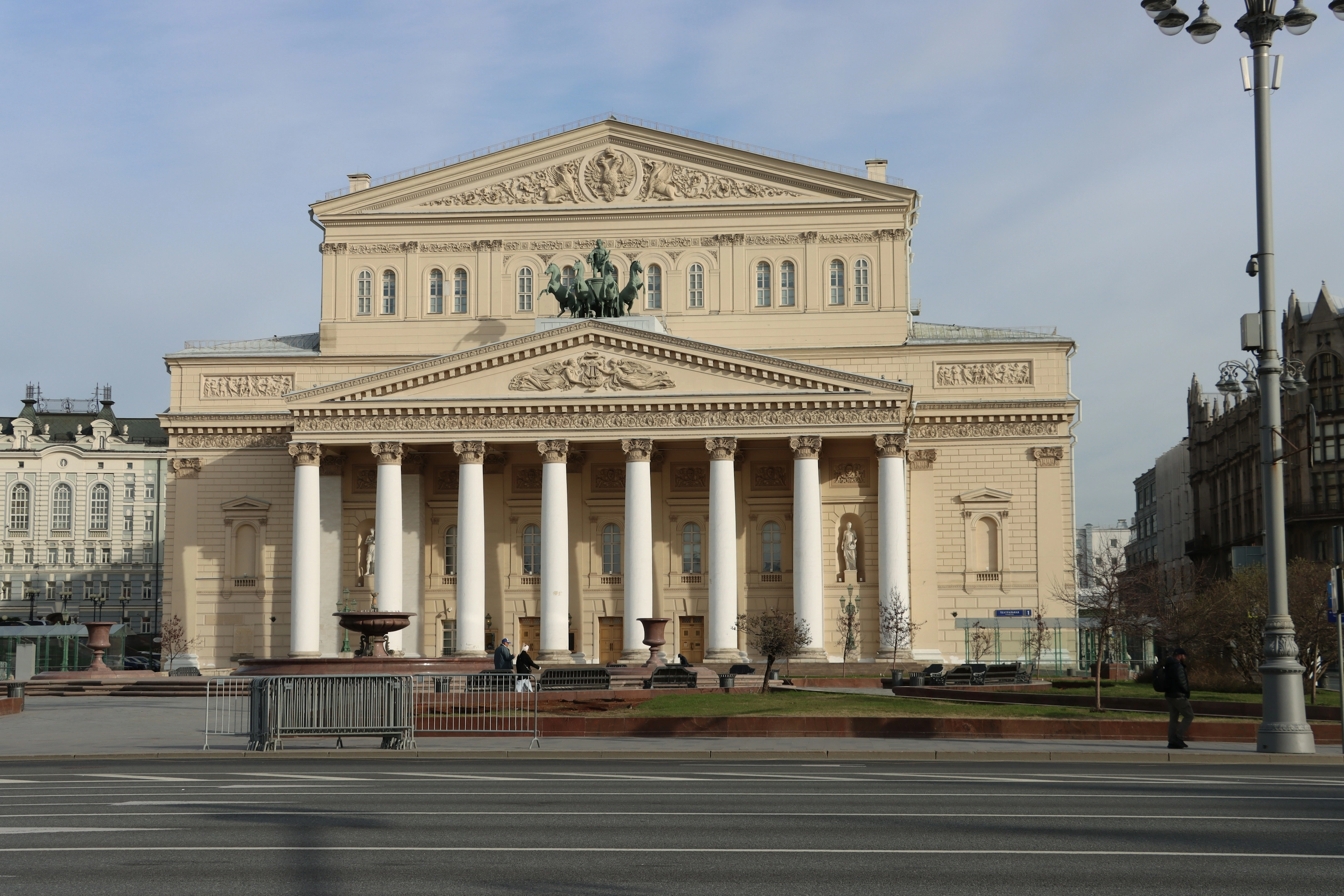
The Bolshoi Theatre, a symbol of Russian ballet and opera
The Bolshoi Theatre is one of Moscow's most famous cultural institutions. Its origins go back to the 18th century, while the current theatre building became one of the defining landmarks of Theatre Square. The neoclassical façade, columns and bronze quadriga of Apollo make it instantly recognisable. The Bolshoi remains closely associated with Russian ballet and opera, and major performances can attract strong demand. Travellers interested in attending a production should check the official programme and ticket availability well in advance. Even without a performance, the theatre district is worth including in a walking tour through central Moscow.
Moscow highlight
The Moscow Metro: architecture beneath the city
The Moscow Metro opened in 1935 and became one of the most distinctive urban transport systems in the world. Several central stations were designed not simply as transport infrastructure, but as monumental public spaces. Marble halls, mosaics, chandeliers, sculptures and stained glass turn some stations into architectural attractions in their own right. The system also runs deep underground in parts of central Moscow, reflecting both engineering constraints and the historical role of some stations as shelters.
Metro stations worth seeing
Komsomolskaya is known for its ornate ceiling and decorative panels. Mayakovskaya combines Art Deco influences with elegant columns and ceiling mosaics. Novoslobodskaya is particularly famous for its illuminated stained-glass panels. A guided Moscow Metro tour can be one of the most original ways to discover Soviet architecture and the history of the city.
Discover
Arbat, Zamoskvorechye and the Cathedral of Christ the Saviour
Arbat Street
Arbat is one of Moscow's best-known historic pedestrian streets. Associated with writers, artists and several periods of Russian cultural life, it is lined with cafés, historic buildings, souvenir shops and street performers. It provides a more relaxed walk between some of Moscow's central districts.
Cathedral of Christ the Saviour
The Cathedral of Christ the Saviour has one of the most dramatic histories of any building in Moscow. The original cathedral was demolished during the Soviet period and later rebuilt after the collapse of the Soviet Union. Today, its white façade and golden domes form a major part of the Moscow skyline near the Moskva River.
Zamoskvorechye
Across the river from the Kremlin, Zamoskvorechye offers quieter streets and a more residential atmosphere. The district is home to the Tretyakov Gallery, one of the most important museums for Russian art. Travellers interested in paintings, icons and Russian cultural history can easily spend several hours there. Museum tickets and guided art tours can form part of a wider Moscow cultural itinerary.
Discover
VDNKh and Sparrow Hills
VDNKh
VDNKh is a vast exhibition complex developed during the Soviet period. Its monumental pavilions, fountains, gardens and ceremonial avenues make it very different from Moscow's older historic centre. The site combines architecture, museums, public spaces and cultural attractions across a large area. It is particularly interesting for travellers interested in Soviet design, history and urban planning.
Sparrow Hills
Sparrow Hills provides one of the best panoramic viewpoints over Moscow. The nearby Moscow State University building dominates the skyline and is one of the famous Stalin-era skyscrapers often referred to as the "Seven Sisters". The viewpoint is especially popular around sunset and in clear weather.
Getting around
How to move around Moscow
Moscow is a very large city, so the metro is usually the fastest way to travel between distant districts. In the historic centre, however, many major attractions can be connected on foot. The Kremlin, Red Square, Bolshoi Theatre, Arbat and Cathedral of Christ the Saviour can all be combined through a series of central walks.
For areas further away, such as VDNKh or Sparrow Hills, metro and local transport services are generally more practical. Ride-hailing services are also available through local platforms, although availability and payment methods can vary. Visitors should always check the latest public transport and payment information before travelling.
Food
What to eat in Moscow
Russian cuisine is well represented across Moscow. Borscht, a beetroot-based soup, is one of the most familiar dishes. Pelmeni are small dumplings traditionally filled with meat and served with sour cream or butter. Blinis can be served sweet or savoury, sometimes accompanied by sour cream, fish or caviar. Another traditional dish is herring under a fur coat, a layered salad made with herring, vegetables and mayonnaise.
For travellers interested in food culture, Moscow also offers food tours, market visits and guided culinary experiences that go beyond the city's best-known dishes.
How long to stay
What to do in Moscow depending on your trip length
The essentials
Focus on the Kremlin, Red Square, St Basil's Cathedral and Arbat.
Go deeper
Add several of the most beautiful Moscow Metro stations, the Tretyakov Gallery and the Cathedral of Christ the Saviour.
Take your time
Explore VDNKh, Sparrow Hills and additional museums, or consider an excursion to Sergiev Posad, one of the most important centres of Russian Orthodox heritage.
When to go
When to visit Moscow
Spring
Temperatures gradually rise after winter, although conditions can remain cool.
Summer
Longer days and generally the most comfortable season for exploring the city outdoors.
Autumn
A transitional season, with cooler temperatures and attractive colours in parks and green spaces.
Winter
Very cold conditions, but snow, seasonal lighting and winter celebrations can give central Moscow a very distinctive atmosphere.
Book with SniperAir
Flights, attractions and experiences in Moscow
SniperAir can help travellers move from destination research to actual trip planning. Alongside flights to Moscow, travellers can discover bookable experiences such as Kremlin tours, Moscow Metro architecture tours, Tretyakov Gallery visits, guided walks through Red Square, cultural tours, museum tickets, food experiences and excursions outside the capital.
The idea is simple: monitor your flight, explore Moscow, compare activities and access the relevant booking offer when you are ready.
You might also like
Similar destinations
FAQ
Frequently asked questions about flights and travel to Moscow
Which Moscow airport should I choose?
Sheremetyevo (SVO), Domodedovo (DME) and Vnukovo (VKO) are the three major airports serving Moscow. SniperAir tracks prices across all three, so comparing them can sometimes give more options depending on the route.
How do I get from Moscow airports to the city centre?
All three airports are connected to central Moscow by rail links and road transfers. Terminals and schedules can vary, so it's worth checking the latest transport information before departure.
Is the Moscow Metro worth visiting for its architecture?
Yes — several stations, including Komsomolskaya, Mayakovskaya and Novoslobodskaya, were designed as monumental public spaces with marble, mosaics and chandeliers, and can be visited like museums for the price of a metro ticket.
Should I book Bolshoi Theatre tickets in advance?
Yes, especially for major ballet or opera productions — tickets for this 18th-century institution can attract strong demand well ahead of the performance date.
What are the main attractions to see in Moscow?
The Kremlin and Red Square, St Basil's Cathedral, the Bolshoi Theatre, the Moscow Metro's most decorated stations, Arbat Street, the Cathedral of Christ the Saviour, the Tretyakov Gallery, VDNKh and Sparrow Hills are among the highlights.
How much does a flight to Moscow usually cost?
The price mainly depends on your departure city, the season, and how far in advance you book. The "opportunities" section above shows real price examples already detected by SniperAir for this destination.
How long is a flight to Moscow from Europe?
Generally between 2 and 4 hours depending on your departure city.
How can I get notified when a flight to Moscow falls below my budget?
Create an alert profile with your departure airport, Moscow as the destination, and your maximum budget. You'll be notified automatically as soon as a matching price is detected.
Can I find guided tours and activities in Moscow through SniperAir?
Yes. Alongside flights, SniperAir lets you discover bookable experiences in Moscow, such as Kremlin tours, Moscow Metro architecture tours, Tretyakov Gallery visits and guided walks through Red Square.
Ready to head to Moscow?
Set your budget and let SniperAir watch the fares.
Create my alert