
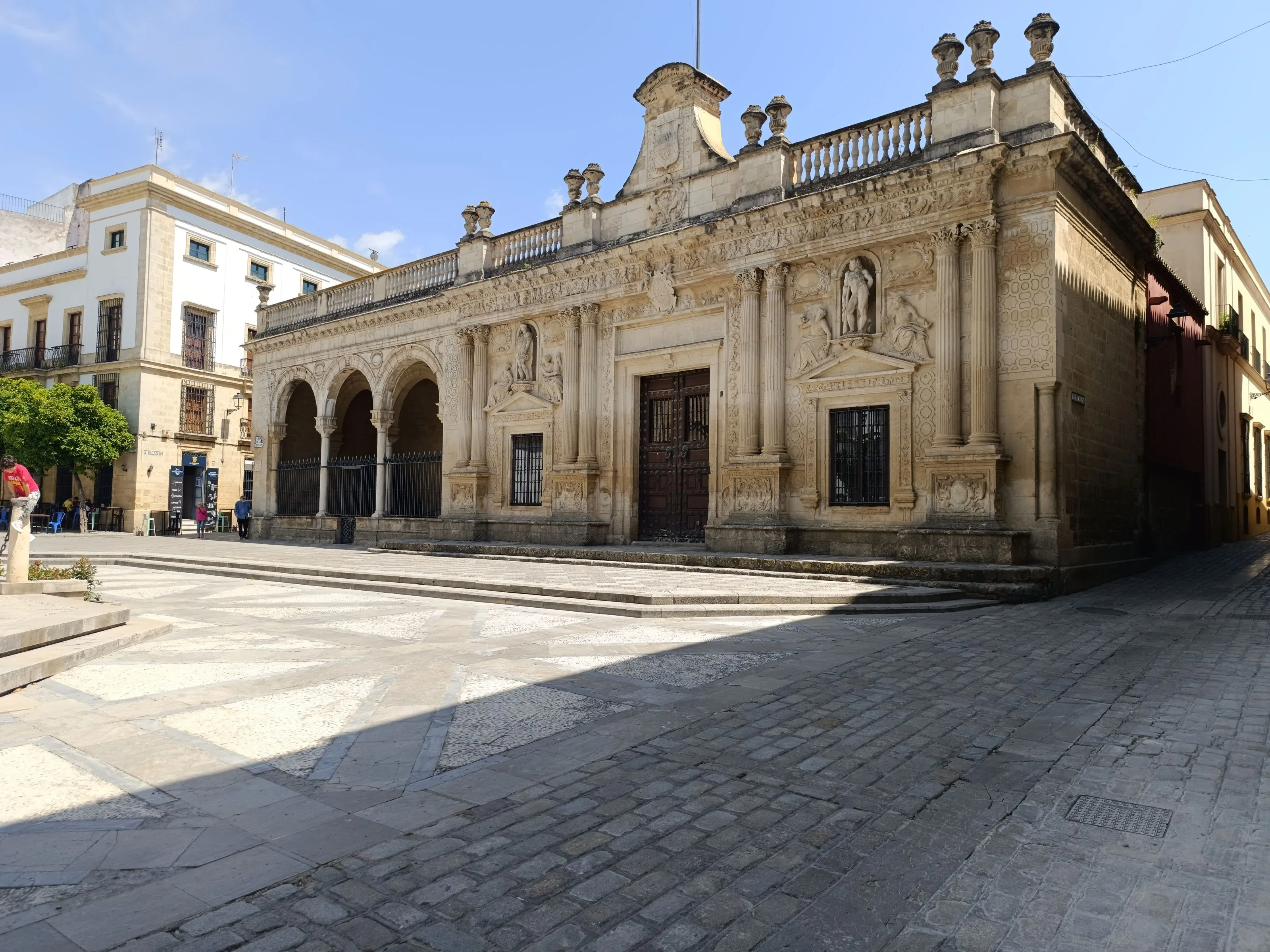
Cheap flights to Jerez de la Frontera
Set your departure airport and maximum budget: SniperAir tracks prices to Jerez de la Frontera and alerts you the moment a deal matching your criteria appears.
Quick summary
Country
Spain
Continent
Europe
Airport
XRY
Currency
Euro
Time zone
UTC+1
Deals already spotted to Jerez de la Frontera
Real flight examples detected by SniperAir, with their reference price.
Loading examples…
Why track Jerez de la Frontera with SniperAir
You don't need to compare prices every day
Pick your departure
Tell us your departure airport and maximum budget for a flight to Jerez de la Frontera.
SniperAir watches
Our systems continuously compare new prices against the route's real price history.
You get an alert
The moment a price matches your criteria, you're notified, with no searching on your end.
Getting to Jerez
XRY airport, trains and distances
Jerez Airport
The airport is about 8 to 9 km north-east of the centre (Wikivoyage ES, Wikipedia EN). It handled about 885,000 passengers in 2025; it is linked mainly to Madrid, Barcelona and Palma and to German, British, Swiss and Belgian cities (Wikipedia EN), with few direct links from France; Ryanair withdrew its base in 2025, so check which routes are currently served. Seville, linked to Jerez by train, is an alternative.
From the airport to the centre
Jerez-Aeropuerto station is served by the C1 suburban line, which reaches Jerez in about 7 minutes but only a few times a day; buses (routes 050 and 053, towards Cádiz) also exist but are infrequent (Wikivoyage EN, Wikipedia EN). Taxis and rental cars complete the offer.
From neighbouring cities
Seville is about 90 km north: allow about 1 hour 15 minutes by Comes coach (Wikivoyage EN) or about an hour by road; regional trains also link the two cities. Cádiz is 32 to 40 km away depending on the source; the C1 line runs about every 30 minutes and the Comes coach takes about 45 minutes (Wikivoyage EN). The railway station, about five minutes from the centre, sits beside the bus station (Wikivoyage ES).
| Landmark | Distance or indicative time |
|---|---|
| Airport to the centre | about 8 to 9 km north-east |
| Jerez to El Puerto de Santa María | about 20 km, roughly ten minutes by car |
| Jerez to Sanlúcar de Barrameda | about 30 km, 15 to 20 minutes by car |
| Jerez to Cádiz | about 32 to 40 km; C1 about every 30 minutes |
| Jerez to Seville | about 90 km; about 1 hour 15 minutes by coach |
| Jerez to the beach | about 15 minutes by car |
Identity
Authentic Andalusia, without the crowds
Four worlds, one human-sized city
Jerez brings together four worlds: sherry, horses, flamenco and motors, with its circuit. About 213,000 people live in the most populous city of the province of Cádiz, about 11 km from the Atlantic (Wikipedia ES). With Sanlúcar de Barrameda and El Puerto de Santa María it forms the Sherry Triangle, and the old town is explored on foot. Jerez was named Spanish Capital of Gastronomy for 2026.
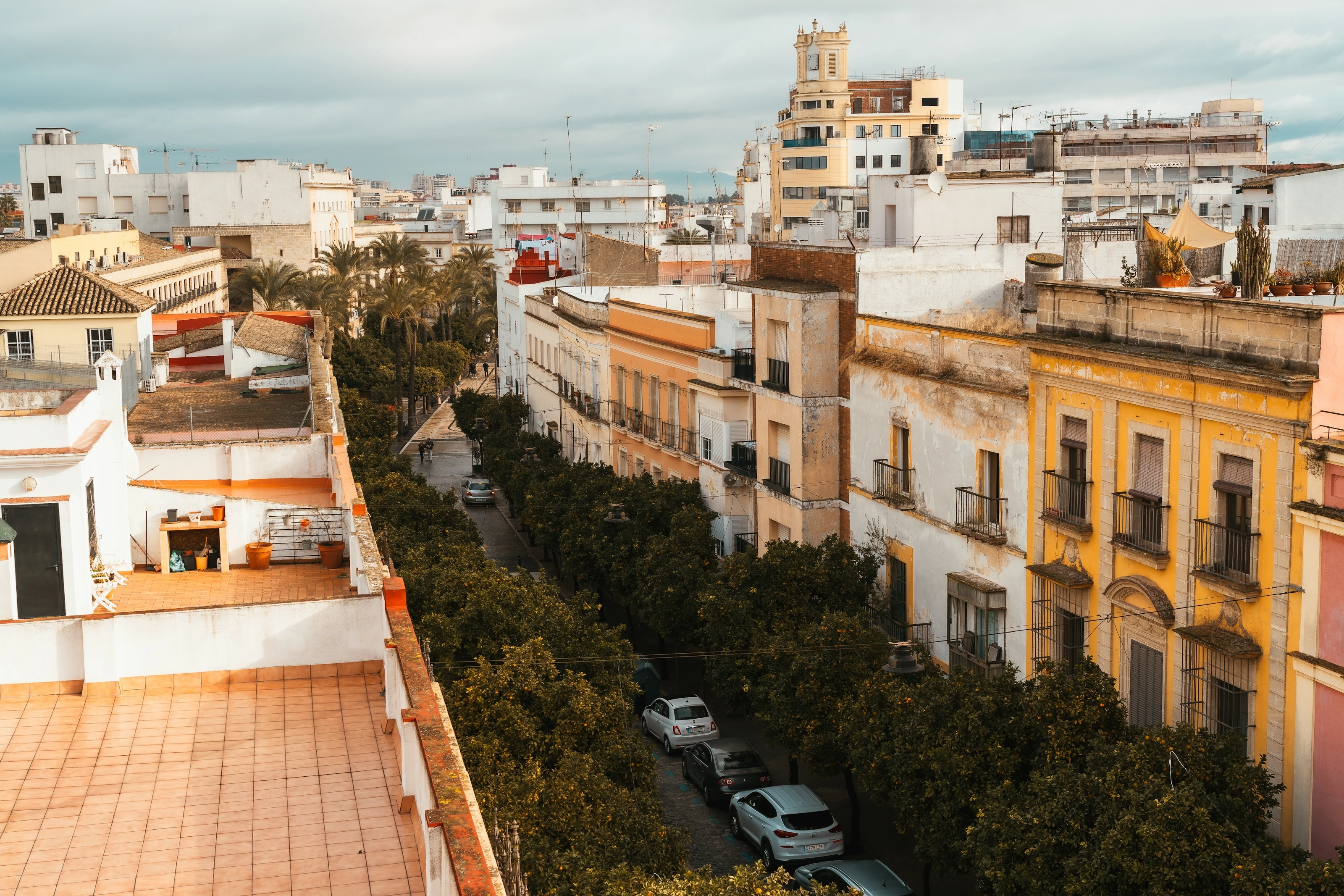
Sherry
Bodegas and wine styles
Sherry is a fortified wine of 15 to 17 per cent alcohol, made mainly from the Palomino grape. The light styles are manzanilla and fino; the dark ones are amontillado and oloroso, with nutty notes; Pedro Ximénez is sweet and cream is a blend (Wikivoyage EN). The Jerez appellation, created in 1933, has the oldest regulatory council in Spain and delimits about 7,000 hectares.
Bodegas to visit
González Byass, home of Tío Pepe, has been going since 1835 and offers guided tours; Tradición, Lustau, Sandeman, Domecq, Harveys and Williams Humbert are other names to visit (Wikivoyage EN and ES). Book ahead and check fares, which vary.
Food and drink
Tabancos, tapas and local dishes
The tabancos
Tabancos are the old wine taverns, where sherry is poured by the glass with a tapa: El Pasaje (1925), San Pablo (1934) and La Reja (1942) are among the best known. The tabancorá is the round from tabanco to tabanco.
Typical dishes
Ajo caliente, puchero, oxtail (cola de toro), kidneys in sherry (riñones al jerez), choco con papas, berza and artichokes in sherry, plus salmorejo and tortilla (Wikivoyage EN and ES).
Market and addresses
The Abastos central market, built in 1885, is the meeting point of traditional trade; it usually opens in the morning from Monday to Saturday (Wikivoyage EN). The same source names Bar Juanito and Las Banderillas for simple tapas, and La Carboná, in a former bodega, for a smarter meal.
Horses and flamenco
The riding school and the cradle of flamenco
The riding school
The Royal Andalusian School of Equestrian Art, founded in 1973 and royal since 1987, stages the show "How the Andalusian Horses Dance", of about 90 minutes. Days and times change, so book and check before you go. The Cartujano horse is one of the symbols of the city.
Flamenco
The Santiago and San Miguel districts are the cradle of flamenco, home of Lola Flores and La Paquera de Jerez. The Centro Andaluz de Flamenco is housed in the Pemartín palace; the Puro Arte tablao is a good place to see a show.
Festivals and sport
The Festival de Jerez runs from late February to early March, the Feria del Caballo in May, and the Christmas zambombas from late November to 24 December. MotoGP stops at the Jerez-Ángel Nieto circuit in spring; the circuit also hosted Formula One between 1986 and 1997 (Wikipedia DE).
Museums
Six places to understand Jerez
Centro Andaluz de Flamenco
Housed in the Pemartín palace in the Santiago district; Wikivoyage EN says you can look into its courtyard.
Municipal Archaeological Museum
The city's archaeological collections (Wikivoyage EN and ES).
Museos de la Atalaya
The Palacio del Tiempo, a collection of antique clocks, and El Misterio de Jerez, two spaces of the Atalaya museums (Wikivoyage ES).
La Cartuja de Santa María de la Defensión
The Carthusian monastery, with gardens and the Cartuja stud where Cartujano horses are bred (Wikivoyage ES).
Bullfighting Museum, Honey Museum and the Joaquín Rivero collection
Three smaller museums listed by Wikivoyage ES to round out a visit.
The Alcázar and its camera obscura
The Alcázar site also houses a camera obscura (Wikivoyage EN).
Landmarks
The Alcázar, the cathedral and the churches
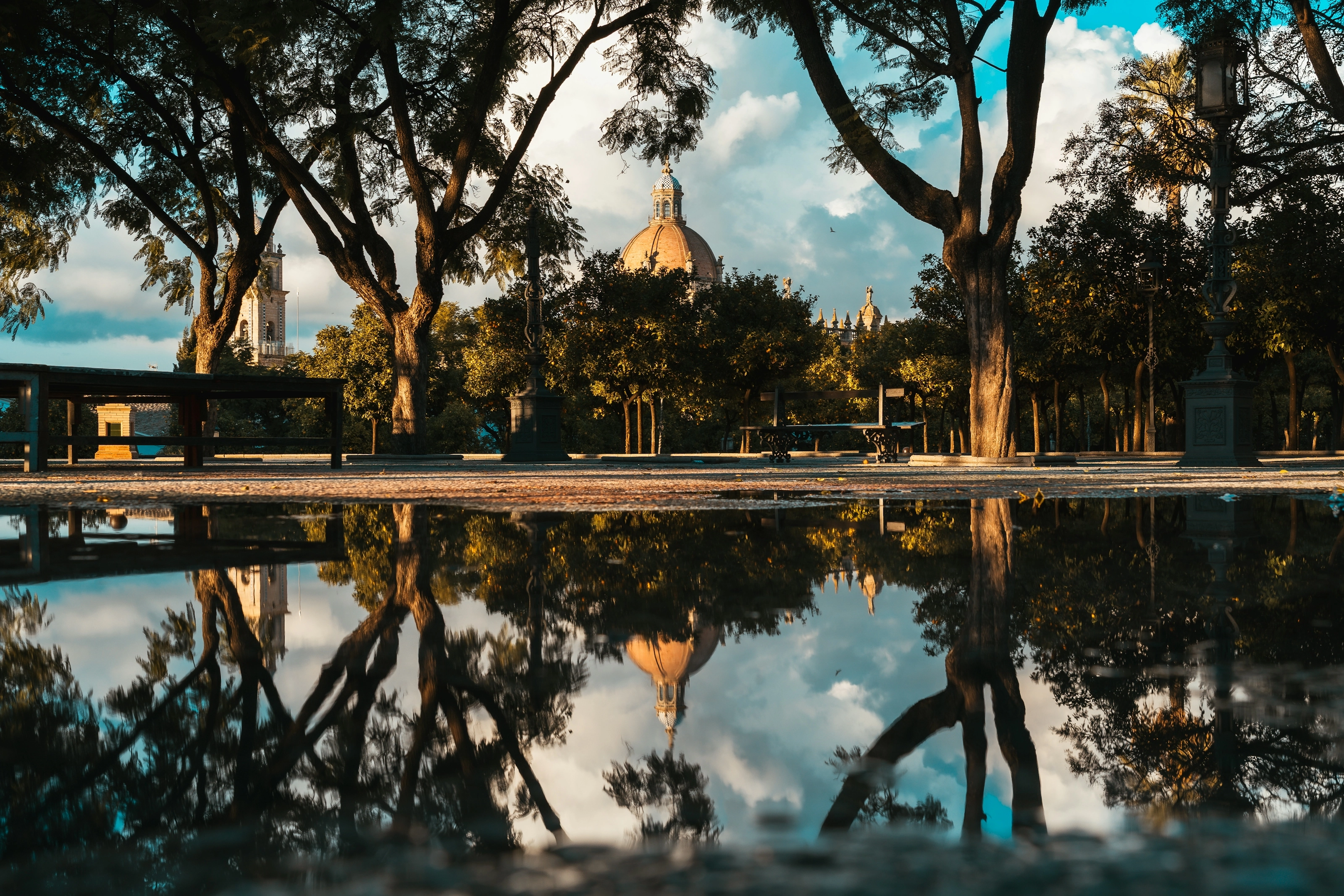
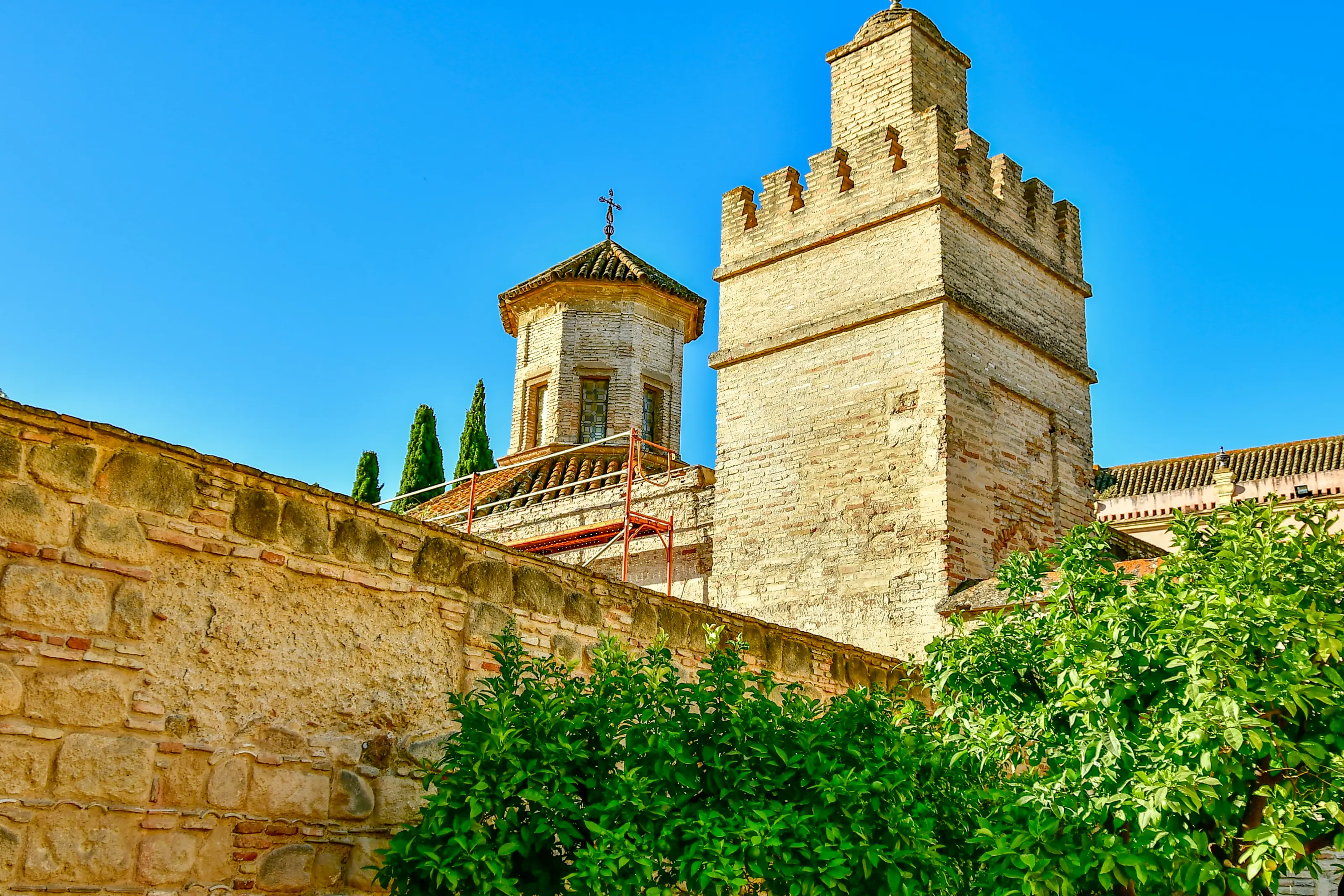
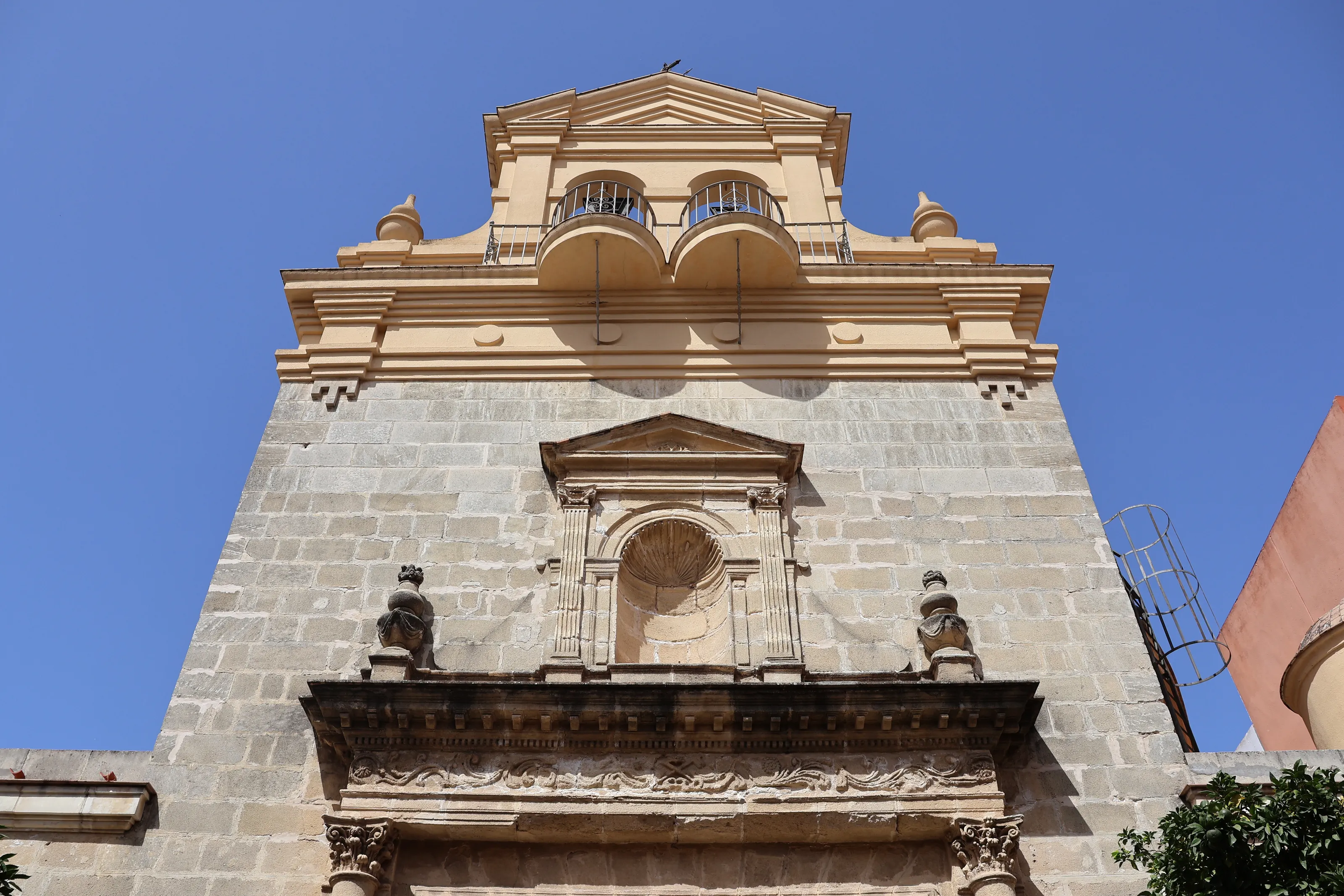
The Alcázar is a citadel begun in the 11th century by the Abbadids and preserved in Almohad times; it keeps a near-intact mosque turned chapel and old Arab baths. It stands about 300 metres from the cathedral, whose construction began in 1695 and took about 80 years (Wikivoyage EN); it was a collegiate church before being raised to cathedral status in 1980.
Other places
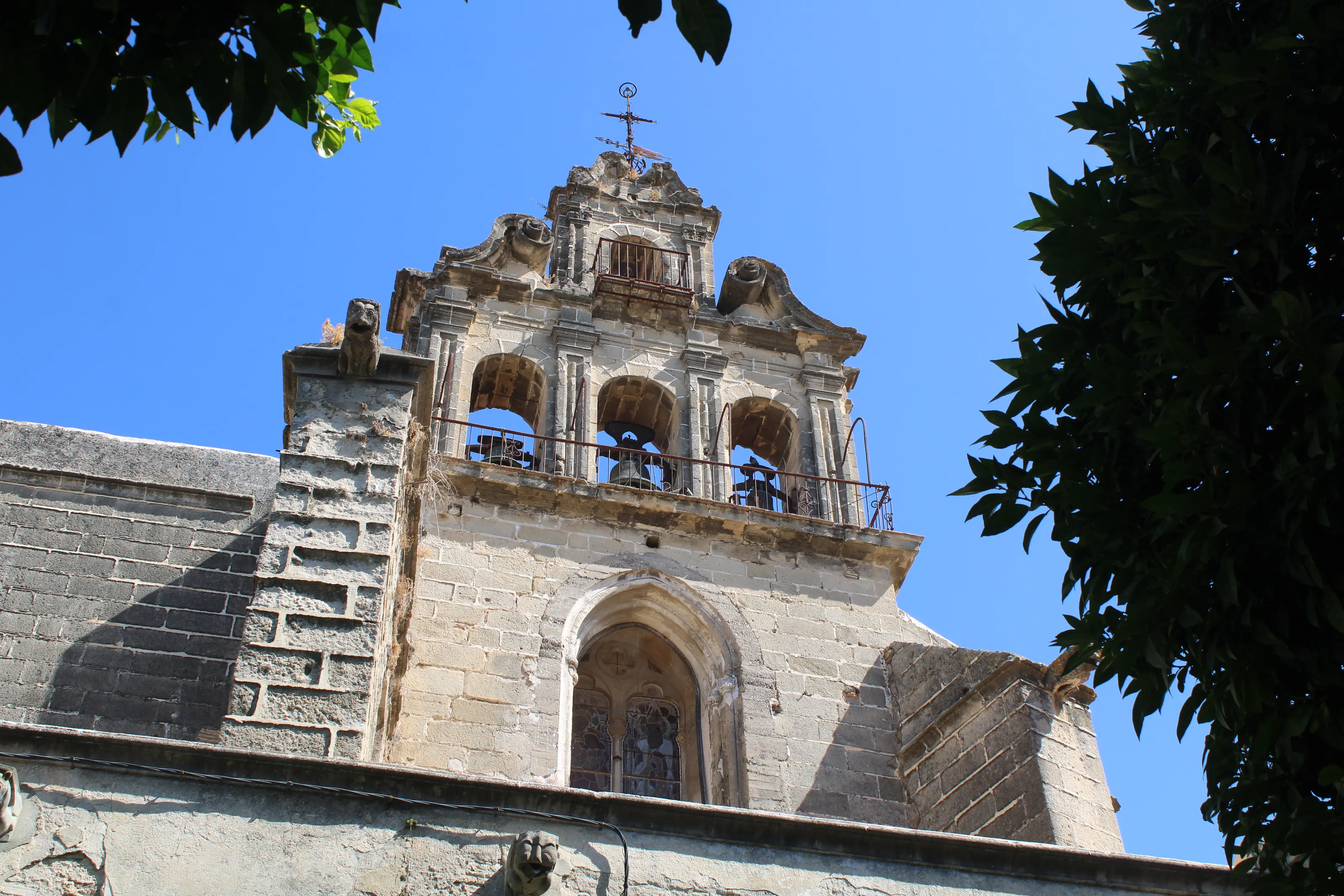
The churches of San Miguel, Santiago and San Mateo, the remains of the walls and the Puerta de Rota, the Villamarta theatre and the squares and avenues of the centre (Wikivoyage ES).
Getting around
Getting around Jerez
The main sights lie in a compact area, so you mostly walk (Wikivoyage EN and ES). Jerez has an urban bus network (19 lines) and taxis; a double-decker tourist bus runs too, and a free two-hour bike service exists at a few points in the centre (Wikivoyage ES). The guide advises against driving in the old town; park in an underground car park instead.
Excursions
El Puerto de Santa María, Sanlúcar, Arcos de la Frontera (25 to 30 minutes) and the Sierra de Grazalema (about 35 minutes) are reachable by car; the beach is about 15 minutes away (Wikivoyage ES).
Climate
Jerez's climate, season by season
Spring
Milder, with the Feria del Caballo in May and MotoGP in spring. Avoid those dates if you want low prices.
Summer
Very hot from June to mid-September: about 26 degrees on average in July and August, more than 40 °C possible and almost no rain.
Autumn
Pleasant and milder, before the Christmas zambombas start in late November.
Winter
Mild, with about 11 degrees on average in January, more rain and the Festival de Jerez from late February.
Jerez has a Mediterranean climate with oceanic influence (Köppen Csa), with an annual mean of about 18 °C and about 550 to 570 mm of rain a year, mostly from October to April (Wikipedia ES and EN). The sun shines more than 3,200 hours a year according to Wikivoyage ES. The best windows are spring and autumn.
Budget
Budget and length of stay
Jerez is a mid-range destination in Spain: tapas and tabancos are affordable, while the Feria del Caballo, MotoGP and festival weekends push accommodation prices up. The currency is the euro; we do not publish exact prices because they change.
How many days?
Two days cover the centre, a bodega, an equestrian show and a tablao; add a day for Cádiz, Sanlúcar or El Puerto.
In pictures
Jerez de la Frontera in pictures
You might also like
Similar destinations
FAQ
Frequently asked questions about flights to Jerez de la Frontera
What is Jerez de la Frontera's airport and how do I get to the centre?
Jerez Airport (XRY) is about 8 to 9 km north-east of the city. A suburban train (C1, about 7 minutes) and infrequent buses link the centre; taxis and rental cars are also available.
When is the best time to visit Jerez?
Spring and autumn are milder. Summer is very hot from June to mid-September. The Feria del Caballo in May is lively but pushes prices up.
How many days do you need in Jerez?
Two days cover the centre, a bodega, an equestrian show and a tablao. You can combine the visit with Cádiz and Sanlúcar de Barrameda.
How do I get from Jerez to Seville or Cádiz?
By train: Cádiz on the C1 line about every 30 minutes, Seville in about 1 hour 15 minutes by Comes coach or regional train; coaches also serve Cádiz.
Which museums should I visit in Jerez?
The Centro Andaluz de Flamenco, the Archaeological Museum, the Palacio del Tiempo (clocks), La Cartuja, the Bullfighting Museum and the Alcázar with its camera obscura.
What should I taste in Jerez?
Sherry, from dry fino to sweet Pedro Ximénez, in the bodegas or the tabancos; ajo caliente, oxtail, kidneys in sherry and salmorejo among the classic dishes.
How do I get around Jerez?
On foot in the centre, by city bus or by taxi; driving in the old town is not recommended and the station is about five minutes away.
Is Jerez an expensive destination?
It is mid-range for Spain. Tapas and tabancos are affordable, but the Feria del Caballo and MotoGP push accommodation prices up.
Can you visit the sherry bodegas?
Yes: González Byass, Tradición, Lustau, Sandeman or Domecq offer guided tours; book ahead and check fares.
How much does a flight to Jerez de la Frontera usually cost?
The price depends mainly on your departure city, the period and how far ahead you book. The "opportunities" section above shows real price examples already detected by SniperAir for this destination.
How do I get alerted when a flight to Jerez de la Frontera drops below my budget?
Create an alert profile with your departure airport, Jerez de la Frontera as the destination and your maximum budget. You are notified automatically as soon as a matching price is detected.
Ready to head to Jerez de la Frontera?
Set your budget and let SniperAir monitor fares for you.
Create my alert