
Cheap flights to Whitehorse
Set your departure airport and maximum budget: SniperAir tracks prices to Whitehorse and alerts you the moment a deal matching your criteria appears.
Quick summary
Country
Canada
Continent
North America
Airport
YXY
Currency
Canadian dollar
Time zone
UTC-7
Deals already spotted to Whitehorse
Real flight examples detected by SniperAir, with their reference price.
Loading examples…
Capital of the North
Visiting Whitehorse, the capital of the Yukon
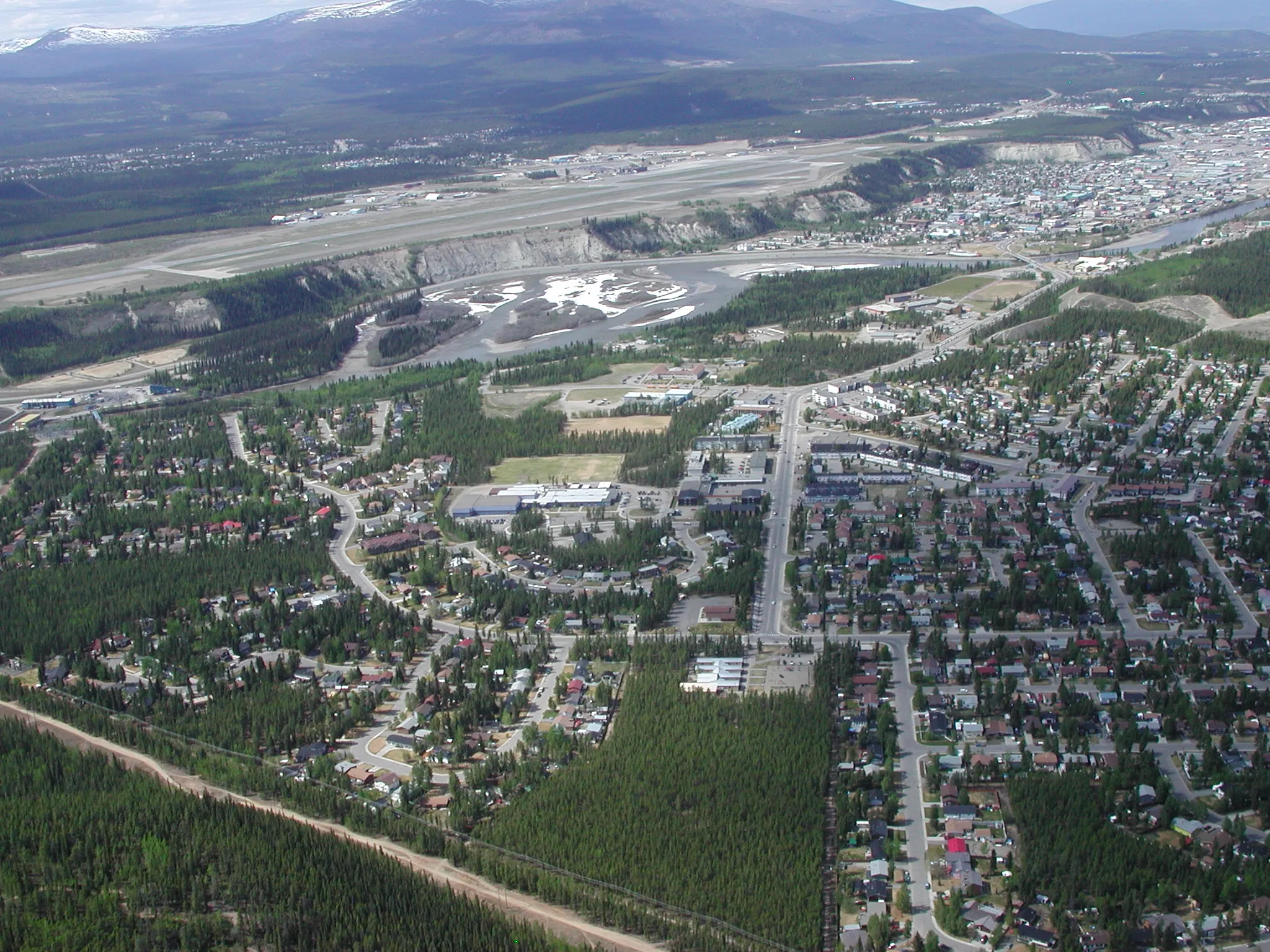
Whitehorse is the capital and only city of Yukon Territory. With about 28,000 residents, it is home to roughly 70 percent of the territory's population, yet downtown is compact and easy to walk. It sits on the Yukon River, in the rain shadow of the Coast Mountains, which makes it the driest city in Canada.
A frontier with gold in its past
The city grew out of the Klondike gold rush and became the territorial capital in 1953, taking over from Dawson City. Today it is the gateway to wilderness, rivers and trails.
Daylight and dark skies
Light that changes with the seasons
| Season | What to expect |
|---|---|
| Summer | Days of up to about 19 hours of daylight: long evenings for canoeing and trails, but skies too bright to see the aurora. |
| Autumn to spring | Dark skies return and northern lights become possible. |
| Winter | Short days and deep cold, with January highs around minus 11 degrees. |
Why track Whitehorse with SniperAir
Your budget, our watch
Choose your departure
Enter your departure airport and your maximum budget for a flight to Whitehorse.
SniperAir keeps watch
Our systems continuously compare new prices with the route's real price history.
You get an alert
As soon as a price matches your criteria, you are notified, without having searched yourself.
The gold rush
From White Horse Rapids to the Klondike
Gold was found in the Klondike in August 1896 by Skookum Jim, Tagish Charlie and George Carmack. By July 1897 prospectors were camping at White Horse, and by June 1898 there was a bottleneck at Canyon City, where five people had died in the rapids.
Where the name comes from
The city is named after the White Horse Rapids, whose foam looked like the manes of white horses. The rapids now lie beneath Miles Canyon and Schwatka Lake, created by a hydroelectric dam in 1958. The spelling Whitehorse became official on 21 March 1957.
On the Yukon River
By canoe or boat along the gold seekers' route
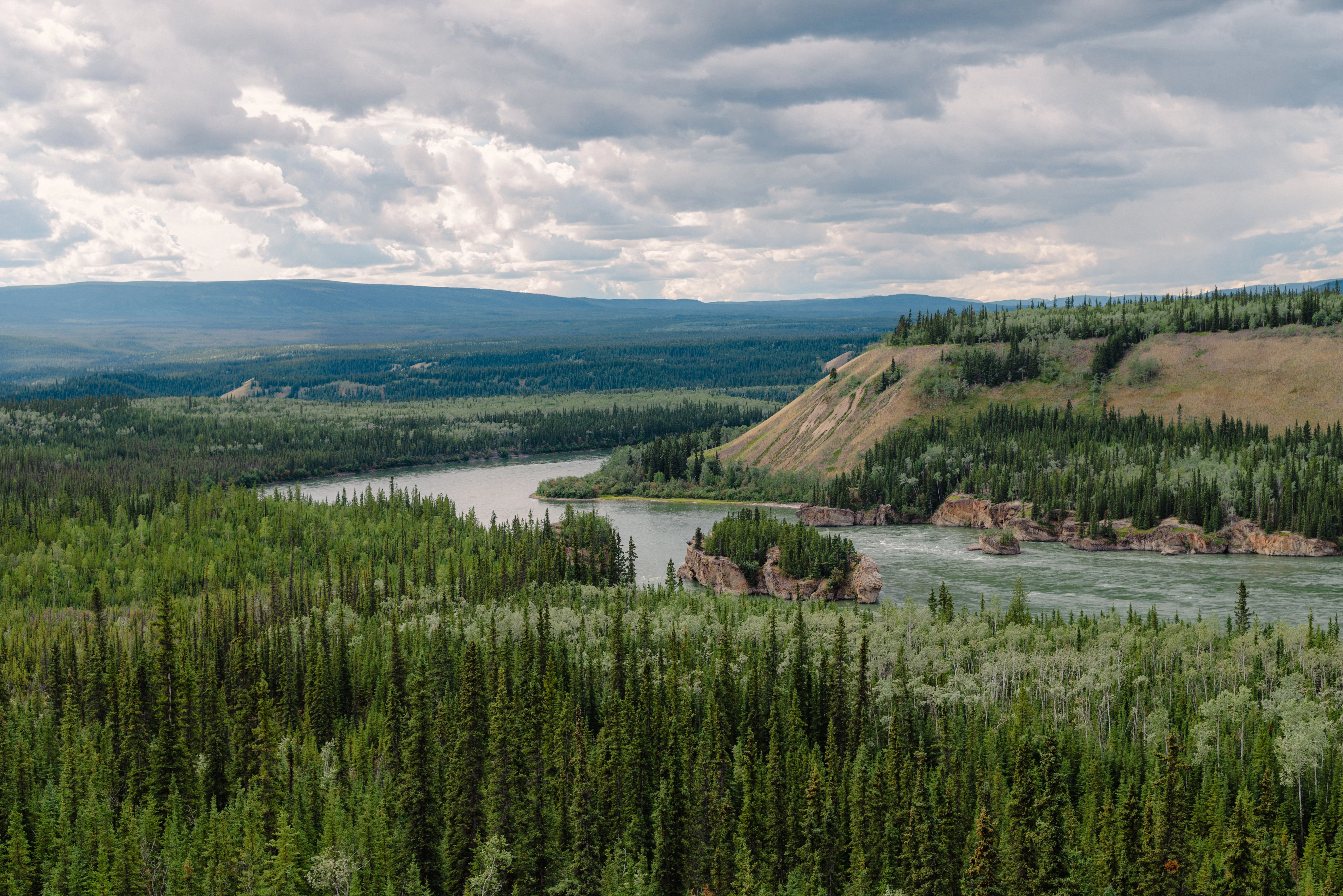
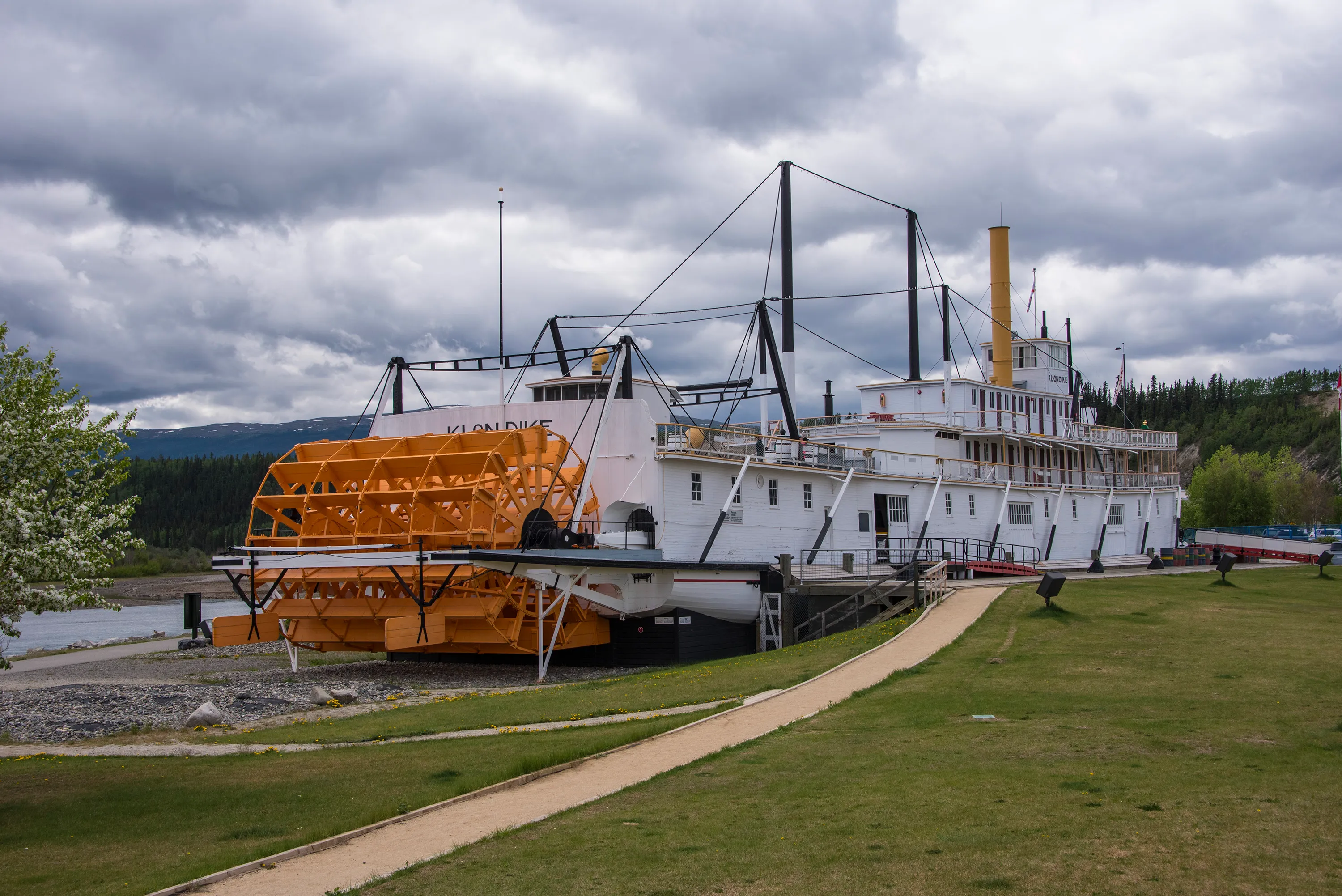
The river is the best way to understand the region. The SS Klondike, a sternwheeler that worked the river during the gold rush, is a national historic site. Check access conditions before you travel.
Museums and cultures
Five places to understand the Yukon
MacBride Museum of Yukon History
Covers the gold rush era and the territory's history, with a related mining museum.
Yukon Beringia Interpretive Centre
Tells the story of Beringia, the ice-age land bridge. It stands near the airport (Wikipedia DE).
Yukon Transportation Museum
Also near the airport, it follows the story of getting around the north, from river boats to the Alaska Highway (Wikivoyage EN).
Old Log Church Museum
An Anglican log church whose history goes back to the town's early days (Wikivoyage EN).
Kwanlin Dün Cultural Centre
A First Nations cultural centre with art exhibitions, traditional canoes and beadwork.
The SS Klondike
The preserved sternwheeler that worked the Yukon River is a national historic site, free to enter according to Wikivoyage EN; check access conditions before you travel.
Nature
Moose, hot springs and trails
Just outside the city, the Yukon Wildlife Preserve lets you see moose, caribou, bison and wolves. The Takhini hot springs, northwest of town, offer outdoor soaking, especially in winter (Wikipedia DE, Wikivoyage EN).
Hiking and the canyon
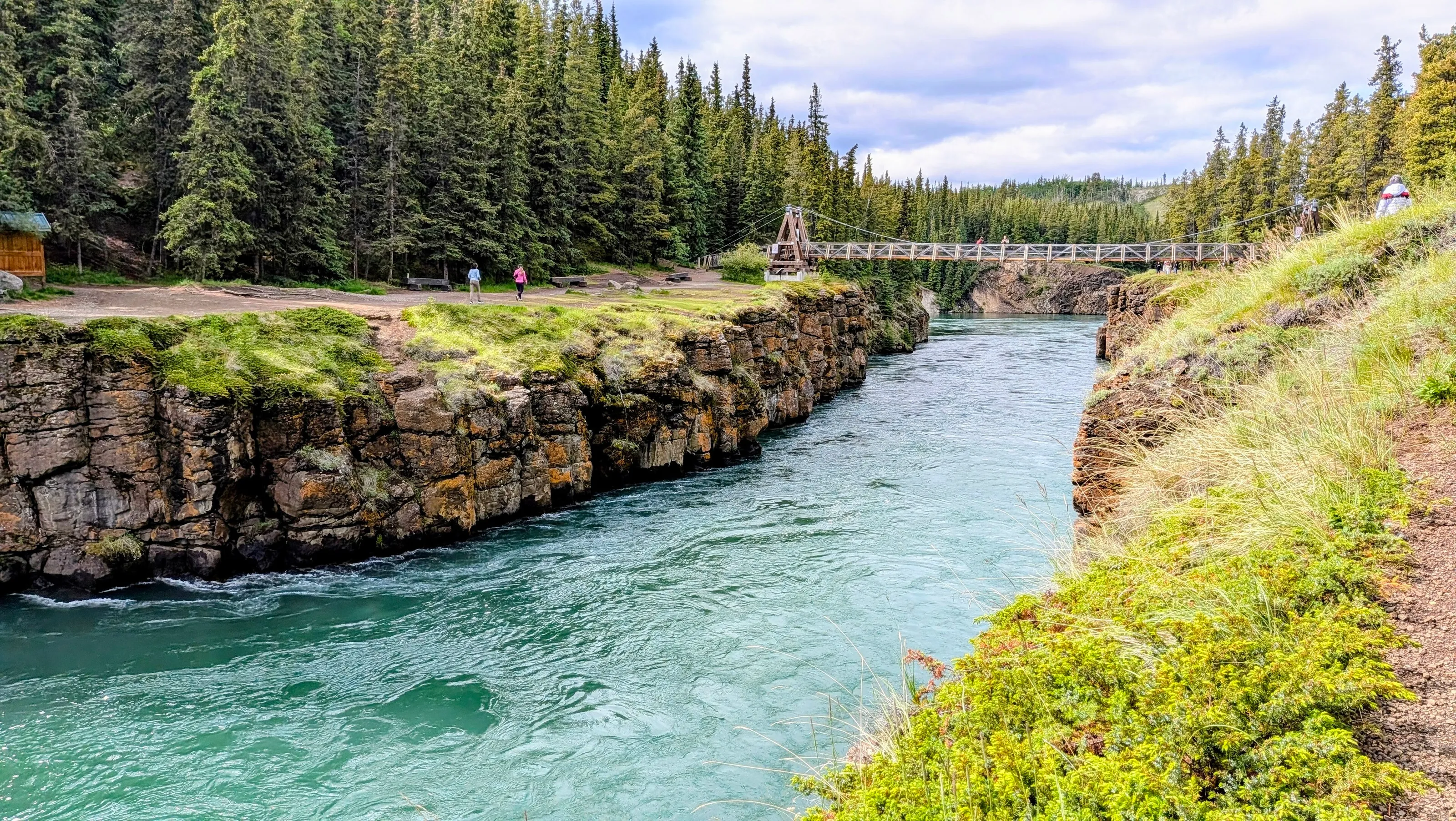
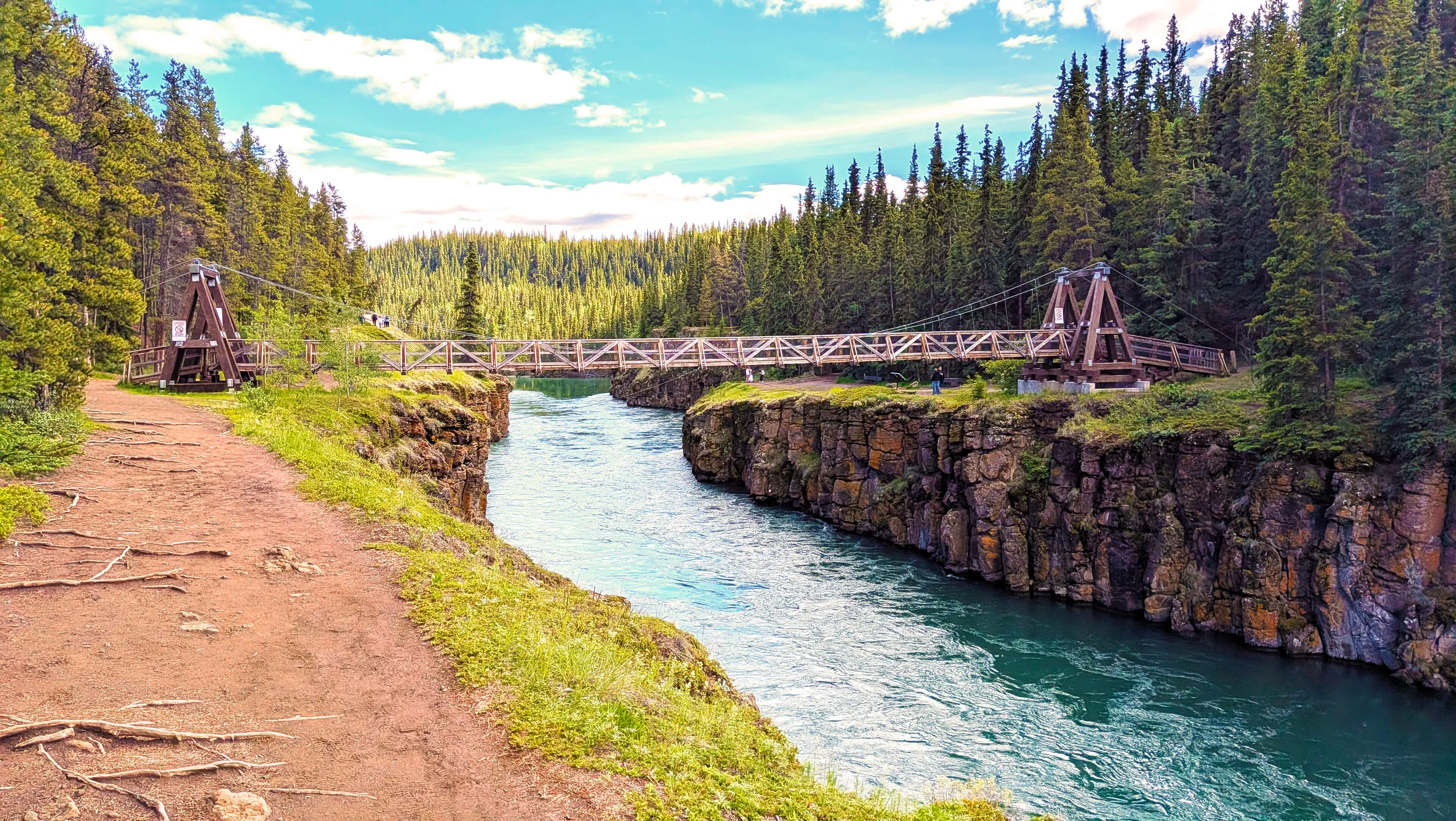
A network of about 850 km of trails surrounds the city, with Mount Sima as a local viewpoint (Wikipedia ES). Miles Canyon, to the south, shows basalt walls above the river, and the Whitehorse Fishway salmon ladder has a viewing window in season.
Northern flavours
Bakeries, microbreweries and world cuisines
Whitehorse is small, but its table is more varied than you might expect: an organic bakery, Japanese and Italian restaurants, and places serving local ingredients (Wikivoyage EN). There is no single signature dish; you mostly taste northern Canadian cooking.
Local beer
Whitehorse has several microbreweries: Yukon Brewing, Winterlong Brewing and the brewing bar Woodcutter's Blanket (Wikivoyage EN). Tasting rooms are a good way to try local production.
Farther north
Dawson City, Carcross and Skagway
Dawson City, the centre of the Klondike gold rush, is connected to Whitehorse by the Klondike Highway and by scheduled flights. Carcross lies 72 km south, on the White Pass railway line to Skagway, Alaska.
Climate
Whitehorse's climate, season by season
Summer (June to August)
Highs of about 21 °C in July, cool nights and more than 19 hours of daylight. Accommodation fills quickly, so book early.
Autumn (September and October)
The aurora season begins in late August; days shorten fast and the first snow arrives.
Winter (November to March)
Subarctic: January lows average around -19 °C and days are very short. The season for auroras, hot springs and winter festivals.
Spring (April and May)
Days lengthen quickly, but the thaw turns trails muddy; auroras are possible until April.
Whitehorse has a dry subarctic climate, often described as the driest in Canada: about 160 mm of rain and 140 cm of snow a year (Wikipedia EN and ES). The mean annual temperature is close to 0 °C (Wikivoyage EN, Wikipedia ES). For auroras aim for late August to April; for paddling and long days, June to August.
Getting around
Getting around Whitehorse and the Yukon
Downtown is walkable. Whitehorse Transit runs several bus routes on weekdays from about 6:40 am to 10 pm, with earlier finishes at weekends (Wikipedia EN); taxis are metered (Wikivoyage EN). A heritage tram runs in summer between the Roundhouse and Rotary Peace Park (Wikipedia EN).
Beyond the city
In summer a coach links Whitehorse with Dawson City in about 7 hours, and another serves Haines Junction in about 2 hours (Wikivoyage EN). For Carcross, Kluane and most sights a rental car is the most flexible option. The White Pass railway runs from Carcross to Skagway in season (Wikipedia EN).
Arriving
Erik Nielsen airport and distances
Erik Nielsen Whitehorse International Airport
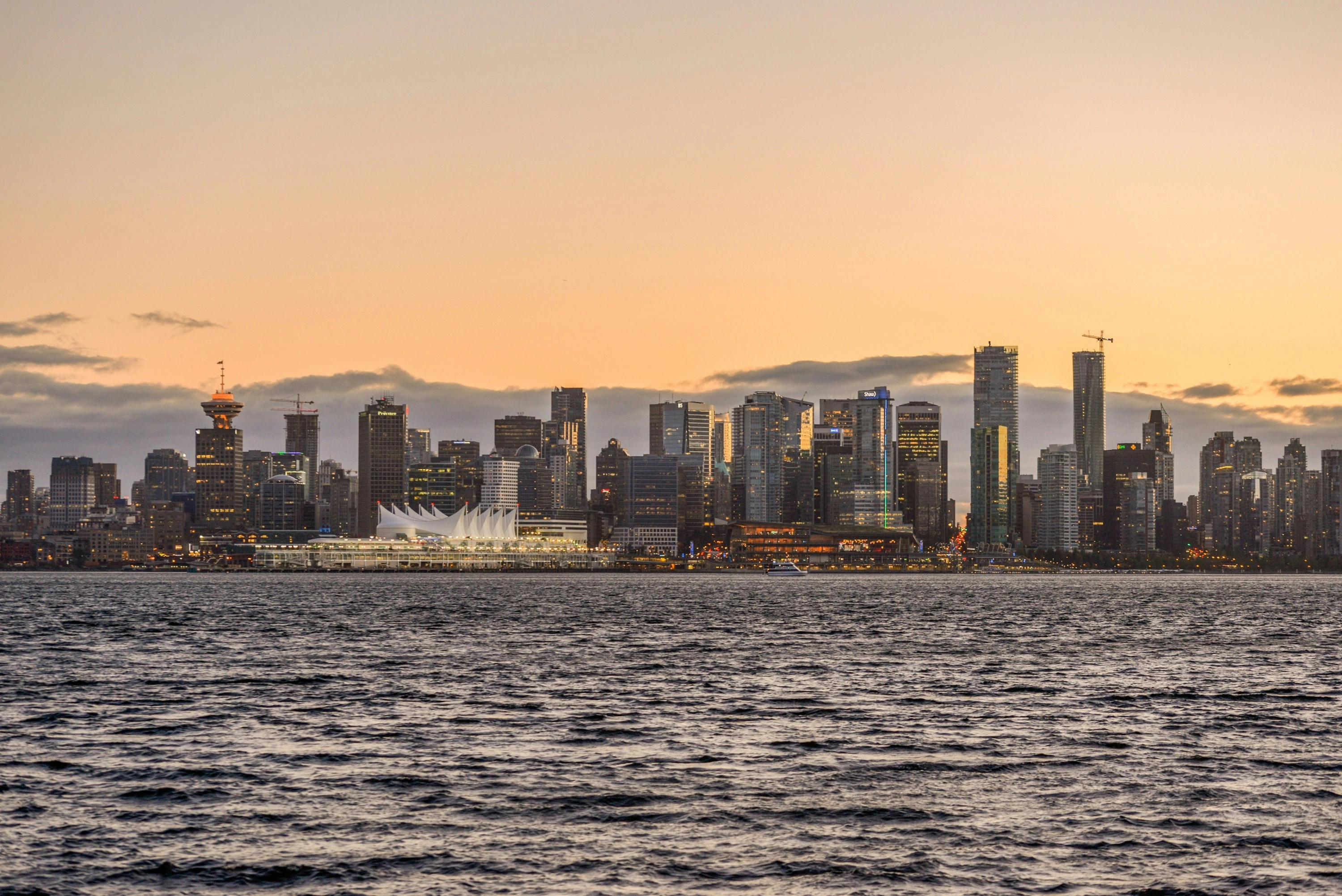
The Yukon capital's international airport is a short distance from downtown. Air Canada and Air North serve Vancouver, Calgary and Edmonton, and Air North also flies to Victoria, Kelowna, Toronto and Yellowknife according to Wikipedia EN; some routes are seasonal.
Whitehorse sits at about kilometre 1,425 of the Alaska Highway, built between March and November 1942 (Wikipedia EN and ES). From Europe, expect connections in Vancouver, Calgary or Edmonton.
| Landmark | Approximate distance or time |
|---|---|
| Whitehorse to Carcross | 72 km south |
| Whitehorse to Kluane National Park | about 155 km west by road |
| Whitehorse to Dawson City by coach | about 7 hours (summer service) |
| Whitehorse to Haines Junction by coach | about 2 hours |
| Canoeing the Yukon to Dawson City | 741 km on the water |
Budget
Budget and length of stay
Whitehorse is a mid-range destination: public transport and sights are inexpensive, but the most comfortable hotels are pricey, especially in summer when everything fills up fast (Wikivoyage EN). The currency is the Canadian dollar.
How many days?
Two to three days cover the town, the museums and one nature outing. Add at least two nights for Dawson City, about 7 hours away by coach, or an excursion to Carcross.
In pictures
Whitehorse and the Yukon in pictures
You might also like
Similar destinations
FAQ
Frequently asked questions about flights to Whitehorse
Which airport serves Whitehorse?
Erik Nielsen Whitehorse International Airport (YXY), a short distance from downtown. Air Canada and Air North connect to Vancouver, Calgary and Edmonton; some routes are seasonal.
When can you see the northern lights in Whitehorse?
The aurora season runs from late August to April. Whitehorse often has clear skies, which makes it one of the best places in Canada to watch them.
What is there to do in Whitehorse apart from the aurora?
A canoe or boat trip on the Yukon River, the MacBride Museum and the gold rush story, the Kwanlin Dün Cultural Centre, the Yukon Beringia Interpretive Centre, the Yukon Wildlife Preserve and the Takhini hot springs.
Can you go to Dawson City from Whitehorse?
Yes, by road (a summer coach of about 7 hours according to Wikivoyage) or by air. Dawson City, farther north, is the other great Klondike gold rush site; allow at least two nights.
When is the best time to visit Whitehorse?
June to August for long days (more than 19 hours of light) and paddling; late August to April for the aurora. Winter is cold, with January lows averaging close to -19 °C.
How do I get around Whitehorse?
Downtown is walkable. Whitehorse Transit runs buses on weekdays, and a rental car is the most flexible way to reach Carcross, Kluane or the hot springs.
What should I eat and drink in Whitehorse?
Bread and pastries from an organic bakery, Japanese and Italian cooking, and several local microbreweries such as Yukon Brewing and Winterlong Brewing.
Is Whitehorse an expensive destination?
It is mid-range: transport and sights are inexpensive, but the best hotels are pricey, especially in summer. Book early for June to August.
How much does a flight to Whitehorse usually cost?
The price depends mainly on your departure city, the period and how far ahead you book. The "opportunities" section above shows real examples of prices SniperAir has already detected to this destination.
How do I get alerted when a flight to Whitehorse drops below my budget?
Create an alert profile with your departure airport, Whitehorse as the destination and your maximum budget. You are notified automatically as soon as a matching price is detected.
Ready to head to Whitehorse?
Set your budget and let SniperAir monitor fares for you.
Create my alert