
Cheap flights to Holguín
Set your departure airport and maximum budget: SniperAir tracks prices to Holguín and alerts you the moment a deal matching your criteria appears.
Quick summary
Country
Cuba
Continent
North America
Airport
HOG
Currency
Cuban peso
Time zone
UTC-5
Deals already spotted to Holguín
Real flight examples detected by SniperAir, with their reference price.
Loading examples…
Why track Holguín with SniperAir
You do not need to compare prices every day
Choose your departure
Enter your departure airport and your maximum budget for a flight to Holguín (HOG).
SniperAir keeps watching
Our systems continuously compare new fares with the route's real price history. SniperAir tracks prices and alerts you: it does not sell or book tickets.
You get an alert
As soon as a fare matches your criteria, you are notified without having searched for anything yourself.
Airport and getting there
Frank País Airport, about ten kilometres from town
Frank País (Holguín)
Frank País International Airport (HOG) is about 11 to 13 km from the centre of Holguín depending on the source, to the south-west of the city. It has an international terminal and a small domestic one. International flights are mostly holiday services from Canada and Europe, and the schedule changes from one season to the next. From the airport, a taxi is the simplest way into town; the resort areas of Guardalavaca and Playa Esmeralda are about 55 to 60 km away, so plan a transfer or a rental car.
José Martí (Havana)
Many flights to Cuba arrive in Havana (HAV). Holguín is more than 500 km from the capital (sources give between 500 and 730 km depending on how it is measured): a domestic flight exists, but it is worth comparing fares to HOG and to HAV before choosing, and checking the schedule before you book.
Indicative distances taken from Wikipedia (FR, ES, DE, EN) and Wikivoyage (EN); they differ slightly from one source to another. Flight connections change: check them before you book.
The city of Holguín
A city of parks at the foot of two hills
Finding your way
Holguín is the capital of the province of the same name, in eastern Cuba, with roughly 350,000 inhabitants in the municipality according to recent estimates. The city is said to have been founded in the 16th century (1545 according to most sources) by Captain García Holguín, whose name it bears. Its grid layout sits between two hills, which makes the centre easy to explore on foot.
The city of parks
Holguín is nicknamed the "city of parks": many shaded squares structure the centre, often raised above the streets. Calixto García Park, in the heart of town, is the best known; there are also San José Park, the Park of Flowers (Julio Grave de Peralta Park), Martí Park and a park dedicated to Don Quixote. The cathedral of San Isidoro, the pedestrian boulevard and the café terraces around the squares invite a slow stroll.
Loma de la Cruz
The Hill of the Cross overlooks the city at about 260 m, according to Wikipedia (ES). A large cross was placed there in the 18th century. A long staircase of more than 450 steps leads up (458 according to Wikipedia ES, 465 according to Wikipedia FR: the figures differ). The climb is a little steep in the sun, but the view over the city, its roofs and the surrounding hills is worth it; go early in the morning or late in the afternoon.
Museums and culture
La Periquera, Calixto García's house and the music scene
The provincial history museum
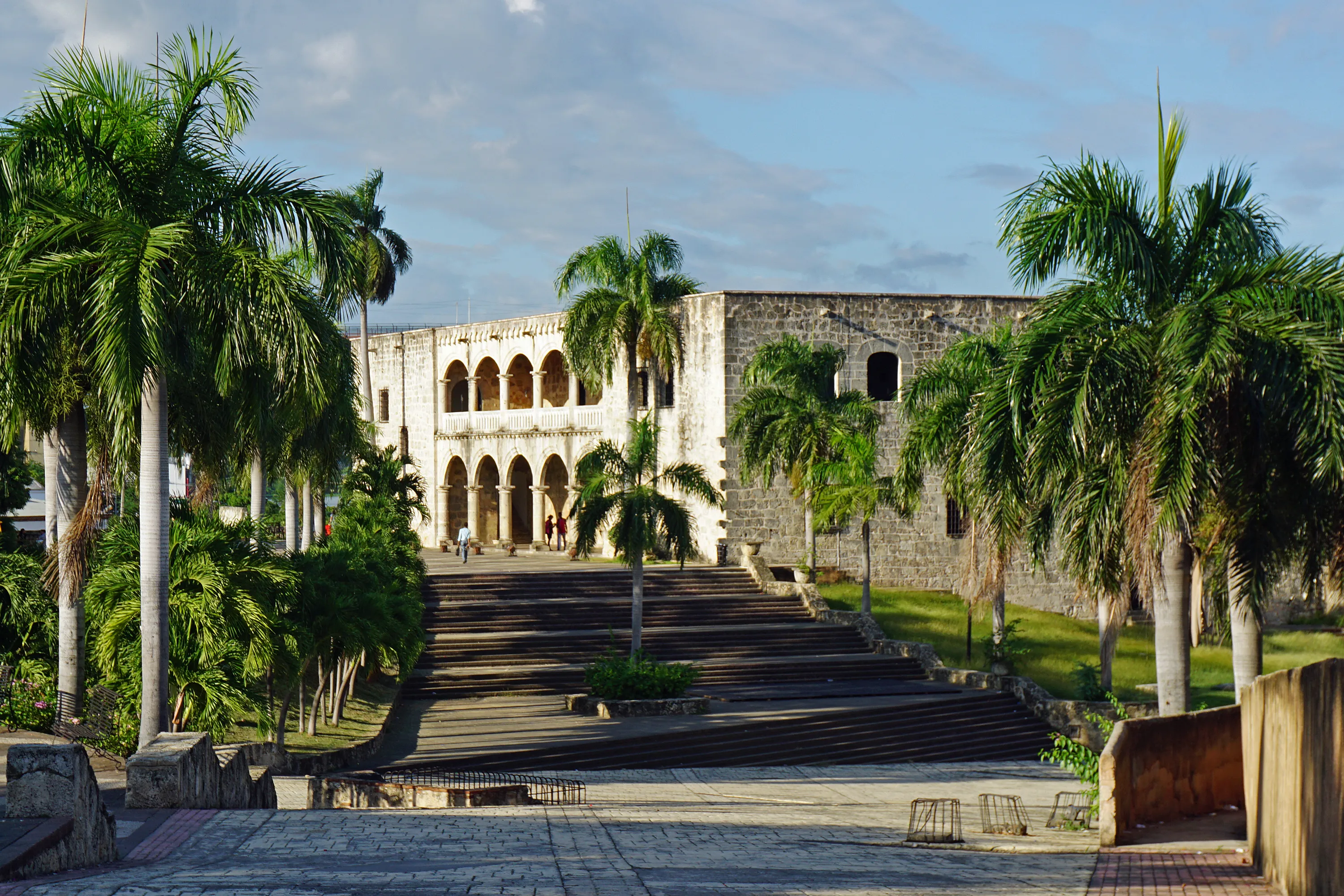
Housed in La Periquera, a former colonial building in the centre that became a national monument according to Wikipedia (ES), the provincial history museum gathers objects from the region's past, including pieces from the indigenous peoples who lived here before the Spanish. It looks onto Calixto García Park. Opening hours change: check them before you visit.
Calixto García and local memory
General Calixto García, born in Holguín, played an important part in the wars of independence; his birthplace is now a museum, and his statue stands in the square that bears his name. The city also has a natural science museum and art galleries, such as the Bayado and Moncada galleries.
Music, theatre and festivals
The Casa de la Trova, where you can hear traditional Cuban music, the Eddy Suñol theatre and the city's small venues liven up the evenings. In early May, the Romerías de Mayo, a festival of young artists, make Holguín a cultural meeting point for the country. The city is also known for its brewery, which makes Cristal beer, according to Wikipedia (FR).
Guardalavaca and the coast
Lookouts, coves and beaches on the north coast
Guardalavaca
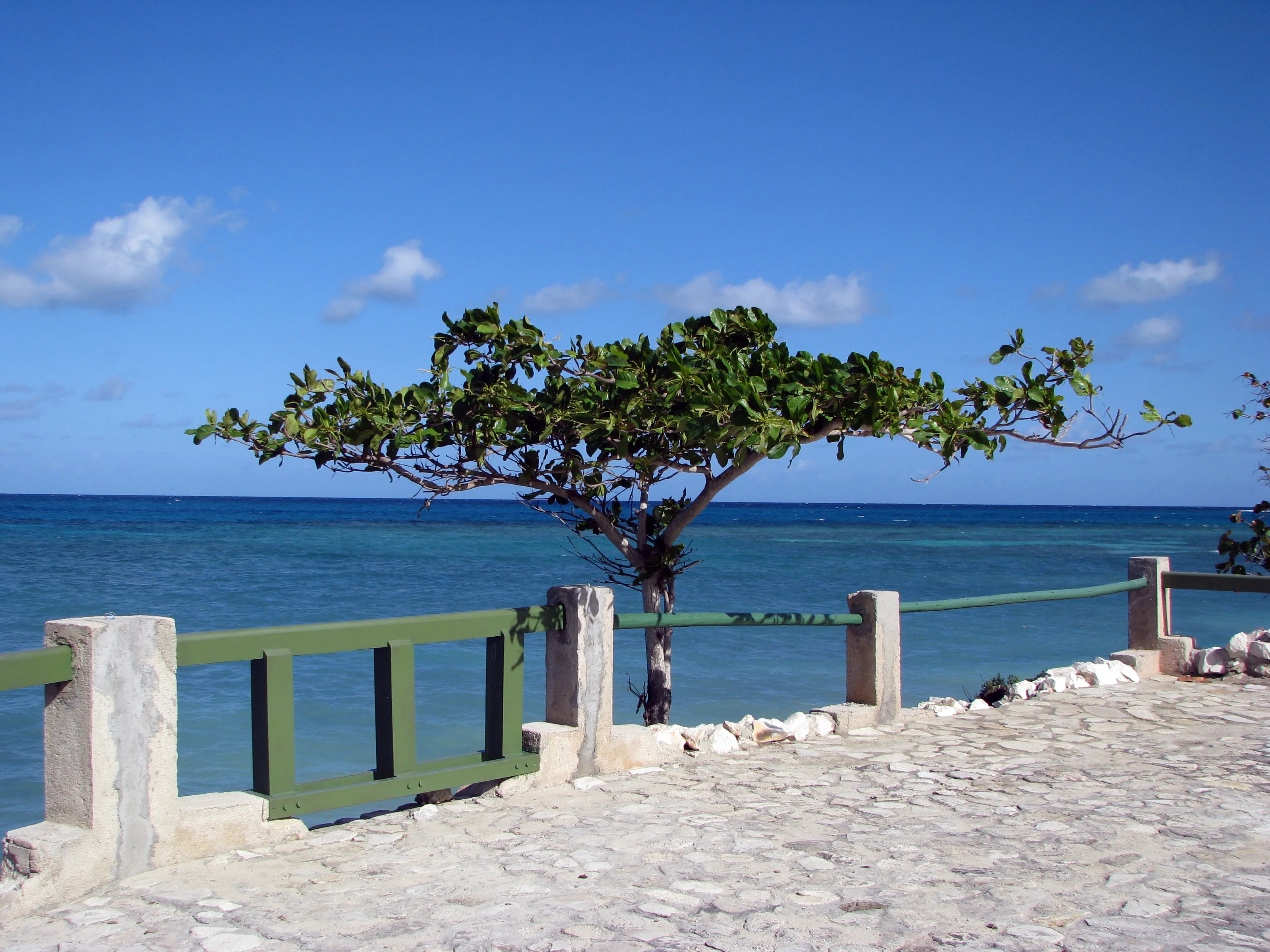
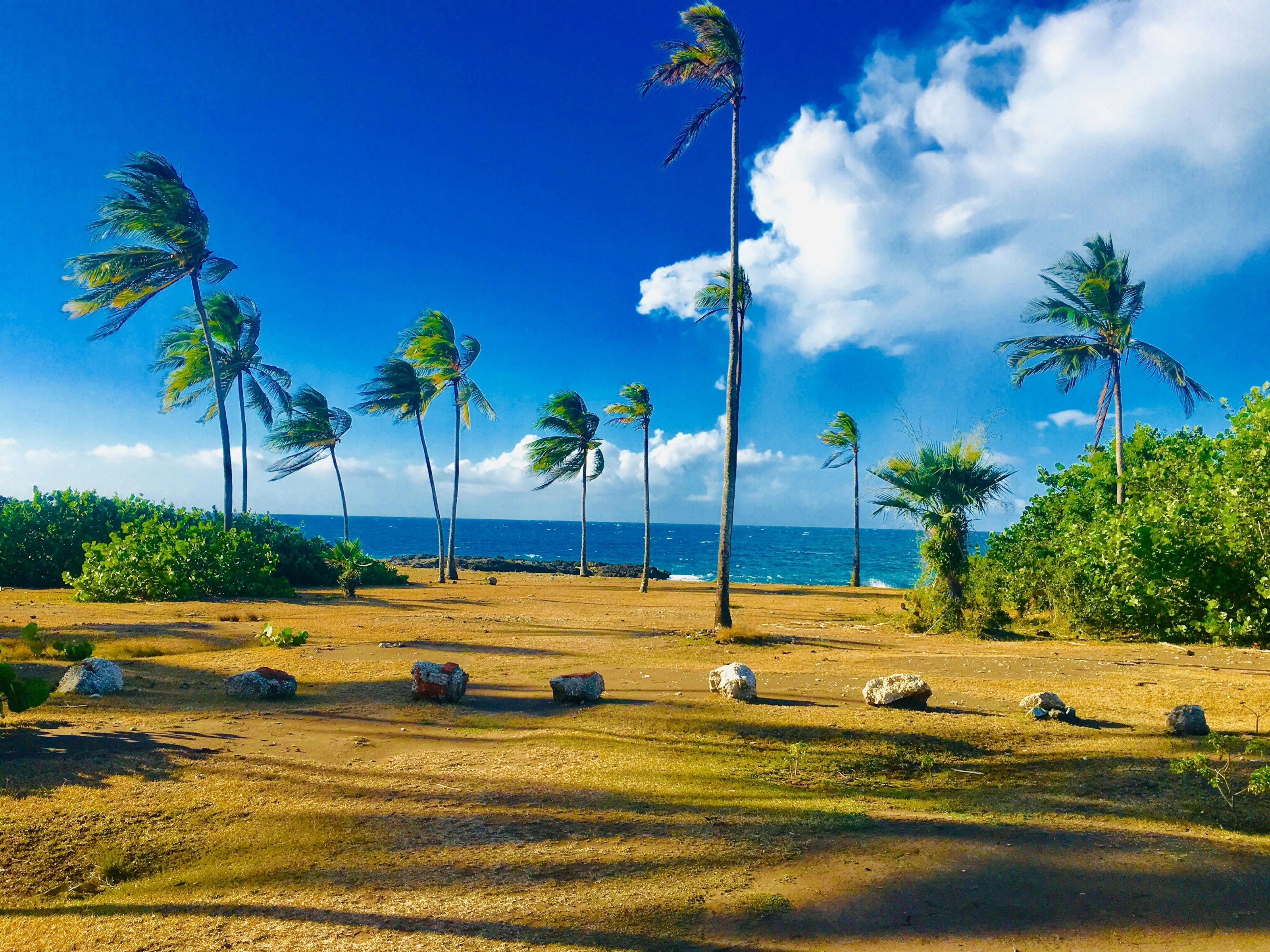
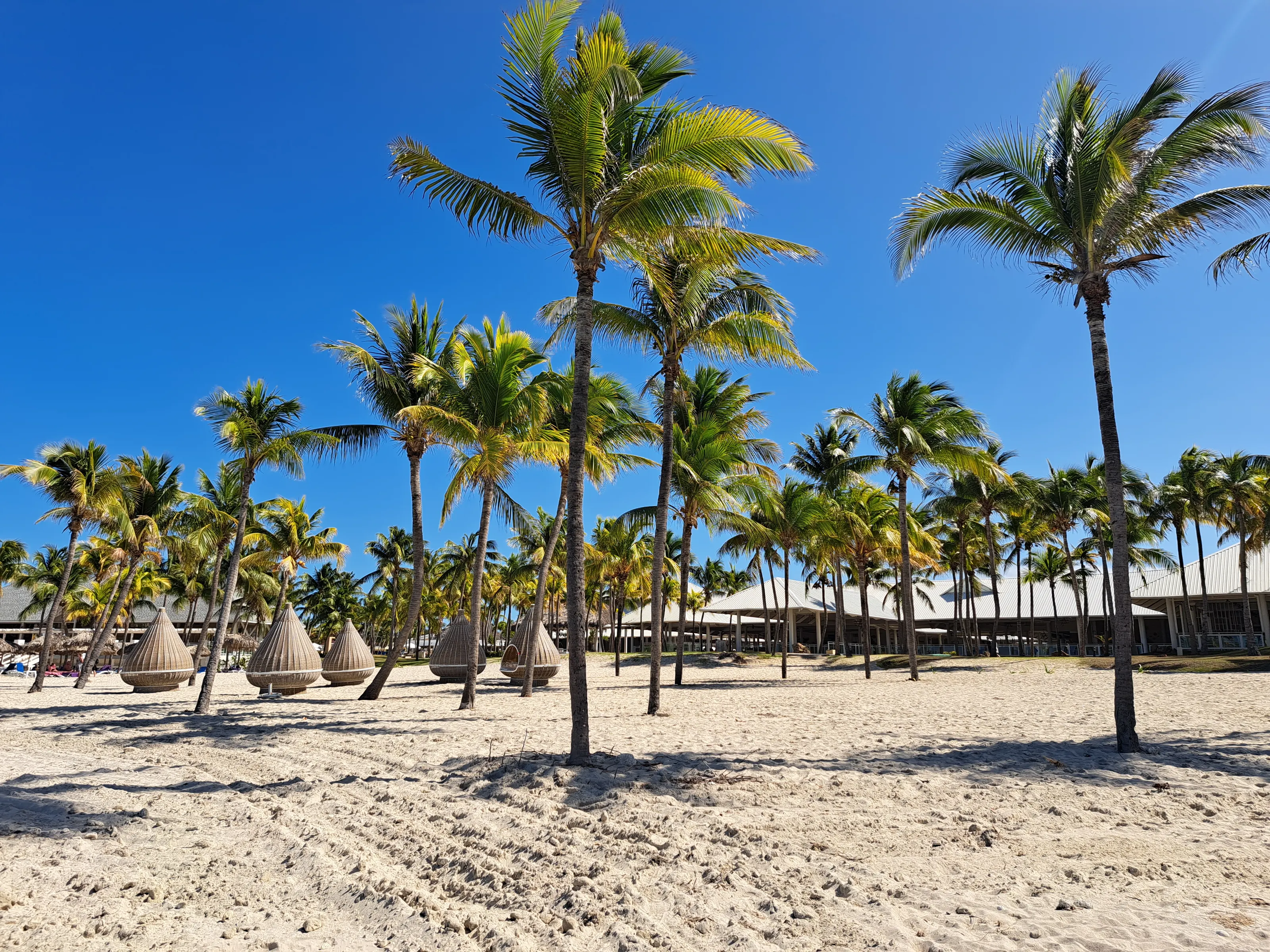
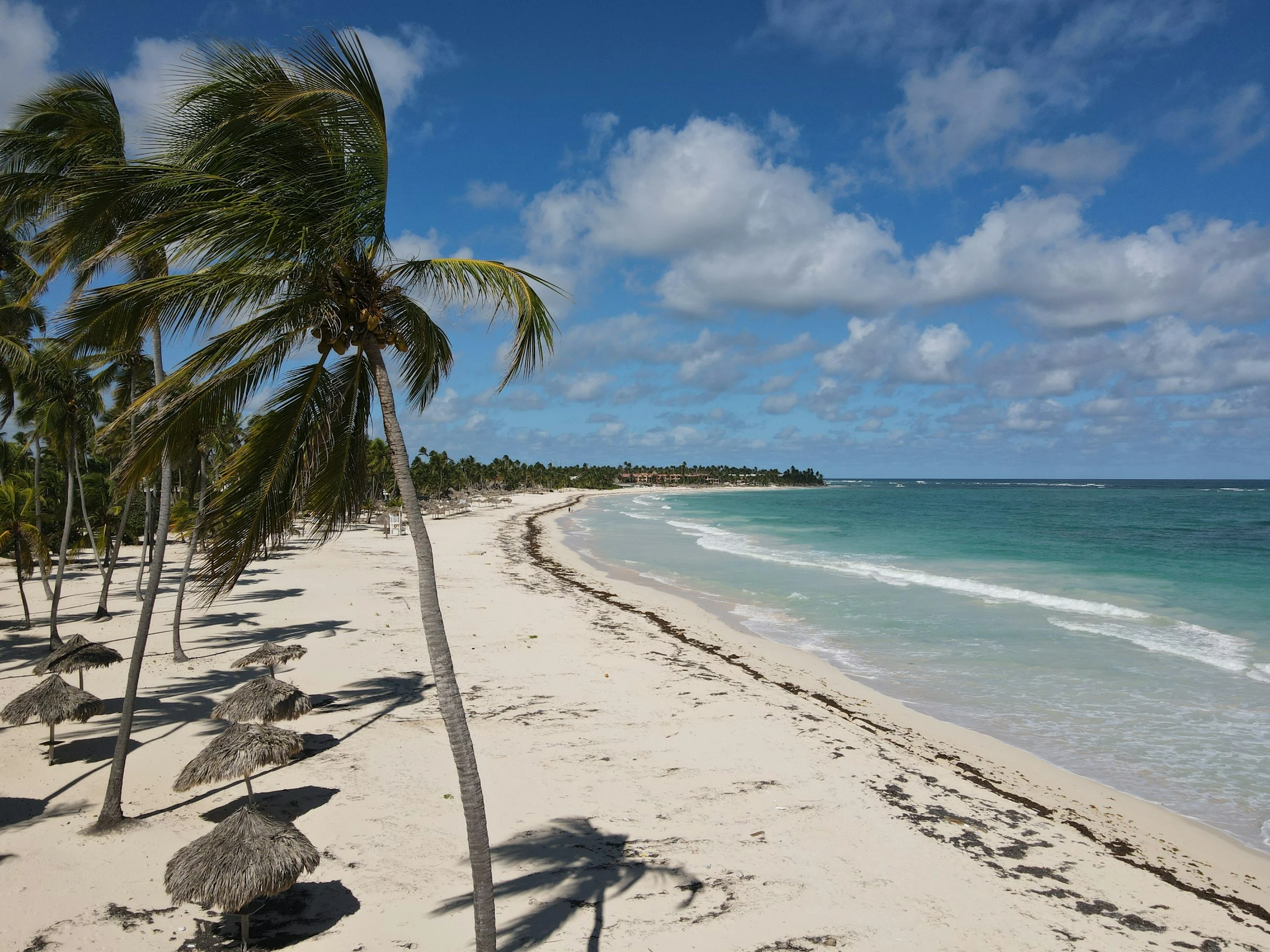
About 55 to 60 km from Holguín, Guardalavaca is the best-known resort in the province; together with the neighbouring beaches of Playa Esmeralda, Pesquero and Yuraguanal, it forms, according to Wikipedia (ES), the third tourist hub in the country after Havana and Varadero. The name is said, according to local tradition, to come from the cry "guarda la vaca" (guard the cow) raised when pirates approached, but its origin remains uncertain. Landscaped lookouts face a deep blue sea, where you sometimes see trees shaped by the wind.
The rocky coast
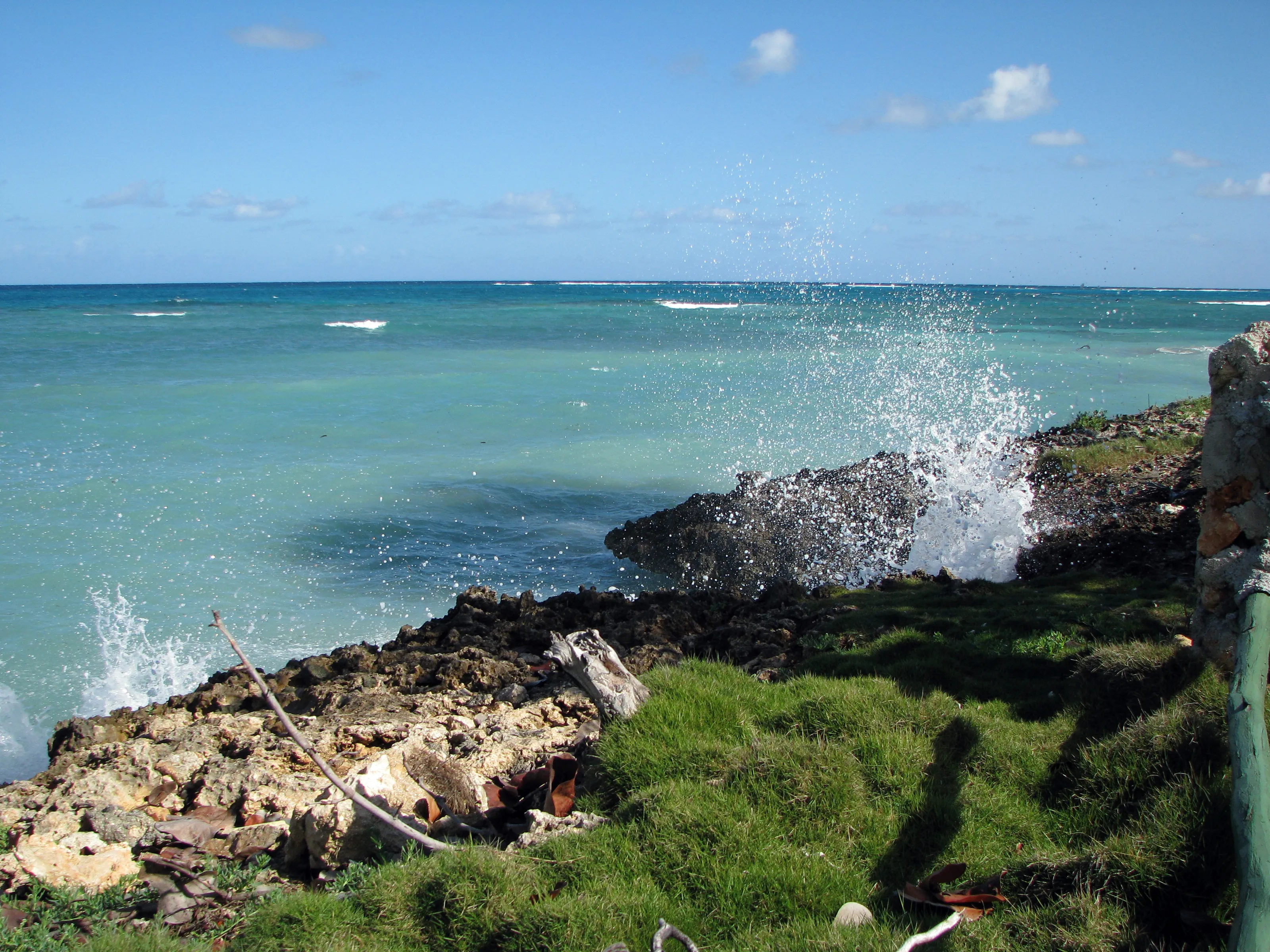
Between the beaches, the coast turns rocky and wave-beaten, with short grass right up to the water's edge and turquoise water further out. You can see this landscape on foot or by car along the shoreline; stay careful near the edge, because the rocks are sharp and the waves can surprise you.
Coves and diving
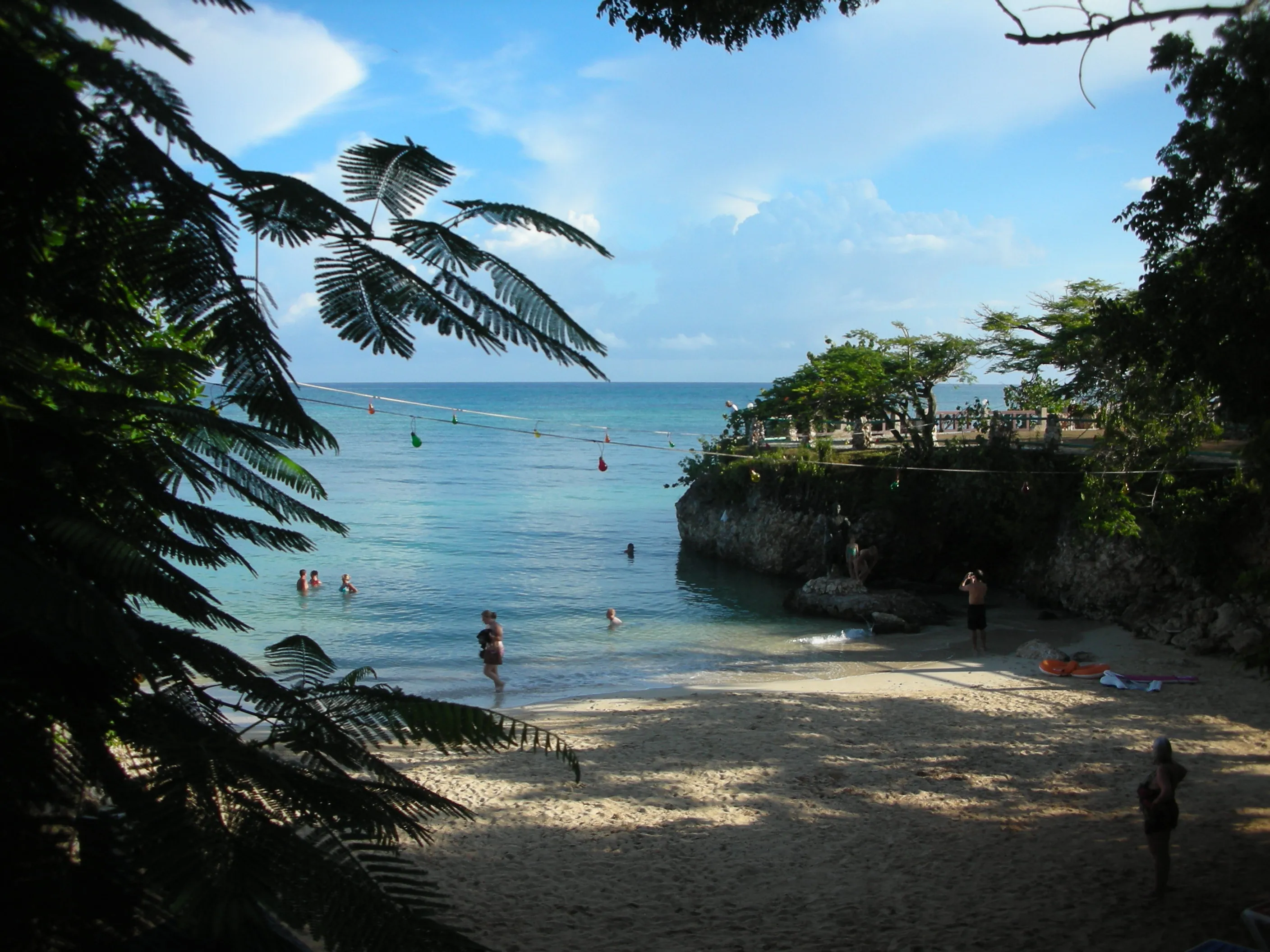
A few small sandy coves, sheltered by low cliffs and trees, are good for swimming and snorkelling; the area is known for its coral reefs, which makes it a good place to dive. Hotels offer outings, but check sea conditions and how reliable the operator is.
Around Guardalavaca
The archaeological site of Chorro de Maíta, a national monument according to Wikipedia (ES), preserves remains from the pre-Columbian period. Several outings are offered in the area: a bio-park with hiking and horse riding, or the Bahía de Naranjo nature park, known for its dolphinarium and water activities. For any activity involving animals, find out about animal welfare conditions.
Cayo Saetía and Bariay
A reserve, a Columbus site and a small white port
Cayo Saetía
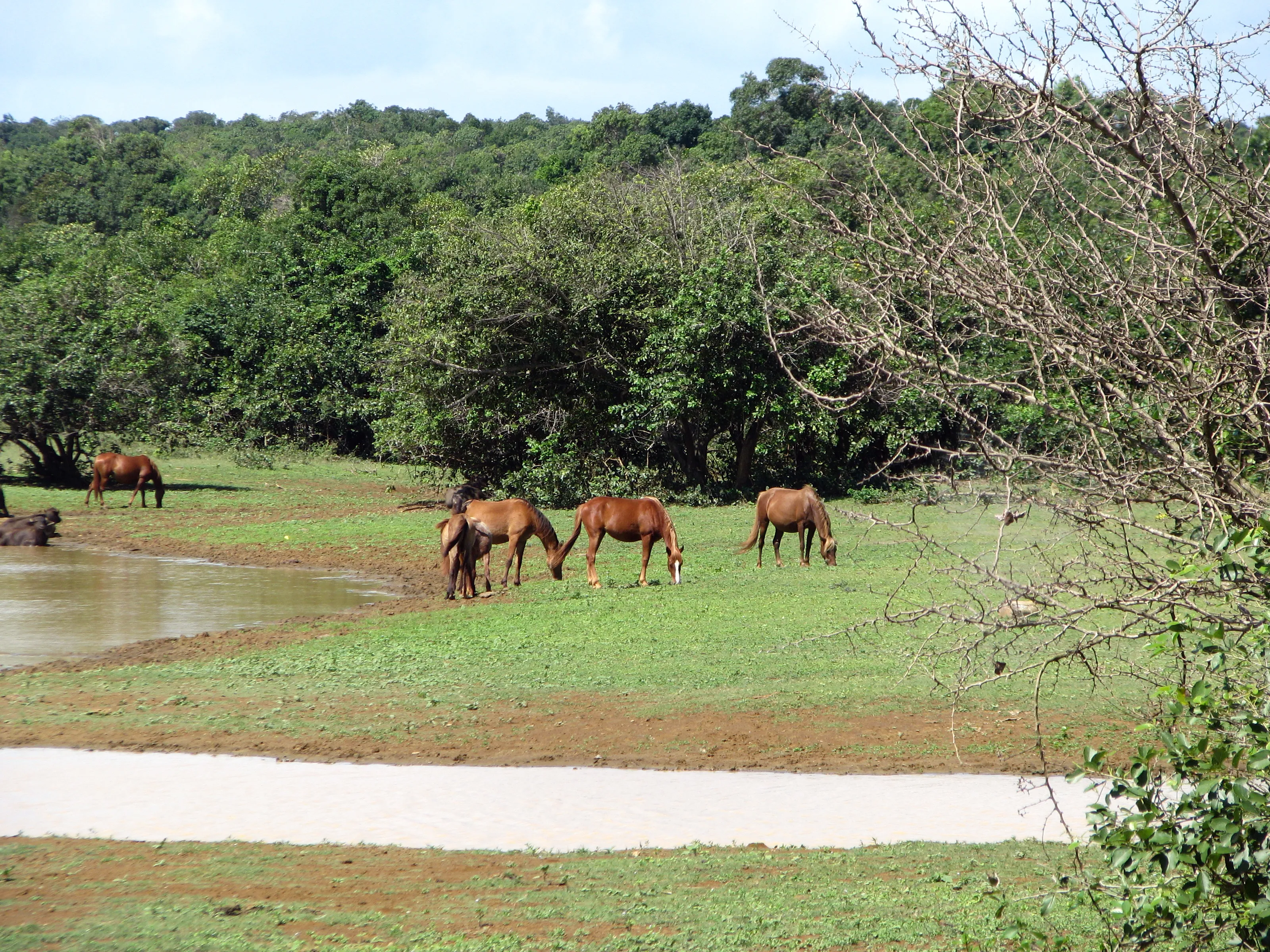
About 120 km south-east of Holguín, between Nipe Bay and the Atlantic, Cayo Saetía is a 42 km² island linked to the mainland. A former hunting reserve, it is now a nature and tourism area where you can see horses, buffalo and other introduced animals; according to Wikipedia (EN), visits are made by jeep with a guide, as independent exploration is not allowed. Allow a full day, often with a transfer from Guardalavaca.
Bariay and the Columbus sites
According to tradition, Christopher Columbus landed on the coast of Cuba near Bariay in late October 1492. A national monument park now carries that name, a short distance from the beaches of the north coast. The exact landing place remains a matter of tradition and of debate among historians: take the story with due caution.
Gibara
About forty kilometres from Holguín as the crow flies (more by road), Gibara is a small port town founded in 1817 and nicknamed the Villa Blanca; its historic centre has been a national monument since 2004 according to Wikipedia (ES). It hosts an independent film festival, the International Festival of Poor Cinema, founded in 2003, as well as small museums and a 19th-century Spanish battery. Check the festival dates before you book.
Panorama
Palm trees in the wind on the north coast
Food and drink
Cuban cooking, rum and coffee
Dishes to try
Cuban cooking is simple and generous: ropa vieja (shredded beef in tomato sauce), moros y cristianos (rice and black beans), tostones (fried plantain) and ajiaco (a stew of meat and root vegetables) and, on the coast, fish and seafood. Paladares, private restaurants, and casas particulares often serve home-style meals that are more varied than hotel menus.
What to drink
Rum is the country's emblem: try it neat, in a mojito or in a Cuba libre. Coffee, served strong, is an institution; local beer goes with meals. Stick to bottled water.
Where to eat
In Holguín, the small places in the centre, around the parks and the boulevard, are the most affordable. In the resort areas, hotel restaurants and a few independent places offer more expensive options. In every case, what is available can vary with supplies.
Getting around
Taxis, buses, horse carriages and rental cars
Vintage cars and taxis
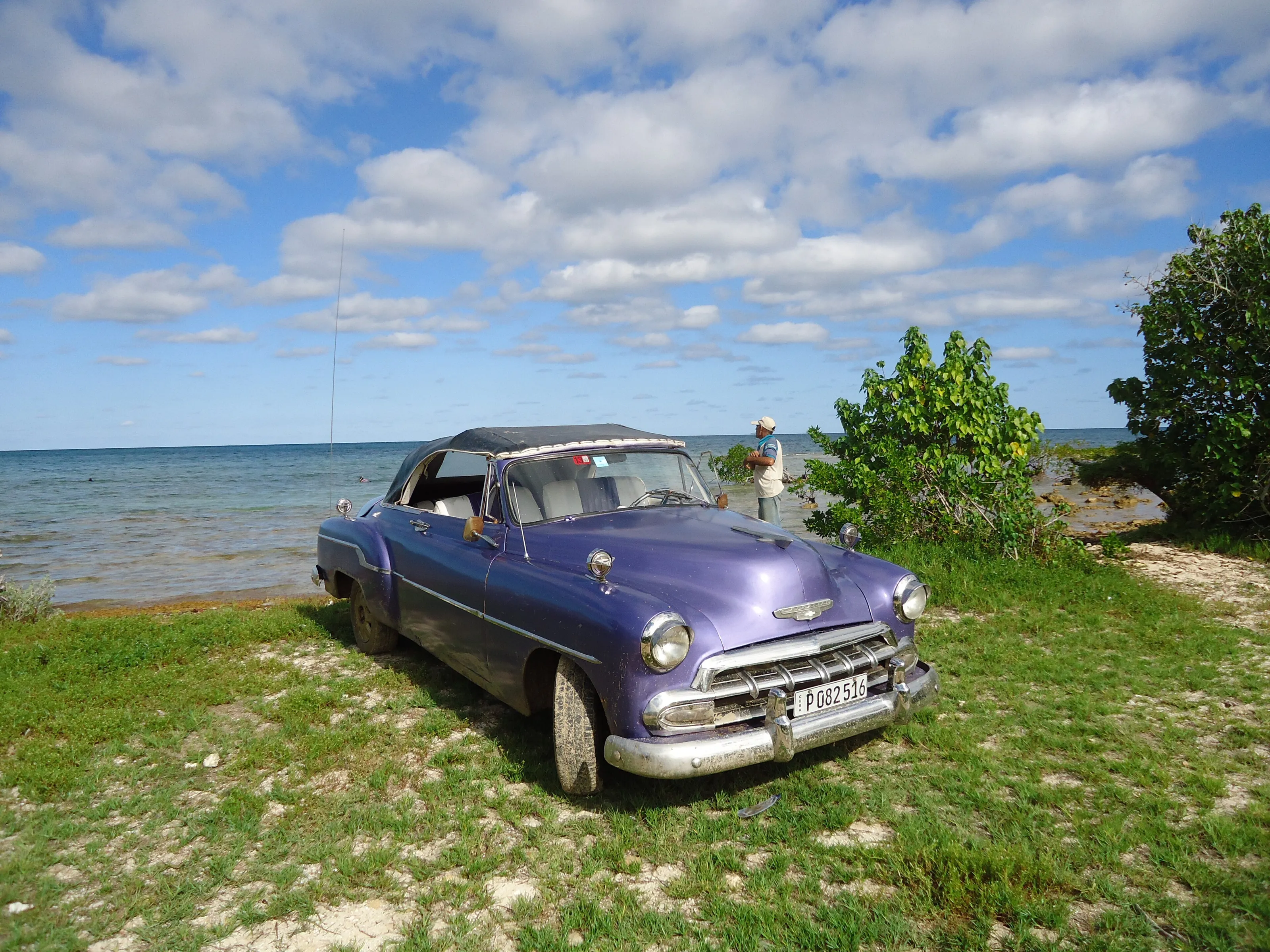
In town, the local options are taxis, bicycle taxis and buses; coches, horse-drawn carriages, also run in some Cuban towns. American cars from the 1950s have become a symbol of the country and are often used as tourist taxis: agree the price before getting in. For the rest of the province, people use buses or camiones, trucks converted for shared transport; a rental car makes excursions to Guardalavaca or Gibara easier.
Good to know
Fuel and some services can be limited: bring cash, an offline map and flexible plans. Internet access is sometimes restricted. Find out before you leave about payment methods, because cards are not always accepted.
Budget
A variable budget, higher in the resort areas
Prices in Holguín are generally lower than in Europe for simple meals and local transport, while hotels in the coastal resorts, often sold on an all-inclusive basis, cost more. We give no figures, because prices vary with the season, the type of accommodation and the way you pay.
To keep costs down, stay in a casa particular, eat in the small places and share taxis or transfers. Carry cash, because bank cards are not always accepted.
The plane ticket remains the most variable item of a trip. SniperAir tracks flights to HOG and compares them with the route's price history.
When to go
When to go to Holguín?
Winter
Dry season and the most pleasant, with sunny and milder weather; also the high season for the resorts.
Spring
The heat builds and the first rains arrive around May.
Summer
Hot and humid, with frequent storms; hurricane season runs from June to November.
Autumn
Still humid at first, then the weather dries out towards November.
The climate is tropical, with an annual average temperature of about 25 to 26 °C according to Wikipedia (ES). The rainy season runs roughly from May to October and the rest of the year is drier. Cuba is exposed to hurricanes from June to November: follow the official bulletins and consider a flexible cancellation insurance. Protect yourself from the sun and from mosquitoes.
By length of stay
What to do in Holguín depending on how long you stay
The city
The parks, Loma de la Cruz, the history museum and Calixto García's house.
The coast
Guardalavaca, the coves and neighbouring beaches, with a diving or snorkelling trip.
Going further
Gibara, Bariay, or a day at Cayo Saetía.
In pictures
Holguín and its coast in pictures
You might also like
Similar destinations
FAQ
Frequently asked questions about flights to Holguín
Where do you land for Holguín and how long does it take to reach the centre?
Frank País Airport (HOG) is about 11 to 13 km from the centre of Holguín: a taxi is the simplest option. The resorts of Guardalavaca and Playa Esmeralda are about 55 to 60 km away. Many flights to Cuba also arrive in Havana.
What is the best time to visit Holguín?
From about November to April, the dry season is the most pleasant. Rain is more frequent from May to October, and there is a risk of hurricanes from June to November.
Is Holguín expensive?
Simple meals and local transport are still cheaper than in Europe, but hotels in the coastal resorts cost more. Prices vary with the season and the accommodation.
How long should you stay in Holguín?
One to two days are enough for the city; add two days for Guardalavaca and the coast, and one more for Gibara or Cayo Saetía.
How do you get around Holguín and the coast?
Taxis, bicycle taxis and buses in town, camiones and buses for the province, a rental car for the coast. Fuel and some services can be limited; for safety and health, check the official recommendations of your country of residence.
What should you eat in Holguín?
Ropa vieja, moros y cristianos, tostones and ajiaco, with fish on the coast, coffee and rum; paladares and casas particulares offer home-style meals.
How much does a flight to Holguín usually cost?
The price depends mainly on your departure city, the period and the booking date. The "opportunities" section above shows real examples of prices already detected by SniperAir for this destination.
How do I get alerted when a flight to Holguín drops below my budget?
Create an alert profile with your departure airport, {n} as the destination and your maximum budget. You are notified automatically as soon as a matching fare is detected.
Ready to head to Holguín?
Set your budget and let SniperAir monitor fares for you.
Create my alert