
Cheap flights to Matanzas
Set your departure airport and maximum budget: SniperAir tracks prices to Matanzas and alerts you the moment a deal matching your criteria appears.
Quick summary
Country
Cuba
Continent
North America
Airport
VRA
Currency
Cuban peso
Time zone
UTC-5
Deals already spotted to Matanzas
Real flight examples detected by SniperAir, with their reference price.
Loading examples…
Why track Matanzas with SniperAir
You do not need to compare prices every day
Choose your departure
Enter your departure airport and your maximum budget for a flight to Matanzas (VRA).
SniperAir keeps watching
Our systems continuously compare new fares with the route's real price history. SniperAir tracks prices and alerts you: it does not sell or book tickets.
You get an alert
As soon as a fare matches your criteria, you are notified without having searched for anything yourself.
Airport and getting there
Varadero airport, between Matanzas and the resort
Juan Gualberto Gómez (Varadero)
Juan Gualberto Gómez International Airport (VRA), often called Varadero airport, serves the resort and the province of Matanzas. It is closer to the city of Matanzas (about 15 km according to Wikipedia EN) than to Varadero, from which it is separated by roughly 10 to 20 km depending on the source. To reach the hotels, a taxi or an organised transfer is simplest; intercity buses also serve the airport. Service, mostly holiday flights from Canada and Europe, varies from one season to the next.
José Martí (Havana)
Many flights to Cuba arrive in Havana (HAV), about 130 to 140 km from Varadero by road; Matanzas is about 100 km from the capital. Compare fares to VRA and HAV before choosing, taking the transfer into account.
Indicative distances taken from Wikipedia (FR, EN, ES, DE) and Wikivoyage (EN); they differ from one source to another, notably for the distance between Matanzas and Varadero (from 32 to 40 km). Flight connections change: check them before you book.
The city of Matanzas
The city of bridges, poets and three rivers
Finding your way
Matanzas, capital of the province of the same name, is a port city founded in 1693 at the head of a deep bay, about 100 km east of Havana. The municipality has about 160,000 inhabitants according to 2022 estimates. Three rivers, the Yumurí, the San Juan and the Canímar, run through it; it has seventeen bridges, hence its nicknames "city of bridges" and "Venice of Cuba".
The Athens of Cuba
Matanzas is also nicknamed "the Athens of Cuba", a title that appeared in the 19th century because of its literary and intellectual life: printing arrived in 1813 and poets, including José María Heredia, wrote here. The nickname has remained a local source of pride, and should be taken as such. Around Libertad Park, the colonial buildings, the cathedral of San Carlos Borromeo and the central promenade give a good first impression of the city.
A history marked by sugar
In the 19th century Matanzas became a major sugar port, and the presence of many enslaved Africans and then their descendants left Afro-Cuban traditions that are especially alive, visible in music and festivals. The city has remained a place of memory and culture; it receives few tourists compared with nearby Varadero.
Sauto Theatre
An Italian-style hall from 1863
The Sauto Theatre
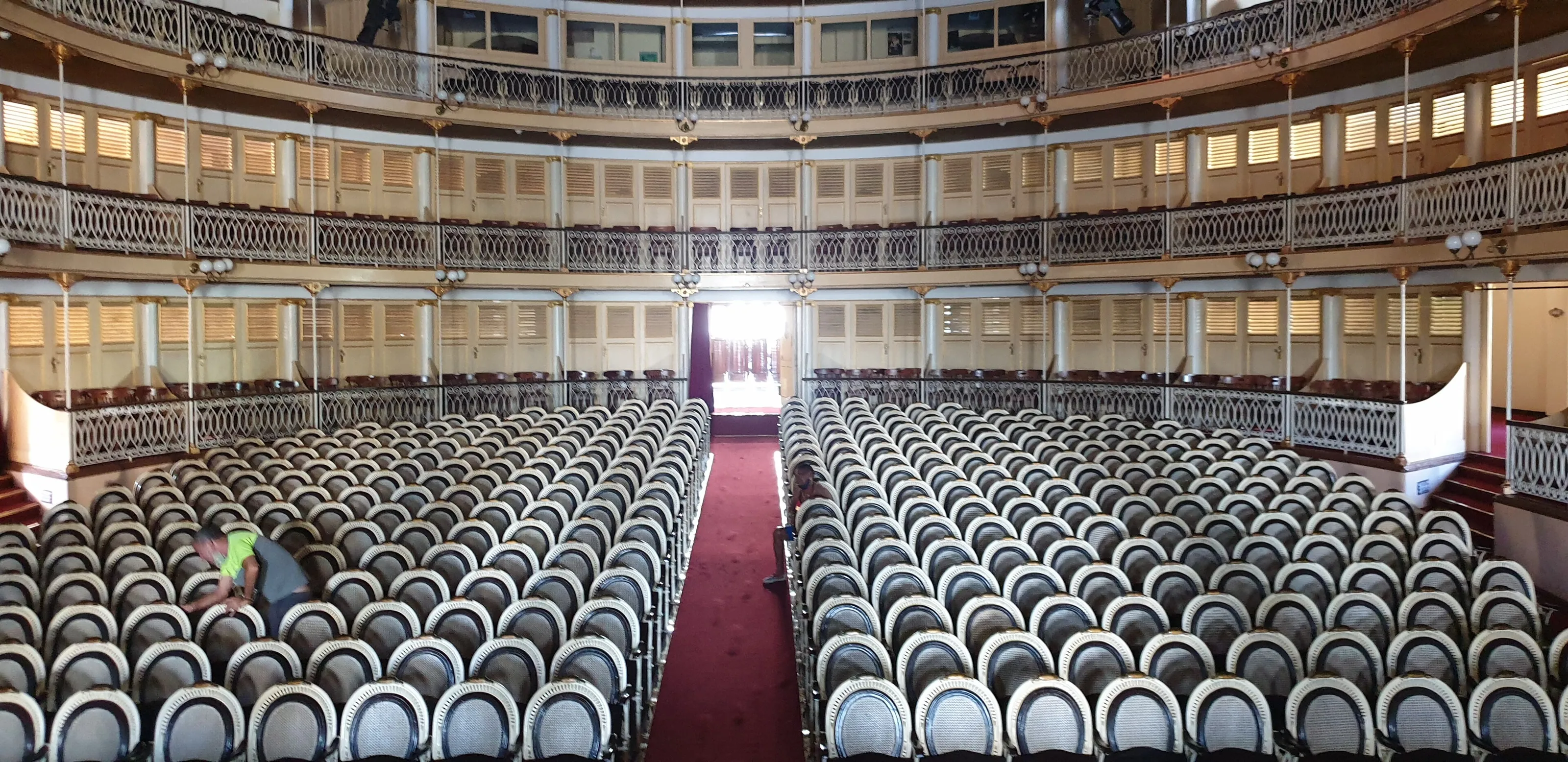
Opened in 1863, the Sauto Theatre is the city's great cultural symbol: an Italian-style hall shaped like a U, with three balconies, boxes and wood panelling, seating about 775 according to Wikipedia (ES). It has welcomed major artists passing through Havana and has been a national monument since 1978. It was closed for renovation between 2010 and 2018 according to Wikipedia (EN); find out about performances and visiting possibilities.
Museums and culture
The Triolet pharmacy, museums and music
The pharmacy museum
The pharmacy museum, set in the old pharmacy founded in 1882 by Ernesto Triolet and opened to the public as a museum, keeps porcelain jars, glass containers and equipment for preparing 19th-century medicines. It stands near Libertad Park. Opening hours change: check them before you visit.
Other museums
The provincial history museum occupies the Junco palace, built in 1838; the Slave Route museum is in the San Severino castle, from the 17th century, near the port; the Matanzas art museum shows African art among other things. Contemporary art galleries in the centre complete the picture.
Danzón and rumba
Matanzas is regarded as the cradle of the danzón, a dance that became a national emblem, and it is linked to Afro-Cuban rumba, with well-known groups such as Los Muñequitos de Matanzas. Concerts and festivals take place throughout the year: find out what is on at the time of your visit.
The Bellamar caves
South-east of the city, the Bellamar caves, a national monument according to Wikipedia (EN), have been open to visitors since the 19th century. The route includes steps, a damp floor and marked heat: wear suitable shoes and check the opening hours.
Yumurí Valley and Bacunayagua Bridge
The highest bridge in Cuba, on the road to Havana
The Bacunayagua Bridge
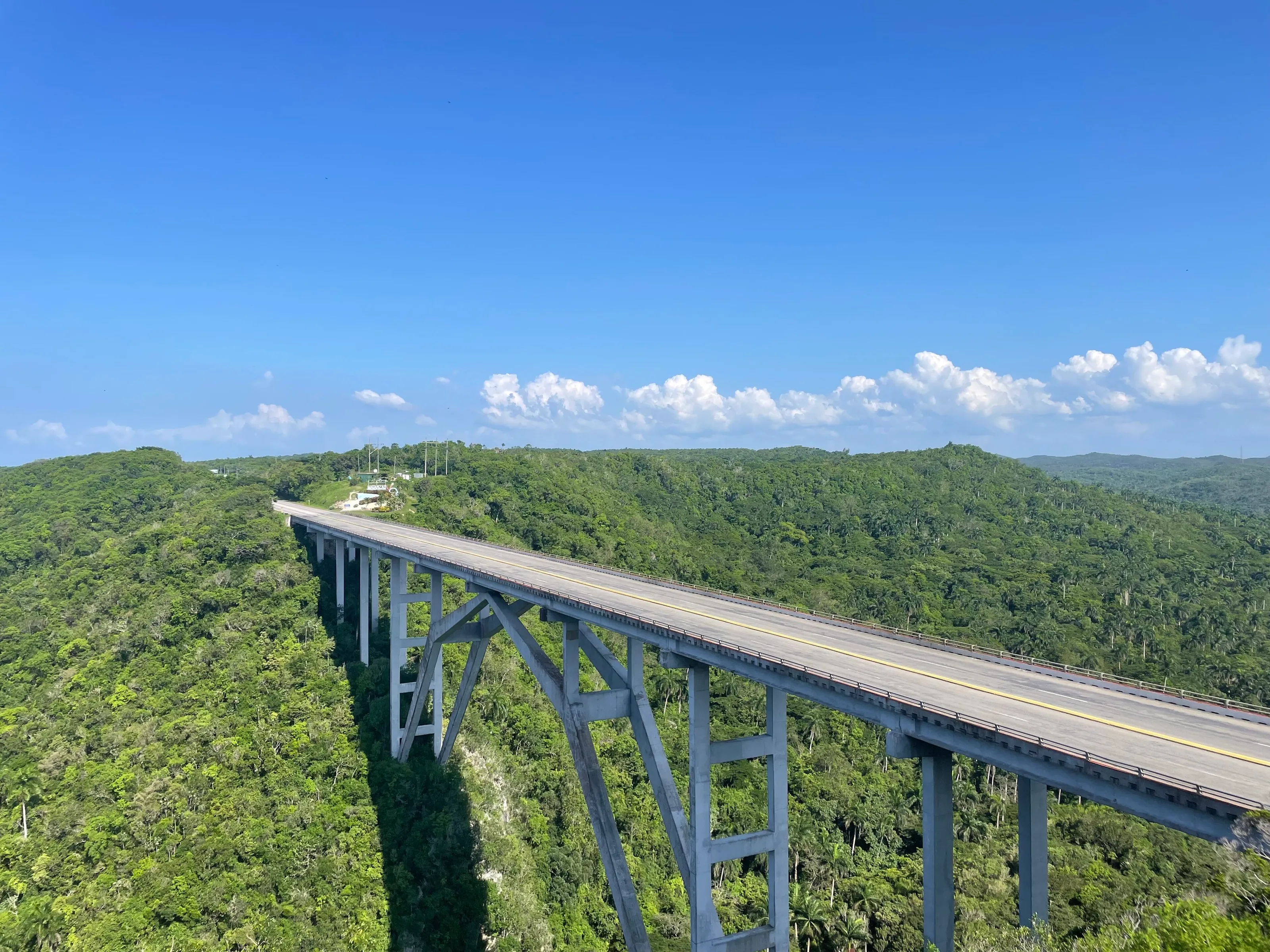
About 18 km west of Matanzas, on the Vía Blanca road between Havana and Varadero, the Bacunayagua Bridge spans a wooded canyon at a height of around a hundred metres. Opened in 1959, it is the highest bridge in Cuba. A viewpoint with a restaurant, on the neighbouring province's side, lets you stop to admire the bridge and the valley; the stop is a classic of bus and car journeys.
The Yumurí Valley
Between the city and the coast, the Yumurí Valley, covered in palms and greenery, offers a landscape of hills; it is known for birdwatching. Excursions are made by car, by taxi or with a local guide. On the Canímar River, a few kilometres from the city, boat trips go up the river to a rustic restaurant.
Varadero
A peninsula of beaches east of Matanzas
The beaches of Varadero
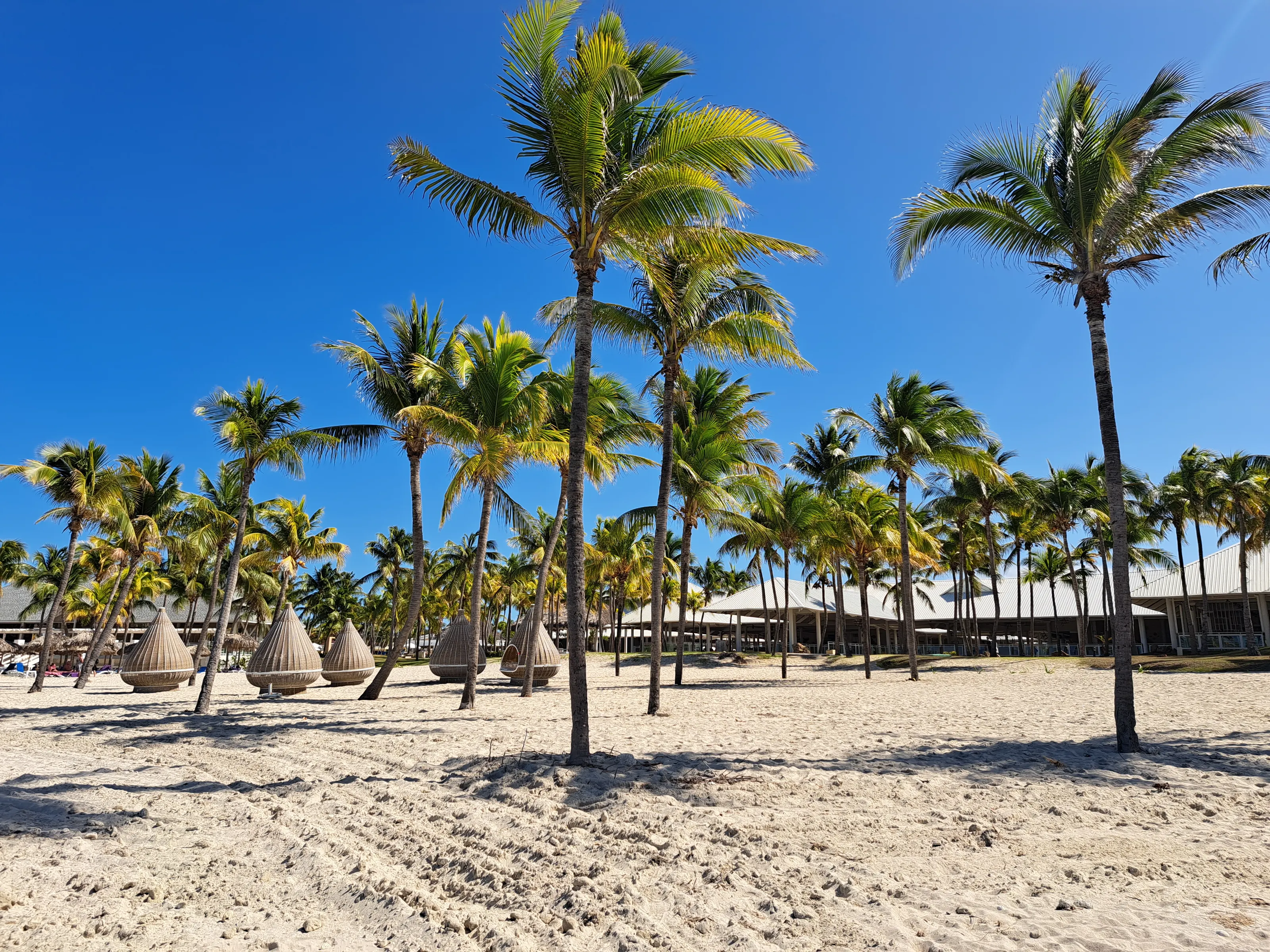
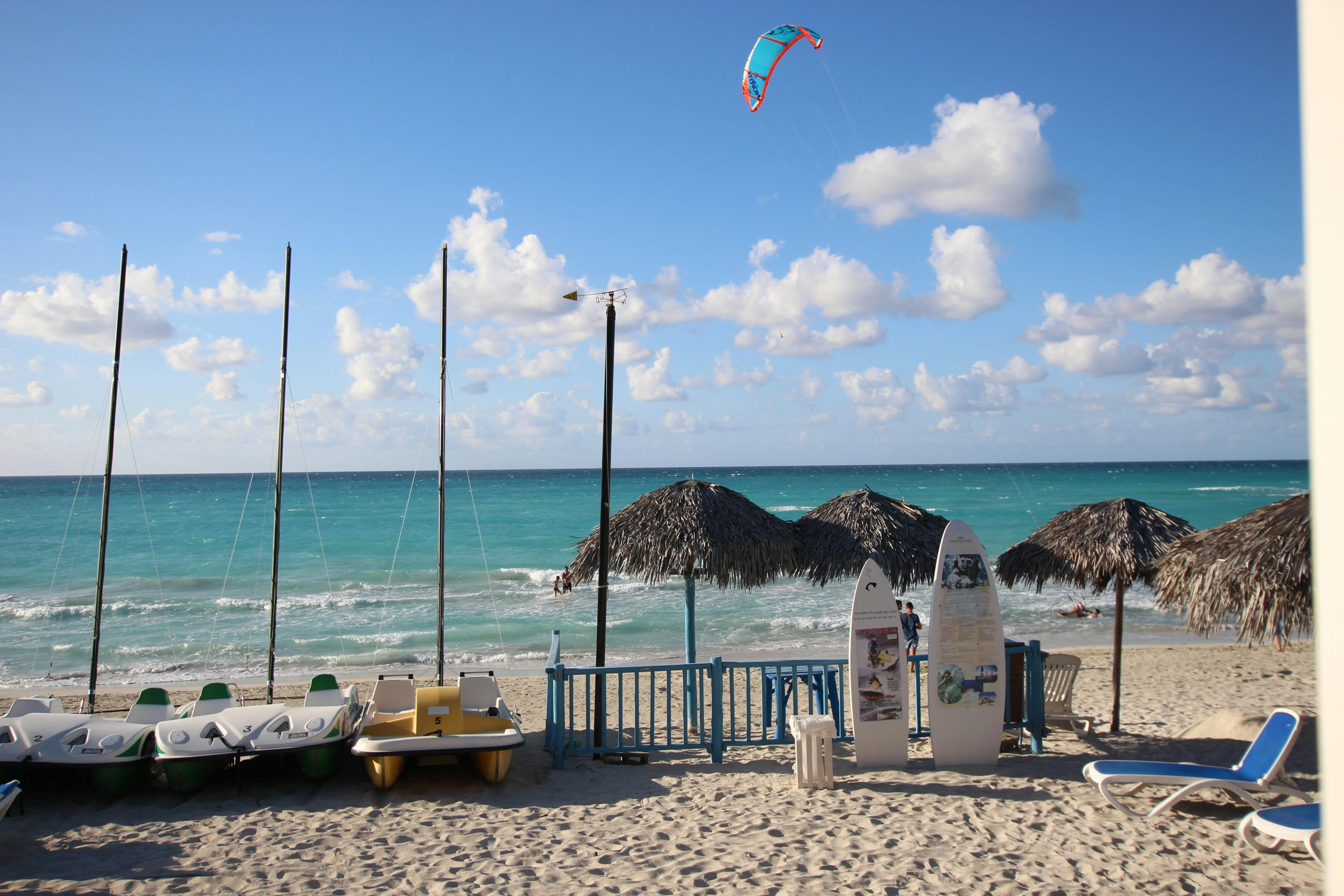
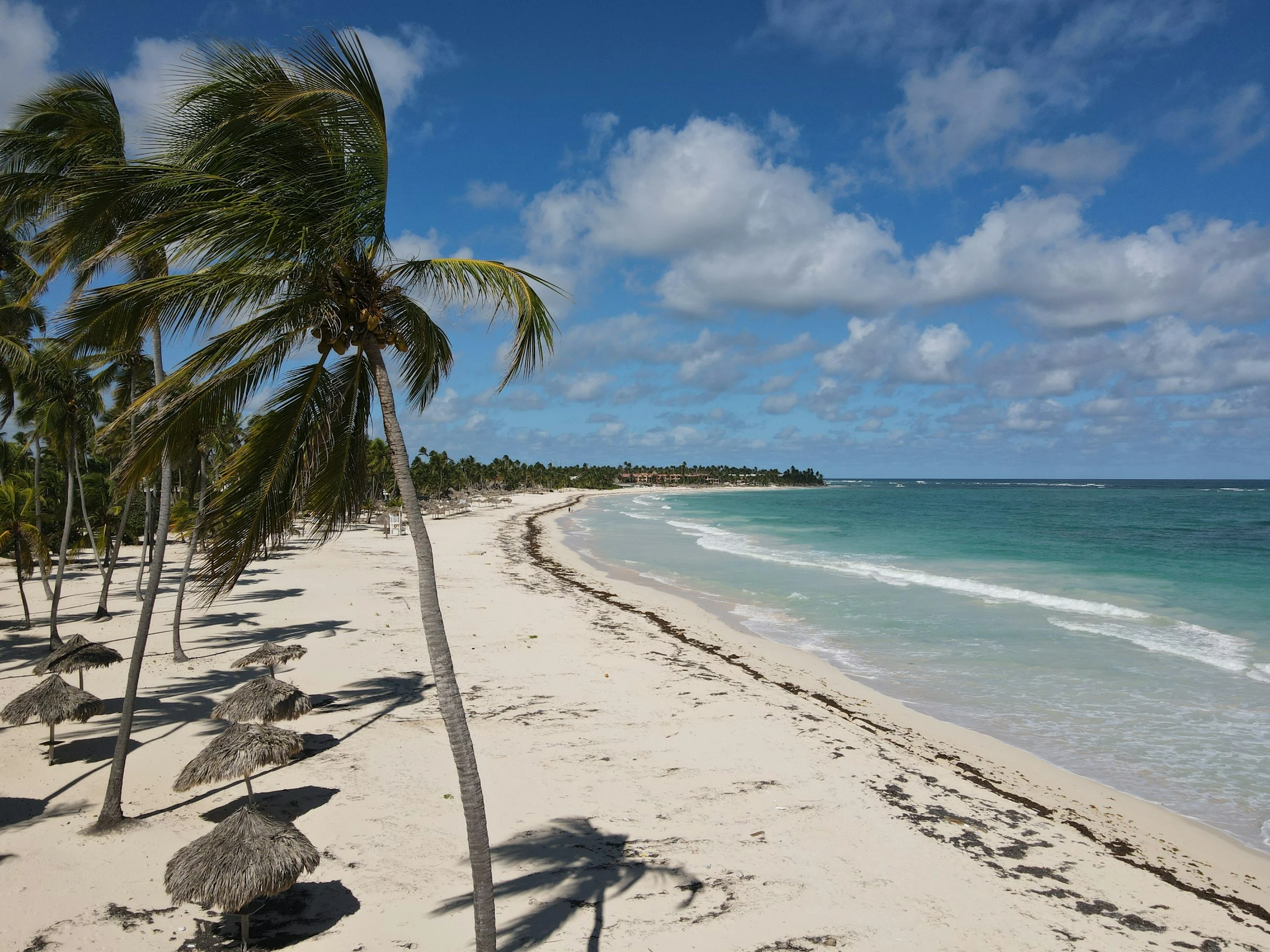
The Hicacos Peninsula, about 130 km from Havana, has more than 20 km of fine white-sand beaches, lapped by the turquoise water of the Straits of Florida; Wikipedia (ES) presents it as the country's main beach resort. The resort developed mostly from the 1990s with hotels that are for the most part all-inclusive, and many visitors come from Canada. Beach time, sailing, kitesurfing, snorkelling and catamaran trips are on the menu.
Around Varadero
The Varahicacos ecological reserve, at the tip of the peninsula, protects dunes, mangroves and caves; the Ambrosio cave holds indigenous paintings. The town of Cárdenas, at the entrance to the peninsula, has a different, more local atmosphere. Further south in the province lies the Zapata Peninsula, a large protected natural area: it is best discovered on another trip, as it falls outside the scope of this guide.
Food and drink
Fish, lobster and Cuban cooking
Dishes to try
In the province, the sea provides fish and lobster, often grilled; ropa vieja (shredded beef in tomato sauce), moros y cristianos (rice and black beans) and tostones go with most meals. Paladares, private restaurants, and casas particulares serve meals that are more varied than hotel buffets, to be checked depending on the season.
What to drink
Rum, neat, in a mojito or in a Cuba libre, and strong coffee are the classics. Stick to bottled water.
Where to eat
In Matanzas, the small places in the centre are the most affordable; in Varadero, restaurants on the beach and in the shopping centre have pricier menus. Restaurants beside the Canímar River serve simple meals after the boat trip.
Getting around
Taxis, buses, trains, horse carriages and rental cars
From the airport and between towns
Intercity buses link Havana, Matanzas and Varadero several times a day, and some serve the airport; a taxi costs more but is simpler with luggage. The Vía Blanca road links the three. Trains also run between Havana and Matanzas, with schedules that vary.
On the spot
In Varadero, a double-decker tourist bus serves the peninsula, taxis and coco-taxis, small three-wheeled vehicles, are easy to hail and bicycles or scooters can be rented; a rental car is useful for Matanzas, the cave or the valley. Coches, horse-drawn carriages, run in some towns. Agree the price before getting in.
Good to know
Fuel and some services can be limited; internet access is sometimes restricted. Carry cash, because cards are not always accepted. Prices and timetables vary: check them before you leave.
Budget
A variable budget, higher in Varadero than in Matanzas
In Matanzas, simple meals and local transport remain cheaper than in Europe. Varadero, a beach resort where hotels often sell all-inclusive packages, is noticeably more expensive. We give no figures, because prices vary with the season, the accommodation and the way you pay.
To keep costs down, stay in a casa particular in Matanzas, share taxis and eat in the small places.
The plane ticket remains the most variable item of a trip. SniperAir tracks flights to VRA and compares them with the route's price history.
When to go
When to go to Matanzas and Varadero?
Winter
Dry season and the most pleasant, sunny and milder; it is Varadero's high season.
Spring
The heat builds; the first rains arrive around May.
Summer
Hot and humid, with storms; hurricane season runs from June to November.
Autumn
Still humid, then the weather dries out towards November.
The climate is tropical, hot all year. The dry season runs roughly from November to April and the rainy season from May to October. Cuba is exposed to hurricanes from June to November: follow the official bulletins and consider a flexible cancellation insurance. Protect yourself from the sun and from mosquitoes.
By length of stay
What to do depending on how long you stay
Varadero
The peninsula's beaches, with a trip to sea or a visit to the Varahicacos reserve.
Matanzas
The Sauto Theatre, the pharmacy museum, the Bellamar caves and the Yumurí Valley.
Going further
The Bacunayagua Bridge and the road to Havana, or the Zapata Peninsula.
In pictures
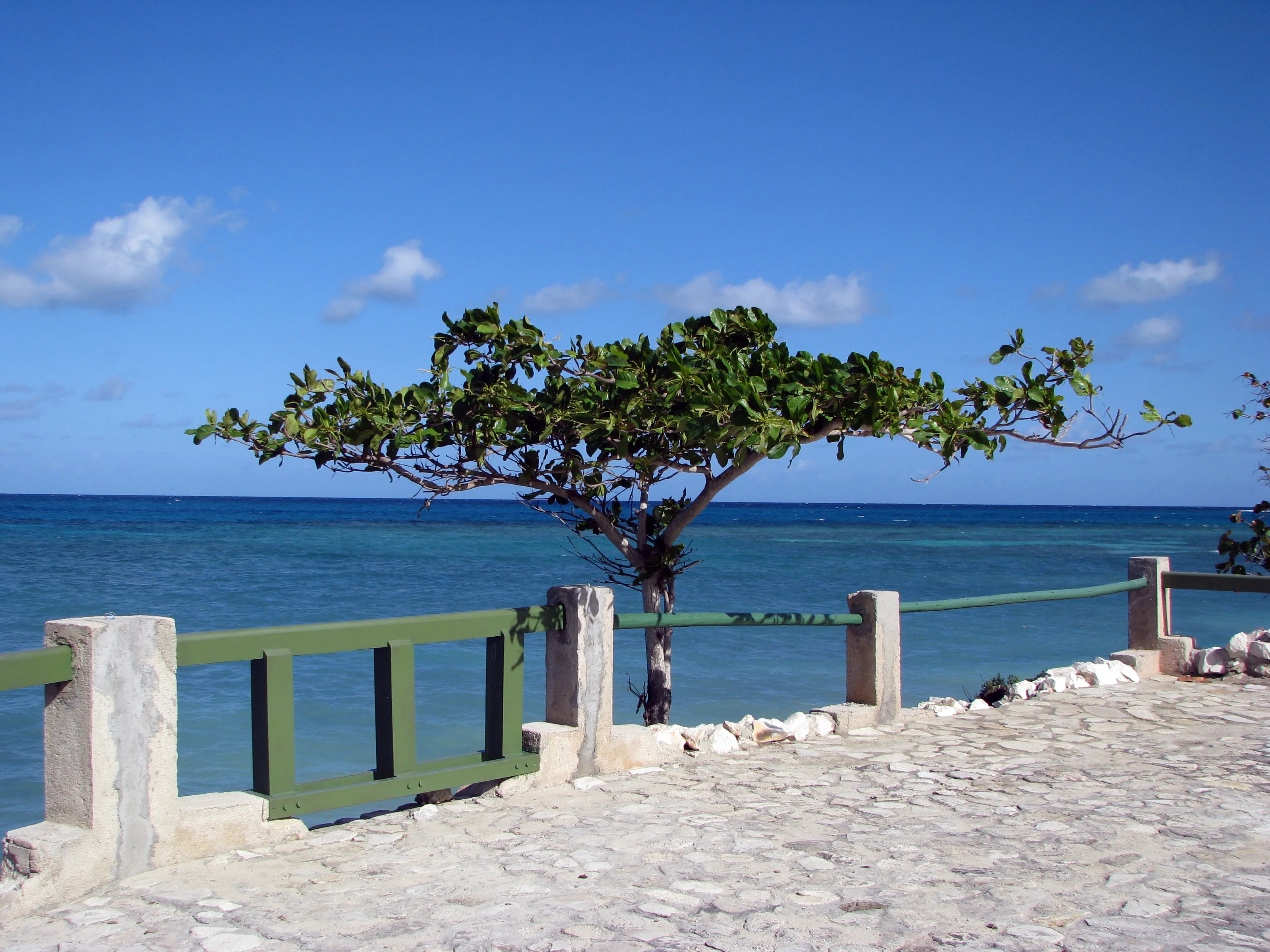
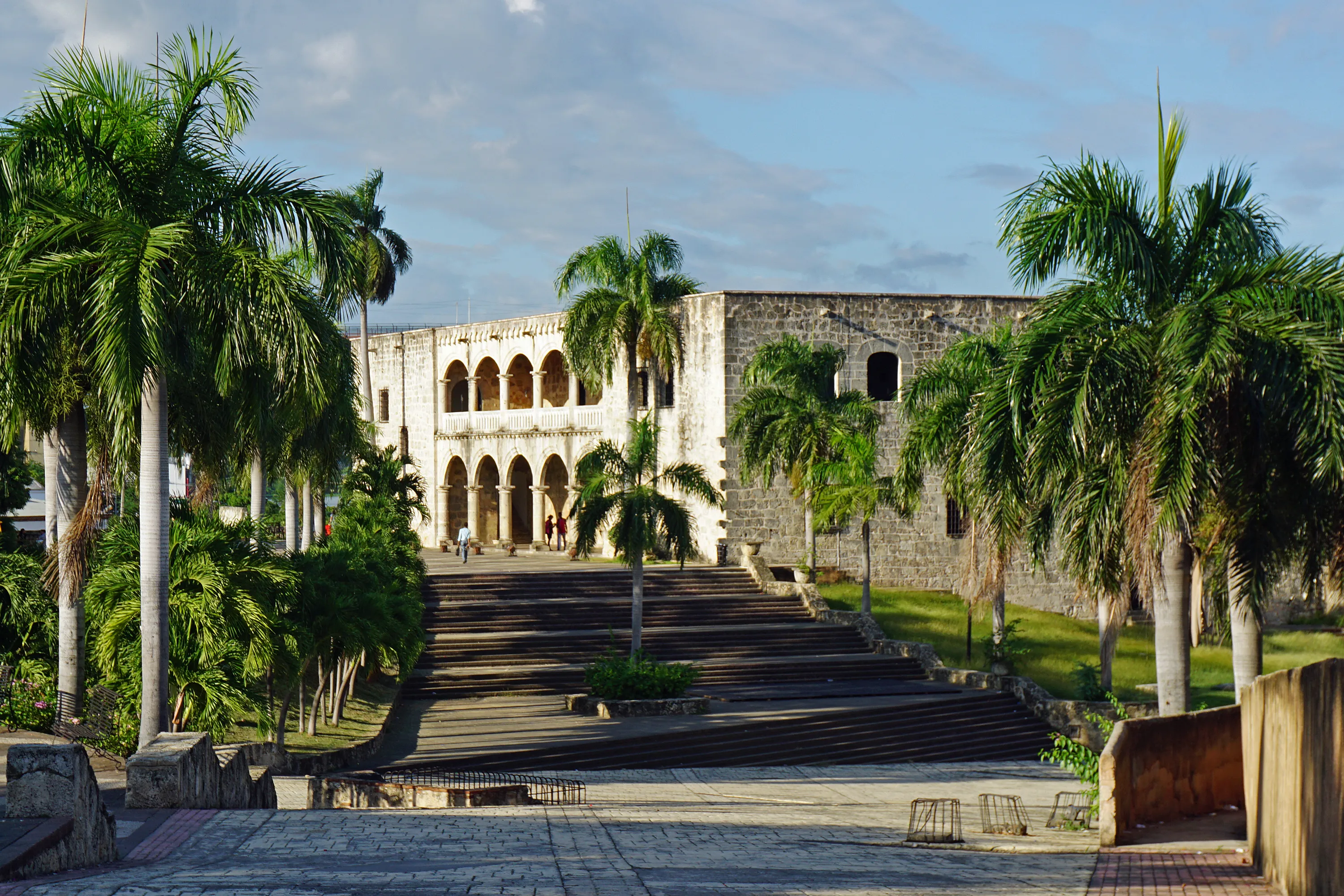
Matanzas and Varadero in pictures
You might also like
Similar destinations
FAQ
Frequently asked questions about flights to Matanzas
Where do you land for Matanzas and Varadero, and how long to the centre?
Juan Gualberto Gómez Airport (VRA) serves Varadero and Matanzas, lying between the two (about 15 km from Matanzas and 10 to 20 km from Varadero depending on the source). A taxi or transfer is simplest. Havana (HAV) is about 100 km from Matanzas.
What is the best time to visit Matanzas and Varadero?
From about November to April, the dry season is the most pleasant. Rain is more frequent from May to October, with a risk of hurricanes from June to November.
Are Matanzas and Varadero expensive?
Matanzas remains cheaper than Europe for meals and local transport; Varadero, a resort with all-inclusive hotels, costs more. Prices vary with the season.
How long should you stay?
One to two days are enough for the Varadero beaches; add a day for Matanzas (Sauto Theatre, museums, Bellamar caves) and the Bacunayagua Bridge.
How do you get around?
Intercity buses and trains between Havana, Matanzas and Varadero, taxis, coco-taxis and bicycles on the peninsula, a rental car for excursions. Fuel and some services can be limited; for safety and health, check the official recommendations of your country of residence.
What should you eat in Matanzas and Varadero?
Fish and lobster, ropa vieja, moros y cristianos and tostones, with coffee and rum; paladares and casas particulares offer home-style meals.
How much does a flight to Matanzas usually cost?
The price depends mainly on your departure city, the period and the booking date. The "opportunities" section above shows real examples of prices already detected by SniperAir for this destination.
How do I get alerted when a flight to Matanzas drops below my budget?
Create an alert profile with your departure airport, {n} as the destination and your maximum budget. You are notified automatically as soon as a matching fare is detected.
Ready to head to Matanzas?
Set your budget and let SniperAir monitor fares for you.
Create my alert