
Cheap flights to Santo Domingo
Set your departure airport and maximum budget: SniperAir tracks prices to Santo Domingo and alerts you the moment a deal matching your criteria appears.
Quick summary
Country
Dominican Republic
Continent
North America
Airport
SDQ
Currency
Dominican peso
Time zone
UTC-4
Deals already spotted to Santo Domingo
Real flight examples detected by SniperAir, with their reference price.
Loading examples…
Why track Santo Domingo with SniperAir
You do not need to compare prices every day
Choose your departure
Enter your departure airport and your maximum budget for a flight to Santo Domingo (SDQ).
SniperAir watches
Our systems continuously compare new fares with the real price history of the route. SniperAir tracks prices and alerts you: it does not sell or book tickets.
You get an alert
As soon as a fare matches your criteria, you are notified, without having searched anything yourself.
Airport and getting into town
Las Américas Airport, east of the capital
Las Américas (Santo Domingo)
Las Américas International Airport (SDQ) lies east of the capital, near Punta Caucedo and not far from Boca Chica, and remains the main international gateway to the city. Depending on the source, it is about 20 to 30 minutes by car from the centre and the Colonial Zone, traffic permitting. A taxi is the simplest option: agree on or confirm the fare before you get in, and prefer the official airport taxi desks to street offers. Shared minivans and buses also reach the city and the nearby coast at a much lower fare, but with more waiting and less comfort, especially with luggage. A rental car is possible from the airport, but driving in the capital is dense and fast-paced. A second international airport, La Isabela (Joaquín Balaguer), lies north of the city; always check which airport your flight uses.
Approximate times taken from Wikipedia (ES) and Wikivoyage (EN); no source gives a consistent distance in kilometres. Flight connections change: check them before booking.
The colonial city
The first European city in the Americas
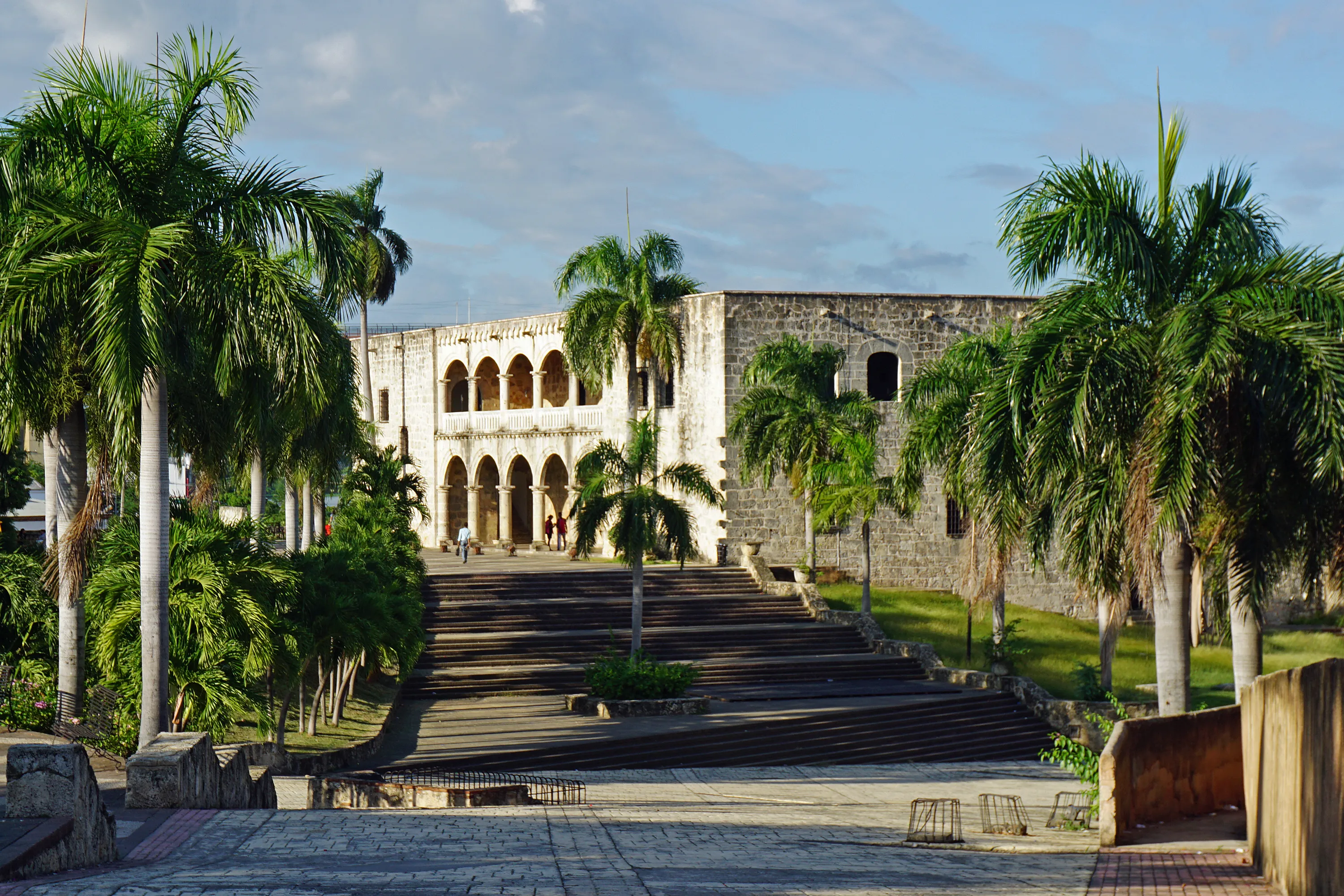
The Alcázar de Colón
Santo Domingo's Colonial Zone, founded in the late 15th century by Christopher Columbus's family (sources give 1496 or 1498), has been a UNESCO World Heritage Site since 1990. Its most emblematic monument is the Alcázar de Colón, a stone palace with arcaded galleries built in the early 16th century for Diego Columbus, Christopher's son and governor of the island. It stands above the Plaza de España, facing the Ozama River, and today houses a museum on the life of the colonial court.
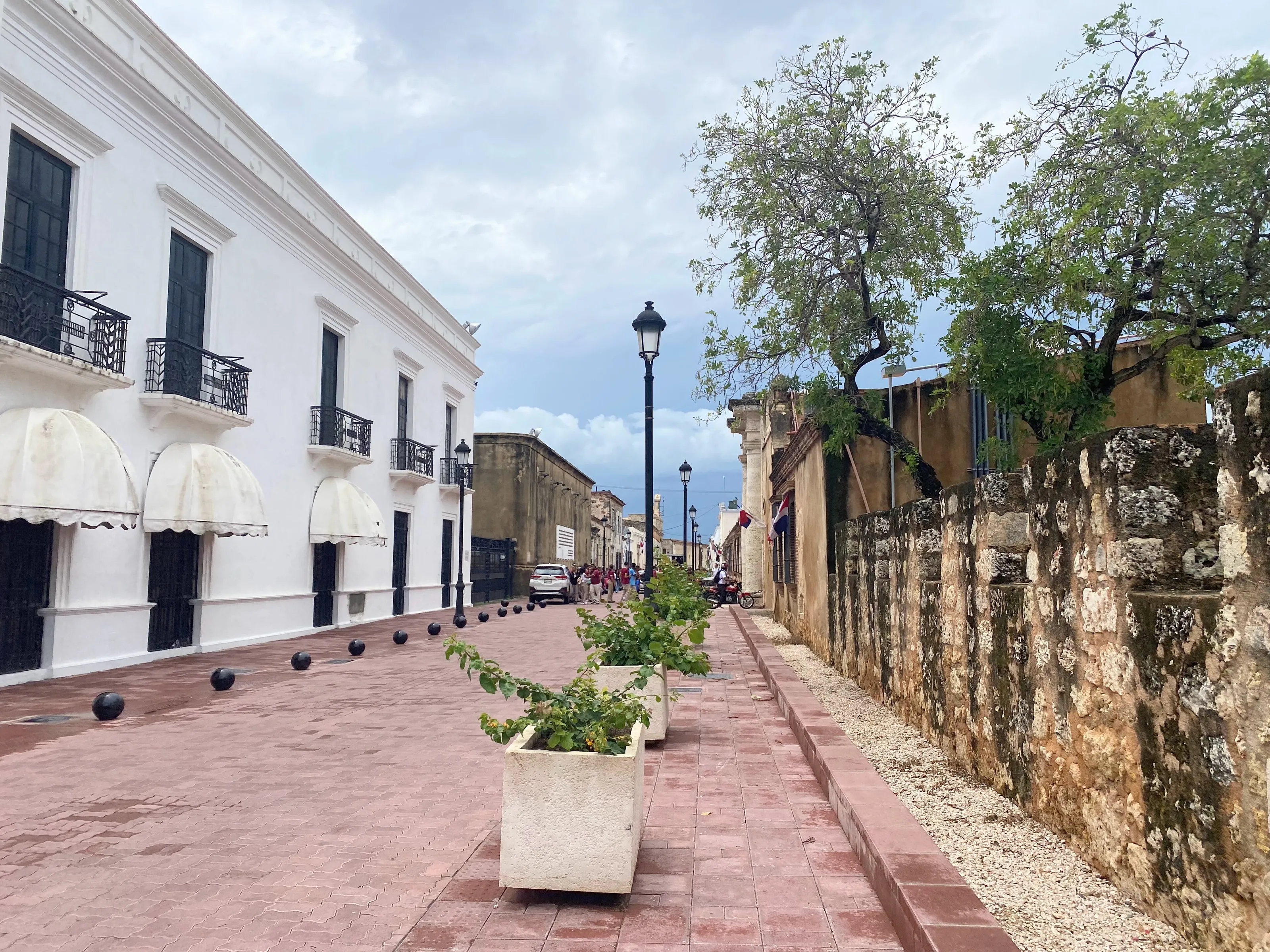
The Primada cathedral of the Americas
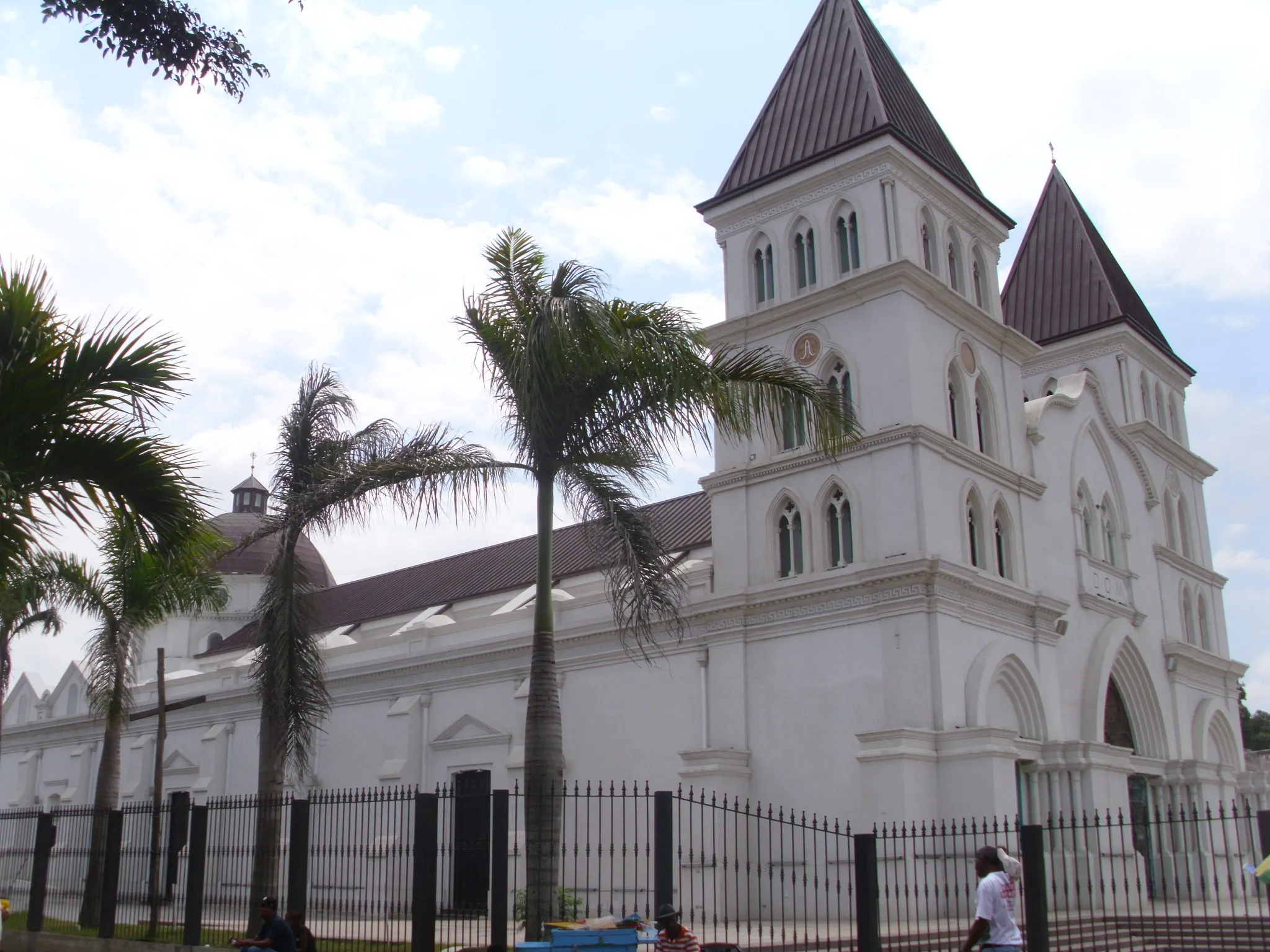
The cathedral of Santa María la Menor, known as the Primada de América, is considered the oldest cathedral in the Americas; its construction stretched over a good part of the 16th century. Its golden limestone facade, arcades and battlements face Parque Colón, in the heart of the district. Visit in the morning, when the light hits the facade and the square is still quiet.
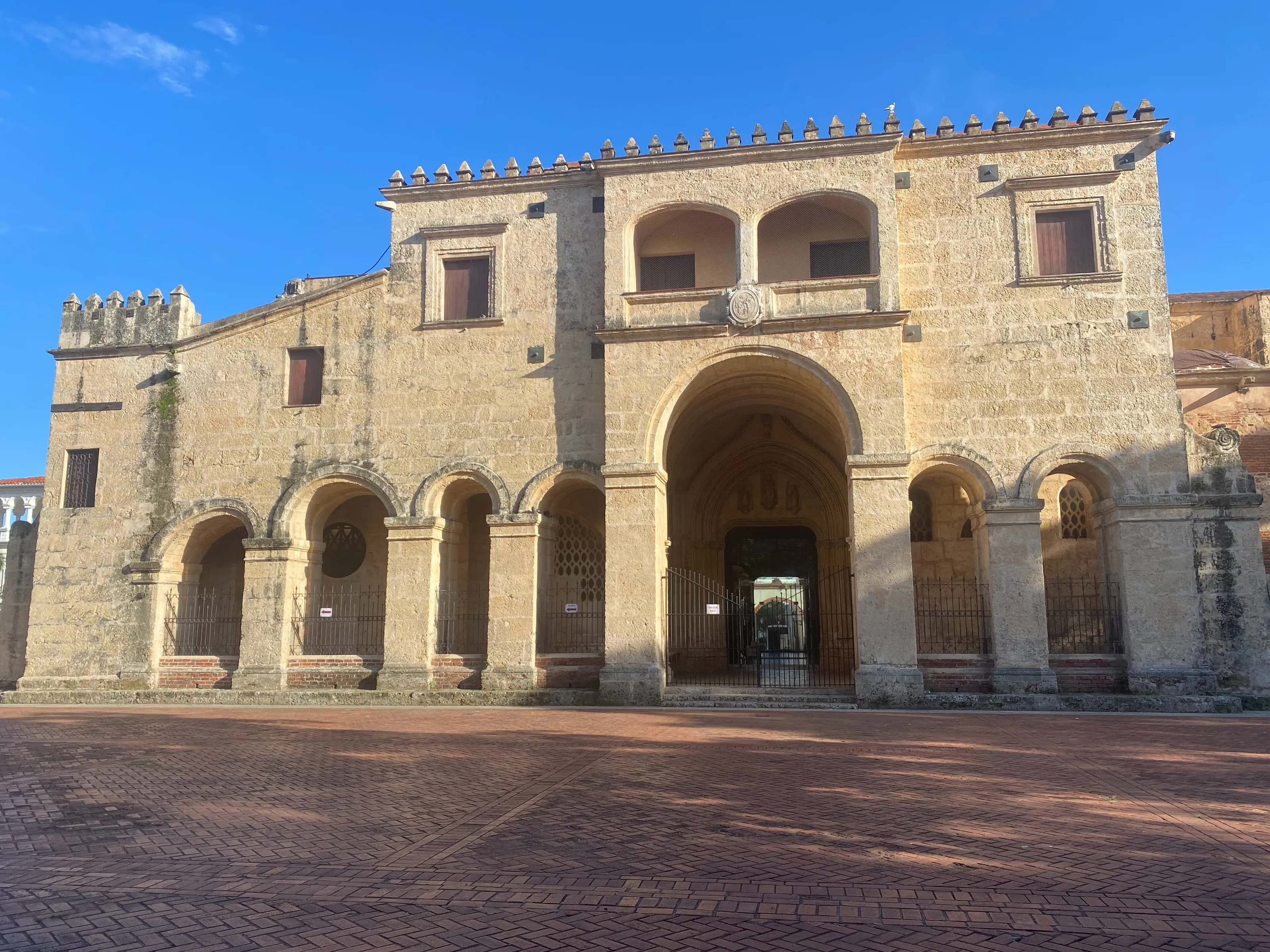
Calle Las Damas
This paved street, among the oldest in the New World, links the Ozama Fortress to the Plaza de España. It is lined with former governors' residences, white facades with wrought-iron balconies and old stone walls. Its name recalls the ladies of the viceroy's court; stroll it on foot, preferably early in the morning, before the heat.
Finding your way in the Colonial Zone
The Colonial Zone is compact and best visited on foot, from the Ozama River to Parque Colón. It also holds the Ozama Fortress, which sources describe as the oldest fortress in the Americas, the ruins of the San Francisco monastery, and the pedestrian street El Conde, lively in the evening, with its cafés and shops. Opening hours and fees change: check on site or on official websites, as some monuments may be closed for renovation.
Parque Colón and old churches
Statue, churches and neighbourhood life
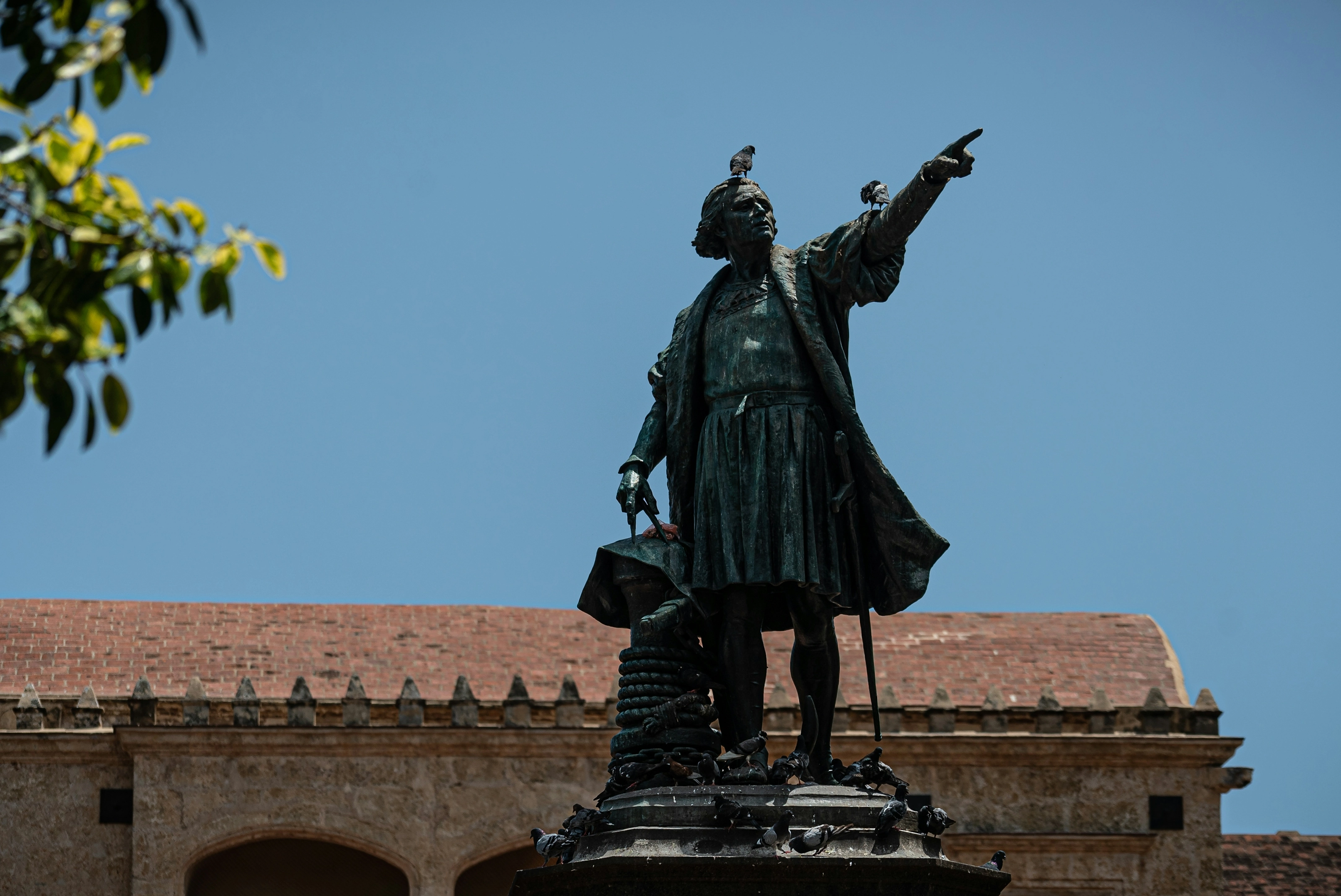
Parque Colón
In the middle of the Colonial Zone, Parque Colón is the old town's main square, bordered by the cathedral. At its centre stands a bronze statue of Christopher Columbus, his arm stretched towards the horizon. The square is a good starting point for a stroll, with shaded benches, café terraces and horse-drawn carriages.
The old town's churches
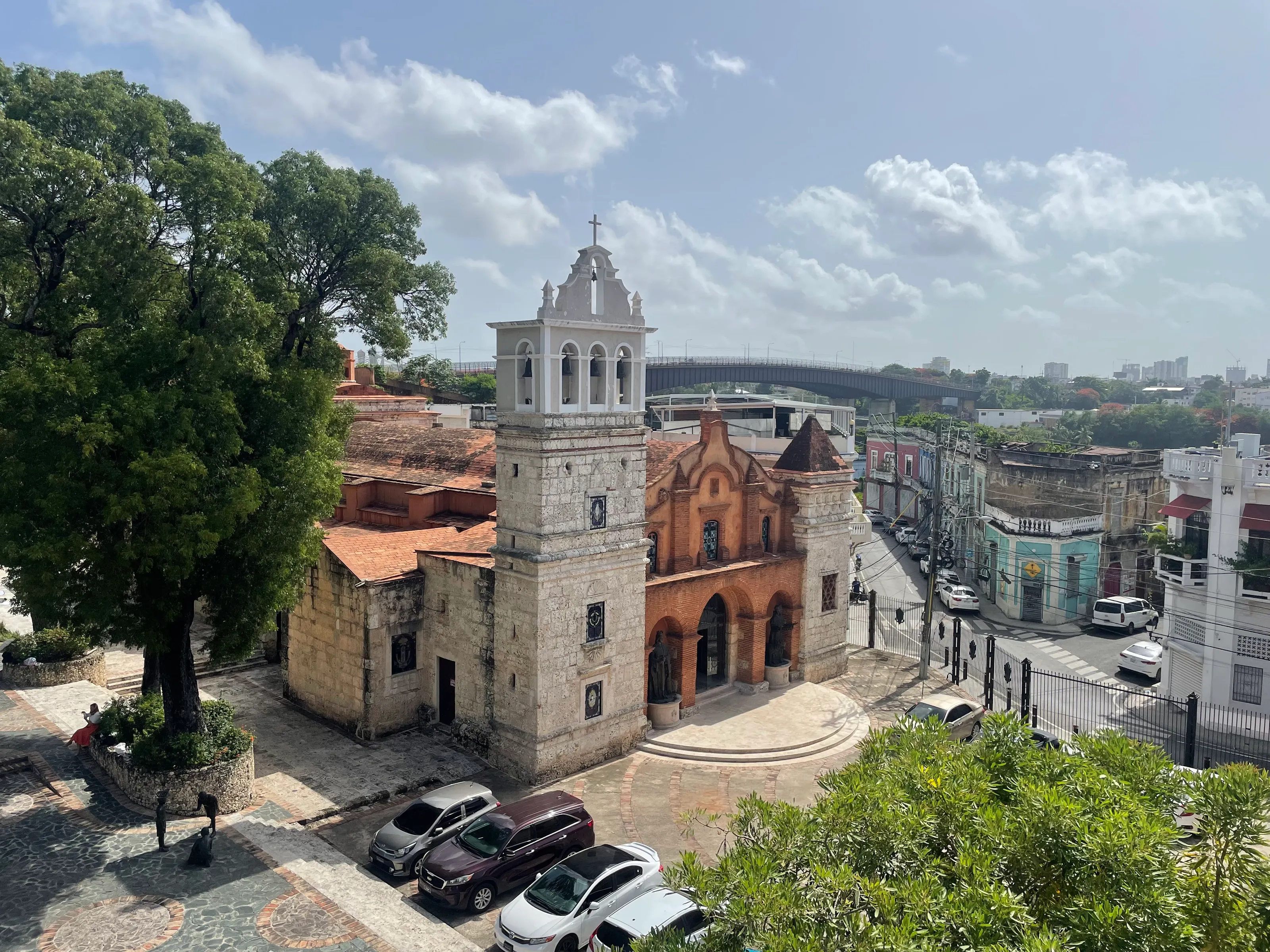
The streets of the Colonial Zone hold many old churches, with stone bell towers and ochre brick facades, some among the first in the New World. Seen from a high point, they stand out among the colourful houses, with the bridges over the Ozama in the background. A look at a map or a local guide helps to identify them on site.
Panorama
The waterfront seen from the sky
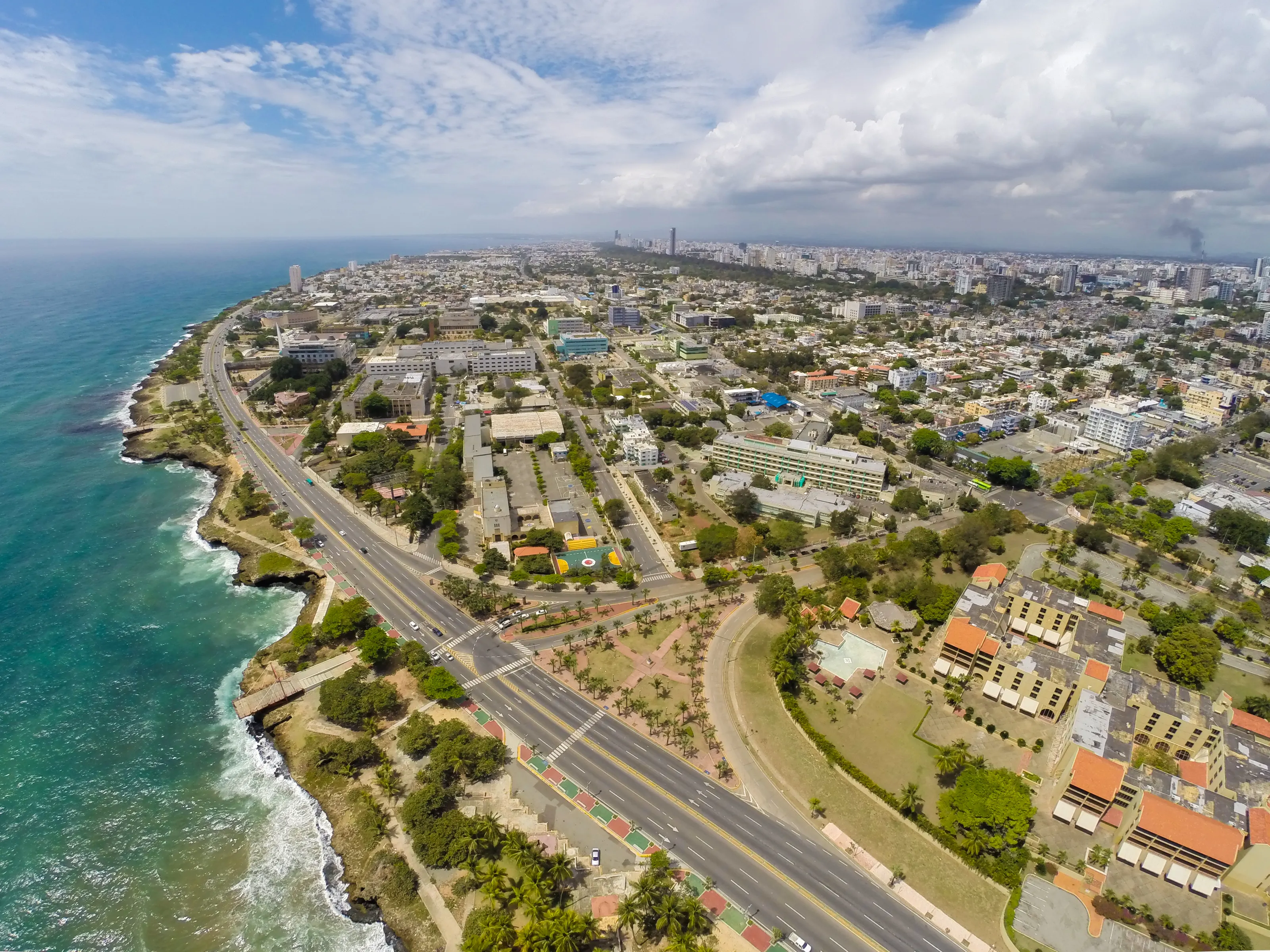
The Malecón and surroundings
Promenade, Faro a Colón and Los Tres Ojos
The Malecón
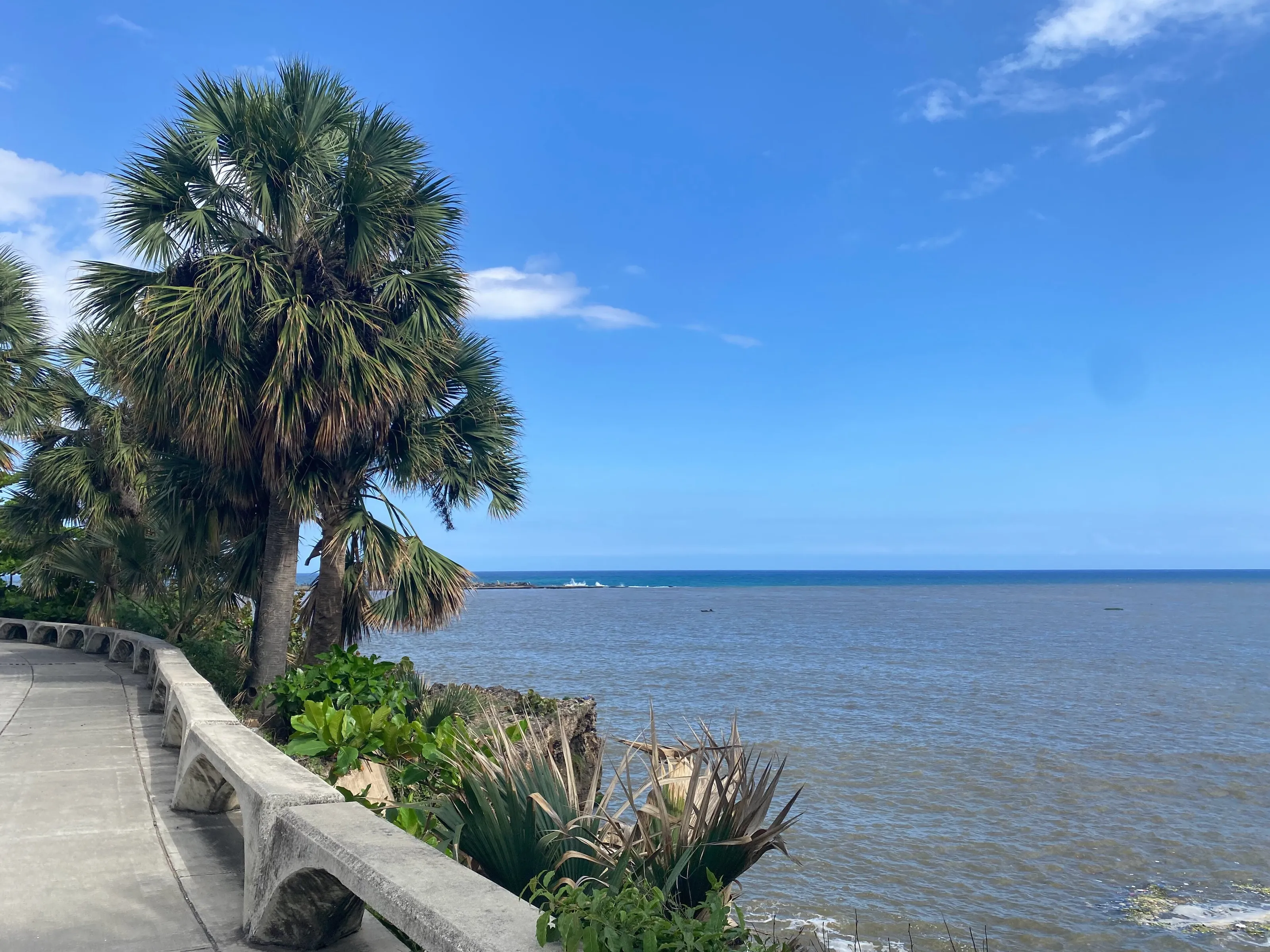
The Malecón is the great avenue running along the Caribbean Sea, with a promenade, parks, hotels and, in the evening, many locals coming out for the breeze. It is the place to watch the sunset and feel everyday city life. As anywhere in town, avoid lingering late and away from other people; during the day, the promenade is pleasant.
Faro a Colón
The Faro a Colón, a large cross-shaped memorial inaugurated in 1992 for the 500th anniversary of Christopher Columbus's arrival, stands east of the Ozama River. According to Dominican tradition it holds the explorer's remains, a claim Seville disputes. Check opening hours before you go.
Los Tres Ojos
East of the city, Los Tres Ojos is a set of caves and underground lakes in a limestone sinkhole. Since it lies in an outlying area, it is best visited on a guided excursion or with a local driver, and you should check hours and access conditions before leaving.
Museums and culture
Palaces, pantheon, museums and music
Museums of the Colonial Zone
The Alcázar de Colón museum and the Museo de las Casas Reales, housed in the former governor's palace, tell the story of the Spanish colony: furniture, maps, weapons and period objects. The National Pantheon, a former Jesuit church, holds the remains of figures from Dominican history. The district also has an amber museum, another on the city's history and several art galleries. Days and hours vary: consult official websites before visiting.
Plaza de la Cultura and art museums
Further north, the Plaza de la Cultura gathers the Teatro Nacional, the Palace of Fine Arts and several museums, including the Museum of the Dominican Man, devoted to the Taínos and the country's cultural roots; some may close for works, so check before coming.
Music and festivals
Santo Domingo is a good place to hear merengue and bachata, in bars, on squares and at neighbourhood parties. Carnival, in February, enlivens the capital with parades and colourful costumes. Open-air concerts, in the San Francisco ruins or on the squares, are a simple way to discover the local scene.
Food and drink
Mangú, sancocho and Dominican cooking
Must-try dishes
Dominican cooking is generous and simple. The typical breakfast is mangú, a plantain mash served with red onions, eggs, fried cheese or salami. At lunch, la bandera dominicana brings together white rice, red beans and meat in sauce, with a salad or fried plantains. Sancocho, a hearty stew of meats and root vegetables, is the dish for feast days. Pork chicharrones, tostones and fresh fruit round out the table.
Drinks
Dominican coffee is well regarded and drunk all day. Fresh fruit juices, coconut water and local rum are everywhere; mamajuana, a drink of rum, red wine, honey and macerated herbs, is worth trying in small amounts. Drink bottled water and be careful with ice at improvised stalls.
Where to eat
In the Colonial Zone, restaurants and terraces line the pedestrian streets and surround Parque Colón; comedores, small simple eateries, offer a set dish of the day at gentle prices elsewhere in the city. The Malecón and the modern districts have more refined restaurants. In many places the bill includes service and tax: check it before leaving a tip.
Getting around
Walking, taxis, metro and guaguas
In the Colonial Zone
The Colonial Zone is visited on foot, preferably early in the morning or late in the day. Pavements are sometimes narrow or uneven and traffic is heavy around the main roads: stay alert.
Taxis and apps
Taxis are the simplest way to reach other districts; few cruise the streets, and they are often called by phone or through your hotel. Ride-hailing apps are used in the capital, but check how they currently work. Avoid unmarked cars, especially at night, and agree on the fare before the ride.
Metro, cable car and guaguas
Santo Domingo has a two-line metro, in service since 2009, which is fast but does not cover the whole city, and urban cable-car lines. Guaguas (shared minibuses) and buses are very cheap but hard to read for a passing visitor; try them with a local if you can. To leave the city, intercity coaches link Santiago and the country's other towns.
Budget
A mid-range budget, gentler than Europe on the ground
The price level in Santo Domingo is moderate: gentler than in Europe for ordinary meals, local transport and many services, but higher in restaurants in the modern districts and hotels in the Colonial Zone. Taxes and service are often added to menu prices; the final bill can be noticeably higher than the listed price. We give no figures, as prices vary with the season and the exchange rate.
To keep costs down, eat at comedores and small places, walk around the Colonial Zone, use the metro and carry Dominican pesos in cash for small purchases. Haggle in markets and with street vendors, but not in shopping malls.
The plane ticket remains the most variable part of a trip. SniperAir tracks flights to SDQ and compares them with the route's price history.
When to go
When to go to Santo Domingo?
Winter
The most pleasant season: drier and a little cooler (down to 17-19 °C at night according to records), but also busier and pricier.
Spring
February to April are among the driest months; heat builds gradually and the rains return in May.
Summer
Hot and humid, rainy season with storms; hurricane risk from June to November, with more calm and often lower prices.
Autumn
The rainy and hurricane season winds down, with drier and cooler weather returning gradually towards December.
The climate is tropical, hot and humid all year, with trade winds tempering the heat. The rainy season runs roughly from May to November; the hottest months are July, August and September, and the coolest are December to March. The dry season, from about December to April, is the best time to explore the Colonial Zone on foot.
The Dominican Republic lies on the track of Atlantic hurricanes, from about June to November: follow official bulletins and consider flexible cancellation insurance. Protect yourself from the sun and mosquitoes, and drink plenty of water when sightseeing on foot.
By length of stay
What to do in Santo Domingo by length of stay
The essentials
The Colonial Zone: the Alcázar de Colón, the cathedral, Calle Las Damas and Parque Colón, then an evening on the Malecón.
Culture
The museums, the National Pantheon, the Plaza de la Cultura, an evening of music and an excursion to Los Tres Ojos or the Faro a Colón.
Beyond the capital
A day on the nearby coast or an excursion to other regions of the country, such as Punta Cana, La Romana or Santiago.
In pictures
Santo Domingo in pictures
You might also like
Similar destinations
FAQ
Frequently asked questions about flights to Santo Domingo
Where do you land in Santo Domingo and how long to reach the centre?
Las Américas International Airport (SDQ) is east of the capital, about 20 to 30 minutes by car from the centre and the Colonial Zone, depending on traffic. A taxi is simplest; minivans and buses are cheaper. Check flight connections before booking.
What is the best time to visit Santo Domingo?
From about December to April, the drier, cooler season is the most pleasant but also the busiest. From May to November the rainy season is hotter and more humid, with a risk of hurricanes from June to November.
Is Santo Domingo expensive?
The price level is moderate, gentler than Europe for ordinary meals and local transport, higher in restaurants in the modern districts. Taxes and service are often added to the bill. Prices vary with the season.
How long should I stay in Santo Domingo?
Two days are enough for the Colonial Zone and the Malecón; three to four days let you add the museums, Los Tres Ojos, the Faro a Colón and an evening of music.
How do I get around Santo Domingo?
Walk in the Colonial Zone; for other districts take a taxi (agree the fare) or the metro. Guaguas and buses are very cheap but hard to read; avoid unmarked cars, especially at night. For safety, check the official recommendations of your country of residence.
What should I eat in Santo Domingo?
Mangú for breakfast, la bandera dominicana (rice, beans and meat), sancocho, chicharrones and tostones, with coffee, fresh fruit juices, rum and mamajuana.
How much does a flight to Santo Domingo usually cost?
The price depends mainly on your departure city, the period and the booking date. The "opportunities" section above shows real examples of prices already detected by SniperAir for this destination.
How do I get alerted when a flight to Santo Domingo drops below my budget?
Create an alert profile with your departure airport, {n} as the destination and your maximum budget. You are notified automatically as soon as a matching fare is detected.
Ready to head to Santo Domingo?
Set your budget and let SniperAir monitor fares for you.
Create my alert