
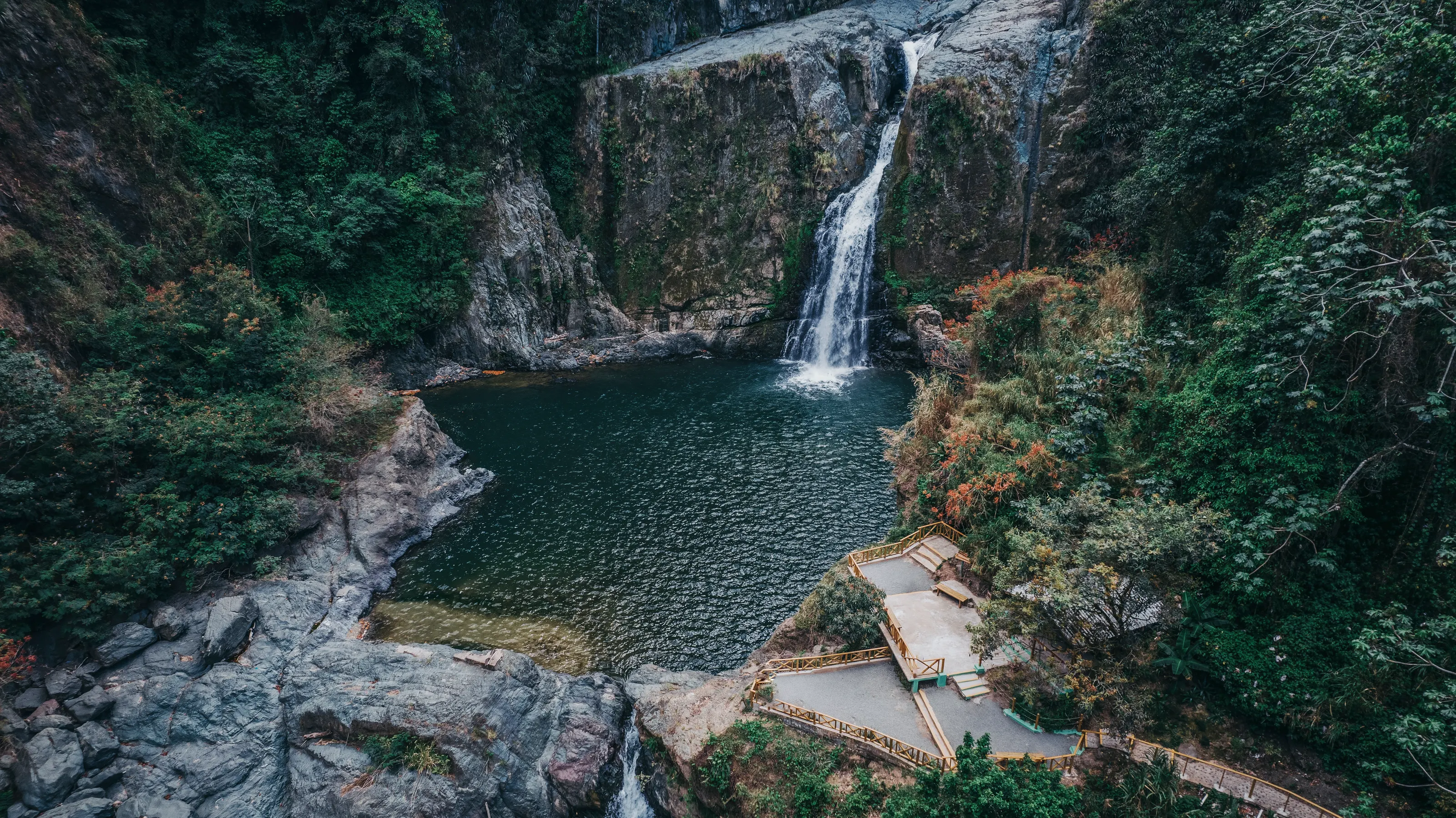
Cheap flights to Santiago
Set your departure airport and maximum budget: SniperAir tracks prices to Santiago and alerts you the moment a deal matching your criteria appears.
Quick summary
Country
Dominican Republic
Continent
North America
Airport
STI
Currency
Dominican peso
Time zone
UTC-4
Deals already spotted to Santiago
Real flight examples detected by SniperAir, with their reference price.
Loading examples…
Why track Santiago with SniperAir
You do not need to compare prices every day
Choose your departure
Enter your departure airport and your maximum budget for a flight to Santiago (STI).
SniperAir watches
Our systems continuously compare new fares with the real price history of the route. SniperAir tracks prices and alerts you: it does not sell or book tickets.
You get an alert
As soon as a fare matches your criteria, you are notified, without having searched anything yourself.
Airport and getting into town
Cibao Airport, close to the city
Cibao International (Santiago)
Cibao International Airport (STI), opened in 2002 near Santiago, mainly serves Dominicans living in the United States and several Caribbean islands; direct flights from Europe are limited, and many travellers connect elsewhere or arrive via Santo Domingo. The city centre is close: a taxi is the simplest option, to be confirmed before leaving; guaguas, shared minibuses, are cheaper but more awkward with luggage.
Las Américas (Santo Domingo)
Many flights to the country land at Santo Domingo (SDQ) or Punta Cana (PUJ). From Santo Domingo, Santiago is about three hours by bus on the motorway crossing the country; the straight-line distance is roughly 140 to 155 km depending on the source. Compare fares to STI, SDQ and PUJ before choosing.
Approximate times taken from Wikivoyage (EN) and Wikipedia (ES, DE); sources differ on the exact distance. Flight connections change: check them before booking.
Monuments and city centre
Cathedral, churches and city life
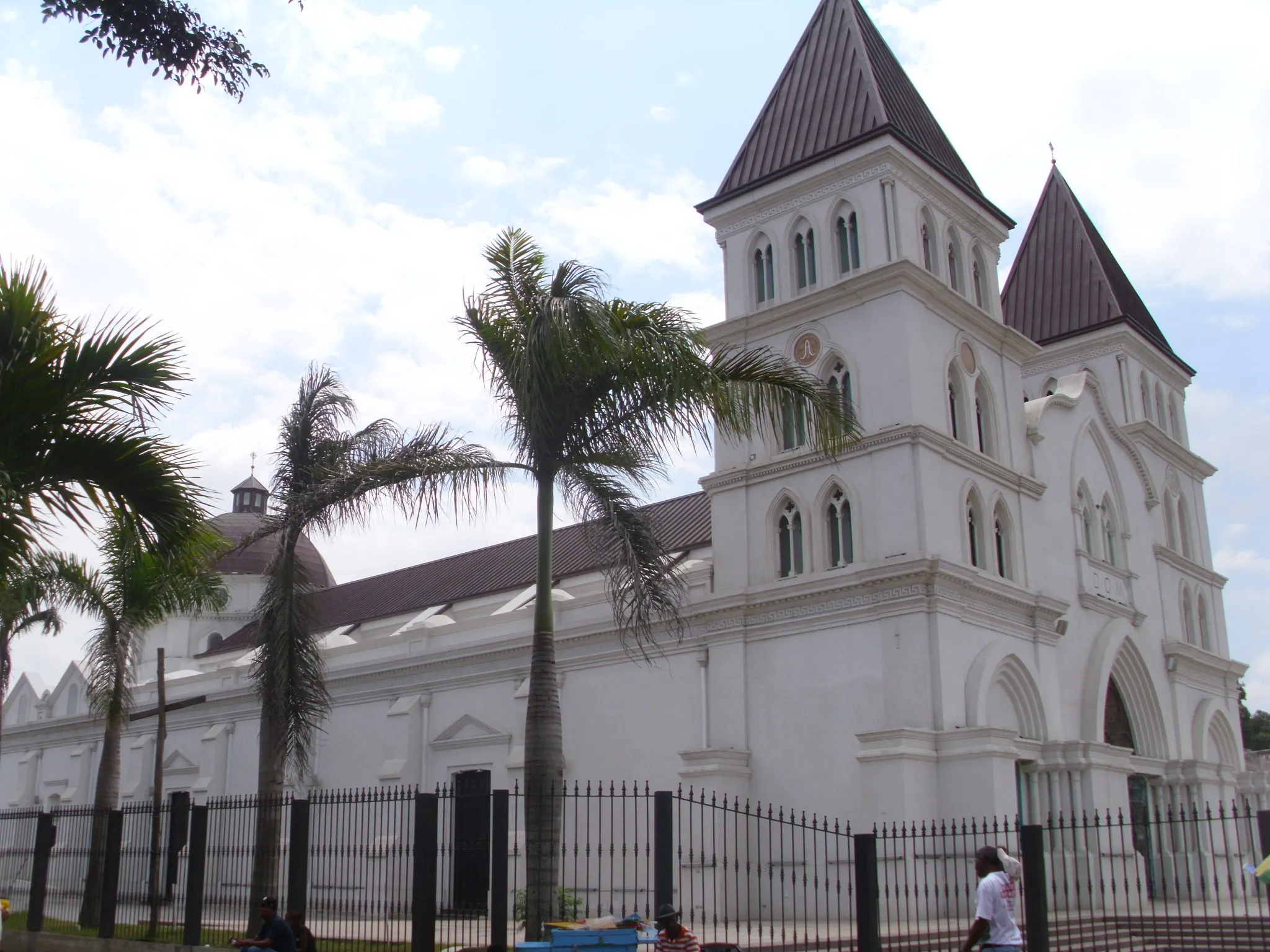
The Santiago Apóstol cathedral
Santiago's cathedral, dedicated to St James, dates from the 19th century (one source gives 1895) and stands near the central park, with its two pointed-roof towers. It is a good starting point for a stroll in the centre, where streets are busy by day, among shops, cafés and street vendors.
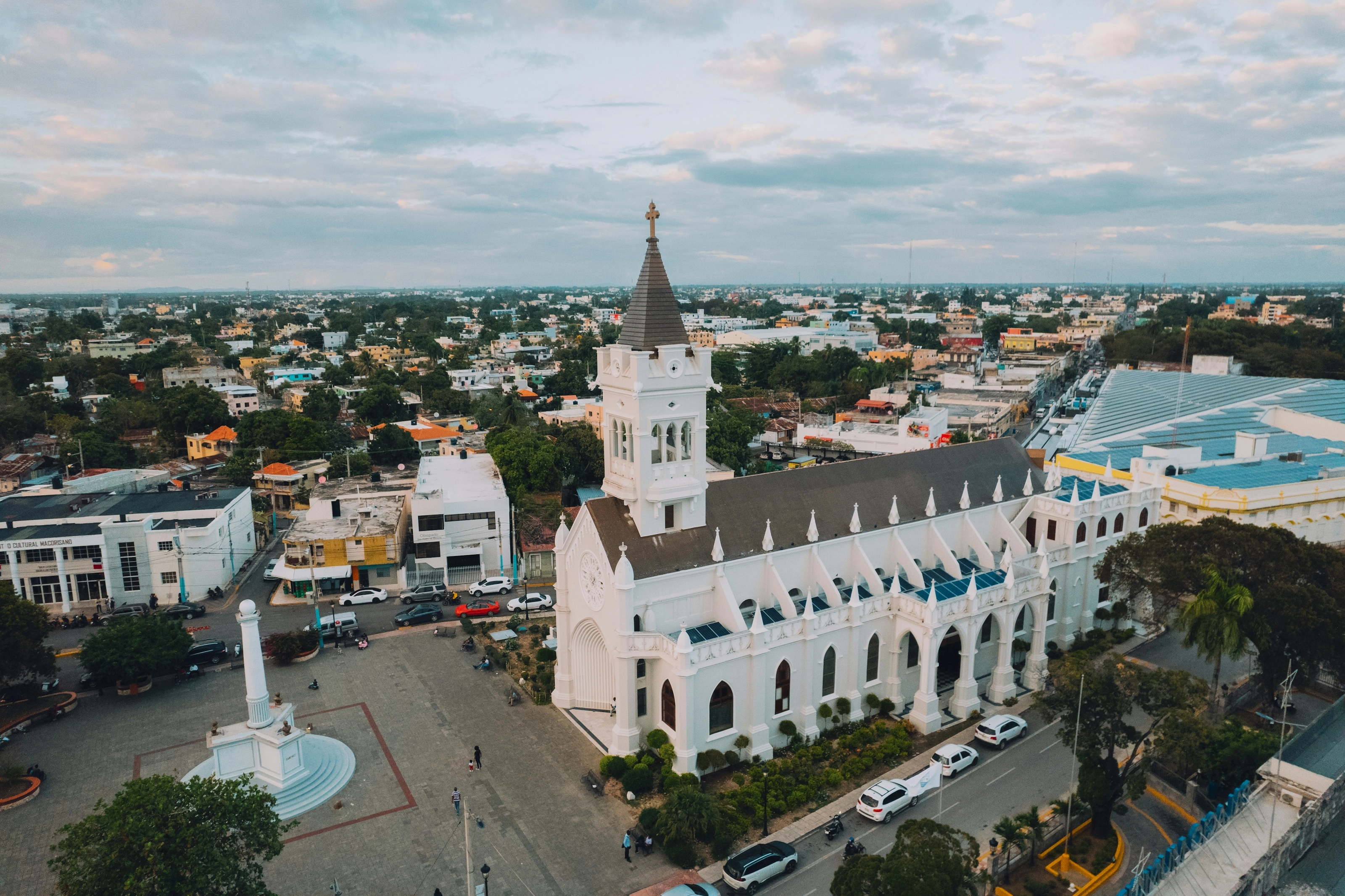
A white church in the centre
Further into the city, a white church with a bell tower stands out above the rooftops, with its square planted with palms and a commemorative column. The centre mixes old buildings and modern construction; some monuments and churches are hard to identify without a guide: a map or local guide helps you find your way.
Finding your way in town
Santiago de los Caballeros is the country's second city, in the heart of the rich Cibao valley, with about 770,000 inhabitants in the municipality according to the 2022 census. The city lies at an altitude of around 175 m; the centre is busiest by day, and it is best not to linger late at night in empty streets. Calle El Sol is the main shopping street, close to museums and monuments.
Panorama
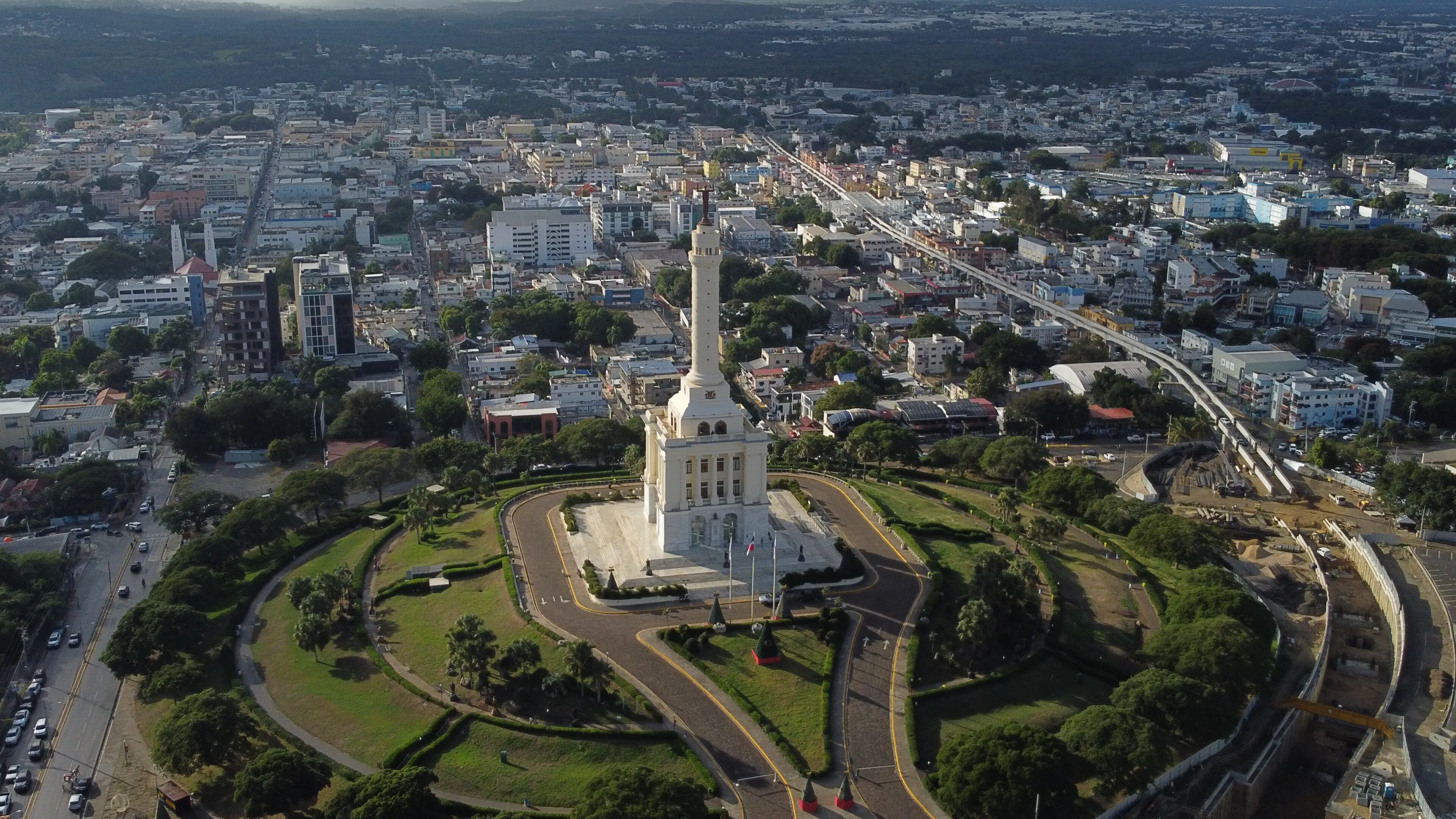
The Restoration Monument, seen from the sky
The Restoration Monument
A symbol of the city on its hill
The Monument to the Heroes of the Restoration
A symbol of Santiago, this large white marble monument, about 67 metres high according to Wikipedia (ES), stands on the city's highest hill; construction began in the 1940s. It honours the heroes of the Restoration War, which restored Dominican independence in the 19th century. From its top and gardens, the view over the city and the valley is open; it also houses a museum and sometimes hosts concerts. Check opening hours and access conditions before going.
Museums and culture
Centro León, carnival and tobacco
The Centro León
The Centro León, the Eduardo León Jimenes cultural centre, is one of the country's main cultural venues: exhibitions of art, natural history and Dominican and Caribbean culture, a library and film screenings. It is on Avenida 27 de Febrero; check opening days before going.
Yoryi Morel Folklore Museum and tobacco museum
The Yoryi Morel Folklore Museum presents Santiago's carnival culture, notably the masks of the lechones, characters of the festival. A tobacco museum traces the history of tobacco growing in the region, still the heart of the country's industry. Hours vary: consult official websites before visiting.
Carnival and music
Santiago's carnival, in February, is one of the best known in the country, with parades, colourful masks and music. Merengue and bachata are played in bars and on squares all year.
Cigars
The Cibao is a stronghold of the tobacco tradition, and Santiago is a centre of cigar making and selling; you can visit workshops and buy cigars in specialist shops. Check customs rules on tobacco for your return.
Mountains and waterfalls
Jarabacoa and Constanza in the Cordillera Central
Jarabacoa
Away from the city, the Cordillera Central shows a very different face of the country: forest, rivers and waterfalls, with a cooler climate at altitude. Around Jarabacoa you find falls such as the Salto de Jimenoa and the Salto de Baiguate, and rafting, canyoning and hiking outings on the Yaque del Norte river. Plan a day trip, or a night on site.
Constanza
Further inland, the Constanza valley, at altitude, is known for its market gardening and mountain landscapes, with waterfalls and trails. Mountain roads are long and winding: check journey times and bring warm clothes for cool mornings.
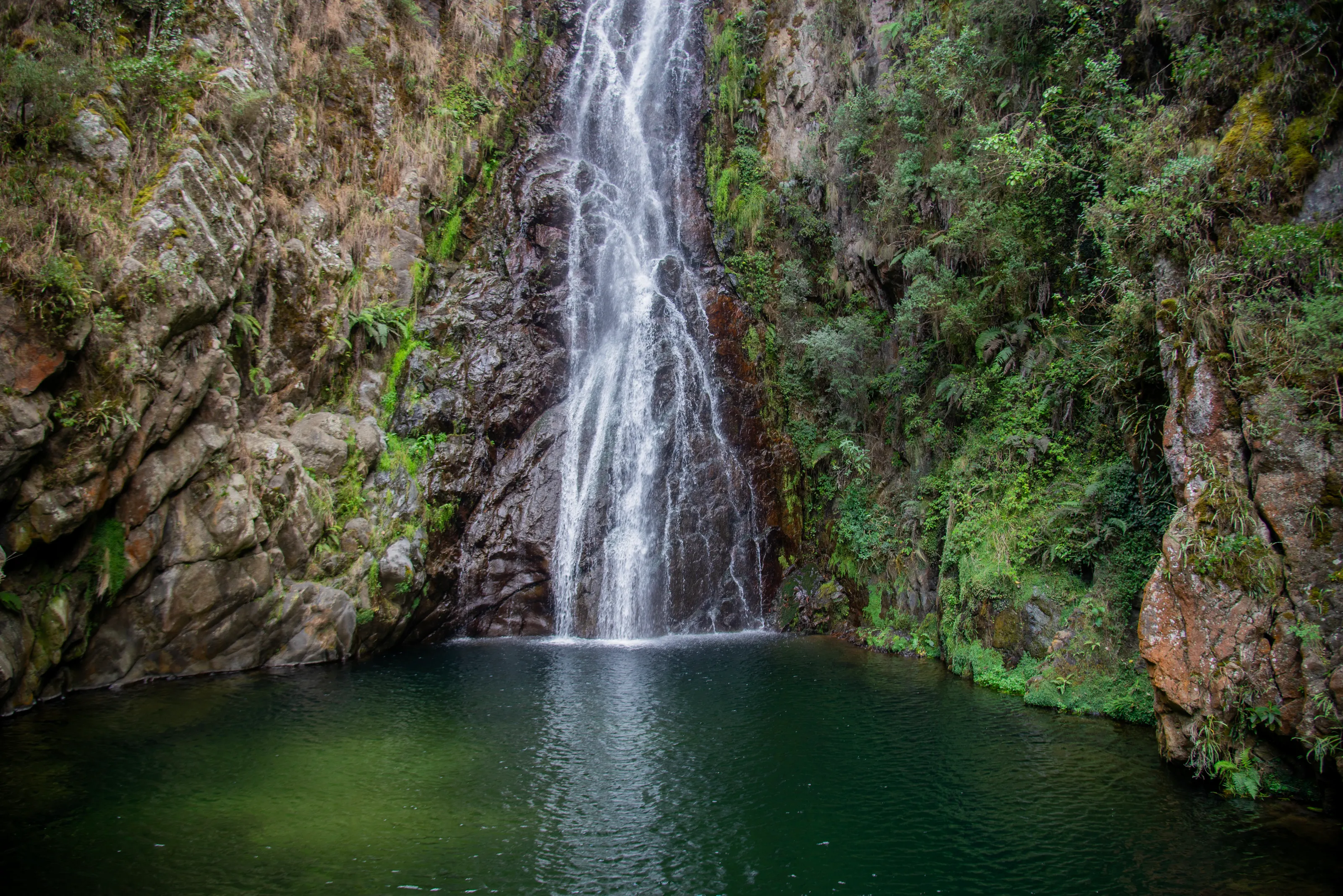
Pico Duarte
The Cordillera Central holds Pico Duarte, the highest peak in the Caribbean; Jarabacoa is one of the gateways for hikers. The climb is a multi-day expedition that requires preparation, a guide and permits: ask the official services.
Food and drink
Cibao cooking, coffee and rum
Must-try dishes
Dominican cooking is generous: mangú, the plantain mash for breakfast, la bandera dominicana (rice, beans and meat), sancocho, chicharrones and tostones. Santiago also has many restaurants of varied cuisines, grills, seafood, Asian or Italian, as well as street food.
Drinks
Dominican coffee, local rum, fresh fruit juices and coconut water. Tobacco, rum and coffee are part of the regional economy. Drink bottled water.
Where to eat
The centre has many small places and comedores; modern shopping malls group restaurants and international chains. More refined restaurants are in the residential districts.
Getting around
Taxis, conchos, buses and rental cars
In town
Taxis are simplest, to be agreed or confirmed before leaving. Conchos, shared cars on fixed routes, and motoconchos, motorbike taxis, are the cheapest local options; comfort and safety vary, and motoconchos are not insured. Horse-drawn carriages circulate near the monument.
Buses and cars
Intercity bus companies link Santiago to Santo Domingo and other towns, for about three hours to the capital. A rental car makes the mountains easier to reach, but roads there are long and winding.
Walking
The centre is visited on foot by day; in the evening it empties, and it is better to return by taxi.
Budget
A mid-range budget, gentler than the tourist coast
The price level in Santiago is moderate and generally gentler than on the tourist coast and than in Europe for meals, transport and accommodation; prices rise with comfort and in modern districts. We give no figures, as prices vary with the season and the exchange rate.
To keep costs down, eat at small places, use conchos and taxis agreed in advance, and carry Dominican pesos in cash for small purchases.
The plane ticket remains the most variable part of a trip. SniperAir tracks flights to STI and compares them with the route's price history.
When to go
When to go to Santiago?
Winter
The most pleasant season: drier and a little cooler, with cool mornings in the mountains; the busiest season.
Spring
Growing heat; April and May are among the wettest months.
Summer
Hot and humid, storms and hurricane risk from June to November; July and August are among the hottest months.
Autumn
October is one of the wettest months, then the weather dries and cools towards December.
The climate is tropical, hot all year, with trade winds tempering the heat: daytime highs are around 29 to 34 °C and night-time lows around 19 to 23 °C according to one source, with an annual average of about 26 °C. December and January are the coolest months, July and August the hottest. In the Cordillera Central, it is noticeably cooler at altitude.
The Dominican Republic lies on the track of Atlantic hurricanes, from about June to November: follow official bulletins and consider flexible cancellation insurance. Protect yourself from the sun and mosquitoes.
By length of stay
What to do in Santiago by length of stay
The essentials
The centre, the cathedral, the Restoration Monument and the Centro León, with an evening in town.
The mountains
A day trip to Jarabacoa for waterfalls and rafting.
Going further
Constanza and the Cordillera Central, or a stop in Santo Domingo or on the north coast.
In pictures
Santiago in pictures
You might also like
Similar destinations
FAQ
Frequently asked questions about flights to Santiago
Where do you land for Santiago and how long to reach the centre?
Cibao International Airport (STI) is close to the city; a taxi is simplest. Direct flights from Europe are limited: many travellers arrive at Santo Domingo (SDQ) or Punta Cana (PUJ), then take the bus, about three hours from the capital.
What is the best time to visit Santiago?
From about December to April, the drier, cooler season is the most pleasant. April, May and October are among the wettest months; there is a risk of hurricanes from June to November.
Is Santiago expensive?
The price level is moderate, gentler than the tourist coast and than Europe for meals and transport. Prices vary with the season.
How long should I stay in Santiago?
One to two days are enough for the centre, the monument and the Centro León; add a day for Jarabacoa and more for Constanza or the mountains.
How do I get around Santiago?
Taxis (agree the fare), conchos and motoconchos, intercity buses; the centre is visited on foot by day. For safety, check the official recommendations of your country of residence.
What should I eat in Santiago?
Mangú, la bandera dominicana, sancocho, chicharrones and tostones, with coffee, fresh fruit juices and rum; the city is also known for its cigar tradition.
How much does a flight to Santiago usually cost?
The price depends mainly on your departure city, the period and the booking date. The "opportunities" section above shows real examples of prices already detected by SniperAir for this destination.
How do I get alerted when a flight to Santiago drops below my budget?
Create an alert profile with your departure airport, {n} as the destination and your maximum budget. You are notified automatically as soon as a matching fare is detected.
Ready to head to Santiago?
Set your budget and let SniperAir monitor fares for you.
Create my alert