
Cheap flights to La Romana
Set your departure airport and maximum budget: SniperAir tracks prices to La Romana and alerts you the moment a deal matching your criteria appears.
Quick summary
Country
Dominican Republic
Continent
North America
Airport
LRM
Currency
Dominican peso
Time zone
UTC-4
Deals already spotted to La Romana
Real flight examples detected by SniperAir, with their reference price.
Loading examples…
Why track La Romana with SniperAir
You do not need to compare prices every day
Choose your departure
Enter your departure airport and your maximum budget for a flight to La Romana (LRM).
SniperAir watches
Our systems continuously compare new fares with the real price history of the route. SniperAir tracks prices and alerts you: it does not sell or book tickets.
You get an alert
As soon as a fare matches your criteria, you are notified, without having searched anything yourself.
Airport and getting into town
La Romana airport, or Punta Cana and Santo Domingo
La Romana (Casa de Campo)
La Romana International Airport (LRM) is a private commercial airport serving the city and its neighbouring resort complex; it mostly handles regional services and private flights, with far less choice than the country's main hubs. A taxi takes you to the city and nearby sites; confirm the fare before leaving.
Punta Cana International
Many travellers choose Punta Cana (PUJ), about 45 minutes by road from La Romana according to Wikipedia (ES), for the variety of flights and fares. Transfers are by taxi, booked shuttle or rental car.
Las Américas (Santo Domingo)
From Santo Domingo (SDQ), allow about an hour and a half by road eastwards; Altos de Chavón is about 110 km from the capital according to Wikipedia (ES). Compare LRM, PUJ and SDQ fares before choosing.
Approximate times taken from Wikipedia (ES, FR) and Wikivoyage (EN); not all sources give the distance in kilometres. Flight connections change: check them before booking.
Altos de Chavón
A stone village above the river
The Chavón River
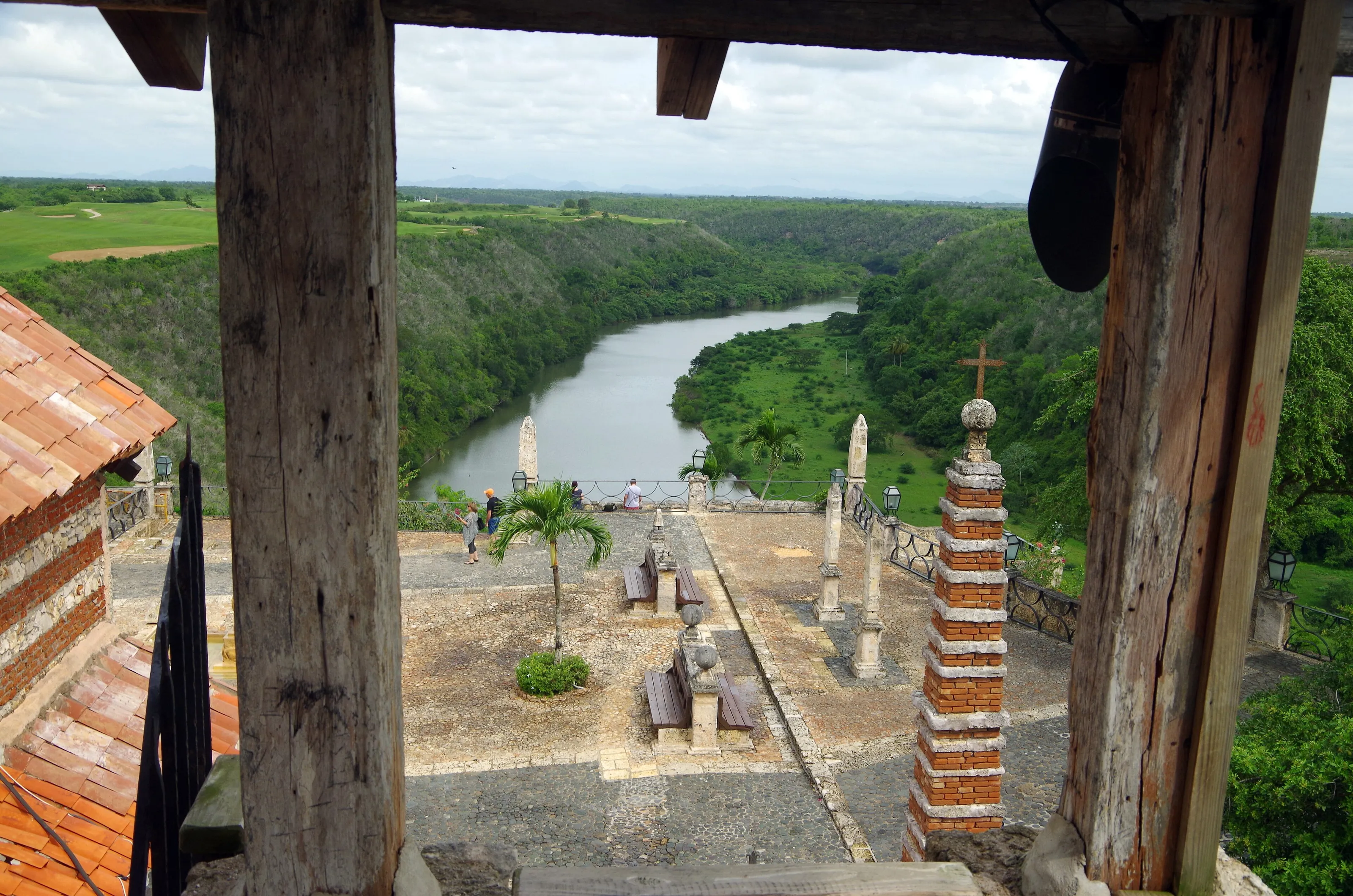
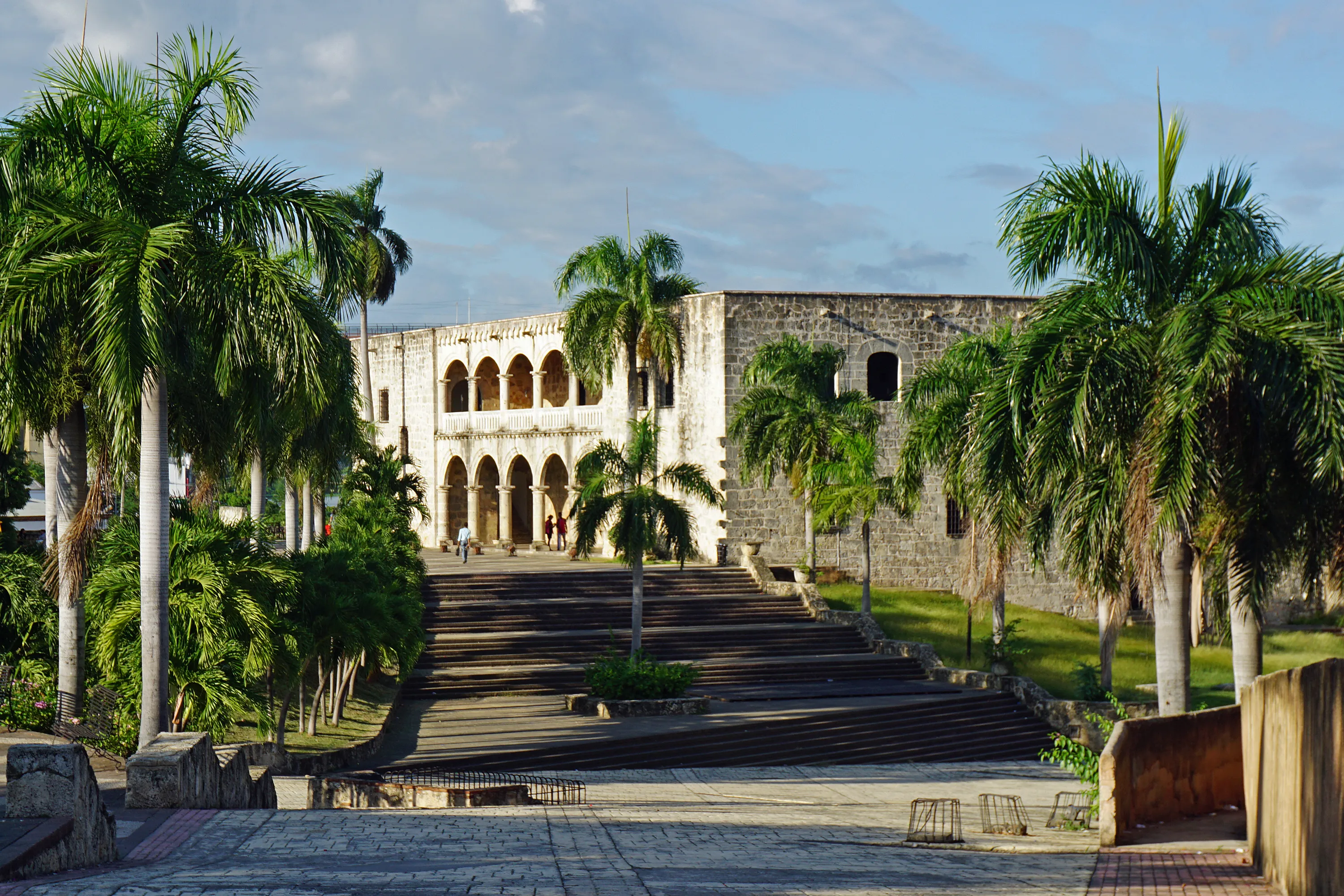
Altos de Chavón is a Mediterranean-style village perched on a cliff above the Chavón River, inside the large Casa de Campo complex, which surrounds it. It was built from 1976 and completed in the early 1980s: it is therefore not an old village but a carefully designed setting, in stone and brick, inspired by European architecture of the 15th and 16th centuries. From its bell towers and terraces, you overlook the river valley, winding through greenery.
The terrace and its fountains
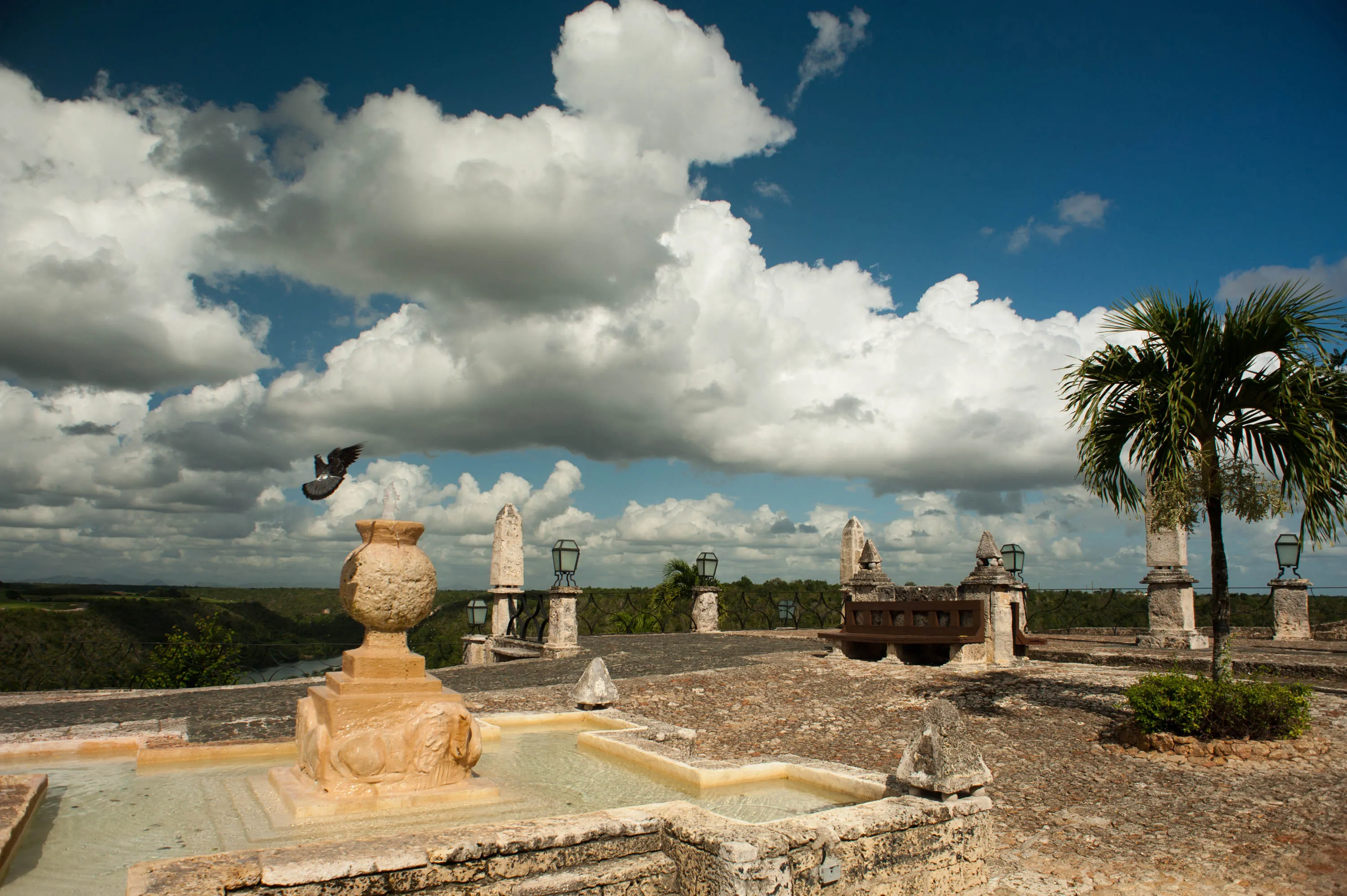
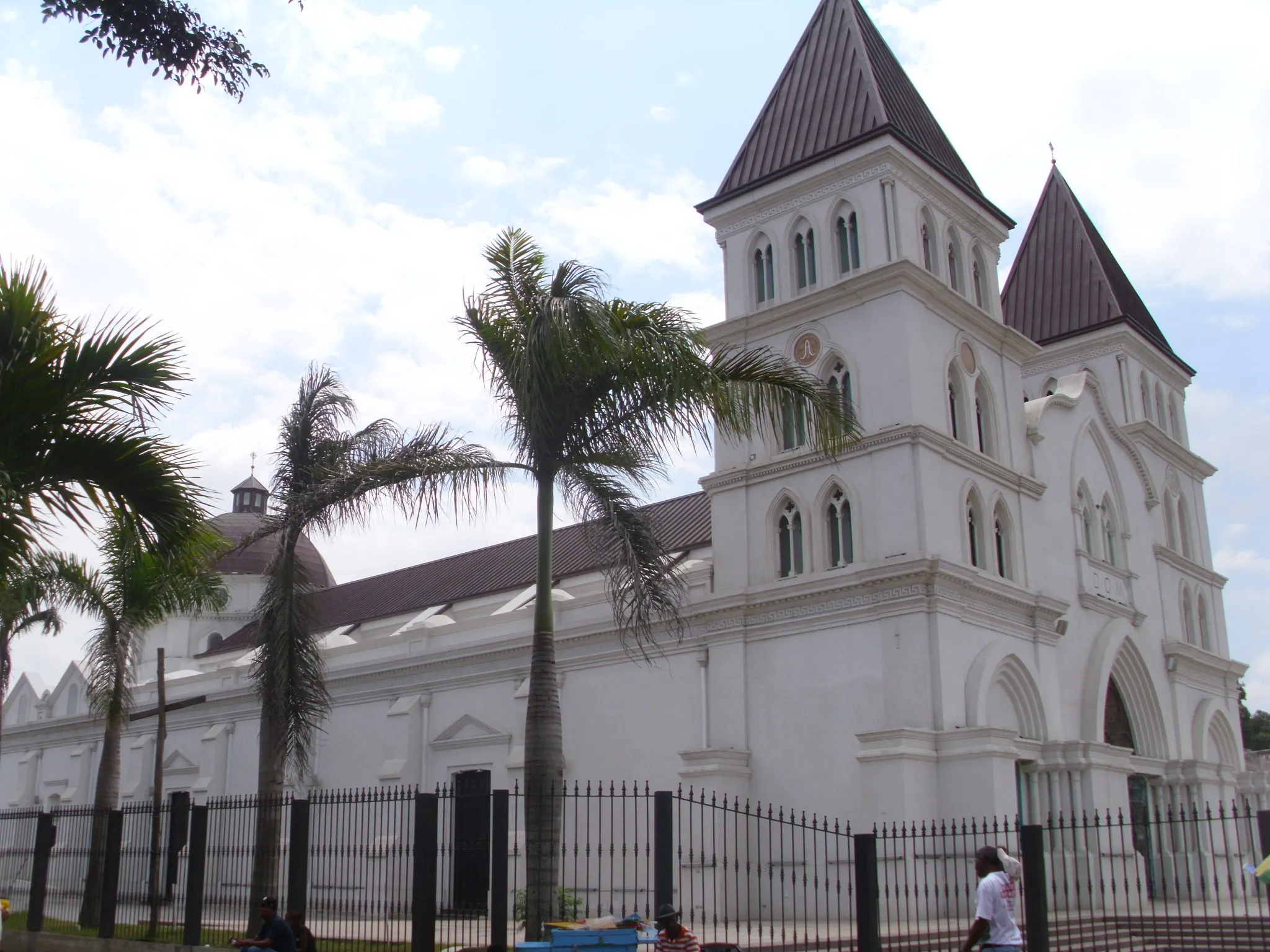
Cobbled lanes, squares, fountains, obelisks and wrought-iron lanterns make a very photogenic ensemble. St Stanislaus church, consecrated in 1979, and craft shops stand alongside galleries and restaurants. Come preferably early in the morning or late afternoon, when the heat eases and the light is softer.
Good to know
As Altos de Chavón lies within a private complex, access and hours may depend on particular conditions: check before going, for example with your accommodation or a local operator.
Panorama
The amphitheatre
The amphitheatre and culture
Concerts, archaeology and design
The amphitheatre
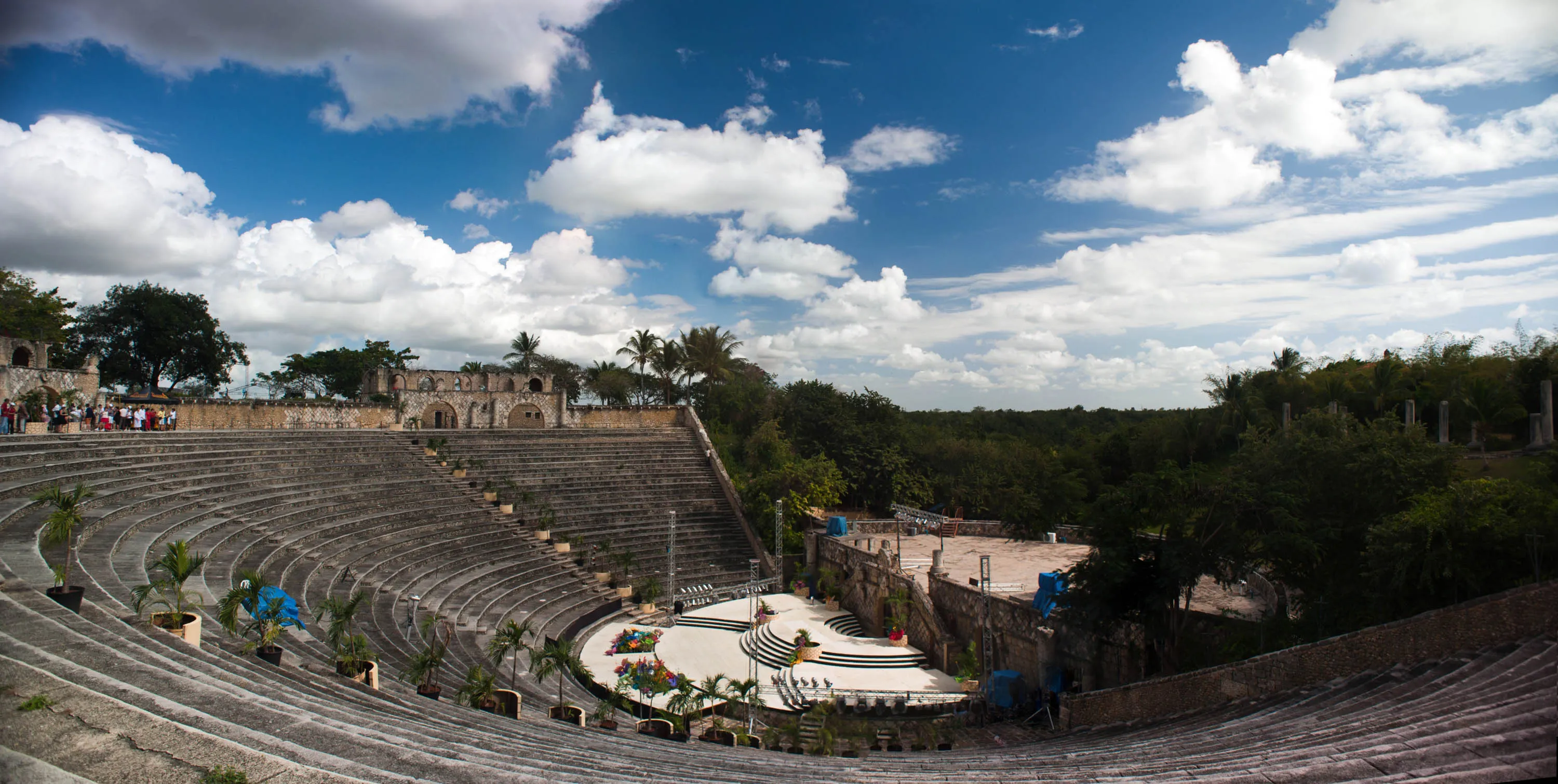
The stone amphitheatre of Altos de Chavón, Roman in inspiration and with about 5,000 seats according to Wikipedia (EN), was inaugurated in August 1982 with a large concert. It has since hosted shows and concerts in a setting open to the greenery; check the programme before coming.
The archaeology museum
The regional archaeology museum of Altos de Chavón presents pre-Columbian objects found in the region, notably Taíno. It is a short but instructive visit, in a village that does not tell the story of La Romana itself. Check days and hours before coming.
Design school and galleries
The village also houses a design school, founded in 1983, and several craft and art galleries. The town of La Romana itself grew up around the sugar industry in the 20th century.
Beaches and excursions
Isla Catalina, Bayahibe and Eastern National Park
Isla Catalina
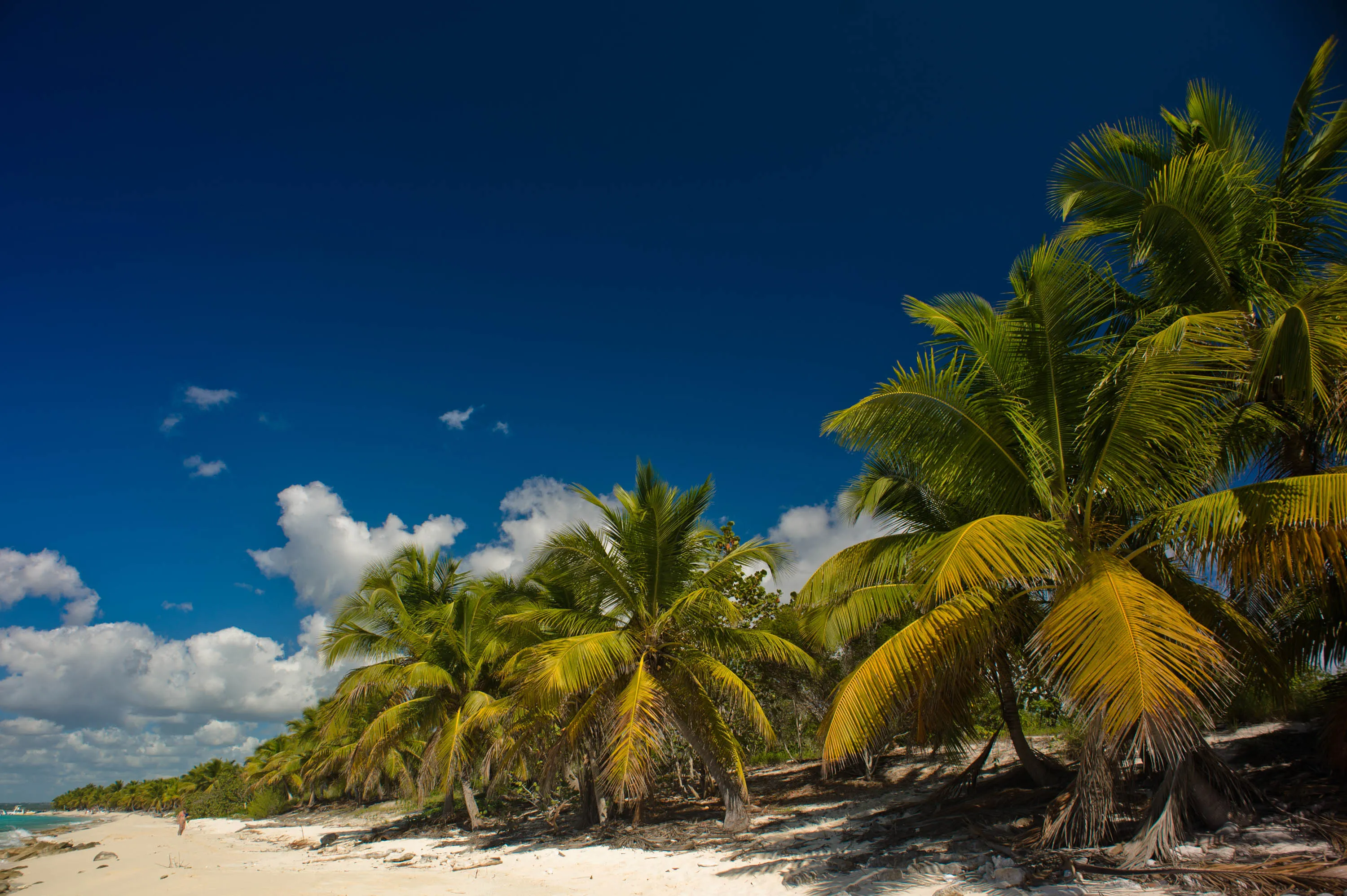
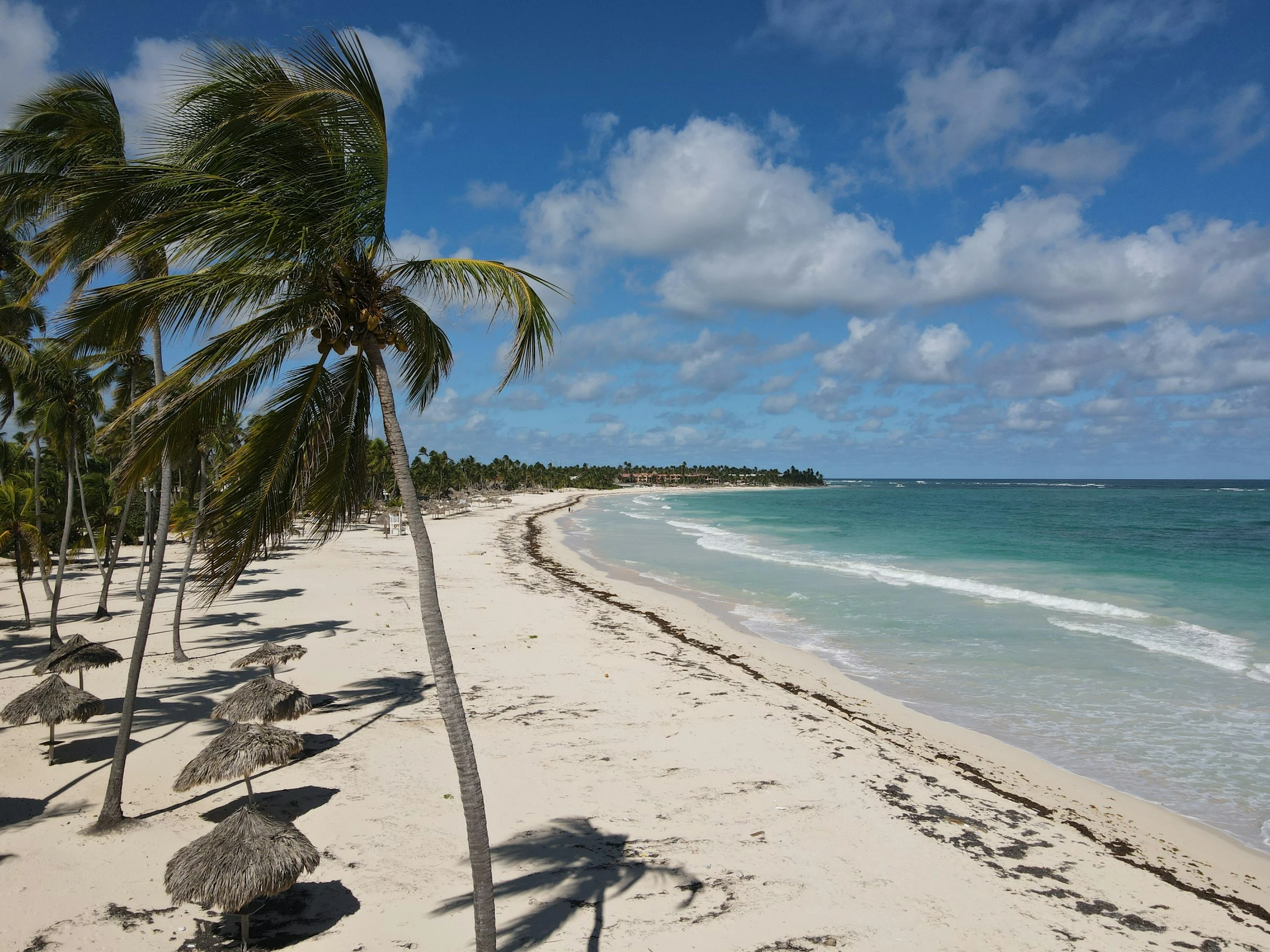
Offshore, Isla Catalina is a small island lined with coconut palms and white sand, very popular for a day trip by boat, with swimming and snorkelling on the reef. La Romana is the town in the region from which Catalina and Saona Island are most easily reached, via the tourist pier in the port; some cruises also call here.
Bayahibe and the Parque Nacional del Este
About 20 to 25 minutes from La Romana, the fishing village of Bayahibe is the departure point for many boat excursions and dives, and the gateway to the Parque Nacional del Este, which includes Saona Island. Beaches there are wilder than at the big resorts; check swimming conditions and the park's protection rules, and book with a reputable operator.
Golf and activities
The region has several golf courses, some by the sea, as well as water sports, diving and snorkelling.
Sargassum
Like other Caribbean coasts, the region can see sargassum washing ashore depending on the year; check before leaving.
Food and drink
Fish, seafood and rum
Fish and seafood
Grilled fish, fried calamari and seafood are the stars, in small seaside restaurants, notably in Bayahibe. Markets and street stalls offer home-style cooking at low prices.
Dominican cooking
La bandera dominicana (rice, red beans and meat), sancocho, tostones and chicharrones are found everywhere, with coffee and tropical fruit.
Drinks
Coconut water, fresh fruit juices and local rum; mamajuana, made with rum, wine and macerated herbs, is worth tasting in small amounts. Drink bottled water.
Getting around
Taxis, guaguas, motoconchos and rental cars
In town and to the sites
Taxis are the simplest way to reach Altos de Chavón, Bayahibe or the beaches; agree the fare before getting in. Guaguas, shared minibuses, are the cheapest way but less practical with luggage.
Motoconchos
Motoconchos, motorbike taxis, are common and very cheap; negotiate the fare, knowing that no insurance covers accidents: best avoided.
Car and roads
A rental car makes excursions easier, but minor roads can have potholes, even dirt stretches, which become difficult in heavy rain.
Budget
A mid-range to high budget depending on accommodation
The price level in La Romana is moderate to high: resort complexes, excursions and the restaurants of Altos de Chavón are priced well above small hotels, markets and local restaurants, which are much cheaper. Compared with Europe, meals at small places and shared transport cost less; we give no figures, as prices vary with the season.
To keep costs down, stay in a local hotel rather than a resort, eat in markets and small restaurants, and carry Dominican pesos in cash for transport and purchases.
The plane ticket remains the most variable part of a trip. SniperAir tracks flights to LRM and compares them with the route's price history.
When to go
When to go to La Romana?
Winter
Dry and busiest season: fine weather for beaches and excursions, but higher prices.
Spring
Growing heat; sargassum can wash up on some beaches, with strong variation from year to year.
Summer
Hot and humid, frequent storms and hurricane risk from June to November; fewer people and often lower prices.
Autumn
The rainy and hurricane season winds down, then dry weather returns gradually towards high season.
The climate is tropical, hot and humid all year, with a drier season from about December to April and more frequent rain from May to November. The sea is warm all year, and days can be very hot: water, a hat and sunscreen are essential, as is mosquito protection.
The coast lies on the track of Atlantic hurricanes, from about June to November: follow official bulletins and consider flexible cancellation insurance.
By length of stay
What to do in La Romana by length of stay
The essentials
Altos de Chavón, its amphitheatre and museum, with a meal by the river.
Beach and sea
An excursion to Isla Catalina or Bayahibe, diving or snorkelling.
The region
A day on Saona Island, a trip to Punta Cana or Santo Domingo.
In pictures
La Romana in pictures
You might also like
Similar destinations
FAQ
Frequently asked questions about flights to La Romana
Which airport for La Romana and how long is the transfer?
La Romana airport (LRM) serves the city with limited flight choice. Many travellers land at Punta Cana (PUJ), about 45 minutes by road, or Santo Domingo (SDQ), about an hour and a half. Compare fares before choosing.
What is the best time to visit La Romana?
From about December to April, the dry season is the most pleasant but also the busiest. From May to November it is hotter and more humid, with a risk of hurricanes from June to November.
Is La Romana expensive?
The price level is moderate to high: resorts and excursions are costly, small places and shared transport are more affordable. Prices vary with the season.
How long should I stay in La Romana?
One day is enough for Altos de Chavón; two to three days let you add Isla Catalina and Bayahibe.
How do I get around La Romana?
By taxi (agree the fare), guagua or rental car; motoconchos are not insured. For safety, check the official recommendations of your country of residence.
What should I eat in La Romana?
Grilled fish, fried calamari and seafood, la bandera dominicana, sancocho and tostones, with coconut water, local rum and mamajuana.
How much does a flight to La Romana usually cost?
The price depends mainly on your departure city, the period and the booking date. The "opportunities" section above shows real examples of prices already detected by SniperAir for this destination.
How do I get alerted when a flight to La Romana drops below my budget?
Create an alert profile with your departure airport, {n} as the destination and your maximum budget. You are notified automatically as soon as a matching fare is detected.
Ready to head to La Romana?
Set your budget and let SniperAir monitor fares for you.
Create my alert