
Cheap flights to San Juan
Set your departure airport and maximum budget: SniperAir tracks prices to San Juan and alerts you the moment a deal matching your criteria appears.
Quick summary
Country
Puerto Rico
Continent
North America
Airport
SJU
Currency
US dollar (USD)
Time zone
UTC-4
Deals already spotted to San Juan
Real flight examples detected by SniperAir, with their reference price.
Loading examples…
Why track San Juan with SniperAir
You do not need to compare prices every day
Choose your departure
Enter your departure airport and your maximum budget for a flight to San Juan (SJU).
SniperAir keeps watch
Our systems continuously compare new prices with the route's real history. SniperAir monitors prices and alerts you: it does not sell or book tickets.
You receive an alert
As soon as a price matches your criteria you are notified, without having searched for anything yourself.
Airport and getting into town
A major airport in Isla Verde, about ten kilometres from the old town
Luis Muñoz Marín (SJU)
Luis Muñoz Marín International Airport is the main airport of Puerto Rico. It stands in the beachfront district of Isla Verde, within the neighbouring municipality of Carolina, according to Wikipedia (EN, FR). The distance to the centre depends on the reference point: Wikipedia (EN) gives roughly 6 to 11 km east of Condado, Hato Rey and Old San Juan, Wikipedia (DE) about 12 km east of the centre of San Juan, and Wikivoyage (EN) about 14 km. Plan on about ten kilometres.
Distances are approximate and differ between sources (Wikipedia EN, FR, DE; Wikivoyage EN, FR); check the journey before you travel. We do not quote exact fares.
A taxi is the simplest way into town. Wikivoyage (EN and FR) mentions about twenty dollars to the centre or a cruise pier, with fixed fares by zone and a small extra charge per bag in the English version. The main car rental companies have desks at the airport. A public bus runs to Río Piedras, but it suits travellers with heavy luggage poorly.
A second airport, Fernando Luis Ribas Dominicci (SIG) at Isla Grande, serves only Puerto Rico's smaller islands, notably Vieques and Culebra (Wikivoyage EN). For a flight from abroad, SJU is the airport to watch.
San Juan is the capital and largest city of Puerto Rico. Founded in the early sixteenth century, it is among the oldest cities in the Americas: the first settlement, Caparra, dates from 1508, and the town moved in 1521 to the islet where Old San Juan stands today (Wikipedia FR, DE, ES; Wikivoyage EN). Because Puerto Rico is a US territory, entry rules generally follow US requirements: check them on official websites for your nationality.
Landmarks and sights
Forts, ramparts and colourful districts of a fortified city
San Juan is best explored in two steps: Old San Juan, a small islet of cobbled streets and fortifications, then the districts that stretch east, Puerta de Tierra, Condado, Santurce and their beaches. The places below are illustrated; more are described at the end of the section.
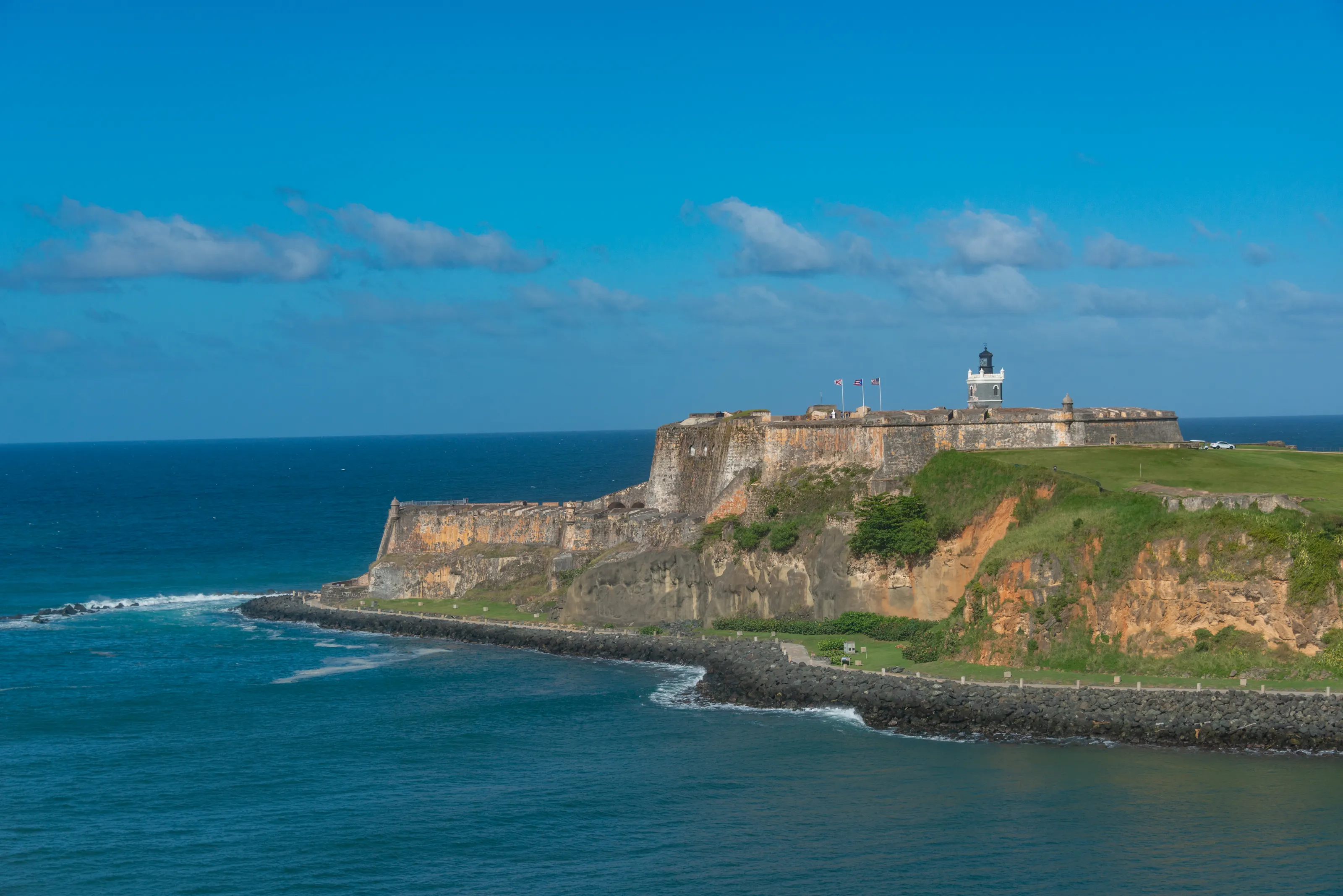
El Morro, the citadel guarding the harbour
The Castillo San Felipe del Morro, a sixteenth-century citadel, occupies the north-western tip of the islet and commands the entrance to the bay. It is part of the San Juan National Historic Site, listed by UNESCO in 1983 according to Wikivoyage (EN and FR). In front of the fort lies a broad, windy esplanade that locals use for flying kites.
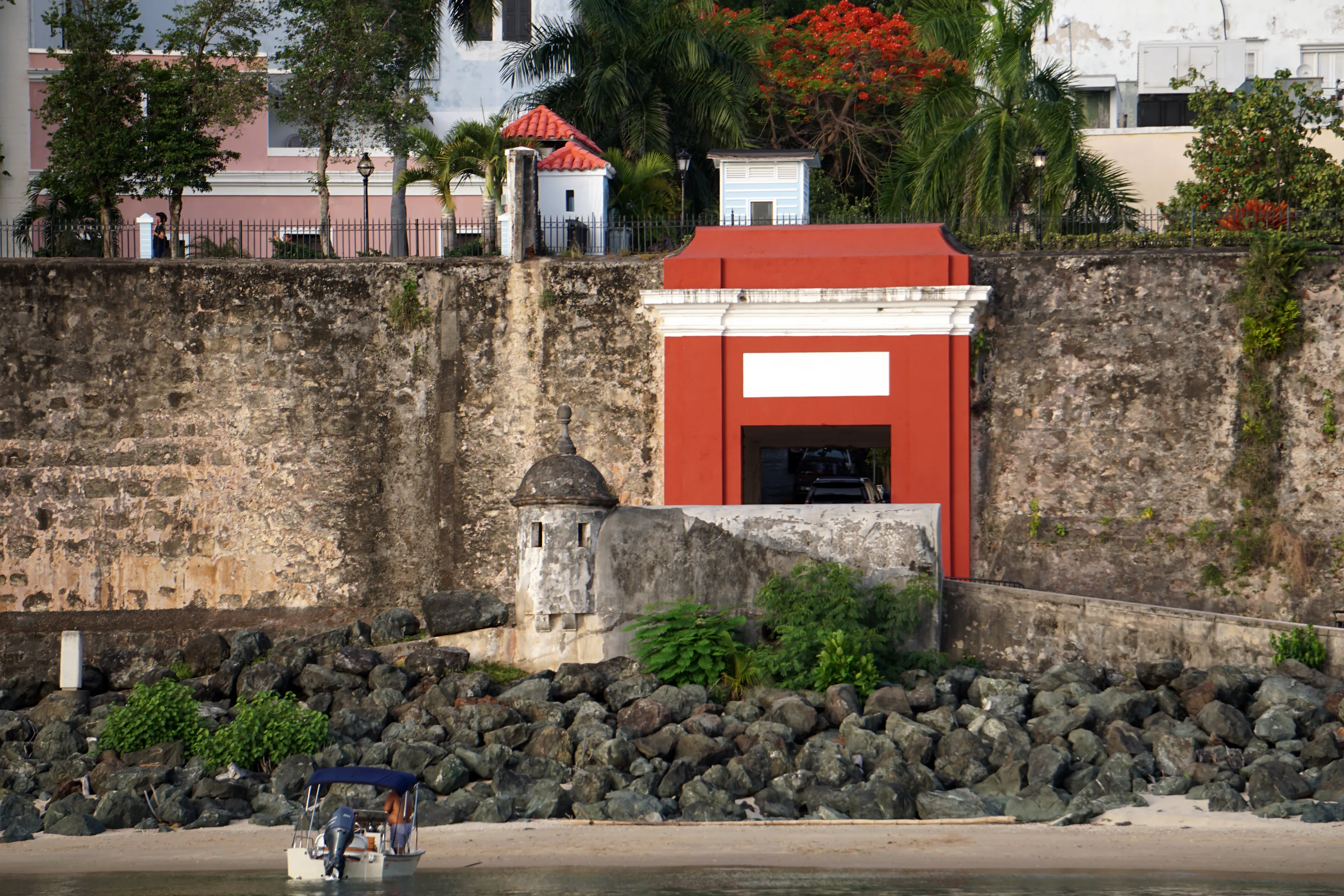
The San Juan Gate and the city walls
The San Juan Gate, at the end of Caleta de San Juan, is the traditional entrance to the city (Wikivoyage EN). The walls follow the outline of the peninsula and offer fine views over the bay (Wikivoyage DE). The fortifications protected the city from British and Dutch attacks: in 1595 Francis Drake's fleet was beaten off in the bay (Wikipedia FR).
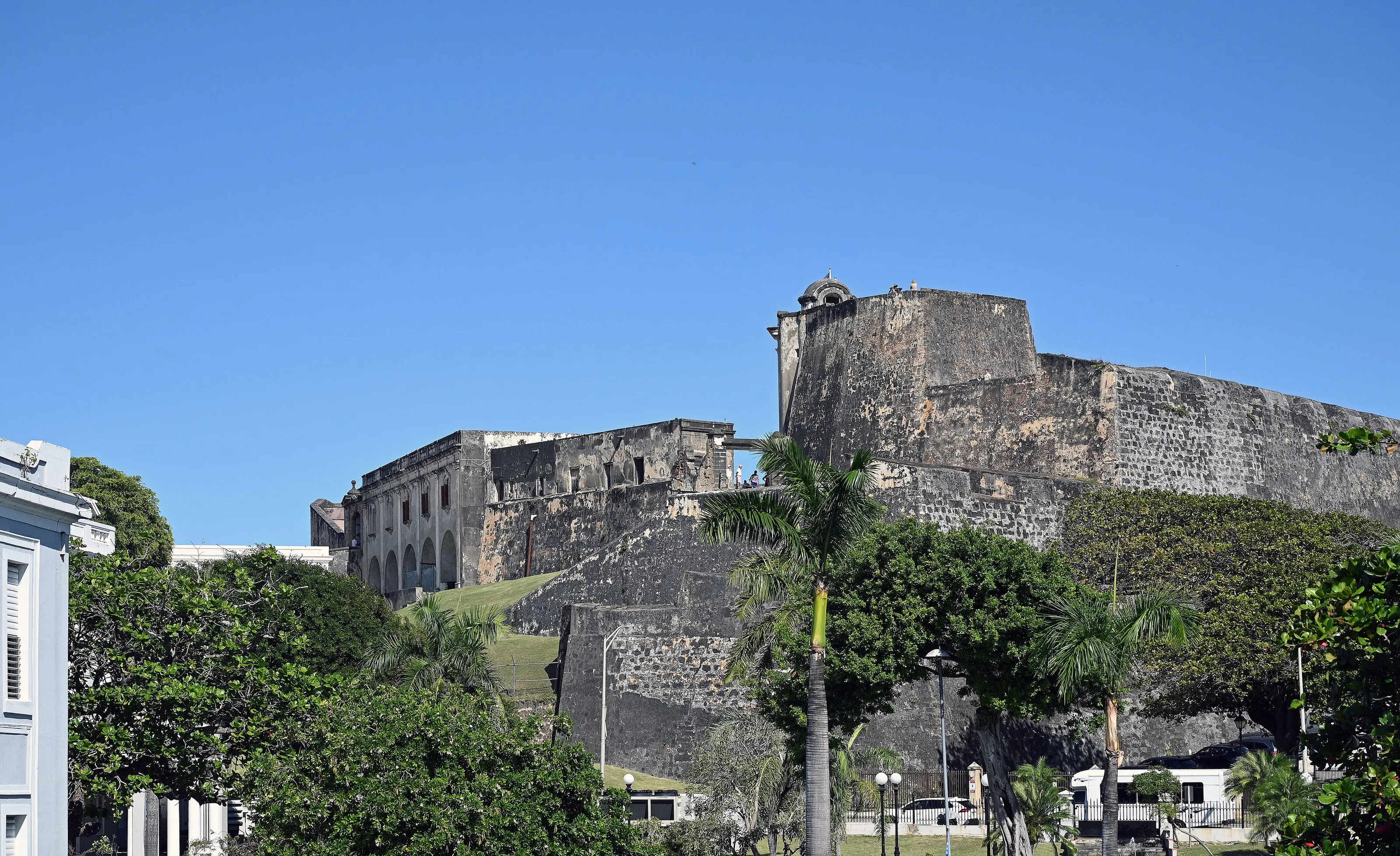
San Cristóbal, the fortress against land attack
Castillo de San Cristóbal is one of the largest Spanish fortresses in the New World according to Wikivoyage (EN); it was built to defend the city against attacks from the landward side. One ticket covers both forts on the same day, say Wikivoyage (EN and FR). Allow at least an hour for each fort.
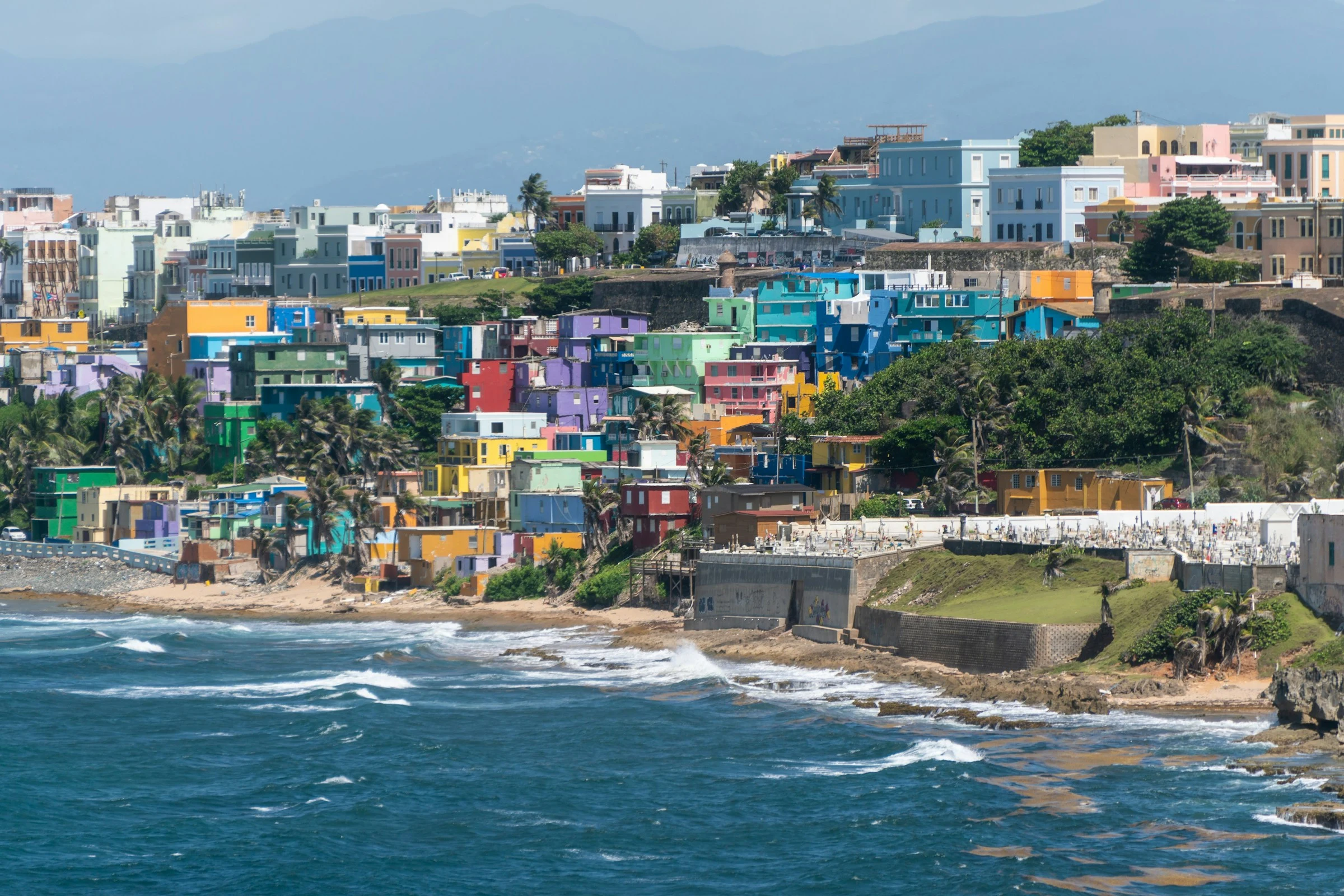
La Perla, façades in every colour
Below the walls of Old San Juan, right on the ocean, the La Perla district spreads out houses painted blue, green, red and yellow. It is best admired from a distance, from the ramparts and the fortifications.
The Capitol and Puerta de Tierra
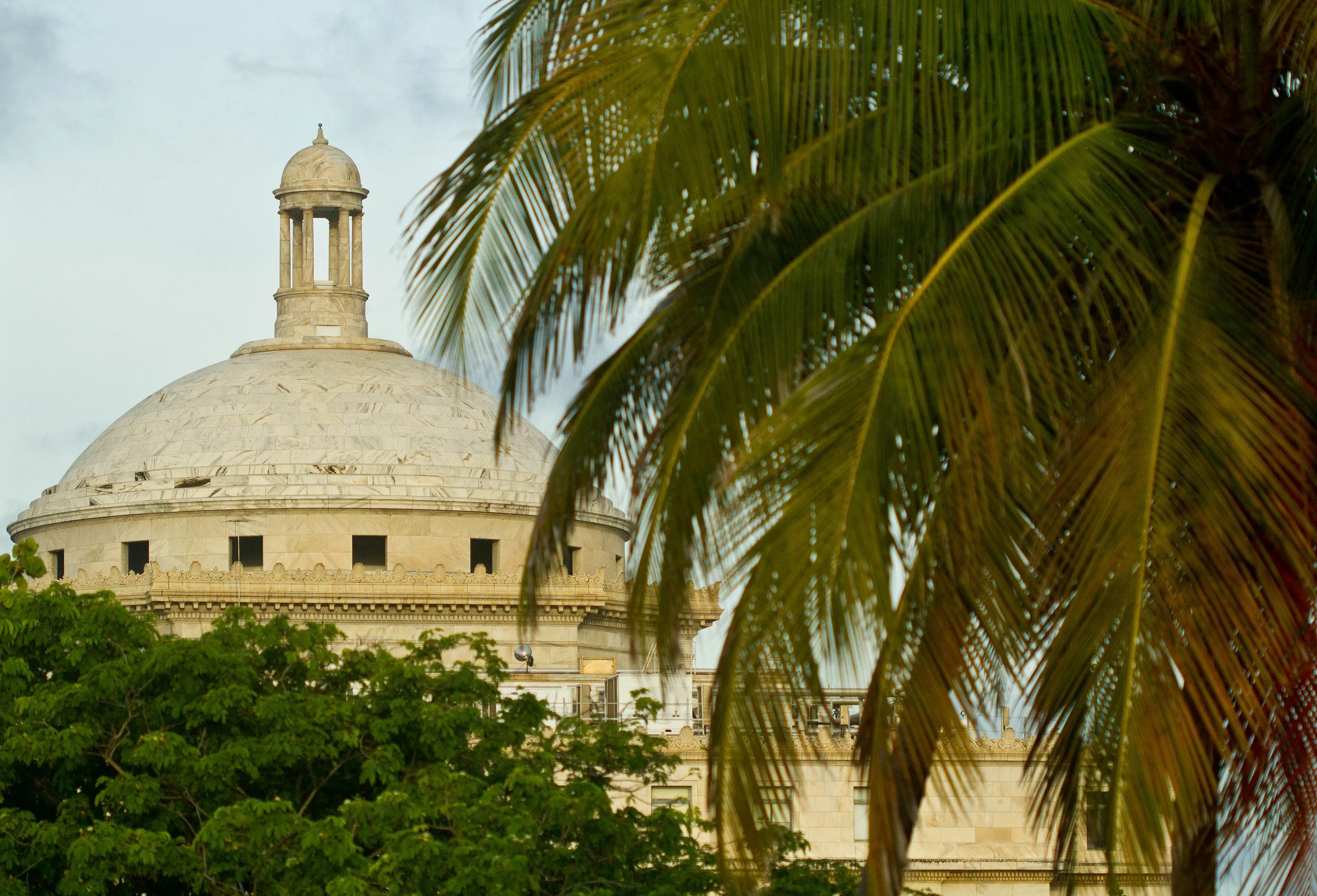
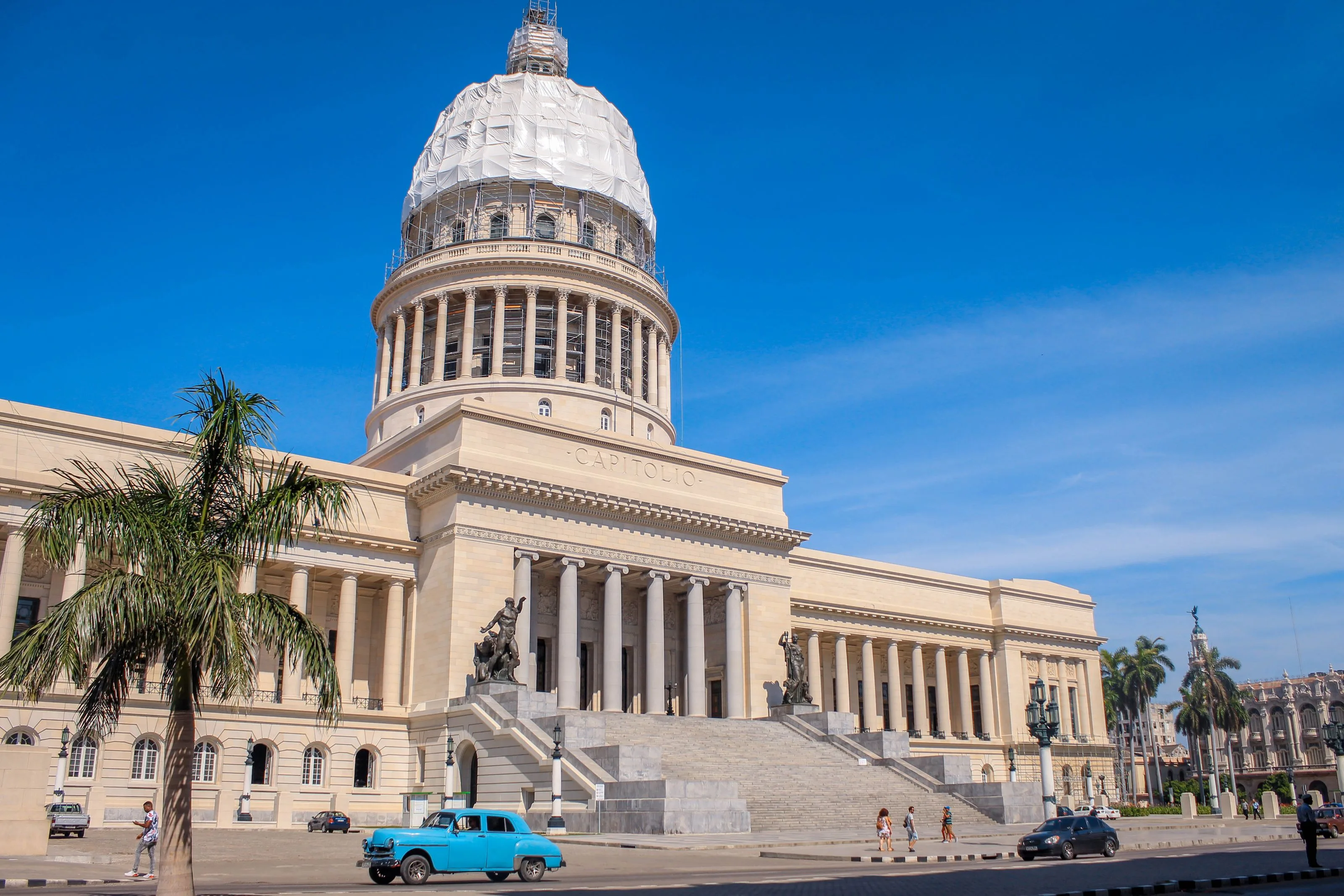
In Puerta de Tierra, just east of Old San Juan, the Capitol, a marble building crowned by an imposing dome, is one of the territorial government buildings (Wikivoyage EN and FR). The district also has several parks and the Escambrón public beach, a family-friendly strand sheltered from the waves by a reef.
Condado, city beaches and hotels
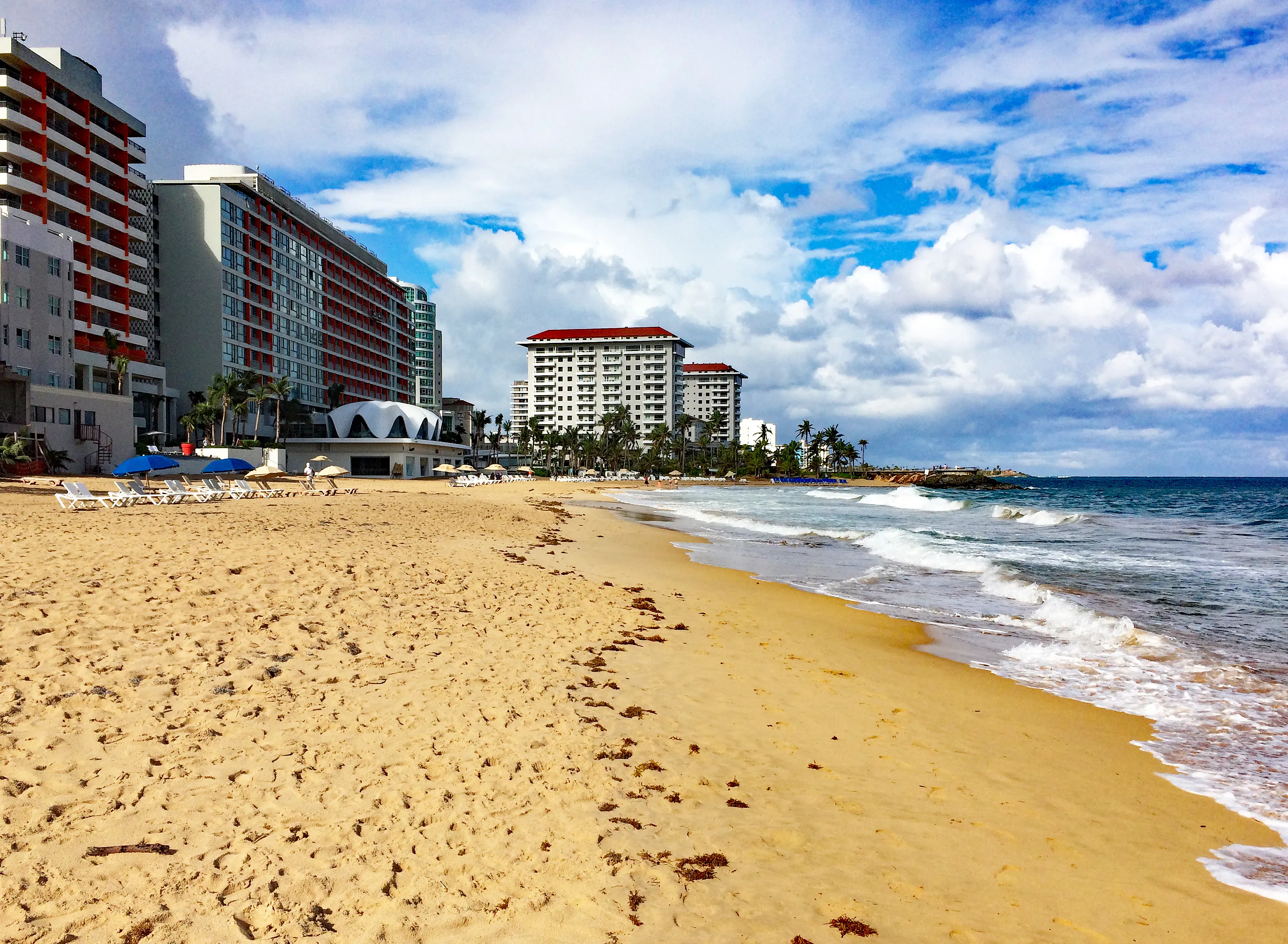
East of the islet, Condado is a middle-to-upscale beach district along Ashford Avenue, with hotels, restaurants and a beach (Wikivoyage EN). Further east, Ocean Park and Isla Verde continue the coastline. Waves can be strong on some days: follow the flags and local advice.
The cathedral and the churches
San Juan Bautista Cathedral, begun in the 1520s, wrecked by a hurricane and rebuilt in 1540, holds the tomb of Juan Ponce de León (Wikivoyage EN and FR). San José Church, from 1523, is the second oldest church in continuous use in the New World according to Wikivoyage (EN).
La Fortaleza and the city hall
La Fortaleza, built between 1533 and 1540, is the official residence of the governor and the oldest executive mansion in the New World according to Wikivoyage (EN); it is part of the listed historic site. The city hall (Alcaldía), dating from 1602, lines Plaza de Armas.
Casa Estrecha and the garita
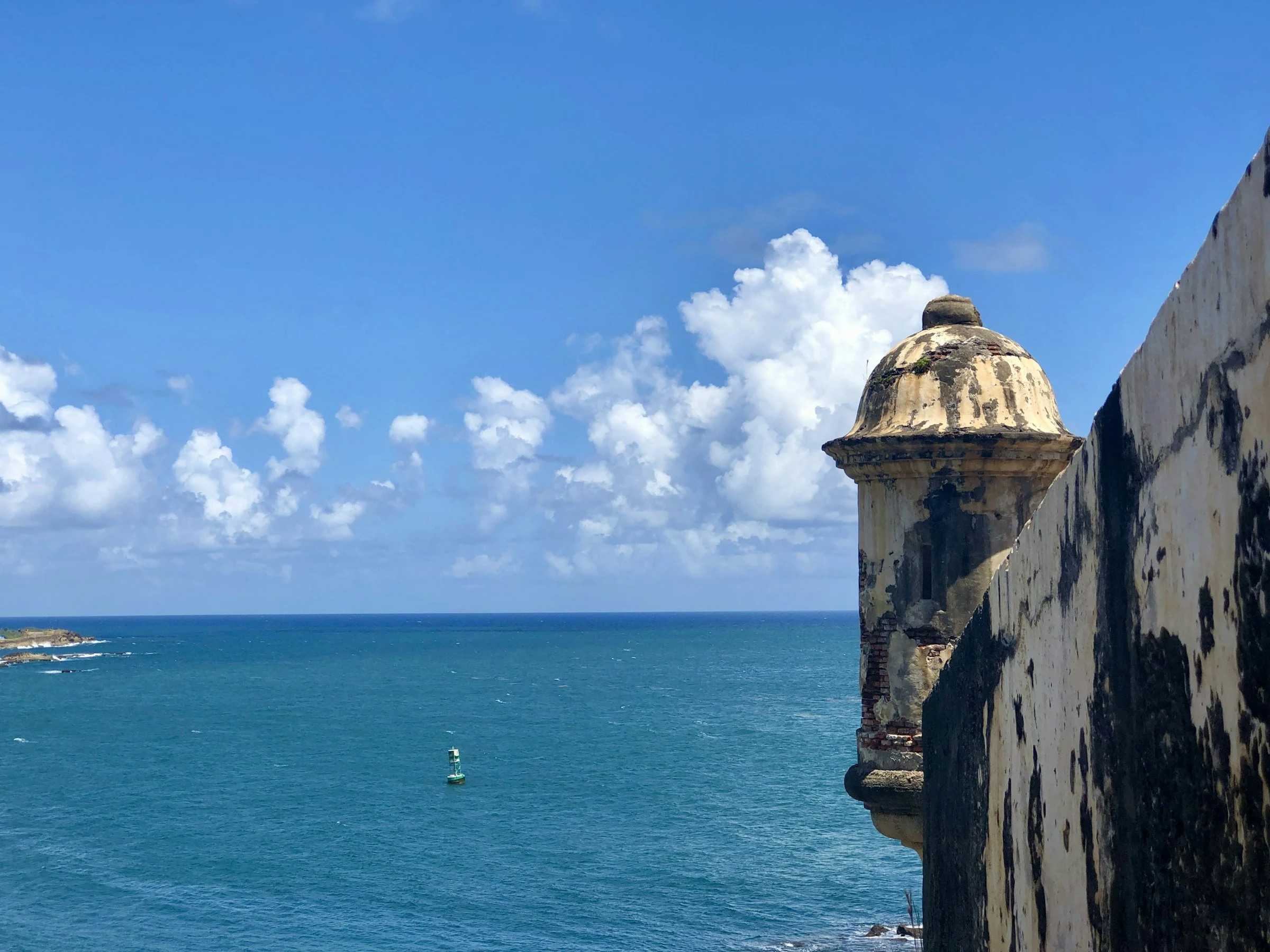
On Calle Tetuán, the Casa Estrecha, a house barely 1.5 metres wide squeezed into a former alley, is easy to miss: look for its yellow and green front (Wikivoyage EN). The garita, a stone sentry box on the ramparts, has become a symbol of Puerto Rico and Old San Juan according to Wikipedia (ES).
Museums and culture
Puerto Rican art, colonial history and rare books
San Juan has history museums in the colonial buildings of Old San Juan and a major art museum in Santurce. Here are the main ones; always check opening hours and prices before you go, as we do not quote fares.
Museo de Arte de Puerto Rico
In Santurce, it is described by Wikivoyage (EN) as the island's most important gallery, opened in 2000, with a sculpture garden. It presents Puerto Rican artistic heritage from the colonial past to contemporary art.
Casa Blanca
This house at the western end of Calle San Sebastián was the family home of Ponce de León and is now a museum (Wikivoyage EN).
Museo de las Américas and Museo de San Juan
The first occupies the Ballajá Barracks, completed in 1863, and shows objects and artworks from the Americas; the second tells the story of the city (Wikivoyage EN, FR).
La Casa del Libro
This small museum on Calle del Cristo holds nearly five thousand early books and manuscripts, some from the fifteenth century, and two royal mandates linked to Columbus's second voyage (Wikivoyage EN).
Festivals and music
Culture in San Juan blends Spanish, African and Taíno heritage (Wikivoyage EN). Nightlife is concentrated in La Placita de Santurce and Old San Juan, where bars and clubs stay open late. Wikipedia (FR) also mentions the Casals Festival of Puerto Rico.
Food and drink
Mofongo, lechón and mountain coffee
The specialities
Puerto Rican cooking is the thing to try in San Juan: mofongo (mashed fried plantain, often flavoured with garlic), tostones, alcapurrias, pasteles and roast lechón. Pastelitos, small savoury pastries, are sold in bakeries along with the cafecito, the local coffee served at any hour (Wikivoyage EN).
Districts and markets
Old San Juan has the densest choice of restaurants and cafés; Santurce and Ocean Park, around Calle Loíza, have seen many openings in recent years (Wikivoyage EN). In Río Piedras, a covered market and a farmers' market, the plaza del mercado, offer a different atmosphere (Wikivoyage FR).
Drinks
Rum is central to the island's cocktails. Beyond cocktails, try mountain coffee and tropical fruit juices. We do not recommend specific addresses: ask your host for advice.
Getting around
On foot in Old San Juan, plus buses, metro and ferry
On foot
Old San Juan is a walking district: cobbled streets, narrow and steep, sometimes slippery after a shower, and very sunny in the afternoon. Wear good shoes and protect yourself from the sun (Wikivoyage EN, FR). Traffic is slow and parking nearly impossible, so it is better to leave a car in a harbour car park.
Buses and metro
The bus costs about 75 cents according to Wikivoyage (EN and FR), payable in coins. Service can be irregular, stops around 8 or 9 in the evening and is thin on Sundays. Routes T3, T5 and T9 end at the Covadonga terminal at the entrance to Old San Juan (Wikivoyage EN). The Tren Urbano, a metro of about 17 km, links Bayamón and Sagrado Corazón (Wikipedia FR, DE) but does not serve Old San Juan.
Ferry, taxi and car
A ferry links Cataño and San Juan in 12 to 15 minutes according to Wikivoyage (DE). The free trolley of Old San Juan is reported as suspended by Wikivoyage (EN), while other guides still describe it: check before relying on it. To explore the rest of the island a rental car remains the most practical choice; traffic drives on the right.
Budget and precautions
Prices close to those of the US mainland
Price level
San Juan is a mid-range to expensive destination, with a big gap between beachfront hotels in Condado and Isla Verde and guesthouses or apartments. The currency is the US dollar and cards are accepted almost everywhere. We do not quote price ranges because we could not cross-check them on two independent sources.
Flights
The flight is the most variable part of the budget. SniperAir monitors prices to SJU and compares them with the route's history, but it does not sell or book tickets.
Safety and hurricanes
Wikivoyage (FR) describes the tourist areas (Old San Juan, Condado, Isla Verde) as very safe, with visible police presence, while Wikivoyage (EN) advises caution in some parts of Puerta de Tierra; also read your own government's travel advice. The Atlantic hurricane season runs from June to November: watch forecasts, keep your dates flexible and consider travel insurance. After a major storm, some sites may stay closed.
When to go
December to April for the driest weather
December to February
Warm but pleasant days and drier weather; this is the high season, so book accommodation early.
March to May
The dry period ends in March and April; afternoon showers become gradually more frequent.
June to August
Marked heat and humidity with afternoon thunderstorms; the Atlantic hurricane season begins in June.
September to November
Still hot and wet, with a risk of tropical storms until November; visitor numbers fall.
San Juan has a tropical climate. According to Wikivoyage (EN), afternoon thunderstorms and showers are frequent from April to November, and tropical storms or hurricanes can occur from July to November; the official Atlantic hurricane season begins in June. Summer is very humid. We do not give precise temperature averages because our sources could not be cross-checked.
By length of stay
What to do in San Juan depending on how long you stay
The essentials
A day in Old San Juan with El Morro and San Cristóbal, an evening in Santurce and half a day on the beach at Condado or Escambrón.
Museums and districts
The art museum in Santurce, Casa Blanca, Ocean Park and Isla Verde, plus a day trip to El Yunque, about an hour to the east.
Beyond San Juan
A week lets you combine the capital with the west coast, the south or a stay on Vieques or Culebra, reached from Fajardo or Isla Grande.
In pictures
San Juan in pictures
You might also like
Similar destinations
FAQ
Frequently asked questions about flights to San Juan
How do I get from San Juan airport to Old San Juan?
Luis Muñoz Marín airport (SJU) is in Isla Verde, about ten kilometres away. A taxi is the simplest option, with fixed fares by zone according to Wikivoyage. The main car rental companies have desks at the airport.
What should I see in San Juan?
El Morro and San Cristóbal forts, the San Juan Gate, the cathedral, La Fortaleza, the Capitol, the La Perla district and the beaches of Condado, Isla Verde and Escambrón.
When is the best time to visit San Juan?
From December to April, when the weather is driest. The Atlantic hurricane season runs from June to November: watch forecasts and keep your dates flexible.
Is San Juan safe?
Tourist areas such as Old San Juan, Condado and Isla Verde are described as safe by Wikivoyage (FR), but some parts of Puerta de Tierra call for caution. Read your own government's travel advice.
Do I need a car in San Juan?
Not in Old San Juan, where parking is very difficult. To explore the rest of the island, though, a rental car is the most practical option.
What should I eat in San Juan?
Mofongo, tostones, alcapurrias, pasteles and lechón, with a cafecito or a rum cocktail.
How much does a flight to San Juan usually cost?
The price depends mainly on your departure city, the season and how far ahead you book. The "opportunities" section above shows real examples of prices already detected by SniperAir to this destination.
How do I get alerted when a flight to San Juan falls below my budget?
Create an alert profile with your departure airport, San Juan as the destination and your maximum budget. You are notified automatically as soon as a matching price is detected.
Ready to head to San Juan?
Set your budget and let SniperAir monitor fares for you.
Create my alert