
Cheap flights to Adelaide
Set your departure airport and maximum budget: SniperAir tracks prices to Adelaide and alerts you the moment a deal matching your criteria appears.
Quick summary
Country
Australia
Continent
Oceania
Airport
ADL
Currency
Australian dollar
Time zone
UTC+9:30 (UTC+10:30 during austral daylight saving time)
Deals already spotted to Adelaide
Real flight examples detected by SniperAir, with their reference price.
Loading examples…
Why track Adelaide with SniperAir
You do not need to compare prices every day
Choose your departure
Enter your departure airport and your maximum budget for a flight to Adelaide (ADL).
SniperAir watches
Our systems continuously compare new fares with the route's real price history. SniperAir tracks prices and alerts you: it does not sell or book tickets.
You receive an alert
As soon as a fare matches your criteria, you are notified, without having searched for anything yourself.
Airport and getting into town
An airport about 7 to 8 km west of the centre, with no train: bus, shuttle or taxi
Adelaide (ADL)
Adelaide Airport is at West Beach, about 7 to 8 km west of the city centre. There is no train: buses link the airport to the centre in a little under half an hour, taxis and ride-hailing usually take 15 to 25 minutes depending on traffic, and door-to-door shuttles complete the offer. From Europe, the journey almost always involves at least one connection, often through a large Australian or Asian hub.
Distances and times are approximate, cross-checked on Wikipedia (FR, EN, DE, ES) and Wikivoyage; they vary with traffic. Fares are not given because they change.
Adelaide is the capital of South Australia and the fifth-largest city in the country: a little over 1.3 million people in the metropolitan area according to recent censuses. The city is ringed by parkland (the Adelaide Park Lands), stretches between the Gulf St Vincent and the Mount Lofty hills, and its centre is very easy to explore on foot.
Landmarks
A city of parks on the Torrens and the gateway to Kangaroo Island
Adelaide is a quiet city on a grid of streets, built along a river. The centre is organised around North Terrace, with its nineteenth-century public buildings, the pedestrian Rundle Mall and the Central Market; the park belt and the River Torrens act as its lungs. The places below come with photos; the other stops on your trip are described in text.
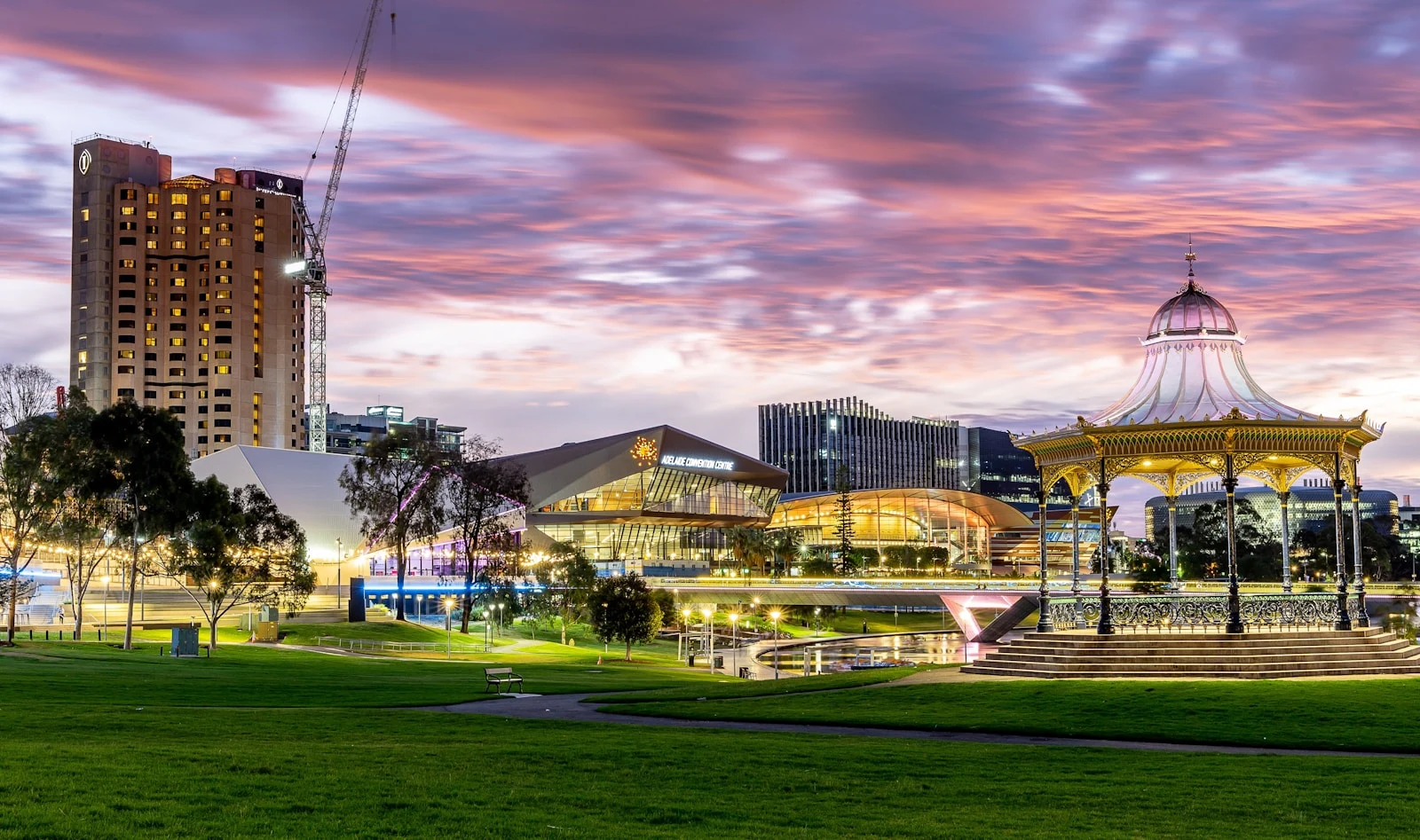
Elder Park and the River Torrens
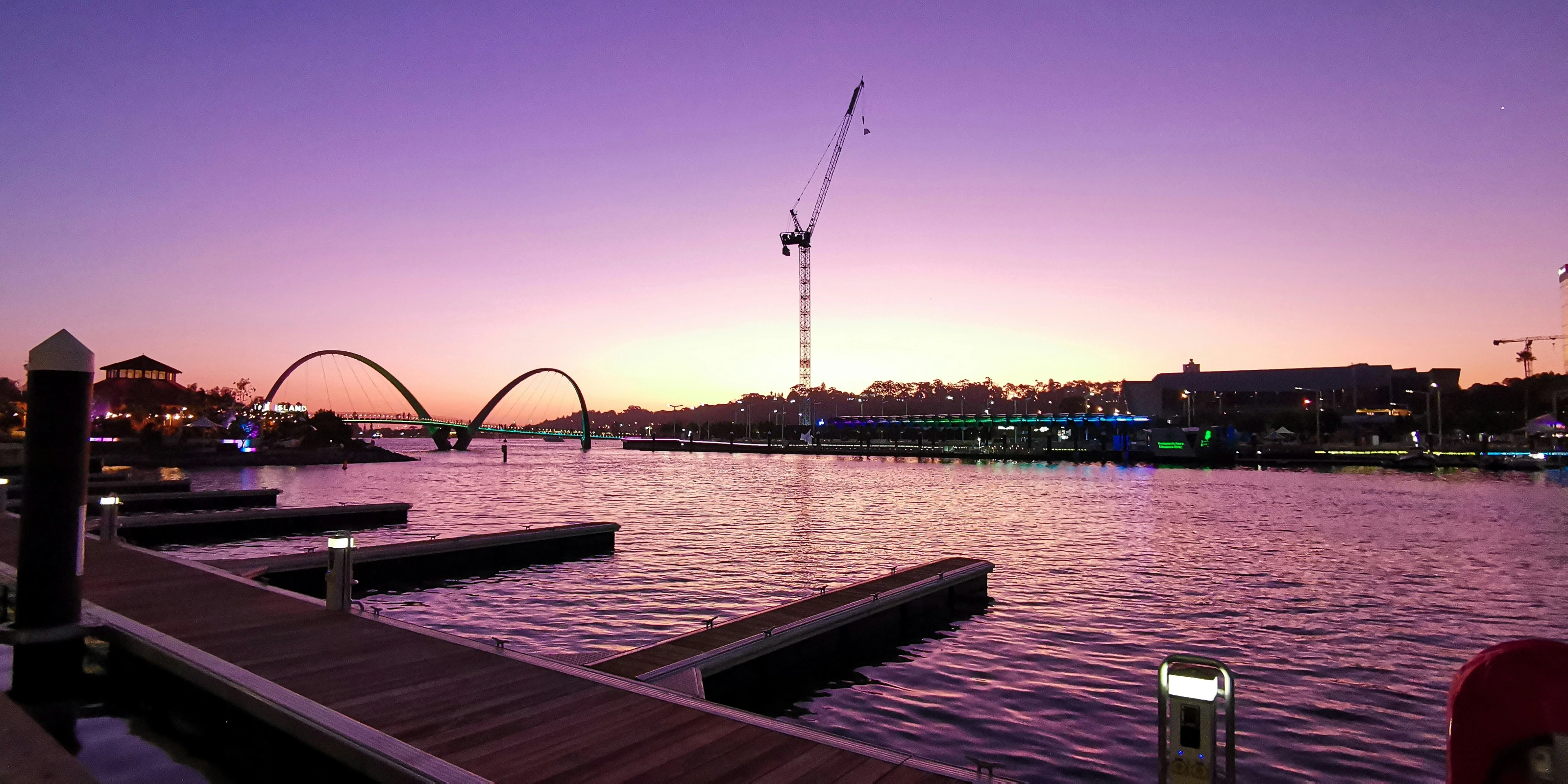
On the banks of the Torrens, Elder Park is the city-centre park where people stroll, picnic and take a boat on the river. Its old wrought-iron rotunda stands out at dusk against the modern buildings of the convention district. The footbridge across the river links the centre with Adelaide Oval.
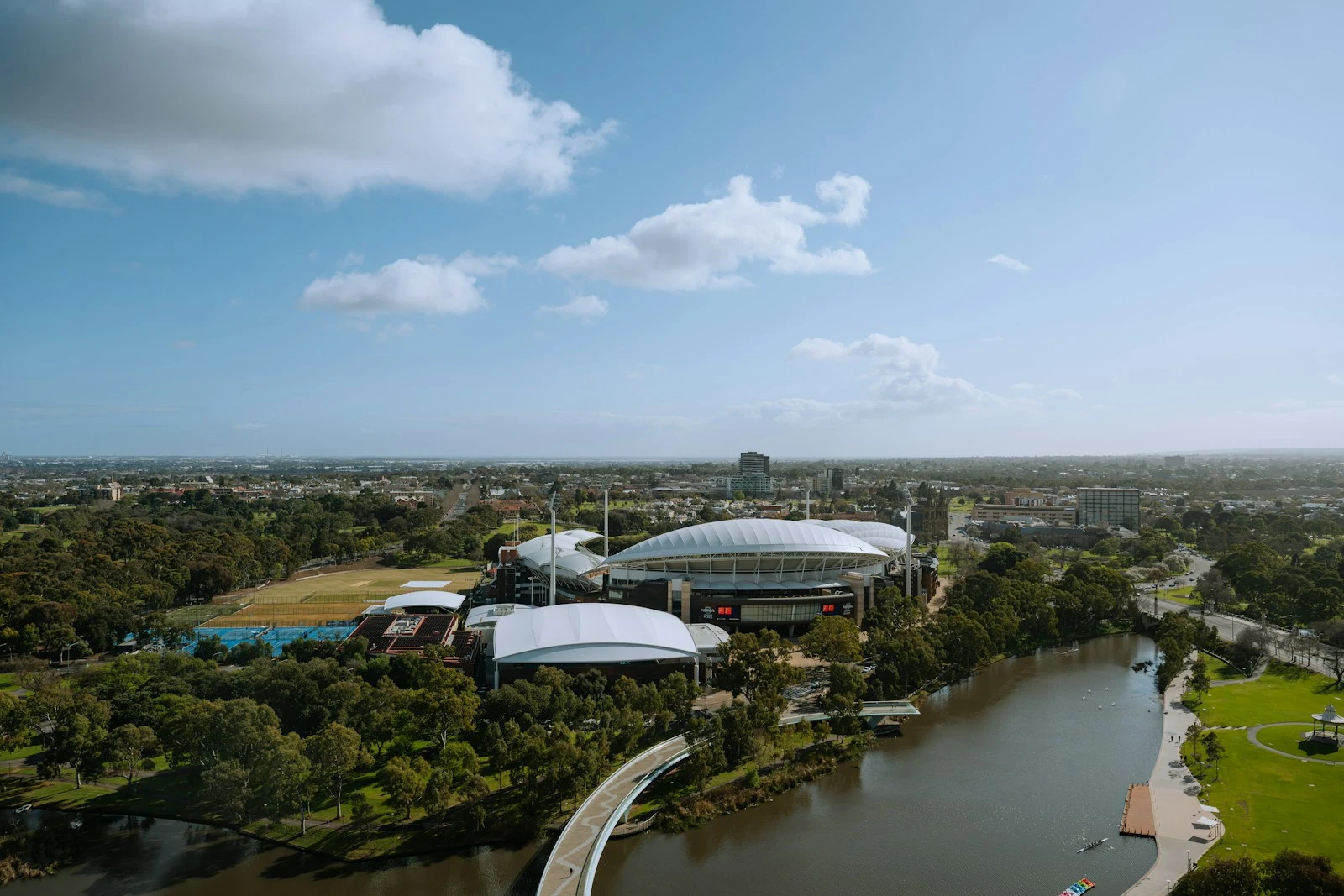
Adelaide Oval
Adelaide Oval is a cricket and Australian football stadium on the riverbank, a short walk from the centre over the Torrens footbridge. Depending on the season you can see cricket (in summer) or Australian football (in winter); guided tours are offered outside match days. Check the calendar, which changes.
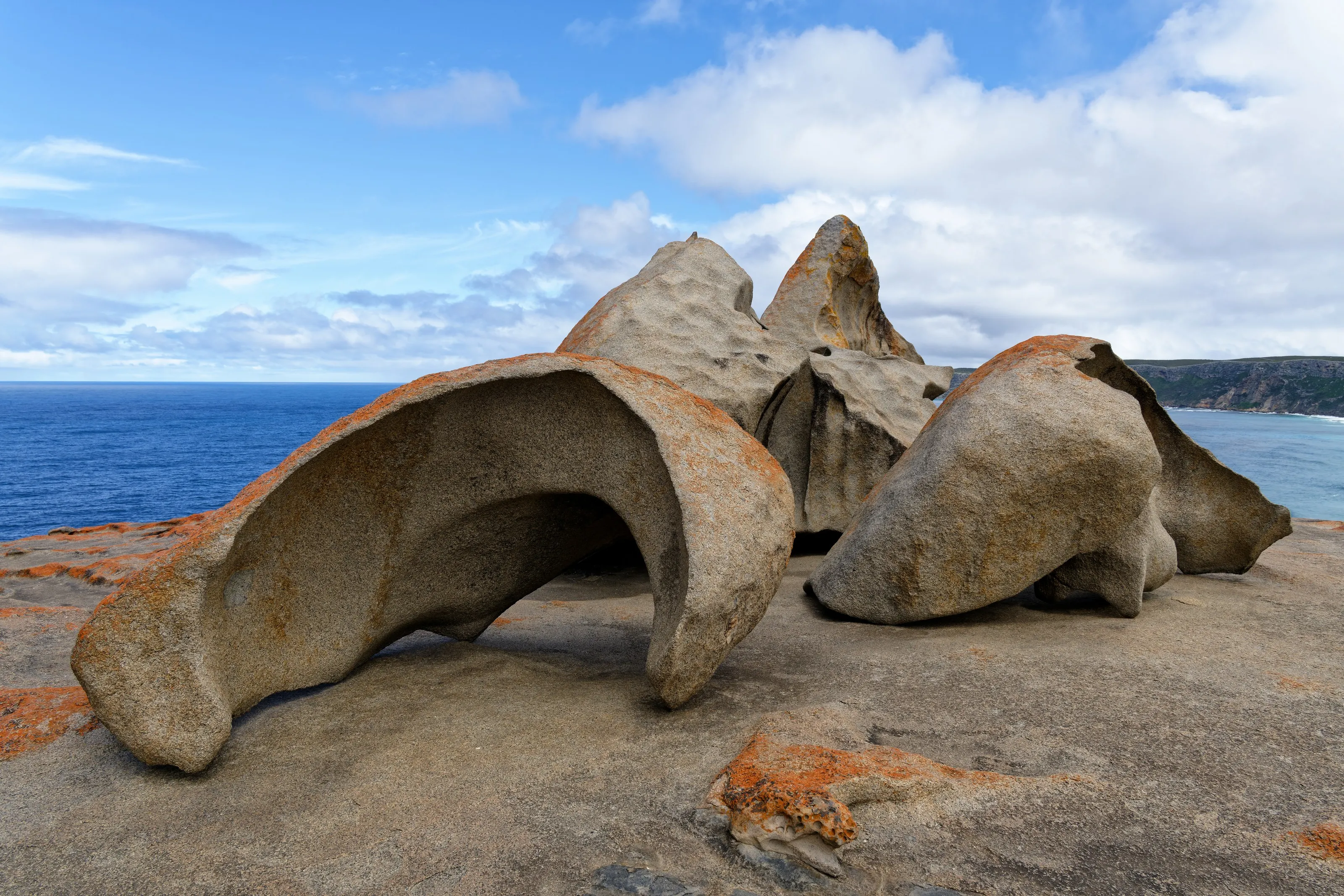
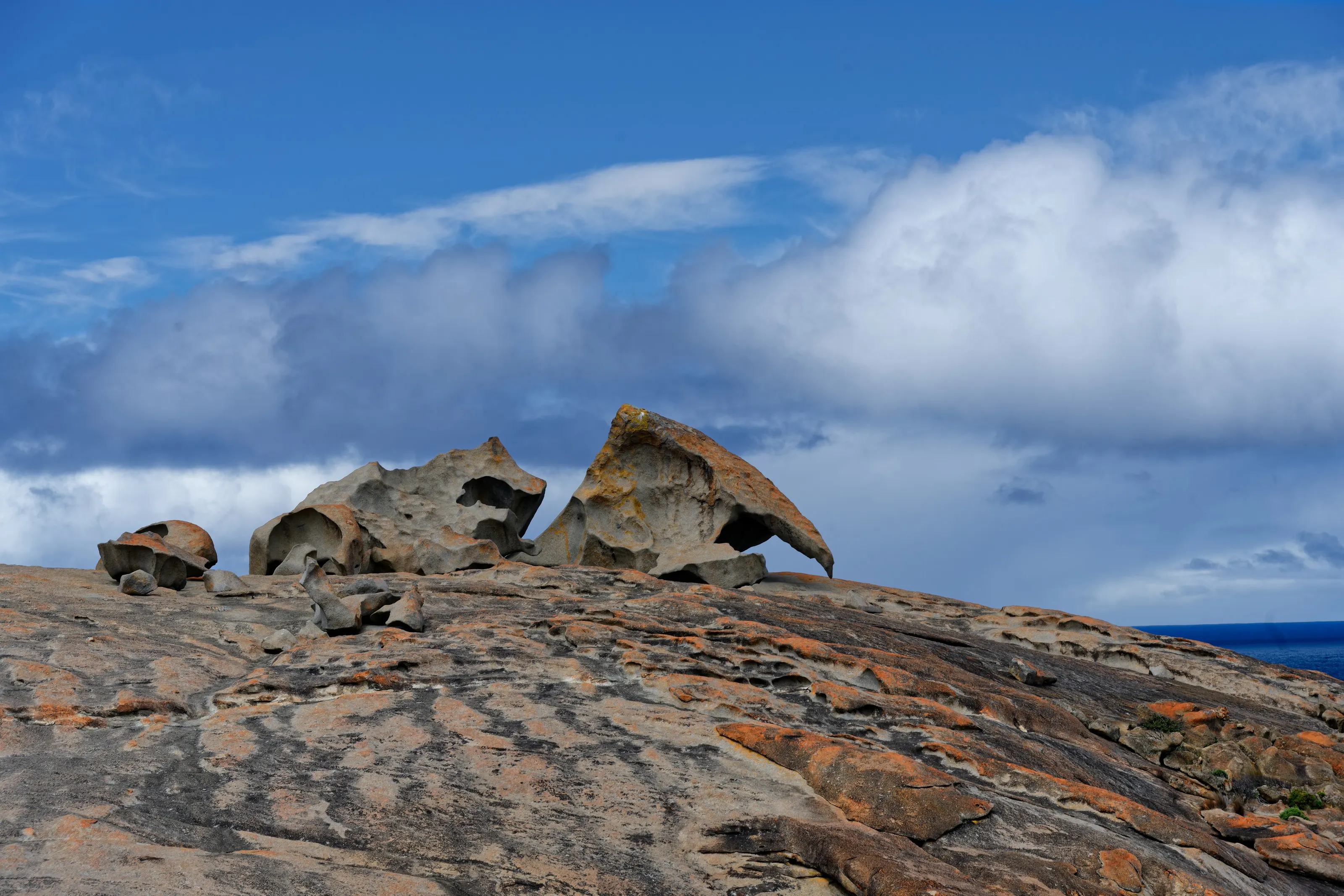
Remarkable Rocks, on Kangaroo Island
On the south-west coast of Kangaroo Island, in Flinders Chase National Park, huge granite boulders sculpted by wind and sea and covered in orange lichen overlook the ocean. The site is at the opposite end of the island from the ferry: the site is about 110 km west of Kingscote, the island's main town: allow more than an hour and a half by road from Kingscote and more from the Penneshaw landing, which means staying overnight on the island or setting off very early.
Day trips and nature
Vineyards, a wild island and hills around the city
Kangaroo Island
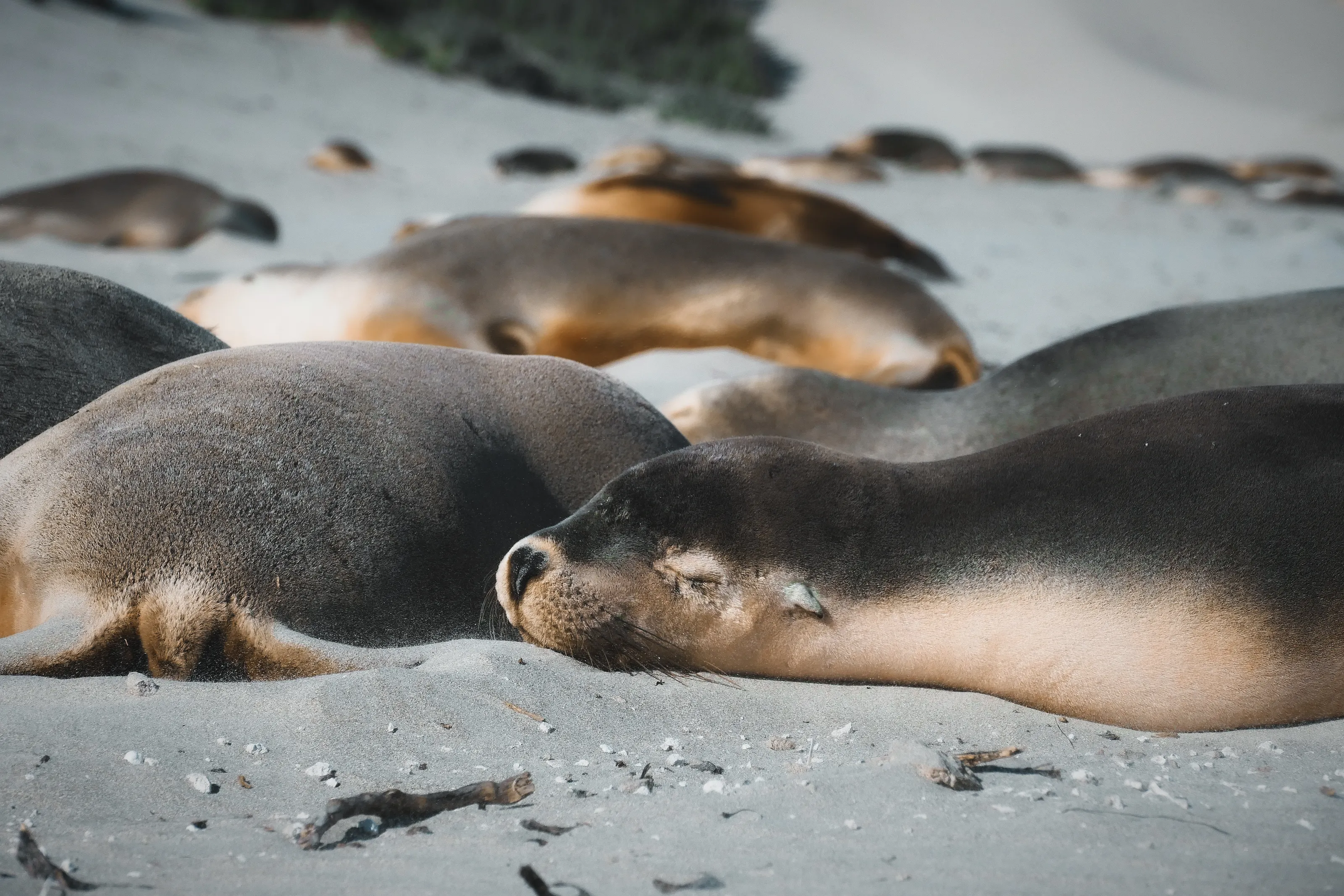
Commonly described as Australia's third-largest island, Kangaroo Island is Adelaide's big excursion. You reach it by ferry from Cape Jervis, roughly 100 km south of Adelaide, across a strait about ten kilometres wide, or by a short flight. The island is known for its wildlife: kangaroos, koalas, birds and Australian sea lion colonies on some beaches, which you watch from a respectful distance and with a guide where required. Plan at least two nights.
The Barossa Valley
About 60 to 70 km north-east of Adelaide, roughly an hour by road, the Barossa is one of Australia's best-known wine regions, famous for its reds, notably shiraz. You can visit wineries of all sizes, with tastings, dining and villages of German heritage. Driving after tastings is not allowed: arrange a driver, a guided tour or a shuttle.
McLaren Vale, the Adelaide Hills and the coast
To the south, McLaren Vale is another wine region close to the coast; to the east, the Adelaide Hills offer villages, markets and cool-weather walks. Glenelg beach is reached by tram from the centre, while Port Adelaide keeps a district of old docks and a maritime museum.
Museums and culture
Fine arts, history, migration and wine
Art Gallery of South Australia
On North Terrace, the gallery shows Australian, European and Aboriginal art, with collections from the colonial period to contemporary work. It sits at the heart of Adelaide's main cultural avenue.
South Australian Museum
Next door on North Terrace, it is known for its collections of Aboriginal cultures and for natural history, with galleries on the region and the Pacific. Basic entry is often free depending on the area; check on site.
Migration museum and other places
The Migration Museum tells the story of the people who arrived in South Australia across the eras. You can also visit the botanic garden at the edge of North Terrace and, depending on what is on, institutions devoted to wine or contemporary art. Adelaide is nicknamed the festival city: the Adelaide Festival and its Fringe take place at the end of the austral summer, around February and March, when the city is very lively. We do not give prices, which change.
Food and drink
A central market, seafood and great wines
The Central Market
The Adelaide Central Market, the covered market in the centre, has been a city institution since the nineteenth century. You find cheeses, cured meats, seafood, spices, coffee and small stalls serving cuisines from around the world; it is an excellent place for a quick lunch. It is right next to Chinatown, a few minutes' walk from Rundle Mall.
Rundle Mall and the neighbourhoods
Rundle Mall is the centre's main pedestrian shopping street, surrounded by arcades and cafés; the nearby lanes are full of bars, neighbourhood cafés and restaurants. In the evening, life gathers around the East End and Gouger Street, where you find Asian and Mediterranean cuisines.
Seafood, wine and specialities
South Australia is fishing and wine country: people happily order sea fish, oysters and fish and chips, and the pie floater, a meat pie served in a pea soup, is a local curiosity. Wines from the Barossa, McLaren Vale and the Adelaide Hills appear on every list; craft beer and specialty coffee are also very present.
Getting around
Tram, bus, suburban train and car for day trips
In town
The centre is compact and walkable. A tram links the centre with Glenelg beach, and a free tram runs in part of the centre at certain times; buses and suburban trains serve the rest of the metropolitan area. Fares are paid with a dedicated card or, on some lines, a contactless bank card: check the payment method before boarding.
To the Barossa and Kangaroo Island
For the Barossa, the Adelaide Hills and McLaren Vale, a car or an organised tour is the simplest option. For Kangaroo Island, take the ferry at Cape Jervis, about 100 km south of Adelaide, or a short flight; on the island distances are long and a car is almost essential. Australians drive on the left.
Taxis and ride-hailing
Taxis and ride-hailing services operate in town and at the airport. Parking in the centre is paid and can be expensive: prefer public transport for everyday trips.
Budget and entry
A high price level, close to western Europe
Price level
Adelaide is expensive compared with many European countries, comparable to western Europe for accommodation and dining. Markets, neighbourhood meals and free parks help keep the budget down. We do not give figures: prices vary with the season, events (festivals) and the exchange rate.
Flights
The long-haul flight remains the most variable item. SniperAir tracks prices to ADL and compares them with the route's history.
Entry and precautions
Australia generally requires an electronic travel authorisation or a visa depending on nationality: check the official Australian government websites. Also consult the official advice of your country of departure. On the ground, protect yourself from the sun, respect wildlife and follow instructions during fire alerts.
When to go
A Mediterranean climate with hot, dry summers
Austral summer (December to February)
Hot and dry, with daytime averages around 28 °C and peaks that can exceed 40 °C; it is beach and festival season, but also the season of heat alerts and bushfires.
Austral autumn (March to May)
Milder temperatures, often sunny days and the grape harvest in the vineyards: a very good time for the Barossa and the city.
Austral winter (June to August)
Cool and wetter, with temperatures generally between 5 and 15 °C; most of the rain falls in this season, but sunny days are frequent.
Austral spring (September to November)
The weather warms up and the countryside is green and in bloom; a good time for Kangaroo Island and the hills.
Beware of the reversed seasons: Australia is in the southern hemisphere, so austral summer runs from December to February and winter from June to August, the opposite of Europe.
Adelaide has a Mediterranean climate: hot, dry summers and cool, wet winters. According to several sources it is the driest capital in the country. Spring and autumn suit best; summer calls for a hat, water and sunscreen, and for following official heat alerts.
By length of stay
What to do in Adelaide depending on your length of stay
The essentials
North Terrace and its museums, Rundle Mall, the Central Market and a walk through Elder Park to Adelaide Oval.
The surroundings
A day in the Barossa or McLaren Vale, or an afternoon at Glenelg by tram.
Kangaroo Island
Two nights on the island for the wildlife, the Remarkable Rocks and the coast, then a last day in the Adelaide Hills.
In pictures
Adelaide in pictures
You might also like
Similar destinations
FAQ
Frequently asked questions about flights to Adelaide
How do I get from Adelaide airport to the centre?
The airport (ADL) is about 7 to 8 km west of the centre. There is no train: bus, shuttle, taxi or ride-hailing, usually between 15 and 30 minutes depending on the mode and traffic.
When is the best time to visit Adelaide?
In austral spring (September to November) and autumn (March to May). Summer (December to February) is hot and dry, with the festival season in February and March. Seasons are reversed compared with Europe.
Is Adelaide expensive?
The price level is high, comparable to western Europe, especially for accommodation and restaurants. Markets and parks help keep the budget under control.
How long should I stay in Adelaide?
Two days are enough for the centre; add a day for the Barossa or McLaren Vale and at least two nights if you want to explore Kangaroo Island.
How do I get around Adelaide and the surrounding area?
On foot in the centre, by tram to Glenelg, by bus or train for the suburbs. For the Barossa and Kangaroo Island, a car or an organised tour; Australians drive on the left.
What should I eat in Adelaide?
Central Market produce, sea fish, the pie floater and above all the wines of the Barossa and McLaren Vale.
How much does a flight to Adelaide usually cost?
The price depends mainly on your departure city, the period and the booking date. The "opportunities" section above shows real examples of prices already detected by SniperAir for this destination.
How do I get alerted when a flight to Adelaide drops below my budget?
Create an alert profile with your departure airport, Adelaide as the destination and your maximum budget. You are notified automatically as soon as a matching fare is detected.
Ready to head to Adelaide?
Set your budget and let SniperAir monitor fares for you.
Create my alert