
Cheap flights to Melbourne
Set your departure airport and maximum budget: SniperAir tracks prices to Melbourne and alerts you the moment a deal matching your criteria appears.
Quick summary
Country
Australia
Continent
Oceania
Airport
MEL
Currency
Australian dollar
Time zone
UTC+10 (UTC+11 during austral daylight saving time)
Deals already spotted to Melbourne
Real flight examples detected by SniperAir, with their reference price.
Loading examples…
Why track Melbourne with SniperAir
You do not need to compare prices every day
Choose your departure
Enter your departure airport and your maximum budget for a flight to Melbourne (MEL).
SniperAir watches
Our systems continuously compare new fares with the real price history of the route. SniperAir tracks prices and alerts you: it does not sell or book tickets.
You get an alert
As soon as a fare matches your criteria, you are notified, without having searched anything yourself.
Airport and getting into town
An airport about 22 km north-west, linked to the centre by bus
Melbourne - Tullamarine
Melbourne Airport, also called Tullamarine, is about 22 km north-west of the city centre. There is no rail link: the SkyBus connects the airport to Southern Cross Station in the city centre roughly every 10 to 20 minutes; allow about half an hour in normal conditions and more at peak times. Public buses (including the 901 towards Broadmeadows station), taxis and ride-hailing add options, for a similar journey time. A second airport, Avalon, near Geelong about 55 km to the south-west, is sometimes chosen for its fares but the trip is longer.
Distances and times are approximate, cross-checked on Wikivoyage (FR, EN, DE) and Wikipedia; as not every source gives the journey time, it is rounded and varies with traffic. Fares are not given because they change.
Melbourne is the capital of the state of Victoria and Australia's second city. Known for its coffee culture, laneways, street art, museums and big sporting events, it appeals with a rhythm more European than Sydney's. Its centre is laid out in a grid around Flinders Street Station and the Yarra River.
Landmarks
Laneways, Victorian arcades and cliffs several hours away by road
Central Melbourne mixes skyscrapers and nineteenth-century landmarks: Flinders Street Station, the UNESCO-listed Royal Exhibition Building, State Parliament, the Shrine of Remembrance, Fitzroy Gardens, the Royal Botanic Gardens and the shopping arcades of Block Arcade and Cathedral Arcade. The Eureka Skydeck, on level 88 of the Eureka Tower, gives an overview of the city.
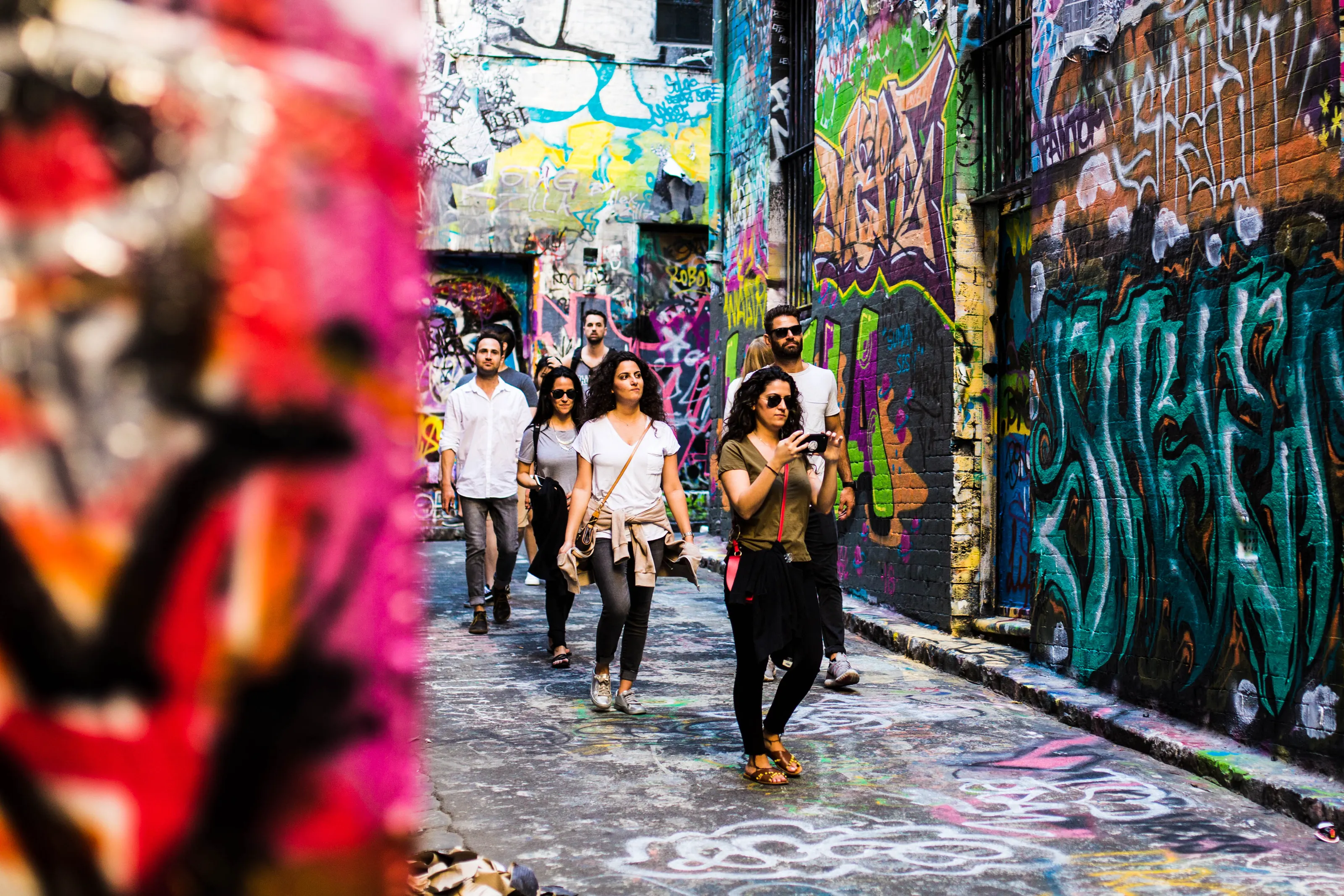
Street art laneways
The centre is criss-crossed by laneways covered in graffiti, stencils and murals that change constantly. They are best explored on foot, with a camera; cafés and small bars hide in them. Street art is short-lived: what you see will not be exactly what the photos show.
Markets and fresh produce
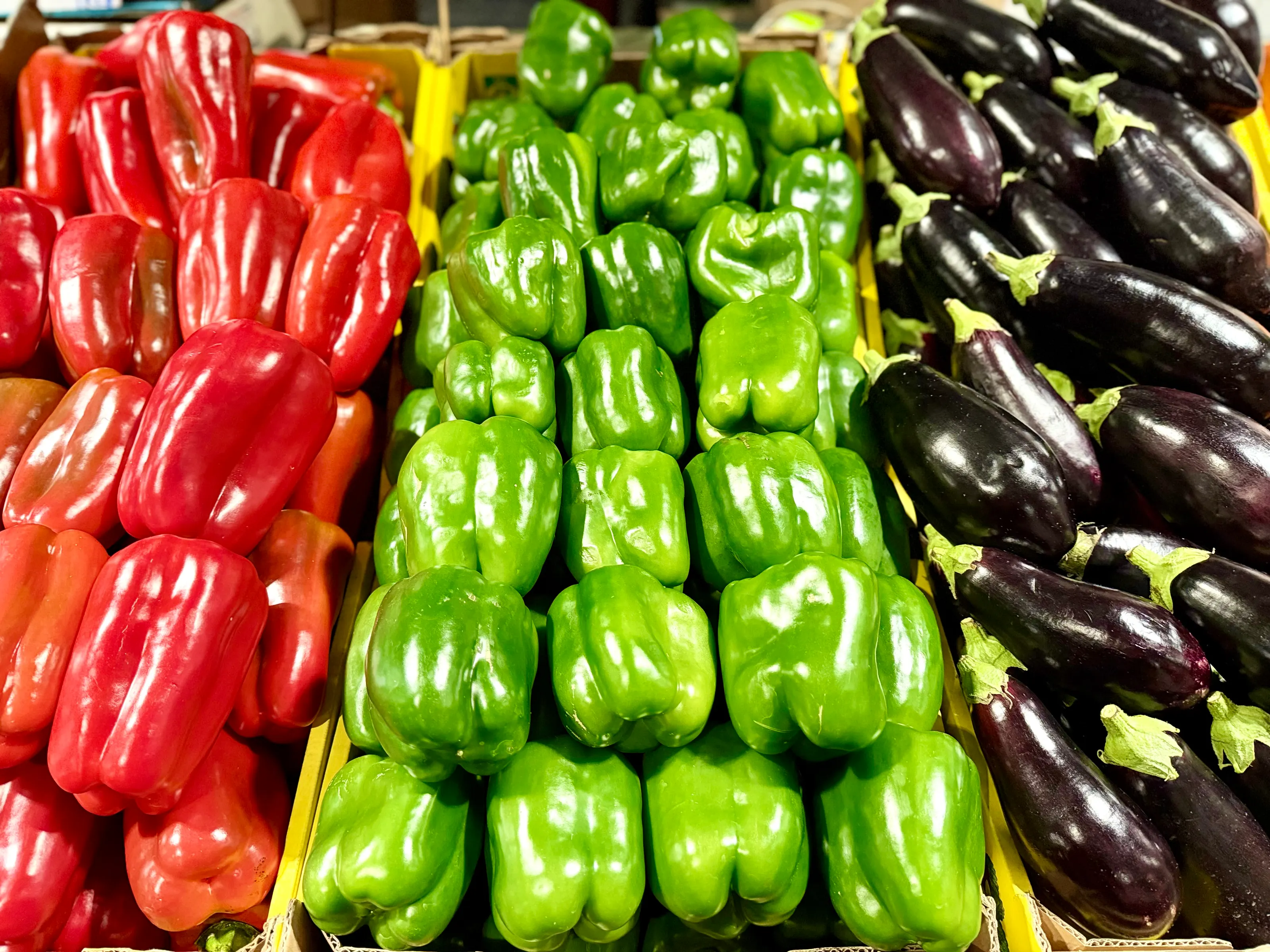
Melbourne loves its markets: the Queen Victoria Market, described as the largest open-air market in the southern hemisphere, brings together fruit, vegetables, cheese, cured meats and local produce. It is a good place to put together a picnic or try specialities.
The Twelve Apostles, on the Great Ocean Road
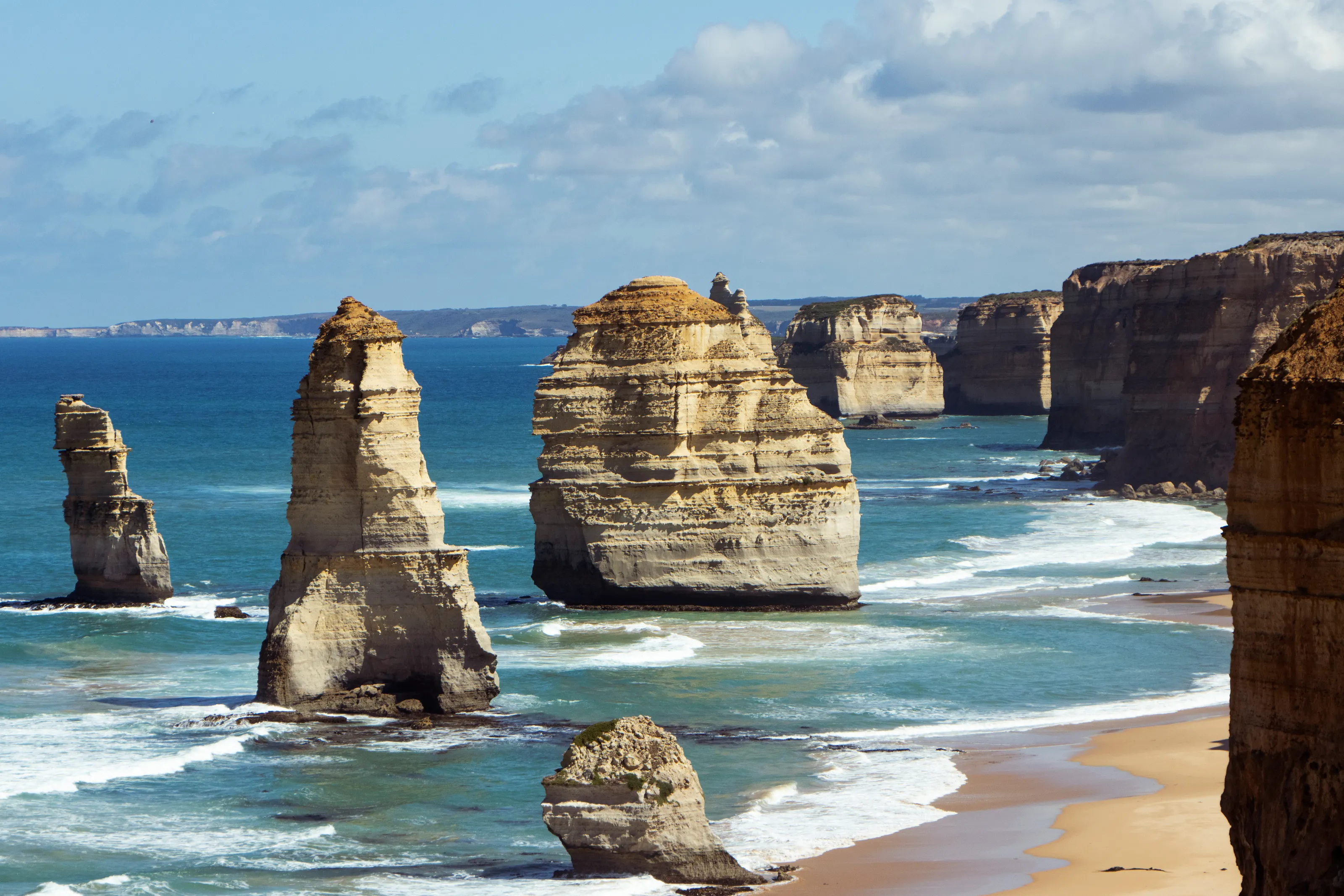
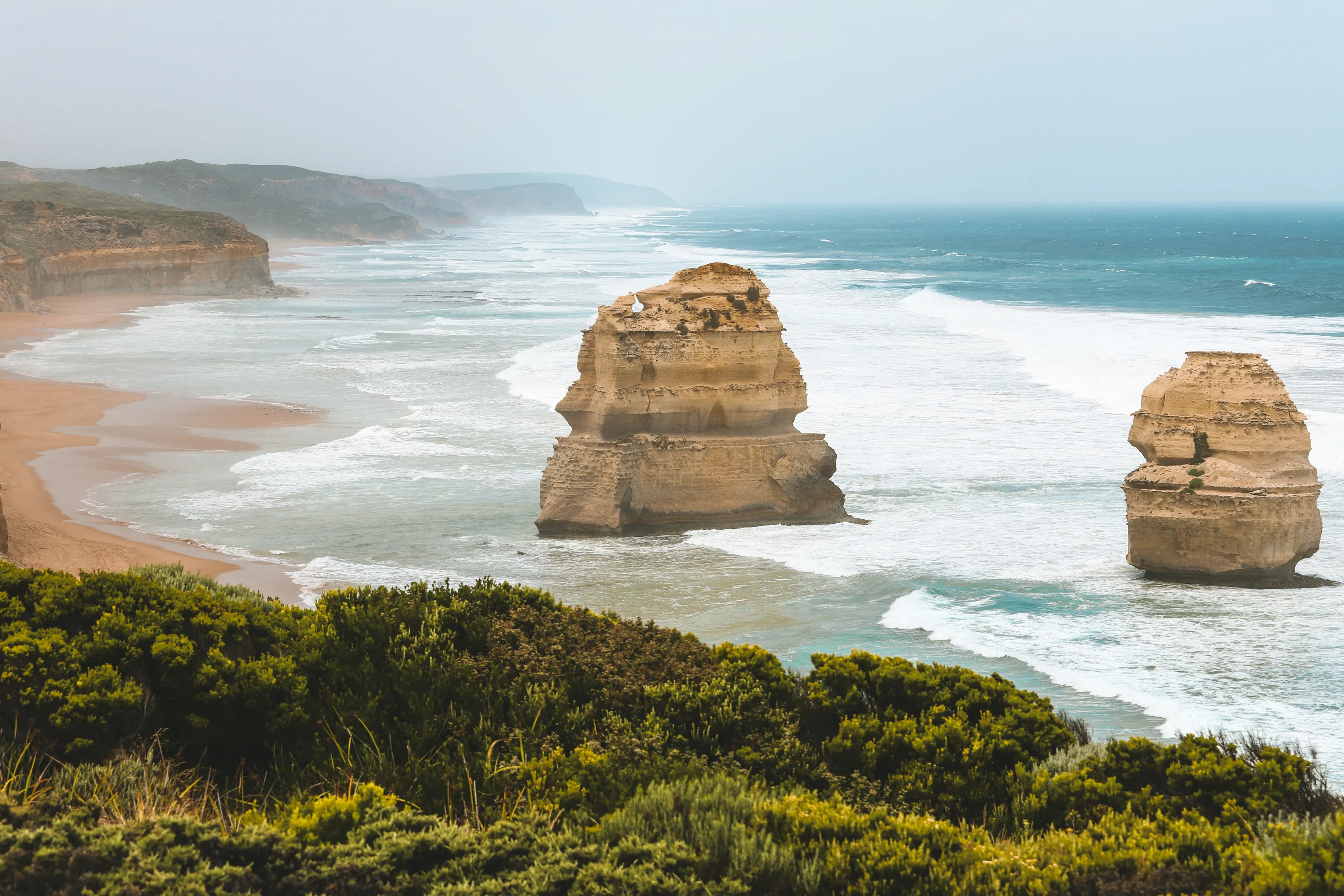
These limestone stacks, cut from the cliff by erosion, stand in the sea near Port Campbell, more than 250 km from Melbourne: they are not in the city but on the Great Ocean Road, a 240 km coastal road built from 1919 to 1932 by returned soldiers. There were only ever nine stacks originally, and seven remain; the cliffs keep changing. Many visitors give it a full day or a night on the spot.
Day trips and nature
Great Ocean Road, Phillip Island and vineyards
The Great Ocean Road
This road, listed on the Australian National Heritage List, starts at Torquay and follows the coast to near Warrnambool. You can do it by car or on an organised tour; allow at least a full day, or two, and watch the weather and sea along the coast.
Phillip Island
About 125 km south-south-east of Melbourne, the island is known for its penguin parade at dusk each evening, its fur seals and whale watching depending on the season, from about May to September.
Yarra Valley and Mornington Peninsula
The Yarra Valley, for its wineries, and the Mornington Peninsula, for its beaches and cellar doors, make good day trips by car or with an agency.
Museums and culture
Fine art, immigration, natural history and everyday culture
National Gallery of Victoria
The NGV is Melbourne's major art museum, with one part devoted to international art and one to Australian art, at Federation Square. Check access conditions and current exhibitions before you go; we give no prices.
Melbourne Museum and Immigration Museum
Melbourne Museum, a museum of natural history and culture, is one of the largest in the country. The Immigration Museum tells the story of the waves of newcomers who built the city. The State Library of Victoria houses the La Trobe Reading Room under its dome.
Everyday culture
Cinema, theatres, art galleries and themed museums (sport at the MCG, railways, police) complete the offer. The Heide Museum of Modern Art is a trip for modern art lovers. We give no prices, which change; check opening hours and closing days.
Food and drink
The coffee capital, with laneways, markets and world cuisines
Coffee and laneways
Melbourne has a deeply rooted coffee culture. The central laneways, such as Degraves Street, and the streets of Fitzroy, Carlton and St Kilda are known for their cafés and brunches. Lygon Street in Carlton is the heart of Italian dining and is linked to the origins of the city's coffee culture.
World cuisines
The city is highly cosmopolitan: Chinatown, on Little Bourke Street, is known for weekend dim sum; Lonsdale Street has Greek restaurants; Sydney Road in Brunswick, Turkish and Middle Eastern tables; Footscray, Ethiopian restaurants. The halal snack pack, kebab meat over chips, is a local speciality.
Markets and sweet treats
The Queen Victoria Market and its cheese and deli stalls are among the foodie landmarks. Acland Street in St Kilda lines up cafés and cake shops. Victorian wines (Yarra Valley, Mornington) go well with a meal.
Getting around
Free trams in the centre, trains and the myki card
Trams
Melbourne's tram network is described as the largest in the world. There is a free zone in the city centre: do not tap on if your trip stays entirely within it. The City Circle (route 35) is a free tram that loops round the centre, with audio commentary, and many routes run every 8 to 15 minutes in the daytime.
Trains
Suburban trains leave from Flinders Street and are organised around the City Loop; Southern Cross Station serves regional trains and trains to other states. Regional trains (Geelong, Ballarat, Bendigo) generally use the myki card.
Myki card, ride-hailing and cycling
The myki card, sold at the airport, at stations and in many shops, or a contactless bank card, lets you travel on trams, trains and buses; the SkyBus is not included. Ride-hailing and taxis are available. Fines for travelling without a valid fare can be high: tap your card.
Budget and entry
A medium to high price level compared with Europe
Price level
Melbourne falls in the medium to high range compared with western Europe. The free tram zone in the centre, markets and neighbourhood meals help keep the budget in check. We give no figures, because prices change with the season and the exchange rate.
Flights
The long-haul flight remains the most variable item. SniperAir tracks prices to MEL and compares them with the route's history.
Entry and precautions
Australia generally requires an electronic travel authorisation or a visa depending on nationality: check the official Australian government websites, as well as the official advice of your country of departure. On the coast, be careful with waves, sun and wildlife, and follow the posted instructions.
When to go
When to go to Melbourne
Austral summer (December to February)
December to February: about 26 °C by day on average, with heatwaves above 35 °C and up to 40 °C; festival and outdoor sport season.
Austral autumn (March to May)
March to May: temperatures mostly in the 20s °C, pleasant days; a very good time for the city.
Austral winter (June to August)
June to August: cool, about 13 to 14 °C on average in the afternoon, up to 19 °C, and nights of a few degrees; snow is very rare in the city.
Austral spring (September to November)
September to November: the weather changes fast; days are mild. October is typically the month with the most rainy days.
Mind the reversed seasons: Australia is in the southern hemisphere, so the austral summer runs from December to February and winter from June to August, the opposite of Europe. Melbourne is known for changeable weather, four seasons in one day: pack layers. About 600 to 650 mm of rain falls a year.
Spring and autumn are the most pleasant seasons; summer suits evenings out and trips to the coast, with a hat, water and sunscreen. Winter is cool and quieter, with cold nights.
By length of stay
What to do in Melbourne depending on your length of stay
The essentials
The centre: laneways, arcades, a market, a coffee, Flinders Street Station and a ride on the free tram.
Going deeper
Add a museum (NGV or Melbourne Museum), the gardens and a district such as Fitzroy, Carlton or St Kilda.
Further afield
A trip to Phillip Island or, with a full day or a night, along the Great Ocean Road to the Twelve Apostles.
In pictures
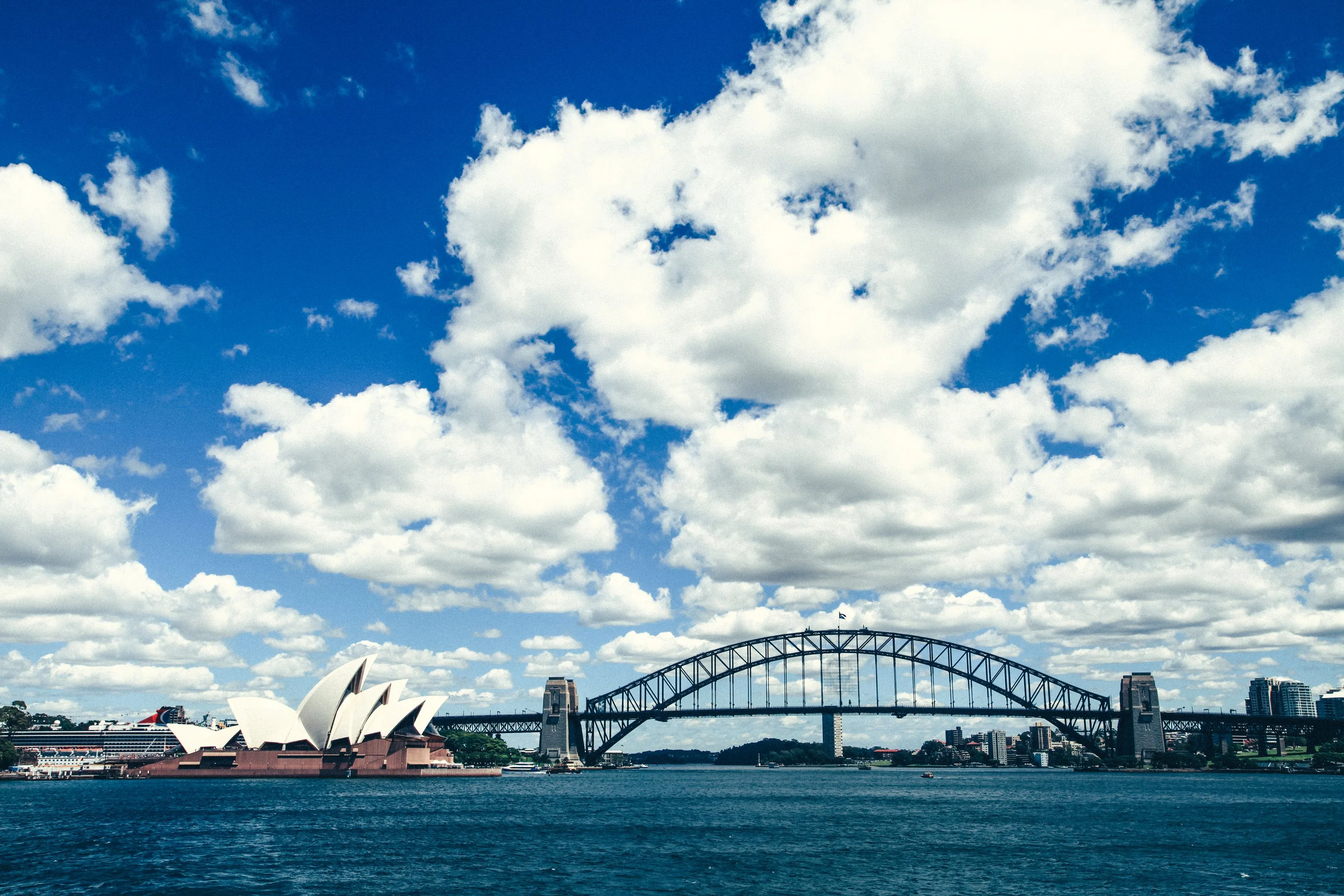
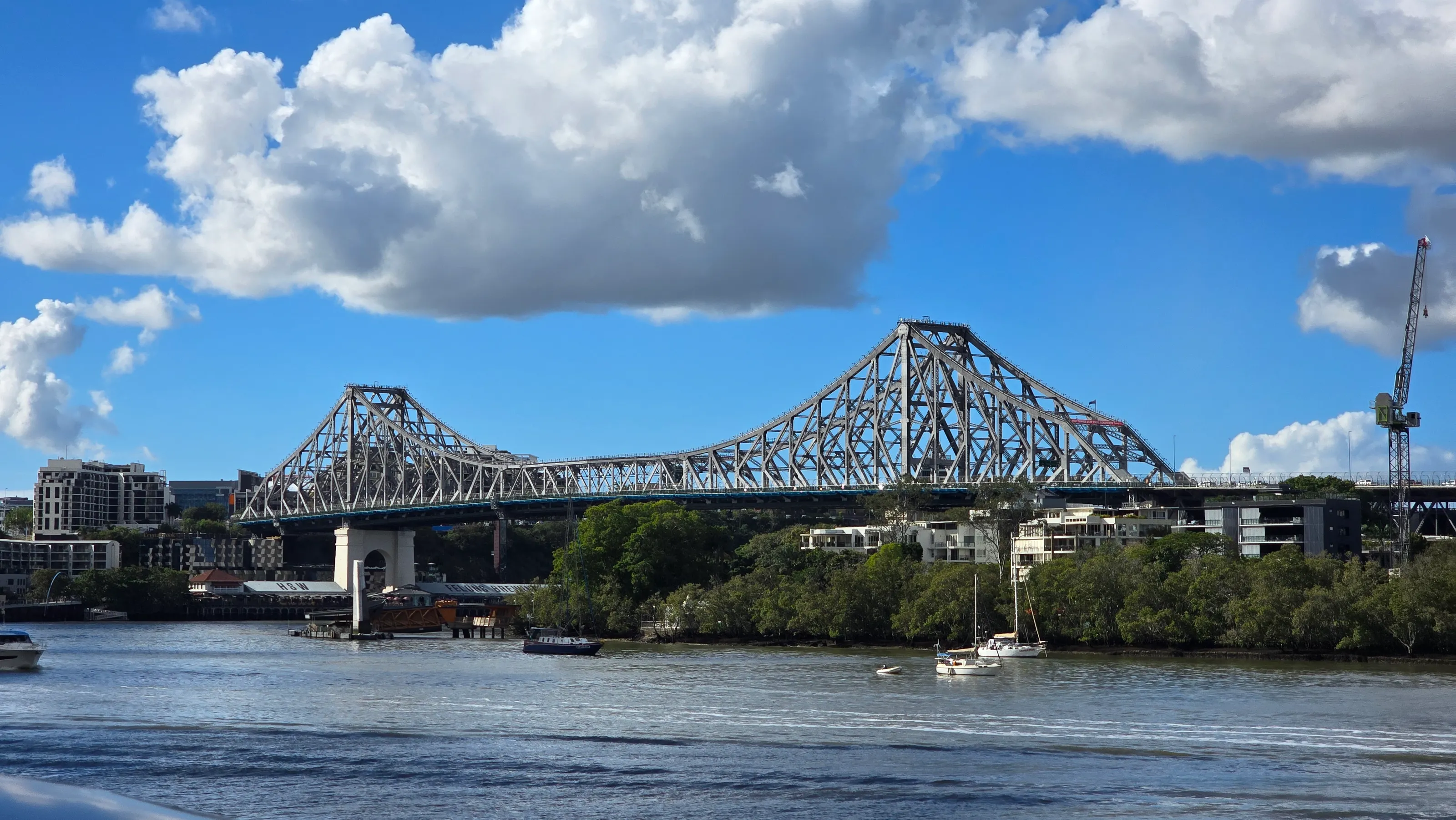
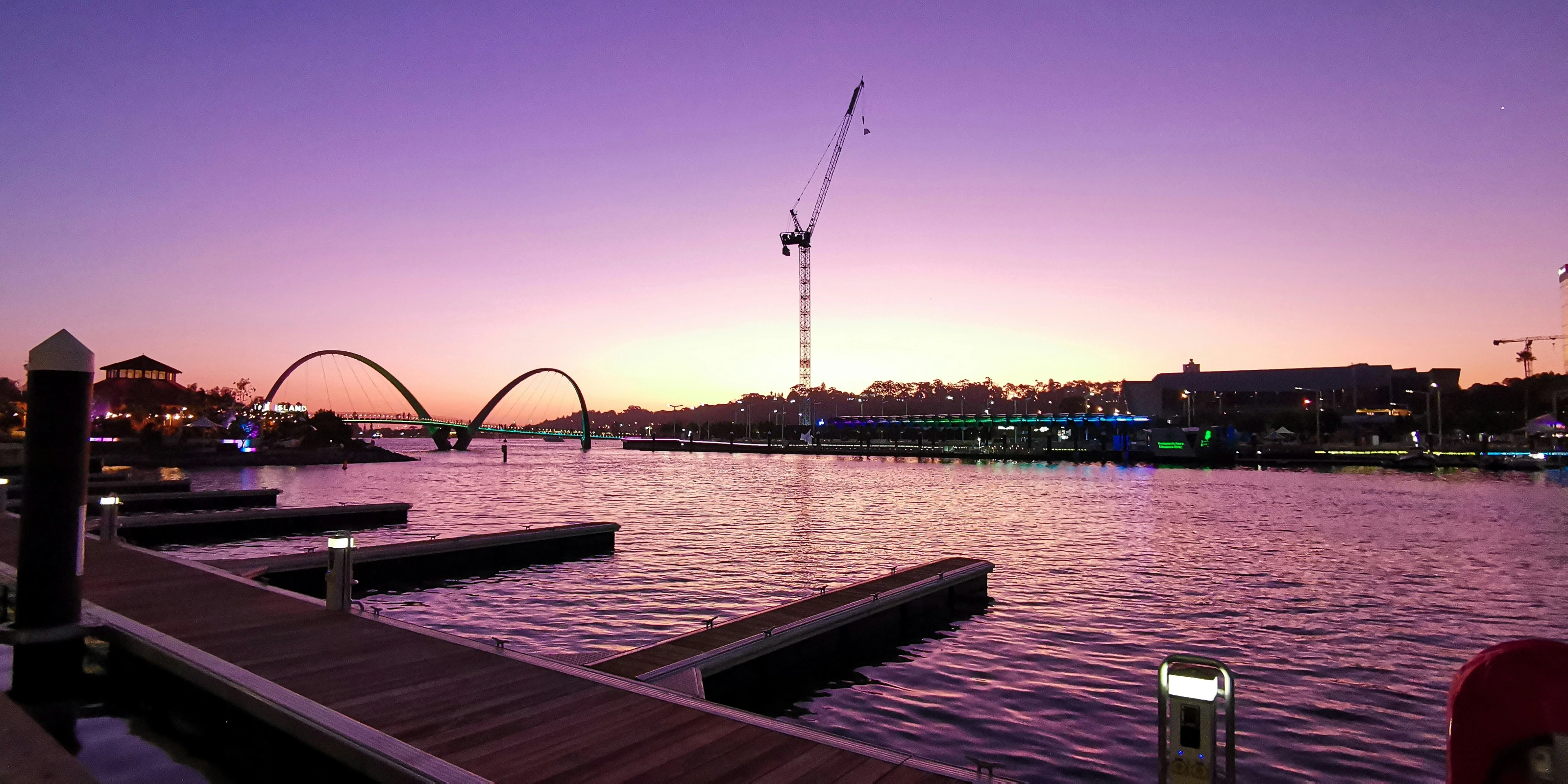
Melbourne in pictures
You might also like
Similar destinations
FAQ
Frequently asked questions about flights to Melbourne
How do I get from Melbourne airport to the centre?
The airport (MEL) is about 22 km north-west, with no rail link. The SkyBus reaches Southern Cross Station; taxis, ride-hailing and public buses are also available.
When is the best time to visit Melbourne?
In austral spring (September to November) and autumn (March to May). Austral summer (December to February) is hot and can exceed 35 °C; the weather is changeable all year. The seasons are reversed compared with Europe.
Is Melbourne expensive?
The price level is medium to high compared with Europe. The free tram zone in the centre, markets and neighbourhood meals help control the budget.
What should I eat in Melbourne?
Coffee and brunch, the Italian cuisine of Lygon Street, Chinatown dim sum, the halal snack pack and produce from the Queen Victoria Market.
Are the Twelve Apostles in Melbourne?
No: they are on the Great Ocean Road, near Port Campbell, more than 250 km from the city. Allow a full day or a night on the spot.
How do I get around Melbourne?
By tram, train and bus with the myki card or a contactless card. A tram zone is free in the centre, and the City Circle (route 35) is free.
How much does a flight to Melbourne usually cost?
The price depends mainly on your departure city, the period and the booking date. The "opportunities" section above shows real examples of prices already detected by SniperAir for this destination.
How do I get alerted when a flight to Melbourne drops below my budget?
Create an alert profile with your departure airport, Melbourne as the destination and your maximum budget. You are notified automatically as soon as a matching fare is detected.
Ready to head to Melbourne?
Set your budget and let SniperAir monitor fares for you.
Create my alert