
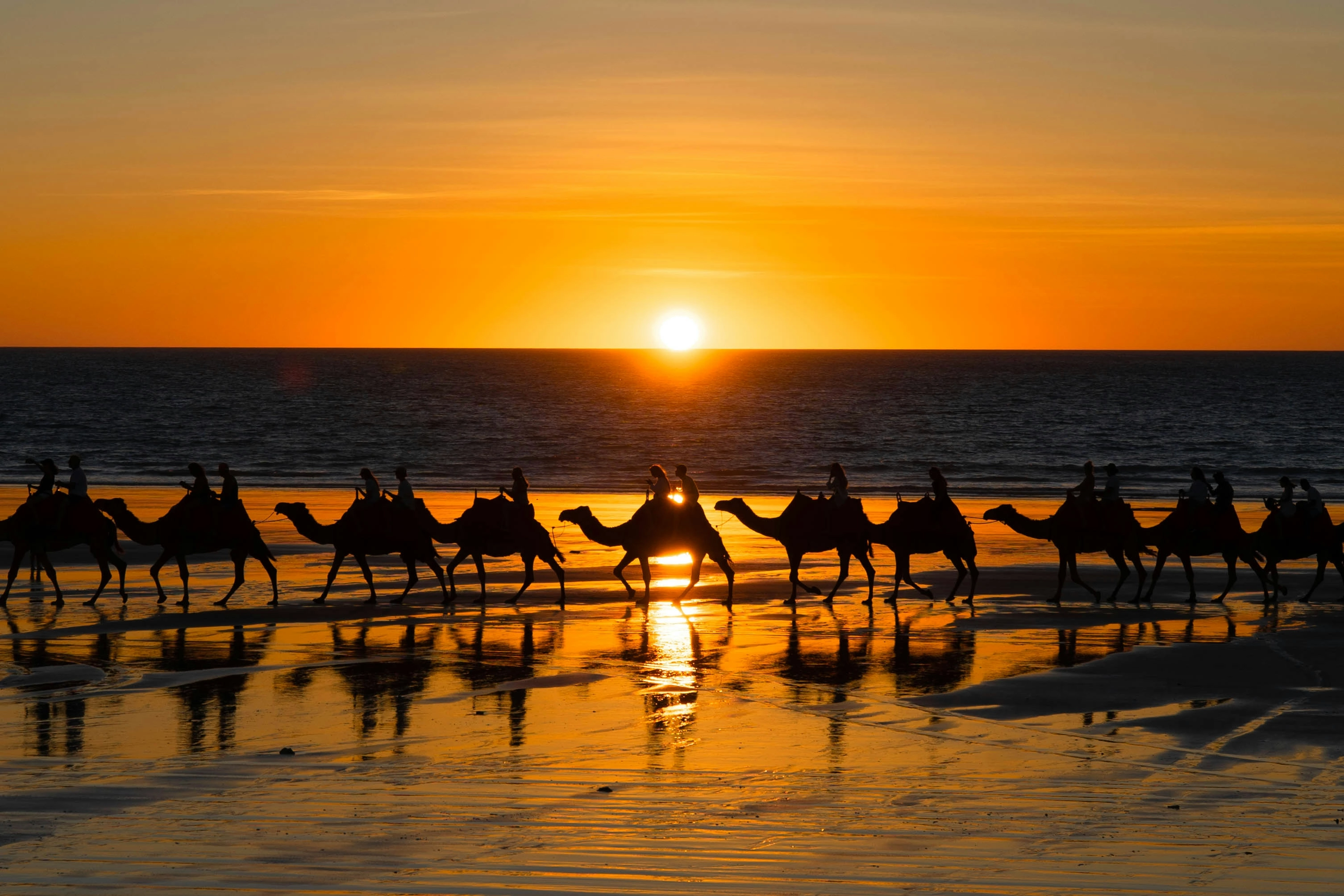
Cheap flights to Broome
Set your departure airport and maximum budget: SniperAir tracks prices to Broome and alerts you the moment a deal matching your criteria appears.
Quick summary
Country
Australia
Continent
Oceania
Airport
BME
Currency
Australian dollar
Time zone
UTC+8 (Western Australia time, no daylight saving time)
Deals already spotted to Broome
Real flight examples detected by SniperAir, with their reference price.
Loading examples…
Why track Broome with SniperAir
You don't need to compare prices every day
Choose your departure
Enter your departure airport and your maximum budget for a flight to Broome (BME).
SniperAir watches
Our systems continuously compare new fares with the route's real price history. SniperAir tracks prices and alerts you: it does not sell or book tickets.
You receive an alert
As soon as a fare matches your criteria, you are notified, without having searched for anything yourself.
Airport and getting into town
An airport less than 2 km from the centre, but over 2,000 km from Perth
Broome International (BME)
Broome Airport is very close to the centre: less than 2 km, a few minutes by taxi or rental car. Despite its name it has no regular international flights at present; it mainly serves domestic routes, notably from Perth (about 2 h 30 nonstop) and Darwin (about 3 h 30 with a stop at Kununurra, according to Wikivoyage), and it is the gateway to the Kimberley region. From Europe you need at least one connection in Australia. Cable Beach is about 7 km from the centre by a sealed road.
Distances and times are approximate, cross-checked on Wikipedia (FR, EN, DE, ES) and Wikivoyage; they vary with traffic. Fares are not given because they change.
Broome is the main town of the Kimberley, in north-western Western Australia on the Indian Ocean, with about 14,000 residents and many more in peak season. It stands on the traditional land of the Yawuru people, who call it Rubibi. It is very isolated: over 2,000 km by road from Perth (about 1,700 km as the crow flies) and nearly 1,900 km from Darwin. Flying is by far the most practical way to get there; long-distance coaches take more than a day.
Landmarks
Cable Beach, its camels and the Kimberley's Horizontal Falls
Broome lives to the rhythm of the sea and the setting sun. The places below come with photos; pearls, Gantheaume Point, the Staircase to the Moon phenomenon and the historic centre (Chinatown) are described in text only in the following sections.
Cable Beach
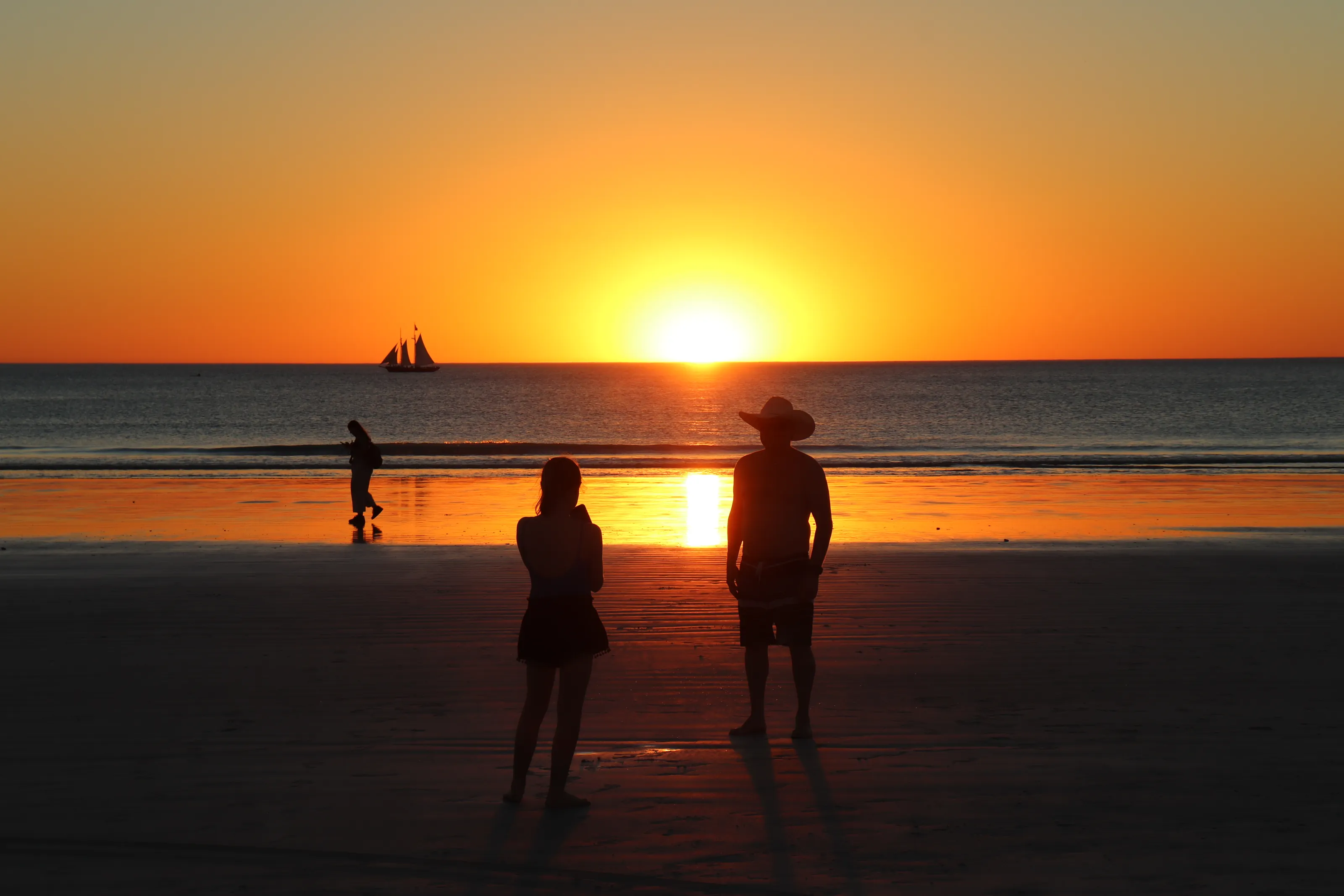
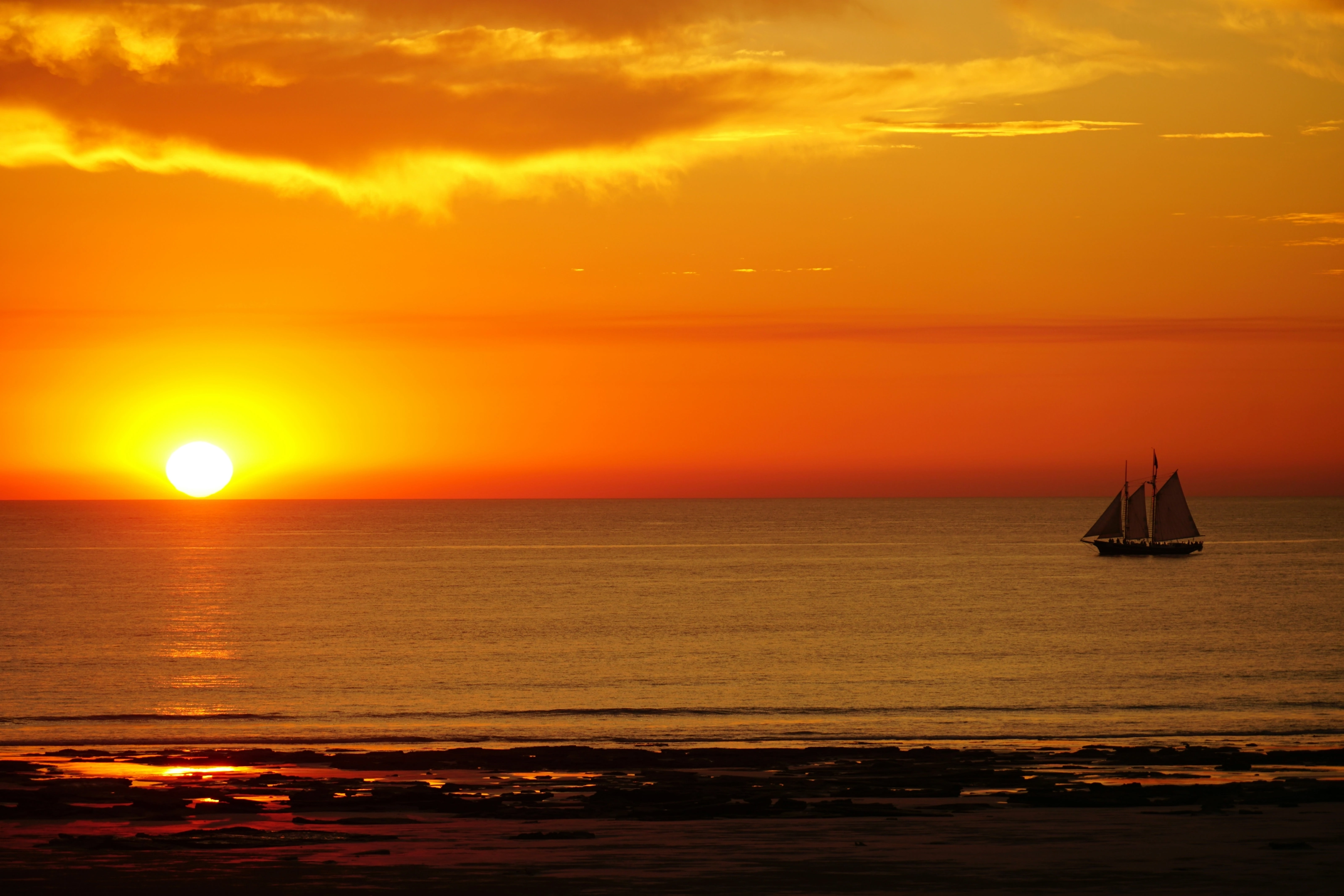
Cable Beach is a white-sand beach about 22 km long facing the Indian Ocean, 7 km from the centre. Its name comes from the undersea telegraph cable laid in 1889 to link Broome to Java, and so to Europe. Tides can exceed 9 m in range; the sea is generally calm from May to October. Sunset, with sailing ships on the horizon, is the daily highlight; four-wheel drives may drive on the sand at low tide in some areas.
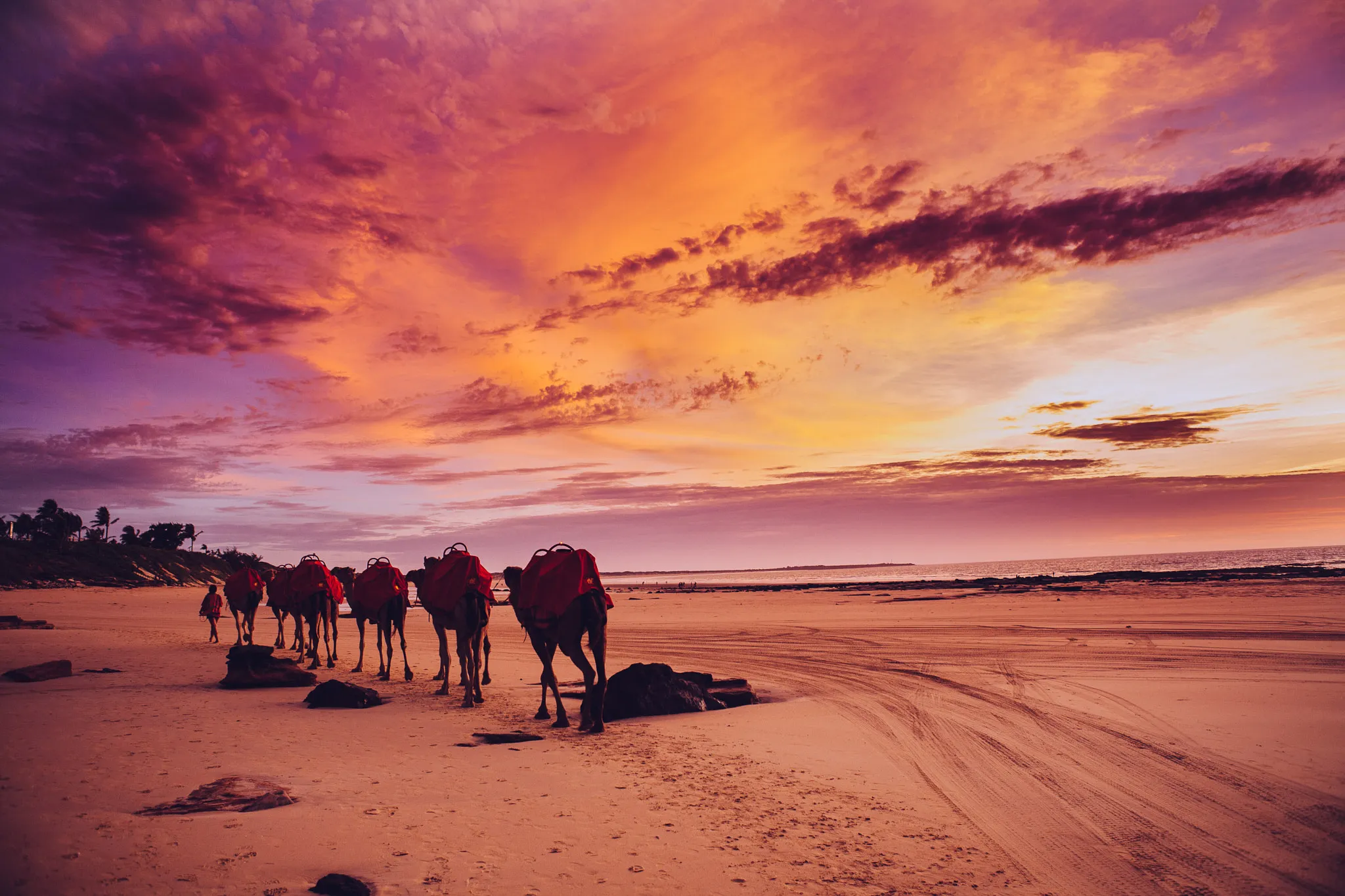
The camel trains
Every evening camel trains parade along Cable Beach at sunset; you can watch them or take an organised ride. Dromedaries were imported in the 19th century for transport in the outback, before trucks replaced them. For photos as for the ride, book ahead in high season and follow the operators' instructions.
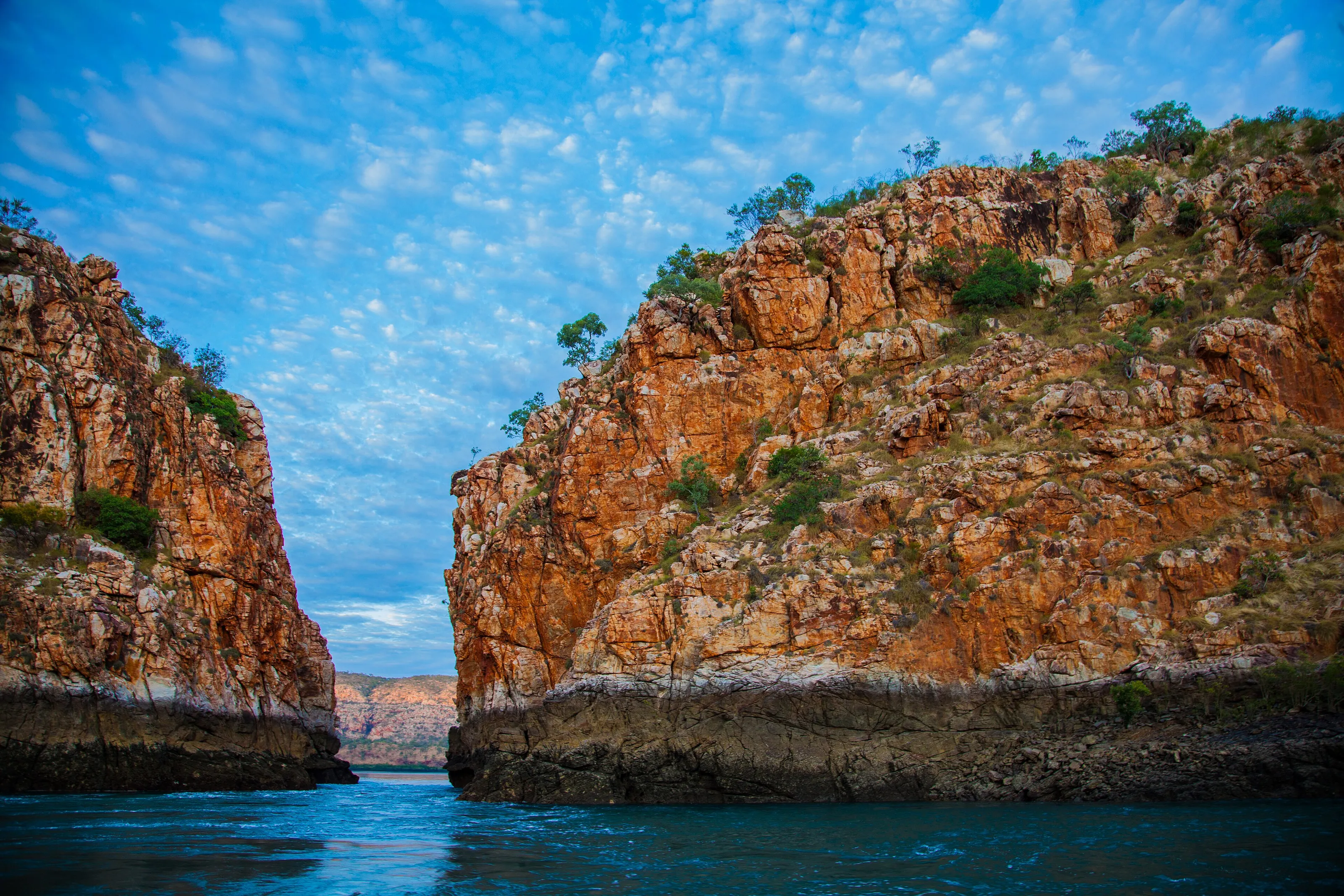
Horizontal Falls
The Horizontal Falls, in the Kimberley, are two narrow passages between red cliffs where very strong tides create powerful currents, like horizontal waterfalls. The site is far from the town: you go on an organised excursion, by scenic flight or seaplane, sometimes combined with a boat ride. These trips must be booked ahead and depend on the tide and the weather; we give no prices.
Panorama
A sunset over the sea, a sailing ship on the horizon
Day trips and nature
Moon, tides, dinosaurs, migratory birds and caution at sea
Staircase to the Moon
On some full-moon evenings during the dry season (roughly March to October), the moon rises over the bay at low tide and its reflection in the wet ripples of the sand draws a glowing staircase towards the sky. The town publishes the dates and moonrise times; the phenomenon is seen mainly from beaches facing east, notably Town Beach, and needs a clear sky.
Gantheaume Point and dinosaur footprints
About ten kilometres south of the centre, Gantheaume Point has red sandstone cliffs contrasting with the blue sea. Dinosaur footprints about 130 million years old lie under the sea and are only uncovered at the lowest tides; the ones you see above are replicas. Wear sturdy shoes, the rock is sharp.
Roebuck Bay and migratory birds
The mudflats of Roebuck Bay host millions of migratory wading birds from northern Asia every year; it is a site of international importance for birdwatching. The wrecks of flying boats destroyed in the 1942 Japanese raid can be glimpsed at very low tide, but the area is slippery and full of stinging creatures.
Tides, crocodiles and jellyfish: take care
The very strong tides change the landscape quickly: check tide times before wandering out on the foreshore. In the Kimberley, saltwater crocodiles live in estuaries, rivers and sometimes the sea: swim only in signed areas and respect the warning signs. From about November to March, dangerous jellyfish may be present; follow local advice.
Museums and culture
Pearls, multicultural history and Yawuru culture
The story of pearling
Broome grew from the 1880s around mother-of-pearl and then pearls, and in the early 20th century was one of the world's major centres of the industry. That history was also harsh: forced labour of Aboriginal divers, workers from Japan and other Asian countries, and many deaths at sea. Pearl Luggers shows two restored pearling vessels with a guided tour; the Broome Historical Museum tells the story of the pearl industry and of the Japanese air raid of March 1942.
Chinatown, the Japanese cemetery and an open-air cinema
Chinatown, the town's historic centre, groups shops and cafés around the old jetties. The Japanese cemetery, with over 900 graves of divers, also has Chinese, Malay and Aboriginal sections. An open-air cinema, opened in 1916, is described as the oldest still operating in the world. Each August the Shinju Matsuri festival ('festival of the pearl') celebrates this multicultural heritage.
Local Aboriginal culture
Broome stands on the land of the Yawuru people, whose rights to land and sea were recognised in 2006 and who divide the year into six seasons. Galleries show contemporary Aboriginal art from the Kimberley and the neighbouring Pilbara region; ask the visitor centre about guided visits led by Aboriginal guides and respect sacred places and instructions.
Food and drink
Fish and seafood, markets and local drinks
Fish and seafood
The sea provides fish, prawns and crustaceans, found in restaurants in town and at Cable Beach, often as takeaway with chips. Broome's multicultural history explains the presence of Asian cuisines in the centre.
Markets and cafés
A market is held on Saturday mornings around the historic courthouse, with fresh produce and crafts; the cafés in Chinatown are pleasant for breakfast. Hours vary with the season: check locally.
Local drinks
Near Cable Beach, a craft brewery serves beers and meals; a local distillery makes gin. Terraces facing the sunset are very popular: book in high season.
Getting around
Car, local bus and taxis: the town is spread out
In town
Broome is spread out: from the centre to Cable Beach it is about 7 km, over an hour's walk in the heat. A public bus links Cable Beach and the centre, with reduced hours out of season; taxis and rental cars complete the offer. Taxis can be booked ahead for sunset.
Car and roads
To explore the Dampier Peninsula, Cape Leveque or Derby, a car is useful; some tracks can only be driven in a four-wheel drive and some are cut during the wet season. Driving is on the left; distances are long, so fill up, carry water and check road conditions before leaving.
Organised tours
Boat trips, scenic flights and excursions to the Horizontal Falls leave from Broome with local operators; they must be booked ahead and depend on tides and weather.
Budget and entry
A high price level, because of the distance
Price level
Broome is an expensive destination compared with Europe: the distance pushes up domestic flights, accommodation in the dry season, car rental and above all excursions by plane or boat into the Kimberley. Simple meals, markets, beaches and sunsets are free or cheap. We give no figures: prices vary with the season and the exchange rate.
Flights
The long-haul flight remains the most variable cost. SniperAir tracks fares to BME and compares them with the route's history; also look at flights to Perth (PER) or Darwin (DRW) if you want to combine several cities.
Entry and precautions
Australia generally requires an electronic travel authorisation or a visa depending on nationality: check the official Australian government websites. Also consult the official travel advice of your country of departure. On the spot, respect swimming, tide and crocodile advice, and protect yourself from the sun.
When to go
An ideal dry season and a wet season with cyclones: reversed seasons
Dry season (May to October)
Skies almost always clear, highs around 30 °C and a calmer sea: the best and busiest period. Full moons in this season bring the Staircase to the Moon, and August hosts the pearl festival.
Hot transition (November)
Heat and humidity climb and storms appear; the jellyfish season begins. Prices and crowds fall.
Wet season and cyclones (December to March)
Hot and very humid, with highs close to 35 °C; about 75 % of annual rainfall falls from January to March. Tropical cyclones are possible and some activities or roads close: consult official bulletins.
End of the rains (April)
Rains ease and roads gradually reopen; the landscape is green and crowds remain moderate. The risk of a cyclone is not entirely over.
Beware of the reversed seasons: Australia lies in the southern hemisphere, so the austral summer runs from December to February and winter from June to August, the opposite of Europe. Broome is in the tropics: there is rather a dry season and a wet season (the Yawuru recognise six seasons), with about 600 mm of rain a year. Sea temperatures range from about 25 °C in July-August to 30 °C in March.
As a rule, the best time runs from May to October. Outside those months, plan fallbacks in case of rain or a cyclone warning.
By length of stay
What to do in Broome depending on how long you stay
The essentials
Cable Beach at sunset with the camels, and a visit to Chinatown and the pearl museum.
Coast and history
Gantheaume Point, Roebuck Bay and, depending on the lunar calendar, the Staircase to the Moon.
The Kimberley
An excursion to the Horizontal Falls, Cape Leveque or Derby, or a longer road trip in the Kimberley.
In pictures
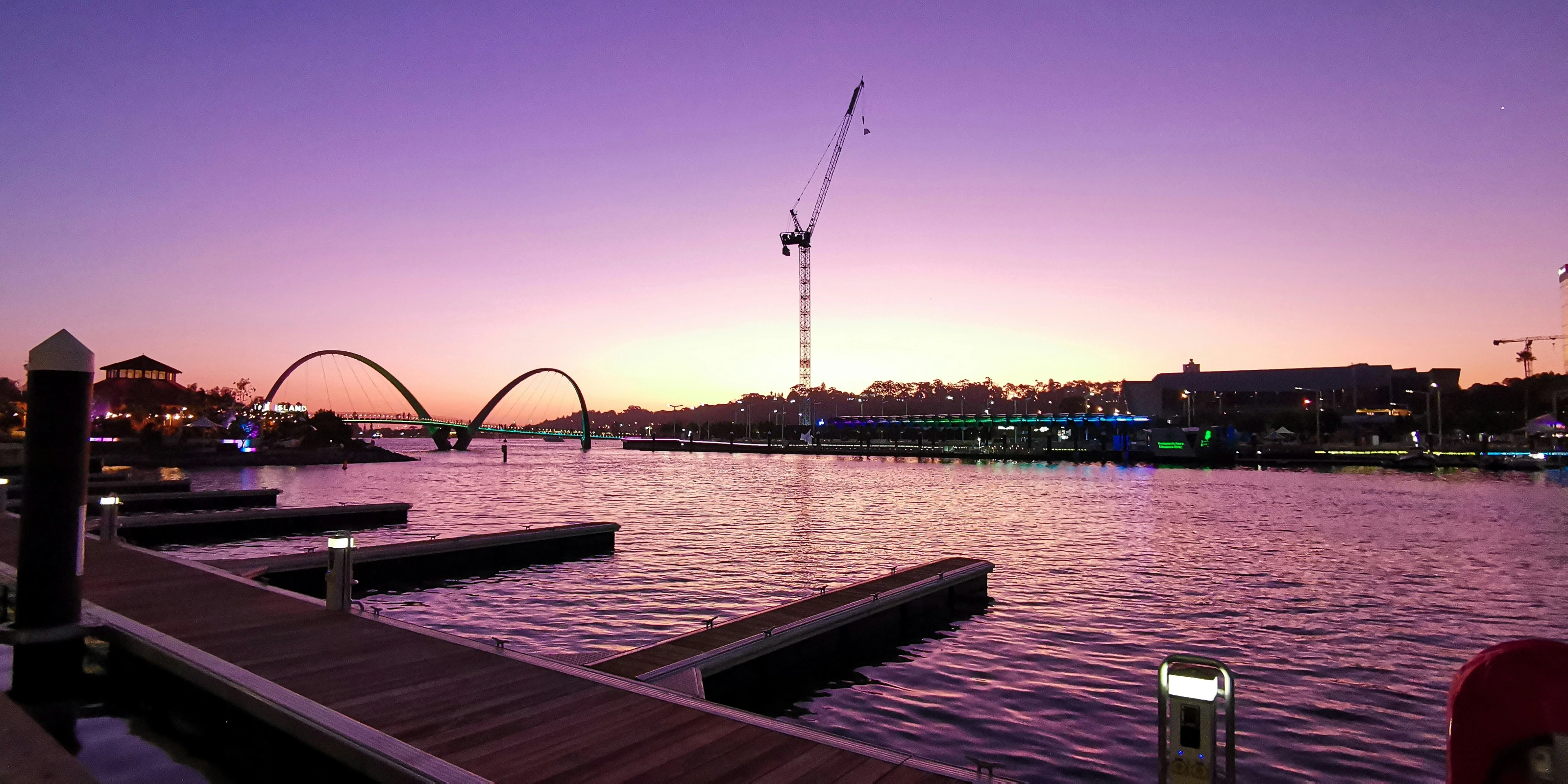
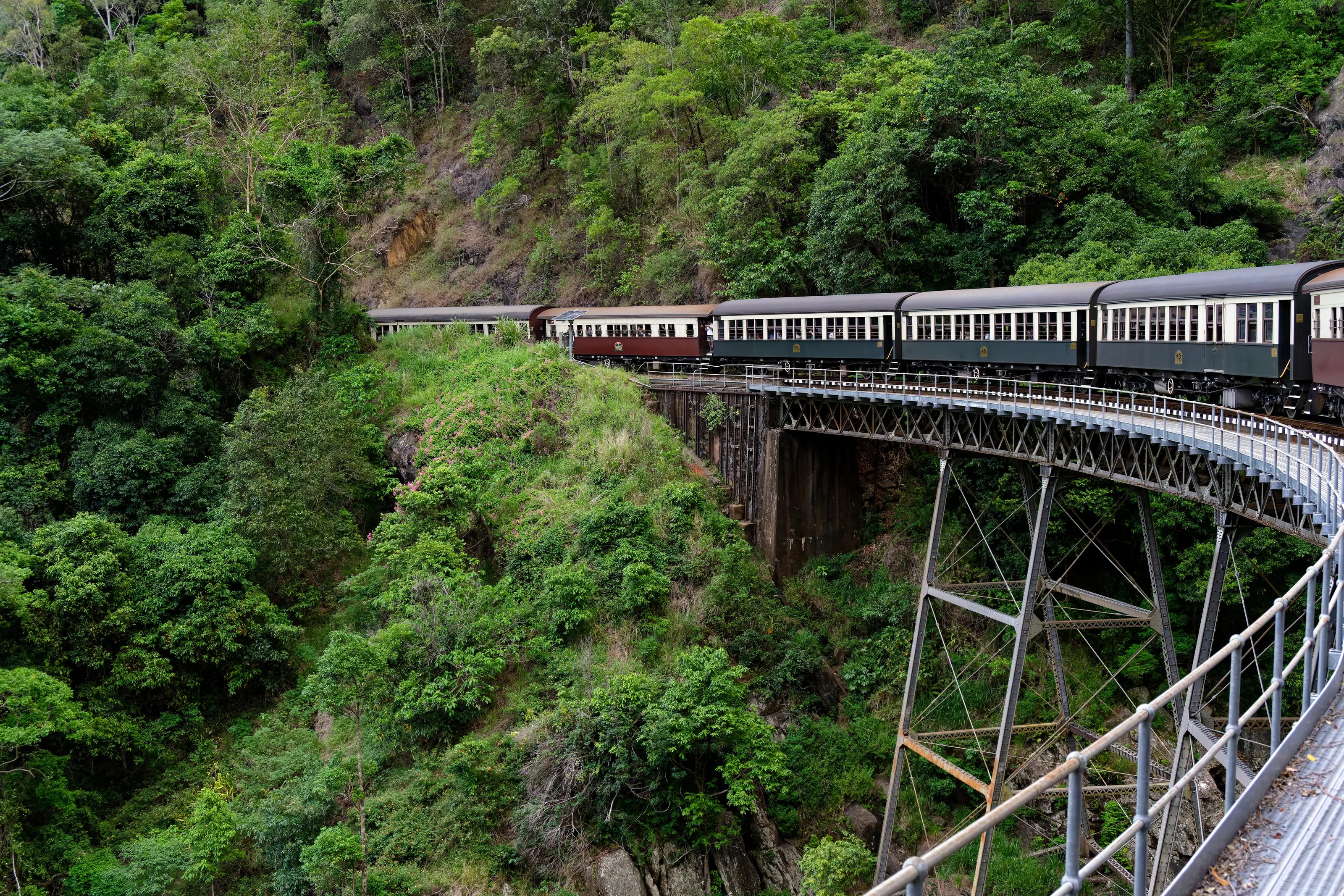
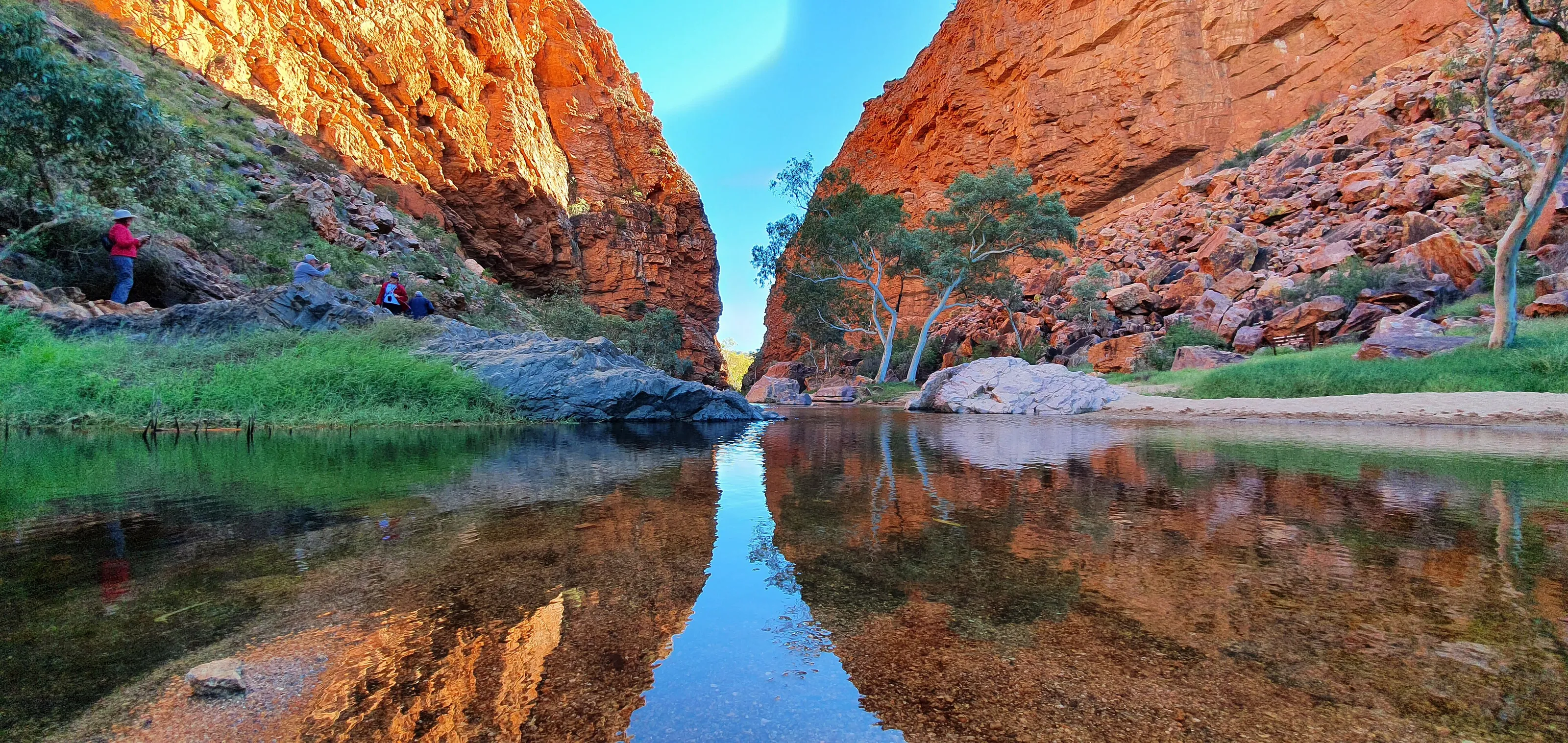
Broome and the Kimberley coast in pictures
You might also like
Similar destinations
FAQ
Frequently asked questions about flights to Broome
How do I get from Broome airport to the centre?
The airport (BME) is less than 2 km from the centre: a few minutes by taxi or rental car. Cable Beach is about 7 km from the centre.
When is the best time to visit Broome?
From May to October, in the dry season. From November to April it is the wet season, with humid heat and a risk of cyclones. Seasons are reversed compared with Europe.
Is Broome expensive?
The price level is high, especially for domestic flights, accommodation in the dry season and excursions into the Kimberley. Beaches, markets and simple meals help keep the budget under control.
How long should I stay in Broome?
Two days cover Cable Beach, Chinatown and pearls; three to four days add the coast and Gantheaume Point, and at least five days allow an excursion into the Kimberley.
How do I get around Broome and the area?
The town is spread out: public bus, taxis or a rental car. For the peninsulas and the Kimberley, use a car or organised tours by plane or boat; driving is on the left.
What should I try in Broome, and can I swim?
Fish and seafood, Saturday markets and craft drinks. For swimming, follow the signed areas: strong tides, saltwater crocodiles in the region and, from November to March, possible jellyfish.
How much does a flight to Broome usually cost?
The price mainly depends on your departure city, the season and how far ahead you book. The "opportunities" section above shows real examples of fares already detected by SniperAir for this destination.
How do I get alerted when a flight to Broome drops below my budget?
Create an alert profile with your departure airport, Broome as the destination and your maximum budget. You are notified automatically as soon as a matching fare is detected.
Ready to head to Broome?
Set your budget and let SniperAir monitor fares for you.
Create my alert