
Cheap flights to San Andrés
Set your departure airport and maximum budget: SniperAir tracks prices to San Andrés and alerts you the moment a deal matching your criteria appears.
Quick summary
Country
Colombia
Continent
South America
Airport
ADZ
Currency
Colombian peso
Time zone
UTC-5
Deals already spotted to San Andrés
Real flight examples detected by SniperAir, with their reference price.
Loading examples…
A different Caribbean
San Andrés, Colombian but a world apart
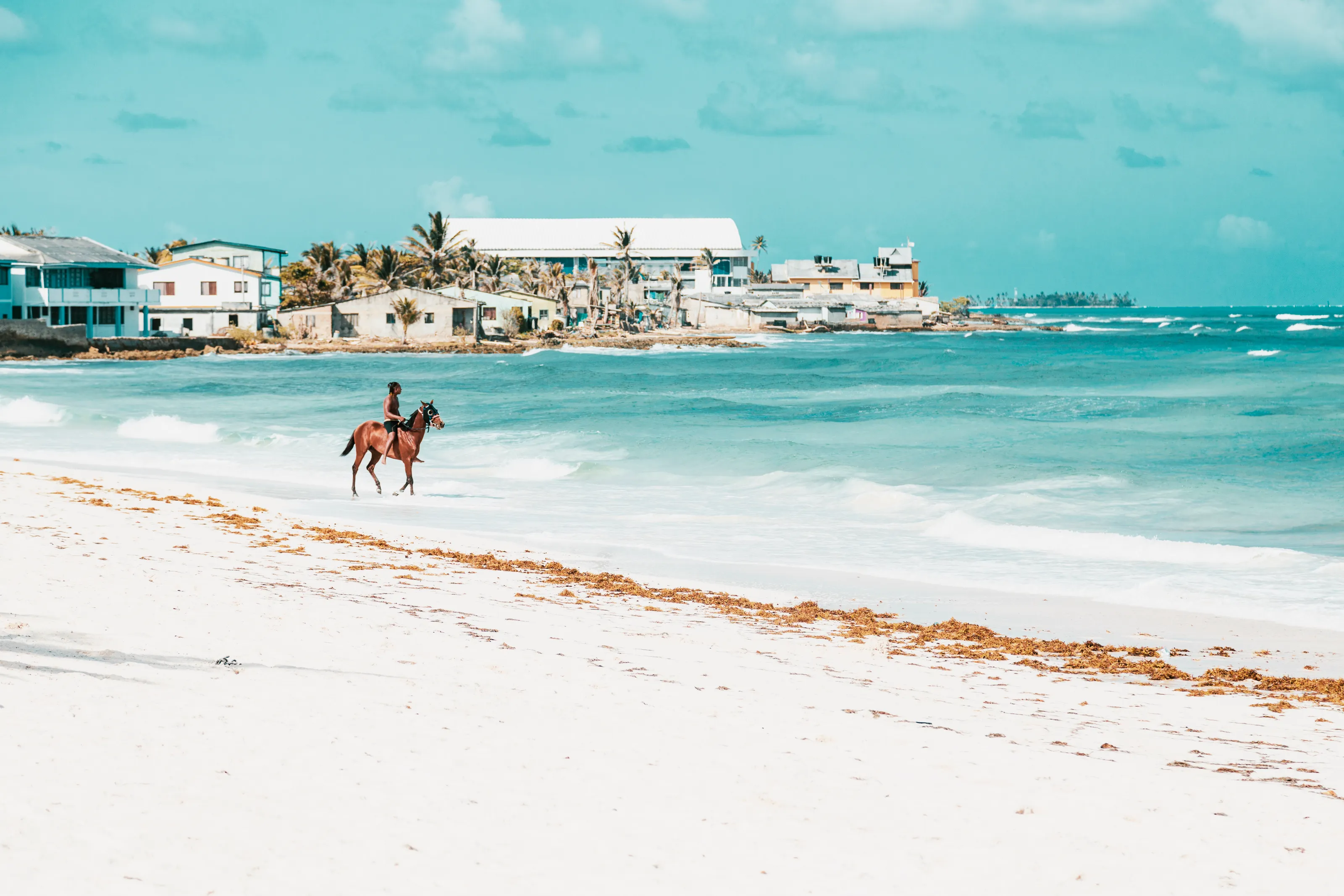
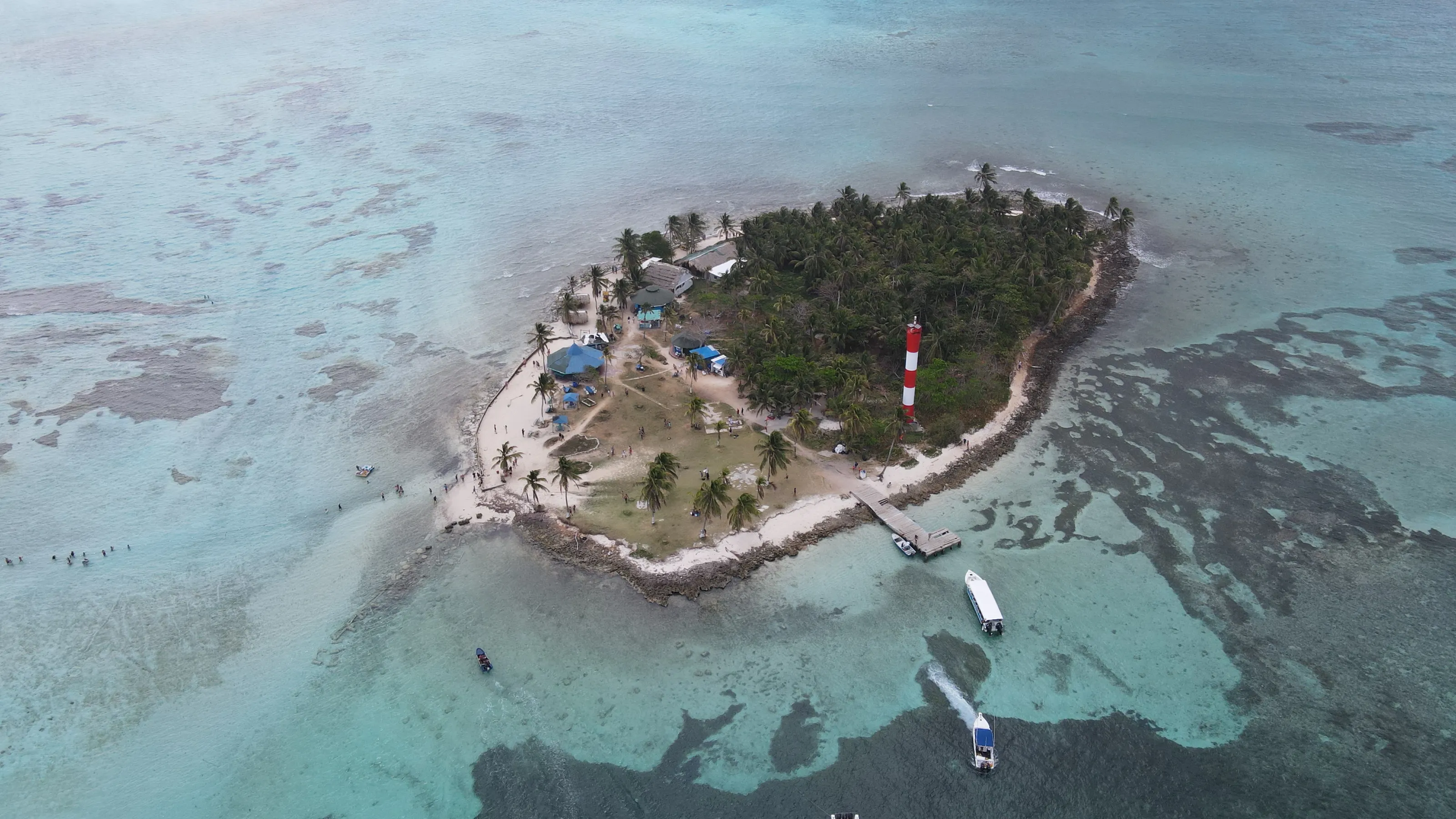
San Andrés is a coral island and the largest in the archipelago of San Andrés, Providencia and Santa Catalina, a department often called the Raizal Islands. The island is only about 26 square kilometres, around 13 km long and 3 km wide, and a single road of roughly 30 km circles it. It sits several hundred kilometres north-west of mainland Colombia and is geographically much closer to Nicaragua.
The location shows everywhere. Spanish, English and an island Creole are all official languages of the department, and the islands were settled by English Puritans in the 17th century. Add a duty-free status and a UNESCO biosphere reserve around the archipelago, and this is a Caribbean island with its own story rather than one more resort.
Beaches and cays
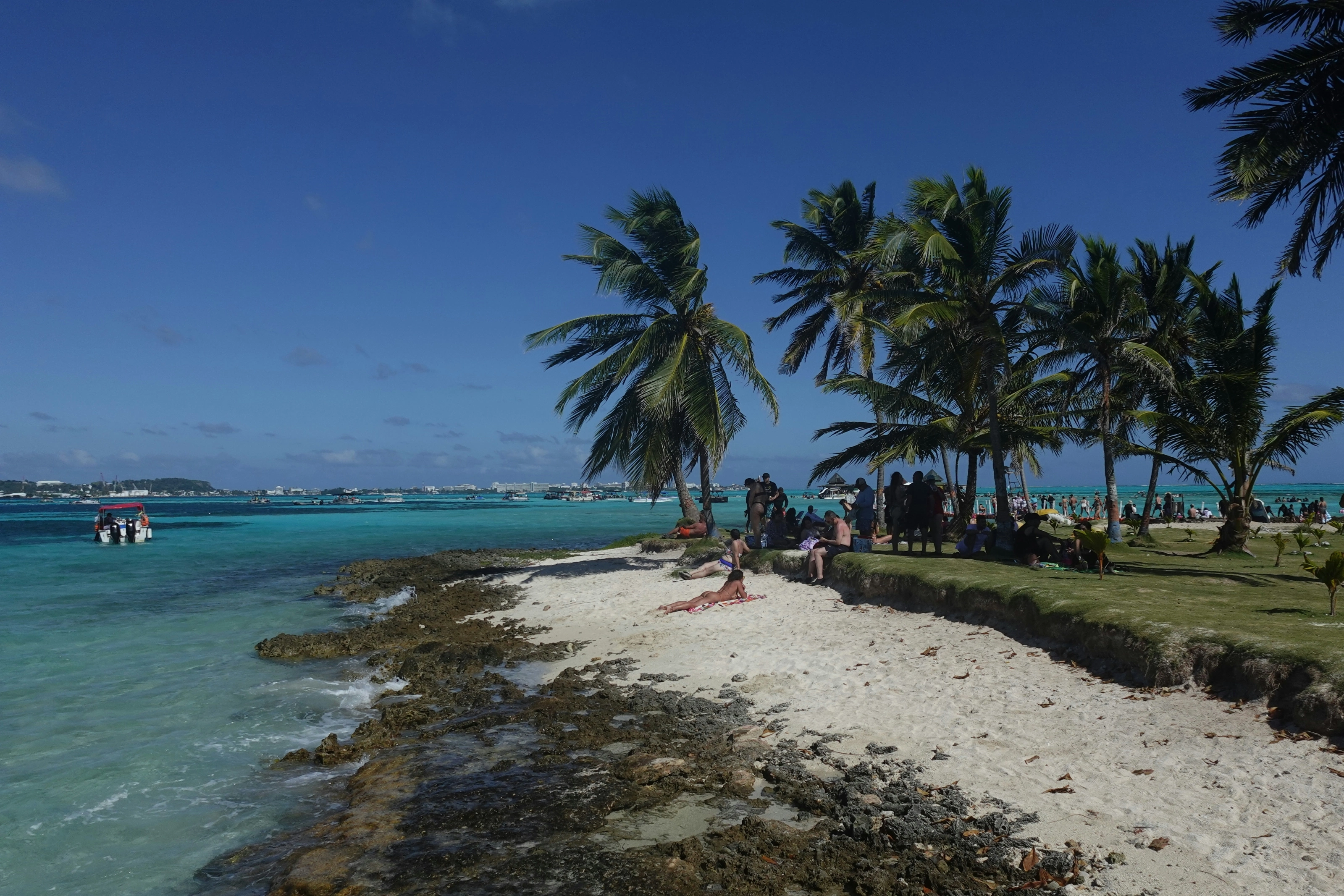
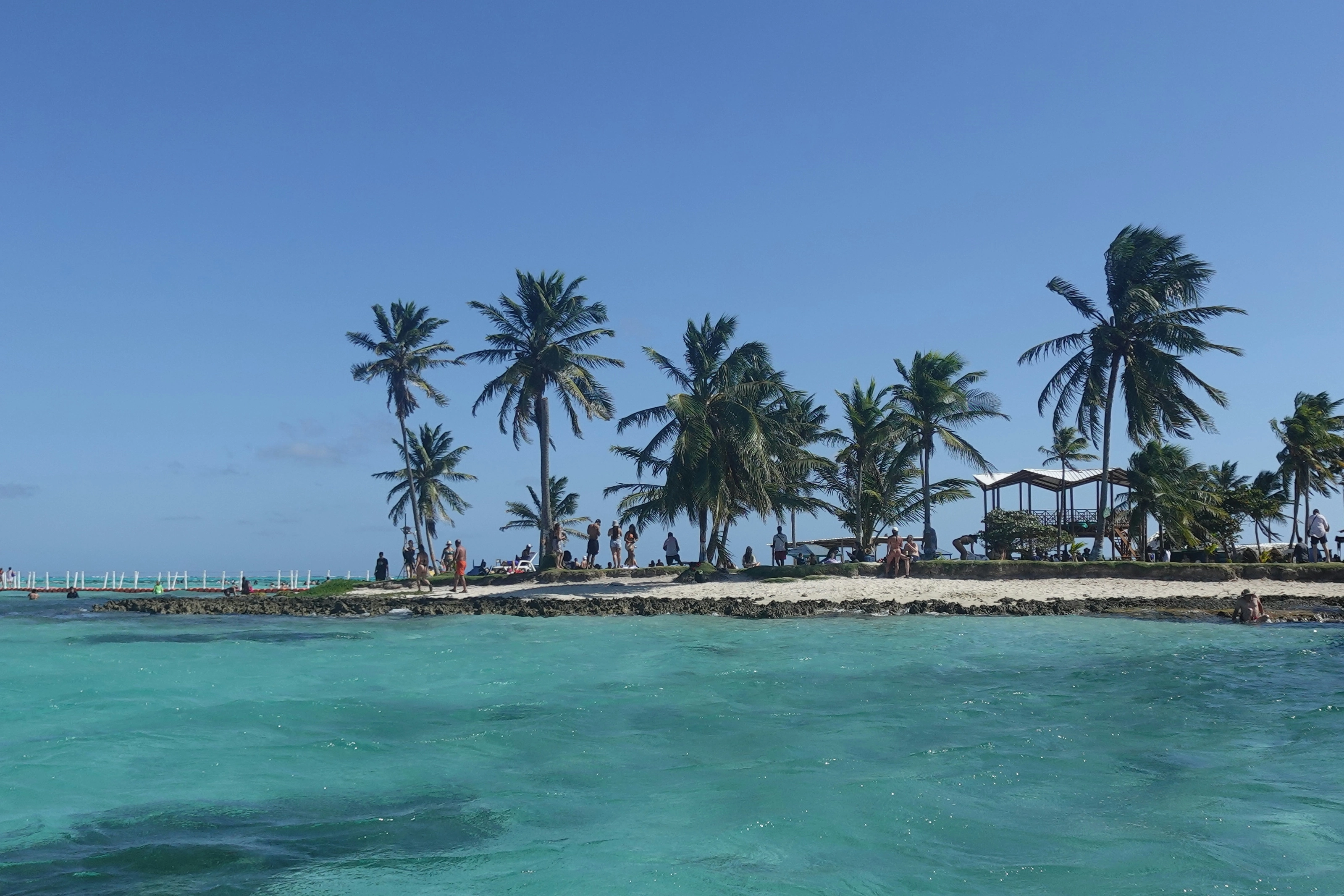
Johnny Cay, Haynes Cay and Cocoplum
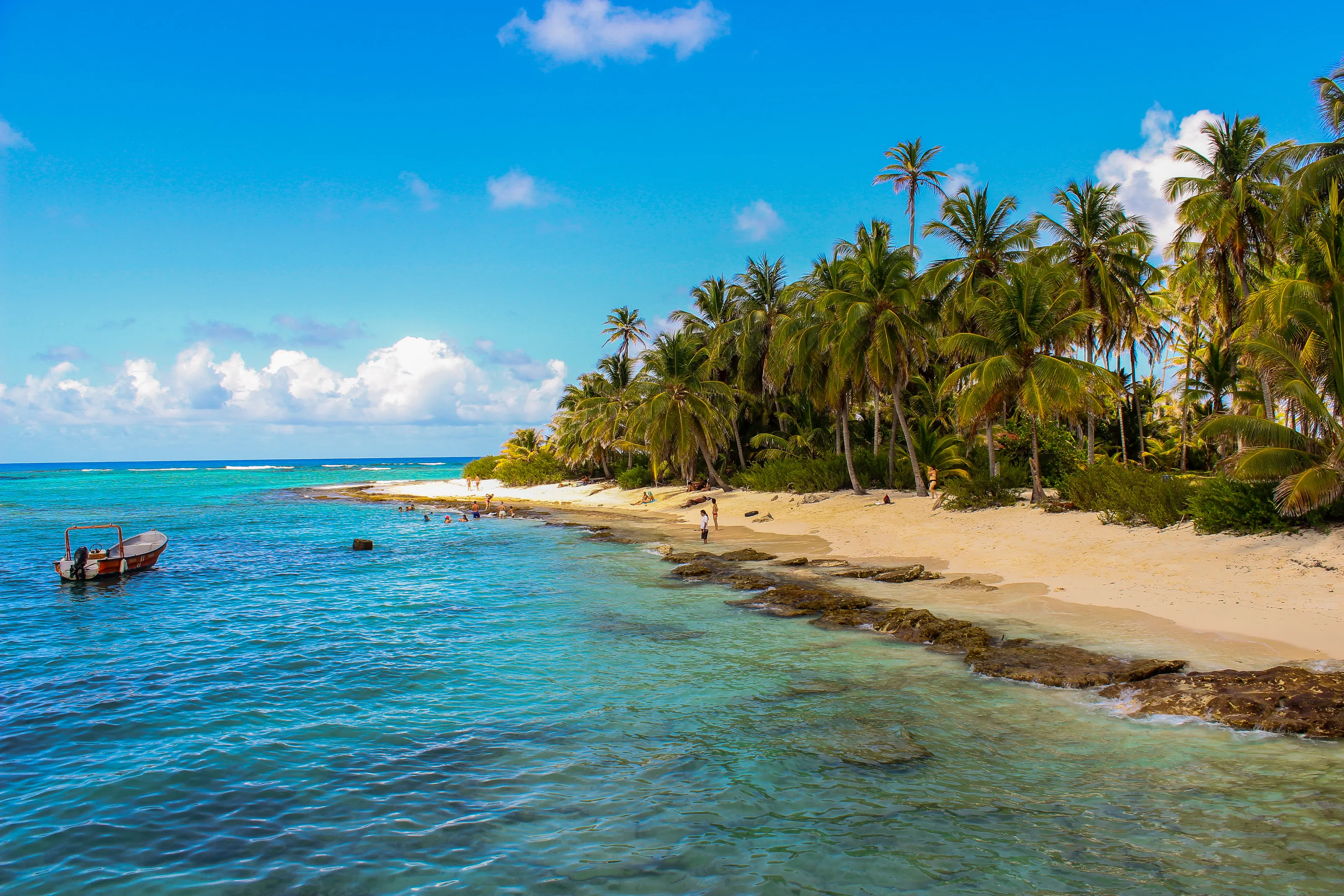
White sand and the seven-colour sea
Colombians call the water around the island the sea of seven colours, because the shade of blue changes with the depth. A short boat ride from the main beach, Johnny Cay is a small coral islet with white sand and coconut palms, a protected regional natural park; the current can be strong, so swimming is not advised there. Haynes Cay and the nearby Acuario cay are calm, shallow spots for snorkelling. Back on the island, Cocoplum Bay in San Luis is a favourite for its white sand and shallow water, and Rocky Cay Beach, on the north side, has a little island you can nearly walk to.
In the water
Snorkelling spots and a reef-ringed island
The island is completely ringed by reef, with twelve mangrove forests, and the surrounding sea is part of the Seaflower Biosphere Reserve. Snorkelling is the easy way in: West View and La Piscinita are natural pools and snorkelling points rather than beaches, and diving centres offer courses for beginners. San Luis beach, protected by a small coral reef, suits children.
On the southern tip, the Hoyo Soplador is a natural blowhole where waves shoot water up through the rock.
Raizal culture
La Loma, the heart of island identity
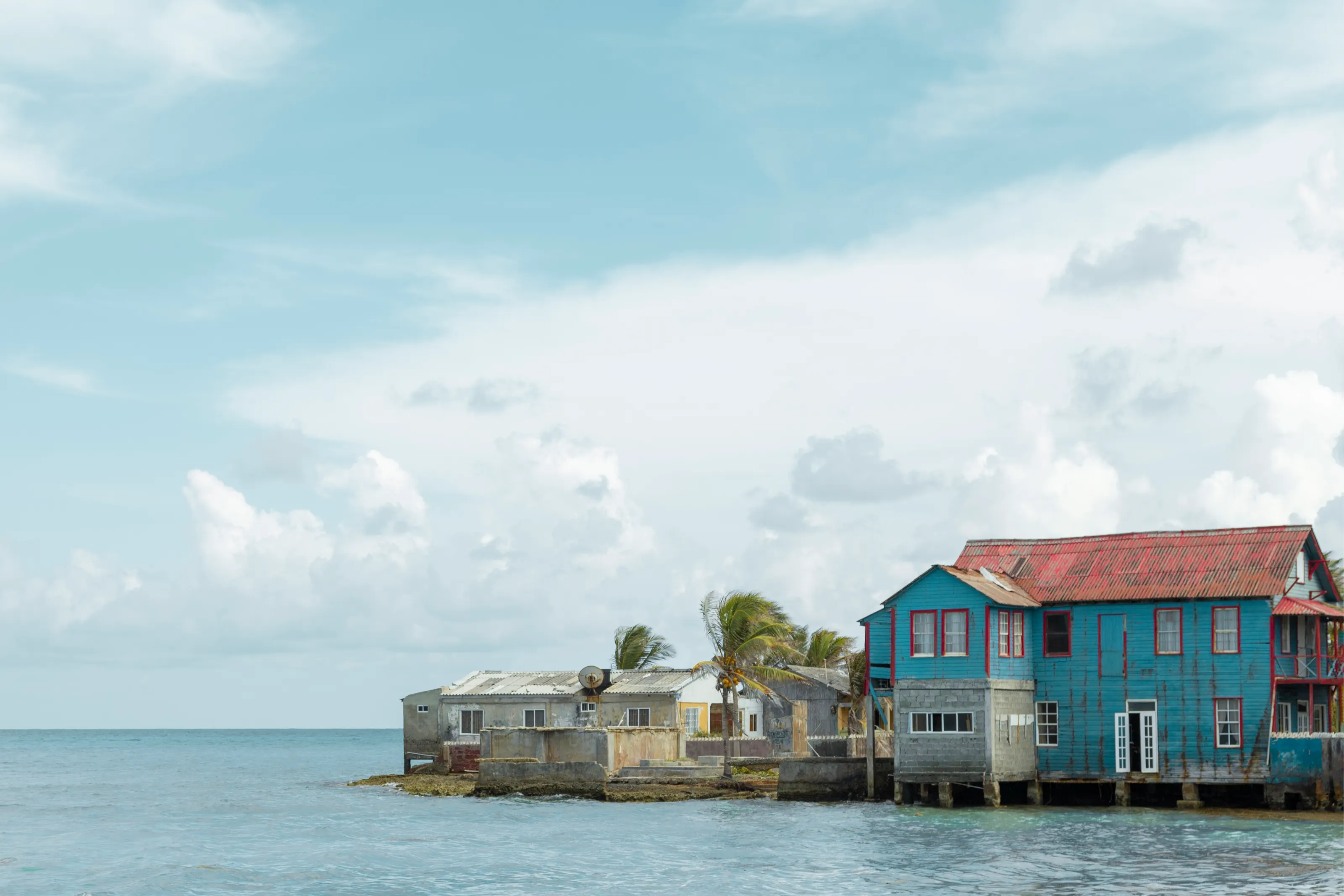
The island's native Raizal community descends from African and European settlers, and the culture shows in the language, music and food.
The Baptist church
On the hill of La Loma, in the middle of the island, stands the Baptist church, built in 1847. The village is one of the best places to see traditional island architecture, and the Islander House Museum introduces local customs.
Rondón, the island dish
The island's signature dish is rondón, a hearty coconut-milk stew of fish, conch or crab, plantain, breadfruit and other ingredients. You will also find crab soup, fish balls and plantain tart. Most visitors try traditional dishes around El Cove and San Luis.
Museums and sights
Islander House Museum, Morgan's Cave and viewpoints
Islander House Museum
A small museum of island culture, presenting the customs and way of life of the islanders, according to Wikipedia (EN). A good introduction before heading up to La Loma
Morgan's Cave
A coral cave linked to the legend of the pirate Henry Morgan, with a small museum and an aquarium on site (Wikipedia EN)
The seaquarium and the cays
The small sea aquarium and the cays of Haynes Cay and El Acuario, calm and shallow, complete the nature stops
There are no large museums: people come to San Andrés for nature, Raizal culture and beaches. For landmarks, the Baptist church of La Loma (1847) and Big Pond, the freshwater lake in the middle of the island, are the usual stops. The Hoyo Soplador blowhole at the southern tip throws water up when the swell is strong (Wikipedia FR gives about 5 metres), and West View and La Piscinita are natural coral pools for snorkelling.
Food and drink
Rondón, crab soup and coconut sweets
Typical dishes
Wikipedia (ES) lists rondón, crab soup, conch (caracol) salad, fish balls and crab patty, served with coconut rice, patacones, cassava, yam and breadfruit
Desserts
Cocada, coconut balls, sesame sweets and plantain tart are among the island's sweets
Where to eat
Most restaurants are downtown; El Cove serves local dishes, and the San Luis district has a few well-reviewed places (Wikipedia FR). No large food market is documented, so Raizal home cooking is mostly found in family restaurants in La Loma.
Rules and drinks
Eating turtle is prohibited and some species cannot be fished during closed seasons (Wikipedia ES). Alcohol is duty-free on the island, so it is generally cheaper than on the mainland. Tap water is not recommended: buy bottled water.
Climate
Warm all year, with a drier season from February to April
December to February
Generally drier and a little cooler, with north trade winds until mid-January (Wikipedia EN). A good time for clear water and diving.
March to May
March is the driest month, with about 24 mm of rain; showers return gradually in May.
June to August
Wet season, with storms and stronger winds around mid-June according to Wikipedia (ES). Temperatures stay high.
September to November
Rain peaks in October, above 300 mm according to Wikipedia. The Atlantic hurricane season officially runs until 30 November.
Figures to remember
Wikipedia (EN, ES, DE) gives an annual mean of about 27 C, daily highs of about 29 to 30 C, lows of about 25 C, around 1,900 mm of rain a year, 81 to 82 percent humidity and sea temperatures of 27 to 28 C. There is no reversed southern season: the island is in the northern hemisphere, at roughly 12 degrees north.
Best time to go
From December to April rain is less frequent and the sea calmer. Outside these months expect showers, and check the hurricane outlook before booking between September and November. Hurricane Iota badly hit Providencia in November 2020.
Practical
Duty-free shopping, getting around and where to stay
| Topic | Good to know |
|---|---|
| Shopping | San Andrés is a duty-free island, with many shops downtown selling perfume, alcohol and clothing; check the quality, avoid counterfeits and skip coral souvenirs |
| Getting around | Hire a golf buggy or scooter, ride the public bus, or take a taxi, which has no meter, so agree the fare first |
| Where to stay | Mostly all-inclusive hotels and hostels, plus guesthouses run by Raizal families with a homemade breakfast |
| Water | Tap water comes from wells and desalination plants and is not safe to drink |
| Neighbour | Providencia, a smaller island in the same archipelago, is reached by plane or boat |
| Getting around the island | A ring road of about 30 km, buses, golf buggies, scooters and bikes to rent, and meterless taxis (agree the fare first) |
| By sea | Boatmen leave from the Cotton Cay pier for the cays; to Johnny Cay allow about a quarter of an hour |
| Water | Tap water is not recommended: use bottled water |
| Formalities | A tourist card is required on arrival and kept until departure |
Getting around
A circuit of the island in a day, by bus or scooter
From the airport
The airport is in the northern part of the island, right beside downtown, according to Wikipedia (EN). A taxi to the downtown hotels takes a few minutes; agree the fare in advance because taxis have no meter.
On the island
The ring road (about 30 km) links every district: regular buses between downtown and San Luis, golf buggies and scooters to rent, and a small tourist train made of a tractor and trailers (Wikipedia EN/DE). A full circuit can be done in a day.
By boat
Small boats from the Cotton Cay pier serve Johnny Cay, Haynes Cay and El Acuario. There is no passenger ferry to the island: access is by air, according to Wikipedia (EN).
To Providencia
Providencia lies about 80 km to the north-east, and Wikivoyage says all its flights leave from San Andrés. Schedules and airlines change, so check before fixing an excursion.
Budget and length of stay
More expensive than the mainland, with duty-free shopping
Price level
San Andrés costs more than mainland Colombia for lodging and food, especially in high season, and all-inclusive packages are common. We give no prices because they are not cross-checked. Perfume, alcohol and electronics benefit from the island's duty-free status.
Flights and alerts
The flight is the most variable cost. SniperAir watches prices to ADZ, compares them with the route's history and alerts you; it does not sell or book tickets.
Precautions
As anywhere, keep valuables with you on the beach and check your own country's official travel advice before you go. Do not take home corals or shells, and avoid stepping on reefs.
By length of stay
What to do in San Andrés by length of stay
The essentials
Johnny Cay, Haynes Cay and El Acuario by boat, Cocoplum beach, and a ring-road circuit with the Hoyo Soplador and La Loma.
At your own pace
Add snorkelling at West View and La Piscinita, Morgan's Cave, a rondón meal in La Loma and half a day of diving.
With Providencia
Plan a few days on Providencia by air, if current flights suit you.
Why track San Andrés with SniperAir
Your flight to the archipelago at the right price
Pick your departure
Tell us your departure airport and maximum budget for a flight to San Andrés.
SniperAir watches
Our systems continuously compare new prices against the route's real price history.
You get an alert
The moment a price matches your criteria, you're notified, with no searching on your end.
Arriving in San Andrés
An airport in the north, close to downtown
Gustavo Rojas Pinilla (San Andrés)
The island's airport sits at the north end, close to downtown. It has non-stop flights from several Colombian cities and some international routes, and a tourist card is needed on arrival.
Gustavo Rojas Pinilla Airport (ADZ) is in the north of the island, close to the town centre. Wikipedia (EN) lists flights to Bogotá, Medellín, Cali, Cartagena and Barranquilla, as well as Miami and Providencia; frequency changes with the season. Wikipedia (FR) puts the flight from Bogotá at about 1 h 30, which can vary by route.
On arrival, fill in the tourist card and keep it for departure. Our advice: book early for high season, which coincides with the year-end holidays and Colombian school breaks.
In pictures
San Andrés in pictures
You might also like
Similar destinations
FAQ
Frequently asked questions about flights to San Andrés
Which airport serves San Andrés?
Gustavo Rojas Pinilla International Airport (ADZ), with direct flights from the Colombian mainland and some other countries.
What is the best beach in San Andrés?
Cocoplum Bay in San Luis is often named a favourite for its white sand and shallow water, while Johnny Cay is the classic boat trip. Haynes Cay and the Acuario cay are calm spots for snorkelling.
Do they speak Spanish in San Andrés?
Yes, but English and an island Creole are also official languages in the archipelago, a legacy of its British and Afro-Caribbean history.
Is San Andrés a duty-free island?
Yes. It has been a duty-free zone since the 1950s, so perfume, alcohol and clothing are often cheaper than on the mainland.
How much does a flight to San Andrés usually cost?
It mostly depends on your departure city, the season and how far ahead you book. The "deals" section above shows real examples of prices already detected by SniperAir for this destination.
How do I get alerted when a flight to San Andrés drops below my budget?
Create an alert profile with your departure airport, San Andrés as the destination and your maximum budget. You'll be notified automatically the moment a matching price is detected.
When is the best time to visit San Andrés?
From December to April, when rain is less frequent (March is the driest month). October is the wettest.
How do I get around the island?
By the ring road of about 30 km: buses, golf buggies, scooters, meterless taxis (agree the price) and a small tourist train.
What should I eat in San Andrés?
Rondón, crab soup, conch salad, fish balls, crab patty and, for dessert, cocada or plantain tart.
Ready to head to San Andrés?
Set your budget and let SniperAir monitor fares for you.
Create my alert