
Cheap flights to Santa Marta
Set your departure airport and maximum budget: SniperAir tracks prices to Santa Marta and alerts you the moment a deal matching your criteria appears.
Quick summary
Country
Colombia
Continent
South America
Airport
SMR
Currency
Colombian peso
Time zone
UTC-5
Deals already spotted to Santa Marta
Real flight examples detected by SniperAir, with their reference price.
Loading examples…
Between sea and summits
Santa Marta, a Caribbean port at the foot of a snow-capped range
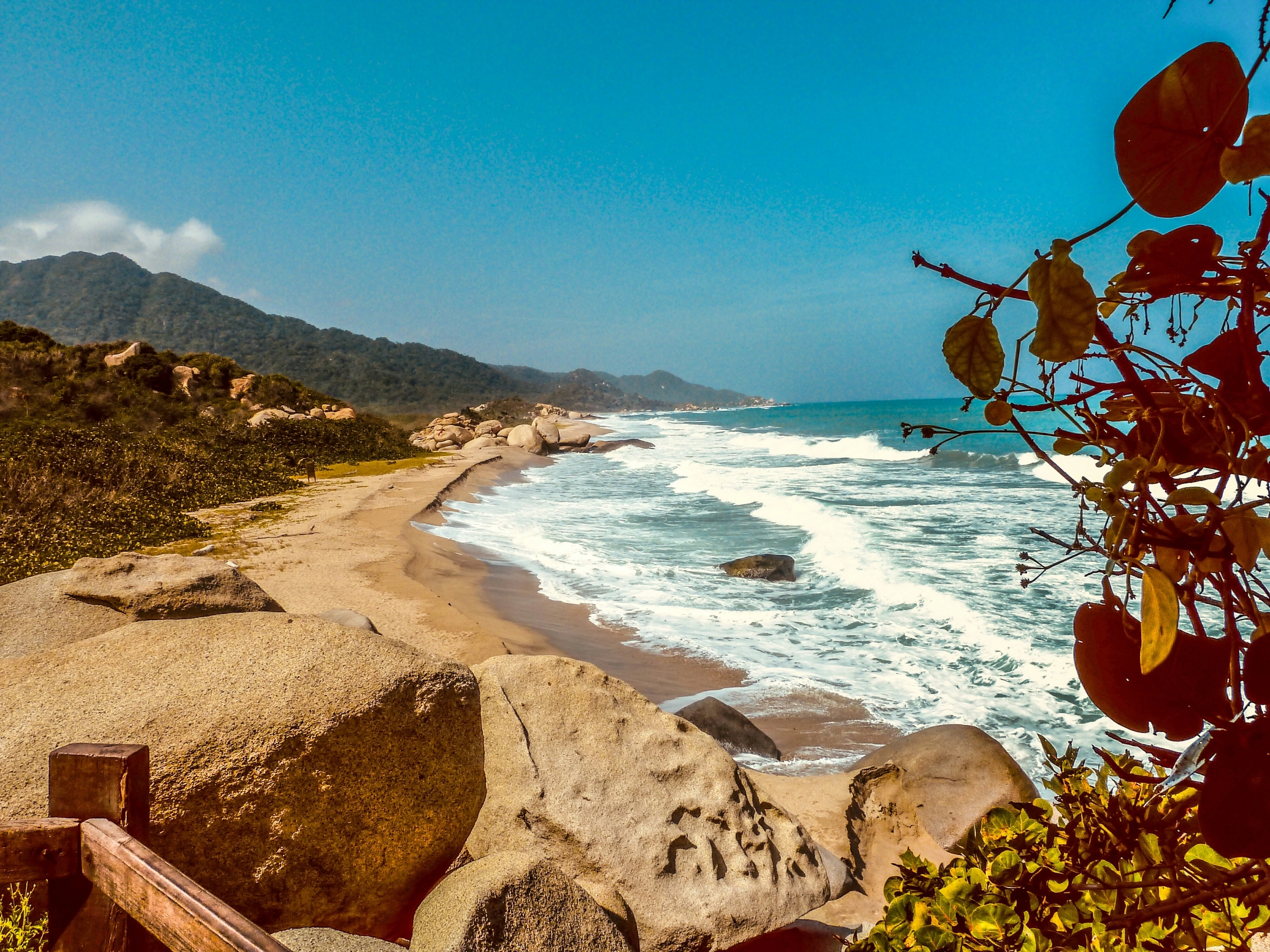
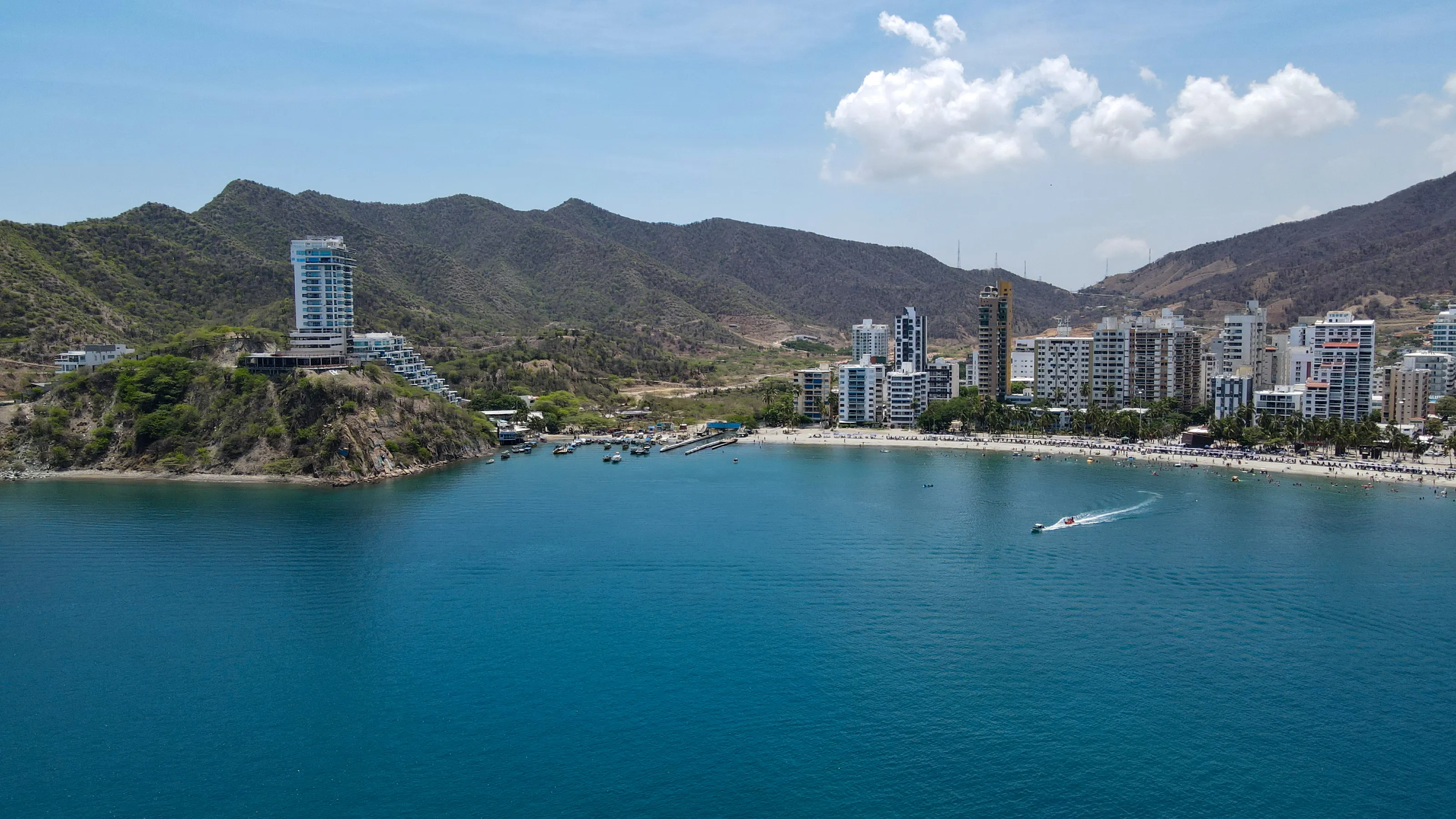
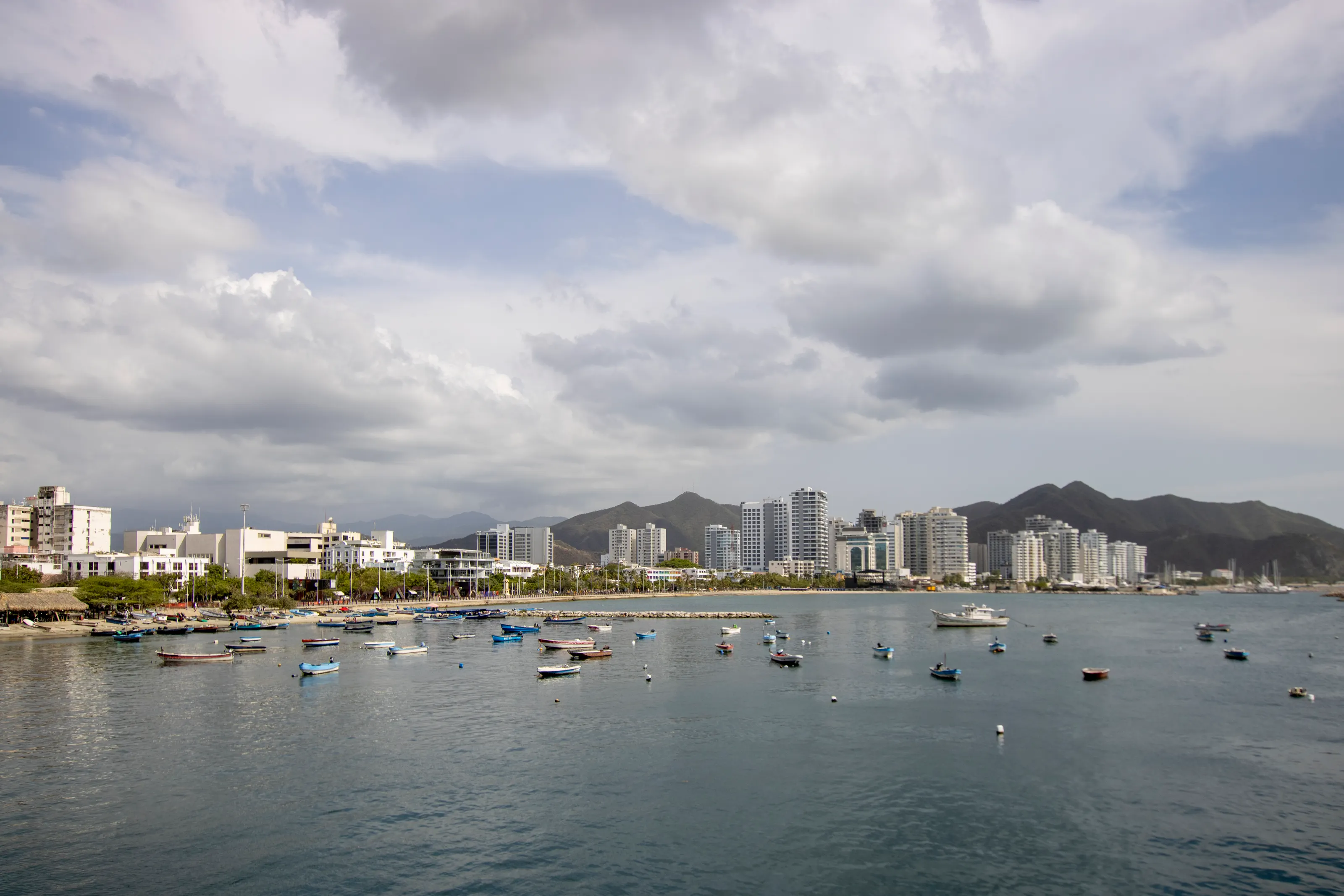
Few places combine warm Caribbean water and glaciated peaks so closely. Santa Marta, a port city on Colombia's northern coast, sits in front of the Sierra Nevada de Santa Marta, whose highest peaks rise to more than 5,700 metres above the sea. It is the gateway to two of the country's best-known natural sites, Tayrona National Park and the Sierra Nevada itself, and the starting point for the trek to the Lost City.
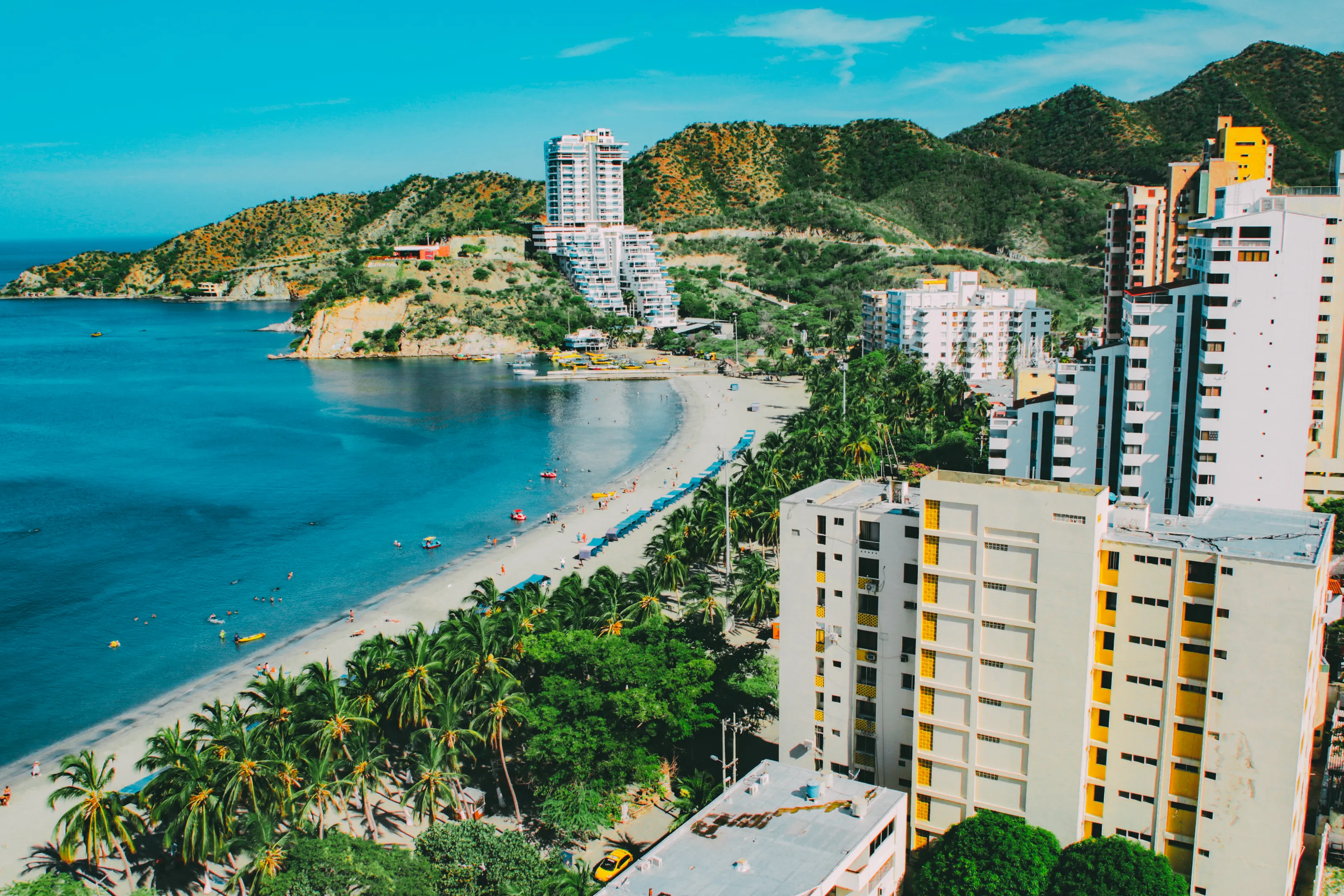
In town, expect a busy, noisy city beach, plenty of vendors and a lively port. The real appeal lies around it: the old centre, the suburbs of El Rodadero and Taganga, and the wild coast to the east.
History
Colombia's oldest surviving city
Santa Marta was founded on 29 July 1525 by the Spanish conquistador Rodrigo de Bastidas. It is the oldest surviving city in Colombia and, according to Wikipedia, the second oldest in South America.
It is also where Simón Bolívar, liberator of much of South America, spent his last weeks and died of tuberculosis in 1830, at the Quinta de San Pedro Alejandrino, just outside the centre. Before the Spanish arrived, the Tairona people lived in the mountains behind the coast, leaving stone terraces, pathways and fine gold work.
Old centre and museums
Customs House, cathedral and the Quinta de San Pedro Alejandrino
The old centre is best covered on foot, around Plaza de Bolívar and the seafront. Santa Marta has few large museums, but several places are easy to visit. Opening hours and fees change, so check before you go.
Tayrona Gold Museum
Housed in the Casa de la Aduana on Plaza de Bolívar and run by the Banco de la República, it shows pre-Columbian pottery and gold work. The 18th-century building has been a national monument since 1974 (Spanish Wikipedia). Wikivoyage lists a scale model of the Lost City among the exhibits.
Quinta de San Pedro Alejandrino
This hacienda a few kilometres from the centre is where Simón Bolívar died in 1830. It has gardens and the Bolivarian Museum of Contemporary Art, founded in 1986, with more than 200 works (Spanish Wikipedia).
University of Magdalena ethnographic museum
Three rooms on the history, places and everyday life of the region's peoples, in the former San Juan de Dios hospital (Spanish Wikipedia).
Aquarium and Sea Museum
A few minutes by boat from El Rodadero, with turtles, sharks, corals, dolphins and seals (Spanish Wikipedia).
Cathedral and Santo Domingo convent
The cathedral-basilica holds the remains of the founder Bastidas and was built in the 17th and 18th centuries according to different sources. The Santo Domingo convent houses an anthropological and ethnological museum (French Wikipedia).
Parque de los Novios
Renovated in 2008, it has become one of the city's dining and nightlife centres. The Morro islet, about 65 metres high, is sacred to the peoples of the Sierra.
| Place | Good to know |
|---|---|
| Tayrona Gold Museum | Plaza de Bolívar, old centre, on foot |
| Quinta de San Pedro Alejandrino | Where Bolívar died, a few kilometres from the centre, by taxi or bus |
| Aquarium and Sea Museum | Short boat trip from El Rodadero |
| Parque de los Novios | Centre, bars and restaurants |
Tayrona National Park
Tayrona, wild beaches and tropical forest
Jungle, boulders and bays
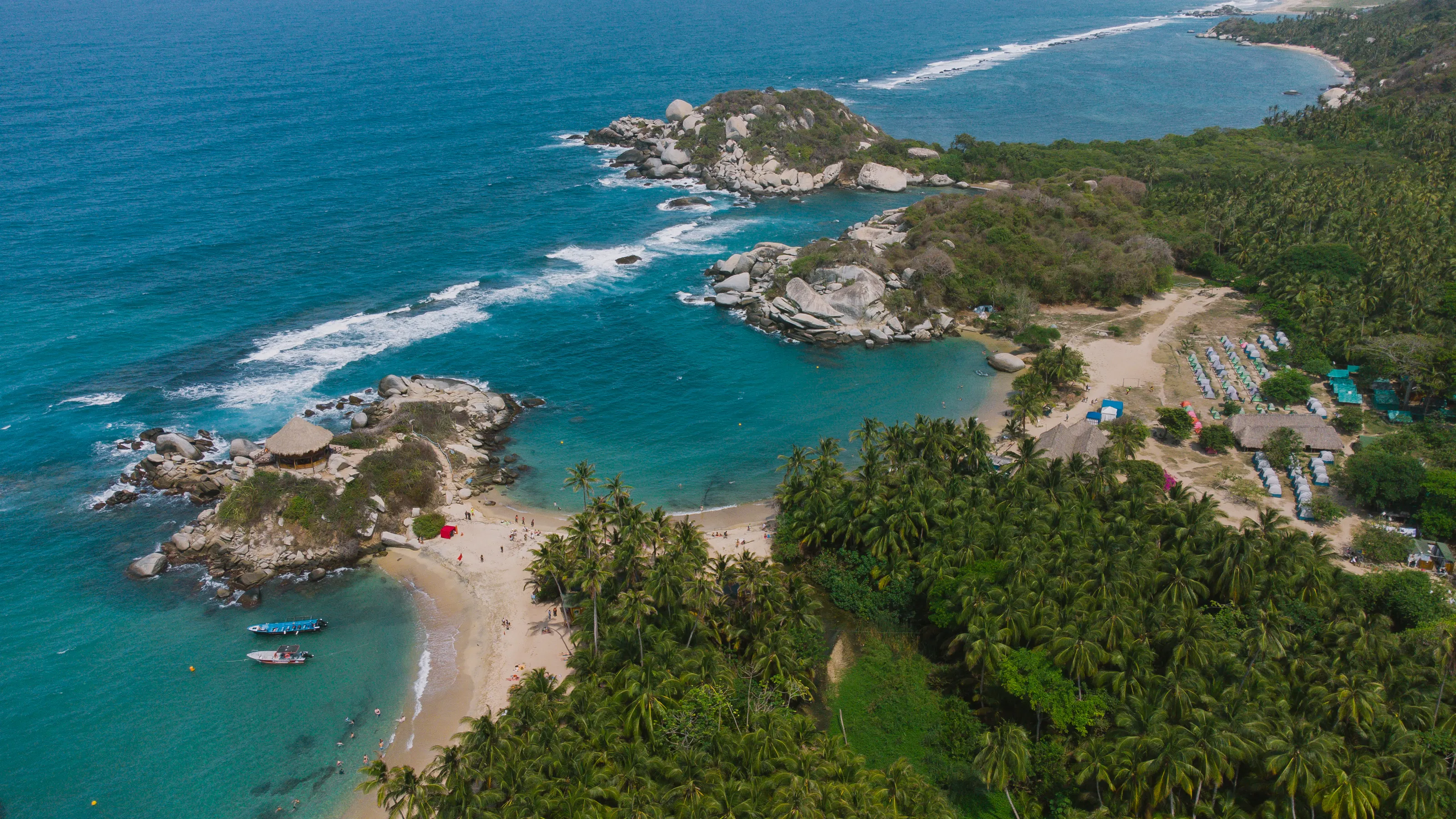
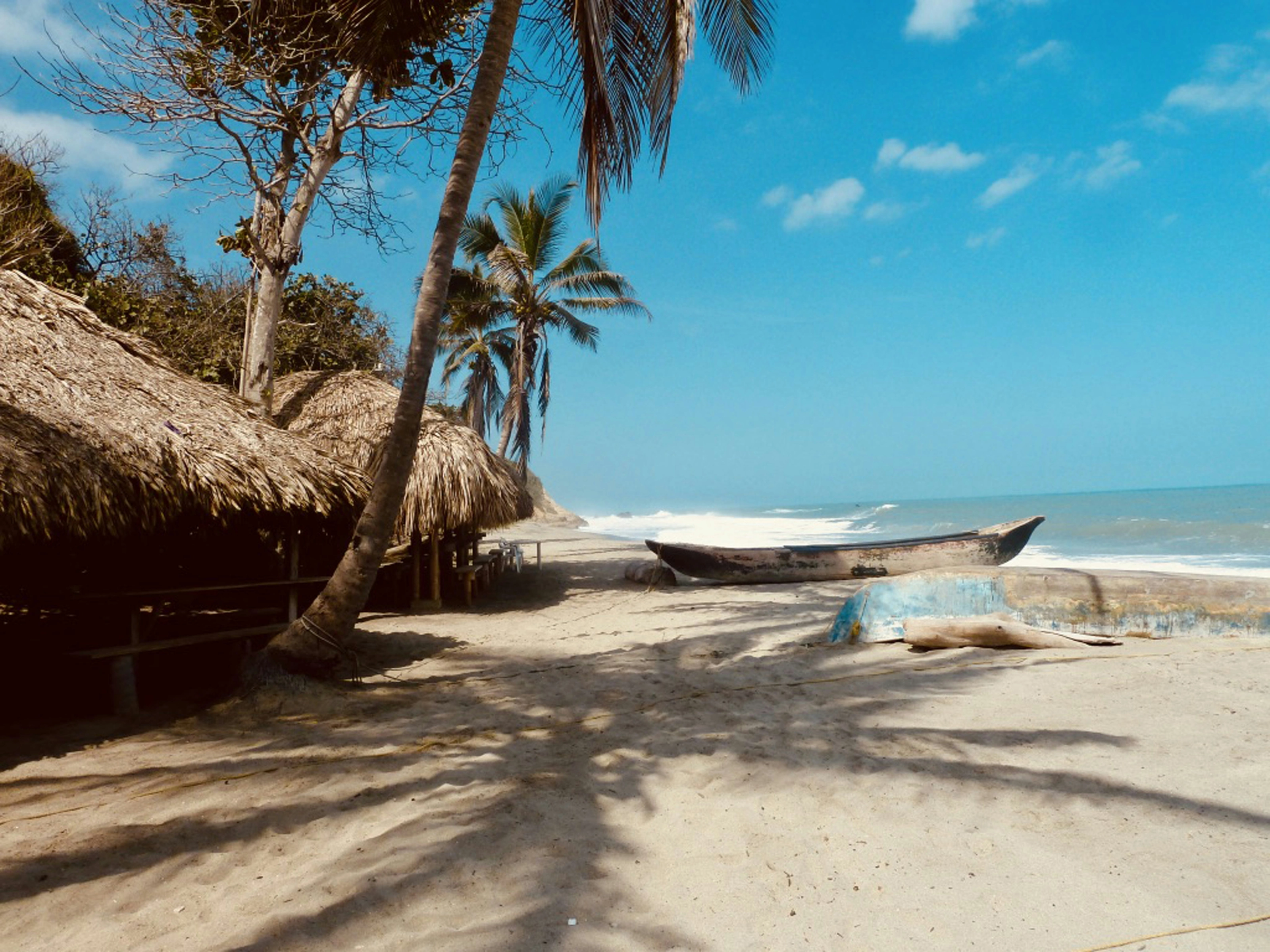
About 34 kilometres from the city centre, Tayrona National Natural Park covers roughly 150 square kilometres of land and 30 of sea, from the shore up into forested hills. It was the second most visited national park in Colombia in 2022. Expect hot, humid weather, long walks and beaches backed by jungle. The park was created to protect sites that are sacred to local indigenous cultures, and it closes for a few weeks each year to let the land rest, so check the dates before you go.
The adventure
The Lost City trek, several days in the jungle
Ciudad Perdida, also called Teyuna, was built by the Tairona around 800 CE, centuries before Machu Picchu. Looters found it in the early 1970s and archaeologists reached it in 1976. It can only be reached on foot, on a multi-day trek of roughly 44 kilometres round trip through jungle and mountains, hot, humid and steep in places.
Booking
Independent hiking is not allowed. The route crosses indigenous Wiwa, Kogi and Arhuaco territory, so you must go with one of four authorised operators, which you can book directly in Santa Marta, usually for less than through international resellers. The dry months, December to March and July to August, are the best windows.
The people of the Sierra
The Kogi, who call the site Teyuna, say they visited it regularly before it was widely reported. The mountains remain home to indigenous communities that keep their traditions.
Around the city
El Rodadero and Taganga
| Place | Who it suits |
|---|---|
| El Rodadero | South of the city: a resort-style beach suburb with high-end hotels and private clubs, popular with Colombian families |
| Taganga | North of town: a former fishing village and backpacker favourite, where nearly all the scuba-diving operators are based |
| Tayrona National Park | East: wild beaches, hiking and tropical forest, about 35 km away |
| Minca | In the hills, 20 km from the city and about 580 metres up, with cooler temperatures and birdwatching |
Approximate road distances from the centre: Tayrona Park is about 34 km away, the airport about 16 km and Minca about 20 km (Wikipedia, Wikivoyage). Barranquilla is roughly a hundred kilometres away and Cartagena more than 200 km.
Food and drink
Fried fish, coconut rice and cayeye
Santa Marta's cooking blends the Caribbean Sea, produce from the Sierra Nevada and a Spanish-indigenous heritage. Fish and seafood come with coconut rice (arroz de coco). Green banana is boiled as cayeye or fried as tajadas and patacones.
Dishes to try
Pescado frito with patacones, shrimp cocktail, yuca with cheese and butter, egg arepas, carimañolas, enyucados and cocadas for something sweet. Soups include sancocho de mondongo, salted-meat soup and fish or seafood soup, sold mostly in the morning.
Drinks
Coffee and hot chocolate are everywhere, and fresh fruit juices are common. Bars in the centre serve rum cocktails.
Where to eat
Street stalls around Carrera 6 and Calle 16 stay open until about midnight. Carrera 5 is lined with shops and vendors. Seafront restaurants serve fried fish, while those around Parque de los Novios cater to the evening crowd.
Getting around
Unmetered taxis, local buses and vans
From the airport, a public bus serves the centre and El Rodadero, and taxis wait outside: they have no meter, so agree the fare before getting in. The ride to the centre takes about 20 minutes (Wikivoyage).
In town
The centre is walkable by day. City buses are the cheapest way to reach El Rodadero, and taxis are plentiful with fares to be agreed. Taganga is about half an hour by taxi and a little under an hour by bus (Wikivoyage).
Take care
As in any large coastal city, avoid walking alone after dark or on isolated paths between the centre and El Rodadero: take a taxi, keep valuables out of sight and ask your accommodation for advice.
To other cities
The bus terminal is outside the centre. Buses take about 2 hours to Barranquilla, 2.5 hours to Riohacha and roughly 3.5 to 4.5 hours to Cartagena depending on route and traffic; air-conditioned minivans also serve Cartagena. Bogotá and Medellín are quicker by air (non-stop flights).
| Journey | Approximate time |
|---|---|
| Airport to centre | about 20 min by taxi |
| Centre to El Rodadero | about 10 min |
| Centre to Taganga | about 30 min by taxi |
| Barranquilla | about 2 h by bus |
| Cartagena | about 3.5 to 4.5 h by bus |
Climate and best time to go
Hot all year, dry from December to April
December to April
The dry and busiest season, peaking from mid-December to late January. February is very dry, with only a few millimetres of rain at the airport.
May to August
The start of the wet season, with showers mostly in June and July. Humidity stays high.
September to October
The wettest months, with about 100 mm each at the airport according to Spanish Wikipedia. Trails in Tayrona and to the Lost City turn muddy.
November
A transition towards the dry season, with rain easing off.
The climate is tropical savanna, with average highs near 33 degrees Celsius and lows around 24; the record exceeds 38. Depending on the station, 450 to 600 mm of rain falls a year, with nearly 2,800 hours of sunshine (Wikipedia in Spanish, French and German). Minca, at about 580 metres, is cooler. Tayrona Park closes for a few weeks a year, often in February, June and late October: check the dates.
Budget
Moderate prices, higher in peak season
Santa Marta is a moderately priced destination by Colombian standards: fish, grills and street food are cheap, and local transport costs little. Accommodation rises from December to April and during holidays and the end-of-year season.
The biggest expense is the Lost City trek, sold as an all-inclusive package by four authorised operators. We do not publish price figures, because they vary and do not cross-check: compare offers directly in Santa Marta and with the official agencies.
Length of stay
How many days in Santa Marta?
The essentials
Old centre, Gold Museum, El Rodadero or Taganga, and a day in Tayrona.
Adding the mountains
Add Minca, the Quinta de San Pedro Alejandrino and a second beach day.
With the Lost City
The trek takes four to six days depending on the operator; leave time to rest before and after.
Why track Santa Marta with SniperAir
A flight to the Caribbean coast without watching prices
Pick your departure
Tell us your departure airport and maximum budget for a flight to Santa Marta.
SniperAir watches
Our systems continuously compare new prices against the route's real price history.
You get an alert
The moment a price matches your criteria, you're notified, with no searching on your end.
Getting there
Simón Bolívar International Airport
Simón Bolívar (Santa Marta)
About 16 km from the centre, with non-stop flights from Bogotá, Medellín and Cali. A public bus runs into town; taxis have no meter.
If fares to Santa Marta look high, Barranquilla's airport is an alternative about two hours away by bus, and a connection through Bogotá, Medellín or Cali can cut the price of an international trip.
The airport is about 16 km from the centre, roughly 20 minutes by taxi, and about 10 minutes from El Rodadero. Non-stop flights come from Bogotá, Medellín, Cali, Bucaramanga and Pereira.
In pictures
Santa Marta and Tayrona in pictures
You might also like
Similar destinations
FAQ
Frequently asked questions about flights to Santa Marta
Which airport serves Santa Marta?
Simón Bolívar International Airport (SMR), about 16 km from the centre, which serves the city, Tayrona Park and the Sierra Nevada. A taxi takes about 20 minutes.
What is the best time to visit Santa Marta?
The dry season from December to April is the most pleasant and the busiest. September and October are the wettest months.
Can you swim in Tayrona National Park?
It depends on the beach: some, such as Arrecifes, have strong surf and are not recommended for swimming, others are calmer. Follow the park's signs. The park closes for a few weeks each year.
How long is the Lost City trek?
Four to six days of walking through the jungle, depending on the operator. You must go with one of the authorised operators, which you can book in Santa Marta.
How do you get around Santa Marta?
On foot in the centre by day, by city bus to El Rodadero, by taxi (no meter, agree the fare first) and by minivan or bus to Taganga and Tayrona.
What should you eat in Santa Marta?
Fried fish with patacones, coconut rice, cayeye, shrimp cocktail, egg arepas and carimañolas, with a coffee or fresh fruit juice.
Is Santa Marta expensive?
Prices are moderate. Street food and local transport are cheap; accommodation rises in peak season and the Lost City trek is the biggest expense.
How many days do you need in Santa Marta?
Three days for the centre, the beach and Tayrona; four to five with Minca; a week or more if you add the Lost City.
How much does a flight to Santa Marta usually cost?
It mostly depends on your departure city, the season and how far ahead you book. The "deals" section above shows real examples of prices already detected by SniperAir for this destination.
How do I get alerted when a flight to Santa Marta drops below my budget?
Create an alert profile with your departure airport, Santa Marta as the destination and your maximum budget. You'll be notified automatically the moment a matching price is detected.
Ready to head to Santa Marta?
Set your budget and let SniperAir monitor fares for you.
Create my alert