
Cheap Flights to Ajaccio
Find the best flight deals to Ajaccio and create an alert to get notified the moment a great price shows up.
Quick summary
Country
France
Region
Corse-du-Sud
Airport
AJA
Sea
Mediterranean
Time zone
UTC+1
Opportunities already spotted to Ajaccio
Real flight examples detected by SniperAir, with their reference price.
Loading examples…
Ajaccio travel guide: imperial history, corsican beaches and west-coast light
Why travel to Ajaccio?
Ajaccio is often introduced as Napoleon’s birthplace, yet the city becomes far more interesting once that familiar label is placed beside everything else it offers. Its old Genoese quarter faces a broad Mediterranean gulf, museums sit within walking distance of urban beaches, and the road west leads to a chain of coves before reaching the Sanguinaires Islands. Behind the coast, vineyards, villages and granite hills reveal another side of southern Corsica.
The historic centre is compact enough for a short break without a car. Place Foch, Rue Fesch, the cathedral, the marina and the lanes around the citadel can all be connected on foot. Buses, a seasonal or year-round maritime shuttle depending on the service, organised tours and rental cars expand the trip towards Porticcio, the Parata headland and the interior. Three days give a good first experience: one for history and art, one for beaches and the sunset coast, and one for a carefully chosen regional excursion.
Ajaccio’s story and corsican character
Human settlement around the gulf reaches back to antiquity, but the modern city emerged under Genoese rule. In 1492, Genoa established a fortified town on the shore. The citadel and the close pattern of streets still reflect this Mediterranean origin. Ajaccio became French in the eighteenth century, during a turbulent period in which control of Corsica changed and local political movements challenged outside powers.
Napoleon Bonaparte was born here on 15 August 1769. His family home, monuments and portraits make that history highly visible, but they should not obscure Ajaccio’s Corsican identity. The island’s language, Catholic brotherhoods, polyphonic singing, fishing traditions, mountain agriculture and strong relationship with the maquis remain part of local culture. The city is now the administrative capital of Corse-du-Sud and one of the island’s main transport and cultural centres.
The essential museums and monuments
Maison Bonaparte offers the clearest introduction to Napoleon’s early environment. The house in the old town contains family rooms, furniture, portraits and documents connected with the Bonapartes. Opening arrangements and entry conditions can change, so travellers should consult the museum’s official information shortly before visiting.
Palais Fesch–Musée des Beaux-Arts is equally important and rewarding even for visitors with little interest in imperial history. Cardinal Joseph Fesch, Napoleon’s uncle, formed the collection behind the museum. Its strengths include Italian painting, works connected with Corsica and galleries devoted to the imperial family. The nearby Chapelle Impériale contains tombs of several members of the Bonaparte family.
Ajaccio Cathedral, formally dedicated to Our Lady of the Assumption, was completed at the end of the sixteenth century. Its restrained exterior contrasts with a richer Baroque interior, and Napoleon was baptised there in 1771. Place Foch presents him as a Roman consul beneath palm trees, while Place de Gaulle uses a grander equestrian composition. These monuments also show how later generations shaped the city’s public memory.
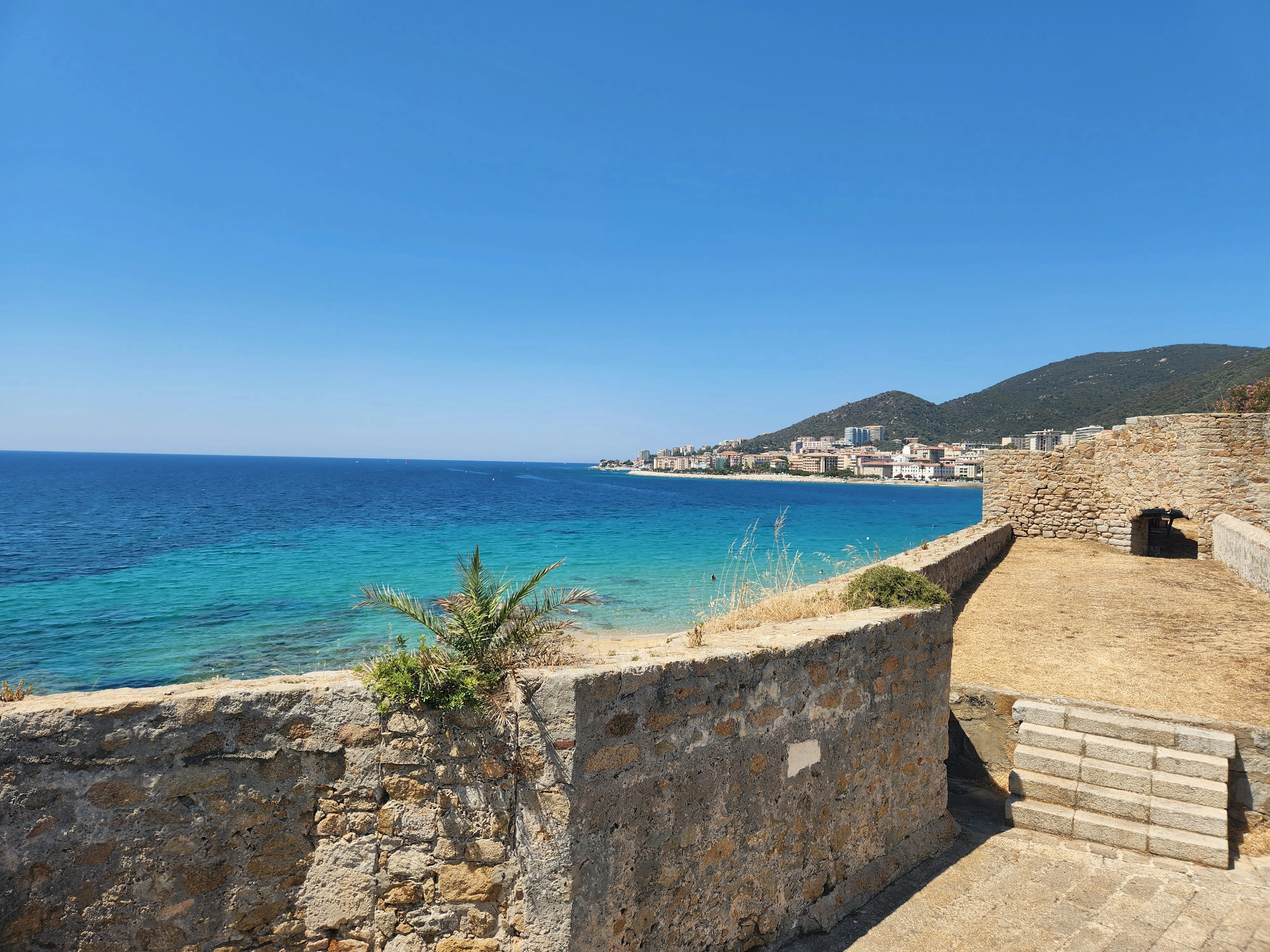
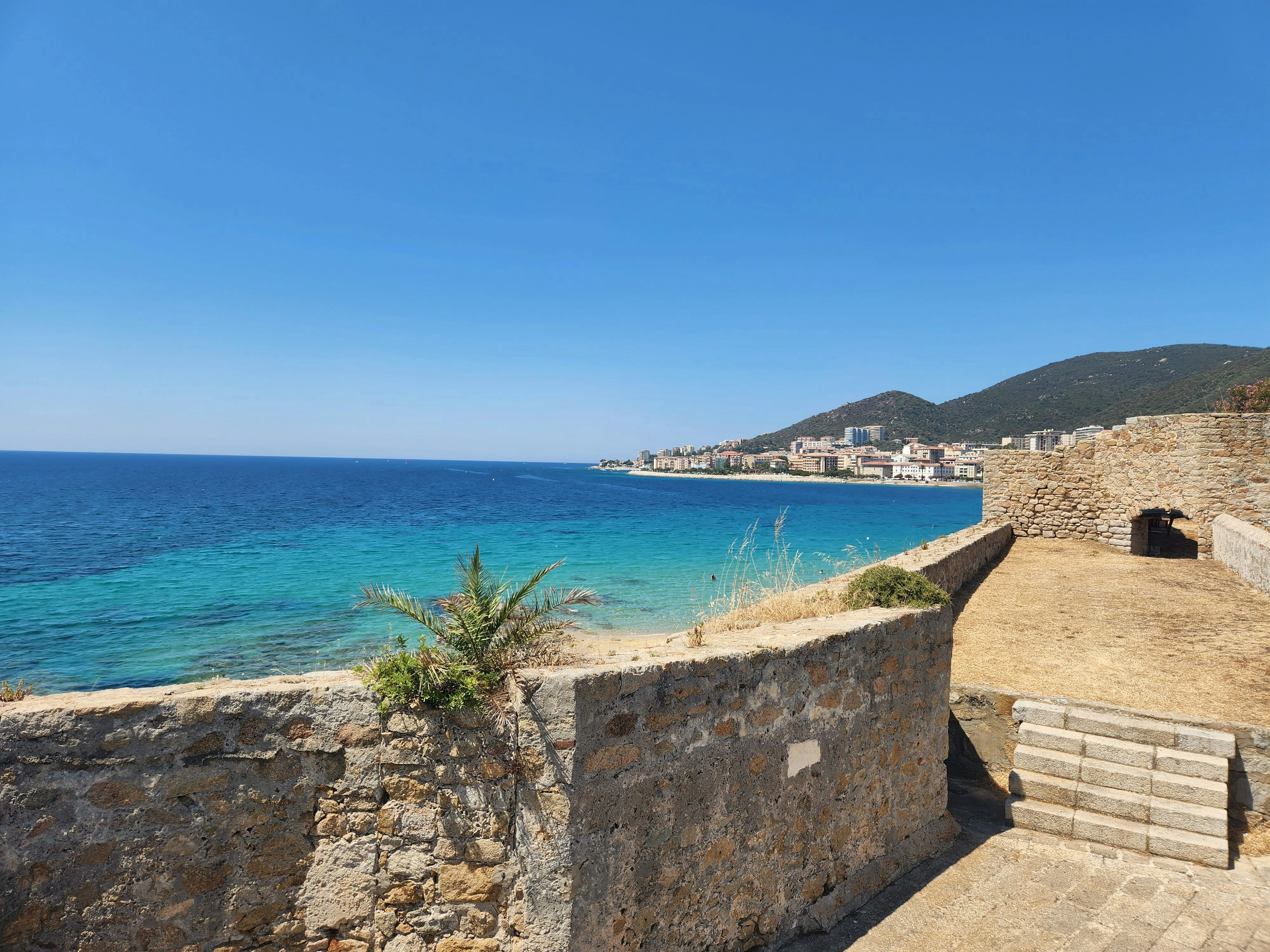
Miollis Citadel occupies the waterfront between the old town and the sea. Access has evolved after long periods of military use and closure. Rather than assume that every area is open, check current municipal or tourism information. Even from outside, the walls help explain the original strategic position of the Genoese settlement.
Old-town walks, markets and local neighbourhoods
A useful first walk begins at Place Foch, crosses the market area and follows the old streets towards Maison Bonaparte and the cathedral. Rue Fesch is the principal pedestrian axis for shops and the fine-arts museum. The lanes running towards Port Tino-Rossi reveal ochre façades, small squares and changing views of boats and water.
Ajaccio’s market is more than a convenient food stop. Depending on the season, stalls carry Corsican cheese, cured meat, honey, preserves, fruit, vegetables, biscuits and prepared dishes. Morning is normally the most rewarding time, although producer schedules and opening days should be checked locally.
Port Tino-Rossi is the departure point for many pleasure cruises and a natural place for an evening walk. Farther north, Port Charles-Ornano and the Saint-Joseph area feel less ceremonial and more connected to everyday urban life. For wider views, climb towards the Casone, the Bois des Anglais or the beginning of the Sentier des Crêtes. The walk is not high-mountain terrain, but summer heat, exposed sections and uneven ground still require water, sun protection and suitable shoes.
Beaches within reach of the city
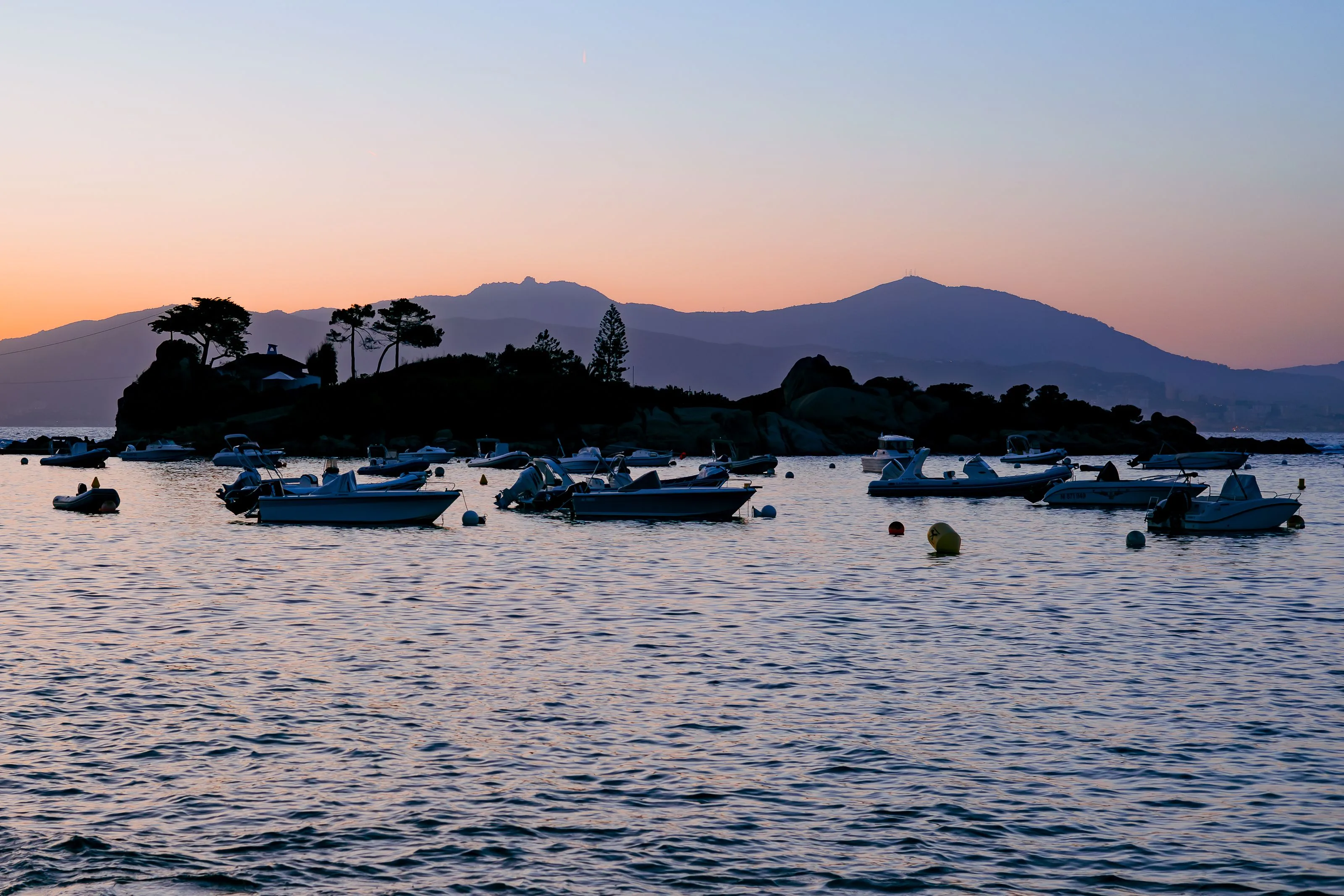
Ajaccio’s geography makes it possible to visit a museum in the morning and swim later without leaving the urban area. Saint-François Beach lies beside the historic centre, close to the citadel. It is convenient rather than remote. Trottel Beach is larger and backed by neighbourhood services.
The Route des Sanguinaires leads west through a sequence of beaches and rocky inlets. Barbicaja and Marinella are among the best-known names, while Ariadne, Terre Sacrée and smaller coves offer different settings. Development gradually thins as the road approaches the Parata headland. Terre Sacrée combines a sea view with a memorial connected to Corsican soldiers of the First World War.
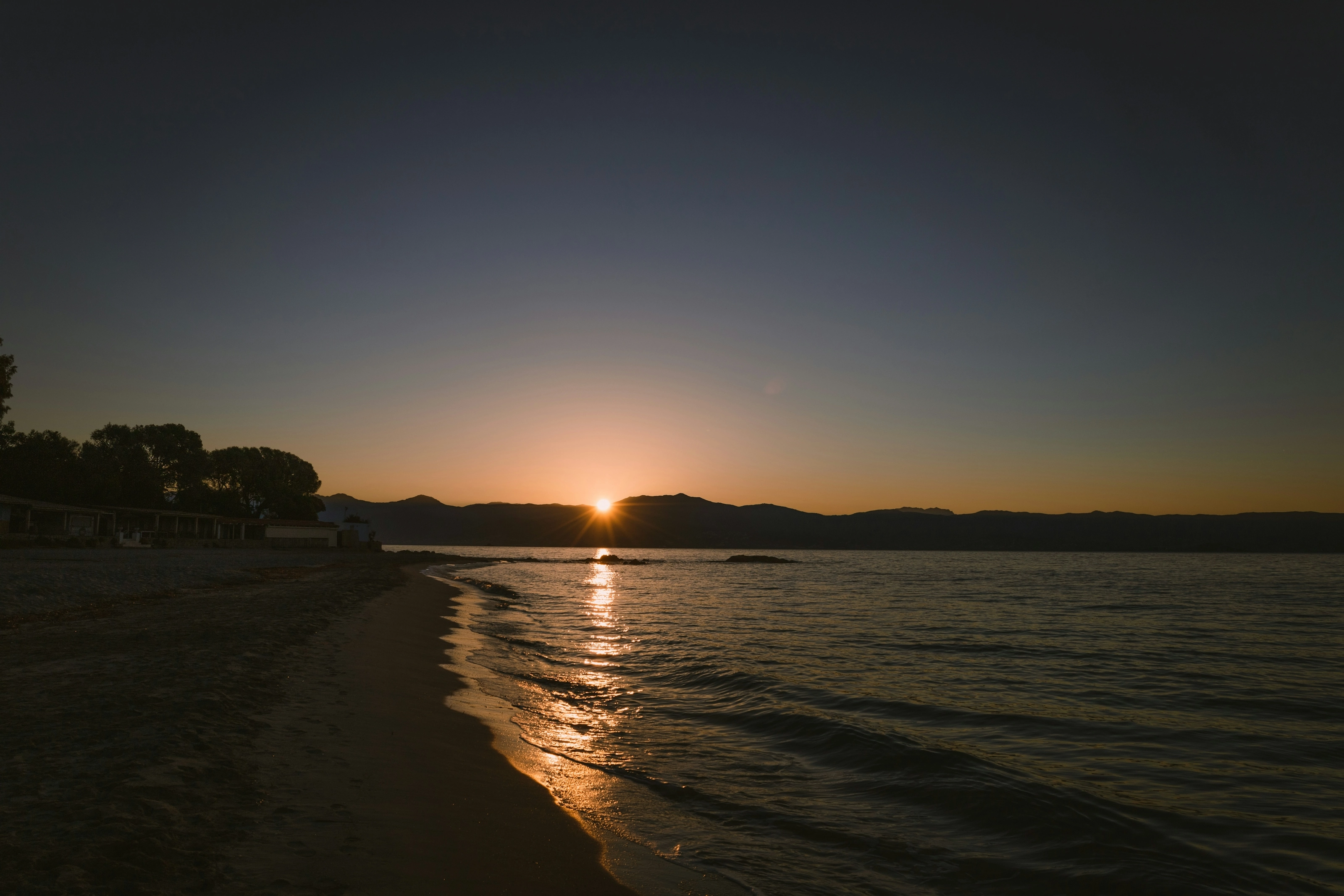
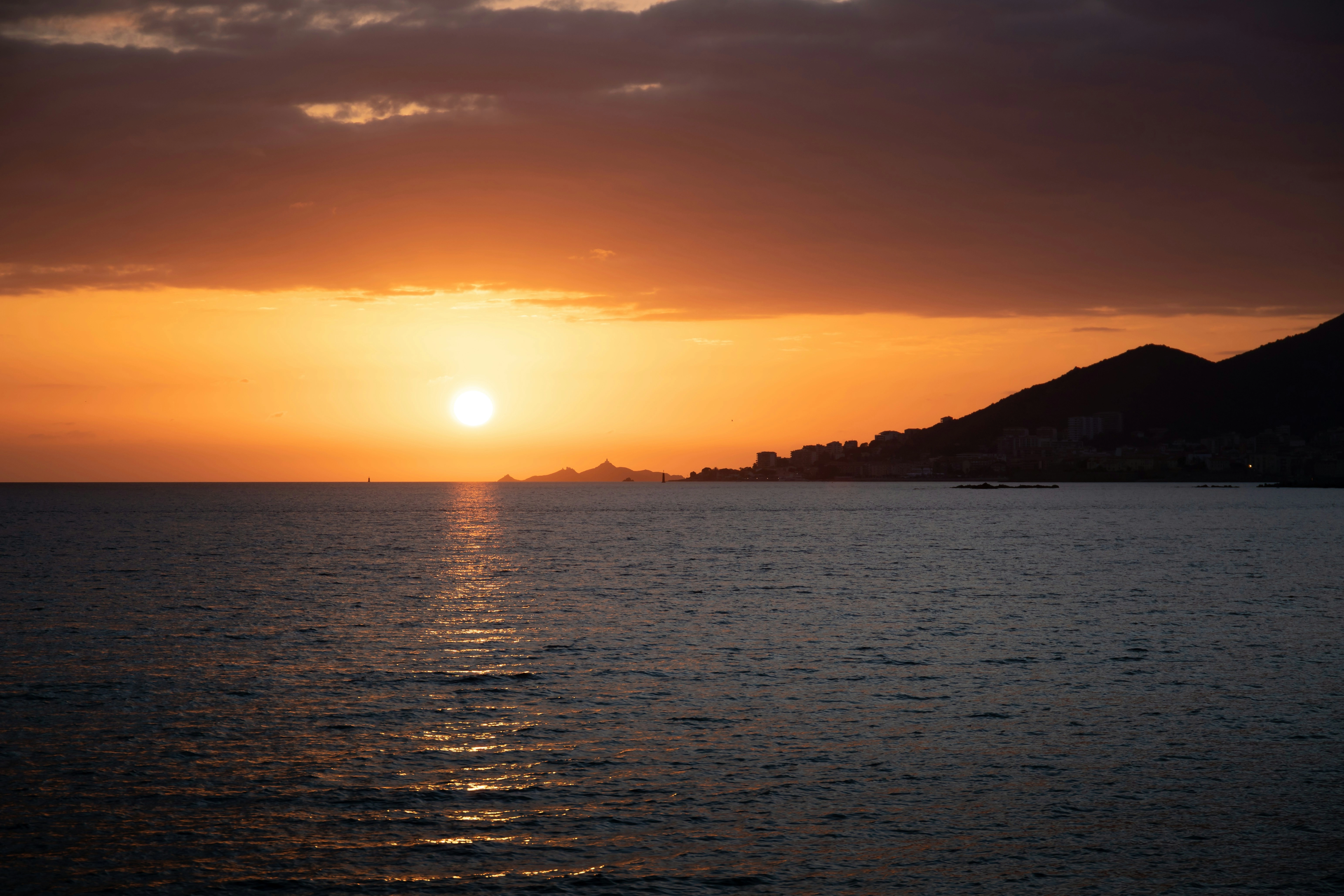
At the end of the route, Pointe de la Parata faces the Sanguinaires archipelago. The islands and Genoese tower become particularly dramatic in evening light, making this one of Ajaccio’s most popular sunset locations. Arrive early in peak season, follow marked paths and expect the wind to affect both temperature and boat schedules.
Across the gulf, Porticcio offers longer beaches, water sports and resorts. Ajaccio’s tourism office states that the maritime shuttle from Port Tino-Rossi takes about twenty minutes. Service patterns and fares must be checked for the chosen date. Agosta and the southern shore provide further alternatives when travellers have more time or a car.
Nature and day trips
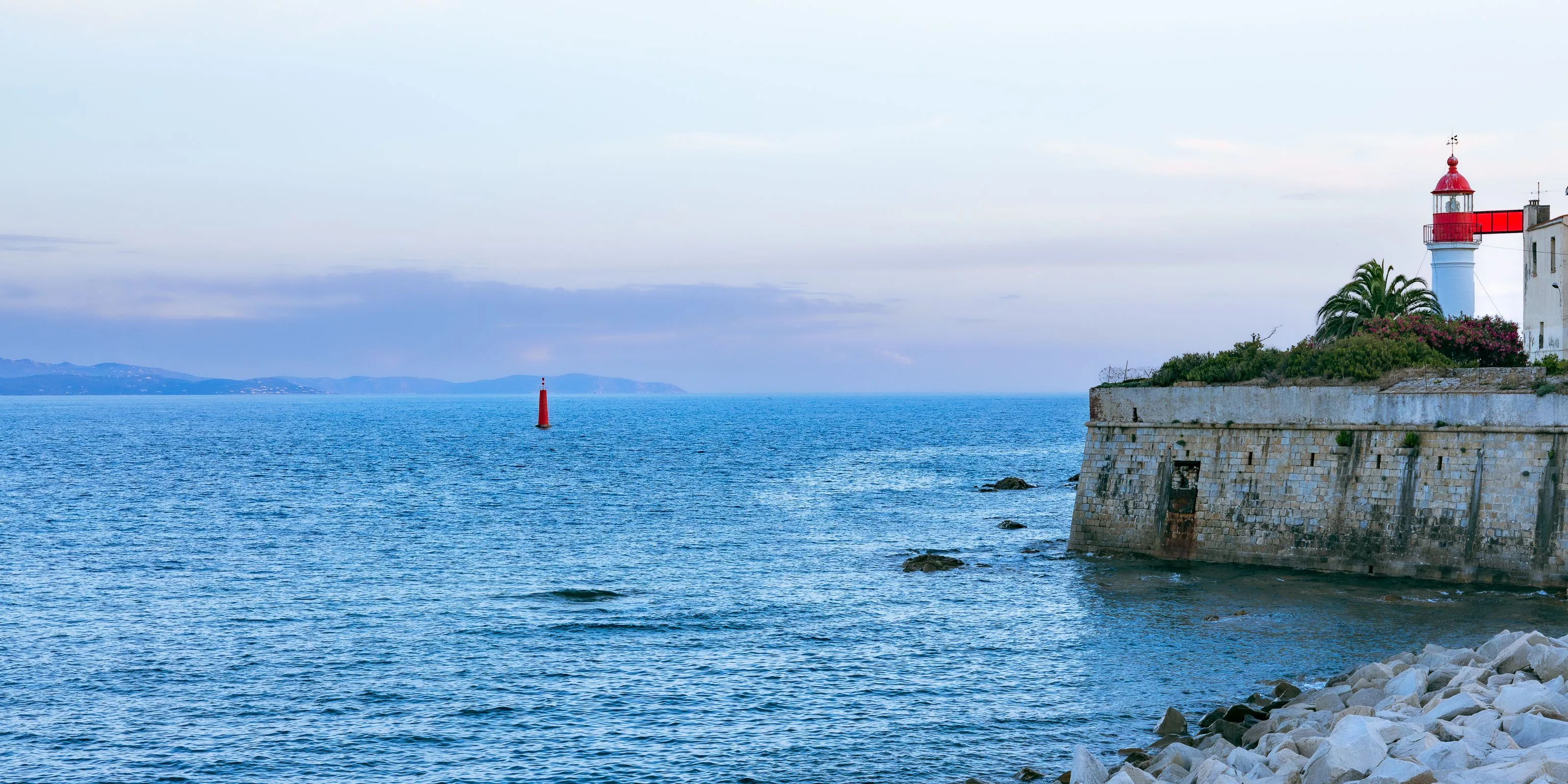
Pointe de la Parata is the easiest nature excursion from central Ajaccio. A prepared walking route reaches viewpoints towards the islands and their tower. Boat trips provide a different perspective, but exact itineraries depend on weather, sea conditions and the operator.
The Sentier des Crêtes offers several walking possibilities above the gulf. Inland villages such as Alata, Appietto, Villanova, Peri and Cuttoli-Corticchiato introduce rural landscapes, stone buildings, farming and cooler air. Roads can be narrow and winding; short map distances may translate into much longer driving times.
Piana and the Gulf of Porto are often promoted as Ajaccio excursions, and their red-rock scenery is exceptional. They are not quick suburban outings. A return road trip occupies much of the day and includes many bends. A boat excursion, an organised tour or an overnight stay may be more comfortable than rushing there and back.
South of the gulf, Porticcio, the Isolella peninsula and Coti-Chiavari combine beaches, towers and viewpoints. The Gravona valley adds river landscapes, villages and access to the interior. Ajaccio itself is not a ski destination. Corsican peaks can hold snow in winter, but anyone considering winter mountain activities must verify road access, weather and available facilities immediately before travelling.
Activities on water and land
Kayaking, paddleboarding, sailing, scuba diving and boat tours all suit the gulf. Short cruises commonly focus on the Sanguinaires Islands; longer days may be offered towards Piana or the Scandola area. Departures are seasonal and can be cancelled when conditions are unsuitable.
On land, travellers can walk, cycle, visit vineyards in the Ajaccio appellation or join guided tours devoted to architecture, Napoleon or Corsican traditions. Families can combine accessible beaches with the marina, short sightseeing circuits and museums. Concerts, exhibitions, religious celebrations and polyphonic performances add cultural depth, but fixed annual claims should be avoided: use the official event calendar for the actual travel dates.
What to eat and drink
Ajaccio’s food culture connects the Mediterranean coast with Corsica’s mountains. Look for brocciu when it is in season, island charcuterie, fritters, cannelloni filled with fresh cheese, veal with olives, local fish and chestnut-based desserts. Fiadone, a light lemon-scented cake made with brocciu, is one of the classic finishes to a meal.
A waterfront address is not automatically the most authentic choice. Consider a short seasonal menu, clearly identified produce and local recommendations. The market can supply an informal lunch, while a beach restaurant or city terrace works well in the evening. Wines from the Ajaccio protected designation often feature the Sciaccarellu grape. Book estate tastings in advance and arrange safe transport.
Climate and when to go
Ajaccio has a Mediterranean climate with hot, dry summers and generally mild winters by the sea. July and August are the most reliable months for heat and swimming, but they also bring the largest crowds and highest accommodation demand. June and September often provide the best balance of warm water, long daylight and greater flexibility.
April, May and October can be excellent for walking and cultural visits, although rain is more likely than in midsummer. From November to March, the city is quieter and more local in character. Some accommodation, restaurants, boat trips and coastal services reduce their schedules. Weather in the mountains can differ sharply from conditions beside the gulf. Strong winds, intense rain and summer fire risk should be treated as practical planning factors, not remote possibilities.
Getting there and getting around
Ajaccio Napoléon Bonaparte Airport lies less than five kilometres from the centre, according to Air Corsica. Road transfers are usually short, but congestion around busy arrivals can add time. The local network serves the airport. Because airport fares for non-residents changed recently, verify the current ticket and purchase method directly with CAPA Move before departure.
Ferries connect Ajaccio with mainland ports on schedules that vary by company and season. Corsican Railways link the city with Corte and Bastia, while suburban trains also serve Mezzana. Confirm departure times rather than relying on a generic travel guide, particularly on weekends or outside summer.
Walking is the best option in the historic centre. Local buses cover residential districts and parts of the beach road. A maritime shuttle crosses to Porticcio in about twenty minutes according to the tourism office. A car is useful for villages, remote coves and Piana, but parking pressure and summer traffic can make it a disadvantage within central Ajaccio.
Realistic travel budget
Costs rise sharply during July and August. Excluding flights, a carefully managed trip may require roughly €90–€140 per person per day when two people share simple accommodation, use casual meals and choose a limited number of paid visits. A centrally located hotel, regular restaurant dining, a rental car and boat excursions can push a comfortable high-season budget beyond €180–€280 per person per day.
These are planning ranges prepared in September 2026, not guaranteed prices. Accommodation and rental-car rates are dynamic. Beaches and city walks are free, helping offset museum and excursion spending. Check current admission at Palais Fesch and Maison Bonaparte, as well as transport and boat prices, before confirming the final budget.
A three-day ajaccio plan
Day one should remain in the historic centre: market, Place Foch, Maison Bonaparte, cathedral, old streets and Palais Fesch. Finish beside the marina or at Saint-François Beach.
On day two, follow the Route des Sanguinaires and select one or two beaches. Continue to Pointe de la Parata late in the afternoon and stay for the changing light if weather and transport allow.
Use day three for one clear choice: take the maritime shuttle to Porticcio, explore inland villages and vineyards, or commit to a longer Piana excursion. Choosing one direction is more rewarding than spending the day collecting hurried stops.
Using sniperair for ajaccio
Direct routes and flight frequency to Ajaccio change significantly with the season. SniperAir can support planning by monitoring fares from selected departure airports and highlighting opportunities that match a chosen budget. Travellers must still check baggage rules, schedules, connections and airline conditions before purchase. Price monitoring is especially useful when comparing peak summer with June, September and early autumn.
FAQ
Frequently asked questions about flights to Ajaccio
How many days are needed in Ajaccio?
Two days cover the centre, leading museums and Parata. Three or four allow time for beaches, villages or a boat trip without rushing.
Is a car necessary?
No for a short city break. Walking, buses and the maritime shuttle cover many needs. A car becomes valuable for inland villages, isolated beaches and long regional drives.
When is the best time to visit?
June and September often offer the strongest overall balance. July and August suit travellers prioritising reliable beach weather, while spring and autumn favour walking and culture.
Where is the best sunset view?
Pointe de la Parata and the Route des Sanguinaires are the classic choices. Arrive with time to park or use public transport and remain on marked paths.
Is Ajaccio suitable for families?
Yes. The walkable centre, nearby beaches and short maritime outings work well, provided the day is organised around summer heat and sea conditions.
Can visitors ski near Ajaccio?
Ajaccio is not a ski resort. Snow is possible on Corsican mountains in winter, but access and organised activities are limited and must be confirmed locally.
Ready to head to Ajaccio?
Set your budget and let SniperAir track fares for you.
Create my alert