
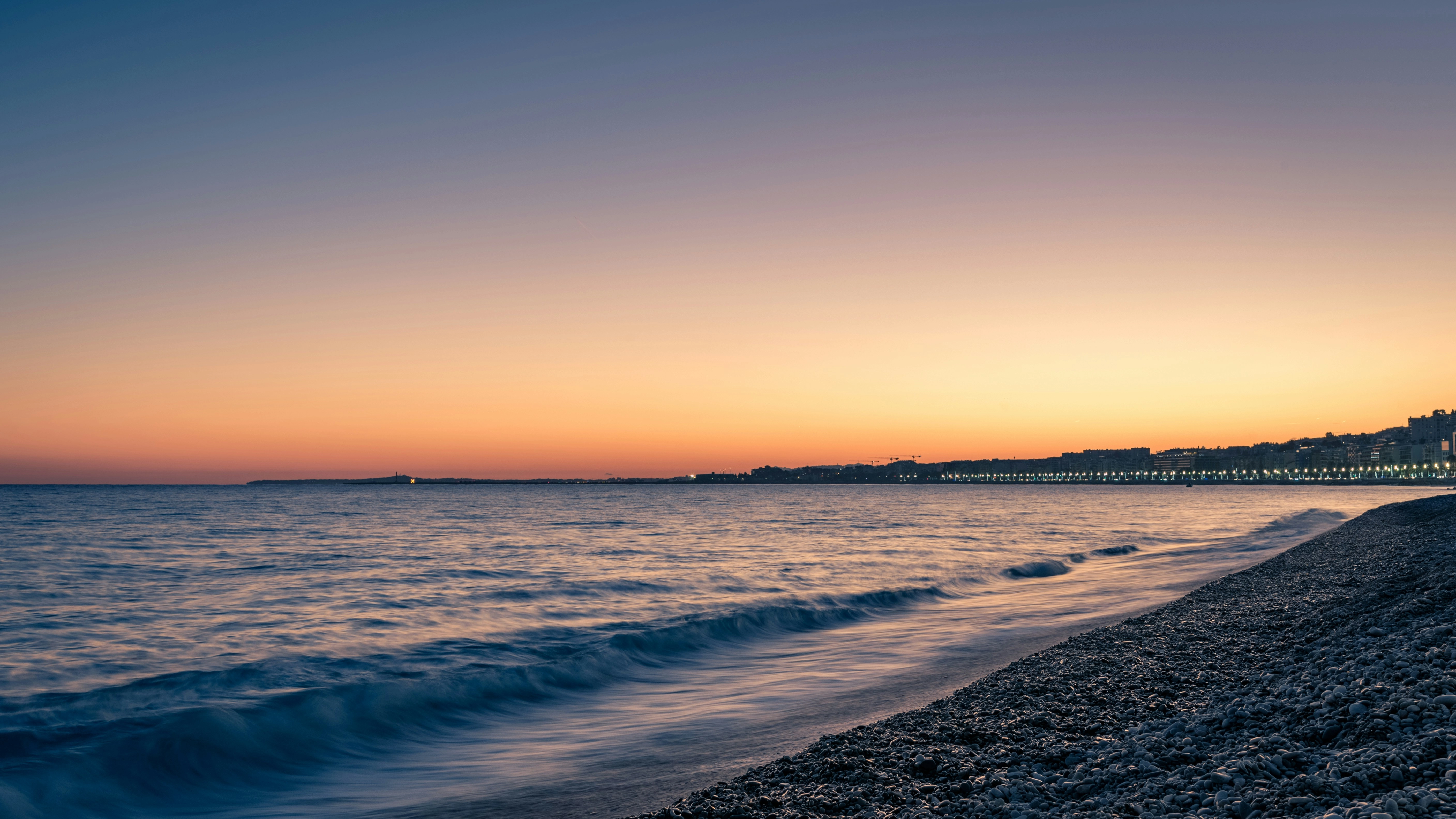
Cheap flights to Nice
Set your departure airport and your maximum budget: SniperAir tracks prices to Nice and alerts you as soon as an opportunity matching your criteria appears.
Quick summary
Country
France
Region
Provence-Alpes-Côte d'Azur
Airport
NCE
Currency
Euro (€)
Time zone
UTC+1
Opportunities already spotted to Nice
Real flight examples spotted by SniperAir, with their reference price.
Loading examples…
What makes Nice unique
The light that drew the painters
Nice is the great capital of the French Riviera: a stretch of French Mediterranean coast famous for a light that can change tone several times in a single day. That light drew painters such as Matisse and Chagall for generations, and both settled in the region and gave part of their work to it. The result is a city where the seafront promenade, an Italian-rooted old town and a few first-rate museums sit side by side in a very compact space.
A short history
French since 1860, Italian at heart
For centuries Nice belonged to the House of Savoy and, later, the Kingdom of Sardinia — not to France. That changed with the Treaty of Turin, signed in March 1860, under which Sardinia ceded the County of Nice (and Savoy) to France in exchange for French military support during the Second Italian War of Independence. A regional plebiscite followed the next month: of roughly 30,700 eligible voters, more than 25,000 cast a ballot in favor of joining France and only 260 against. Nice-born Giuseppe Garibaldi, among others, later argued the vote had been steered — ballots were printed in French rather than the local Niçard dialect, and there was no printed "no" option — but the annexation stood, and the city has been French ever since.
That Italian past is still legible today in the ochre and red facades, the narrow lanes of the old town, and dishes shared with neighboring Liguria. Since 2021, Nice has also carried UNESCO World Heritage status under the title "Nice, Winter Resort Town of the Riviera," recognizing its rise as an international holiday destination from the 19th century onward.
The postcard view
The Promenade des Anglais and the Baie des Anges
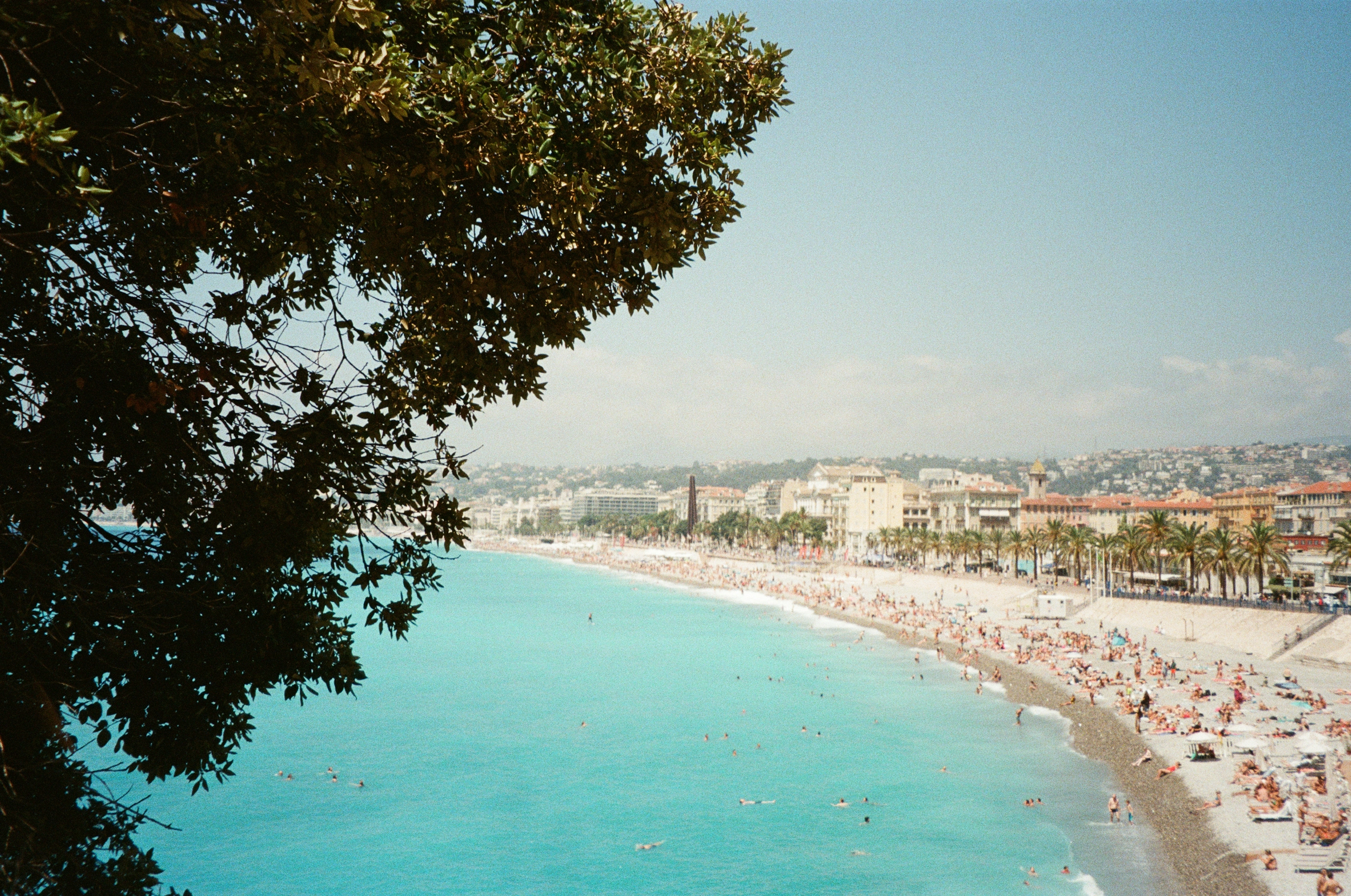
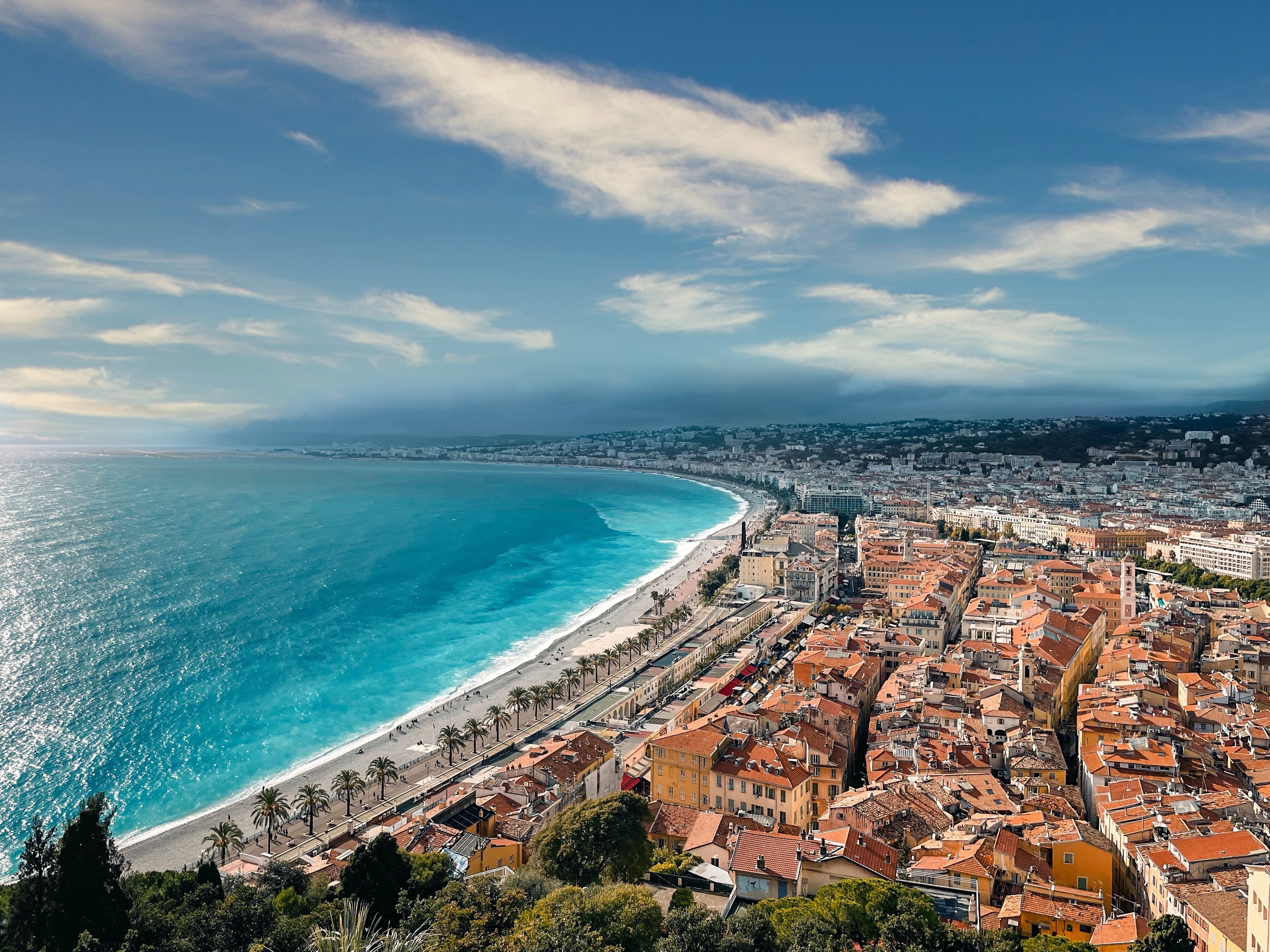
Stretching for several kilometers along the Baie des Anges, this is one of Europe's most famous seafront walks. Its name comes from the wealthy English winter visitors who financed the original path in the 1820s. Walk it, cycle it, or settle into one of the iconic blue chairs and take in an unbroken view of the Mediterranean — best enjoyed early morning or late afternoon, when the light turns the facades gold.
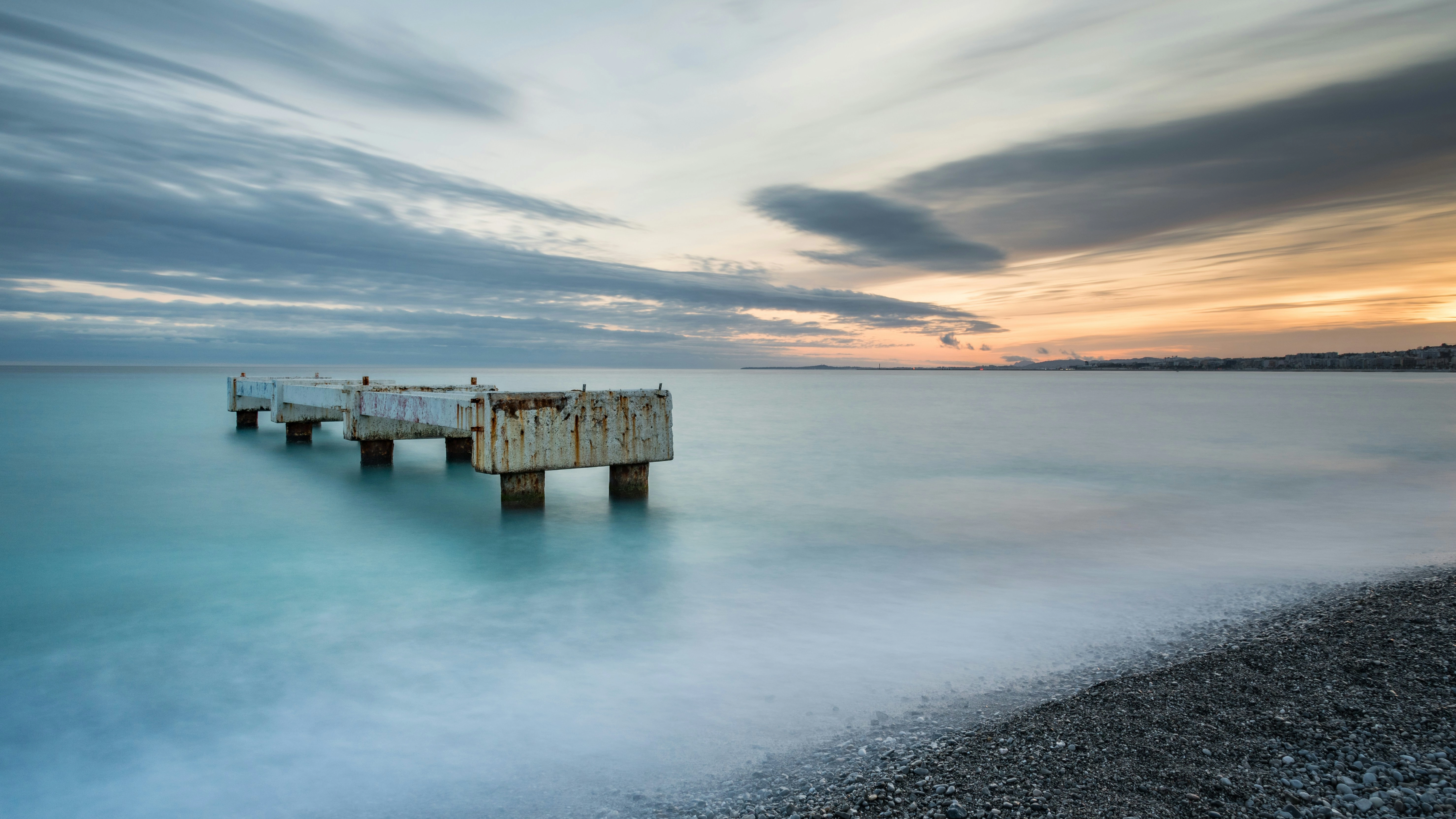
One local quirk worth knowing before you pack your swimsuit: Nice's beaches are mostly pebble, not sand.
Old Nice
Vieux Nice and the Cours Saleya market
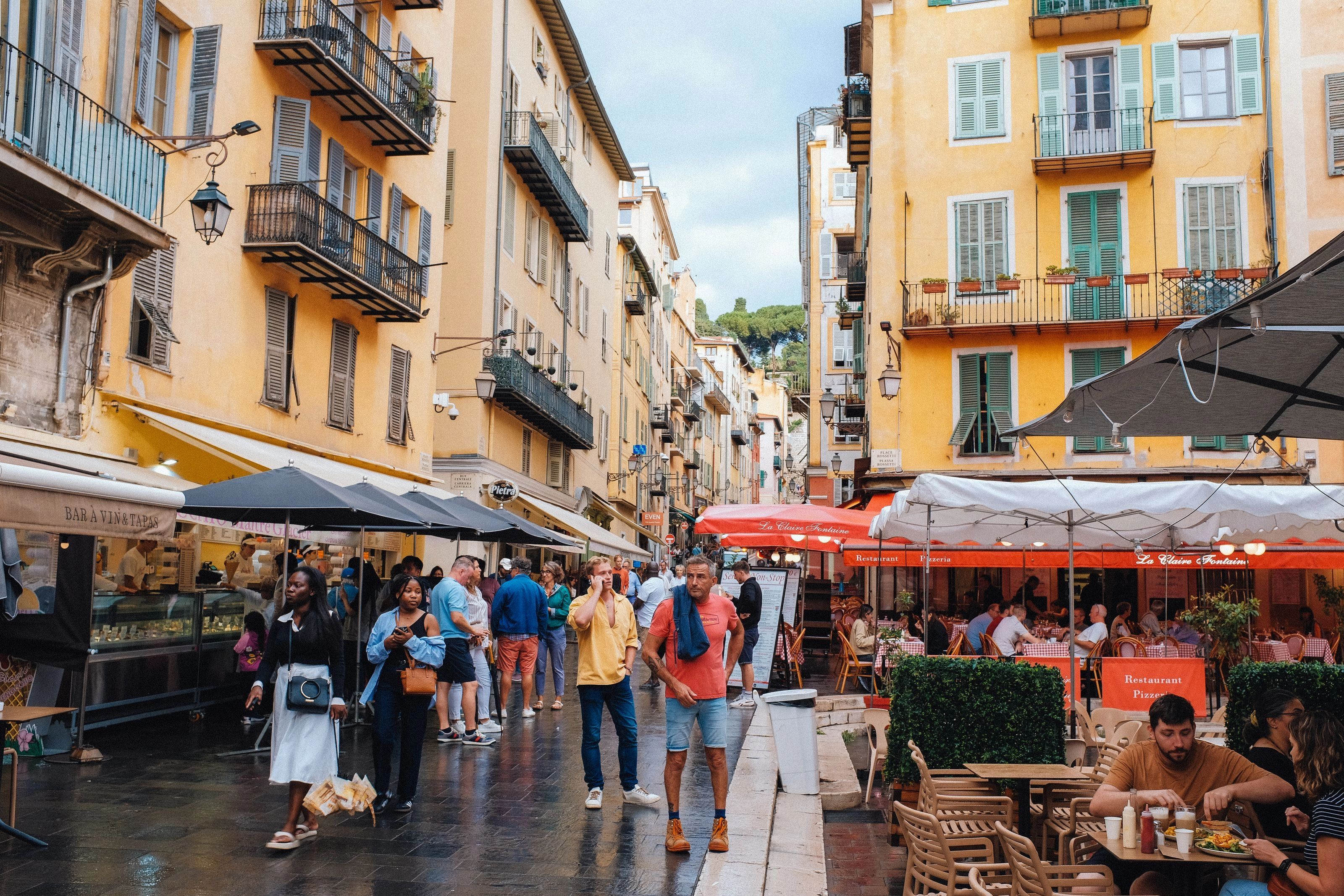
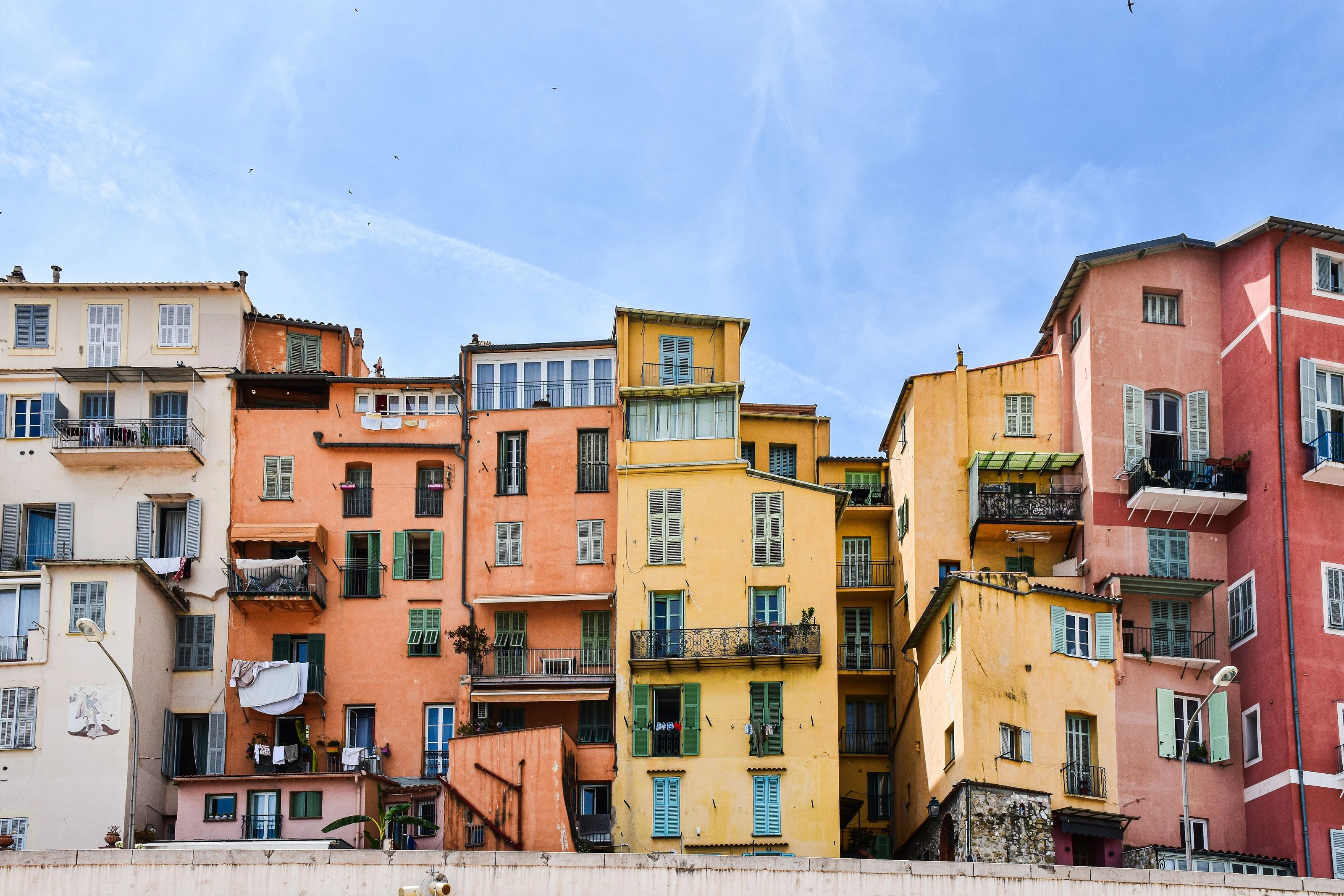
Vieux Nice is a tight grid of pedestrian lanes lined with ochre, yellow and terracotta buildings — quiet in the morning, busy with shoppers by midday, and full of terraces after dark. Don't miss Place Rossetti, the Baroque Cathédrale Sainte-Réparate, and the small artisan shops tucked into the side streets.
Cours Saleya's flower and produce market
Running daily except Mondays, this market is one of the defining scenes of the city — stalls of flowers, fruit, vegetables and Mediterranean specialties surrounded by cafés and restaurants. It's a natural first stop for a day of exploring, and a good spot to try socca fresh off the griddle.
The best panorama
Colline du Château
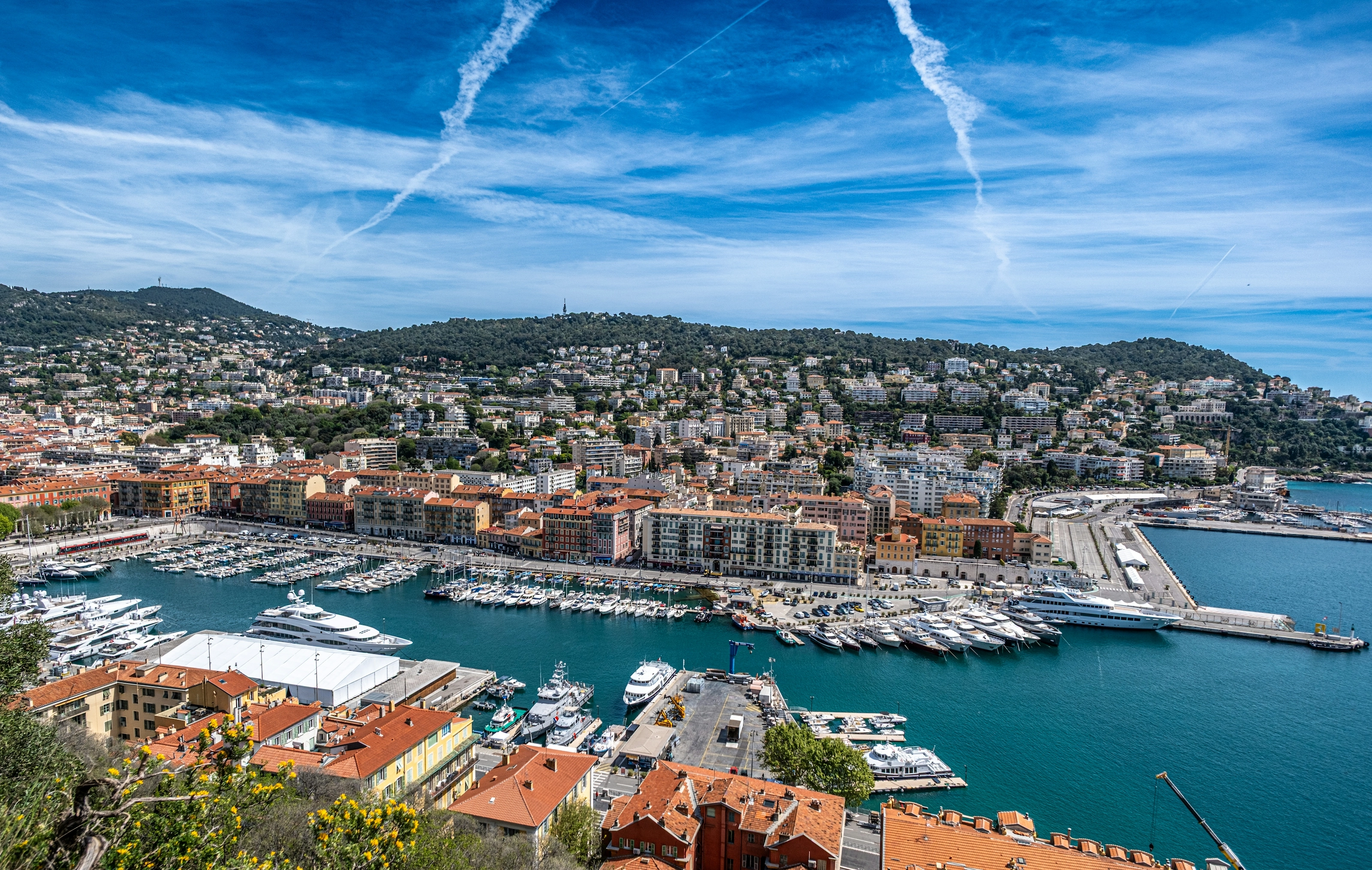
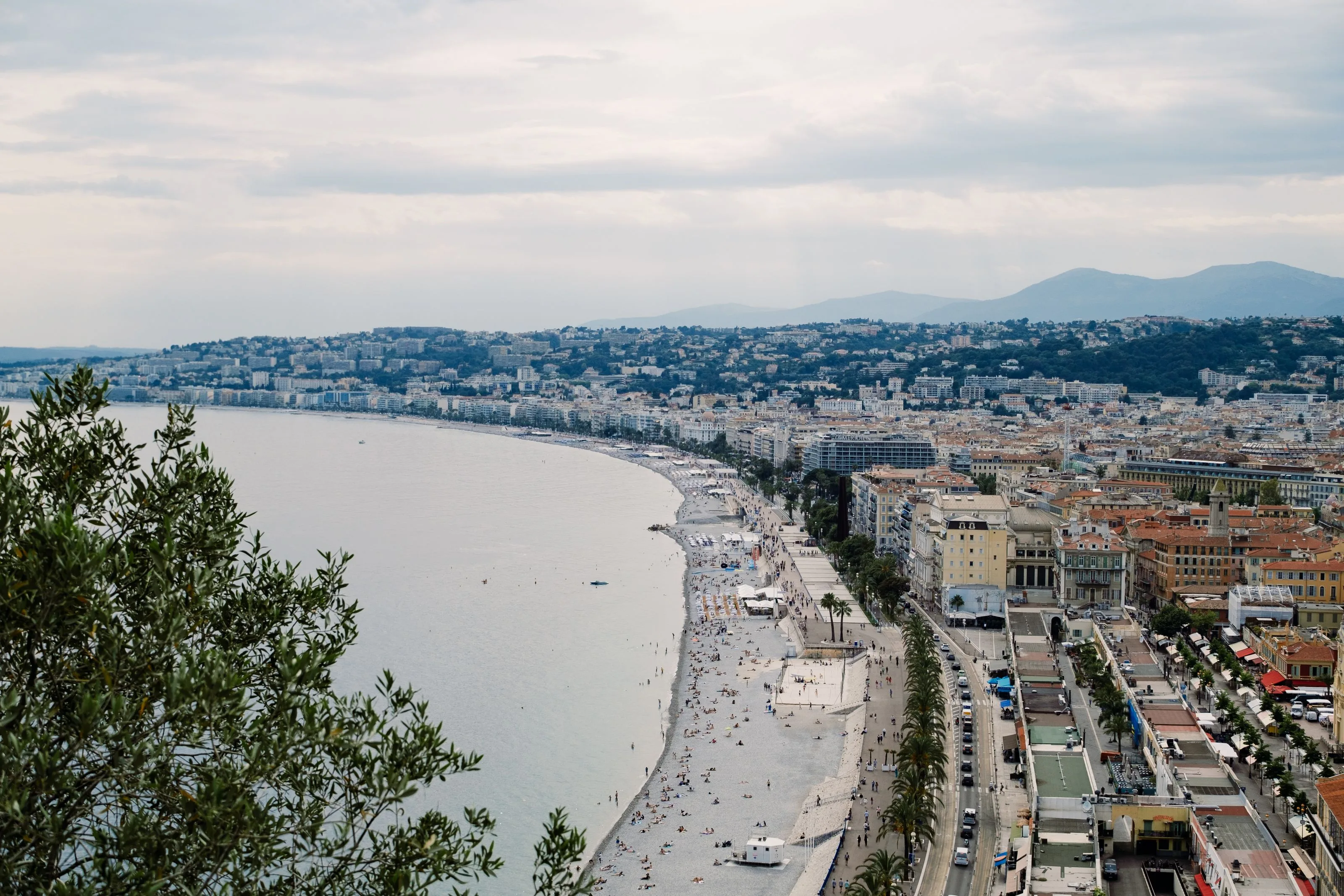
The medieval château that once stood here is long gone — demolished in the early 18th century — but the hill it occupied remains the single best viewpoint in the city. From up top, the Baie des Anges, the Promenade des Anglais, Vieux Nice, the port and the surrounding hills line up in one sweep, particularly striking around sunrise or sunset. It's a climb worth building into any first visit.
More to see
Place Masséna, Promenade du Paillon and the port
Place Masséna, recognizable by its red facades, links Vieux Nice, the Jardin Albert-I, Avenue Jean-Médecin and the Promenade des Anglais, and looks especially striking when lit up in the evening. The Promenade du Paillon connects it to Vieux Nice through a pedestrian strip of fountains and greenery, ideal for a break between visits.
The Lympia port shows another side of the city: boats, colorful facades and a more maritime mood than the tourist seafront. It is also a starting point for continuing to Villefranche-sur-Mer, Saint-Jean-Cap-Ferrat or Monaco.
Museums and Cimiez
A city that shaped modern art
The exceptional light of the Côte d'Azur drew painters for generations, and two of them are honored with dedicated museums in Nice. The Musée Matisse, set in a 17th-century Genoese villa in the hillside district of Cimiez, traces Henri Matisse's career with paintings, drawings, sculptures and books — the artist lived in Nice from 1917 until his death in 1954 and is buried in the cemetery just above the museum. Nearby, the Musée national Marc Chagall holds one of the largest public collections of his work. The Musée des Beaux-Arts and the Musée Masséna, closer to the Promenade des Anglais, round out the city's museum scene.
One note if contemporary art is on your list: the Musée d'Art Moderne et d'Art Contemporain (MAMAC) is announced as closed for renovation until 2028; check its current status before planning a visit around it.
Cimiez itself predates modern Nice by centuries — Roman arena ruins, the remains of the ancient town of Cemenelum and a monastery make it a quieter, history-focused counterpoint to the seafront.
Local food
What to eat in Nice
Niçoise cuisine blends Provençal and Ligurian traditions — olive oil, vegetables, herbs and seafood define most of it.
| Dish | What it is |
|---|---|
| Salade niçoise | The city's best-known export — tomatoes, olives, anchovies or tuna, and hard-boiled egg, with plenty of regional variations. |
| Socca | A thin, savory chickpea pancake cooked on a griddle and served hot — a Vieux Nice staple with roots across the border in Liguria. |
| Pissaladière | Bread dough topped with slow-cooked caramelized onions, anchovies and black olives. |
| Pan bagnat | A round bread sandwich packed with the same ingredients as a salade niçoise, dressed in olive oil. |
| Petits farcis niçois | Stuffed vegetables — usually zucchini, tomatoes and peppers — filled with a herbed meat mixture. |
When to go
Nice's Mediterranean climate, season by season
Spring
Mild temperatures and terraces coming back to life — a comfortable season for walking Vieux Nice and the Promenade.
Summer
Peak season and busy beaches; July and August bring the year's warmest, driest weather.
Autumn
September and October often deliver excellent conditions while the summer crowds thin out.
Winter
Noticeably milder than the rest of France — a different, quieter way to experience the city.
The climate is Mediterranean: mild winters (average highs of about 13 °C in January), hot, dry summers (about 28 °C in August) and sometimes heavy rain in autumn. The most pleasant months for combining sightseeing and walks are usually May-June and September-October; swimming is mostly a June-to-September affair.
Day trips
Nice as a base for the French Riviera
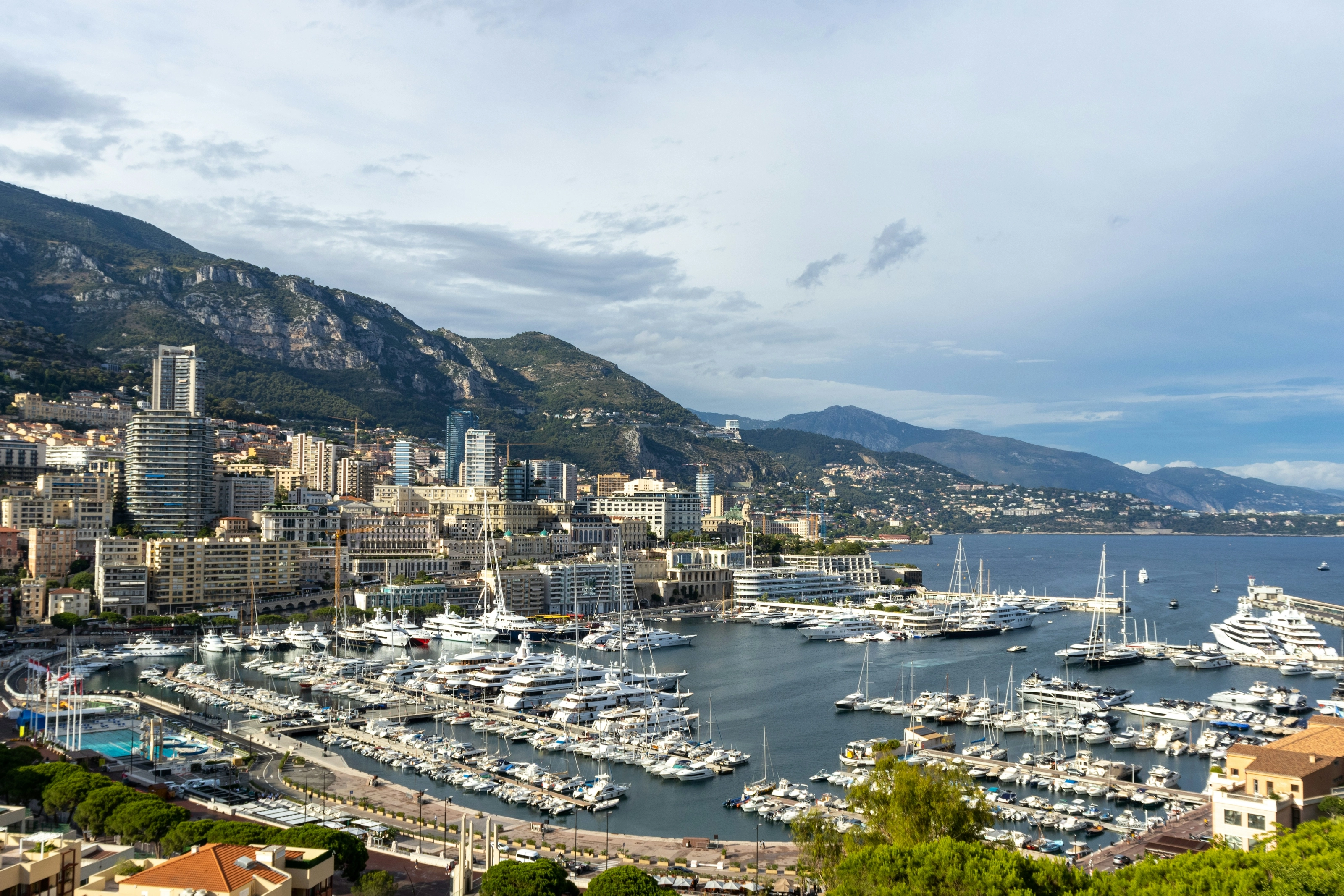
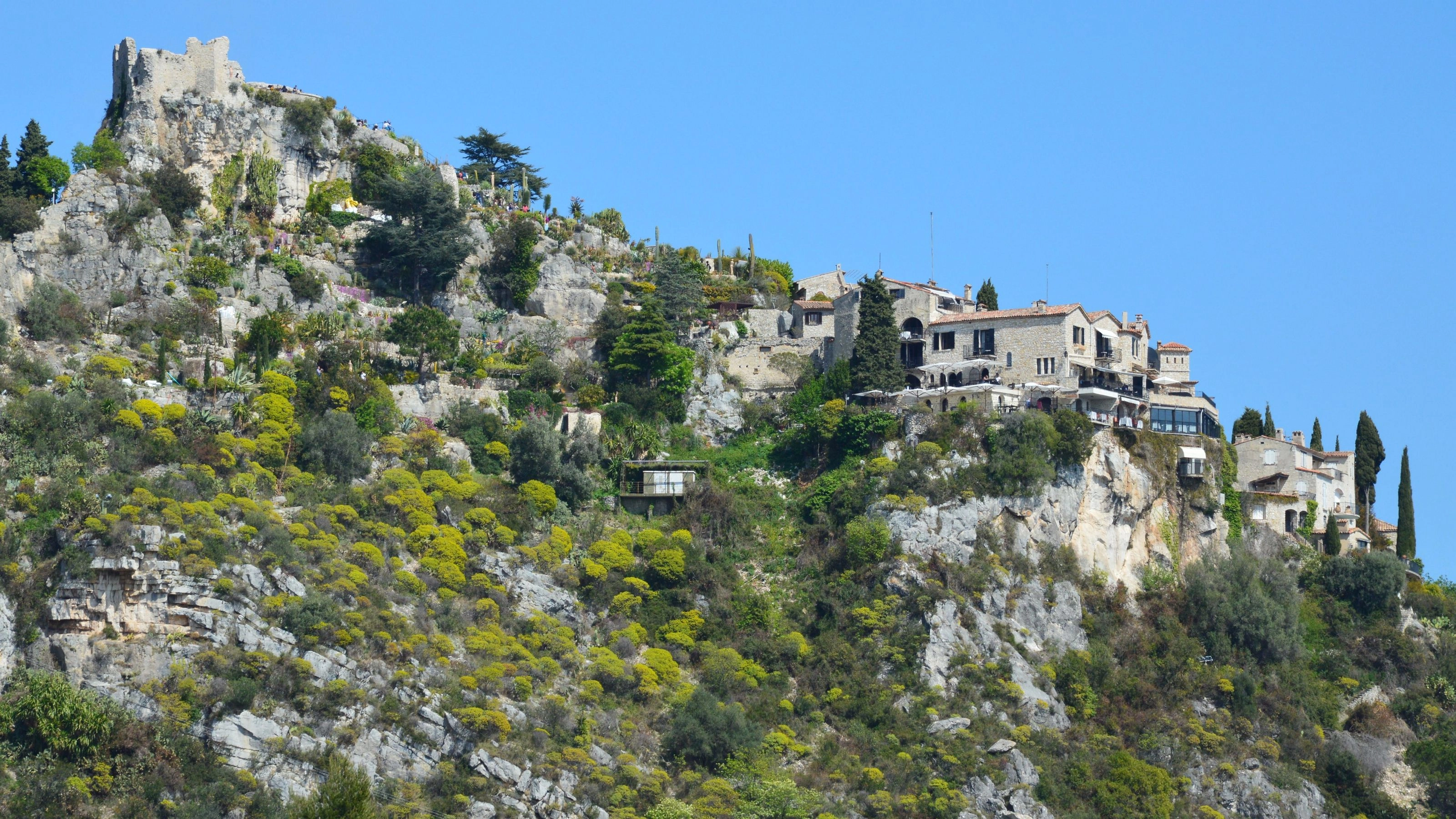
Nice sits at the center of a region packed with easy excursions, with the Italian border itself only a short ride away.
Monaco, about 20 minutes away
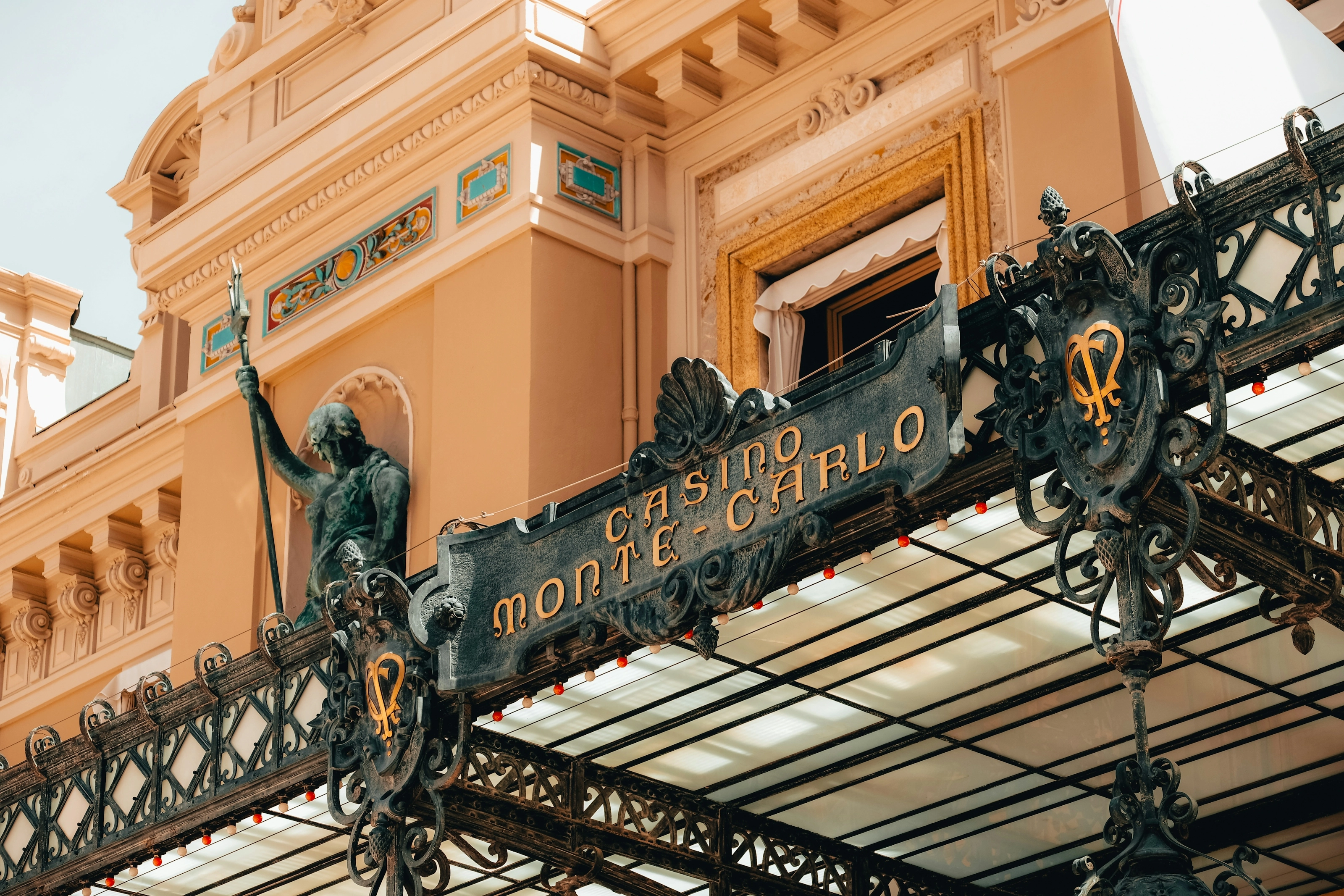
Reachable by train or car in roughly twenty minutes, the principality is easy to cover in half a day. The Belle Époque façade of the Monte-Carlo Casino remains its most photographed symbol, while the Rocher — the historic quarter above Port Hercule — holds the Prince's Palace (with its daily changing of the guard), the cathedral and the oceanographic museum. Once a year, the harbor and its yachts share the spotlight with Formula 1 as the Monaco Grand Prix circuit runs straight through the city streets.
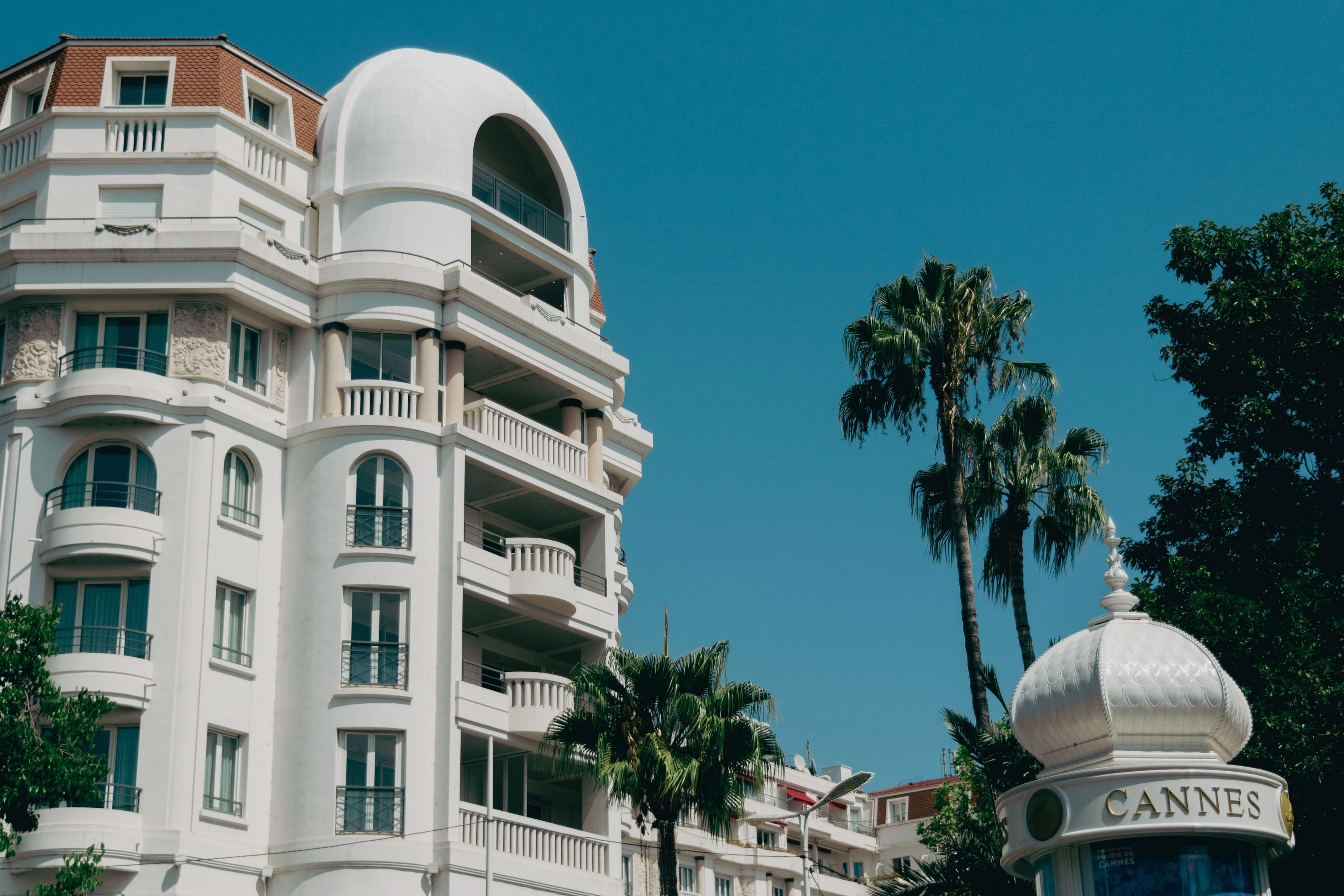
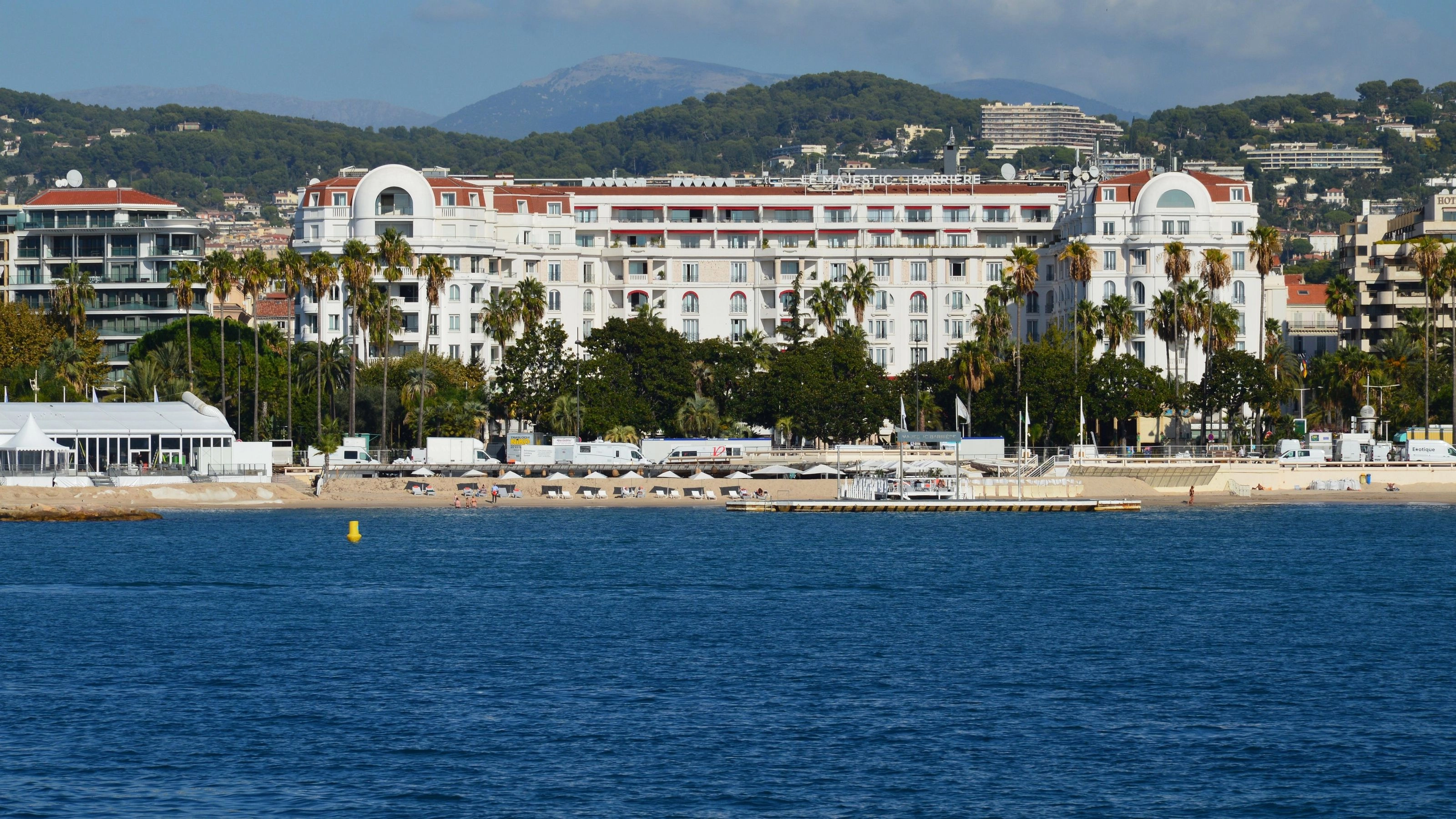
Cannes, about 30 minutes away
Best known for its May film festival, Cannes is worth a visit any time of year. La Croisette, its palm-lined promenade backed by grand hotels like the Carlton and the Majestic, runs along a genuine sandy beach — unlike Nice's pebble shoreline. The Forville market in Le Suquet, the old hilltop town, shows a more local side of Cannes, and small boats leave the port for the Lérins Islands, roughly 15–20 minutes away.
Menton and the coastal villages
Villefranche-sur-Mer offers a deep, sheltered bay and a pleasant old center just outside Nice; Saint-Jean-Cap-Ferrat, on the neighboring peninsula, is known for its villas and coastal footpaths. Right at the Italian border, Menton is famous for its gardens and lemon trees — a fitting last stop before crossing into Liguria.
Antibes, ramparts and marina
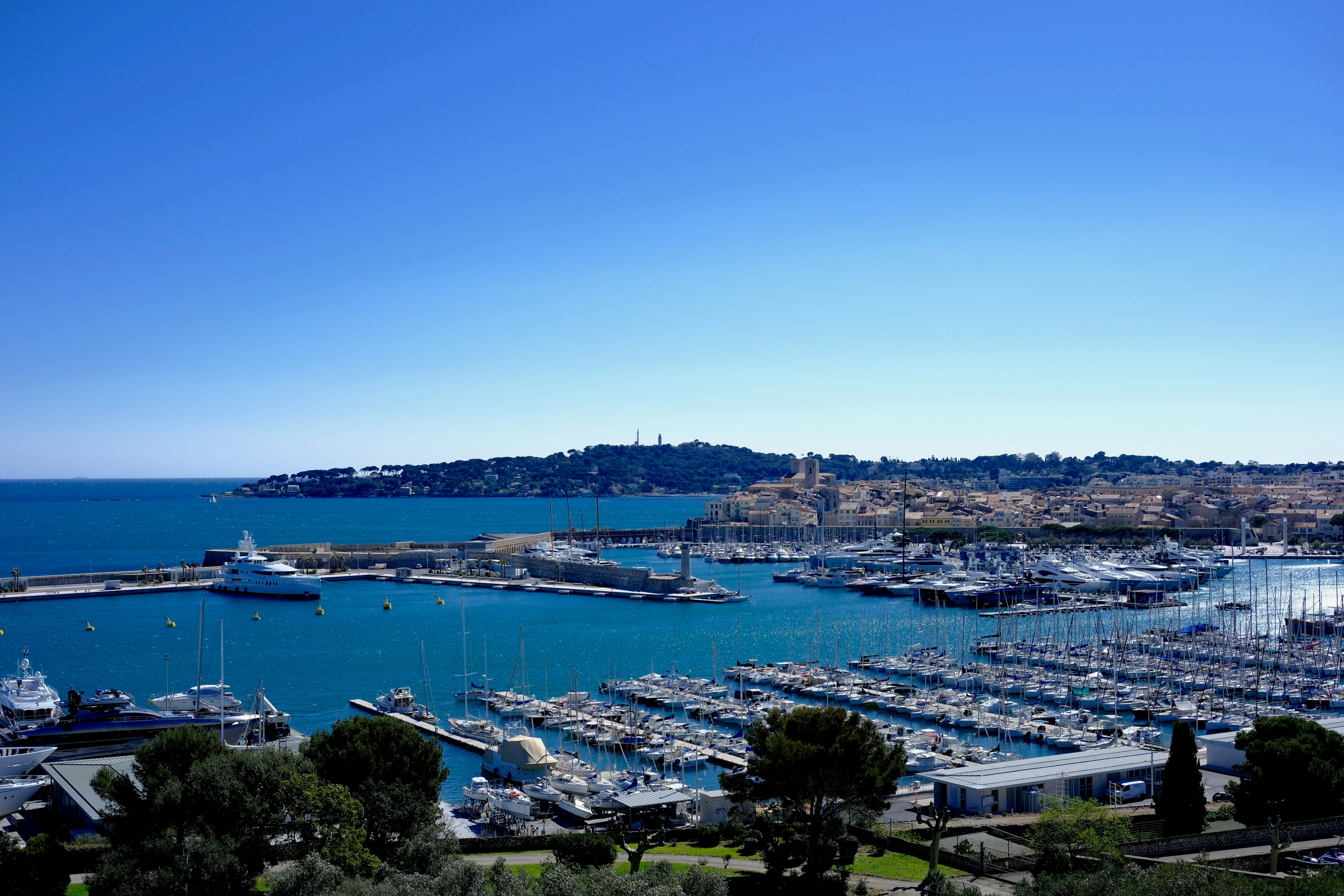
Around twenty minutes from Nice by train, Antibes is a fortified town beside a large yacht marina. You can wander the old town, the ramparts and the Provençal market; the Château Grimaldi houses the Picasso Museum, and the Cap d'Antibes has coastal footpaths.
Rounded distances and times, depending on transport mode and traffic; check timetables before you go.
| Destination | Distance from Nice | Approximate time |
|---|---|---|
| Villefranche-sur-Mer | about 6 km | 10 to 15 min |
| Èze | about 12 km | 20 to 30 min (bus or train, then a climb) |
| Monaco | about 20 km | 20 to 25 min by train |
| Antibes | about 22 km | 20 to 30 min by train |
| Cannes | about 30 km | 30 to 40 min by train |
| Menton | about 30 km | 35 to 45 min by train |
Cost of a trip
What kind of budget does Nice need?
Nice is among the more expensive destinations in France, especially in summer and during big events: accommodation, particularly near the Promenade des Anglais, is the heaviest item. Once there, you can keep spending reasonable: the promenade, Vieux Nice, the Colline du Château and the public beaches are free, markets, socca and pan bagnat stay affordable, and the tram or regional train along the coast cost little.
Prices vary a lot with the season and travel style, and we do not publish a price grid that would soon be out of date. The airfare is often the item that is easiest to optimize, which is where SniperAir's monitoring helps.
By length of stay
How long should you spend in Nice?
A weekend
Vieux Nice, the Cours Saleya market, the Colline du Château, the Promenade des Anglais and Place Masséna.
Taking your time
Add Cimiez, the museums, the port and a day trip to Villefranche-sur-Mer or Èze.
Exploring the Riviera
Nice as a base: Monaco, Menton, Cannes, Antibes, Saint-Jean-Cap-Ferrat and the Niçois hinterland.
Nice airport
An airport about 7 km from the center, linked by tram
Nice Côte d'Azur
Nice Côte d'Azur Airport lies about 7 km west of the city center, right on the coast; it is France's third-busiest airport by traffic. It has two terminals (T1 and T2), both connected to the tram.
| Mode | Approximate time | Good to know |
|---|---|---|
| Tram line 2 | about 25 to 35 min to the center | Serves terminals 1 and 2; Jean-Médecin station is the interchange, and the line ends at the Lympia port |
| City bus | about 20 to 40 min | One line runs along the Promenade des Anglais to Vieux Nice; time depends on traffic |
| Taxi or ride-hail | about 15 to 30 min | Depends on traffic; handier with luggage or late at night |
Orders of magnitude based on Wikipedia and Wikivoyage; lines, timetables and fares change, so check them before you travel.
Getting around
Tram, bus and train to reach the whole coast
Central Nice is largely walkable. The tram has several lines; line 2 links the airport with the center and the port, and Jean-Médecin is the interchange station. Buses complete the network and public bikes are available. For the coast, the regional train (TER) and intercity buses serve Monaco, Menton, Antibes and Cannes from Nice-Ville station. Tickets and timetables change, so check the official sites before you go.
You might also like
Similar destinations
FAQ
Frequently asked questions about flights to Nice
Is Nice just a beach town?
No — it combines Franco-Italian history, museums, food and the Mediterranean. You can go from Vieux Nice to a museum to an afternoon on the beach, all in the same day.
Do Monaco or Cannes each need a full day?
Both are doable in half a day from Nice. A full day lets you combine either one with a stop in a smaller coastal village on the way back.
What airport do you fly into for Nice?
Nice Côte d'Azur (NCE), France's third-busiest airport and the country's main gateway outside the Paris region, right next to the city center.
How long does it take to get from Nice airport to the city center?
The airport is about 7 km from the center. Tram line 2 takes roughly 25 to 35 minutes to Jean-Médecin station; bus and taxi times depend on traffic, so allow about 15 to 40 minutes.
When is the best time to visit Nice?
May-June and September-October, with pleasant temperatures and smaller crowds than high summer. July and August are hot and very busy; winter is mild but quieter.
Is Nice expensive?
It is fairly expensive by French standards, especially accommodation in summer. The promenade, Vieux Nice and the public beaches are free, and markets and specialties such as socca stay affordable.
How many days do you need in Nice?
Two to three days for the essentials (Vieux Nice, the Colline du Château, the Promenade, a museum), four to five with Cimiez and day trips, a week to explore the Riviera.
How do you get around Nice and the Riviera?
On foot in the center, by tram and bus in the city, then by regional train or intercity bus to Monaco, Menton, Antibes or Cannes.
What should I eat in Nice?
Socca, pissaladière, pan bagnat, salade niçoise and petits farcis, best tried in Vieux Nice and at the markets.
How much does a flight to Nice usually cost?
It mostly depends on your departure city, the season, and how far ahead you book. The "opportunities" section above shows real price examples already detected by SniperAir for this destination.
How do I get alerted when a flight to Nice drops below my budget?
Create an alert profile with your departure airport, Nice as the destination, and your maximum budget. You'll be notified automatically as soon as a matching price is detected.
Ready to head to Nice?
Set your budget and let SniperAir track the fares.
Create my alert