
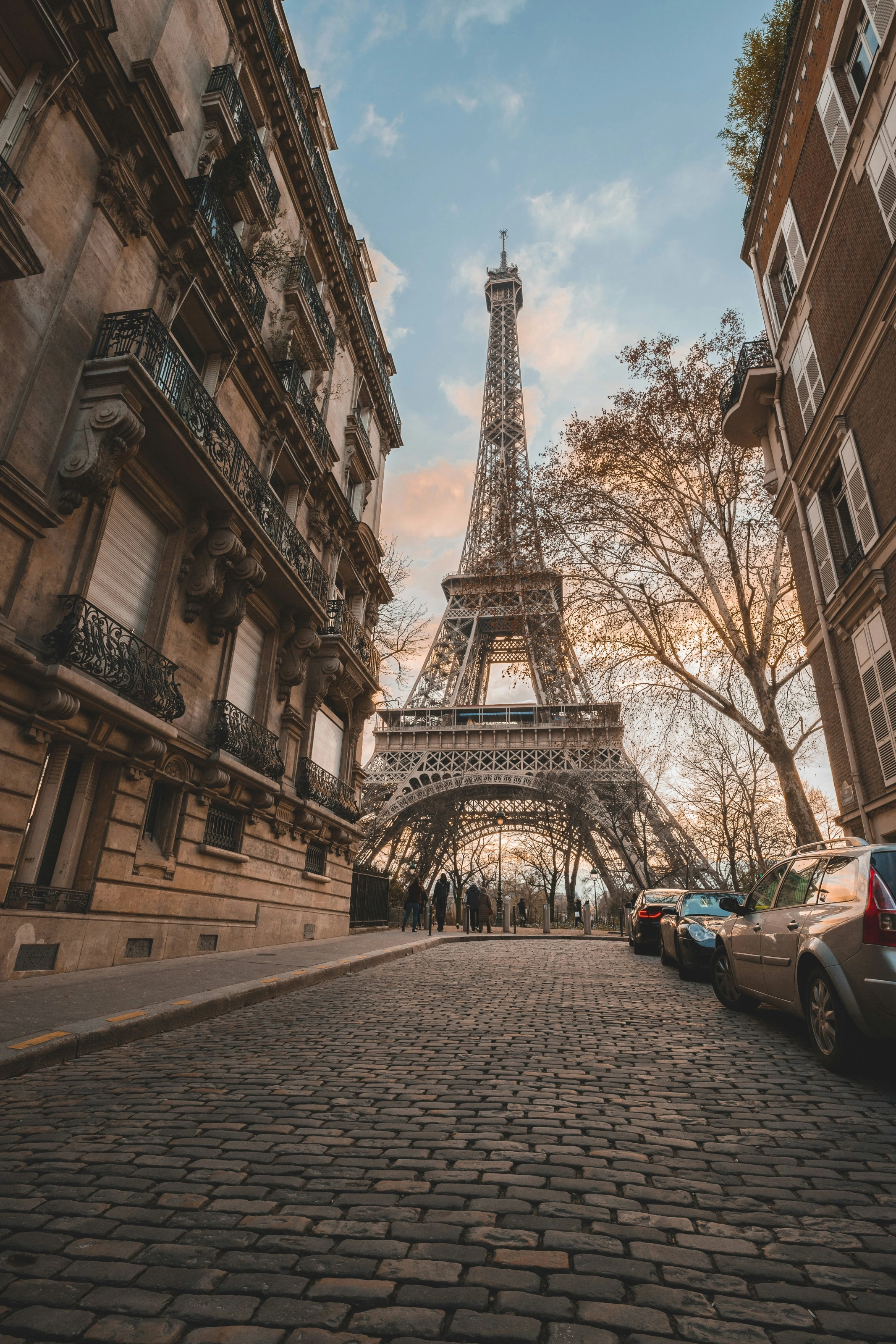
Cheap flights to Paris
Set your departure airport and your maximum budget: SniperAir tracks prices to Paris and alerts you as soon as an opportunity matching your criteria appears.
Quick summary
Country
France
Continent
Europe
Airports
CDG · ORY
Currency
Euro (€)
Time zone
UTC+1
Opportunities already detected to Paris
Real flight examples spotted by SniperAir, with their reference price.
Loading examples…
Things to do in Paris
Activities and tickets to book on the spot
A real selection, with up-to-date prices and reviews, from our partners.
Why monitor Paris with SniperAir
You do not need to compare flight prices every day
Choose your departure
Select your departure airport and set the maximum amount you are willing to pay for a flight to Paris.
SniperAir monitors the route
SniperAir continuously compares newly detected fares with the actual price history of the route.
Get notified
When a fare matches your criteria, you receive an alert without having to repeat the same flight search yourself.
Once your trip starts taking shape, SniperAir can also help you discover things to do in Paris, including attraction tickets, guided tours, Seine cruises, museum visits and bookable experiences.
Paris airports
Two main airports for flights to Paris
Paris Charles de Gaulle
Often referred to as Roissy, this is the city's main international airport. It handles a huge range of long-haul and European routes and is usually the airport offering the widest choice of direct international connections to Paris.
Paris Orly
Located south of the capital, Orly handles a large number of domestic, European and Mediterranean routes, including services operated by low-cost airlines.
Depending on your departure city, comparing CDG and ORY when looking for cheap flights to Paris can reveal significantly different schedules and fares.
Distances
From Roissy-Charles-de-Gaulle and Orly to the centre
Roissy-Charles-de-Gaulle (CDG) lies about 23 km north-east of Paris and Orly (ORY) about 14 km to the south (Wikivoyage FR). Beauvais, used by some low-cost airlines, is much farther, 70 to 85 km away depending on the guide.
| Journey | Worth knowing |
|---|---|
| CDG, RER B | 35 to 45 minutes to the centre, trains roughly every 7 to 10 minutes; the airport ticket is around 13 to 14 euros depending on the year |
| CDG, Roissybus and taxi | Roissybus: about 1 hour to the Opéra; taxis charge a regulated flat fare, around 50 to 65 euros depending on the river bank, and take about 40 minutes by road |
| CDG, at night | Noctilien night buses N140 and N143, about every 30 minutes after 00:30 |
| Orly, metro line 14 | Twenty to thirty minutes to the centre, with the same airport ticket of around 13 to 14 euros |
| Orly, Orlyval, tram T7, Orlybus | Orlyval to Antony then RER B; tram T7 to metro line 7; Orlybus to Denfert-Rochereau |
| Beauvais | Shuttle from Porte Maillot, about 1 hour to 1 hour 15 |
Identity
The City of Light, one of the world's great travel capitals
Paris is one of the most visited cities in the world, drawing travellers for a combination few destinations can match. World-famous monuments and museums sit alongside fashion houses, historic cafés, neighbourhood markets, celebrated restaurants and an image of romance shaped by generations of cinema, photography and literature. The nickname "City of Light" is often associated both with Paris's intellectual influence during the Enlightenment and with its early adoption of urban street lighting.
Today, the name still feels appropriate after sunset, when landmarks along the Seine and across the historic centre light up one after another. Whether you come for a weekend city break, museums, shopping, food, nightlife or a family holiday, the number of activities and attractions in Paris makes it possible to build very different trips around the same city.
The symbol
The Eiffel Tower
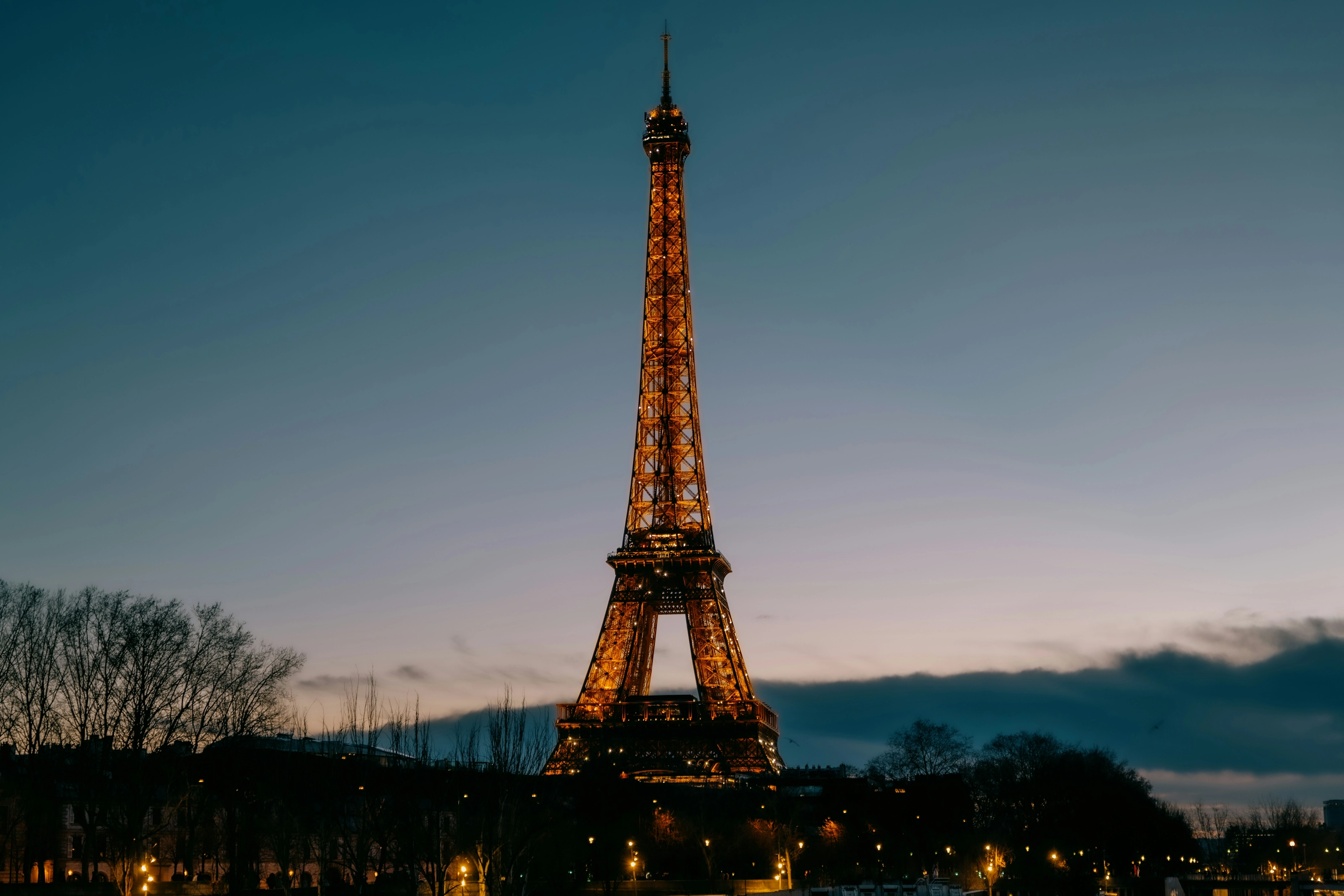
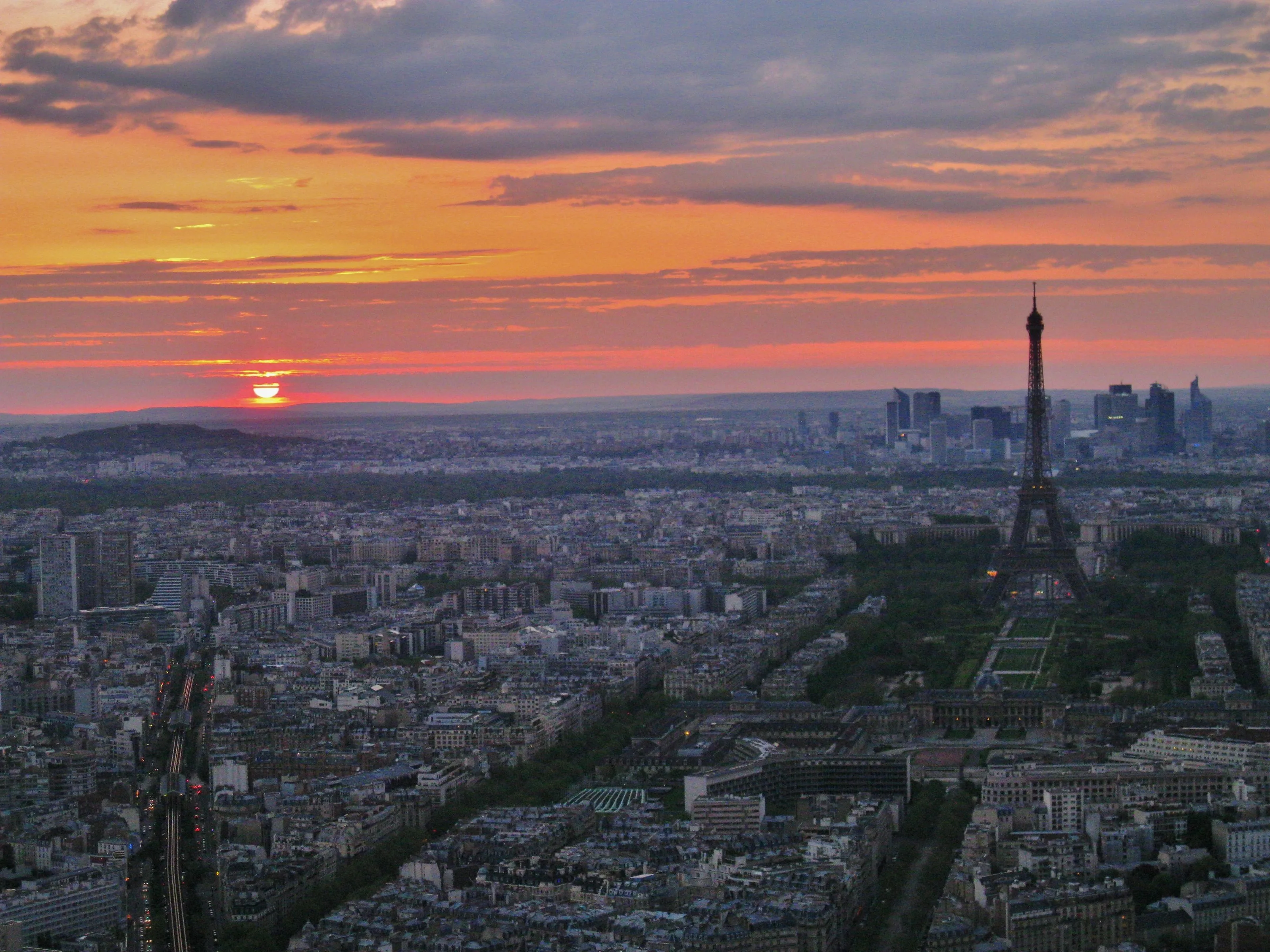
Built for the 1889 Exposition Universelle, the Eiffel Tower was originally intended to be a temporary structure. It went on to become the defining symbol of Paris and one of the world's best-known monuments. Visitors can experience it from several viewpoints across the city or book access to its different levels for panoramic views over Paris. After nightfall, its illumination and regular sparkling display make the tower particularly striking. Because demand can be high, especially during weekends, school holidays and summer, travellers may prefer to organise Eiffel Tower tickets or guided visits before arriving.
History & architecture
The Louvre and Parisian heritage
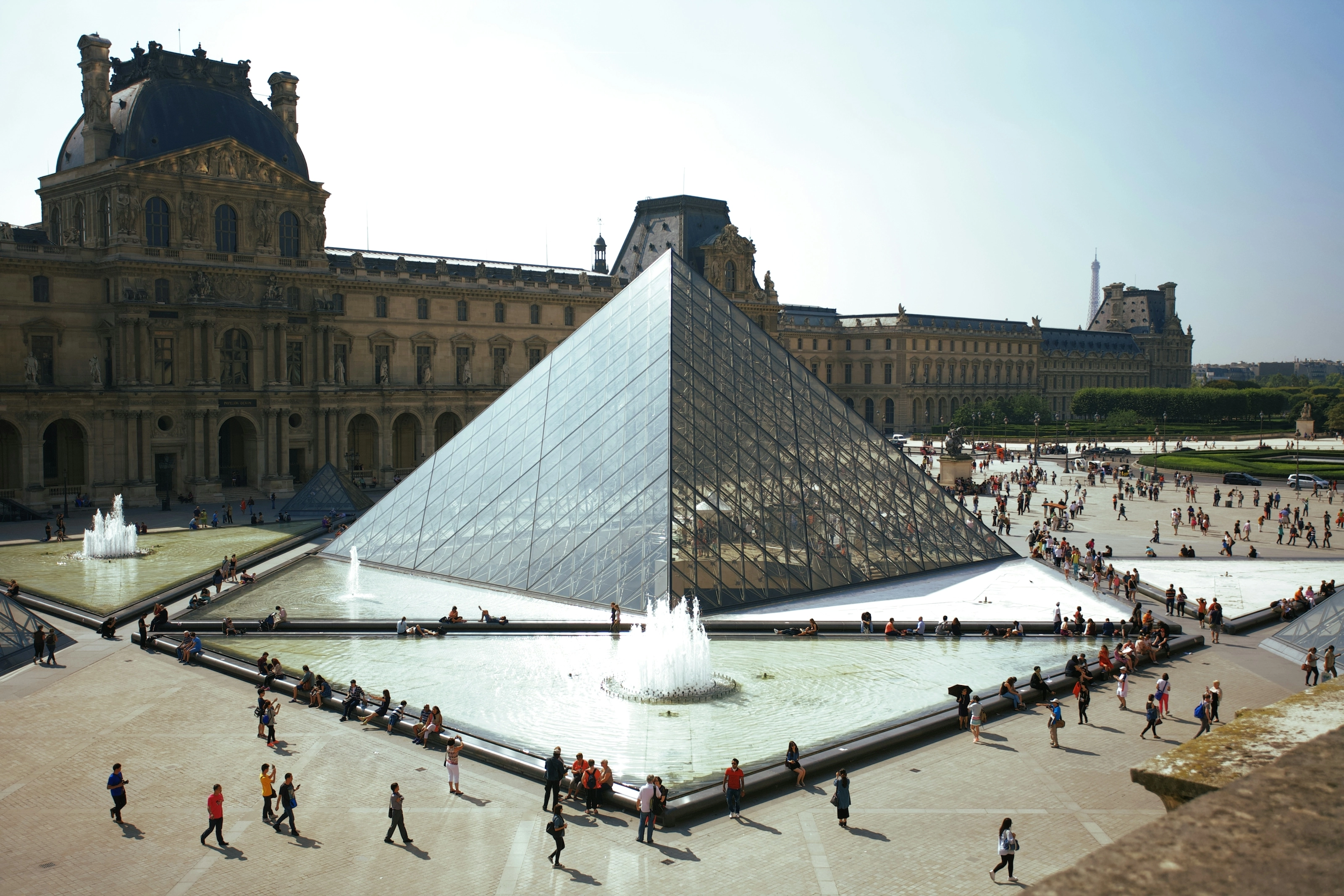
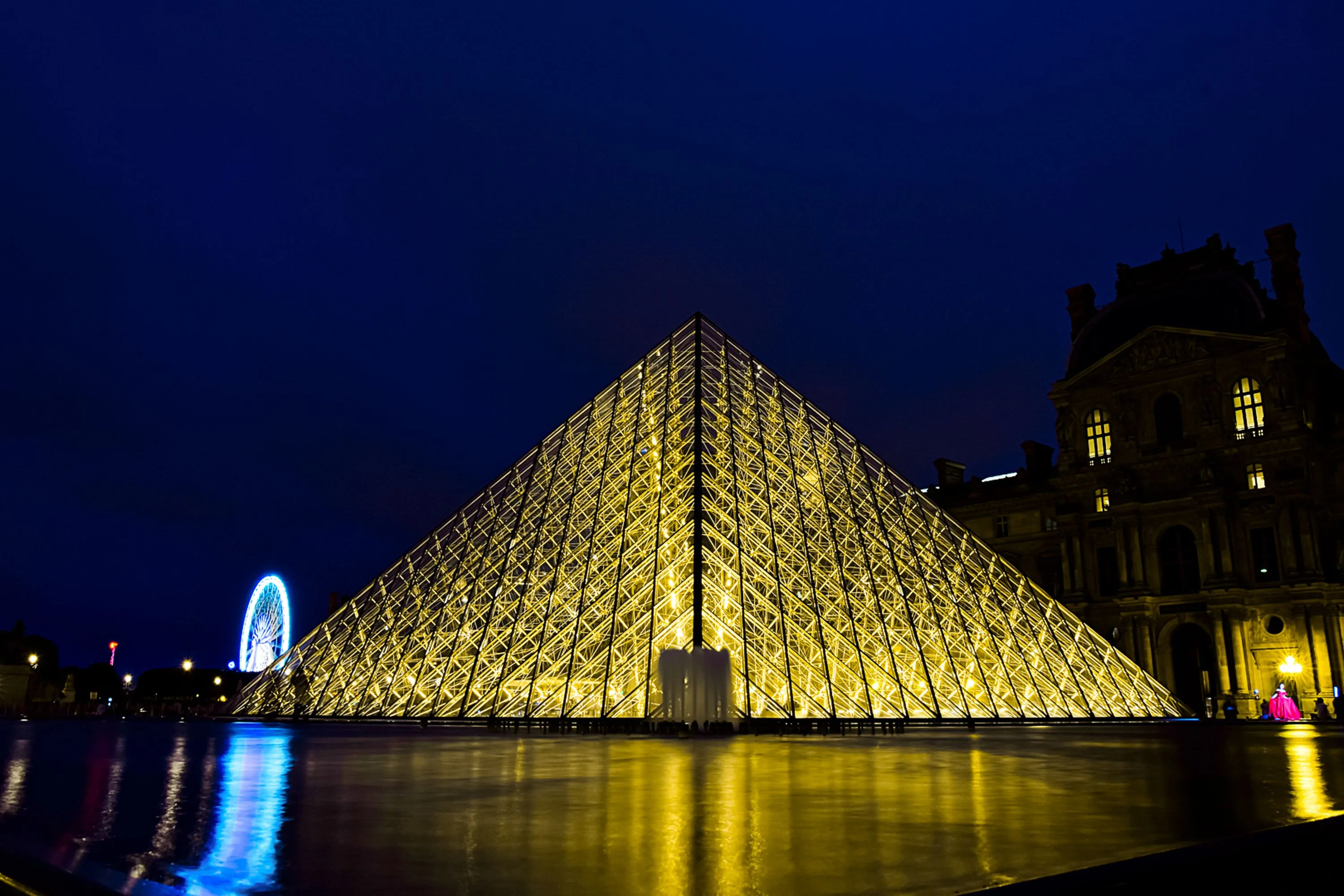
Once a royal palace, the Louvre Museum is today one of the largest and most important museums in the world. Its collections span thousands of years and include masterpieces such as the Mona Lisa, the Winged Victory of Samothrace and the Venus de Milo. The glass pyramid completed in 1989 created a striking contemporary entrance within the historic palace complex and became a Paris landmark in its own right. That dialogue between different architectural periods appears throughout the capital: medieval Notre-Dame, Haussmann-era boulevards, grand 19th-century buildings and contemporary districts such as La Défense all contribute to the city's visual identity. For first-time visitors, Louvre tickets and guided museum tours are among the most popular cultural experiences in Paris.
Museums
From the Louvre to the Carnavalet: the museums to know
| Place | Worth knowing |
|---|---|
| Louvre Museum | Former royal palace, closed on Tuesdays (Wikivoyage ES); glass pyramid dating from 1989 |
| Musée d'Orsay | Closed on Mondays (Wikivoyage ES); book tickets ahead in high season |
| Centre Pompidou | Closed for renovation until 2030 according to Wikivoyage DE: check before counting on it |
| Carnavalet and the Shoah Memorial | Free entry to the Carnavalet's permanent collections and to the Memorial (Wikivoyage ES) |
| Sainte-Chapelle, Panthéon, Invalides | Heavily visited monuments, worth adding if you stay several days (Wikivoyage DE) |
| Notre-Dame and Sacré-Cœur | Free entry to both (Wikivoyage DE) |
On the first Sunday of the month, some national museums and monuments are free, often with long queues (Wikivoyage DE and ES). The Paris Museum Pass covers more than 70 museums and monuments: work out whether it pays off for your plans. Prices and hours change, so check the official websites.
Luxury & shopping
The Champs-Élysées and Arc de Triomphe
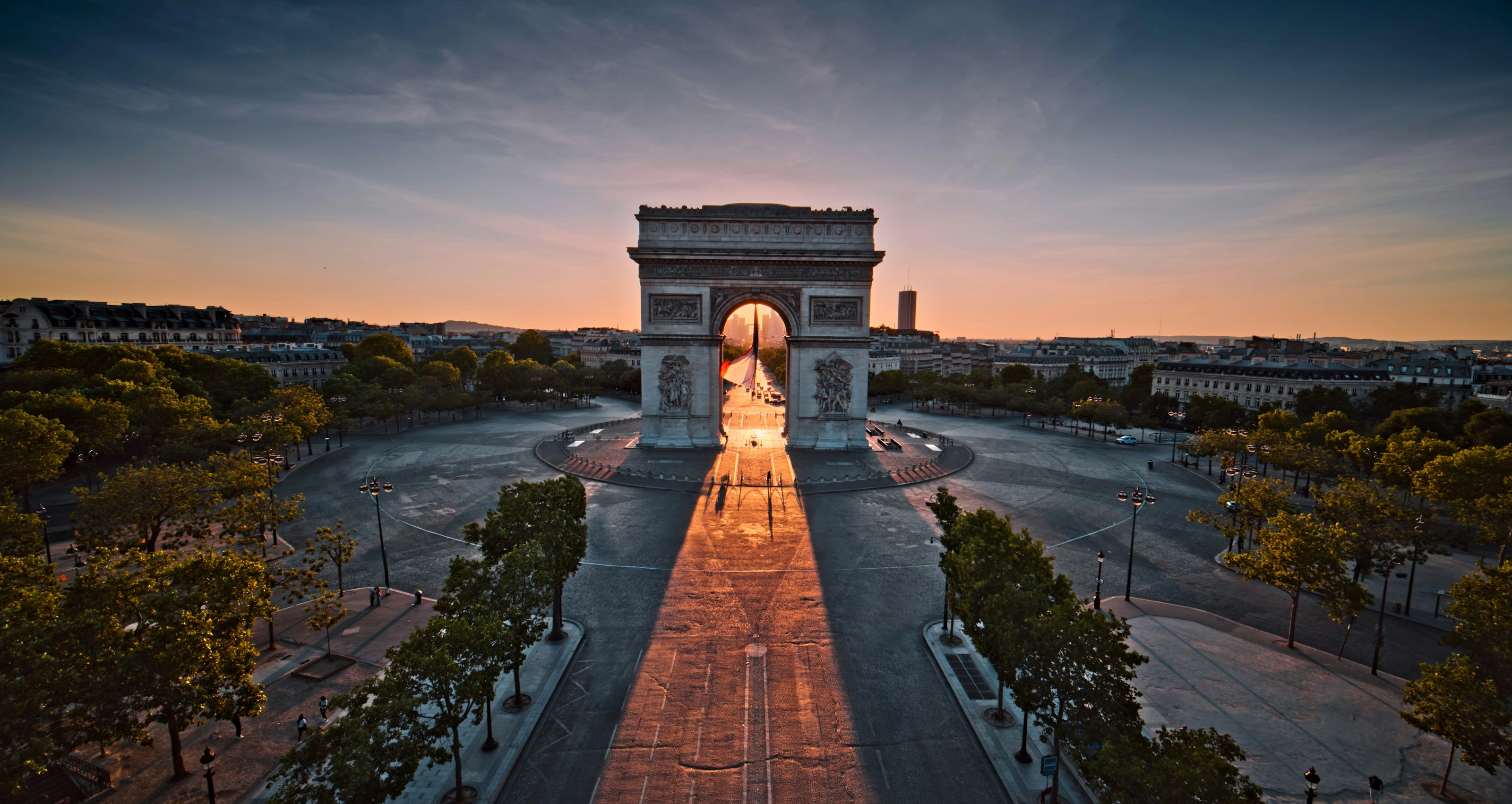
The Avenue des Champs-Élysées stretches between Place de la Concorde and the Arc de Triomphe. The avenue and surrounding districts form one of Paris's most famous shopping areas, with international brands, flagship stores, restaurants and luxury boutiques nearby. Paris remains one of the major global centres of fashion and luxury. Beyond the Champs-Élysées, visitors can explore historic department stores, haute couture houses, jewellery boutiques and shopping districts around Boulevard Haussmann, Rue Saint-Honoré and Avenue Montaigne. At the western end of the avenue stands the Arc de Triomphe. Visitors can climb to its terrace for a panoramic view across the avenues radiating from Place Charles-de-Gaulle, including a direct perspective down the Champs-Élysées.
Discover
Montmartre, the romantic side of Paris
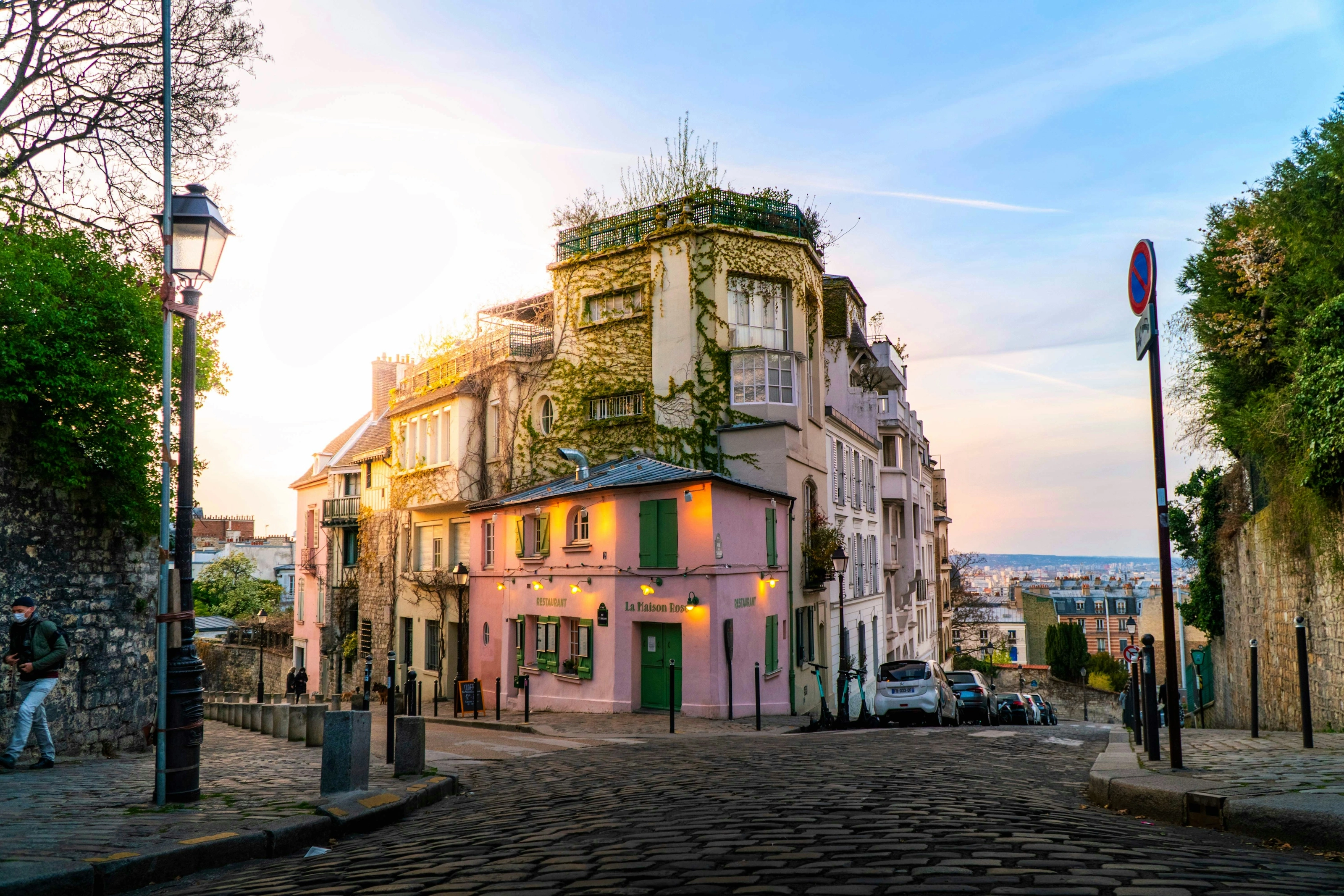
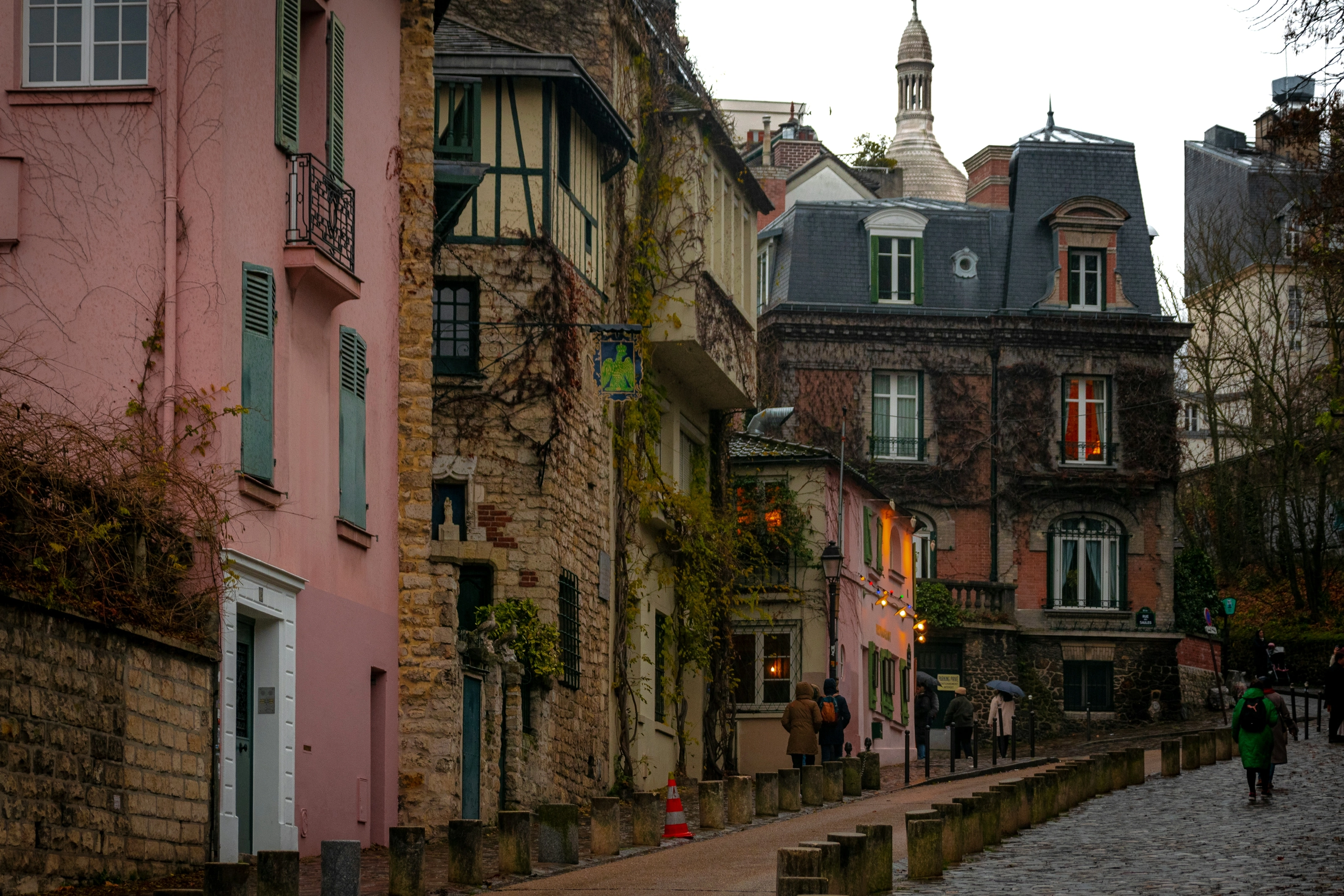
Set on one of the highest hills in Paris, Montmartre still retains traces of its former village atmosphere. Cobbled lanes, stairways, cafés and small squares wind around the district below the white dome of the Sacré-Cœur Basilica. During the late 19th and early 20th centuries, Montmartre became closely associated with artists, writers and bohemian life. Today it remains one of the most photographed neighbourhoods in Paris and one of the places most strongly connected with the romantic image of the city. A guided Montmartre walking tour can help travellers discover artist studios, hidden streets and stories that are easy to miss when simply following the main tourist route.
Nightlife
Paris after dark
Paris changes character after sunset. Different neighbourhoods offer very different styles of nightlife. Pigalle is associated with historic cabarets and venues such as the Moulin Rouge. The Marais combines cocktail bars, restaurants and lively streets, while areas around Oberkampf are known for bars, music venues and a more alternative atmosphere.
During the warmer months, riverside terraces and boats along the Seine become particularly popular. For travellers who want something quieter, an evening Seine river cruise remains one of the classic ways to see the Eiffel Tower, Louvre, Notre-Dame and other illuminated landmarks from the water. Dinner cruises, sightseeing cruises and sunset departures are among the most frequently booked experiences in Paris.
Gastronomy
From neighbourhood bakeries to fine dining
Parisian food culture is not limited to prestigious restaurants. A large part of the city's culinary identity is found in local bakeries, cafés, markets, bistros and neighbourhood restaurants.
| What to try | Why |
|---|---|
| Croissant & baguette | A classic Paris morning ritual, with artisan bakeries found throughout the city. |
| Steak-frites | One of the enduring staples of traditional Parisian bistros. |
| Food markets | Markets such as Bastille and Aligre are excellent places to discover cheeses, charcuterie, produce and other French specialities. |
Paris also lends itself particularly well to food tours, pastry tastings, market visits, wine experiences and French cooking classes. These activities can be a good way to discover neighbourhoods while learning more about French cuisine.
Markets and drinks
Markets, moules frites and a jug of tap water
Open-air markets are one of Paris's pleasures: the one on Boulevard Richard-Lenoir, near the Bastille, is said to be the biggest, alongside those at Aligre, Rue Mouffetard, Place Buci, Place de la Madeleine and Rue Poncelet (Wikivoyage EN). On the plate, try moules frites, crêpes from a stand, macarons and duck breast in the terrace bistros, delis and pastry shops.
At a restaurant, ask for "une carafe d'eau" to get free tap water (Wikivoyage EN). Fixed-price menus exist at every budget, and wine is served by the glass in most bistros.
Family attractions
Disneyland Paris and Parc Astérix
Paris can also work extremely well as a family destination. Disneyland Paris, east of the capital, combines two theme parks with hotels, restaurants and entertainment areas and is one of Europe's major leisure destinations. Visitors can reach the resort from central Paris by public transport or organise dedicated transfers. North of Paris, Parc Astérix offers a very different experience based on the French comic-book universe of Astérix and Obélix, with roller coasters, family attractions and themed areas. Both parks make it possible to combine a cultural stay in Paris with one or more full days dedicated to family entertainment. SniperAir can also surface theme-park tickets, transfers and related experiences when available.

Book with SniperAir
Flights, attractions and experiences in Paris
SniperAir can help travellers go beyond simply finding a destination. Alongside cheap flights to Paris, travellers can discover bookable activities and experiences such as Eiffel Tower tickets, Louvre visits, Seine cruises, guided Montmartre tours, Versailles excursions, food tours, cooking classes, cabaret shows, Disneyland Paris tickets, museum tickets and other Paris attractions.
The journey becomes simple: monitor your flight, discover Paris, compare activities and access the relevant booking offer once you are ready.
Getting around
Metro, buses, Vélib' and taxis
The metro and RER cover the whole city. A Métro-Train-RER ticket costs about 2.5 euros and allows transfers for two hours, a bus-tram ticket about 2 euros (Wikivoyage FR and EN). The rechargeable Navigo Easy card costs 2 euros, and a day pass is offered at around 12 euros, excluding airport journeys. Never buy a ticket from a street seller, and keep your ticket until you exit.
The Vélib' bike-share gives you the first 30 minutes; a deposit is held when you unlock a bike (Wikivoyage FR and DE). Taxis run on the meter, and much of the centre is very pleasant on foot.
Budget
A budget that depends on where you sleep
Accommodation is the main expense in Paris, especially in high season and near the major sights. The currency is the euro. Several places are free: Notre-Dame, Sacré-Cœur, the permanent collections of some city museums, and the markets for a picnic. Booking major sights early, and watching flight prices with an alert, helps you stay in control of the budget.
When to go
When to visit Paris
Spring
Cool and often damp in March, then milder; May is one of the best months to visit, with gardens in bloom.
Summer
About 25 degrees C by day in July and 15 degrees C at night; heat waves above 35 degrees C are possible, with a record of 42.6 degrees C on 25 July 2019.
Autumn
September and early October are among the best periods; after that, cool and rainy.
Winter
January is the coldest month, around 6 degrees C on average, with temperatures almost always above freezing; cold snaps and snow remain rare.
The climate is oceanic, with rain all year: about 600 mm a year and 40 to 65 mm a month (Wikivoyage FR and ES). Bring an umbrella, and light clothes in summer.
How long to stay
How many days in Paris?
The essentials
Eiffel Tower, Louvre, Champs-Élysées and Montmartre.
Neighbourhoods and museums
Add Orsay, the Sainte-Chapelle, the Marais and a Seine cruise.
Day trips
Add Disneyland Paris, about thirty minutes from the centre, or Parc Astérix.
In pictures
Paris in pictures
You might also like
Similar destinations
FAQ
Frequently asked questions about flights and travel to Paris
How much time should I plan for Paris?
2 to 3 days let you see the essentials (Eiffel Tower, Louvre, Champs-Élysées, Montmartre). A full week lets you add Disneyland Paris or Parc Astérix and take time to wander through several neighbourhoods.
Should I book Disneyland Paris in advance?
Yes, especially during peak season and school holidays — tickets and hotels are generally reserved several weeks ahead.
What's the best airport for arriving in Paris?
CDG has the most direct international connections. ORY is a good alternative for European flights, often operated by low-cost carriers.
How much does a flight to Paris usually cost?
The price mainly depends on your departure city, the season and how far ahead you book. The "opportunities" section above shows real price examples already detected by SniperAir for this destination.
What's the best time to book a flight to Paris?
There's no universal rule — the best price depends on your specific route. That's exactly why SniperAir tracks prices for you instead of giving generic advice.
Does SniperAir cover both Paris airports?
Yes, both CDG and ORY are tracked by SniperAir.
How do I get alerted when a flight to Paris drops below my budget?
Create an alert profile with your departure airport, Paris as the destination and your maximum budget. You'll be notified automatically as soon as a matching price is detected.
How long is a flight to Paris from other European cities?
Generally between 1 and 3 hours depending on your departure city.
Can I book Paris attractions and guided tours through SniperAir?
Yes. Alongside cheap flights, SniperAir lets you discover bookable activities in Paris: Eiffel Tower tickets, Louvre visits, Seine cruises, guided Montmartre tours and Disneyland Paris tickets.
How do I get from Charles de Gaulle airport to Paris?
The RER B takes 35 to 45 minutes to the centre with an airport ticket of around 13 to 14 euros. The Roissybus takes about 1 hour, and taxis follow a regulated flat fare.
What budget should I plan for a trip to Paris?
Accommodation is the main cost; several places are free, such as Notre-Dame and Sacré-Cœur, and on the first Sunday of the month some national museums are too. Check prices on the official websites.
Ready to head to Paris?
Set your budget and let SniperAir track the fares.
Create my alert