
Cheap Flights to Bastia
Find the best flight deals to Bastia and create an alert to get notified the moment a great price shows up.
Quick summary
Country
France
Region
Haute-Corse
Airport
BIA
Sea
Mediterranean
Time zone
UTC+1
Opportunities already spotted to Bastia
Real flight examples detected by SniperAir, with their reference price.
Loading examples…
Bastia travel guide: genoese history, cap corse and mediterranean beaches
Why choose Bastia?
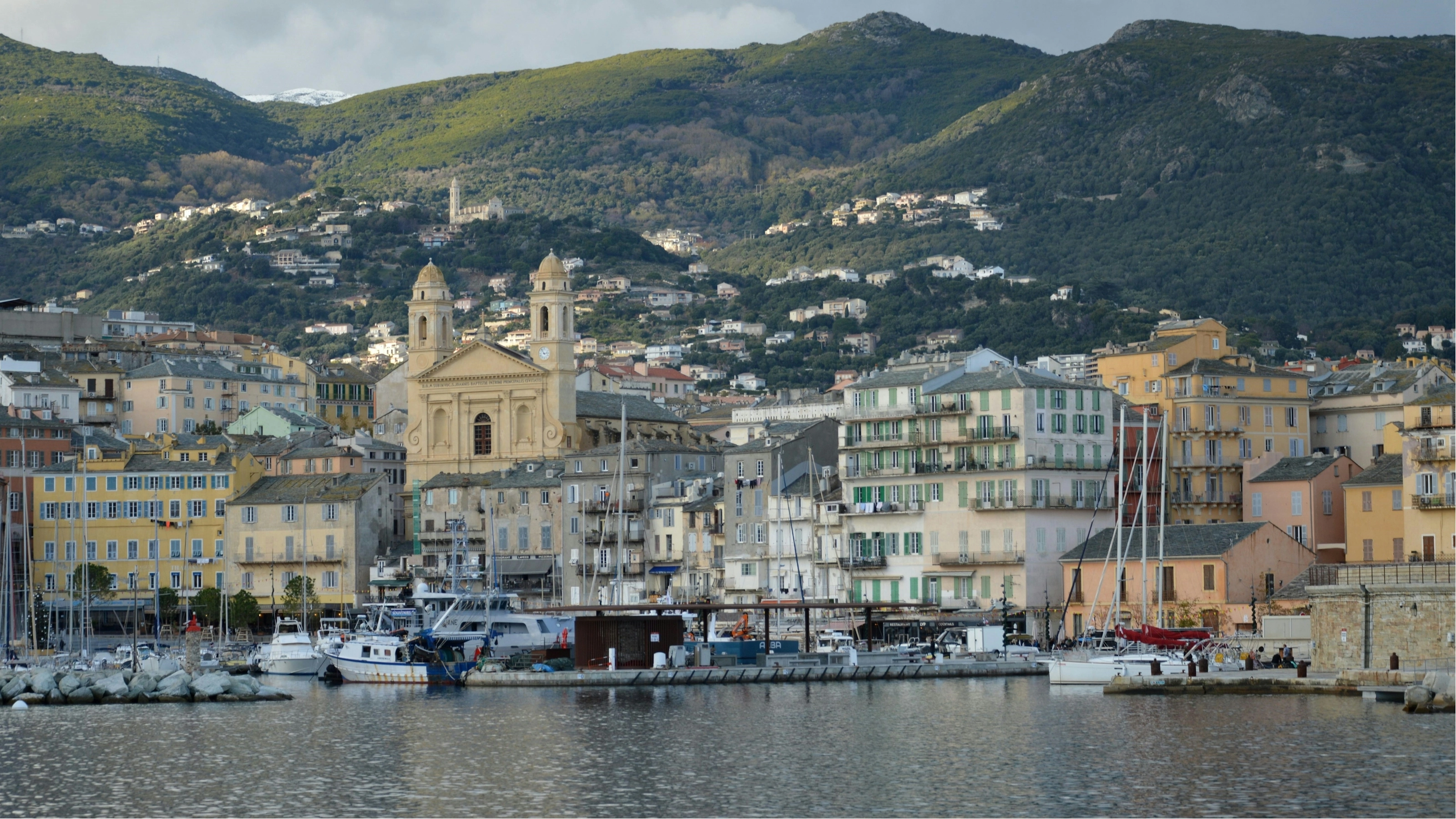
Bastia combines the energy of a working Mediterranean port with the depth of a historic city. Founded under Genoese rule in the late fourteenth century, it faces the Tuscan archipelago from Corsica’s eastern coast. Its old harbour, citadel, Baroque churches and tall façades form a dense urban landscape rather than a purpose-built resort. Just beyond the city begin the villages of Cap Corse, the Patrimonio vineyards, Biguglia lagoon and long beaches that do not require a journey across the island.
SniperAir can help travellers compare flight opportunities to Bastia-Poretta Airport. The destination works particularly well for visitors who want culture, swimming, local food and a scenic road trip in one holiday. Three days cover the city and one nearby outing; five to seven days allow time for Cap Corse, Saint-Florent and the Nebbio without turning every day into a drive.
Historical context
Bastia takes its name from a “bastiglia”, the fortress built by the Genoese to protect the harbour. The settlement expanded between Terra Vecchia around the old port and Terra Nova, the upper district dominated by the citadel and Governors’ Palace. Bastia became the capital of Genoese Corsica and remained the island’s political centre until French administration shifted that role to Ajaccio in the nineteenth century. Maritime links with Italy and the wider Mediterranean left a durable cultural mark.
History appears in religious buildings, confraternity oratories, monumental stairways and narrow houses. It also survives through language, polyphonic song and food. Bastia is not a preserved stage set: ferries, shops, markets, cafés and everyday life continue to animate Place Saint-Nicolas and the lanes around the harbour.
Arrival and local transport
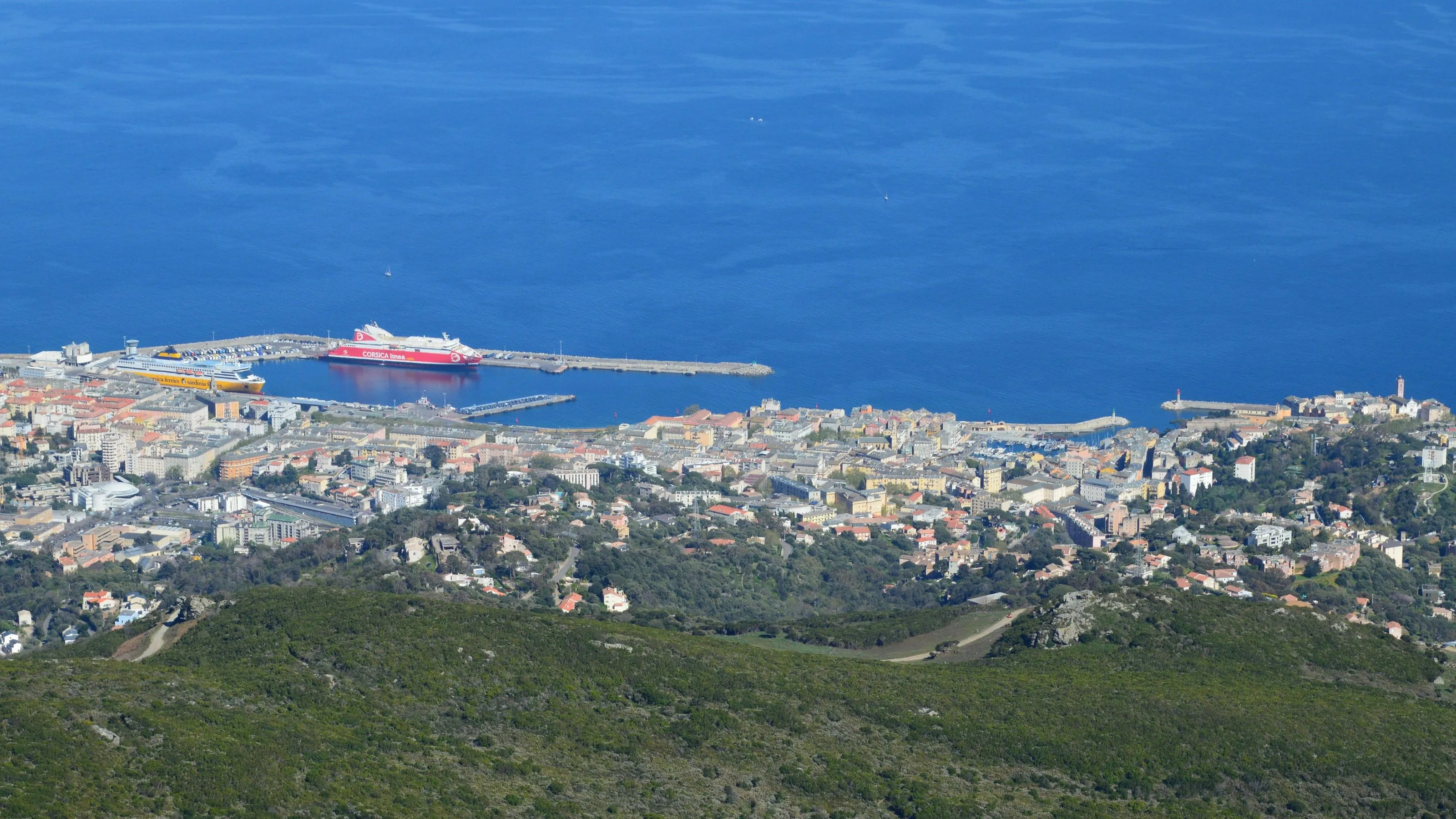
Bastia-Poretta Airport is in Lucciana, south of the city. The road distance to central Bastia is roughly twenty kilometres, and the transfer commonly takes about twenty-five to forty minutes depending on traffic and transport. A shuttle generally links the terminal with Bastia railway station around flight schedules, but current frequency and fares should be checked on the airport’s official site. Taxis and car-hire desks are also available.
Central Bastia is best explored on foot. The climbs between the old port and citadel can be reduced by using the lift at Espace Mantinum. Local buses serve the urban area and several beaches. Corsican Railways connect Bastia with Casamozza, Corte and Ajaccio, and with Calvi via a change. The network is not high-speed, but it offers a scenic and practical alternative for travellers without a car.
A hire car becomes useful for Cap Corse, hill villages and multi-stop beach days. Roads can be narrow, winding and much slower than the distance suggests. Build in generous time, avoid an overloaded itinerary and never stop in the carriageway for photographs. In July and August, early departures make parking and traffic easier.
Essential sights in bastia
Place Saint-Nicolas provides a natural introduction. The long waterfront square contains café terraces, a bandstand, a monument to Napoleon and occasional markets or events. From here, shopping streets lead into the historic quarters. The food market near Place de l’Hôtel de Ville presents seasonal cheeses, charcuterie, fruit, vegetables, fish and Corsican preparations.
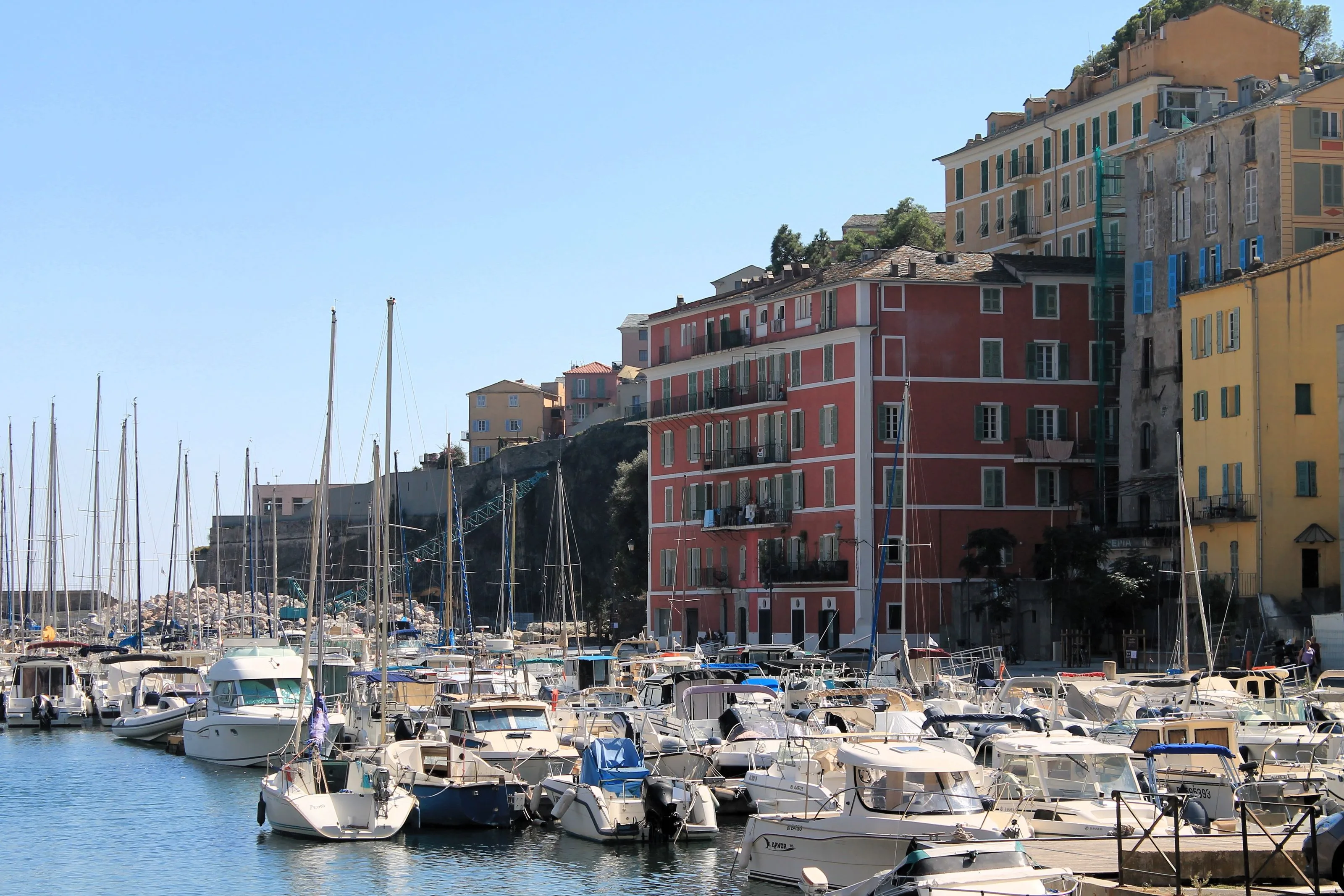
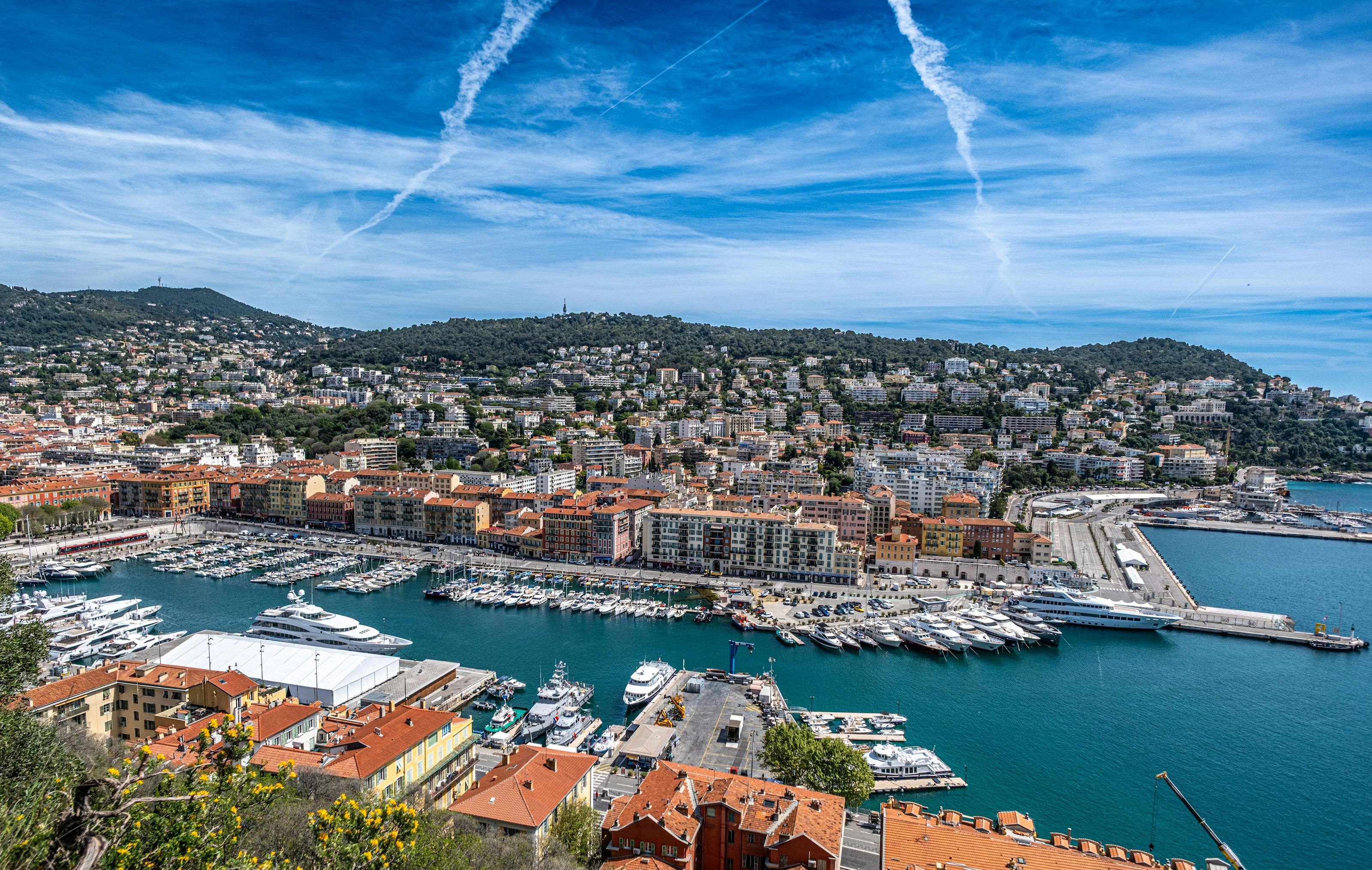
The Vieux-Port creates Bastia’s classic view. Small boats and terraces sit below high, weathered façades, while the twin towers of Saint-Jean-Baptiste rise above the basin. Walk around the harbour, look back from the outer quay where access is permitted, then climb through Jardin Romieu. Its shaded paths and stairways connect the waterfront with the citadel.
Terra Nova is the citadel district. Inside its gateways are quiet passages, old houses and Sainte-Marie Cathedral. Sainte-Croix Oratory contains the Black Christ of the Miracles, an important focus of local devotion. The former Governors’ Palace houses the Musée de Bastia, whose displays cover urban history, Mediterranean connections, decorative arts and Italian paintings, including works linked with Cardinal Fesch’s collection. The palace garden overlooks the old port.
In Terra Vecchia, the Oratory of the Immaculate Conception and Saint-Roch Oratory reflect the importance of religious confraternities. Saint-Jean-Baptiste is Corsica’s largest church. Rue Napoléon, the streets around the market and Boulevard Paoli combine architecture, small businesses and contemporary city life. A guided walk gives useful context on merchant families, sacred traditions and details that are easy to miss.
Beaches and nearby nature
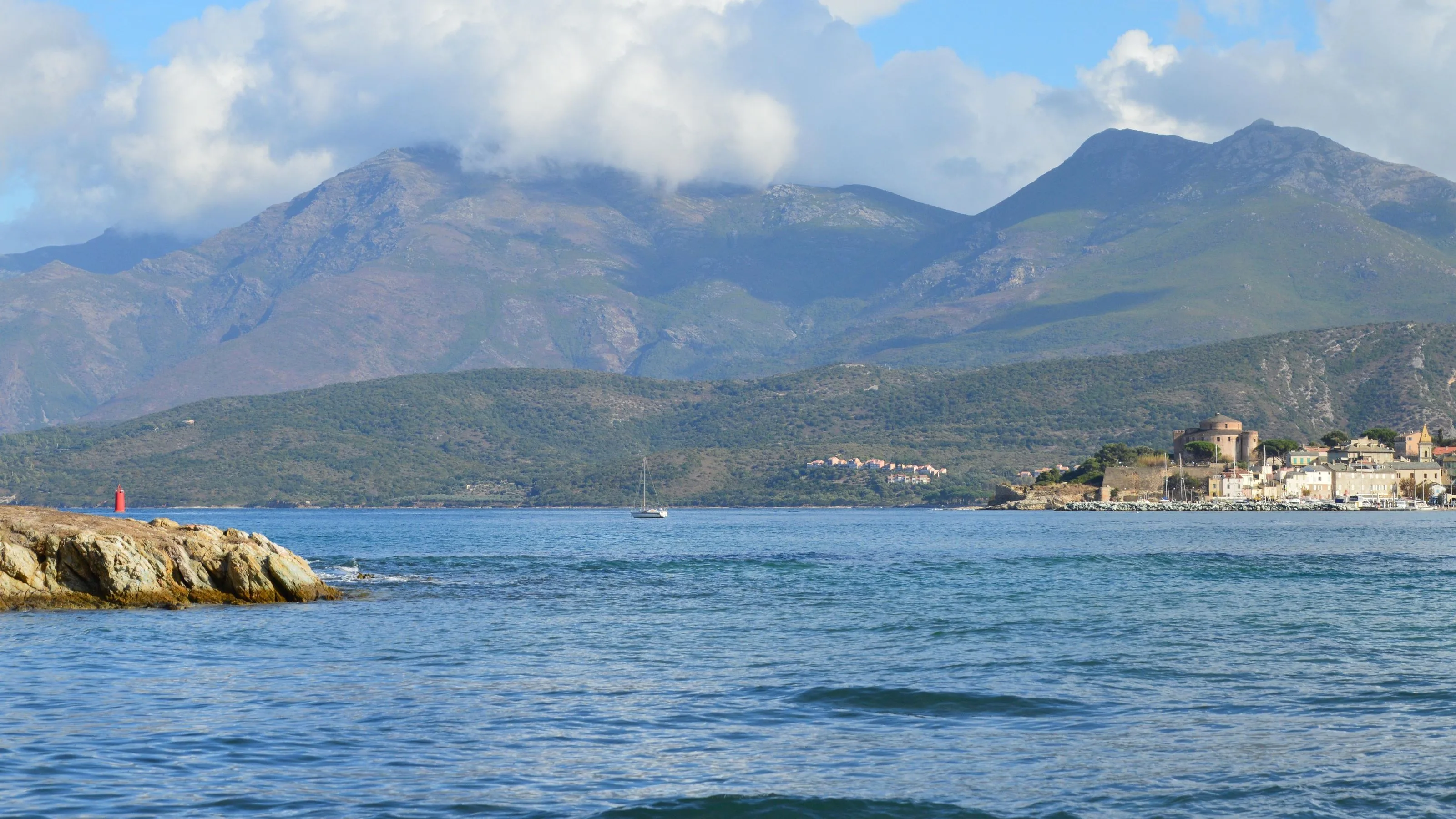
Arinella, south of central Bastia, is the city’s main equipped beach. Sand, services and water activities make it practical for an uncomplicated half-day. Farther south, the long La Marana strip lies between the Tyrrhenian Sea and Biguglia lagoon. Some sections feel natural and quiet; others have restaurants, accommodation or organised facilities.
Biguglia lagoon is an important nature reserve for resident and migratory waterbirds. Use hides and trails quietly, carry binoculars and respect closures. Swimming belongs on the seaward beach, not within protected parts of the lagoon. North of Bastia, small Cap Corse coves appear along the coast, although parking and access vary and should never be assumed.
Exploring cap corse
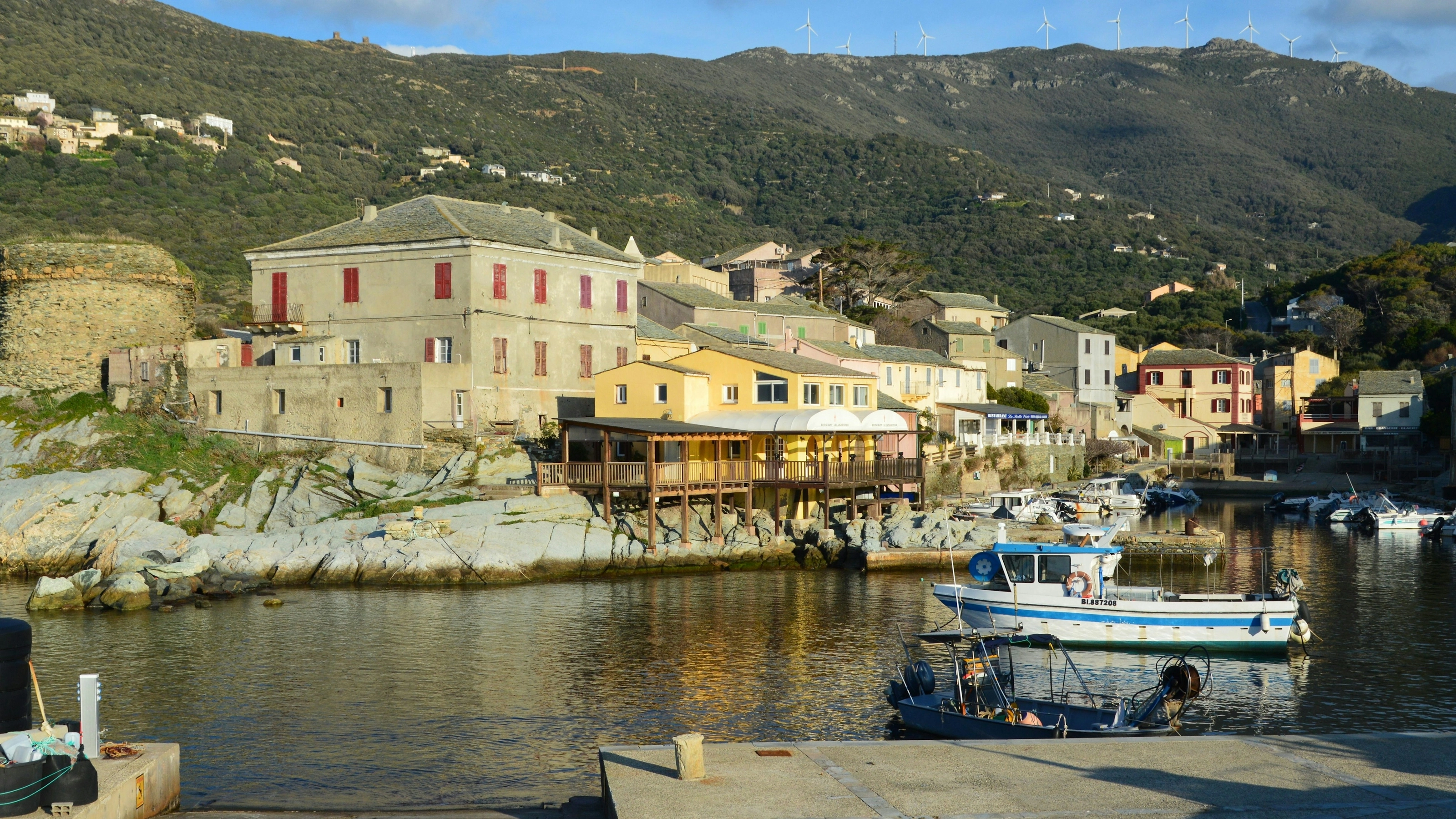
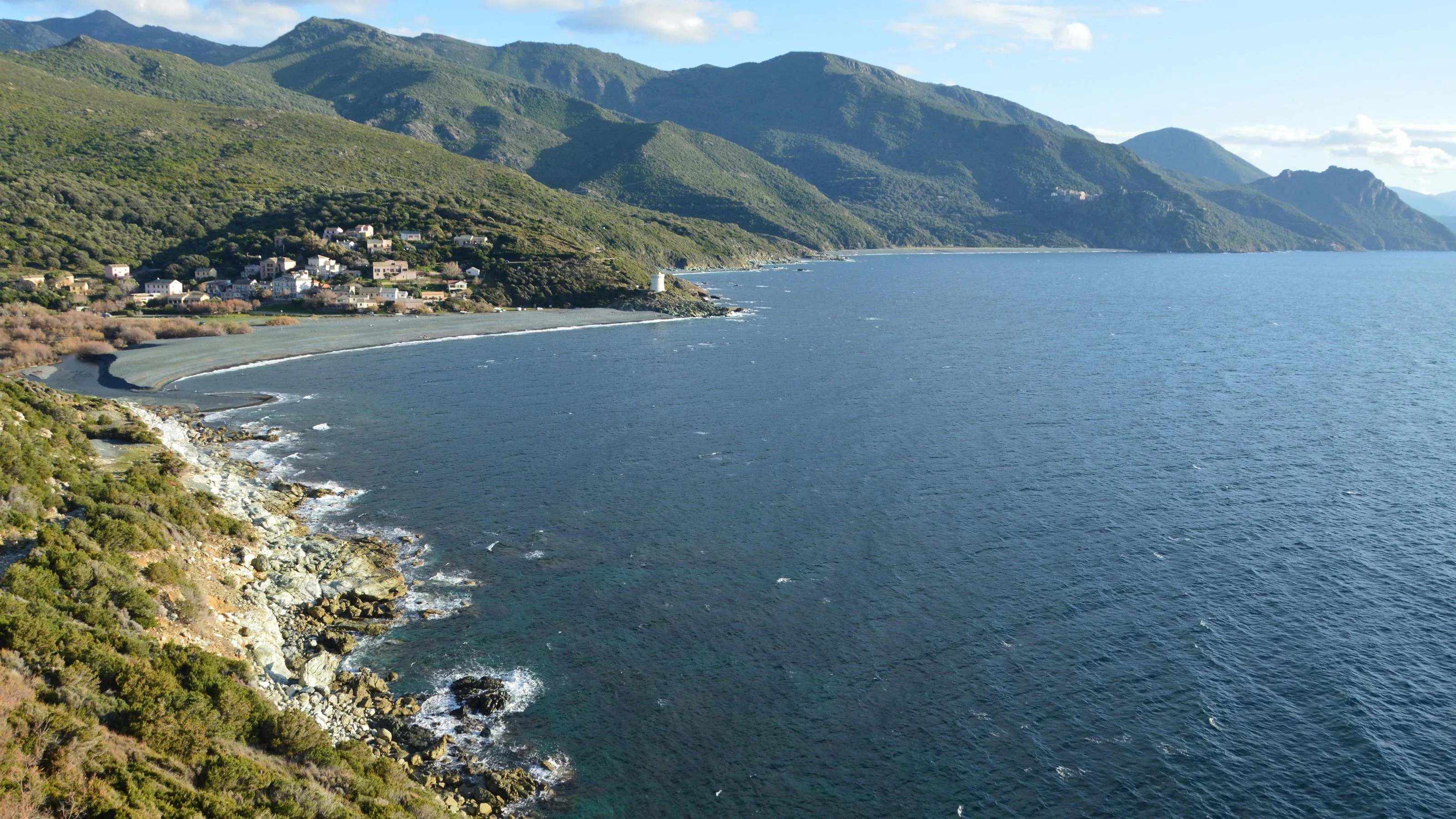
Cap Corse is a mountainous peninsula extending north from Bastia. A complete circuit is possible in one long day, but two days make the route far more rewarding. On the east coast, Erbalunga has a small harbour and ruined Genoese tower. Farther north, Macinaggio is the starting point for the customs officers’ coastal path toward Tamarone, historic towers and Barcaggio. Heat, exposure and distance make an early start, sufficient water and proper footwear essential.
Near the tip, views open toward Giraglia and a wilder maritime landscape. On the west coast, Centuri is known for its fishing harbour. Pino retains “American houses” built by Corsicans who returned after making fortunes abroad. Nonza stands dramatically above a broad, dark-pebble beach, with a superb view from the Paoline tower. The beach should not be inaccurately marketed as an ordinary volcanic black-sand beach; its colour and industrial history require careful explanation.
The cape’s heritage includes Genoese watchtowers, chapels, mills, marinas and gardens. Swimming conditions change with wind and swell. Before a boat trip, check the forecast, safety equipment, operator credentials and rules for protected areas. On the road, choose a few meaningful stops rather than claiming to see the entire peninsula at speed.
Saint-florent, patrimonio and the agriates
West of Bastia, the road crosses the Teghime pass into the Nebbio. Saint-Florent combines a marina, old streets and a Genoese citadel. Nearby Patrimonio is known for appellation wines and vineyard estates. Tastings should be planned with a sober driver, taxi or guided trip; cellar hours vary and advance booking is often wise.
Loto and Saleccia beaches lie within the protected Agriates territory. Seasonal boats from Saint-Florent serve Loto; reaching Saleccia may involve a walk, an appropriate boat or a rough track suitable only for the correct vehicle. These are natural sites with limited services. Carry water and sun protection, confirm the return arrangement and remove every item of rubbish.
Climate and the best time to visit
Bastia has a Mediterranean climate. Summers are hot and dry, with warm sea conditions, but also heavy visitor numbers and significant wildfire risk. Spring brings flowering maquis, milder temperatures and better walking conditions. September often retains warm water with less pressure on roads and beaches. Autumn becomes wetter. Winters are mild on the coast, although wind, rain and seasonal closures reduce some activities.
May, June, September and early October usually offer the most balanced conditions. Hikers should leave early and check forecasts, fire-risk closures and access restrictions. Wind can affect sea crossings and swimming. Even in summer, a light evening layer and sturdy shoes for stone streets and paths are useful.
Budget and travel costs
As a flexible 2026 planning guide, a careful traveller might budget roughly EUR 80–130 per person per day excluding flights. A comfortable stay with a central hotel, restaurant meals and organised outings often reaches EUR 150–240 or more in high season. These are not quoted prices. July, August, festivals, late reservations, car hire and boat excursions can raise costs quickly.
To save, book well ahead, travel outside peak summer, mix market food with picnics and rent a car only for the days that require it. Central accommodation reduces parking costs. Comparing the flight through SniperAir is useful, but the realistic total should also include baggage, airport transfer, fuel, parking and any beach boat service.
Food in bastia and northern corsica
Bastia’s market introduces seasonal brocciu, cheeses, cured meats, honey, olive oil, citrus and biscuits. Local associations include panzarotti, sweet fritters traditionally eaten around Saint Joseph’s Day, anchovy or sardine preparations, fritelle and recipes scented with maquis herbs. Migliacci and other cheese-based foods are best sampled from a specialist producer or market stall.
Fish and lobster appear in Cap Corse harbours, with availability and price dependent on the catch and season. Patrimonio produces reds, whites and rosés, while Cap Corse is associated with muscat. Ask about origin and price before ordering, especially when seafood is sold by weight. Heat, driving and alcohol require sensible planning.
A five-day itinerary
Day one: Place Saint-Nicolas, market, Saint-Jean-Baptiste and the old port. Day two: Jardin Romieu, citadel, cathedral, Sainte-Croix and Musée de Bastia. Day three: Arinella, Biguglia nature reserve and La Marana. Day four: Cap Corse with Erbalunga, Macinaggio and selected viewpoints; consider staying overnight on the peninsula. Day five: Saint-Florent and Patrimonio, or Loto beach when season and weather permit.
Without a car, give more time to the city, use rail and bus for accessible surroundings and book an organised Cap Corse or Saint-Florent outing. With seven days, add a proper hike, a full Agriates day and a Nebbio village.
Responsible and practical advice
Tap water is generally drinkable unless a local sign says otherwise. Summer heat demands a reusable bottle, strong sun protection and regular shade. Fire and cigarettes are serious threats in the maquis. Respect closures, do not light flames, take all rubbish away and avoid picking plants in protected areas.
Shops and museums may follow seasonal hours or close for a midday break. Check official websites the day before visiting. On mountain and coastal roads, let faster traffic pass only where it is safe and do not follow a navigation app onto an unsuitable lane. Churches, polyphonic performances and ceremonies belong to a living culture; modest clothing, silence and no flash photography show respect.
Travellers with limited mobility should check gradients, lift status and beach access. The Mantinum lift helps between port and citadel, but old paving and stairs remain in several streets. Boat boarding may not be step-free. Families benefit from alternating monuments with beach or park time and from avoiding the hottest hours.
FAQ
Frequently asked questions about flights to Bastia
How far is the airport from Bastia?
The road distance is about twenty kilometres. The transfer usually takes twenty-five to forty minutes, depending on traffic and transport.
Can Bastia be visited without a car?
Yes. The historic centre is walkable and local transport covers several nearby areas. An organised excursion makes Cap Corse and the Agriates easier.
Which nearby beach is the most practical?
Arinella is easiest from the city. La Marana offers long beaches; Loto and Saleccia are more remote and require specific planning.
Can Cap Corse be toured in one day?
Yes, but it is a long day on slow roads. Two days provide a calmer and more meaningful visit.
When is the best time to go?
May, June, September and early October generally combine pleasant weather with more manageable visitor numbers.
What should I prioritise in Bastia?
The old port, citadel, Musée de Bastia, Saint-Jean-Baptiste, the oratories, Jardin Romieu and Place Saint-Nicolas.
Where can I hike?
The customs officers’ path from Macinaggio is a classic choice. Distance must be adjusted to heat, wind and fitness.
Is there a train to Ajaccio?
Yes. Corsican Railways connect Bastia and Ajaccio through the island’s interior. The journey is scenic but relatively long.
What daily budget is sensible?
Approximately EUR 80–130 for a careful trip and EUR 150–240 or more for greater comfort, excluding flights and depending on season.
How many days should I stay?
Three days give an introduction, five include beaches and a major excursion, and a week is better for Cap Corse and the Agriates.
Ready to head to Bastia?
Set your budget and let SniperAir track fares for you.
Create my alert