
Cheap Flights to Beauvais
Find the best flight deals to Beauvais and create an alert to get notified the moment a great price shows up.
Quick summary
Country
France
Region
Oise, Hauts-de-France
Airport
BVA
Sea
—
Time zone
UTC+1
Opportunities already spotted to Beauvais
Real flight examples detected by SniperAir, with their reference price.
Loading examples…
Beauvais travel guide: gothic ambition, craft and the oise countryside
Why discover Beauvais?
Beauvais is often treated only as an airport carrying the word “Paris”. That narrow view overlooks an art-and-history city with an extraordinary Gothic cathedral, a museum inside a former bishop’s palace, a living tapestry tradition and a surrounding area of villages, gardens and castles. Beauvais can support an independent two- or three-day break, or provide a gateway to the Oise department.
SniperAir can help travellers identify a flight opportunity to Paris-Beauvais Airport. After arrival, three destinations must be separated: Beauvais itself, close to the terminal; Paris, roughly 67 kilometres south; and the scattered attractions of the Oise. Choosing the transfer for the actual overnight location prevents an unnecessary detour. A Beauvais-based trip favours architecture, craftsmanship, regional food and quiet excursions rather than major nightlife.
History and identity
The city has ancient roots as Caesaromagus and later developed around a powerful bishopric. In the Middle Ages, textiles and a position between Normandy, Île-de-France and Picardy supported its prosperity. The builders’ ambition is clearest at Saint-Pierre Cathedral, whose Gothic choir reaches an extraordinary height. Structural failures and interrupted campaigns explain the absence of a complete nave. The result is compelling both for its engineering achievement and its unfinished history.
Beauvais suffered extensive destruction during the Second World War. Reconstruction placed modern buildings beside the remaining older fabric, creating the contrasts visible today. Tapestry remains a defining cultural thread. The Manufacture nationale continues high-warp weaving for public collections, while Le Quadrilatère occupies a twentieth-century building originally connected with tapestry display.
Arriving from the airport
Paris-Beauvais Airport stands at Tillé, only a few kilometres from central Beauvais. Local buses, taxis and transfer services connect the terminal with the centre and railway station. Routes, frequency and payment rules can change and should be checked on official sites for the travel date. The road distance is short, although simultaneous flight arrivals can create queues.
For Paris, official airport coaches serve selected points in the Paris region according to the current network. Departure point, arrival point, journey time and booking procedure may change, so an undated guide or old ticket is not reliable. From Paris Gare du Nord, TER regional trains reach Beauvais, commonly in around one hour and fifteen minutes depending on the service.
Visitors staying in Beauvais do not need to travel through Paris. Conversely, a ticket labelled “Paris-Beauvais” does not mean the airport is within the capital. SniperAir content should make that distinction explicit so travellers can budget time and money accurately.
Getting around beauvais and the oise
Central Beauvais is compact enough for walking. The cathedral, MUDO, old streets and major cultural venues stand close together. The Corolis bus network serves the urban area, airport and Plan d’Eau du Canada according to route and season. Cycling can work on selected corridors, but infrastructure and secure parking should be checked.
Rail is useful for Paris and several towns, while villages, gardens and castles are often easier by car. Distances look modest on a map, but secondary roads and dispersed sites demand realistic planning. Before leaving for Gerberoy, Chantilly or Pierrefonds, calculate the full driving time and confirm last admission.
Saint-pierre cathedral
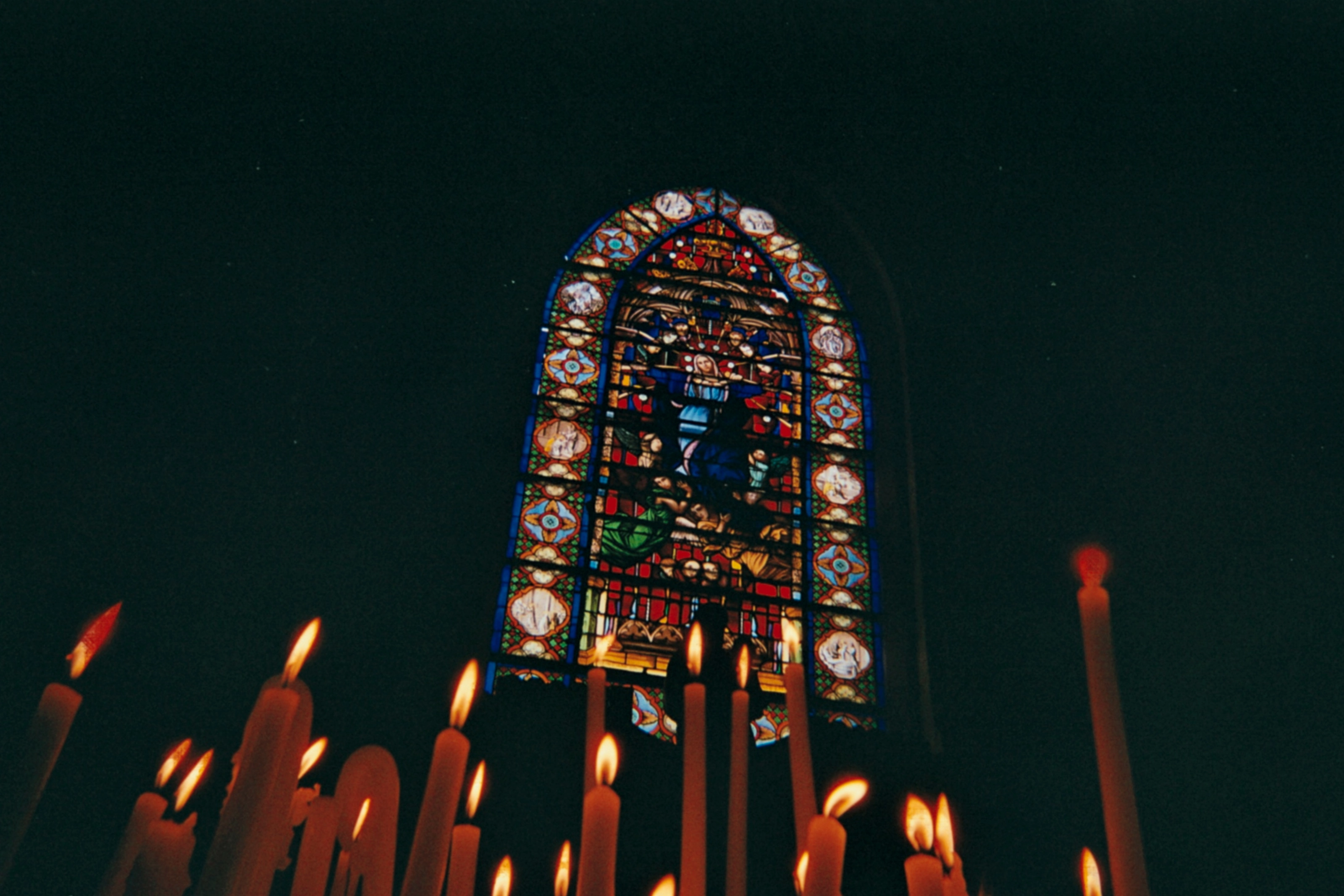
The cathedral is Beauvais’s defining monument. Its thirteenth-century Gothic choir, among the tallest in the world, produces an exceptional sense of vertical space. The transept has elaborate Flamboyant façades, while the earlier Carolingian Basse-Œuvre survives beside it. The incomplete form is not a recent loss but the outcome of a complex building history marked by collapses, reinforcement and changing ambition.
Inside, a nineteenth-century astronomical clock contains numerous dials and animated figures. An older medieval clock also survives. Demonstrations operate at specific times and may be changed for services, maintenance or events. Current information should be checked on the day. This remains an active place of worship, and visitor movement, clothing and noise must respect ceremonies.
Light changes dramatically between morning and late afternoon. Photographers should verify rules for tripods and flash. Outside, stepping back reveals the relationship between the immense choir, transept and much smaller Basse-Œuvre. A guided tour adds valuable context on engineering choices that a quick visit cannot explain.
Mudo, le quadrilatère and tapestry
MUDO – Musée de l’Oise occupies the former bishop’s palace next to the cathedral. Medieval architecture, Renaissance elements and art collections share the site. Permanent displays and temporary exhibitions explore painting, sculpture and regional history. Galleries can close during refurbishment or installation changes, making official updates important.
Le Quadrilatère, designed by André Hermant, represents post-war cultural architecture. Its programme moves between art, heritage and contemporary creation. The Manufacture nationale de la tapisserie preserves a rare craft. Access is not necessarily free or daily; guided visits may be offered by advance booking through the tourist office. Watching weavers reveals the time, precision and interpretation behind a finished tapestry.
Maladrerie Saint-Lazare lies outside the immediate centre. This medieval complex associated with the care of the sick retains a barn, historic buildings and a garden inspired by the past. Exhibitions, concerts and seasonal events take place according to a changing calendar. The architecture alone justifies interest, but opening hours must be confirmed.
The centre and local life
Around Place Jeanne-Hachette, shops and terraces occupy a largely reconstructed centre. Jeanne Hachette is associated with Beauvais’s resistance during the siege of 1472 and remains a major figure in local identity. A number of older houses survived near the cathedral. A walking route can uncover timber framing, traces of fortifications and details from Art Deco or post-war reconstruction.
Markets provide fresh food and products from the wider region. Picard and Hauts-de-France cooking tends toward dairy, vegetables, meat, apples and generous preparations. Ficelle picarde, leek flamiche, regional cheeses and fruit desserts may appear. These should be described as regional traditions rather than claiming that every recipe originated exclusively in Beauvais.
Nature and leisure
Plan d’Eau du Canada is a large recreation area near the city. Walking, running, play and water activities operate according to season and conditions. Swimming is permitted only in authorised, supervised zones and periods, subject to water quality. It is a lake leisure beach, not a sea coast.
The Beauvaisis countryside suits cycling and gentle walking between farms, small churches and villages. Routes should match fitness, traffic and weather. Tracks can become muddy in wet periods. Alpine skiing has no meaningful place in a Beauvais guide; inventing a weak ski connection would reduce the page’s credibility.
Recommended day trips
Gerberoy, widely promoted among France’s beautiful villages, is known for old houses, cobbled lanes and flower gardens. The best visual season follows the blooms, but sunny weekends draw crowds. Use designated parking and respect private homes. The village rewards an unhurried walk more than a brief photo stop.
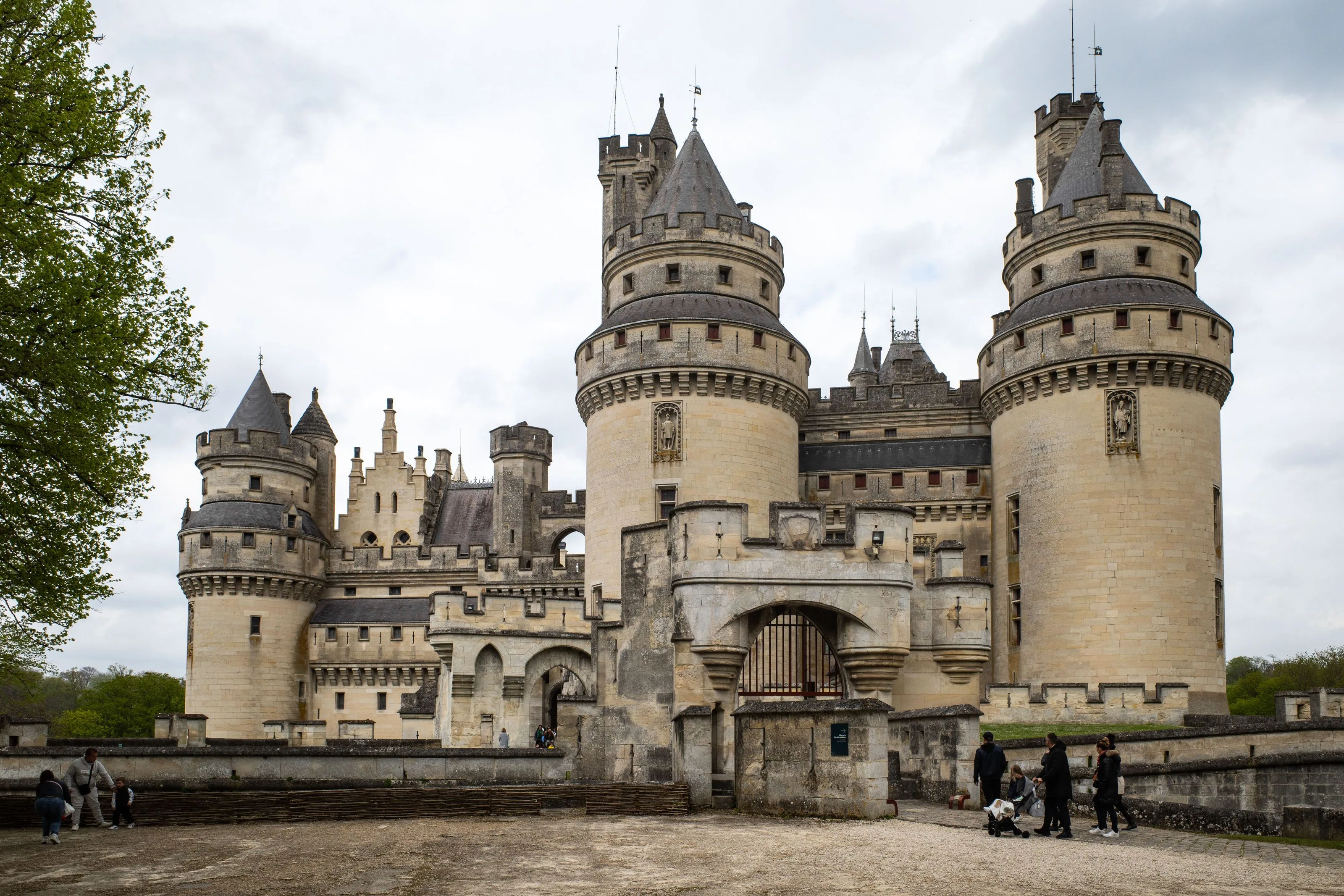
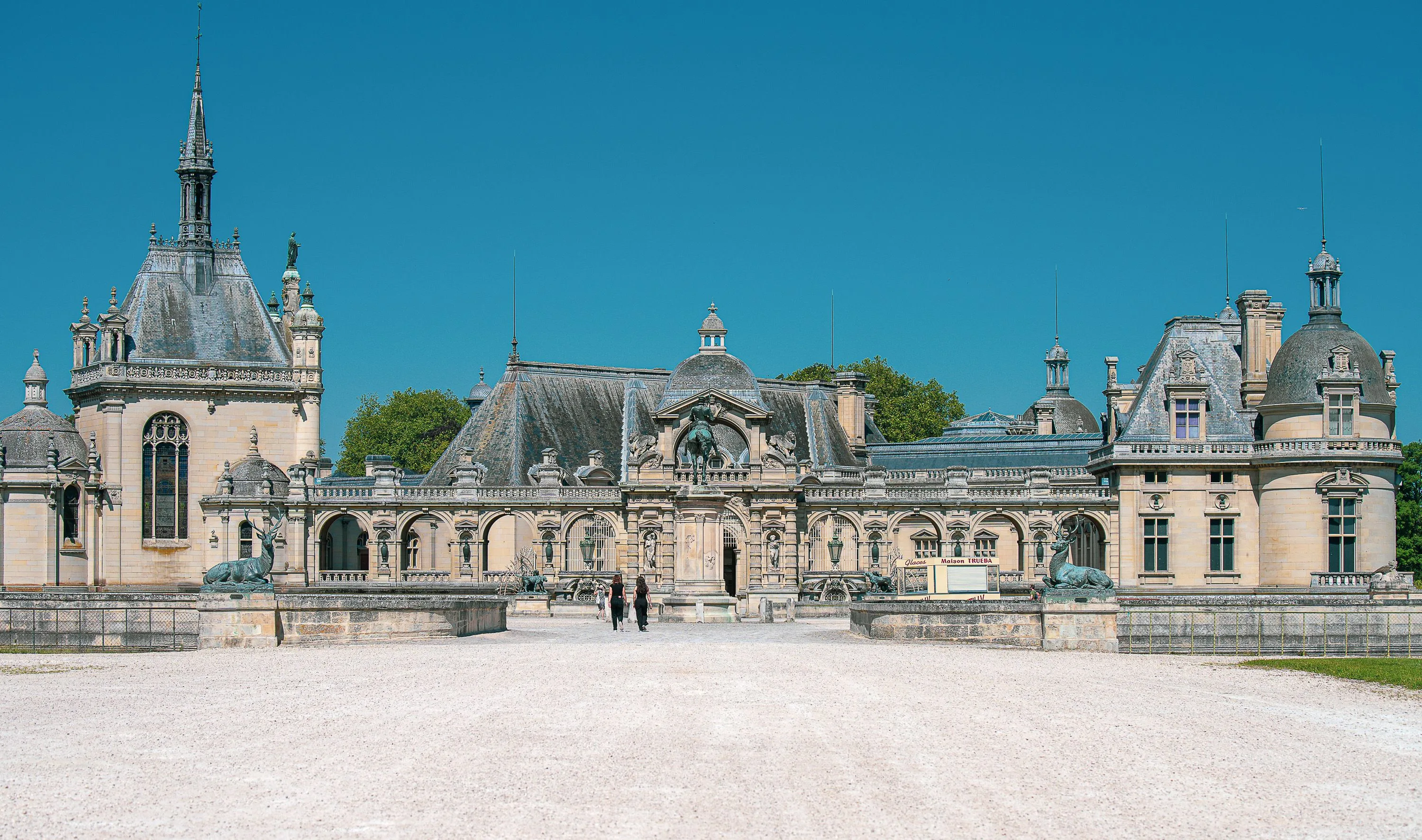
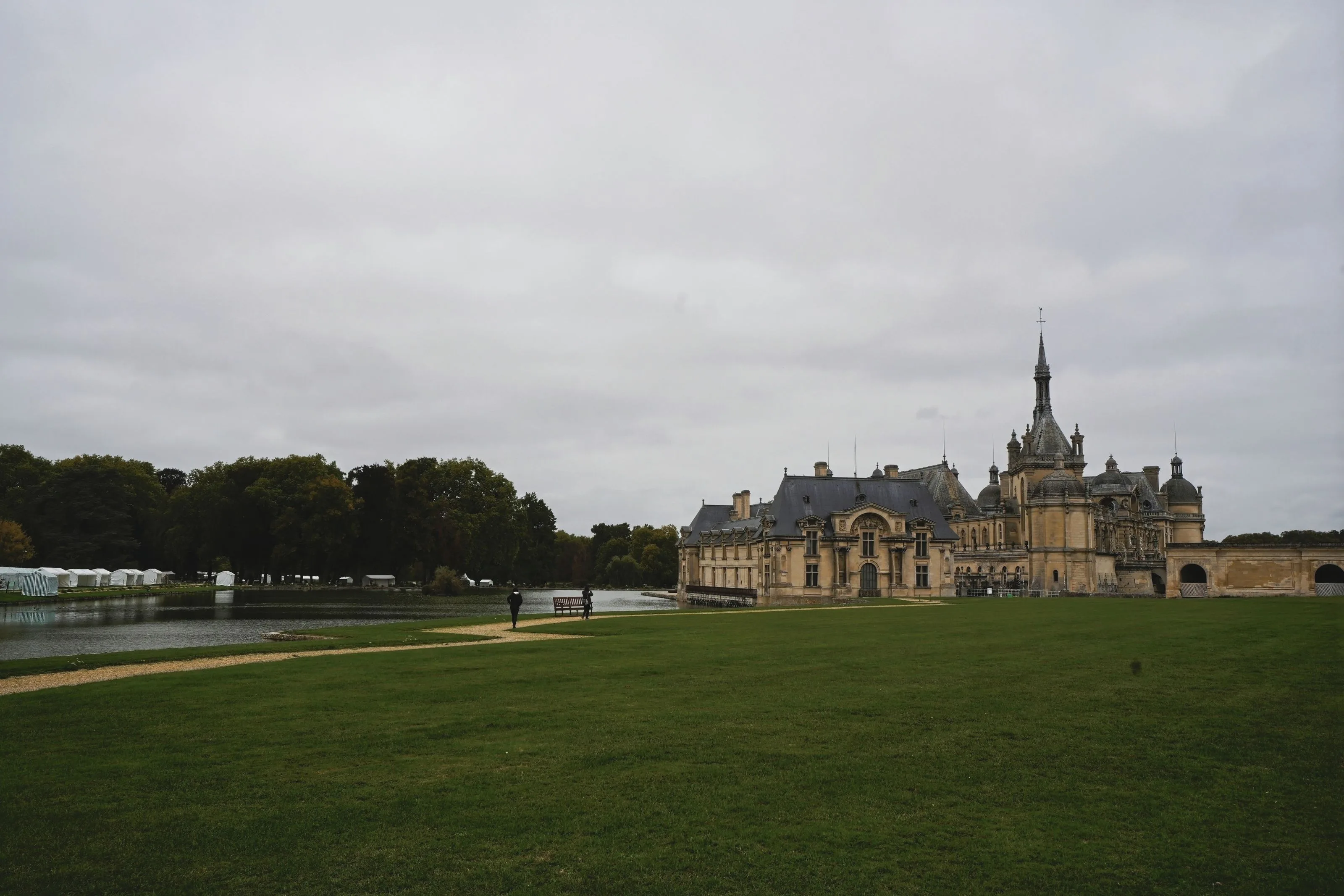
Chantilly brings together a château, the Musée Condé collections, parkland and equestrian heritage. From Beauvais it deserves a full day if visited properly. Pierrefonds offers a spectacular castle restored in the nineteenth century by Viollet-le-Duc. Compiègne has a palace, museums and a large forest. Parc Saint-Paul, close to Beauvais, is designed for families and follows a seasonal operating calendar.
Smaller Beauvaisis sites, villages and gardens can form a quieter rural day. Choose one major excursion rather than stacking several distant monuments. Opening periods, weekly closures and reservation requirements vary significantly.
Climate and when to visit
The Beauvaisis has a modified oceanic climate: rain is possible throughout the year, winters are cool and summers are usually moderate but occasionally hot. Spring and early autumn are well suited to heritage visits and gardens. June often highlights roses and flowered villages. July and August bring more scheduled activities, not guaranteed sunshine. Winter favours museums and the cathedral but has short daylight hours.
May, June and September commonly offer a useful balance. Pack a waterproof layer, adaptable clothing and shoes suitable for cobbles. During heatwaves, church interiors can remain cool, while open recreational areas may have limited shade. Météo-France forecasts should guide rural plans.
Budget and costs
For flexible 2026 planning, allow approximately EUR 70–120 per person per day for a careful trip excluding flights, or EUR 130–220 for greater comfort depending on hotel, dining and car use. These are planning ranges, not guaranteed prices. Events, holidays and late reservations can raise them.
Accommodation is often cheaper than in Paris, but using Beauvais solely as a dormitory adds coach or rail time and cost. For touring the Oise, a car may become the largest expense; grouping nearby visits reduces fuel and rental days. Some museums or monuments have low fees or free periods for certain visitors, always subject to current rules.
A three-day itinerary
Day one: Saint-Pierre Cathedral, a clock presentation if available, MUDO and a centre walk. Day two: Manufacture visit if scheduled, Le Quadrilatère, Maladrerie Saint-Lazare and late afternoon at Plan d’Eau du Canada. Day three: Gerberoy and the Beauvaisis countryside, or a full excursion to Chantilly. With a fourth day, add Pierrefonds or Compiègne rather than compressing several major sites.
For a short connection between flights, be conservative. Security, baggage and transfers can make leaving the terminal risky. Go into town only when the margin is genuinely comfortable and the return transport secure. SniperAir may identify the flight opportunity, but sound planning depends on the real distance behind the airport name.
Practical and responsible advice
Book airport coaches when required and verify the exact stop. Similar names can refer to different bays or terminals. Leave a generous margin for the return. Low-cost carriers may enforce baggage dimensions strictly, so conditions attached to the selected fare matter.
Religious services and funerals take priority over tourism. Travellers with limited mobility should check access at the cathedral, MUDO and each rural site separately. Gerberoy includes cobbles and slopes. Responsible travel also means using public transport where practical, staying on paths and spending with local shops, guides and craftspeople.
Families can alternate a monument with the lake, a garden or a hands-on activity. On rainy days, prioritise cathedral, MUDO and booked craft visits. Not every venue opens every day, so a backup plan prevents a closure from wasting the itinerary.
Visitors arriving late should not assume that airport services, urban buses and hotel reception share the same operating hours. Confirm the last local connection and inform the accommodation when check-in will be late. If a taxi is necessary, using an official rank or a pre-booked operator is preferable. Downloading the town map and reservation details before landing also helps when mobile coverage or battery power becomes inconvenient.
FAQ
Frequently asked questions about flights to Beauvais
Is Paris-Beauvais Airport in Paris?
No. It is at Tillé near Beauvais, roughly 67 kilometres north of Paris.
How do I reach central Beauvais from the airport?
Local bus, taxi and transfer services link the terminal with town and station. Check the current timetable for your date.
How long should I spend in Beauvais?
One day covers the major monuments; two or three include museums, craft and countryside.
Why does the cathedral lack a complete nave?
Its ambitious construction suffered collapses, redesign and interruption. The choir and transept form the principal surviving Gothic structure.
Can visitors see the astronomical clock operate?
Presentations occur at set times, subject to worship and maintenance. Confirm the official programme.
Can Beauvais be visited without a car?
Yes for the city. A car makes Gerberoy, Chantilly, Pierrefonds and rural sites much easier.
Is there a beach?
Plan d’Eau du Canada has leisure space and may offer authorised supervised swimming. It is not a sea beach.
Which excursion should come first?
Choose Gerberoy for an intimate flowered village and Chantilly for a major artistic and historic estate.
What daily budget is reasonable?
About EUR 70–120 for a careful trip and EUR 130–220 for more comfort, excluding flights and depending on season.
When is the best season?
May, June and September are often pleasant for architecture, gardens and walks, although rain remains possible.
Ready to head to Beauvais?
Set your budget and let SniperAir track fares for you.
Create my alert