
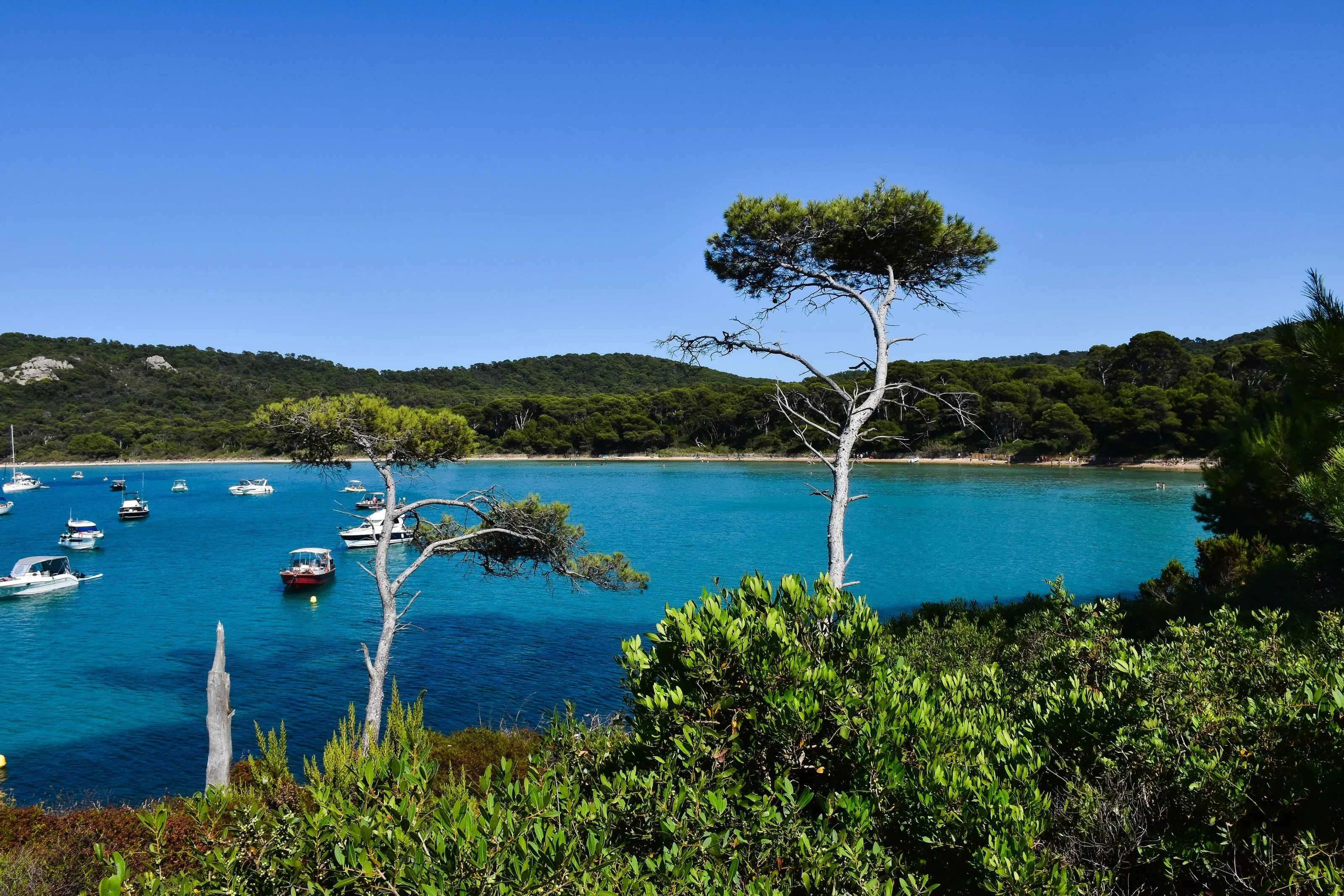
Cheap flights to Hyères
Set your departure airport and maximum budget: SniperAir tracks prices to Hyères and alerts you the moment a deal matching your criteria appears.
Quick summary
Country
France
Continent
Europe
Airport
TLN
Currency
Euro
Time zone
UTC+1
Deals already spotted to Hyères
Real flight examples detected by SniperAir, with their reference price.
Loading examples…
Why track Hyères with SniperAir
No more daily price checks
Pick your departure
Tell us your departure airport and your maximum budget for a flight to Toulon-Hyères.
SniperAir watches
Our systems compare every new price against the route's real price history.
You get an alert
The moment a price matches your criteria, you're notified.
The airport next door
Toulon-Hyères flights land just 3 km from town
Toulon-Hyères
Only 3 to 4 km south-east of Hyères and east of Toulon, the airport is shared by civil and naval aviation: it began life as a naval aviation base in 1925 and has handled commercial flights since 1967. It has a year-round link with Paris-Orly, while other French and European routes change with the season and the year (Brest, Nantes, Lille, Luxembourg and Rotterdam have been served recently), so check timetables before booking. Marseille (about 100 km) and Nice (about 145 km) airports are alternatives.
| Mode | Approximate time | Good to know |
|---|---|---|
| Taxi from the airport to town | about 10 min | A distance of roughly 3 to 4 km |
| City bus (Mistral network) | about 15 to 25 min | One line links the town centre with the airport via Port Saint-Pierre, another the Toulon bus station with the airport; check timetables |
| Train (TER) from Toulon | about 20 to 30 min | Hyères station is in the town centre; services from Toulon and Marseille |
| TGV from Paris | from about 4 h 15 | Direct or with a change, depending on the timetable |
| Car from Marseille | about 1 h 15 to 1 h 30 | Roughly 85 to 100 km; longer in summer |
Rough figures, to be checked before you travel: lines, timetables and journey times change with the season and traffic, which is heavy in summer.
The original Riviera
The Riviera's oldest resort, without the glitz
Often nicknamed Hyères-les-Palmiers, this town of around 55,000 inhabitants is described as the oldest resort on the French Riviera. It began as Olbia, a Greek trading post founded in the 4th century BC, and boomed as a winter resort from the 1830s. The novelist Edith Wharton spent every winter here from 1919 to 1937. English-language guides like to call it a quieter, low-key alternative to Nice and Cannes, with some 7,000 palm trees grown in its nurseries.
The commune is large: it combines a medieval old town, modernist architecture, the Giens peninsula, flamingo salt flats and the departure point for the Golden Islands.
The old town
Templars' Tower, collegiate church and artists' studios
Walk from the Porte Massillon to Place Massillon, past the Tour des Templiers (12th to 13th centuries) and the Collégiale Saint-Paul, follow the Parcours des Arts past more than 30 studios, then climb to the ruins of the medieval castle on the Castéou hill for a view over the town and the Giens peninsula. The Castel Sainte-Claire and its garden are close by.
The Saturday market
On Saturday mornings the big town-centre market fills the streets with local vegetables, honey, Provençal olive oil and tapenade.
Villa Noailles
A modernist icon on the hill
Built in the 1920s by Robert Mallet-Stevens for the patrons Charles and Marie-Laure de Noailles, the Villa Noailles is a landmark modernist villa, with a cubist garden designed by Gabriel Guevrekian in 1925. Now an arts centre, it hosts the International Festival of Fashion and Photography, the Design Parade and architecture exhibitions. Guided visits are offered; opening periods, prices and festival dates change from year to year, so check before you go.
Beaches and wind
Kitesurfing at L'Almanarre, calm water on Giens
A world-class wind spot
L'Almanarre, almost 5 km long, is an international kitesurfing and windsurfing spot in a west wind, and more sheltered in an east wind. On the eastern side of the peninsula, La Capte (nearly 4 km of beach), Les Pesquiers and La Bergerie are calmer, and La Badine has shallow water for a long way out. A coastal path circles the peninsula: the western loop is the wildest, the eastern loop leads to the beaches. A bike or a car is handy to get around.
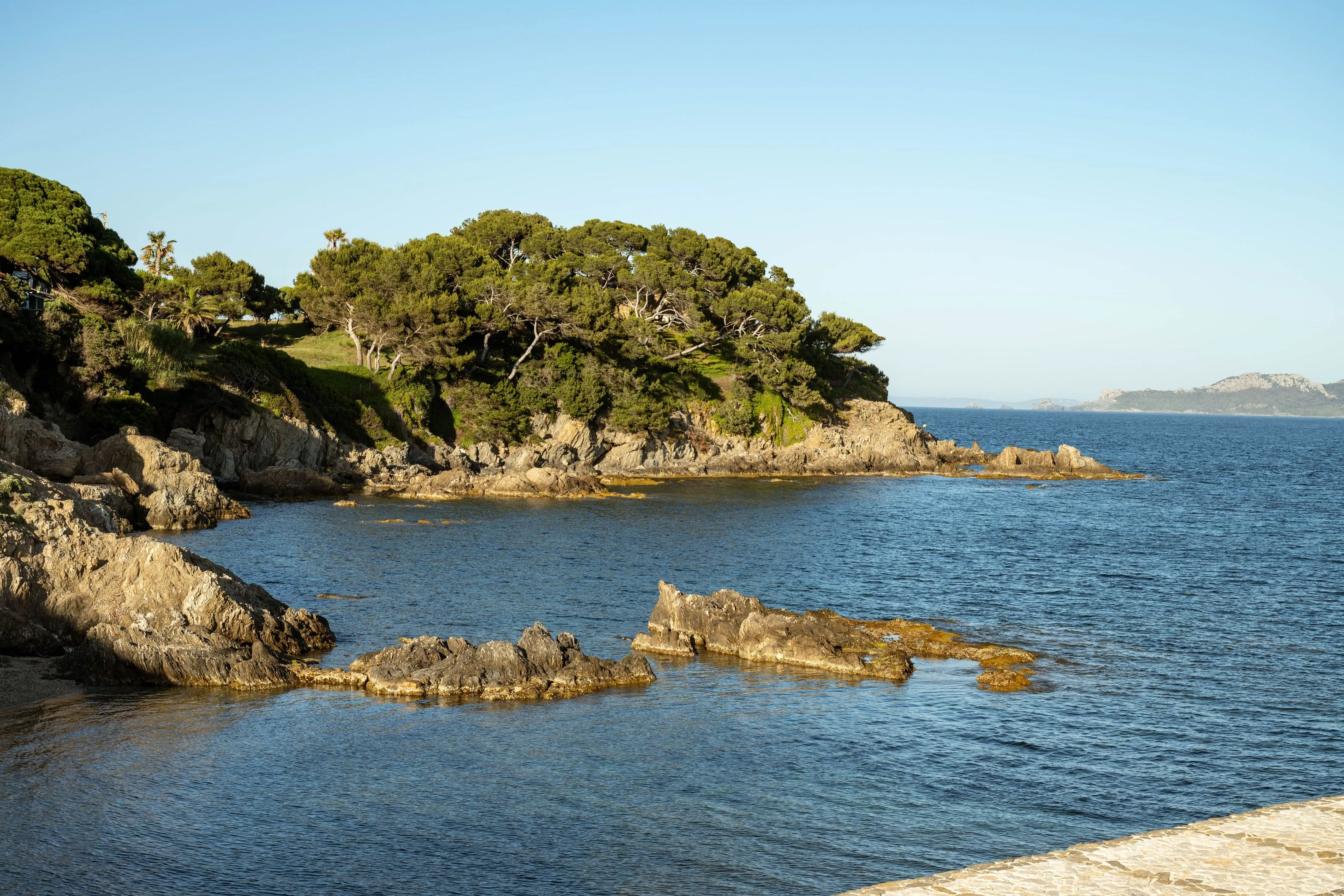
Flamingos in the salt flats
More than 250 bird species, including pink flamingos, visit the salt flats. Guided visits at the Salin des Pesquiers run by reservation only.
Islands
Porquerolles, Port-Cros and the Levant
| Island | Good to know |
|---|---|
| Porquerolles | A quarter of an hour to twenty minutes by boat from La Tour Fondue (about 2.6 km of sea); an island of about 7.5 km by 3 km, more than 54 km of marked trails, the beaches of Notre-Dame, Courtade, Plage d'Argent and Langoustier; Fort Sainte-Agathe and the Fondation Carmignac (contemporary art) |
| Port-Cros | About 1 hour by boat from Port Saint-Pierre (check by season); a national park since 1963, described as Europe's oldest marine park; Fort de l'Estissac is free |
| Île du Levant | About 90 percent of the island is a military zone; only the naturist area of Héliopolis is open |
La Tour Fondue, a 17th-century fortification, stands at the tip of the Giens peninsula about twelve kilometres from the town centre; city bus line 67 goes there. In summer and at weekends, book your ferry ahead, and bring water and supplies: everything costs more on the island.
Museums and sites
A municipal museum, Greek remains and a fort
| Place | What to see |
|---|---|
| La Banque, municipal museum of cultures and landscape | Opened in November 2021: 18th and 19th-century paintings, archaeological objects from Olbia, sculptures and the Paul Bourget collection |
| Olbia archaeological site | A Greek then Roman trading post near L'Almanarre, reopened to the public in 1999: prehistoric, Greek, Roman and medieval remains |
| Villa Noailles | An arts centre in a 1925 modernist villa with its cubist garden |
| Fort Sainte-Agathe and Fondation Carmignac (Porquerolles) | A 16th-century fort and contemporary art on the island; check reservations and hours |
Opening hours change with the season, so check with the tourist office before you go. For a rainy day, the municipal museum and the Villa Noailles are good choices.
Food
Artichokes, anchoïade and Provence rosé
Local guides point to artichokes à la barigoule, capon, anchoïade and brousse cheese, with a glass of Côtes de Provence from La Crau or Porquerolles. Market produce (vegetables, honey, olive oil, tapenade) and fresh fish from the harbour round out the table.
Tarte tropézienne and ice cream are among the local pastry specialties. In summer the seaside restaurants are very busy, so book for the evening.
Budget
What level of cost to expect in Hyères
Hyères is mid-range by Riviera standards: more moderate than Saint-Tropez, Cannes or Nice, with plenty of campsites, residences and rentals. Accommodation is the main cost, especially from 14 July to 25 August, when you need to book two to three months ahead.
The beaches, the coastal path, the old town and the market stay inexpensive. Meals on the Golden Islands cost more than on the mainland. We do not publish a price grid, which would soon be out of date; the airfare is often the easiest cost to optimise, and that is where price tracking helps.
Getting around
On foot, by bus, by bike or by car
The old town is best on foot. The Mistral bus network serves the commune: one line goes to La Tour Fondue and Giens for the Porquerolles boat, others link Toulon, Port Saint-Pierre and the airport. The train station is in the town centre.
A car or a bike is the best way to get around the Giens peninsula and the beaches. In summer, fire risk can restrict access to some natural areas; follow posted instructions and official information.
Around Hyères
Toulon, Bormes-les-Mimosas, Saint-Tropez and the islands
| Excursion | Approximate distance and time |
|---|---|
| Toulon and Mont Faron | About 16 km west, 20 to 30 min by train or car outside rush hours |
| Bormes-les-Mimosas and Le Lavandou | About 20 minutes by car |
| Saint-Tropez | About fifty kilometres; allow longer on the road in summer (check) |
| Marseille | About 85 km; a little over an hour by regional train |
| Porquerolles and Port-Cros | By boat from La Tour Fondue or Port Saint-Pierre |
Toulon, with the Mont Faron cable car, Bormes-les-Mimosas and Le Lavandou make easy day trips. Saint-Tropez is also a day trip, but traffic is heavy in summer.
By length of stay
How long should you stay in Hyères?
A short stay
The old town, the Villa Noailles and a beach day at L'Almanarre or on Giens.
Taking your time
Add Porquerolles and Port-Cros, the salt flats, the municipal museum and Olbia.
Var and Provence
Hyères as a base for Toulon, Bormes, Saint-Tropez and the Maures hills.
When to go
When to visit Hyères?
Spring
The season opens in April, with a March mean of around 11 degrees C.
Summer
Highs often above 30 degrees C and an August mean of about 25 degrees C. Avoid mid-July to late August if you dislike crowds.
Autumn
September is quieter and still warm, with the sea at 21 to 23 degrees C. The good season lasts until October.
Winter
Mild, with a January mean of about 9 degrees C.
The climate is Mediterranean, with an annual mean temperature of about 15 degrees C, a very sunny summer and rain mostly in autumn and winter. The mistral can blow hard, which suits kitesurfers but can disrupt boat trips to the islands.
In pictures
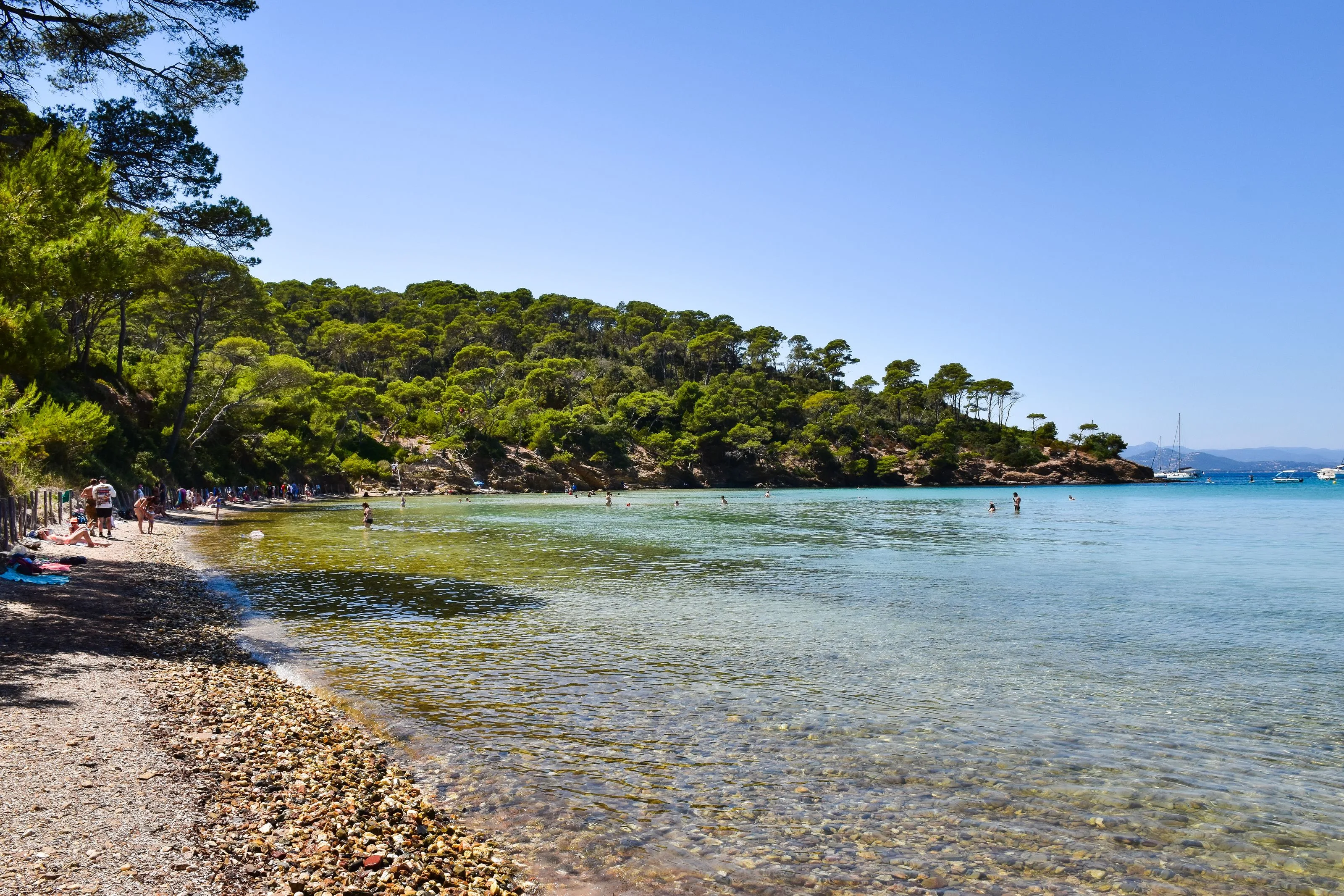
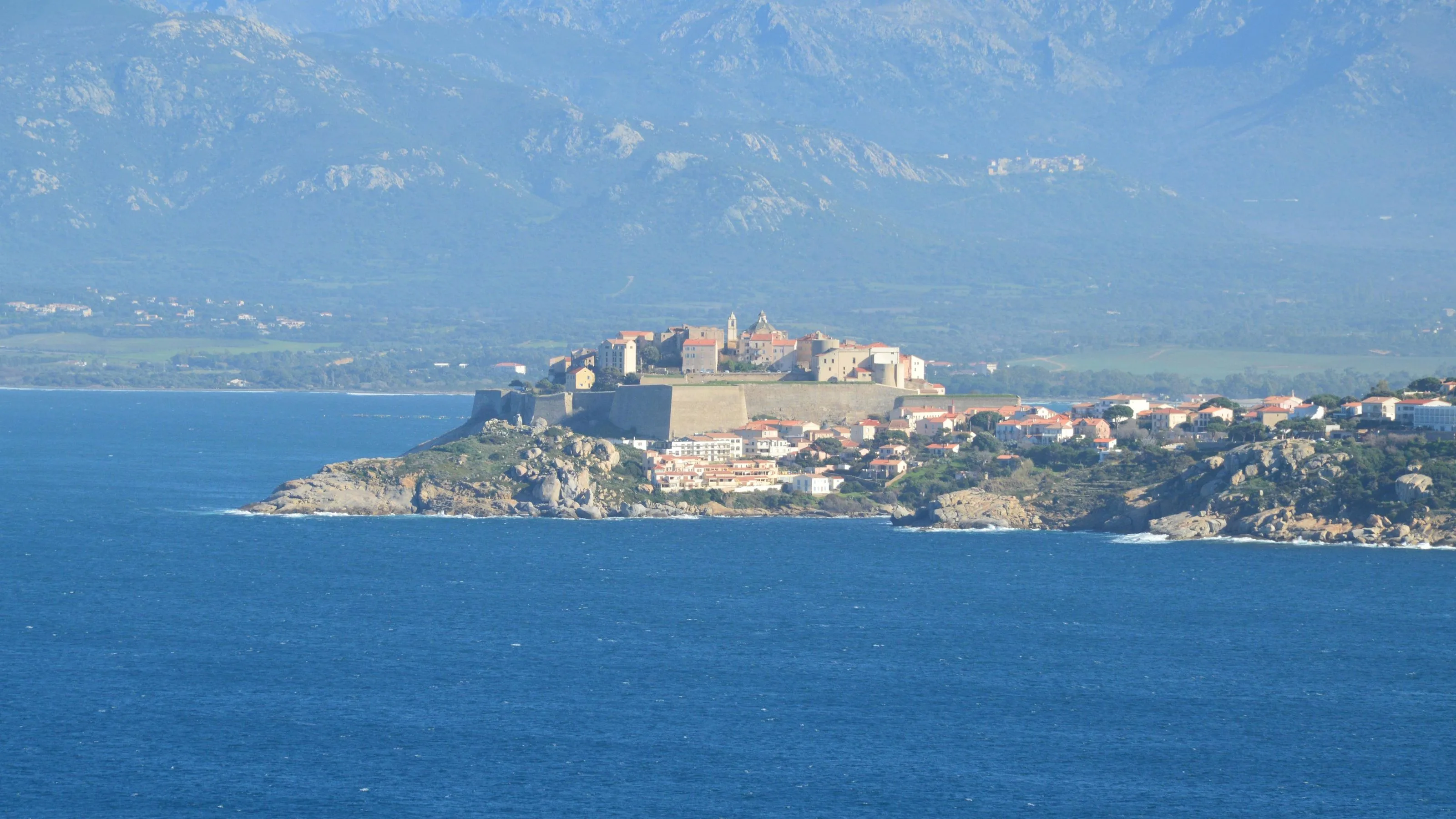
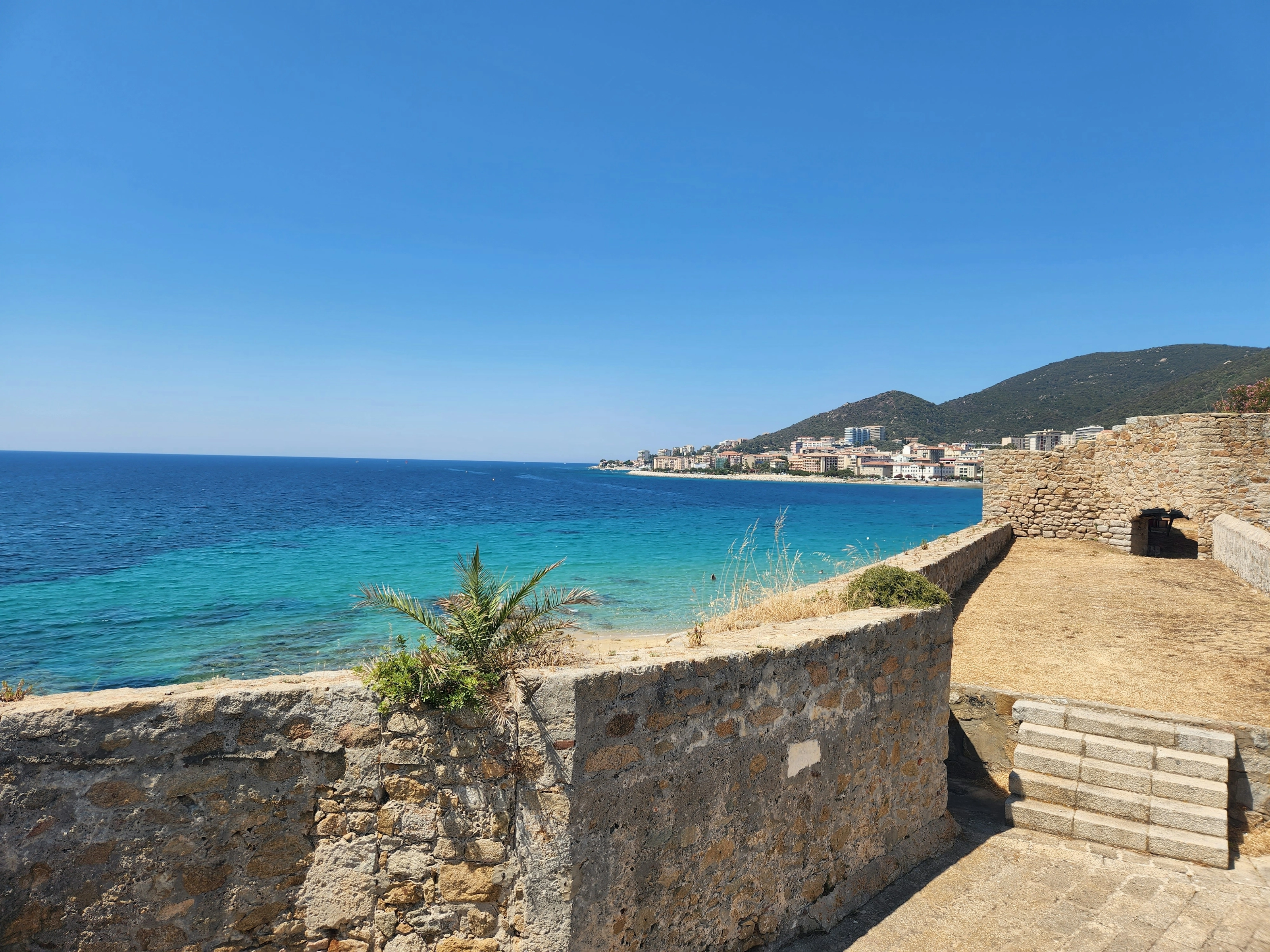
Hyères in pictures
You might also like
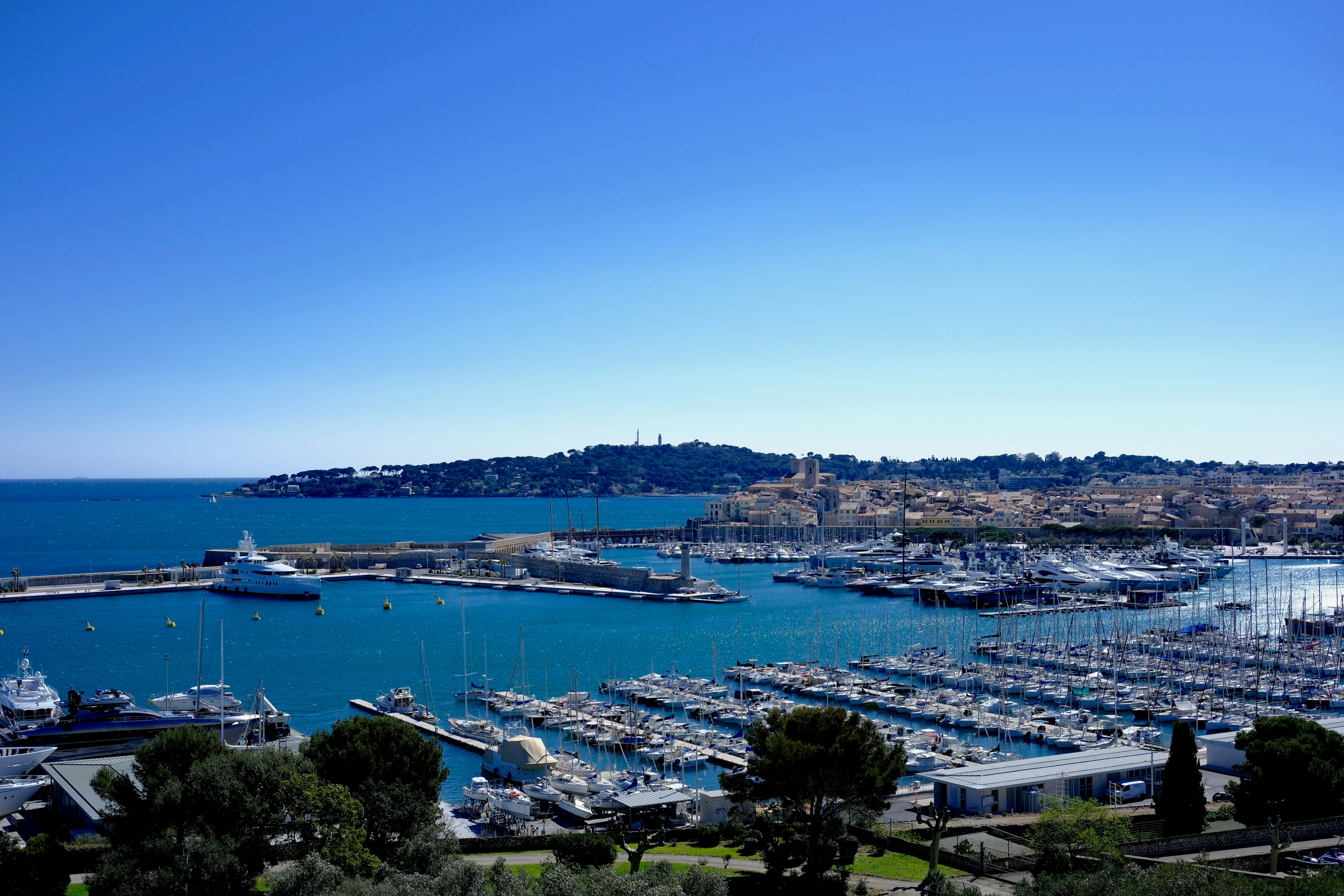
Similar destinations
FAQ
Frequently asked questions about flights to Hyères
Which airport serves Hyères and how long to the centre?
Toulon-Hyères airport (TLN), about 3 to 4 km from the centre of Hyères, roughly ten minutes by taxi; a city bus line also links it to the centre. It has a year-round link with Paris-Orly, plus other routes by season.
What are the top things to see in Hyères?
The old town and the Templars' Tower, the Villa Noailles, the Giens peninsula with L'Almanarre and the salt flats, then a trip to Porquerolles or Port-Cros.
How many days should I plan for Hyères?
Three days at minimum, four to five to add Porquerolles and Port-Cros and a trip to Toulon or Bormes.
When is the best time to visit Hyères?
September is ideal, with warm sea and fewer people. Between 14 July and 25 August crowds peak and you need to book well ahead.
Is Hyères an expensive destination?
It is mid-range for the Riviera, more moderate than Saint-Tropez or Cannes. Accommodation in July and August is the main cost; the islands cost more than the mainland.
How do you get around Hyères?
On foot in the old town, by Mistral bus to Giens and the harbour, by train from Toulon or Marseille, and by bike or car for the peninsula and beaches.
How do I get to Porquerolles from Hyères?
Boats leave from La Tour Fondue, at the tip of the Giens peninsula, for a crossing of fifteen to twenty minutes. Bus line 67 goes there; in summer and at weekends, book ahead.
What should you eat in Hyères?
Artichokes à la barigoule, anchoïade, brousse cheese, fresh fish from the harbour, Saturday market produce and a Côtes de Provence.
How much does a flight to Toulon-Hyères usually cost?
The price depends mainly on your departure city, the period and how far ahead you book. The "opportunities" section above shows real examples of prices already detected by SniperAir for this destination.
How do I get alerted when a flight to Hyères drops below my budget?
Create an alert profile with your departure airport, Hyères as your destination and your maximum budget. You're notified automatically as soon as a matching price is detected.
Ready to head to Hyères?
Set your budget and let SniperAir monitor fares for you.
Create my alert