
Cheap flights to Mendoza
Set your departure airport and maximum budget: SniperAir tracks prices to Mendoza and alerts you the moment a deal matching your criteria appears.
Quick summary
Country
Argentina
Continent
South America
Airport
MDZ
Currency
Argentine peso
Time zone
UTC-3
Deals already spotted to Mendoza
Real flight examples detected by SniperAir, with their reference price.
Loading examples…
Why track Mendoza with SniperAir
You do not need to compare prices every day
Choose your departure
Enter your departure airport and your maximum budget for a flight to Mendoza (MDZ).
SniperAir keeps watch
Our systems continuously compare new prices with the real history of the route. SniperAir monitors prices and alerts you: it does not sell or book tickets.
You receive an alert
As soon as a price matches your criteria, you are notified, without having searched for anything yourself.
Airport and transfer
An airport close to the centre, about ten kilometres away
Mendoza International Airport - El Plumerillo
The airport lies north-east of the city, about 8 km according to Wikivoyage (FR) and 11 km according to Wikivoyage (ES). It has flights to Buenos Aires and Santiago de Chile, and connections to other Argentine cities depending on the season. From the terminal, remises (taxis at posted fares) reach the centre; an urban bus also serves the city but runs infrequently, according to Wikivoyage (EN, ES). The trip takes in the order of half an hour by taxi outside rush hour (indicative).
Distances taken from Wikivoyage (FR, ES) and Wikipedia (EN); sources differ (8 to 11 km). Duration indicative, fares not given because they change.
Mendoza, capital of the province of the same name, lies about 987 km west of Buenos Aires, at the foot of the Andes and not far from the Chilean border, at roughly 760 m above sea level. Greater Mendoza has close to a million inhabitants. The climate is dry and the city is irrigated by a network of canals (acequias) inherited from the Huarpe people, which explains its tree-lined streets, squares and parks in the middle of an arid steppe landscape.
Wine
The capital of Argentine wine: Malbec and wine routes
A world wine region
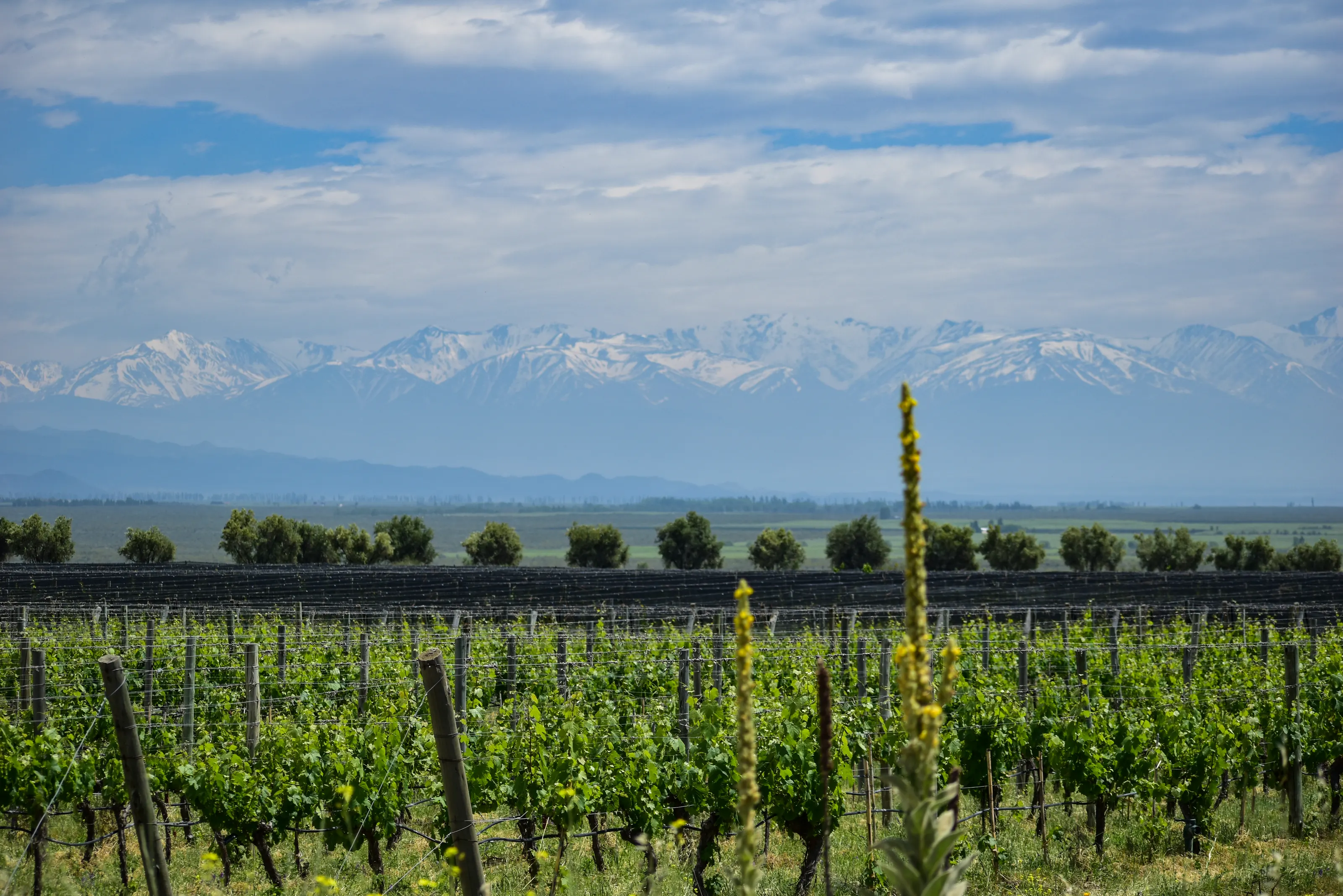
The Greater Mendoza area is the largest wine-producing region in South America and belongs to the Great Wine Capitals network, according to Wikipedia (EN). The emblematic grape is Malbec, but reds and whites are varied. The header photo shows vineyards in the Uco Valley, at the foot of the cordillera.
The three main zones
Visitors mainly go to Luján de Cuyo, south of the city, the Uco Valley, further south at higher altitude, and Maipú, the closest to the centre. Many wineries offer visits and tastings, often by reservation and with weekend closures, according to Wikivoyage (EN). We do not name commercial wineries or give fares.
The harvest
The harvest takes place mainly in March and April. In late February and early March, the Fiesta Nacional de la Vendimia celebrates it with float parades and shows (Wikipedia ES, EN). We have no photo of a tasting.
Centre and park
Plazas, theatre and General San Martín Park
A grid plan after an earthquake
The present city was designed after the 1861 earthquake that destroyed the old town. The 1863 plan provided for wide tree-lined streets and a central square, Plaza Independencia, surrounded by four smaller squares (including Plaza España, decorated with Andalusian tiles, and Plaza Italia), according to Wikipedia (FR, ES) and Wikivoyage (EN). We have no photo of these squares.
General San Martín Park
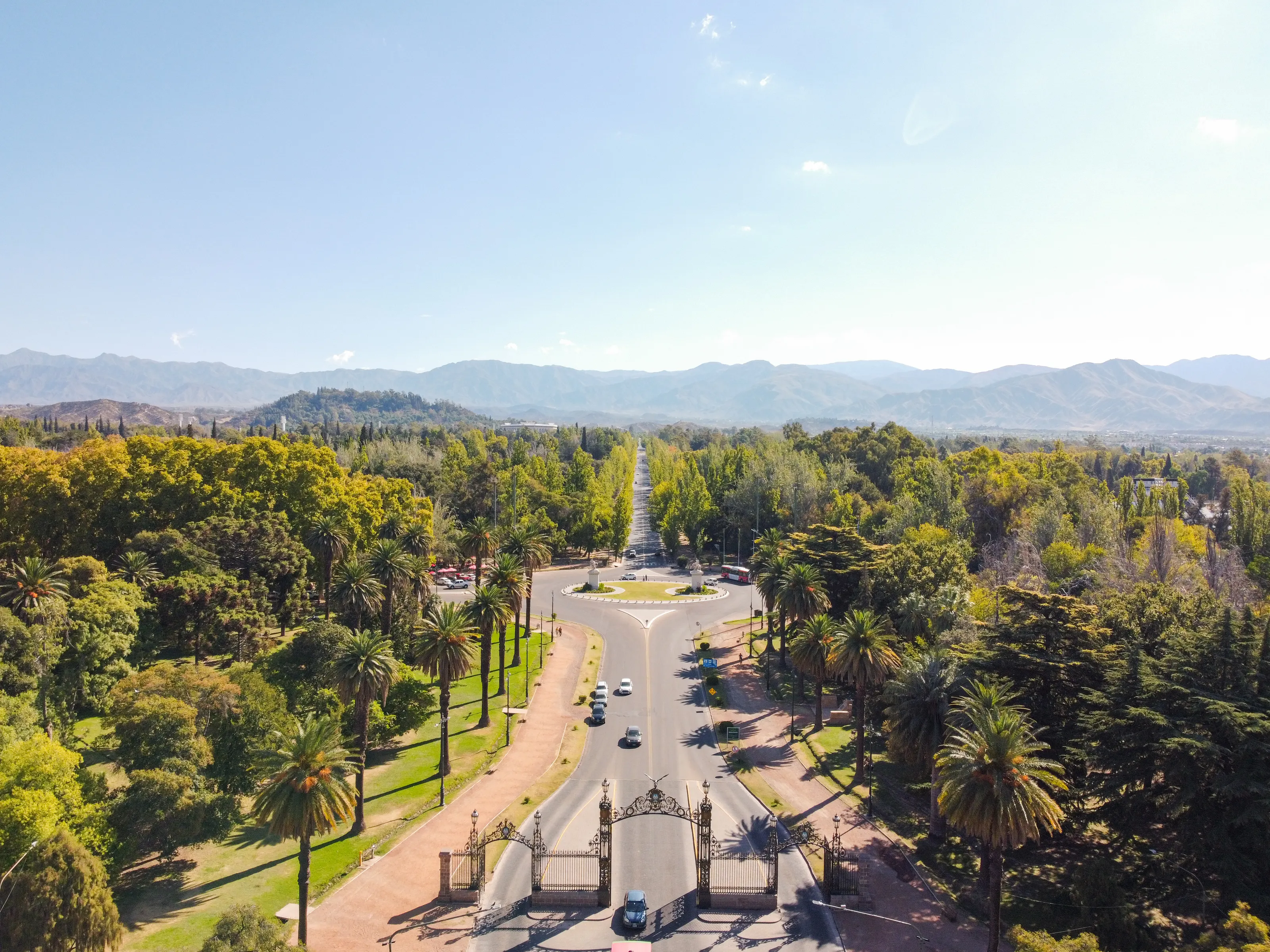
The park, designed by Carlos Thays, covers about 400 hectares (Wikipedia DE) and holds a zoo, sports grounds, the university and the Cerro de la Gloria hill, with the monument to the Army of the Andes and a view of the city. You can get around on foot, by bike or by car.
The park entrance
The main access avenue, with its palms, tall trees and wrought-iron gate, heads towards the hill and the mountains. It is one of the most pleasant spots in the city, in spring as well as autumn.
Museums and culture
History museums, theatre and old-town sites
Museums
The Museo del Área Fundacional, created in 1993 near Pedro del Castillo Square, presents the city's origins. The Cornelio Moyano Museum of Natural Sciences and Anthropology (1911) is in San Martín Park, and the Museo del Pasado Cuyano occupies a nineteenth-century house. About fifteen kilometres to the south, a national wine museum traces the history of winemaking (Wikipedia EN, ES). Under Plaza Independencia, a museum of modern art completes the choice (to be verified).
Historic sites and theatre
The ruins of San Francisco, a former Jesuit church destroyed by the 1861 earthquake, recall the earlier city. The Teatro Independencia, opened in 1925, is the city's main performance hall. Check opening hours and closing days; we give no fares, which change.
The cordillera
The Andes, Aconcagua and Potrerillos
A mountain backdrop
The Andes form the backdrop of the region. To the west, Aconcagua (nearly 7,000 m: 6,959 or 6,961 m depending on the source) is the highest peak in the Americas; it lies about 80 km as the crow flies from the city (Wikipedia DE). It is approached via the road to Uspallata and Puente del Inca, at about 2,700 m, where a natural bridge and hot springs made the place famous; the air is already thinner there (Wikivoyage DE).
Excursions
Many agencies organise days into the high mountains. In the valleys, Potrerillos offers rafting, hiking, paragliding and horse riding, according to Wikivoyage (EN). The Cacheuta hot springs are about an hour from the city.
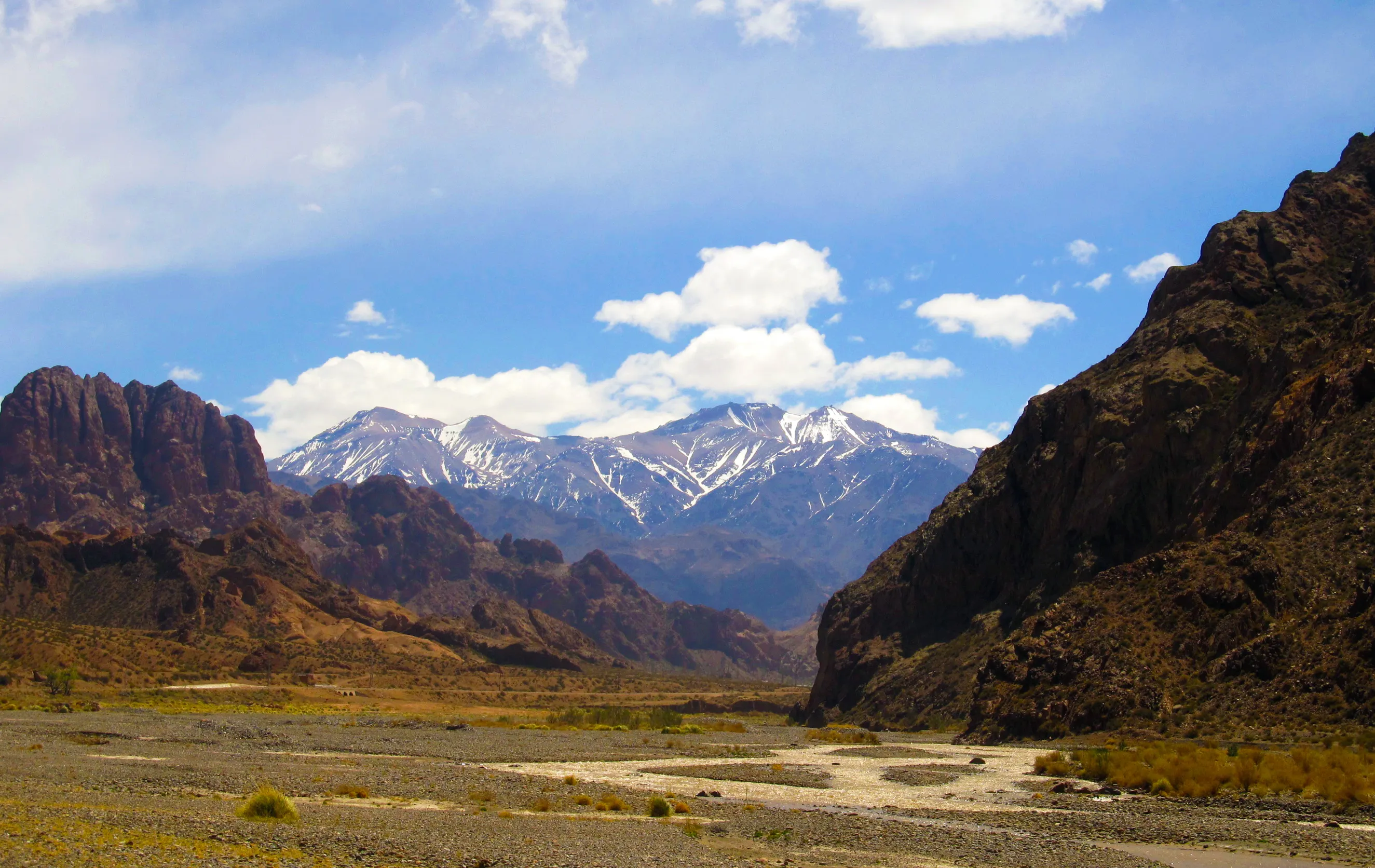
An Andean valley
Beyond the vineyards, the arid steppe gives way to rocky valleys and snow-covered peaks. The red and ochre of the rock contrast with the blue sky.
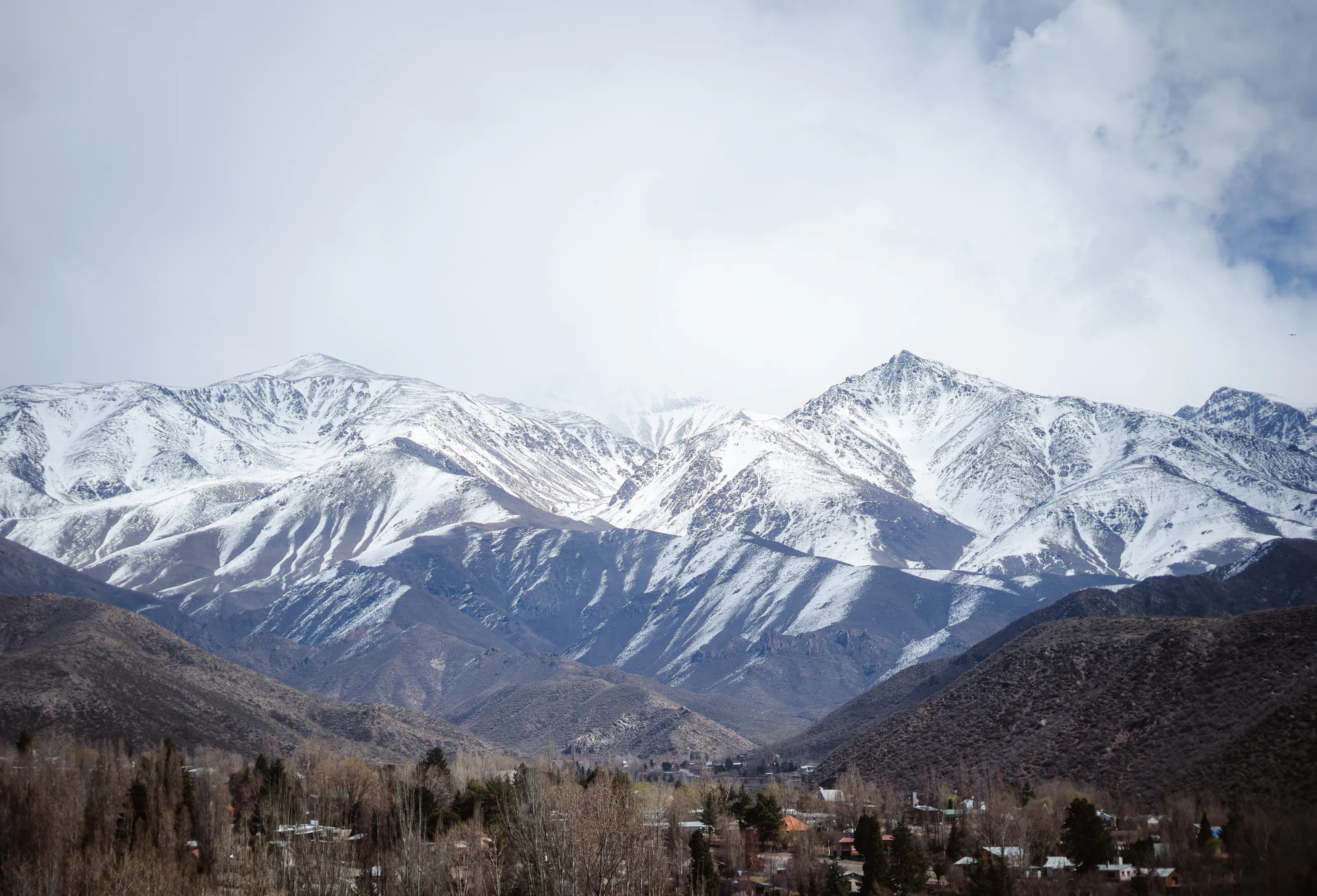
Potrerillos and the cordillera
The often snow-covered peaks tower over the small villages of the valley. Altitude is felt as you climb; protect yourself from the very strong sun and bring something warm.
Food and drink
Asado, Mendoza-style empanadas, olive oil and wine
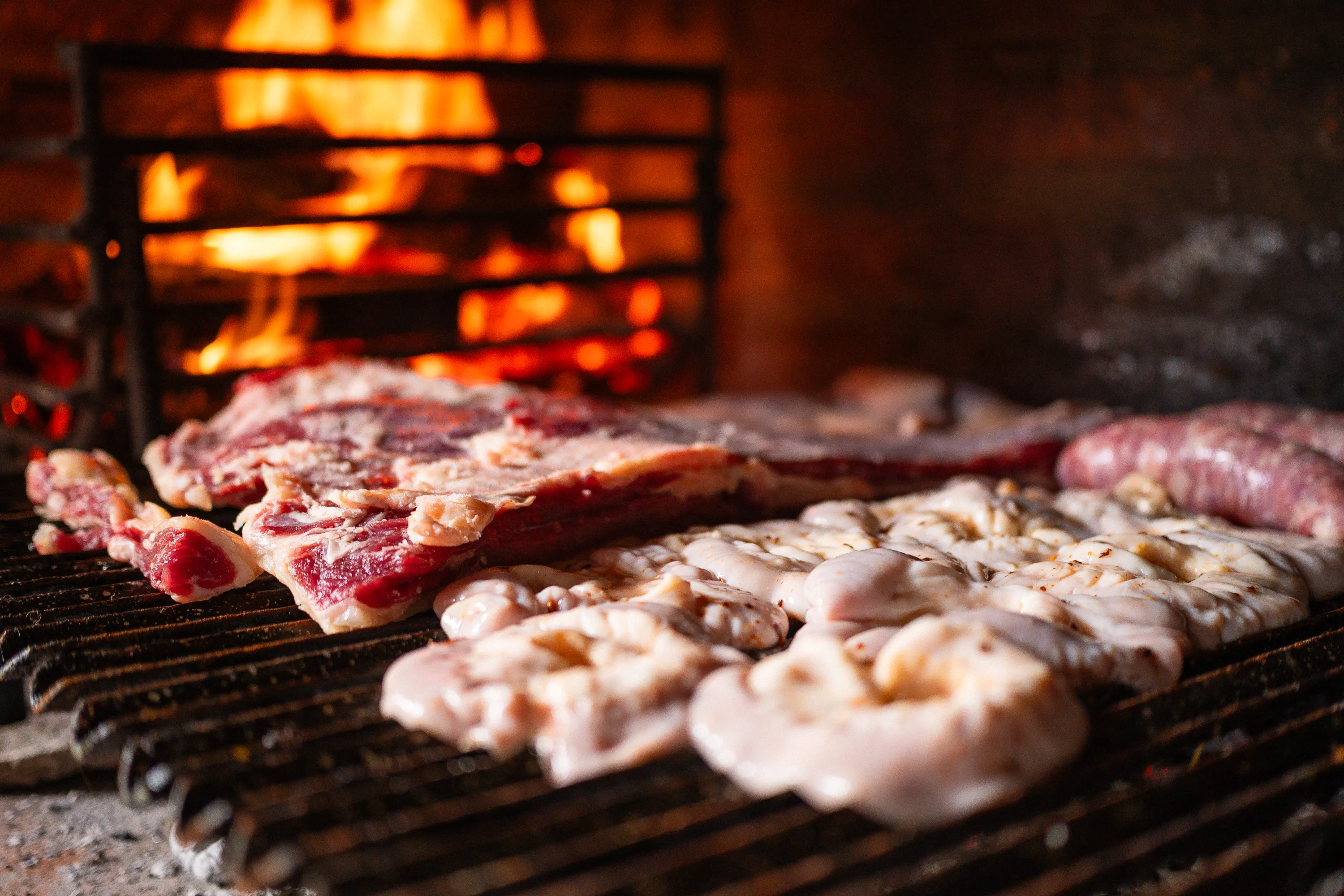
The reference dish is asado, Argentine grilled meat cooked over embers on a parrilla and served with a glass of Malbec; Aristides Villanueva Avenue concentrates many restaurants and bars (Wikivoyage EN). Mendoza-style empanadas, filled with beef, are a classic. The region is also one of the country's main olive oil producers, according to Wikipedia (EN): you taste it at haciendas and on restaurant tables.
Drinks and areas
Beyond wine, the city is known for its cafés, the terraces of Aristides Avenue and its wine bars. You can ask for a half bottle to try several labels. For local products, look for the markets and grocers of the area.
The asado
A cut of beef, chorizo and offal cook on the grill in front of the embers: asado is at the heart of the Argentine table.
Getting around
Tram, buses, taxis, car or bike among the vines
In town
The centre is compact and walkable: from Plaza Independencia to San Martín Park, allow 20 to 30 minutes on foot (Wikivoyage EN). The electric Metrotranvía tram links the centre with Maipú to the south-east; the Mendotran bus network works with a rechargeable card. Taxis are plentiful and metered.
To the vineyards and mountains
Wineries in Luján de Cuyo and the Uco Valley are visited by rental car, organised tour or, for the nearest ones, by bike. Buses leave the bus station for Uspallata and the mountains. The connection to Santiago de Chile crosses the Andes in about 7 hours, but the pass can close after heavy snowfall (Wikivoyage EN).
Stay careful
Mendoza lies in a seismic zone; find out about local guidance. For health and safety, check the official recommendations of your departure country, as well as the weather and altitude if you head into the mountains.
Budget
An affordable to mid-range budget, with variation by plan
Mendoza remains affordable compared with Europe for meals, taxis and buses. Winery visits with lunch, high-mountain excursions and quality accommodation push the bill up, so the overall level sits between affordable and mid-range depending on the plan. We give no figures, because prices change with the season and the exchange rate.
The air fare remains the most variable item. SniperAir monitors prices to MDZ and compares them with the route's history.
When to go
When to go to Mendoza? Dry, sunny climate, reversed seasons
Austral summer (December to February)
Hot and dry, with days that can reach 40 °C in January (Wikivoyage EN); the rare rains fall mostly from December to February (Wikipedia DE). The mountains stay cooler.
Autumn (March to May)
Harvest season, in March and April, with the Fiesta de la Vendimia at the end of summer. The vines turn golden.
Austral winter (June to August)
Cold and dry, with snow at altitude. The warm zonda wind can raise the temperature by 20 °C within hours (Wikivoyage EN). Passes can close.
Spring (September to November)
The vines turn green, temperatures are mild and the mountains stay snow-covered, as in the header photo.
The climate is dry and sunny, with about 220 mm of precipitation a year (Wikipedia DE). The southern hemisphere reverses the seasons: summer starts in December, winter in June.
By length of stay
How many days in Mendoza
The essentials
A day of wineries in Luján de Cuyo or the Uco Valley, and half a day in town: squares, San Martín Park and a museum.
Going deeper
Add a high-mountain day towards Uspallata and Puente del Inca, or rafting at Potrerillos.
Beyond
Add the Uco Valley, the Cacheuta springs or a crossing to Santiago de Chile.
In pictures
Mendoza in pictures
You might also like
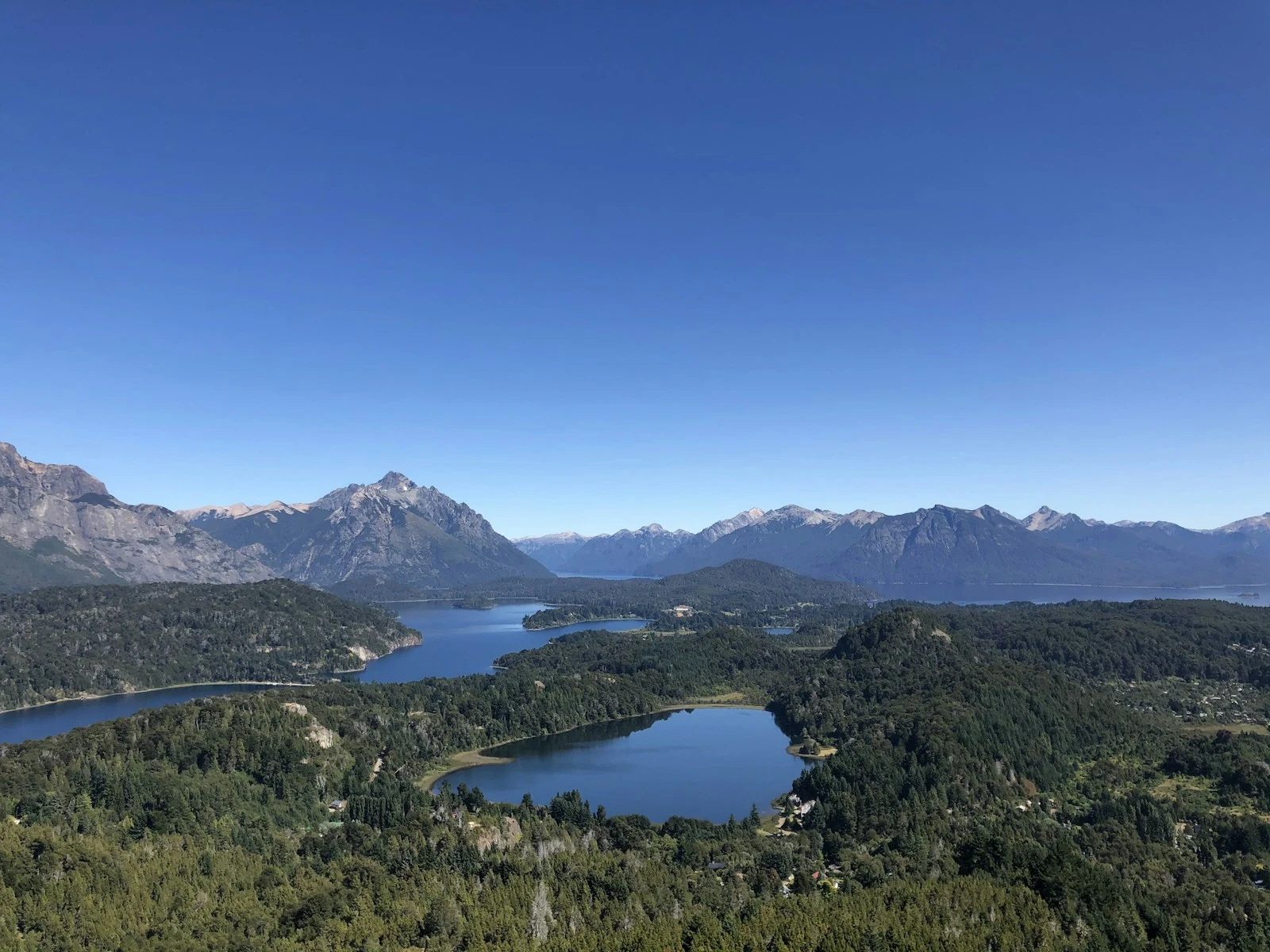
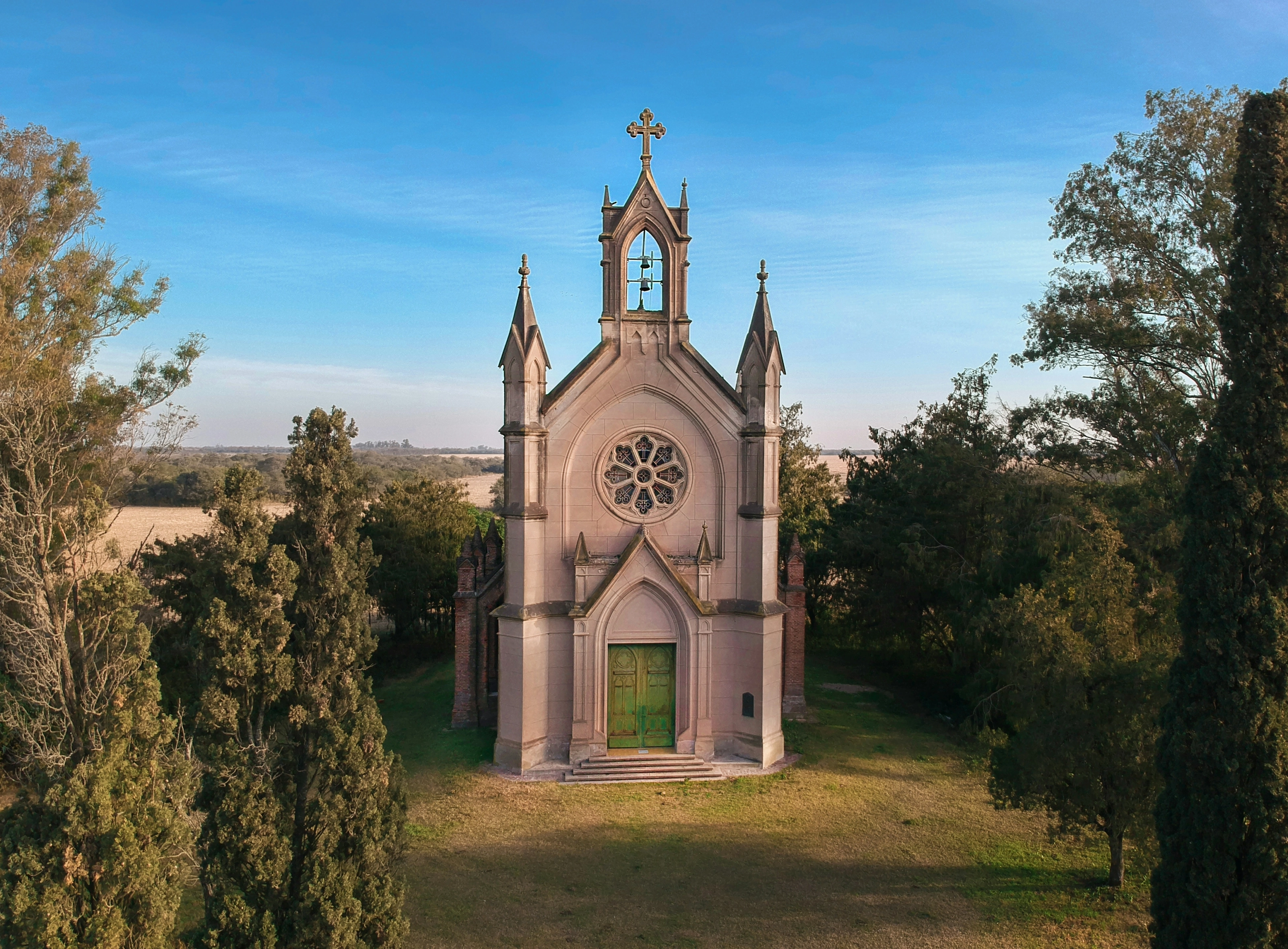
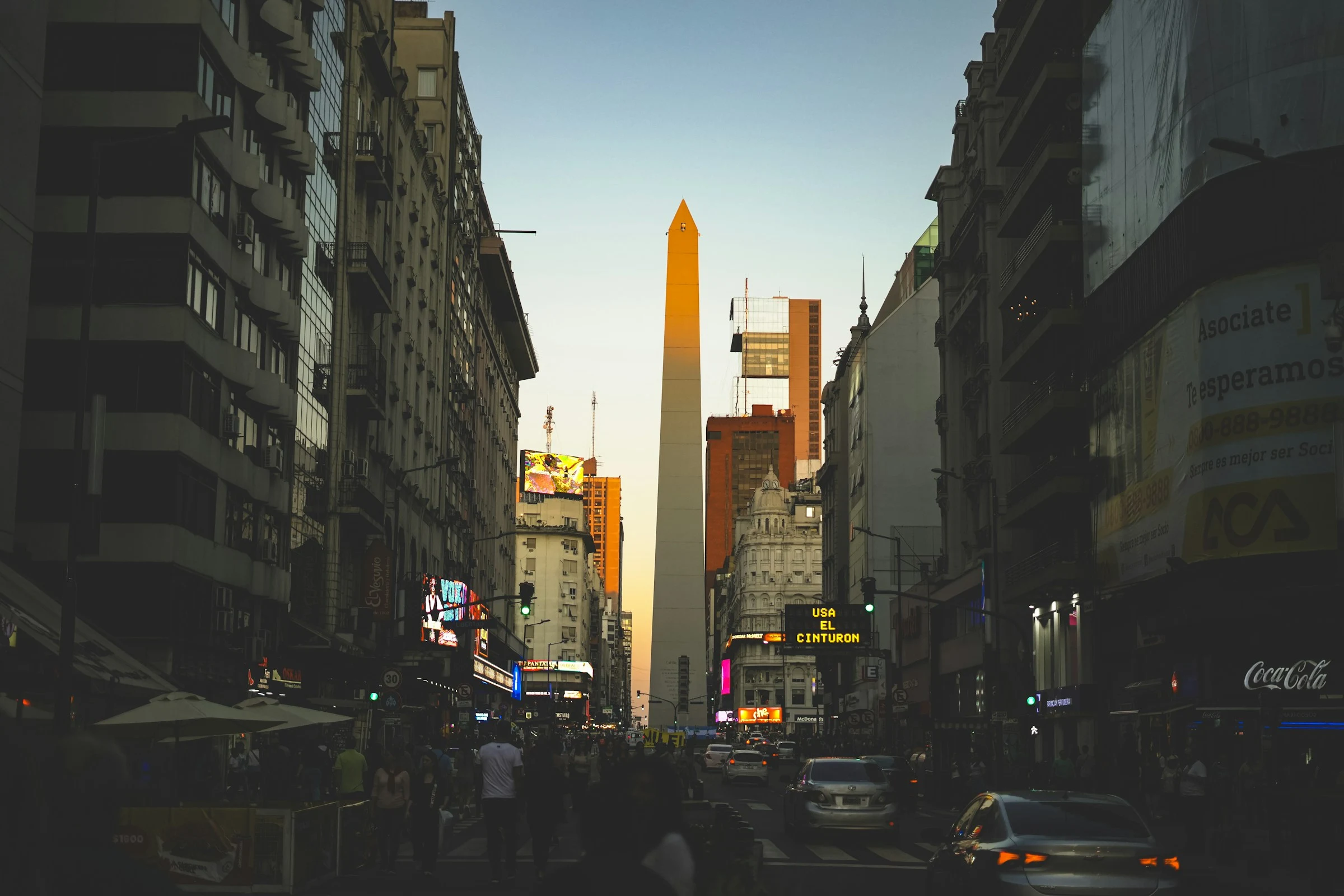
Similar destinations
FAQ
Frequently asked questions about flights to Mendoza
How do I get from Mendoza airport to the centre?
The airport (MDZ) is about ten kilometres north-east of the centre (8 to 11 km depending on the source). Taxis and remises at posted fares reach the city; an urban bus exists but runs infrequently.
When is the best time to visit Mendoza?
The climate is dry and sunny. March and April are harvest season; summer is hot (up to 40 °C) and winter cold and dry with snow in the mountains.
Is Mendoza expensive?
It is affordable compared with Europe for meals and transport, with a mid-range budget if you add winery visits and excursions. We give no figures, as prices change.
How many days should I plan in Mendoza?
Two days are enough for wineries and the city; three or four days allow the high mountains or rafting; five days leave time for the Uco Valley and the hot springs.
How do I get around Mendoza?
On foot in the centre, with a tram and urban buses, taxis, and a rental car, tour or bike for the wineries. Buses leave for Uspallata and Santiago de Chile.
What should I eat in Mendoza?
Asado, Mendoza-style empanadas, olive oil and of course wine, especially Malbec, preferably by visiting a winery on reservation.
How much does a flight to Mendoza usually cost?
The price depends mainly on your departure city, the period and the booking date. The opportunities section above shows real examples of prices already detected by SniperAir to this destination.
How do I get alerted when a flight to Mendoza drops below my budget?
Create an alert profile with your departure airport, Mendoza as the destination and your maximum budget. You are notified automatically as soon as a matching price is detected.
Ready to head to Mendoza?
Set your budget and let SniperAir monitor fares for you.
Create my alert