

Cheap flights to Foz do Iguaçu
Set your departure airport and maximum budget: SniperAir tracks prices to Foz do Iguaçu and alerts you the moment a deal matching your criteria appears.
Quick summary
Country
Brazil
Continent
South America
Airport
IGU
Currency
Brazilian real
Time zone
UTC-3
Deals already spotted to Foz do Iguaçu
Real flight examples detected by SniperAir, with their reference price.
Loading examples…
Why track Foz do Iguaçu with SniperAir
You do not need to compare prices every day
Choose your departure
Enter your departure airport and your maximum budget for a flight to Foz do Iguaçu (IGU).
SniperAir keeps watch
Our systems continuously compare new prices with the real history of the route. SniperAir monitors prices and alerts you: it does not sell or book tickets.
You receive an alert
As soon as a price matches your criteria, you are notified without having searched yourself.
Airport and transfers
An airport about 15 km from the centre and 3 km from the falls
Foz do Iguaçu - Cataratas
The international airport is about 15 km south of the centre and about 3 km from the national park entrance, according to Wikivoyage (EN, ES); Wikivoyage DE gives a little over 10 km. It is served by domestic flights, notably from São Paulo and Rio de Janeiro, and a few regional services; there is no direct flight from Europe. City bus line 120 links the central terminal, the airport, the Parque das Aves and the national park: about 10 minutes to the park visitor centre and 40 to 60 minutes to the city centre depending on traffic. Taxis and ride-hailing are also available.
Distances and times are indicative, taken from Wikivoyage (EN, DE, ES); sources differ (10 to 15 km). We give no fares, which change.
Foz do Iguaçu, in the state of Paraná, stands at the confluence of the Iguaçu and Paraná rivers, on the border of Brazil, Argentina and Paraguay; its name comes from Guarani and means roughly the mouth of the great water. The city has about 250,000 inhabitants and more than a hundred hotels and pousadas, and looks like an ordinary medium-sized Brazilian city: the interest lies in the falls and their surroundings, not the centre.
The Iguaçu Falls
A set of 275 waterfalls on the UNESCO list
The falls are not one cascade but a set of about 275 falls along a front of nearly three kilometres, shared between Argentina (about 80% according to Wikipedia FR) and Brazil (about 20%). The highest, the Garganta do Diabo (Devil's Throat), drops about 82 m. A national park on each side is a UNESCO World Heritage Site (1984 for Argentina, 1986 for Brazil). On the Brazilian side the walkways mainly give sweeping views of the falls and, at the end of the route, a walkway reaches the edge of the Garganta do Diabo, in the spray.
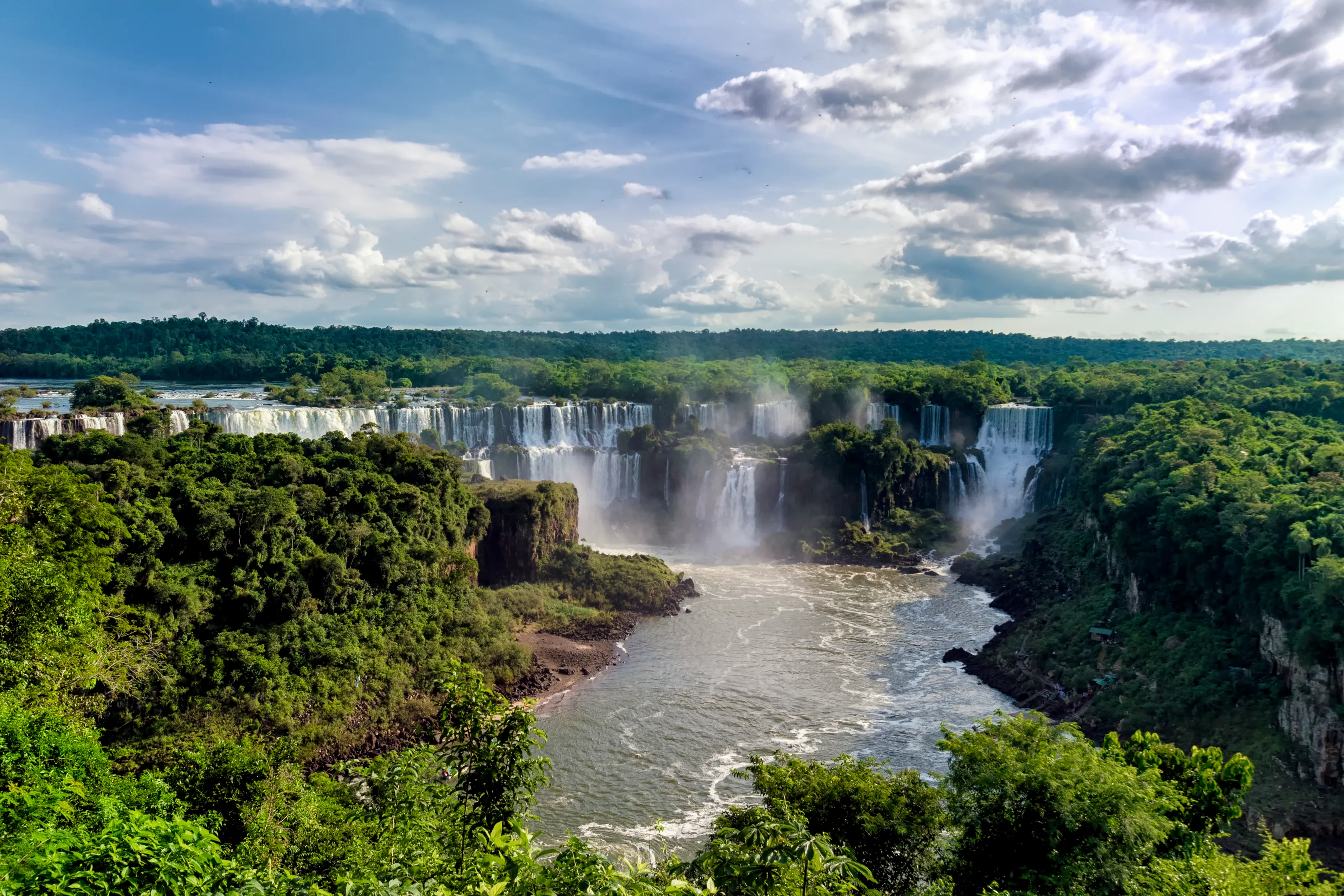
A panorama of the falls
Iguaçu National Park protects a piece of subtropical Atlantic forest; from the viewpoints the cascades spread out above a canyon of dense forest. The visitor centre is near the airport.
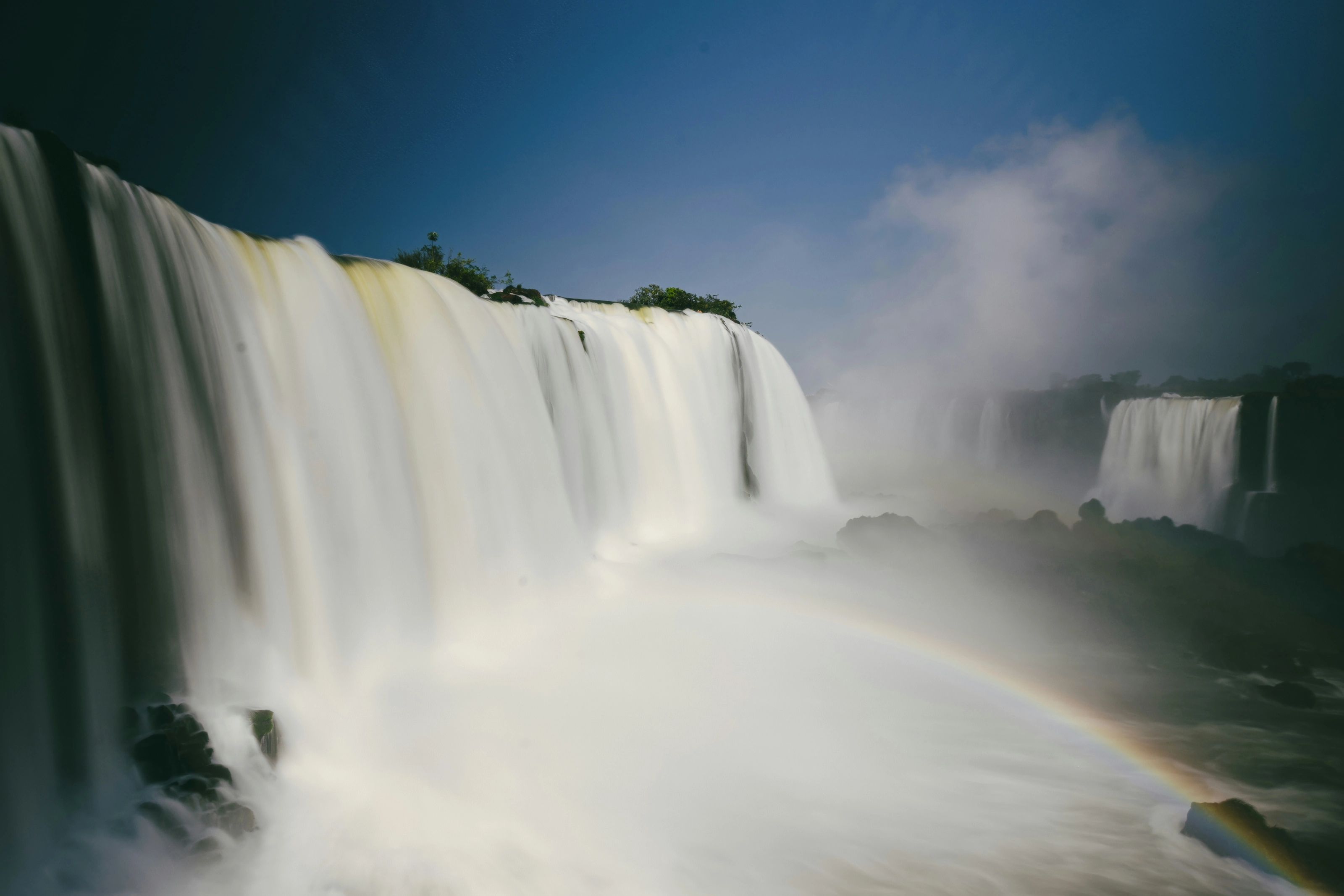
Cascade and rainbow
In the spray, rainbows often appear in clear weather. A boat also takes visitors to the foot of some falls, and a helicopter flight shows the scale of the site, according to Wikivoyage (EN). Bring spare clothes and protect your equipment.
The Argentine side and the triple border
One river, three countries
The Argentine side
Most of the falls lie in Argentina, where several circuits and walkways let you get very close to the cascades, including the Garganta del Diablo. You go there from Puerto Iguazú, covered on its own page. Crossing from one side to the other involves immigration control: carry the required travel documents and check official sources for current formalities.
The triple border
The Marco das Três Fronteiras marks, at the river confluence, the point where Brazil, Argentina and Paraguay meet; each country has its own marker. On the Brazilian side, a visitor area with a small museum offers evening shows, according to Wikivoyage (EN).
Ciudad del Este
Across the Friendship Bridge, Ciudad del Este (Paraguay) is known for its electronics shops and border market. If you cross, check the customs rules that apply on the way back.
Itaipu and culture
A binational dam and a few museums and places to visit
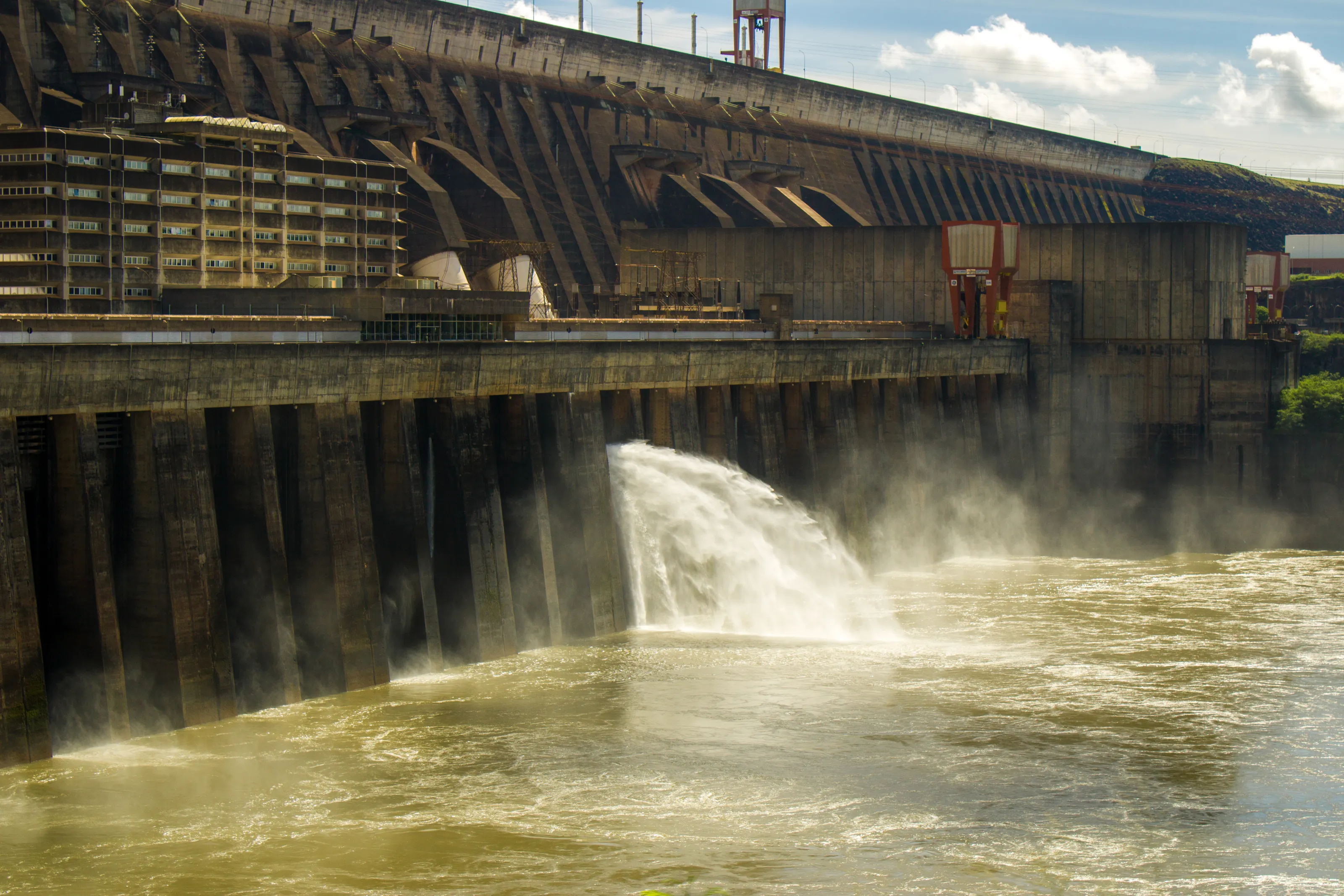
The Itaipu dam
Built by Brazil and Paraguay on the Paraná river, the Itaipu hydroelectric plant, in service since 1984, is among the largest in the world. It can be visited: a panoramic bus tour, night lighting, a biological refuge and an ecomuseum, according to Wikipedia (DE) and Wikivoyage (EN). Book ahead in high season and at weekends.
Museums and places to visit
The city has few major museums. You can, however, visit the Itaipu ecomuseum and tour, the Marco das Três Fronteiras area with its small museum, the Parque das Aves (a bird park next to the national park entrance), the Bosque Guarani zoo and a mosque linked to the city's community of Arab origin, according to Wikipedia (FR). We have no photo of the Parque das Aves. Check opening times and closing days; we give no fares, which change.
Wildlife
Toucans, coatis and Atlantic forest
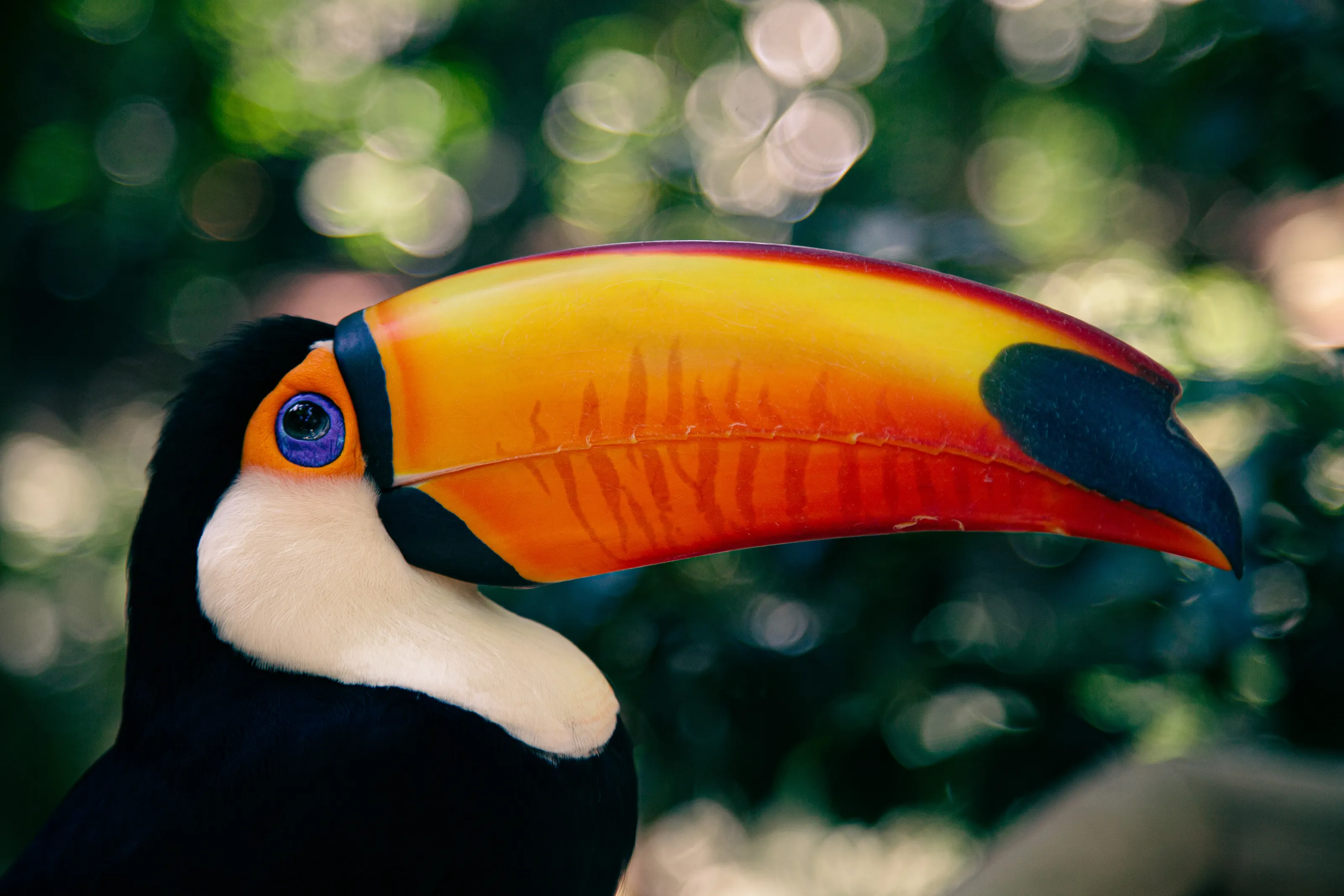
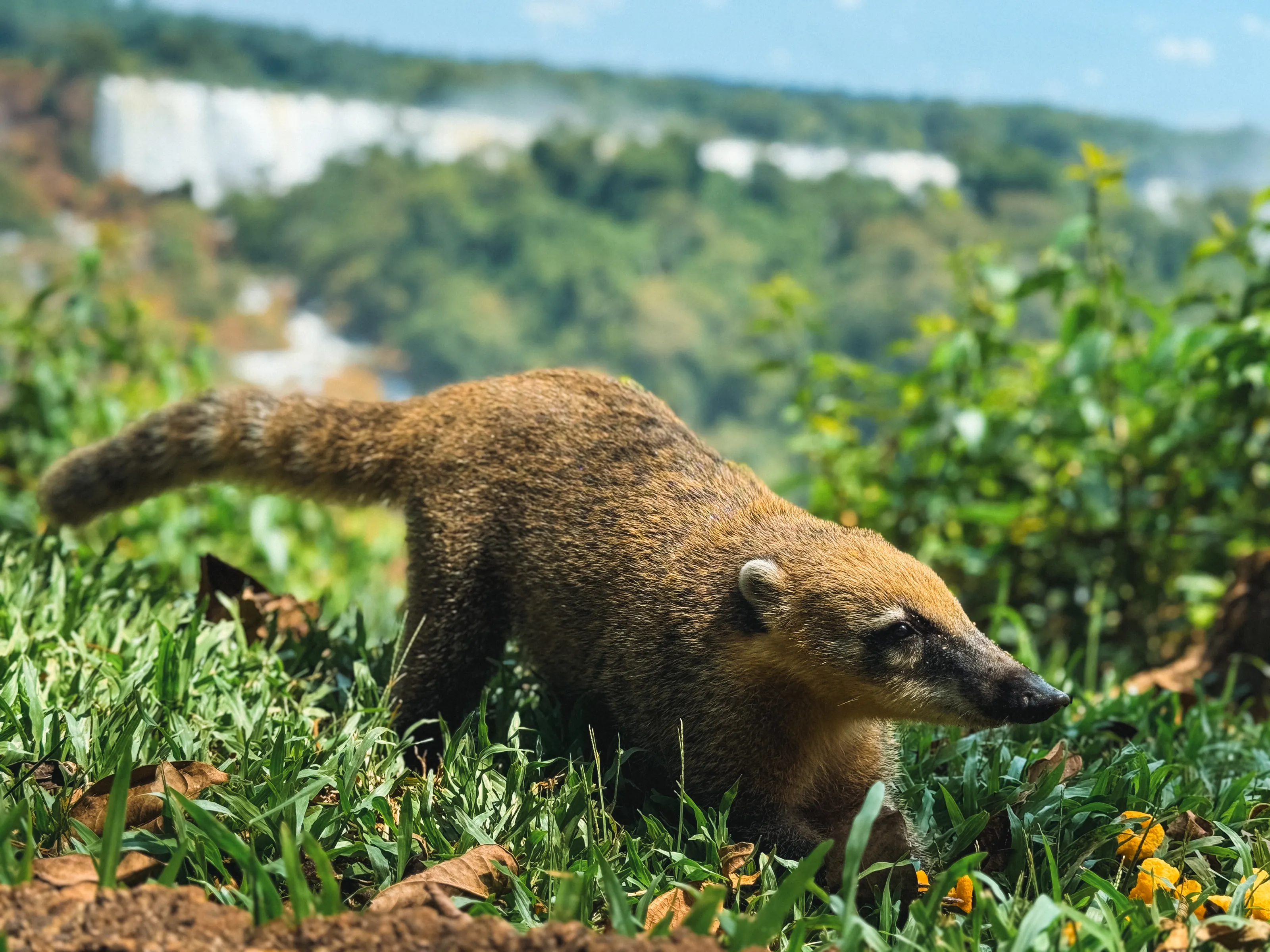
The region shelters a species-rich subtropical forest: several hundred bird species, hundreds of butterfly species and, more discreetly, jaguars. Coatis, curious mammals that approach visitors, are very present in the national park; do not feed them, as they can bite. The toco toucan, with its orange bill, is one of the region's emblematic birds.
The toco toucan
Its huge orange bill and black-and-white plumage make it easy to recognise. The Parque das Aves, next to the national park, lets you see birds of the region up close.
The coati
A cousin of the raccoon, the coati is recognisable by its ringed tail and long snout. It is easily met near the trails.
Food and drink
Churrasco, rodízio and border snacks
In this border city you eat churrasco (grilled meat), often as rodízio: waiters come to the table with all-you-can-eat cuts. Rodízio pizzerias are also common, and pay-by-weight restaurants serve simple, inexpensive dishes. As for snacks, pão de queijo (cheese bread) is a Brazilian classic, and chipa, the Paraguayan cheese bread, is found in the border markets. Across the border you can also find Argentine wines and alfajores, according to Wikivoyage (EN).
Getting around
City buses, ride-hailing, taxis and tours
Buses, taxis and ride-hailing
City buses leave from the central terminal; line 120 serves the airport, the Parque das Aves and the national park, and free shuttles run inside the park. International lines link Puerto Iguazú and Ciudad del Este (carry your documents). Taxis and ride-hailing apps are available, but can be harder to find near tourist sites.
Tours and car
Many agencies run tours to Argentina or Paraguay. Rental companies often forbid taking cars out of Brazil; check the conditions. The city centre can be walked, but pavements are uneven.
Staying safe
Keep an eye on your belongings and check your home country's official travel advice before departure.
Budget
A medium budget, with entrance fees and tours that add up
The city remains affordable compared with Europe for meals, city buses and many hotels. It is park entrances, the Itaipu visit, boats and helicopters, plus tours to Argentina, that push the bill up; the overall level is therefore medium to high depending on your plans. We give no figures, because prices change with the season and the exchange rate.
The air fare remains the most variable item. SniperAir tracks prices to IGU and compares them with the route's history.
When to go
When to visit Foz do Iguaçu? Humid subtropical climate, seasons reversed
Southern summer (December to March)
Hot and humid, with more rain. This is usually when the falls carry most water (December to February according to Wikipedia EN): the sight is at its most powerful, but trails are wetter.
Autumn (March to May)
Temperatures fall gradually; humidity stays high.
Southern winter (May to August)
Short, mild winters according to Wikivoyage (DE); rain remains possible, as the climate is humid all year.
Spring (September to December)
Heat returns gradually, with frequent showers.
The climate is humid subtropical all year, with about 1,900 mm of rain a year and a mean annual temperature of about 22 °C, according to Wikipedia (DE). Summers (January to March) are hot; winters (May to August) are short and mild. The falls' flow varies greatly: a drought in 2006 cut it to about 300 m³/s, while a historic flood in 2014 multiplied it several times (Wikipedia EN, ES). The southern hemisphere reverses the seasons: summer starts in December.
By length of stay
How many days in Foz do Iguaçu
The essentials
The falls on the Brazilian side, the Itaipu visit and, if time allows, the Parque das Aves.
Going deeper
A day on the Argentine side, with walkways close to the Garganta del Diablo.
Surroundings
Marco das Três Fronteiras, a boat to the foot of the falls, a helicopter flight or a trip to Ciudad del Este.
In pictures
Foz do Iguaçu in pictures
You might also like
Similar destinations
FAQ
Frequently asked questions about flights to Foz do Iguaçu
How do you get from Foz do Iguaçu airport to the falls and the centre?
The airport (IGU) is about 15 km from the centre and about 3 km from the national park entrance. Bus line 120 serves the airport, the Parque das Aves and the park (about 10 minutes) and reaches the centre in 40 to 60 minutes; taxis and ride-hailing are also available.
When is the best time to visit Foz do Iguaçu?
The climate is humid all year. The falls' flow is generally strongest from December to February, in the southern summer; winters are short and mild. Flow varies from year to year.
Is Foz do Iguaçu expensive?
Meals and buses are affordable compared with Europe, but park entrances, Itaipu, boats, helicopters and Argentine tours add up: the budget is medium to high depending on your plans.
How many days should I plan in Foz do Iguaçu?
Two days cover the falls on the Brazilian side and Itaipu; three allow a day on the Argentine side, and four or more add the Marco das Três Fronteiras and other tours.
How do you get around Foz do Iguaçu?
By city bus from the central terminal, by taxi or ride-hailing, or with an agency for excursions. International buses go to Puerto Iguazú and Ciudad del Este; keep your travel documents with you.
What should I eat in Foz do Iguaçu?
Churrasco, often as rodízio, rodízio pizza, pay-by-weight dishes, pão de queijo and, in the border markets, Paraguayan chipa.
How much does a flight to Foz do Iguaçu usually cost?
The price depends mainly on your departure city, the period and the booking date. The opportunities section above shows real examples of prices already detected by SniperAir to this destination.
How do I get alerted when a flight to Foz do Iguaçu drops below my budget?
Create an alert profile with your departure airport, Foz do Iguaçu as the destination and your maximum budget. You are notified automatically as soon as a matching price is detected.
Ready to head to Foz do Iguaçu?
Set your budget and let SniperAir monitor fares for you.
Create my alert