
Cheap flights to Manaus
Set your departure airport and maximum budget: SniperAir tracks prices to Manaus and alerts you the moment a deal matching your criteria appears.
Quick summary
Country
Brazil
Continent
South America
Airport
MAO
Currency
Brazilian real
Time zone
UTC-4
Deals already spotted to Manaus
Real flight examples detected by SniperAir, with their reference price.
Loading examples…
Why track Manaus with SniperAir
You do not need to compare prices every day
Choose your departure
Enter your departure airport and your maximum budget for a flight to Manaus (MAO).
SniperAir keeps watch
Our systems continuously compare new prices with the real history of the route. SniperAir monitors prices and alerts you: it does not sell or book tickets.
You receive an alert
As soon as a price matches your criteria, you are notified without having searched yourself.
Airport and transfers
An airport about 15 km from the centre
Manaus - Eduardo Gomes
Eduardo Gomes International Airport is about 14 to 15 km from the centre according to Wikipedia (FR, DE) and Wikivoyage (EN). It handles domestic flights and serves as the base for trips into the Amazon. City bus lines reach the Teatro Amazonas area; taxis and ride-hailing are also available. Do not buy tours from touts at the airport or on the street: book with a reputable agency.
Distances taken from Wikipedia (FR, DE) and Wikivoyage (EN); the time varies with traffic. We give no fares, which change.
Manaus, capital of the state of Amazonas, has more than 2 million inhabitants and stands in the middle of the Amazon rainforest, on the Rio Negro, just upstream of its confluence with the Solimões, which forms the Amazon. The city can also be reached by boat, for example from Belém in about five days.
Landmarks
The rubber-boom opera house, an iron market and a bridge over the river
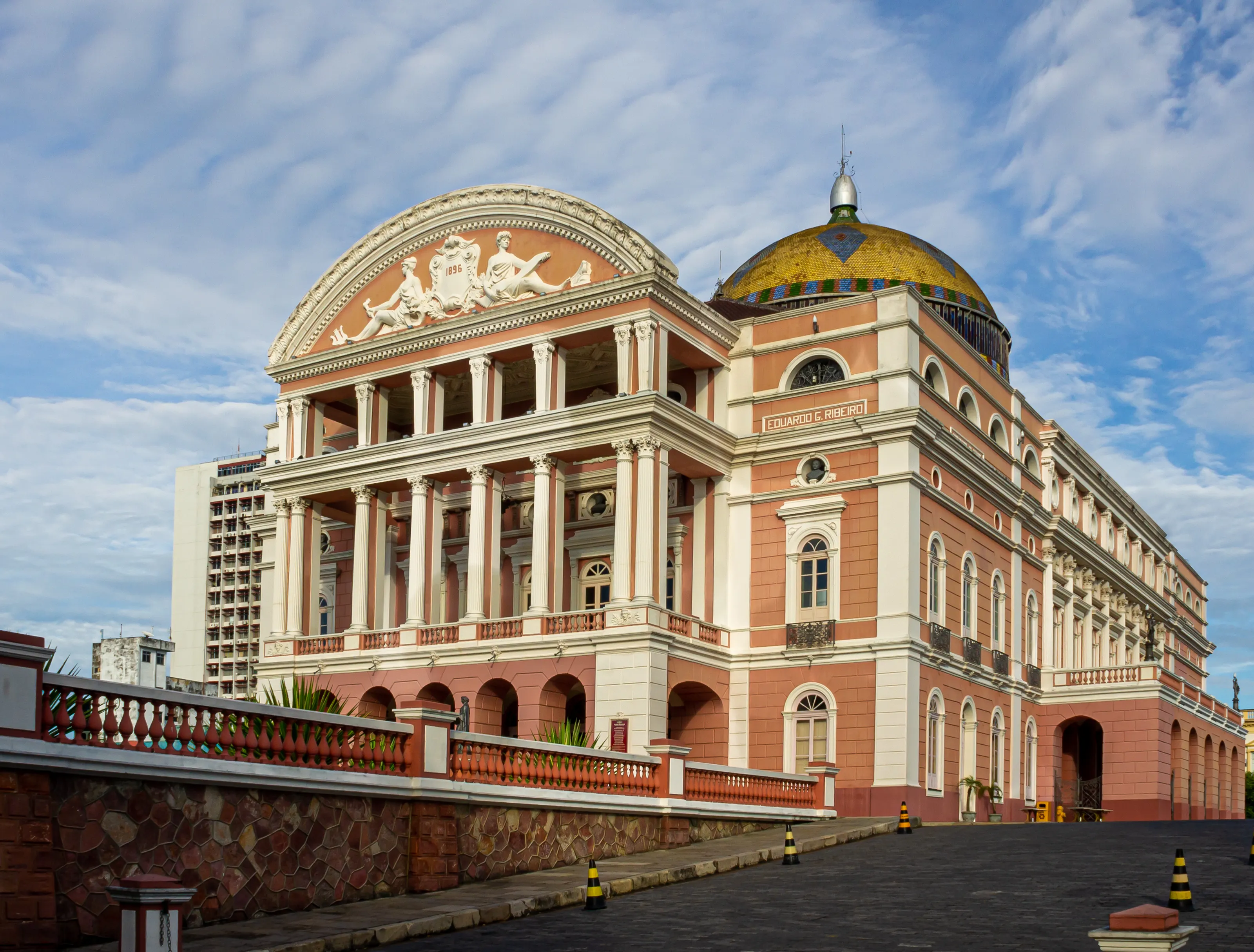
Founded in 1669 as the fort of São José do Rio Negro, Manaus became a city in 1848. In the late 19th century the rubber boom made it one of the richest cities in South America, and its barons treated themselves to European luxuries. That era left the Teatro Amazonas, the municipal market, the 1910 public library and the Rio Negro palace. When rubber seeds were exported to Asia, the boom collapsed.
The Teatro Amazonas and its auditorium
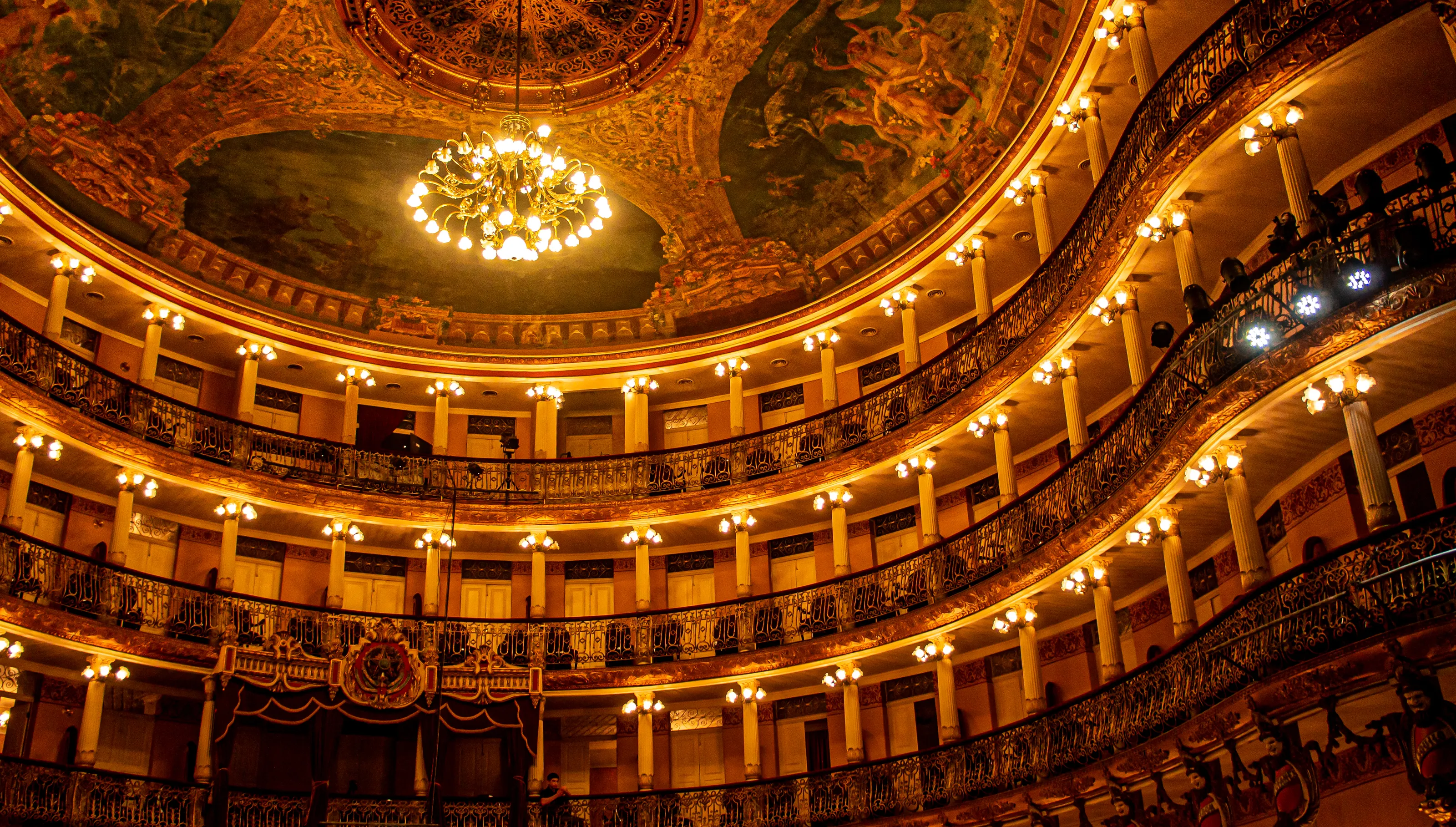
The opera house, inaugurated in 1896, has about 700 seats; it was built with bricks brought from Europe, French glass and Italian marble. Opera companies and international orchestras have performed there. The Italian-style auditorium, with its gilded boxes and chandelier, can be seen on a guided tour; check opening hours and closing days, as we give no prices.
The Adolpho Lisboa market
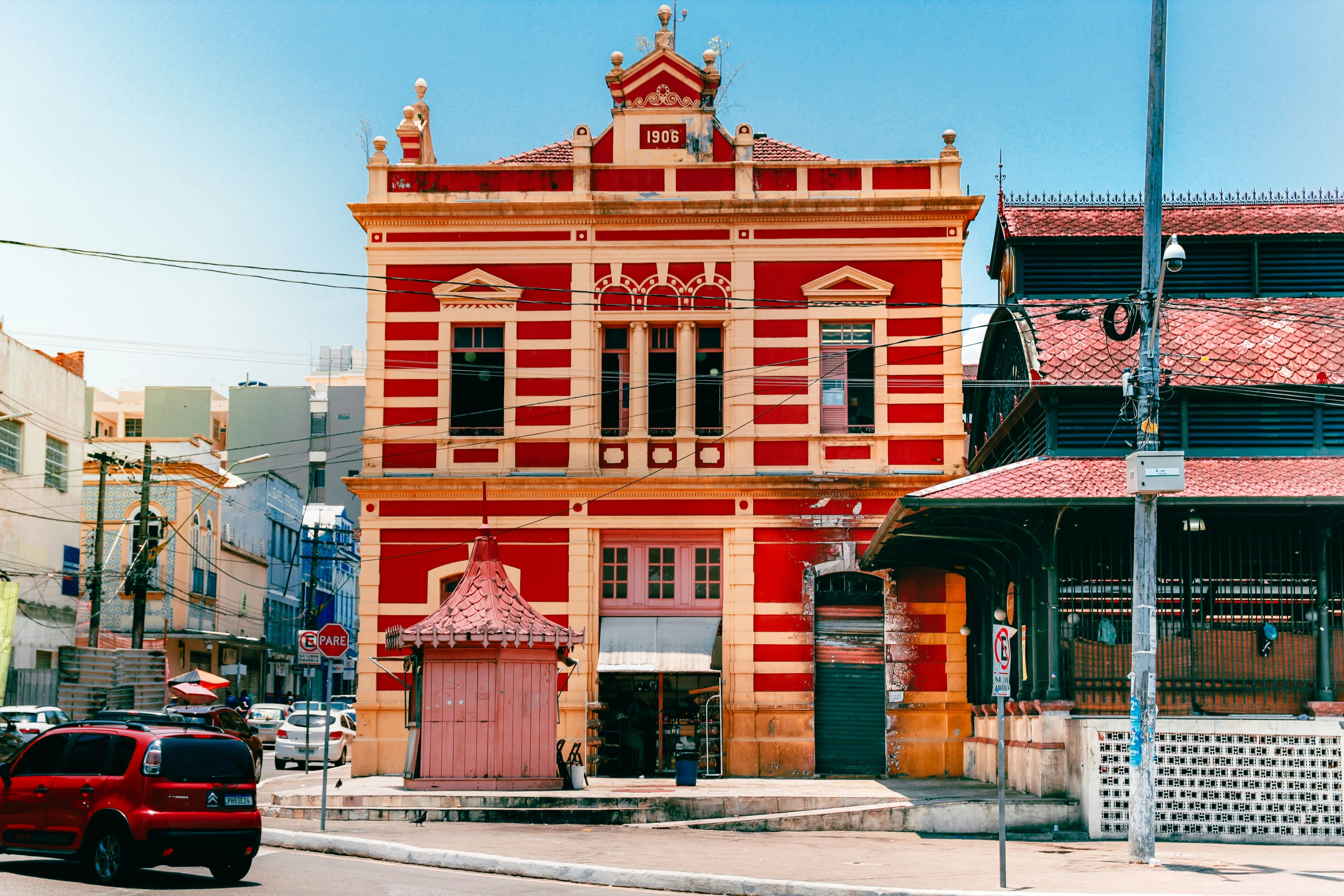
The Adolpho Lisboa municipal market, the city's oldest (1882 according to Wikipedia), is modelled on Les Halles of Paris, with its iron structure. It sells fruit, vegetables and above all fish, as well as crafts. After renovation, some stalls moved to the nearby Feira da Banana.
The bridge over the Rio Negro
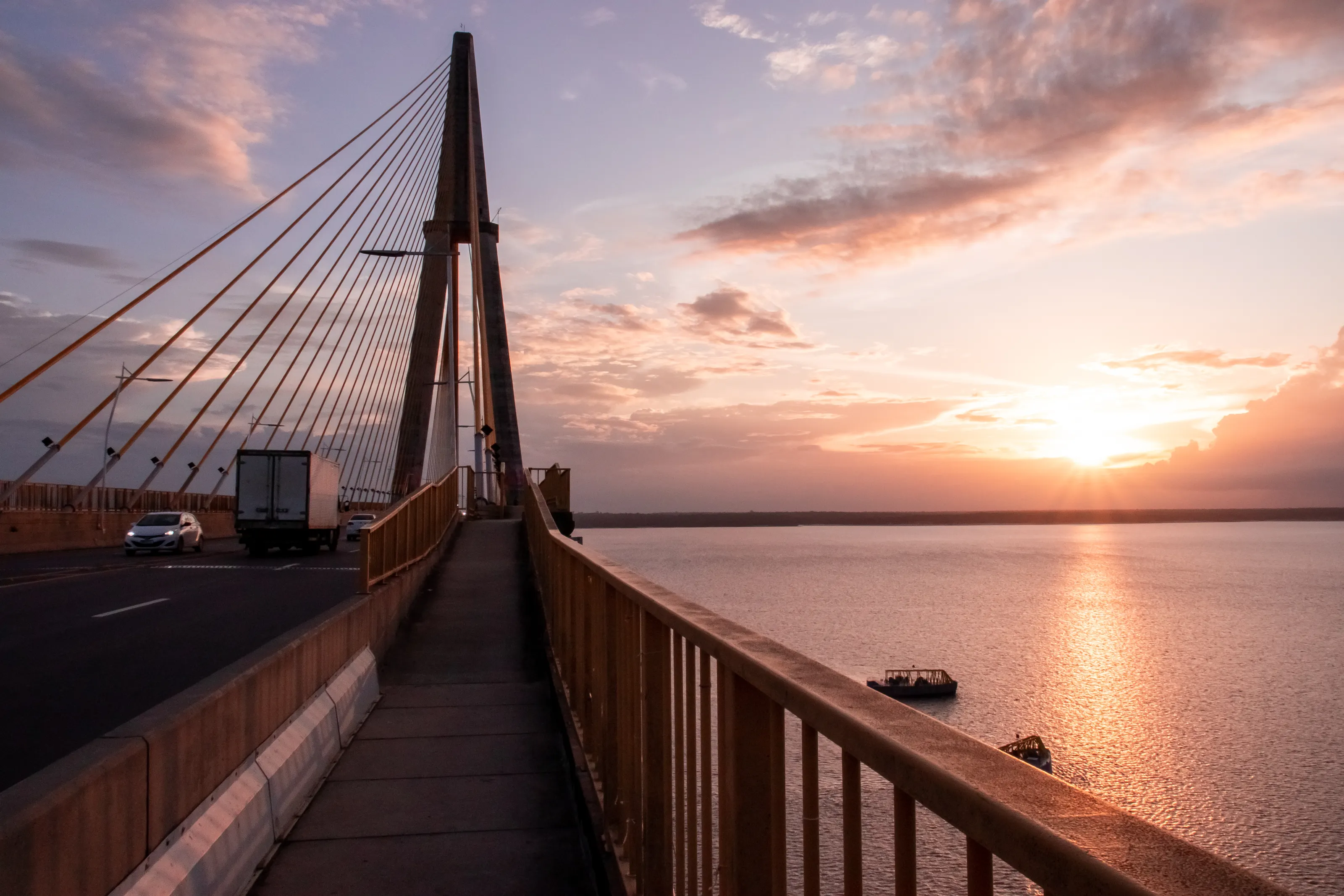
The cable-stayed bridge over the Rio Negro links Manaus to the opposite bank and to the AM-070 road to the south. At sunset it offers a view over the vast river.
The river and the forest
The Meeting of the Waters, flooded forest and boat trips
The Amazon is the reason to come to Manaus. Agencies and lodges offer trips from a few hours to several days, by boat, with forest walks, fishing, wildlife watching and swimming in calm lakes; stays of two to five days are common. Lodges and outings lie outside the city, on the neighbouring rivers and lakes. Choose a reputable agency.
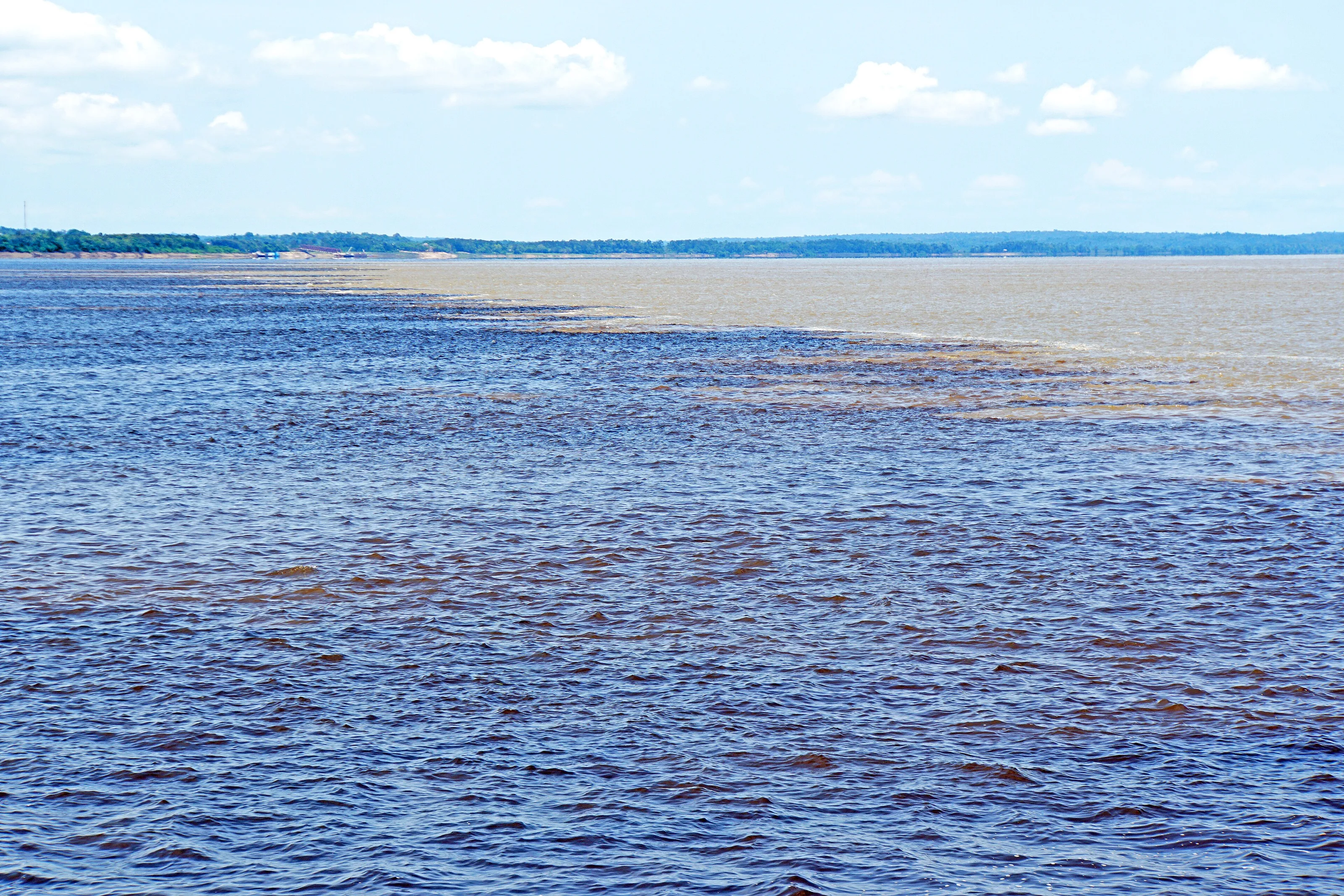
The Meeting of the Waters
Just east of the city, the dark waters of the Rio Negro and the muddy waters of the Solimões flow side by side for several kilometres before mixing to form the Amazon. Boats leave Manaus to see it.
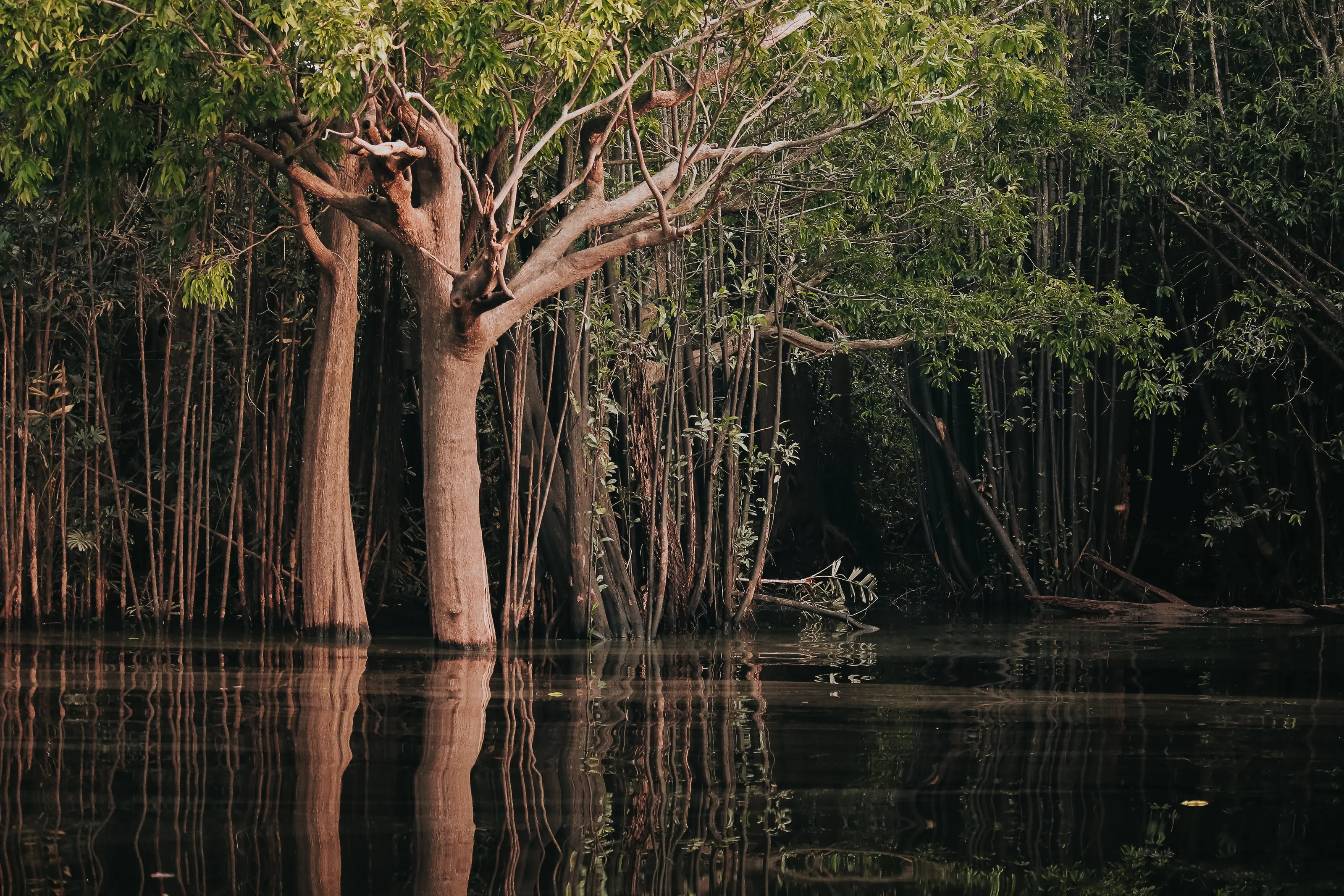
The flooded forest
In the high-water season the river rises and floods the forest: you can then travel by small boat between the trees of these flooded forests, the igapós.
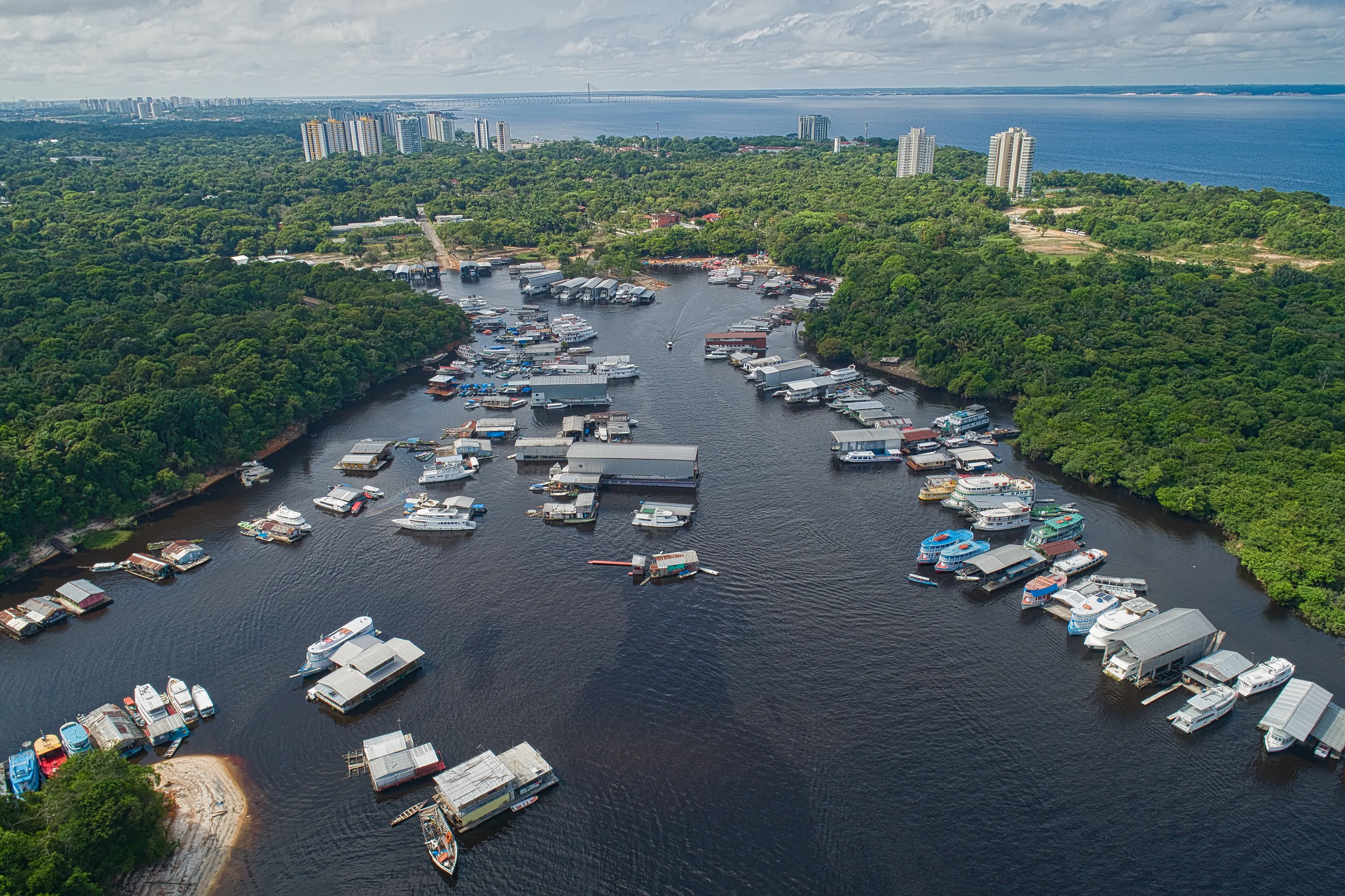
The floating marina on the Rio Negro
Seen from above, Manaus's marina mixes floating houses and boats between the forest and the black water of the Rio Negro. In the distance you can make out the bridge and the city towers.
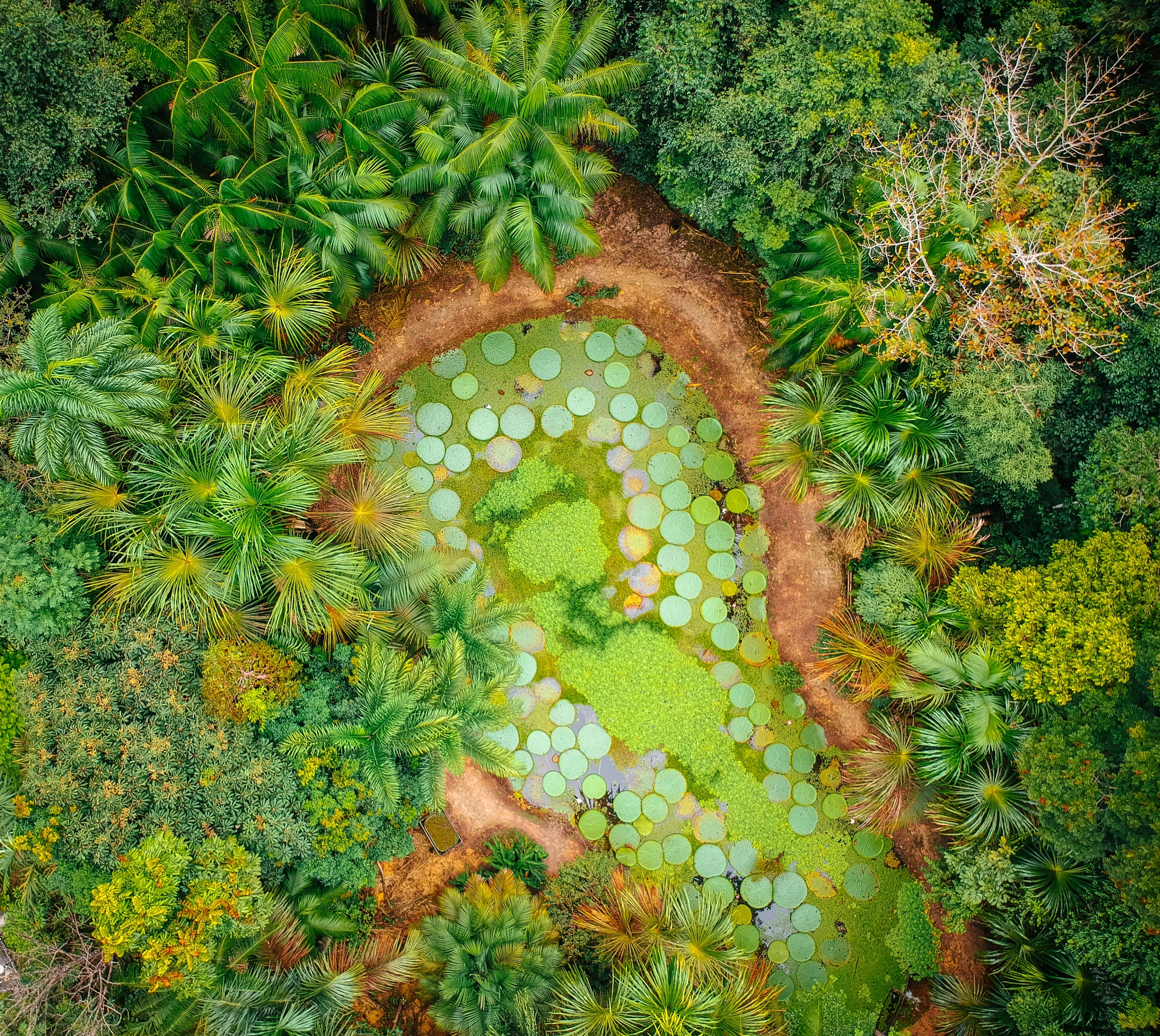
The canopy from above
From the region's forests to botanical gardens, tropical vegetation reaches the edge of the city; some ponds are covered with giant water lilies. Manaus also has large green spaces such as the Bosque da Ciência and the Mindú park.
River beaches
When the water level drops, between August and November, sandy beaches appear along the rivers. The closest is Ponta Negra, reached by bus from the centre; others, such as Tupé and Lua, can only be reached by boat.
Museums and culture
Palaces, library and museums of the historic centre
The Palacete Provincial and the Pinacoteca
On Heliodoro Balbi square, the Palacete Provincial houses several museums, including an archaeology museum and the Pinacoteca do Estado, devoted to the visual arts. The Rio Negro palace, from the same rubber era, is an arts centre.
Library, cathedral and governor's house
The Amazonas public library, in neoclassical style, dates from 1910. The Nossa Senhora da Conceição cathedral holds a museum of religious objects. The Museu da Casa Eduardo Ribeiro recounts the life of the governor who modernised the city. Check opening hours and closing days; we give no prices.
Festivals
Manaus's carnival takes place in late February or March. On 24 October the city celebrates the anniversary of its city status (1848). In November the Amazonas Film Festival highlights ecology and ethnology.
Food and drink
Freshwater fish, tacacá, tucumã and Amazon fruit
Fish and soups
Manaus cooking is built on the region's freshwater fish, prepared in many ways. Tacacá is a soup based on manioc juice, with shrimp and jambu, sold on the street.
Tucumã and fruit
Tucumã, the fruit of a palm, fills tapioquinha (a buttered manioc-starch pancake) and x-caboquinho, a sandwich of fried banana and cheese. Amazon fruit, often served as juice, includes cupuaçu, açaí, soursop and bacuri; try them at the market.
Getting around
Buses, taxis, ride-hailing and boats
In the city
The historic centre, around the Teatro Amazonas, is explored on foot. For the rest, city buses, taxis and ride-hailing are the usual means; there is no metro. Ponta Negra is reached by bus.
On the water
The river is the region's main road: boats link Manaus to Belém, Porto Velho or Tabatinga on the Colombian border. A ferry crosses in about 40 minutes to Careiro, on the opposite bank. Nearby beaches and lodges are mostly reached by boat.
Health and caution
Before a stay in the Amazon, check the official health advice of your departure country (vaccines, mosquito protection). On trips of a few days, Wikivoyage says the areas visited are relatively free of malaria; repellent and covering clothes remain advisable. As in any large city, watch your belongings.
Budget
A moderate budget, especially for excursions
In the city, buses, market meals and many restaurants remain affordable compared with Europe. Lodge and boat excursions, and quality hotels, weigh more heavily on the budget: compare several reputable agencies. We give no figures, as prices change with the season and the exchange rate.
The plane ticket remains the most variable item. SniperAir monitors prices to MAO and compares them with the route's history.
When to go
When to go to Manaus: two seasons, the rains and the low waters
Rainy season, high water (December to May)
Heavy, frequent and sometimes prolonged rain, with thunderstorms. Rivers rise and flood the forest (igapós), allowing navigation among the trees; levels peak around May to June.
Dry season, low water (June to November)
Less rain, falling river levels and sandy beaches emerging. From August to November, drought can come with wildfires and smoke that degrade air quality.
Manaus is near the equator: it is hot all year, with an average annual temperature of about 27 °C and high humidity; there are no cold days, and winter (June to August) is even hotter than summer. The difference in river level between seasons reaches about twenty metres according to Wikivoyage. There is no single best season: high water suits boat travel through the forest, low water suits beaches and walks.
By length of stay
What to do in Manaus depending on your stay
The essentials
Teatro Amazonas, the Adolpho Lisboa market, the Rio Negro port and a day trip to the Meeting of the Waters.
Going deeper
Add a museum in the centre, Ponta Negra beach and a sunset over the river.
The surroundings
A two- to five-day stay at a lodge or on a boat in the forest, with walking, fishing and wildlife watching.
In pictures
Manaus in pictures
You might also like
Similar destinations
FAQ
Frequently asked questions about flights to Manaus
How do you get from Manaus airport to the centre?
The airport (MAO) is about 15 km from the centre. City bus lines reach the Teatro Amazonas area; taxis and ride-hailing are also available, with a journey time that varies with traffic.
When is the best time to visit Manaus?
It is hot all year. High water (December to May, peaking around May to June) allows boat travel through the flooded forest; low water (June to November) reveals river beaches. From August to November, wildfires can degrade the air.
Is Manaus expensive?
In the city, buses, market meals and many restaurants are affordable compared with Europe. Lodge and boat excursions weigh more heavily on the budget.
How many days should I plan in Manaus?
One to two days cover the historic centre and the Meeting of the Waters; most visitors add a two- to five-day stay at a lodge or on a boat in the forest.
How do you get around Manaus?
On foot in the historic centre, then by bus, taxi or ride-hailing; there is no metro. For the forest, lodges and several beaches, you take a boat.
What should I eat in Manaus?
The region's freshwater fish, tacacá, tapioquinha with tucumã, x-caboquinho and Amazon fruit juices such as cupuaçu and açaí.
How much does a flight to Manaus usually cost?
The price depends mainly on your departure city, the period and the booking date. The opportunities section above shows real examples of prices already detected by SniperAir to this destination.
How do I get alerted when a flight to Manaus drops below my budget?
Create an alert profile with your departure airport, Manaus as the destination and your maximum budget. You are notified automatically as soon as a matching price is detected.
Ready to head to Manaus?
Set your budget and let SniperAir monitor fares for you.
Create my alert