

Cheap flights to Rio de Janeiro
Set your departure airport and maximum budget: SniperAir tracks prices to Rio de Janeiro and alerts you the moment a deal matching your criteria appears.
Quick summary
Country
Brazil
Continent
South America
Airport
GIG
Currency
Brazilian real
Time zone
UTC-3
Deals already spotted to Rio de Janeiro
Real flight examples detected by SniperAir, with their reference price.
Loading examples…
Between mountain and sea
Flights to Rio de Janeiro: a city squeezed between granite and the Atlantic
Rio de Janeiro is home to about 6 million people, and around 13 million in its metropolitan area, packed between granite mountains and the ocean. In 2012 UNESCO listed its Carioca Landscapes between the Mountain and the Sea as World Heritage. Within the city lies Tijuca National Park, the largest urban forest in the world. Founded on 1 March 1565, Rio was the capital of Brazil until 1960, and it hosted the 2014 World Cup final and the 2016 Olympic Games.
Cidade Maravilhosa
Rio takes its name, the River of January, from the discovery of its bay on 1 January 1502. When the Portuguese court moved here in 1808 it became the only European capital outside Europe. The best of the city fits into three days, with a few more for day trips.
Why track Rio with SniperAir
You don't need to compare prices every day
Pick your departure
Enter your departure airport and your maximum budget for a flight to Rio de Janeiro.
SniperAir watches
Our systems continuously compare new prices with the real price history of the route. SniperAir watches prices and alerts you: it does not sell or book tickets.
You get an alert
As soon as a price matches your criteria you are notified, without having searched anything yourself.
The two peaks
Christ the Redeemer and Sugarloaf
Corcovado, early in the morning
Any plan for Rio starts on Corcovado, the peak of more than 700 m where Christ the Redeemer stands. The statue, named one of the New 7 Wonders of the World in 2007, is 30 m tall, 38 m with its pedestal, with an arm span of 28 m. Made of reinforced concrete and soapstone, it was built between 1922 and 1931 and inaugurated on 12 October 1931. The Corcovado Train, a cog railway running since 1884, leaves from Cosme Velho every 20 minutes; go around 8 a.m. to beat the queues and the clouds.
Sugarloaf at sunset
Sugarloaf (Pão de Açúcar), about 400 m high, is reached by a two-stage cable car that has run since 1912, the first in Brazil. Sunset is the best time to go up. Ticket prices vary a lot between guidebooks, so check the official website.

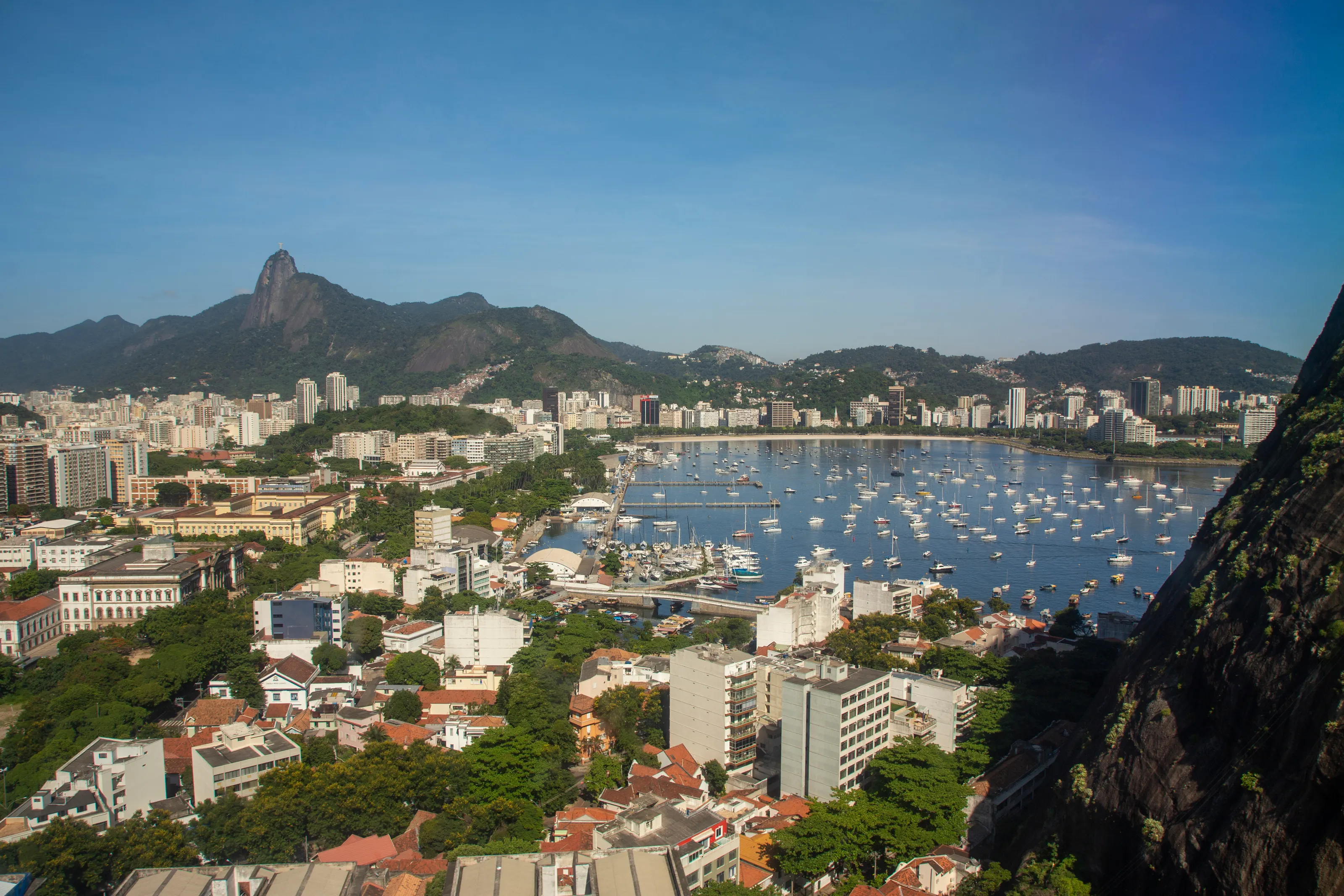
Zona Sul
Copacabana, Ipanema and Leblon
The cradle of bossa nova
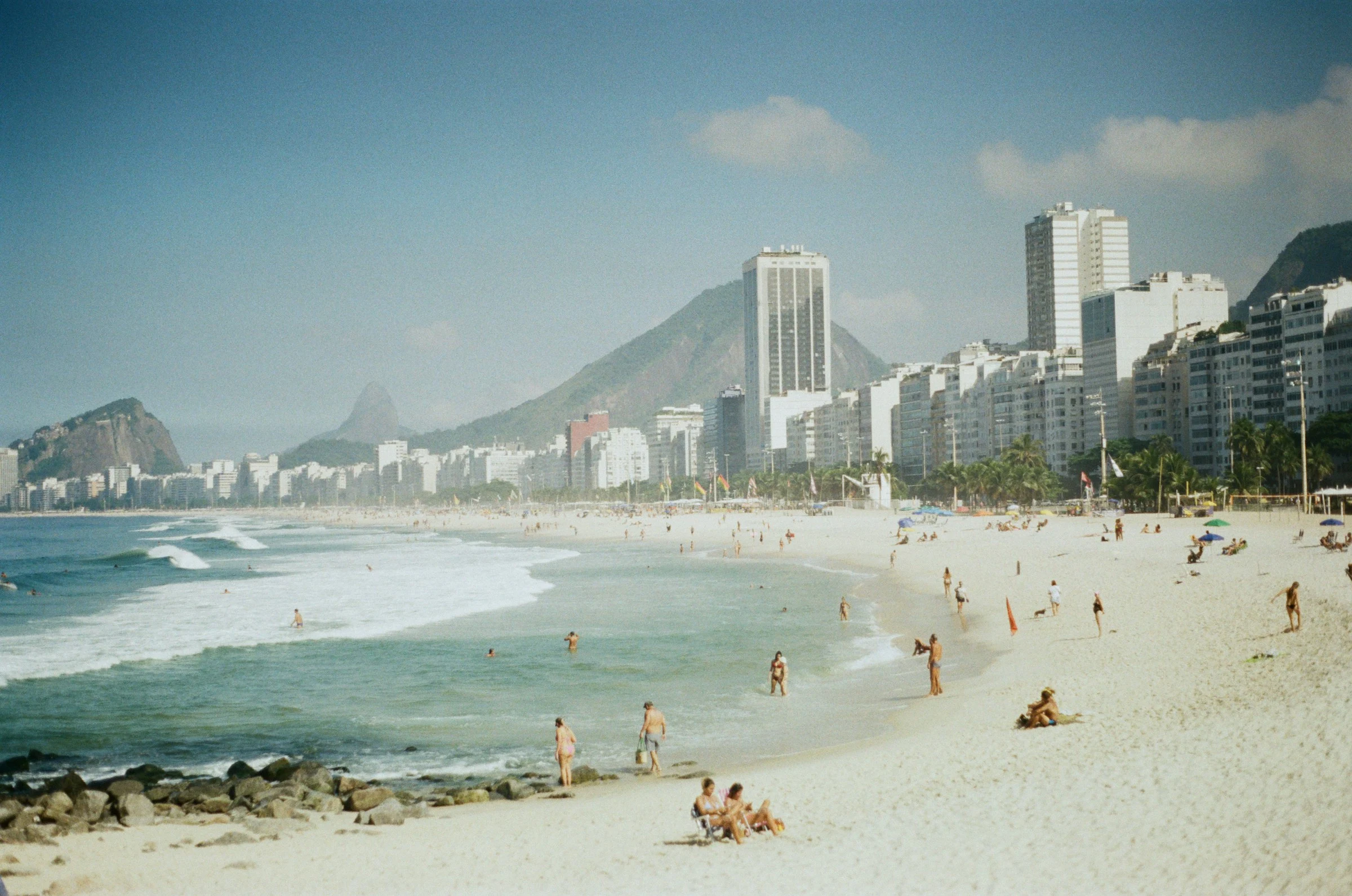
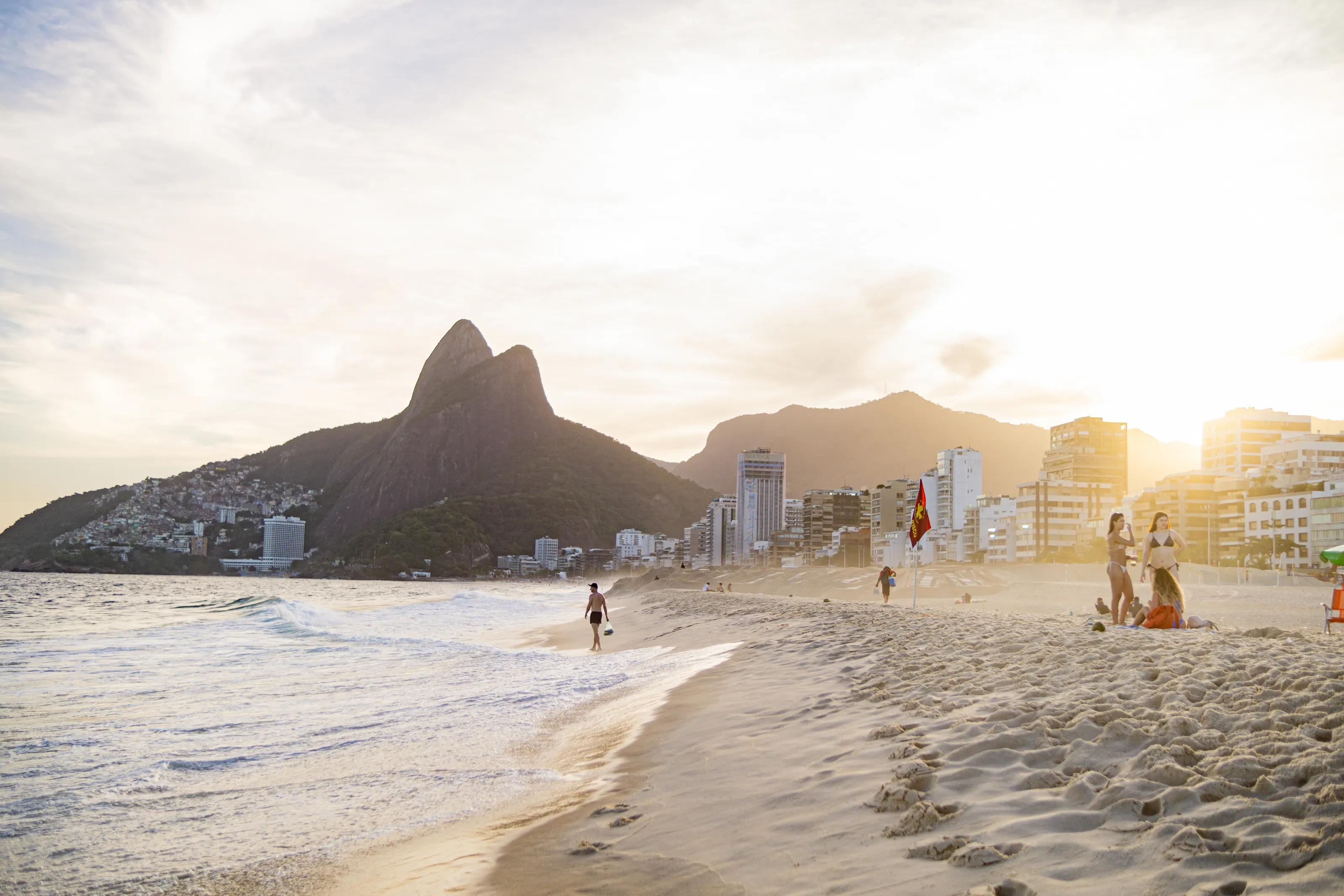
Walk Copacabana's famous wave-patterned mosaic promenade past the Copacabana Palace, opened in 1923, to the Fort of Copacabana (1918). More than 2 million people gather on the beach for New Year's Eve. Ipanema and Leblon follow, with more elegant beaches. An evening market sets up every day on Avenida Atlântica near Post 5, with souvenirs, swimwear and paintings (Wikivoyage FR). On the beach, carry little and leave jewellery at the hotel.
Lapa and the centre
Samba, the Selarón Steps and Little Africa
| Place | Worth knowing |
|---|---|
| Lapa | The Carioca Montmartre: samba, choro and forró at night; do not wander its streets on foot after dark |
| Carioca Aqueduct | Dates from 1723, with 42 arches; has carried the Santa Teresa tram since 1896 |
| Selarón Steps | 220 stairs covered in tiles by the Chilean artist Jorge Selarón; watch for pickpockets |
| Cais do Valongo | UNESCO World Heritage site since 2017, around the old port; at Pedra do Sal, samba circles gather on Monday and Friday evenings |
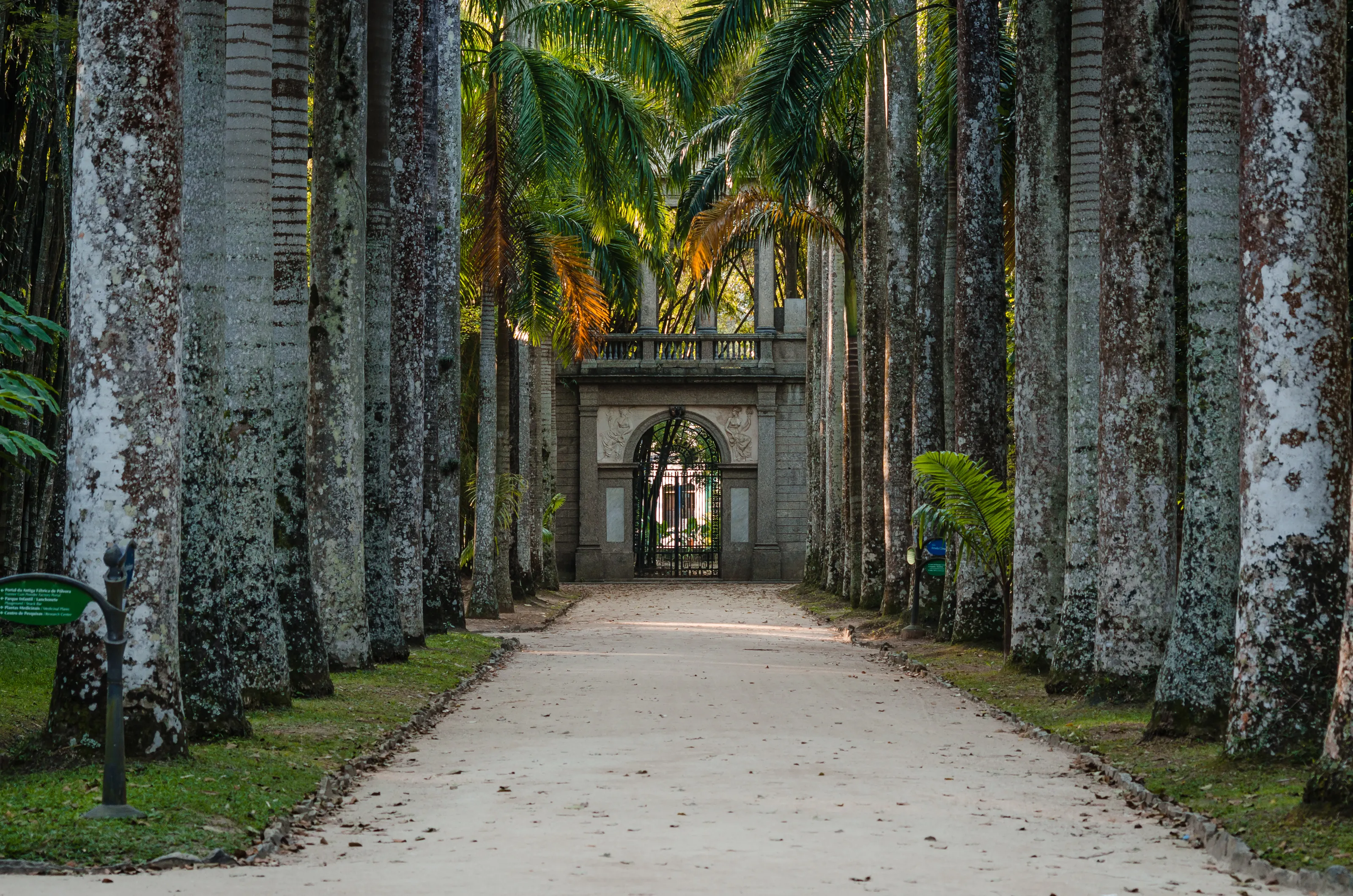
| Botanical Garden | About 140 hectares of greenery |
| Also on the list | The pyramid-shaped Metropolitan Cathedral and the Maracanã stadium |
Museums
From the Museu do Amanhã to the palaces of the centre
| Museum | Worth knowing |
|---|---|
| Museu do Amanhã | Science museum on the bay in the port district, opened on 17 December 2015 (Wikivoyage DE) |
| Museu Nacional de Belas Artes | Fine arts, opened on 13 January 1937, near Cinelândia (Wikivoyage DE and ES) |
| Museu Histórico Nacional | Brazil's history from colonial times to the Empire; opened on 12 October 1922 on the site of an old fort (Wikivoyage DE and ES) |
| Paço Imperial and MAM | The Paço is an art venue in a building from 1743; MAM is Brazil's second most important contemporary art museum after MASP, according to Wikivoyage ES |
| Museu da República | The former presidential palace in Catete, built in 1867 (Wikivoyage DE) |
| Museu Chácara do Céu | Modern art, in Santa Teresa (Wikivoyage ES) |
The Teatro Municipal, modelled on the Paris Opera and opened in 1909, is also worth a visit. Niterói's contemporary art museum, designed by Oscar Niemeyer, is reached by ferry from the centre (Wikivoyage FR). Opening days, hours and fees change often and differ between guides, so check the official websites before you go.
Carnival and favelas
The world's biggest party, twice a year
Guinness recognises Rio's carnival as the largest in the world, with about 2 million people a day in the streets. It takes place over the four days before Ash Wednesday, with the parades at the Marquês de Sapucaí Sambadrome. Tickets are booked long in advance and hotels are among the most expensive of the year; New Year's Eve on Copacabana draws more than 2 million people too.
Visiting a favela
Guided tours run in several favelas, including Vidigal, Rocinha, Cantagalo, Tavares Bastos, Babilônia and Complexo do Alemão; only go in with a reputable local guide.
Food and drink
Feijoada, açaí, caipirinha and fresh juices
Feijoada, a stew of black beans and meats that Wikivoyage compares to cassoulet, is the best-known dish and is served with rice. On the go, locals eat a coxinha, a fried chicken croquette, an empada, a small savoury pie, or a sanduíche natural, a cold vegetable sandwich. Pay-by-weight restaurants, where the plate is weighed at the till, are a cheap option.
Drinks and sweets
Juice bars serve fresh fruit juices and açaí, and beach vendors sell mate com limão, orange-and-carrot juice and coconut water. The caipirinha, made with cachaça, lime and sugar, is the classic sunset drink on Copacabana or Ipanema. The Confeitaria Colombo, open since 1894 in the centre, is a historic tea room (Wikivoyage ES).
| To try | What it is |
|---|---|
| Feijoada | Black beans, meats and rice; the signature dish |
| Coxinha and empada | Savoury snacks sold in lanchonetes |
| Açaí | Frozen fruit pulp, served with banana or strawberry |
| Caipirinha | A cocktail of cachaça, lime and sugar |
Beyond the city
Day trips from Rio
| Destination | Distance | Why go |
|---|---|---|
| Petrópolis | 68 km | The imperial city founded by Dom Pedro II in 1843, 838 m above sea level, with the Imperial Museum, the Crystal Palace and the cathedral |
| Búzios | About 160 to 170 km | 23 beaches, made famous by Brigitte Bardot's visit in 1964 |
| Paraty | 258 km | A colonial centre founded in 1667, a UNESCO site with Ilha Grande, and the FLIP literary festival |
Getting there
Galeão, Santos Dumont and distances in town
Rio de Janeiro-Galeão
The main international airport, about 15 to 20 km from the city centre depending on the guide. A direct flight from France takes about 11 hours.
Santos Dumont
The second airport, mostly for domestic flights, very close to downtown.
| From Galeão | Worth knowing |
|---|---|
| Air-conditioned buses (Real lines, 2018 and 2918) | About every 30 minutes during the day; from 35 minutes to over an hour and a half depending on traffic (Wikivoyage EN and DE) |
| Yellow taxi or prepaid fixed-fare taxi | Yellow taxis run on the meter, and traffic can raise the fare; booth taxis quote a fixed price, often higher (Wikivoyage EN) |
| BRT then metro | About 1 hour 30 in total, a tricky trip the first time (Wikivoyage EN and DE) |
| Ride-hailing app | Uber and other apps exist; the usual way to reach the Zona Sul |
Leave a safety margin for your return flight: between Galeão and the Zona Sul the journey time depends heavily on the hour. Santos Dumont, east of the centre, sits right by Guanabara Bay.
Getting around
Metro, light rail, buses and the bonde
The metro has two lines, one towards the Zona Sul as far as Ipanema and one towards the north of the city, and it closes shortly after midnight (Wikivoyage EN). A light rail (VLT) serves the centre and the very numerous buses cover the rest; a metro ticket includes a connection to the MetroRio feeder bus (Wikivoyage FR). The historic tram, the bonde, climbs to Santa Teresa across the Lapa arches.
Taxis and ferries
Official taxis are yellow with a blue stripe and have a two-rate meter; the second rate, about 15 percent higher, applies at night, on Sundays and on public holidays (Wikivoyage FR). Ferries link Praça XV to Niterói and to Paquetá island.
Budget
A budget to adjust to the season
Accommodation in the most touristy parts of the Zona Sul can be expensive, especially at New Year and during carnival; public transport, pay-by-weight meals, juices and the beaches remain very affordable. The currency is the Brazilian real.
What adds up
The Sugarloaf and Corcovado trips, guided favela tours and evenings out in trendy areas weigh on the budget. Guidebook prices differ a lot and are often old, so we do not repeat them: check the official websites.
Saving money
Travel outside high season, eat by weight or in lanchonetes, make the most of the free beaches, gardens and churches, and set an alert to watch your flight price.
Travel smart
Visiting Rio with care
Rio calls for vigilance, like any big metropolis. On the beach carry little and leave jewellery at the hotel; at night take a ride-hailing car rather than walking, especially in Lapa; never resist a robbery. Check your foreign ministry's travel advice before you leave.
When to go
When to visit Rio de Janeiro?
December to March (summer)
Hot and humid, with highs around 30 to 32 degrees C and frequent storms, plus New Year's Eve on Copacabana and carnival; crowds and prices are high.
April and May (autumn)
Rain eases and temperatures fall gently, with highs of about 28 to 30 degrees C.
June to September (winter)
The driest season: highs of about 26 to 27 degrees C, lows around 19 degrees C in July, and less rain.
October and November (spring)
The heat returns, with highs of 28 to 29 degrees C and rain already more frequent than in winter.
The climate is tropical, averaging about 24 degrees C and about 1,200 mm of rain a year (Wikivoyage FR); the seasons are the reverse of Europe's. The best time runs from April to October, cooler and drier, when views from Corcovado are at their clearest.
How long to stay
How many days in Rio?
The essentials
Christ the Redeemer, Sugarloaf and a beach day on Copacabana and Ipanema.
Neighbourhoods and museums
Add Lapa, Santa Teresa, the Museu do Amanhã, the Botanical Garden and the Tijuca forest.
Day trips
Add Petrópolis, Búzios or Paraty, easiest by car or on an organised excursion.
In pictures
Rio de Janeiro in pictures
You might also like
Similar destinations


FAQ
Frequently asked questions about flights to Rio de Janeiro
Which airport should I fly into for Rio de Janeiro?
Most international flights land at Galeão (GIG), about 15 to 20 km from the city centre. Santos Dumont (SDU) is mostly used for domestic flights and is closer to downtown.
How do I get from Galeão airport to Copacabana?
By air-conditioned bus, taxi or ride-hailing car; the trip takes from 35 minutes to over an hour and a half depending on traffic, according to Wikivoyage. The BRT plus metro takes about 1 hour 30.
When is the best time to visit Rio de Janeiro?
April to October is cooler and drier. December to March is hot and humid, crowded and more expensive, with frequent storms.
How many days in Rio de Janeiro do I need?
Three days covers the essentials: Christ the Redeemer, Sugarloaf, the beaches, Lapa and Santa Teresa. Add days for Petrópolis, Búzios or Paraty.
What budget should I plan for Rio de Janeiro?
Accommodation is the main cost, especially at New Year and carnival; transport, pay-by-weight meals and the beaches remain affordable. Check entry fees on the official websites.
How do I get around Rio de Janeiro?
The metro, light rail and buses cover the city; official taxis are yellow, and ride-hailing apps are widely used, especially at night.
What should I eat in Rio de Janeiro?
Feijoada, coxinha, açaí, fresh juices and caipirinha; pay-by-weight restaurants are a good budget option.
What precautions should I take in Rio de Janeiro?
Carry little on the beach, leave jewellery at the hotel, take a ride-hailing car rather than walking at night, visit favelas only with a reputable local guide and never resist a robbery.
How much does a flight to Rio de Janeiro usually cost?
It mostly depends on your departure city, the season and how far ahead you book. The "deals" section above shows real examples of prices already detected by SniperAir for this destination.
How do I get alerted when a flight to Rio de Janeiro drops below my budget?
Create an alert profile with your departure airport, Rio de Janeiro as the destination and your maximum budget. You'll be notified automatically the moment a matching price is detected.
Ready to head to Rio de Janeiro?
Set your budget and let SniperAir monitor fares for you.
Create my alert