
Cheap flights to Lima
Set your departure airport and maximum budget: SniperAir tracks prices to Lima and alerts you the moment a deal matching your criteria appears.
Quick summary
Country
Peru
Continent
South America
Airport
LIM
Currency
Peruvian sol (PEN)
Time zone
UTC-5
Deals already spotted to Lima
Real flight examples detected by SniperAir, with their reference price.
Loading examples…
Why track Lima with SniperAir
You do not need to compare prices every day
Choose your departure
Enter your departure airport and your maximum budget for a flight to Lima (LIM).
SniperAir keeps watch
Our systems continuously compare new prices with the real price history of the route. SniperAir monitors prices and alerts you: it does not sell or book tickets.
You receive an alert
As soon as a price matches your criteria, you are notified, without having searched for anything yourself.
Airport and getting into town
A major airport in Callao, about 11 km from the historic centre
Jorge Chávez (LIM)
Jorge Chávez International Airport is in Callao, north-west of the city, about 11 km from the historic centre and 17 km from Miraflores according to Wikivoyage (EN). The journey time depends heavily on traffic: allow between half an hour and over an hour. An express bus links the airport to several stops in Miraflores, about hourly during the day; public buses (AeroDirecto) serve several routes, and official taxis make the trip. Avoid informal taxis outside the terminal. After an international flight, allow time for immigration: Wikivoyage (EN) mentions 20 to 90 minutes.
Distances and times are approximate, based on Wikivoyage (EN) and Wikipedia; transport arrangements change: check them before you travel. We give no fares.
Lima is the capital of Peru, founded in 1535 by Francisco Pizarro, and has about 10 million inhabitants. It lies in the coastal desert, on the Pacific, in the Rímac valley. The contrast is strong between the colonial centre, the cliff districts of Miraflores and Barranco, and the pre-Columbian sites tucked into the city.
Historic centre, Miraflores and Barranco
Colonial centre, Pacific cliffs and a Baroque convent
Lima is visited district by district: the historic centre, a UNESCO site since 1988, Miraflores and its cliffs, then Barranco. The places below are illustrated; Barranco, Huaca Pucllana and the balconies of the centre are described in text only.
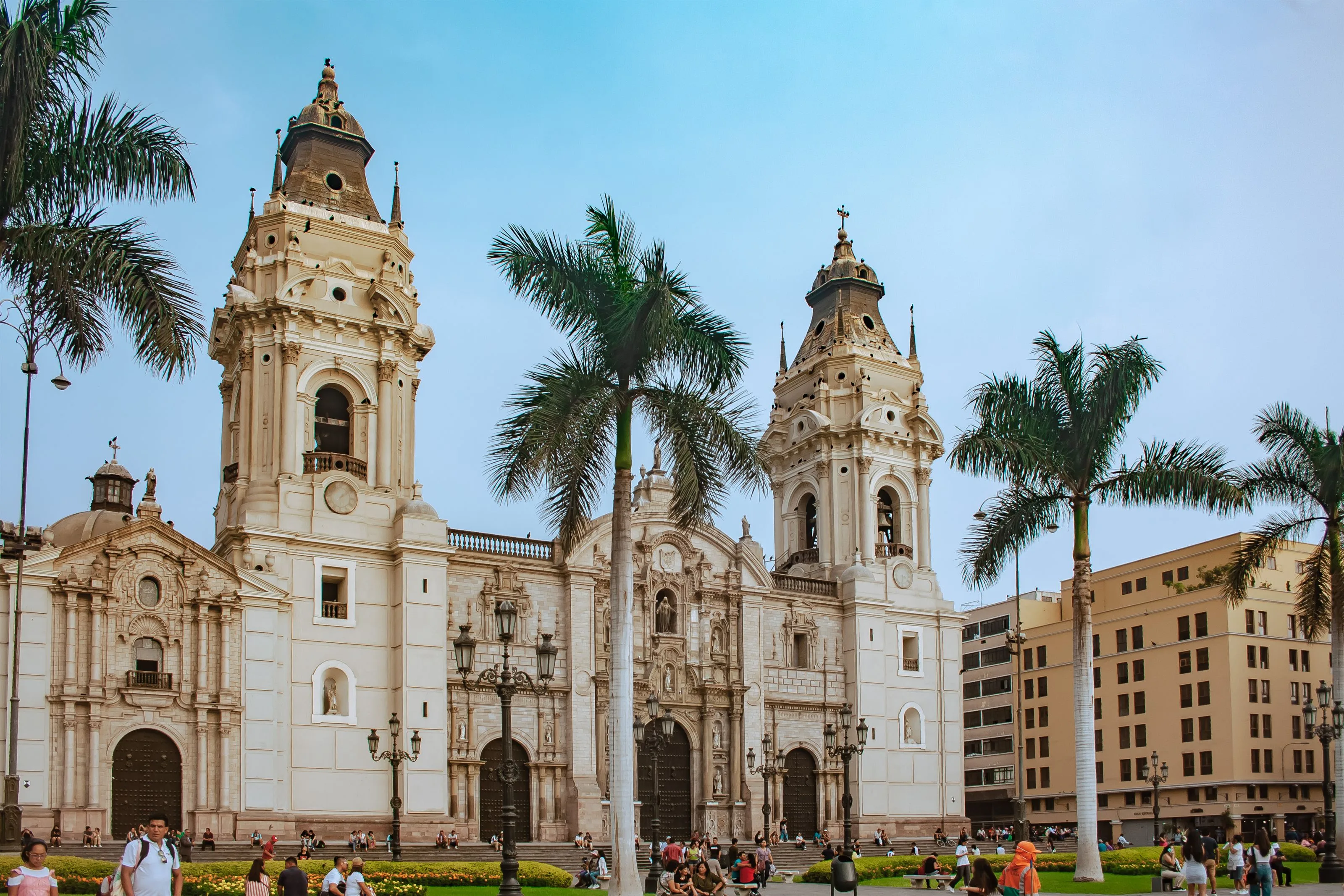
The Plaza Mayor and the cathedral
The Plaza Mayor is the city's founding square, surrounded by the cathedral, the Government Palace, the Archbishop's Palace and the city hall. The cathedral, with two towers of pale stone, can be visited; the square's palm trees and benches make it a place for a stroll.
The San Francisco convent
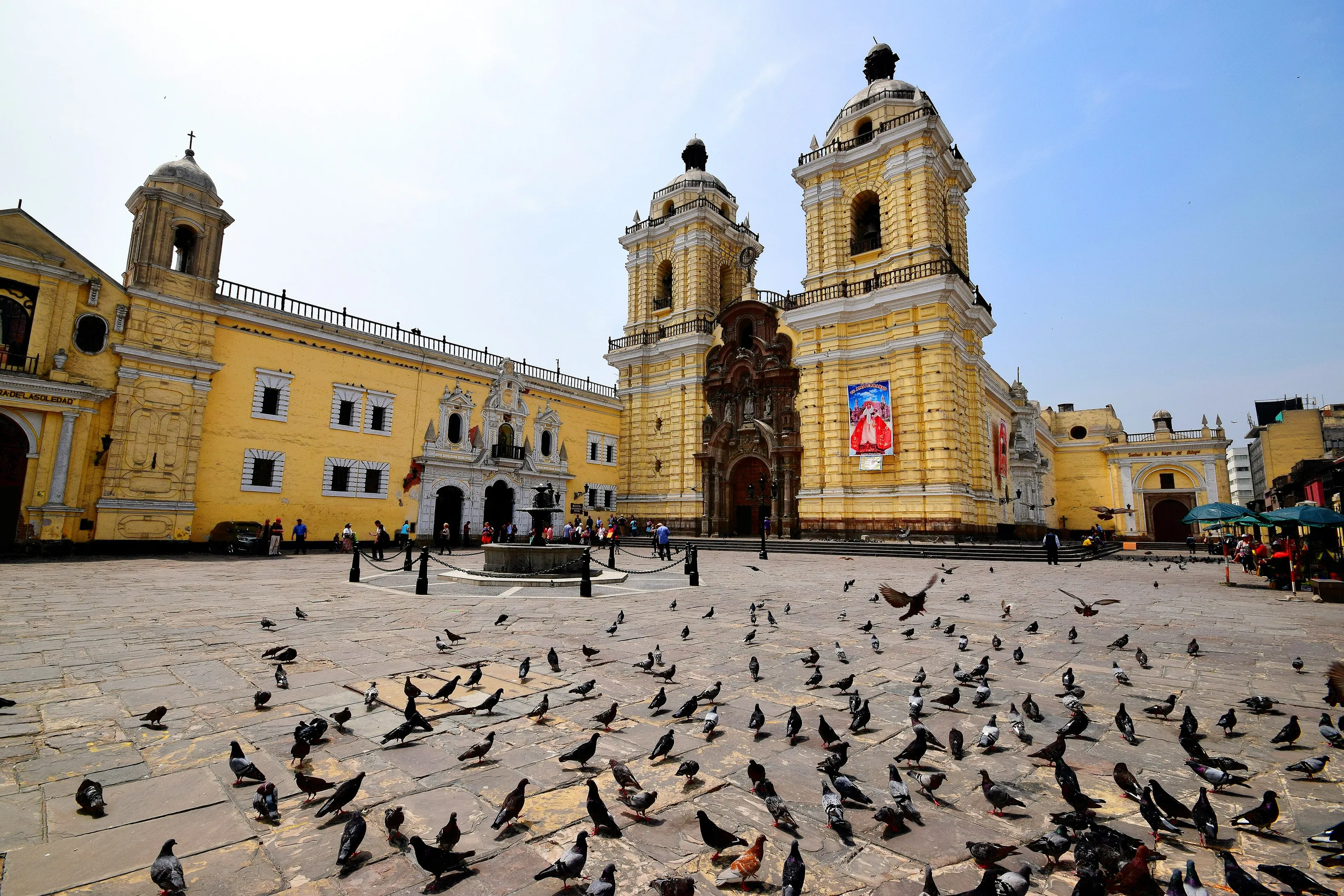
In the historic centre, the yellow and white Baroque San Francisco complex is famous for its church, library and catacombs, which are visited with a guide. According to UNESCO, the convent was added to the historic centre's listing in 1991. The square is frequented by pigeons.
The Miraflores cliffs
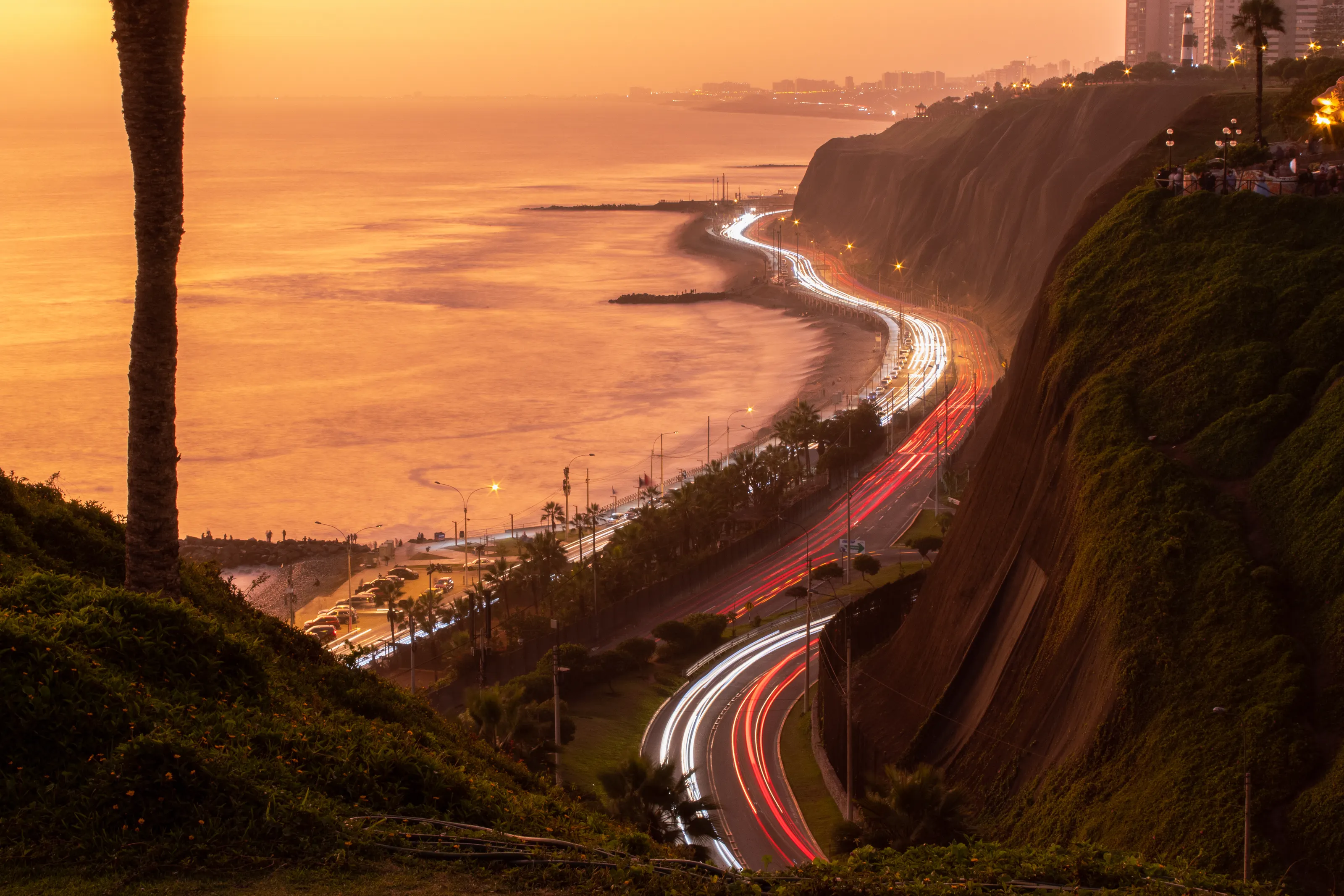
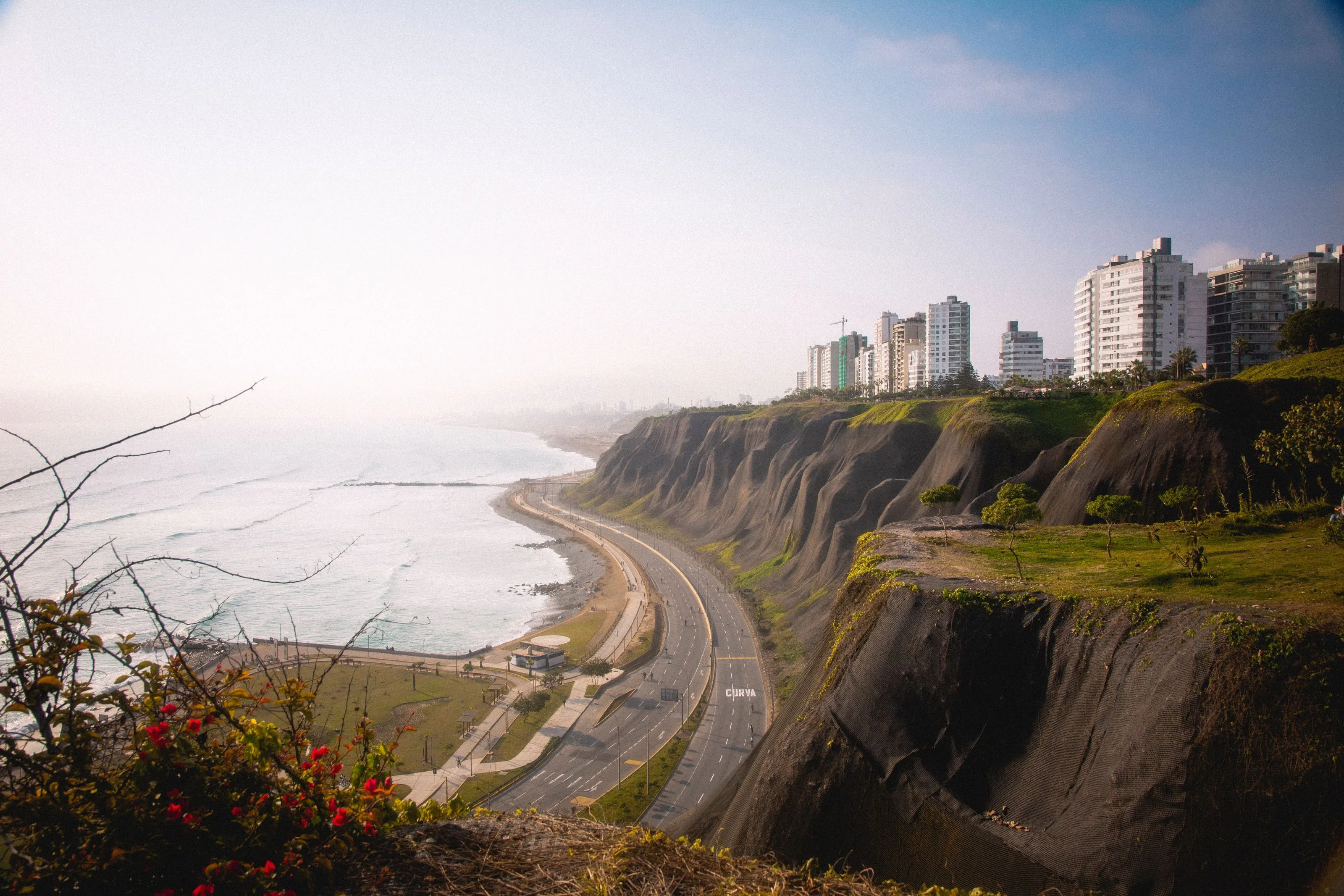
Miraflores overlooks the Pacific from high cliffs; a walking path, the Malecón, runs along them, with parks, views of the Costa Verde coast road and, in the right season, paragliders. The Love Park is one of the best-known places in the district.
Sunset over the Costa Verde
At dusk, car headlights draw trails on the coast road beneath the cliffs. It is one of the most enjoyed moments in Miraflores, when the sky clears of mist.
Barranco, Huaca Pucllana and the balconies, in text
Barranco is the district of artists, galleries, bars and colourful houses; its Bridge of Sighs is one of its landmarks. Huaca Pucllana, in Miraflores, is a pre-Hispanic adobe-brick pyramid in the middle of the buildings. In the historic centre, large carved wooden balconies adorn the colonial façades.
Museums and culture
Pre-Columbian art, galleries and archaeological sites
The Larco Museum
Housed in an old mansion in the Pueblo Libre district, the Larco Museum presents a large collection of pre-Columbian art, notably ceramics and goldwork from different cultures of the coast and the Andes.
The MALI and the Museo de la Nación
The Lima Art Museum (MALI) traces the history of Peruvian art from pre-Columbian times to today. The Museo de la Nación is devoted to the country's history and cultures; check its opening hours before you come.
Huaca Pucllana and Pachacamac
The Huaca Pucllana site, in Miraflores, has a small site museum; Pachacamac, a large archaeological site south of the city, can be visited in half a day. We give no ticket prices.
Food and drink
Ceviche, lomo saltado and pisco sour
Ceviche
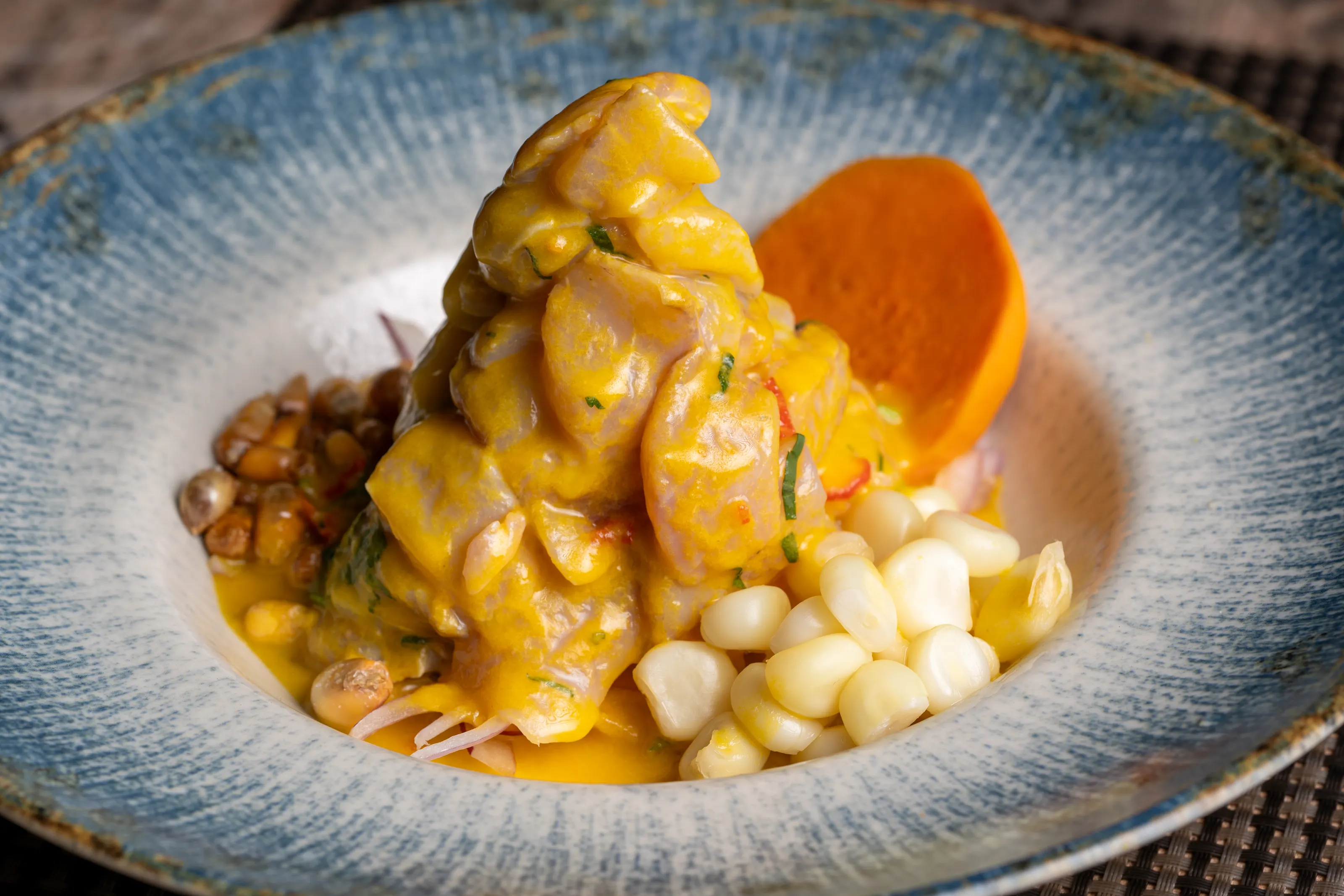
Ceviche is Lima's emblematic dish: raw fish marinated in lime juice, with ají chilli, onion, sweet potato and giant corn, as here. It is mostly eaten at midday. Lima is often presented as the gastronomic capital of Latin America.
The dishes
Lomo saltado, beef stir-fried with onions, tomatoes and fries, comes from the encounter with Chinese cooking; ají de gallina is shredded chicken in a creamy yellow chilli sauce; causa is a potato terrine. Anticuchos, grilled skewers, are eaten in the street. Nikkei cooking, a fusion with Japan, is also worth discovering.
Drinks and sweets
Pisco sour, a cocktail of pisco, lime, egg white and bitters, is the national drink; chicha morada, a purple corn drink, and picarones, sweet potato fritters, complete the table.
Markets
Neighbourhood markets, such as the one in Surquillo, let you discover local produce and fruit.
Getting around
Metropolitano, metro, taxis and walking
Metropolitano and metro
The Metropolitano is a network of dedicated-lane buses that crosses the city from north to south, via the centre, Miraflores and Barranco; it is used with a rechargeable card, and is very busy at rush hour. Metro line 1, elevated, completes the network in the east and south.
Taxis and combis
Taxis and apps are practical; favour official services and agree the price in advance for a street taxi. Combis, shared minibuses, are numerous but crowded and riskier for a visitor: use them with caution.
On foot
Miraflores and Barranco are easy to explore on foot, with clifftop promenades. The trip between the centre and Miraflores takes time at rush hour: plan for it in your schedule.
Budget and precautions
A moderate budget, gentler than Europe
Price level
Lima is a moderate-budget destination: more affordable than Europe for food and transport, with pricier accommodation in Miraflores and Barranco than elsewhere. The currency is the Peruvian sol (PEN). We give no figures because we could not cross-check them on two independent open sources.
Flights
The flight remains the most variable item. SniperAir monitors prices to LIM and compares them with the route's history, but it does not sell or book tickets. Lima is also the gateway to Cusco and Machu Picchu: a domestic flight often extends the trip.
Health and safety
Consult your country of departure's official recommendations for formalities, health and safety. The sun is strong in summer: protect yourself. Lima is a big city: take the usual precautions (keep your phone and valuables discreet, use official taxis, avoid isolated areas at night).
When to go
A coastal desert, winter mist, a dry summer
Southern summer (December to March)
Hot, dry and sunny, with a very high UV index according to Wikivoyage (EN). It is the high season for the beaches and the cliffs.
Autumn (April to May)
Temperatures fall gradually; mist starts to appear in May. A good time for visits.
Southern winter (June to September)
Often grey skies, with a fine mist, the garúa, and marked humidity; it is cool without being cold. Museums and food come into their own.
Spring (October to November)
The sky gradually clears; days lengthen, before the sun of summer returns.
Lima is south of the equator: the seasons are reversed compared with Europe (summer runs from December to March). The city sits in a coastal desert, where very little rain falls according to Wikivoyage (EN), but where the cold ocean causes frequent mist from about May to November. We give no precise temperatures because we could not cross-check them; check the forecast before you go.
By length of stay
What to do in Lima depending on how long you stay
The essentials
The historic centre and San Francisco, Miraflores and its cliffs, Barranco, a ceviche.
Museums and sites
The Larco Museum, the MALI, Huaca Pucllana, the catacombs and an evening in Barranco.
Around Lima
Pachacamac to the south, or a flight to Cusco and Machu Picchu, or to other South American cities.
In pictures
Lima in pictures
You might also like
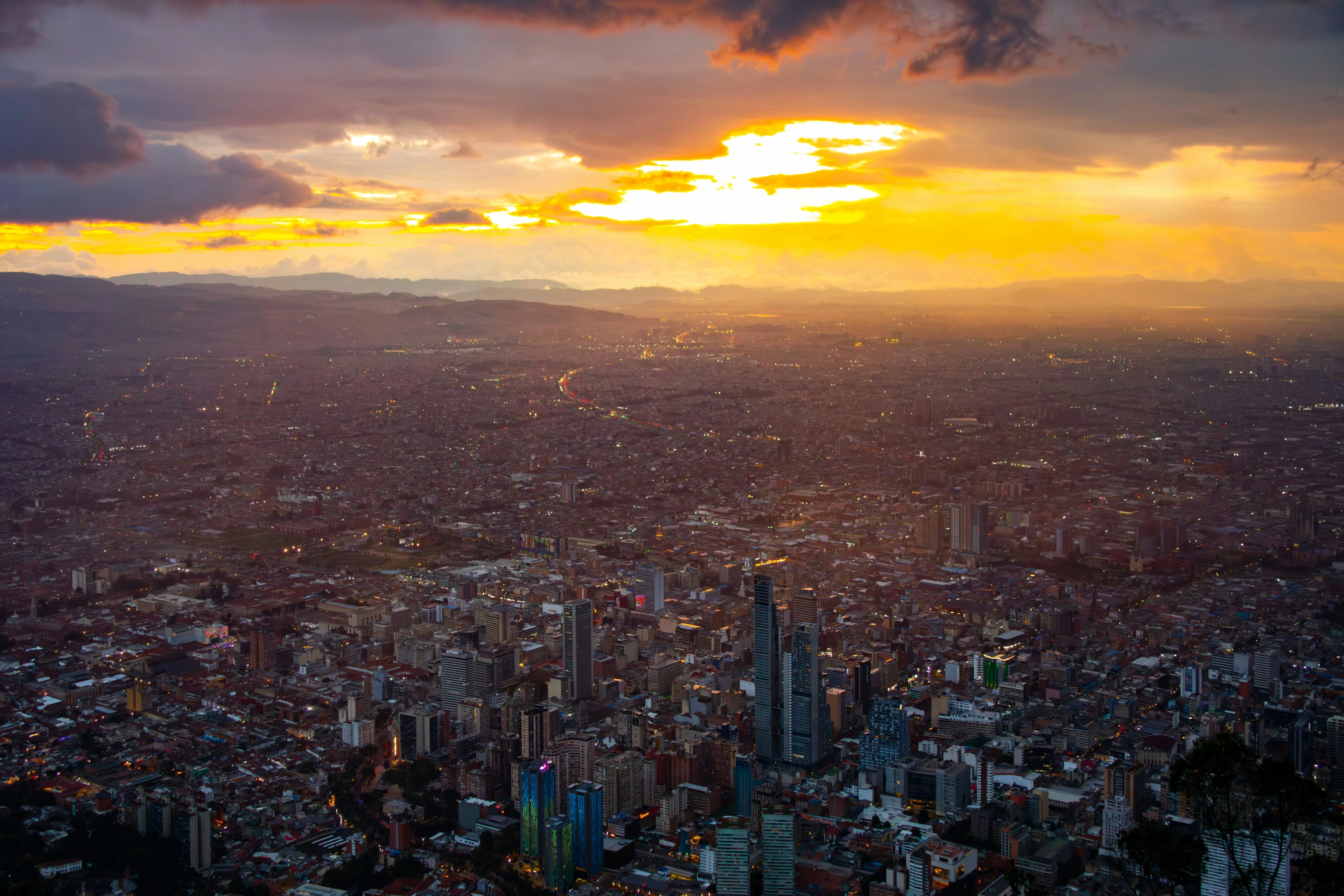
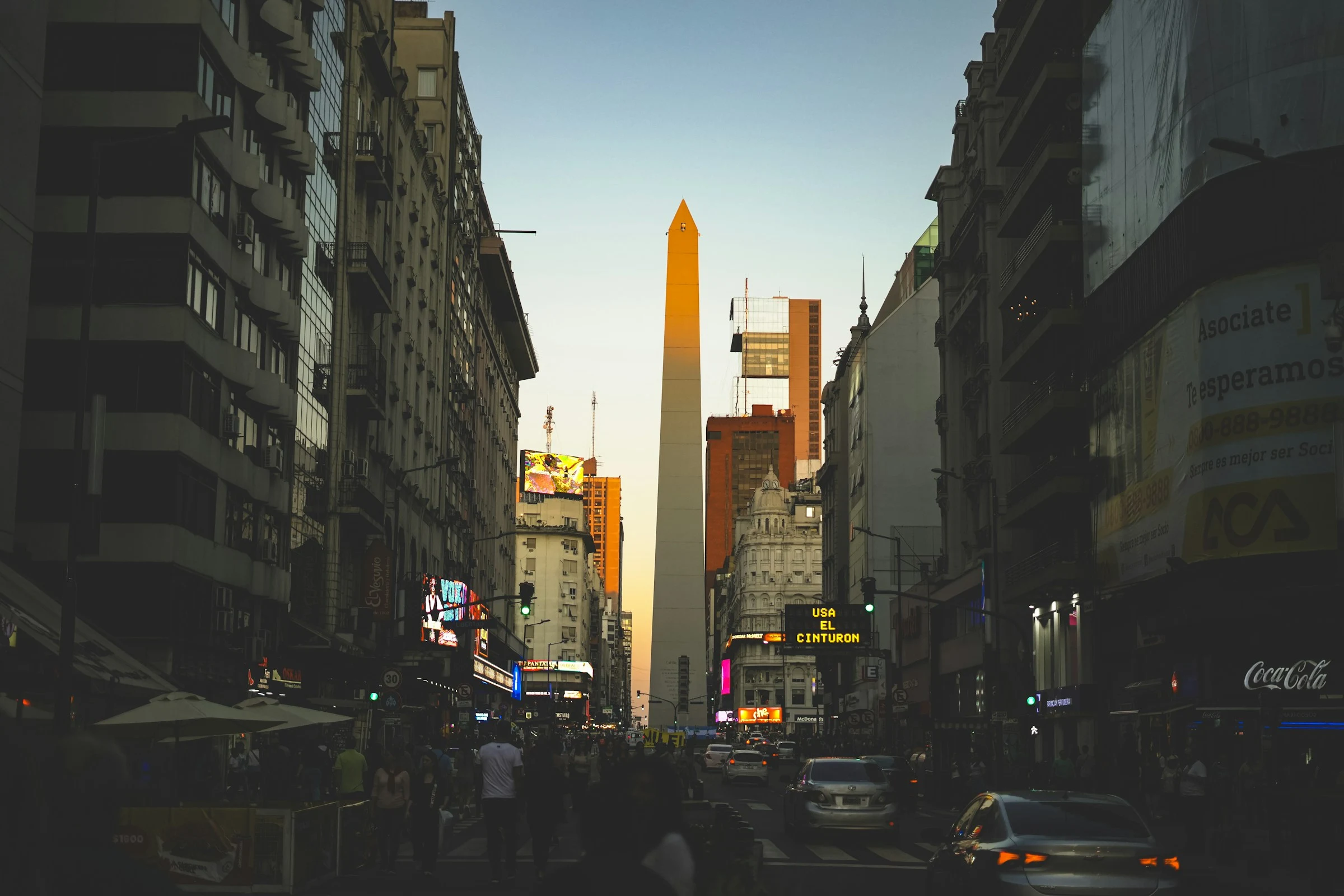
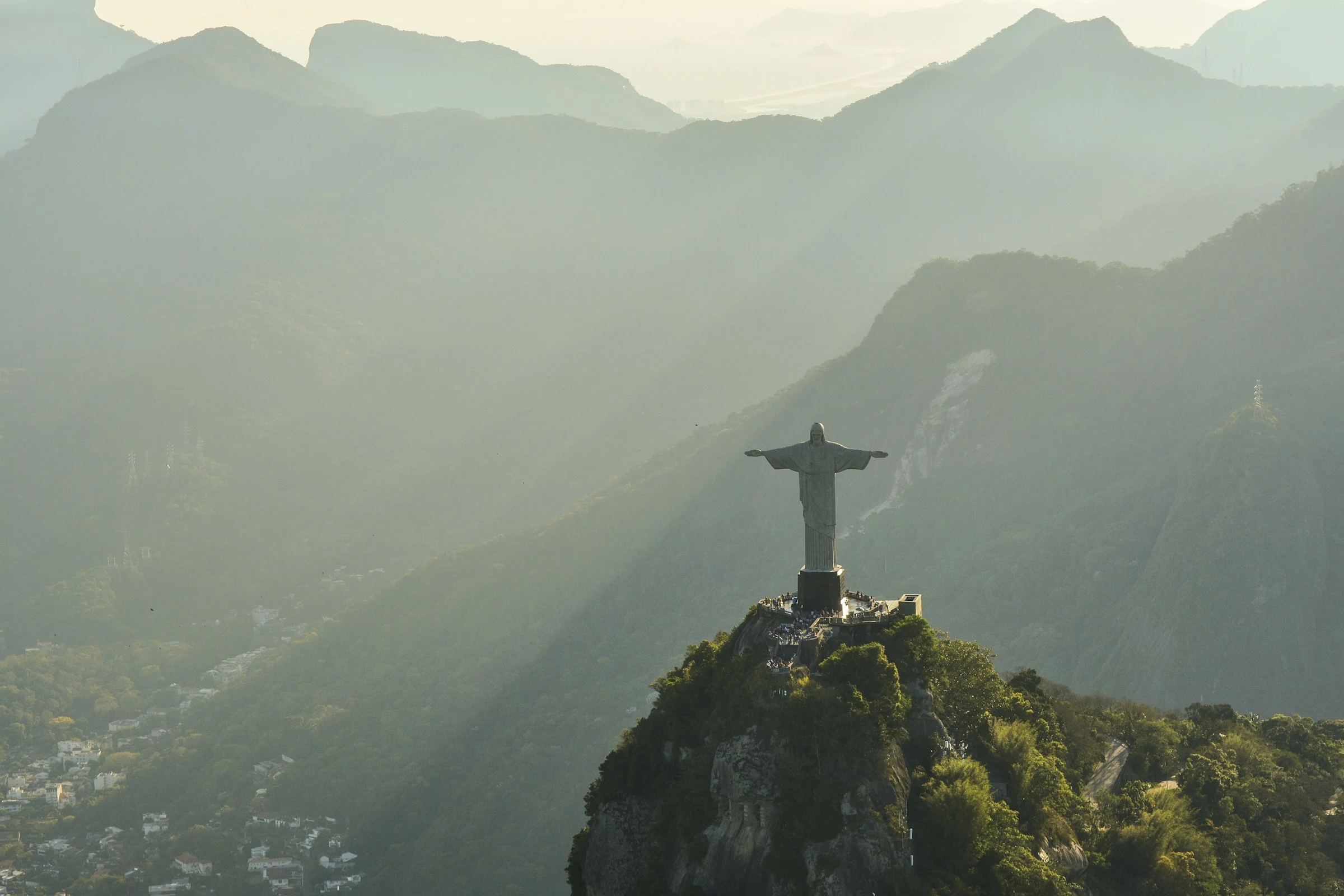
Similar destinations
FAQ
Frequently asked questions about flights to Lima
How do I get from Lima airport to the centre?
Jorge Chávez Airport (LIM), in Callao, is about 11 km from the historic centre and 17 km from Miraflores according to Wikivoyage (EN). Allow between half an hour and over an hour depending on traffic. An express bus serves Miraflores, and public buses and official taxis also run; avoid informal taxis.
When is the best time to visit Lima?
December to April for the sun and heat of the southern summer; from May to November the sky is often grey, with a fine mist called garúa, but the city remains pleasant for museums and food.
Is Lima expensive?
The budget is moderate: generally gentler than Europe, especially for food and transport, with pricier accommodation in Miraflores. We give no amounts because we could not cross-check them.
How long should I stay in Lima?
Two days for the historic centre, Miraflores, Barranco and a good meal; four days if you add the museums, Huaca Pucllana and Pachacamac; Lima is also the starting point for Cusco and Machu Picchu.
How do I get around Lima?
By Metropolitano (dedicated-lane buses), by metro (line 1), by taxi or ride app; on foot in Miraflores and Barranco. Combis, shared minibuses, should be used with caution.
What should I eat and drink in Lima?
Ceviche, lomo saltado, ají de gallina, anticuchos and pisco sour; the city is often presented as the gastronomic capital of Latin America.
How much does a flight to Lima usually cost?
The price depends mainly on your departure city, the time of year and how far ahead you book. The "opportunities" section above shows real examples of prices SniperAir has already detected to this destination.
How do I get alerted when a flight to Lima drops below my budget?
Create an alert profile with your departure airport, Lima as the destination and your maximum budget. You are notified automatically as soon as a matching price is detected.
Ready to head to Lima?
Set your budget and let SniperAir monitor fares for you.
Create my alert