
Cheap flights to Montevideo
Set your departure airport and maximum budget: SniperAir tracks prices to Montevideo and alerts you the moment a deal matching your criteria appears.
Quick summary
Country
Uruguay
Continent
South America
Airport
MVD
Currency
Uruguayan peso (UYU)
Time zone
UTC-3
Deals already spotted to Montevideo
Real flight examples detected by SniperAir, with their reference price.
Loading examples…
Why track Montevideo with SniperAir
You do not need to compare prices every day
Choose your departure
Enter your departure airport and your maximum budget for a flight to Montevideo (MVD).
SniperAir keeps watch
Our systems continuously compare new prices with the real price history of the route. SniperAir monitors prices and alerts you: it does not sell or book tickets.
You receive an alert
As soon as a price matches your criteria, you are notified, without having searched for anything yourself.
Montevideo is the capital and largest city of Uruguay, on the north shore of the Río de la Plata. It combines a colonial old town, many Art Deco buildings, a long riverside promenade, the Rambla, and beaches that locals use all summer. Direct flights from Europe are scarce, so travellers often connect through another airport, which makes price tracking all the more useful.
Airport and getting into town
An airport east of the city, across the Carrasco stream
Montevideo – Carrasco (MVD)
Carrasco International Airport, the country's main airport, is in Colonia Nicolich, in the neighbouring department of Canelones, east of the city: Wikipedia (ES) gives 20 km from the centre and Wikivoyage (EN, FR) about 15 km, so allow 15 to 20 km. Buses link the airport with the Río Branco terminal near Plaza Independencia, and intercity coaches go to the Tres Cruces bus station, according to Wikivoyage (EN, DE); Wikivoyage (EN) mentions 1 to 1.5 hours by bus. Flights from South American cities are frequent; from Europe, check the stopovers.
Approximate distances and times, based on Wikipedia (ES) and Wikivoyage (FR, EN, DE); sources differ. We do not give fares.
Montevideo was founded in 1726 by the Spanish according to Wikipedia (FR, EN), and has been the country's capital since 1828 per French Wikipedia. Population figures vary widely depending on whether the city, the department or the metropolitan area is counted, so we do not publish one. The city is flat, with the Cerro de Montevideo as its high point at around 135 m.
Landmarks
Palacio Salvo, the old town and the waterfront
Central Montevideo is best explored on foot, from Plaza Independencia to the Ciudad Vieja. The places below are illustrated; some data differ between sources, particularly building heights, so we do not give them.
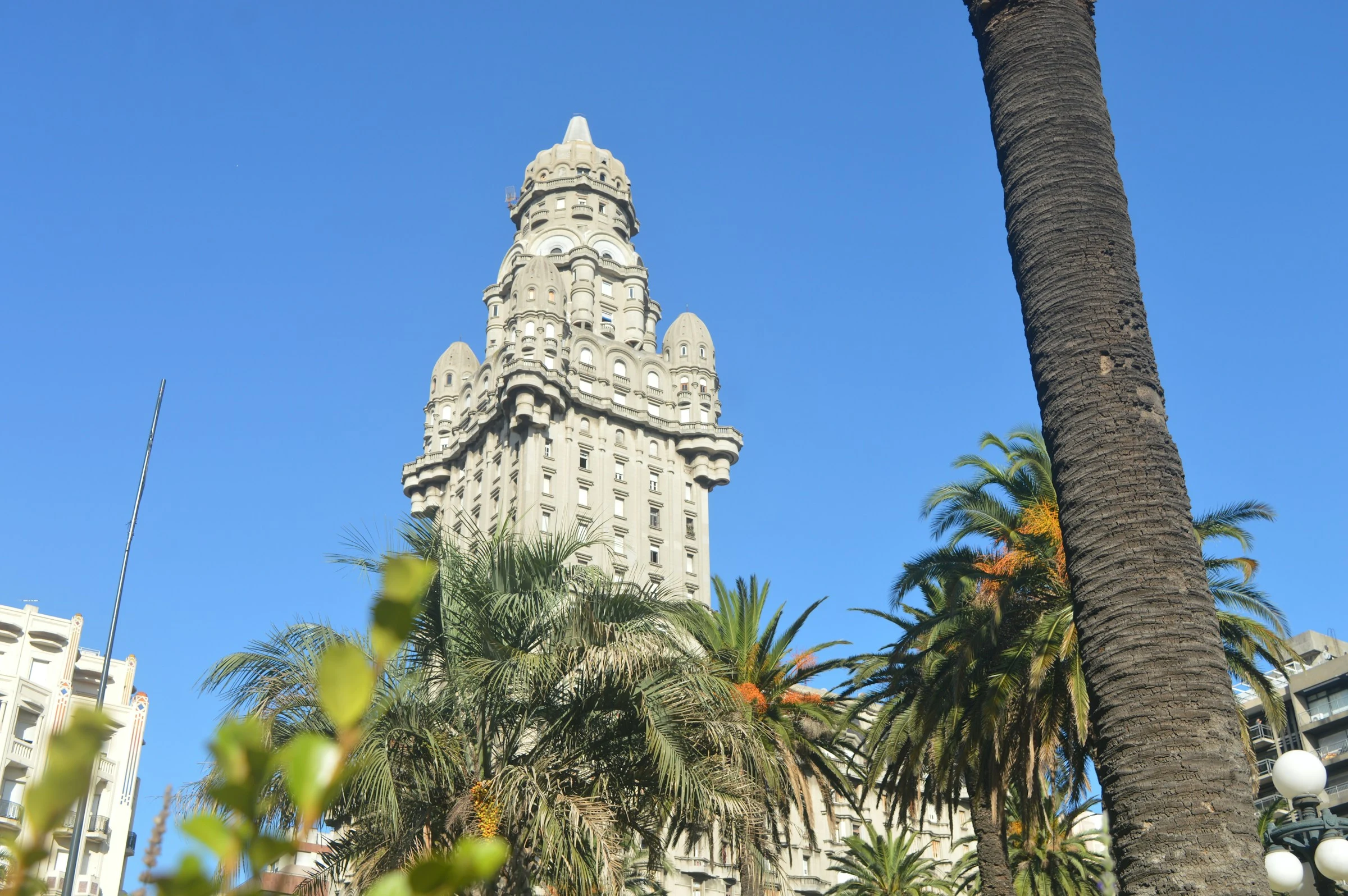
Palacio Salvo, on Plaza Independencia
This pale stone tower, completed in 1928 according to Wikipedia (EN) and designed by architect Mario Palanti, dominates the great square that separates the Ciudad Vieja from downtown. Wikivoyage (ES) calls it the symbol of Montevideo and describes it as Art Deco, although sources differ on its style and height. In the middle of the square stand the statue of General Artigas and his mausoleum (Wikivoyage EN).
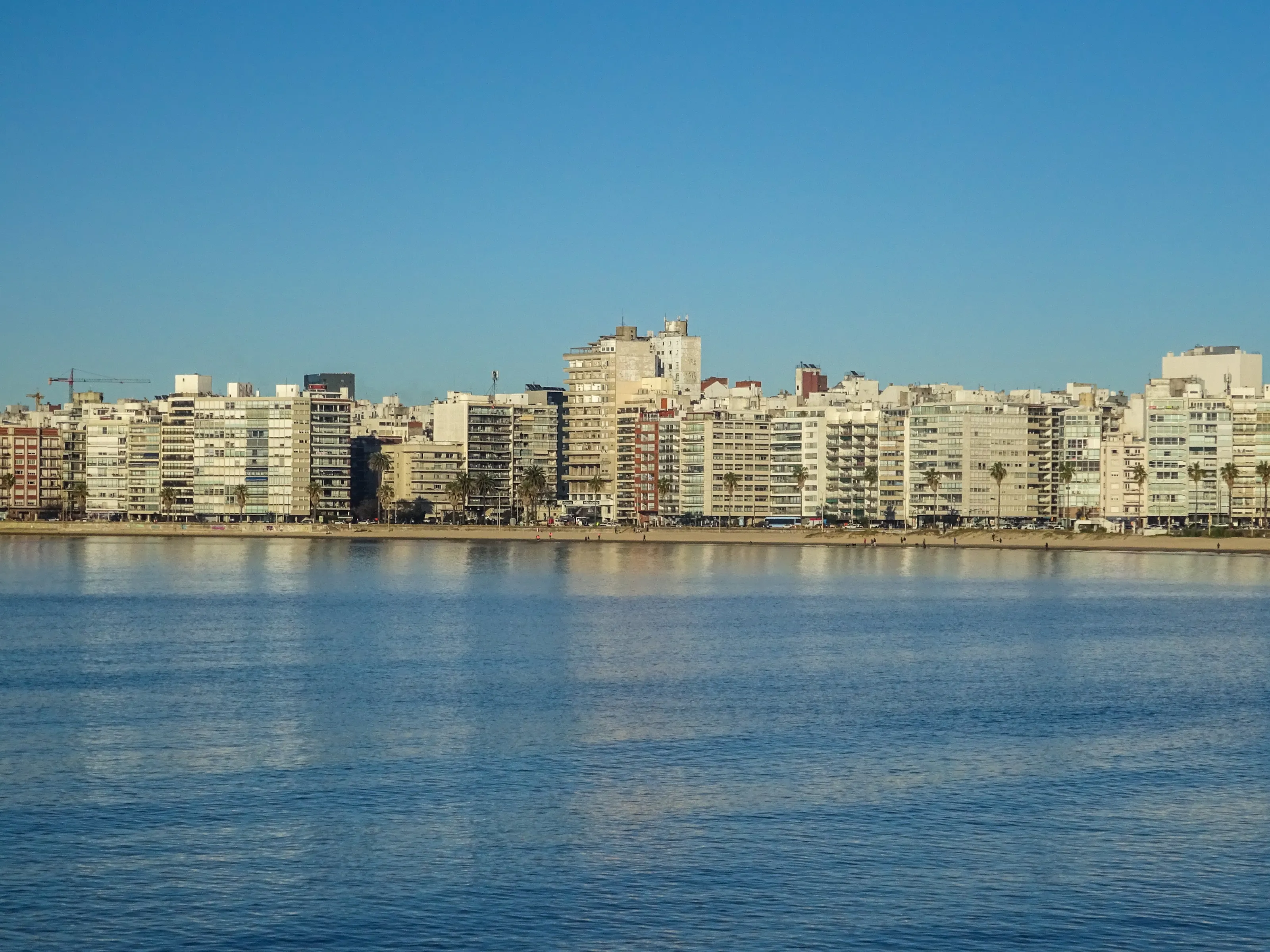
The waterfront seen from the water
From the water, the city appears as a long line of pale buildings edged by a beach. Wikipedia (EN, ES) lists the beaches of Ramírez, Pocitos, Carrasco, Buceo and Malvín, and notes that 60% of residents spend the summer in the city. French Wikipedia adds that the city is bordered by the Río de la Plata, a wide estuary.
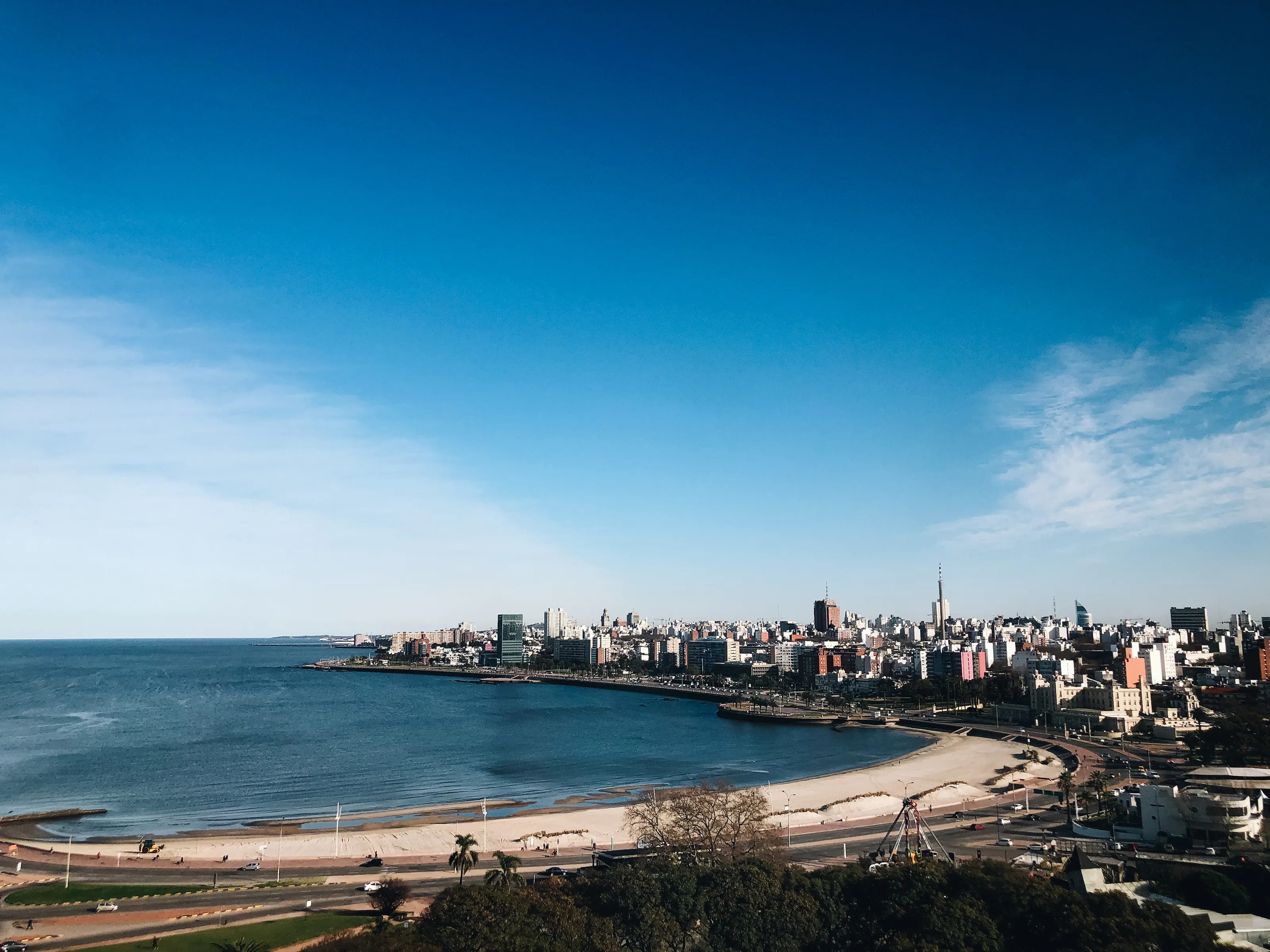
The coast and the city from above
From above, the coast of Montevideo alternates sandy beaches, promenade and residential districts along the estuary. French Wikipedia describes the city as built around a bay sheltering a natural harbour, one of the most important in the Southern Cone. Wikivoyage (EN) suggests walking along the promenade, which it says is reminiscent of Ipanema in Rio.
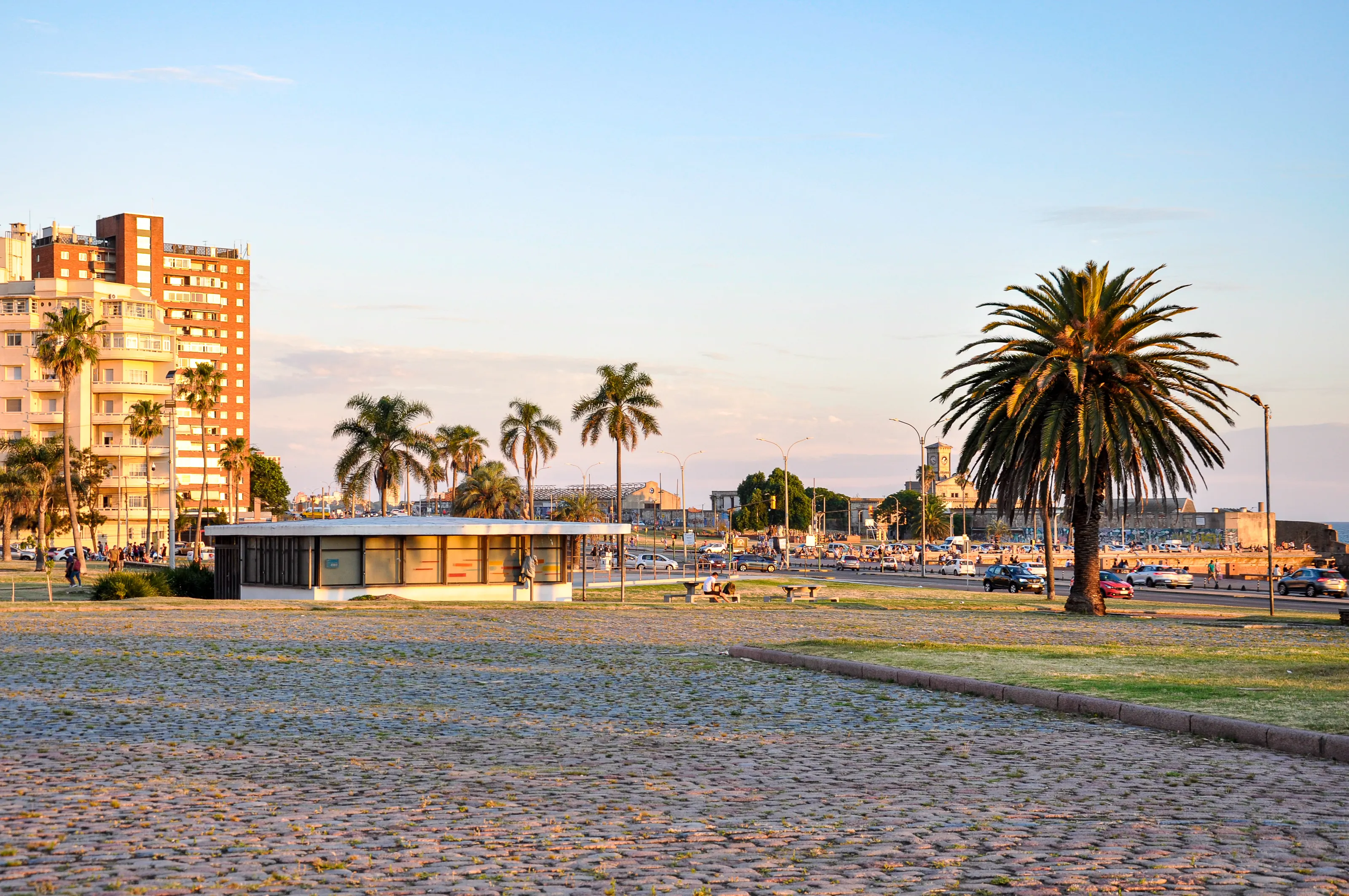
The Rambla at sunset
The Rambla runs along the city's coastline; its length is 22 km per Wikipedia (ES) and 27 km per Wikipedia (EN), so over twenty kilometres. It serves locals as a promenade, a fishing spot and a place to relax. Wikivoyage (EN) warns that cars drive fast there and that the promenade is considered unsafe after dark, so prefer daytime.
A sea of buildings facing the estuary
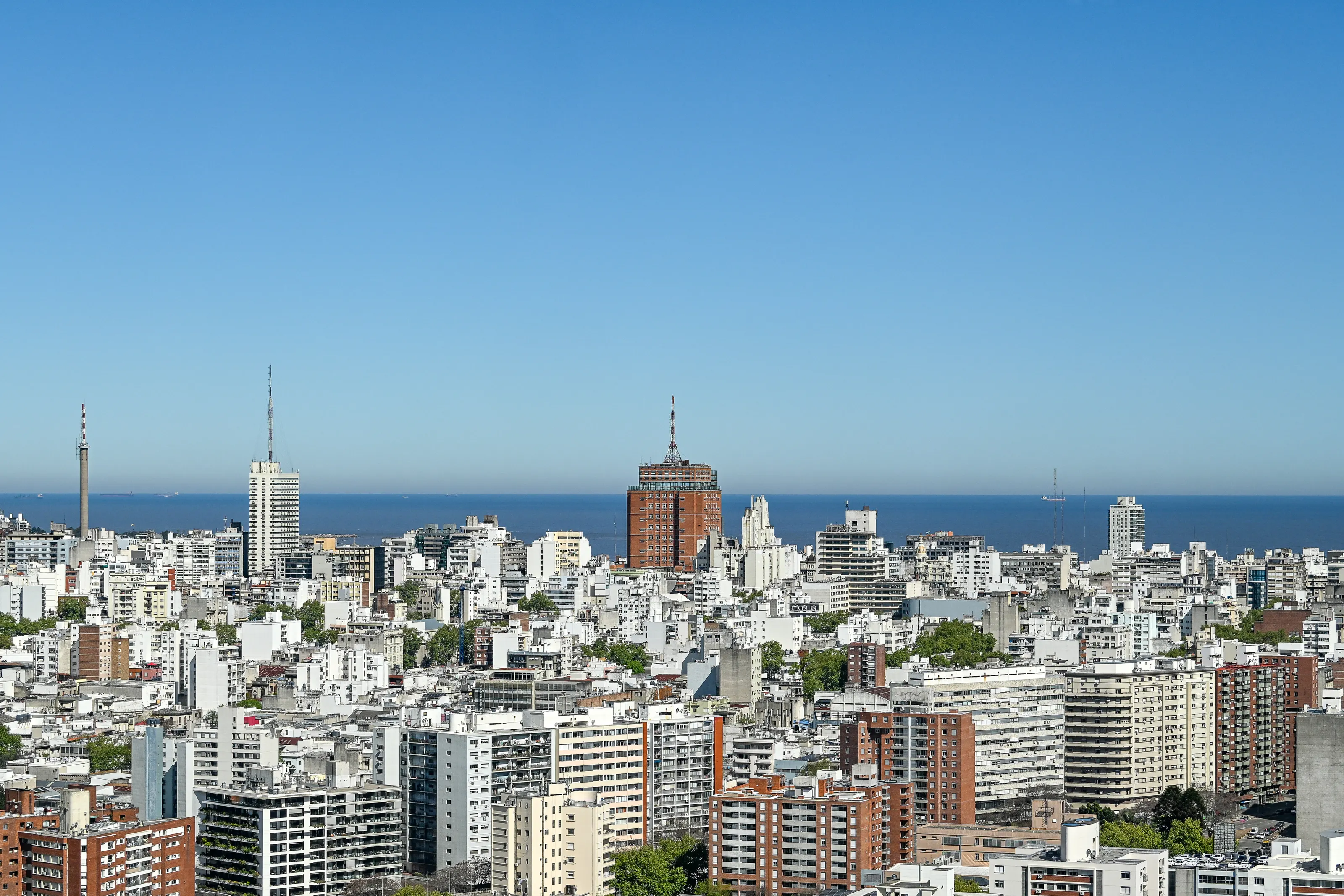
From the top of a building, Montevideo unfolds in white and ochre blocks to the horizon of the water. Wikipedia (FR, EN) presents the city as one of those with the most Art Deco buildings, mostly between 1925 and 1940 in the Centro and Ciudad Vieja according to the Spanish version. Wikipedia (EN) also names the ANTEL telecommunications tower, which stands out on the skyline.
Other visits named by Wikipedia (EN, ES, DE) and Wikivoyage (EN, DE) include the Metropolitan Cathedral and the Cabildo on Plaza de la Constitución, the Puerta de la Ciudadela, a remnant of the old city wall, the Teatro Solís, the Torre Ejecutiva, the Legislative Palace, Parque Batlle with the Centenario stadium, and the Mercado del Puerto. Punta del Este and Colonia del Sacramento can be visited as day trips by coach from Tres Cruces (Wikivoyage FR).
Museums and culture
Uruguayan art, pre-Columbian art and carnival
Museums of the Ciudad Vieja
Wikivoyage (EN) lists in the old town the Torres García Museum, devoted to the Uruguayan painter and sculptor Joaquín Torres García, MAPI (the Museum of Pre-Columbian and Indigenous Art), the Palacio Taranco, which houses the Museum of Decorative Arts, and the National History Museum, spread across several historic houses.
Art, carnival and gauchos
Wikipedia (EN, DE) mentions the National Museum of Visual Arts in Parque Rodó, the Carnival Museum with its costumes and drums, and the Gaucho and Money Museum with its horse gear and objects linked to mate.
Tango, theatre and festivals
Tango, candombe and murga, the city's three musical styles, originated in Montevideo according to Wikipedia (EN, ES). The neoclassical Teatro Solís is the most important theatre in the city (ES, DE). Carnival, with the Llamadas parade, is the great annual festival (EN, ES). We give no fees or opening hours: they change and sources differ.
Food and drink
Grilled meat, chivitos and Italian heritage
Typical dishes
Wikipedia (EN) describes a cuisine shaped by Italian and Spanish immigration: pasta, pizza, gnocchi and grilled meat, asado. The chivito, a steak sandwich, is one of the most popular specialities (Wikipedia EN, Wikivoyage EN).
Pizza, gnocchi and sweets
Gnocchi are traditionally eaten on the 29th of each month, according to Wikipedia (EN). Wikivoyage (EN) lists wood-fired pizza a la piedra in rectangular slices, fainá, a chickpea flatbread, dulce de leche and the churros of Parque Rodó.
Markets and habits
The Mercado del Puerto in the Ciudad Vieja is the recommended place for grilled meat (Wikivoyage DE, EN); Wikipedia (ES) dates it to 1868. Wikivoyage (EN, DE) notes that restaurants often add a cover charge, the cubierto, on top of the dish.
Getting around
On foot, by bus and by ferry from Buenos Aires
Walking
The centre is easy to explore on foot according to Wikivoyage (EN): from Plaza Independencia, 18 de Julio Avenue heads east, and the Rambla offers a long waterside walk.
Buses and taxis
Buses are the only mass public transport in the city according to Wikivoyage (EN); they are paid with an STM card or cash. Taxis are plentiful but not very cheap (Wikivoyage EN). The Tres Cruces bus station serves Colonia and Punta del Este (Wikivoyage FR, DE).
Ferry from Buenos Aires
High-speed ferries link Buenos Aires with the Ciudad Vieja in 2.5 to 3 hours according to Wikivoyage (EN, FR); there is also an option via Colonia. There is no long-distance passenger train (Wikivoyage FR, DE).
Budget and precautions
A mid-range price level and basic precautions
Price level
Wikivoyage (EN) finds taxis plentiful but not very cheap and notes that restaurants often add a cover charge. We give no figures, as we could not cross-check them against two independent sources.
Currency
Uruguay uses the Uruguayan peso (UYU).
Flights, safety and health
SniperAir monitors prices to MVD and compares them with the route's history, but it does not sell or book tickets. For comparison you can also track Buenos Aires. Wikivoyage (EN, ES) judges Montevideo fairly safe by the standards of the continent but reports pickpocketing downtown: wear bags and backpacks in front of you, and avoid the old town outside the pedestrian area, the coastal promenade and the port area at night; check the official advice of your home country for safety and entry requirements.
When to go
A humid subtropical climate with no dry season
Summer (December to February)
Wikipedia (EN) describes a hot, humid summer with days of 24 to 32 °C; Wikivoyage (EN) notes that over 30 °C is common and nights can stay cool. A breeze from the river often cools the evenings. This is the beach season.
Autumn and spring (March to May, September to November)
Wikipedia (EN) describes a pleasant autumn and a windier, more changeable spring, with quick temperature swings.
Winter (June to August)
Winter is cool, damp, windy and overcast according to Wikipedia (EN, ES): the average is just above 10 °C, with days of 10 to 18 °C. Wind and humidity make it feel colder (Wikivoyage EN).
Rain and wind
Rainfall is spread across the year with no dry season according to Wikipedia (DE, FR) and Wikivoyage (EN). Cold southerly winds, the pamperos, can drop the temperature in any season (Wikipedia DE).
The climate is humid subtropical (Cfa) according to Wikipedia (FR, EN, DE, ES). We do not give precise monthly averages because sources differ.
By length of stay
What to do in Montevideo depending on how long you stay
Centre and old town
Plaza Independencia, the Ciudad Vieja, the Mercado del Puerto and one museum, then a walk along the Rambla.
Beaches, parks and theatre
Pocitos and the other beaches, Parque Rodó, Parque Batlle, the Teatro Solís and more museums.
Day trips
Colonia del Sacramento or Punta del Este for a day, or a ferry crossing to Buenos Aires.
In pictures
Montevideo in pictures
You might also like
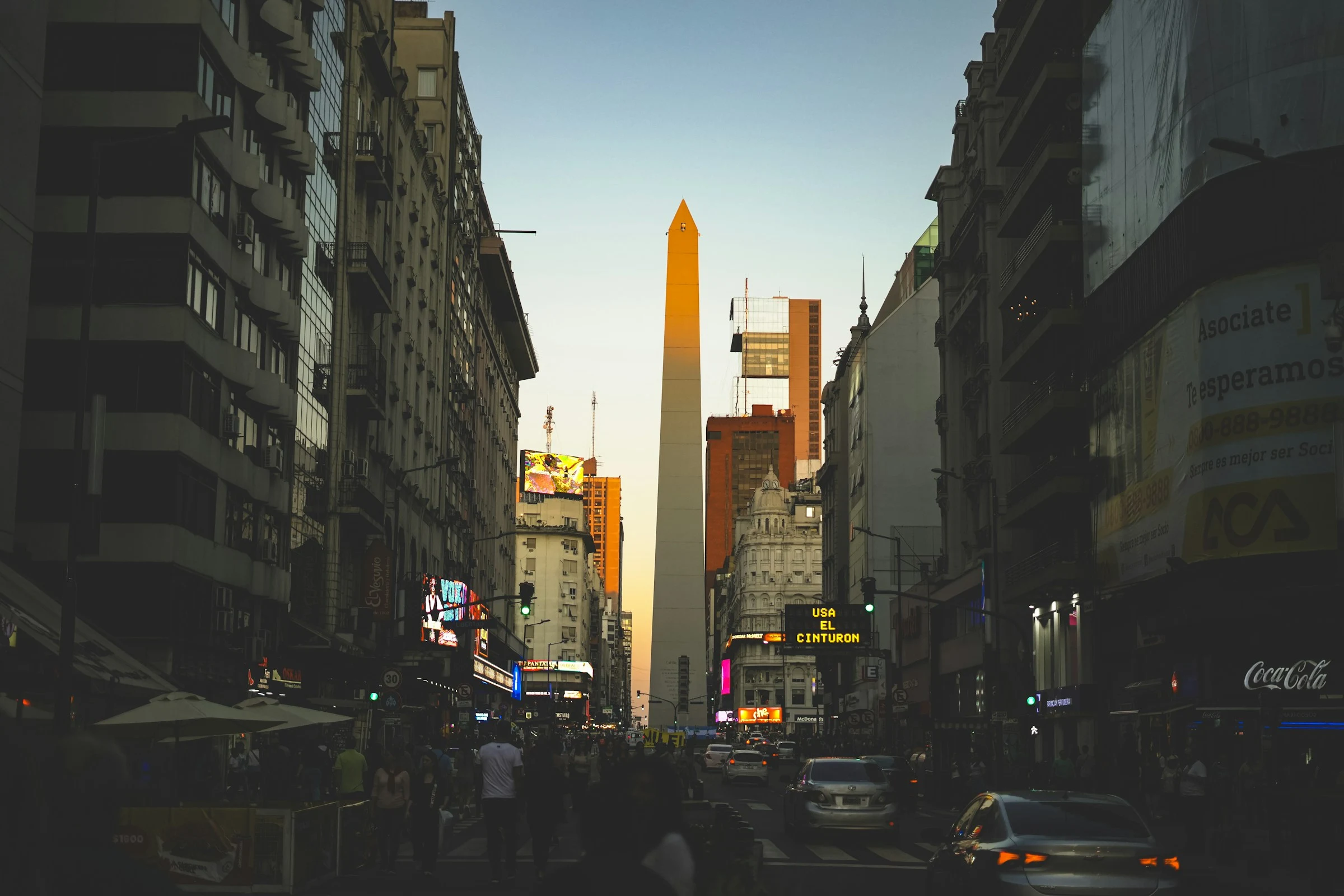
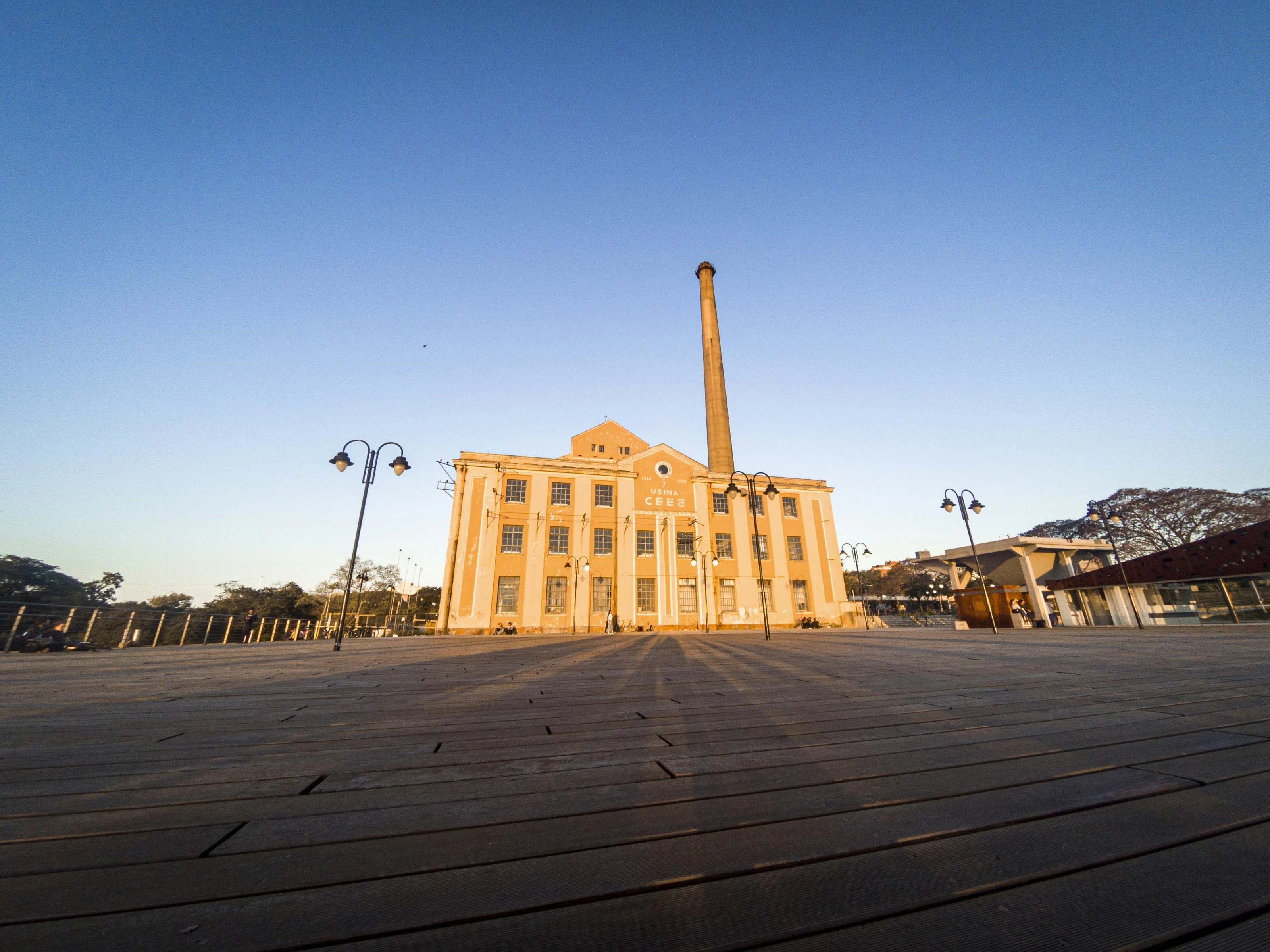
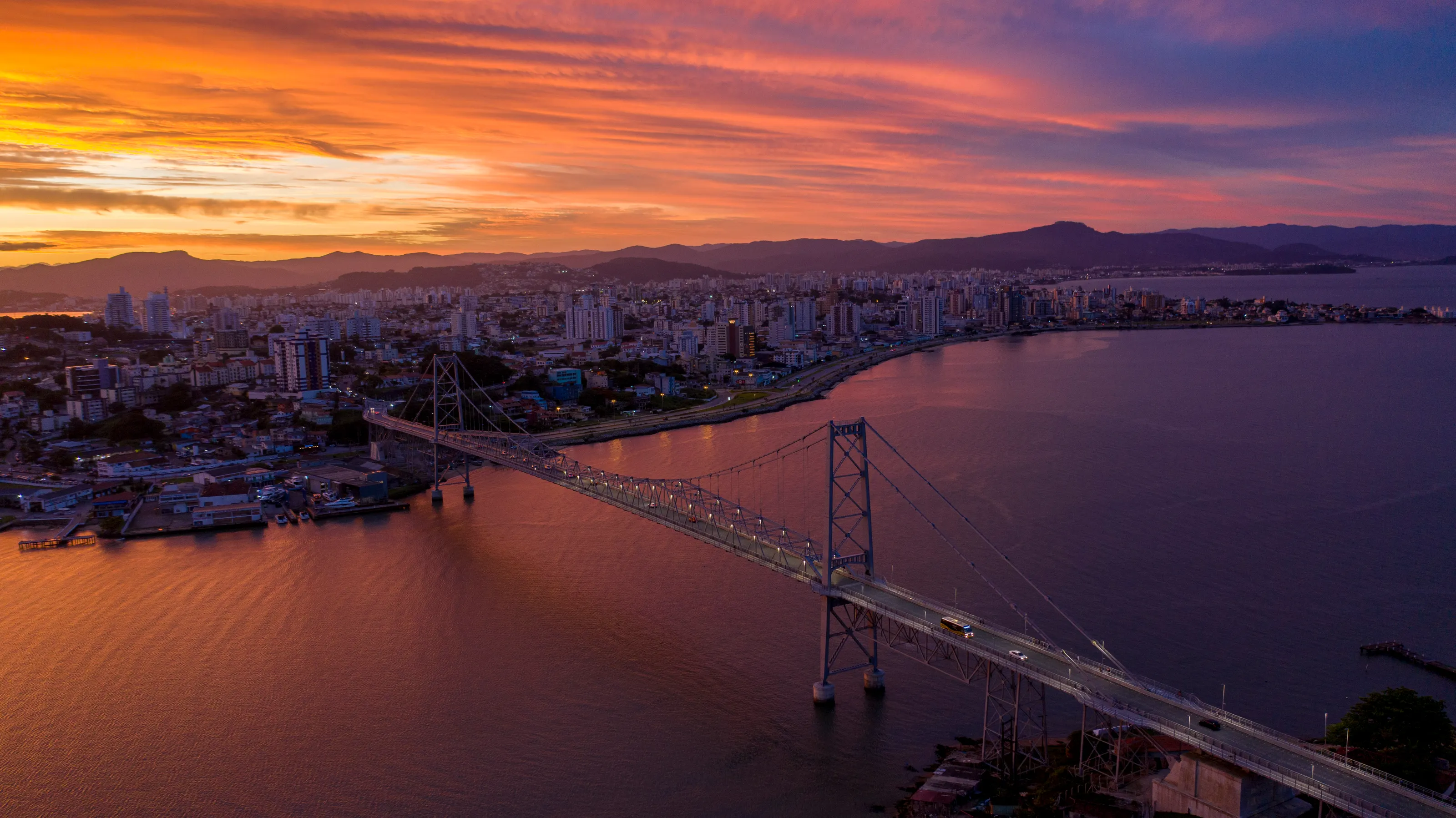
Similar destinations
FAQ
Frequently asked questions about flights to Montevideo
How do I get from Montevideo airport to the centre?
The airport (MVD) is in Carrasco, 15 to 20 km from the centre depending on the source. Buses run to the Río Branco terminal or the Tres Cruces station, and taxis are also available.
When is the best time to visit Montevideo?
Summer, December to February, suits the beaches, with warm days. Winter, June to August, is cool, damp and windy. There is no dry season.
What should I see in Montevideo?
Plaza Independencia and Palacio Salvo, the Ciudad Vieja and Mercado del Puerto, the Teatro Solís, the Rambla and the beaches of Pocitos and Carrasco.
Can I take a ferry from Buenos Aires to Montevideo?
Yes, high-speed ferries link Buenos Aires with the Ciudad Vieja in 2.5 to 3 hours, or via Colonia. Check the timetables before booking.
How long should I stay in Montevideo?
One to two days cover the centre and the old town; add two days for the beaches and museums, plus an excursion to Colonia or Punta del Este.
Is Montevideo a safe city?
Wikivoyage considers it fairly safe by the standards of the continent but reports pickpocketing downtown and advises against the old town outside the pedestrian area at night. Keep your belongings in front of you.
How much does a flight to Montevideo usually cost?
The price depends mainly on your departure city, the time of year and how far ahead you book. The "opportunities" section above shows real examples of prices SniperAir has already detected to this destination.
How do I get alerted when a flight to Montevideo drops below my budget?
Create an alert profile with your departure airport, Montevideo (MVD) as the destination and your maximum budget. You are notified automatically as soon as a matching price is detected. SniperAir monitors and alerts, it does not sell or book tickets.
Ready to head to Montevideo?
Set your budget and let SniperAir monitor fares for you.
Create my alert